Short cuts range from pixies and cropped pixies trimmed every few weeks to buzz cuts clipped at home with one guard length, with asymmetrical bobs, textured bobs, shags and layered bobs filling the middle.
The right cut depends on how often you’re willing to trim: cropped pixies lose their shape within 2 weeks, while chin-length bobs and lobs hold their line longer between appointments.
Most pixies and elongated textured pixies need the sides kept close to avoid puffing out as they grow, stacked bobs flatten at the crown without regular trims, and vivid colors like pastel or deep blue fade faster than natural salt and pepper waves.
1. Pixie Cut
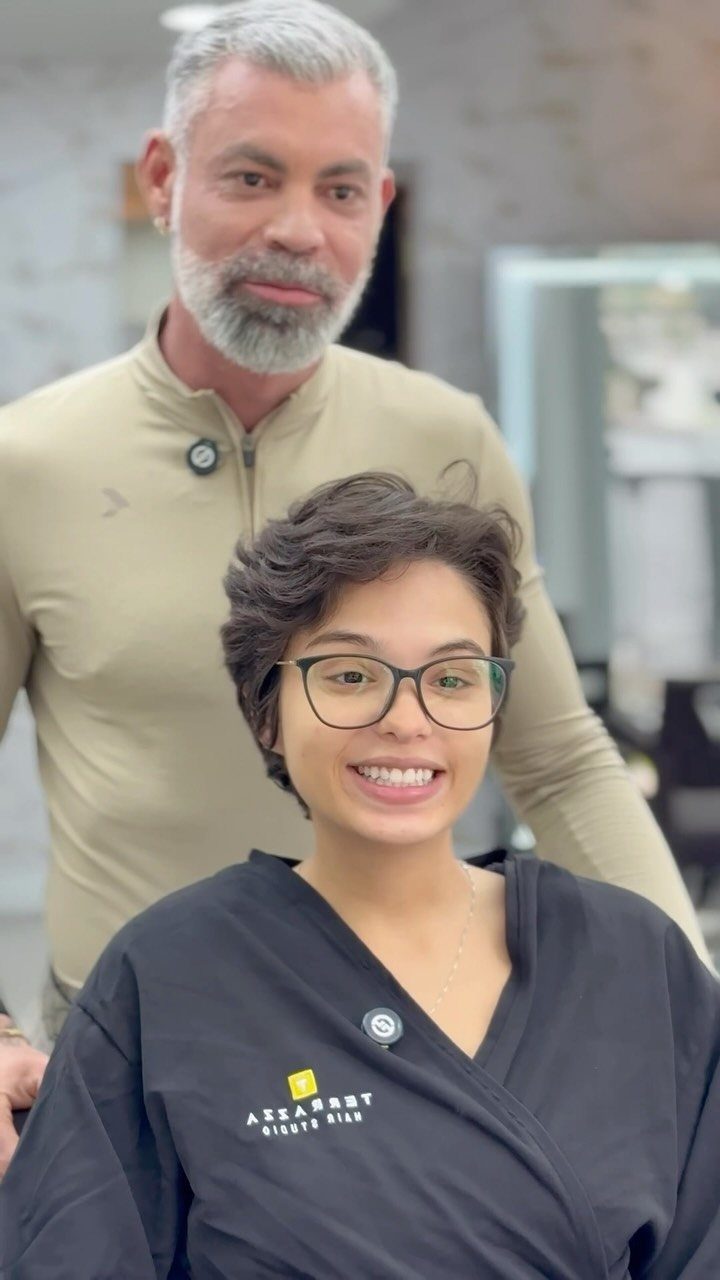
The sides and back stay close to the head, the top keeps enough length to style or sweep forward.
The length up top gives you options: swept forward, pushed back, or left tousled, depending on how much time you want to spend in the morning.
Pixies grow out fast and lose their shape once the sides start to lengthen. If you skip it, the sides grow out first and the silhouette softens, which works for some faces and reads messy on others.
2. Curly Pixie
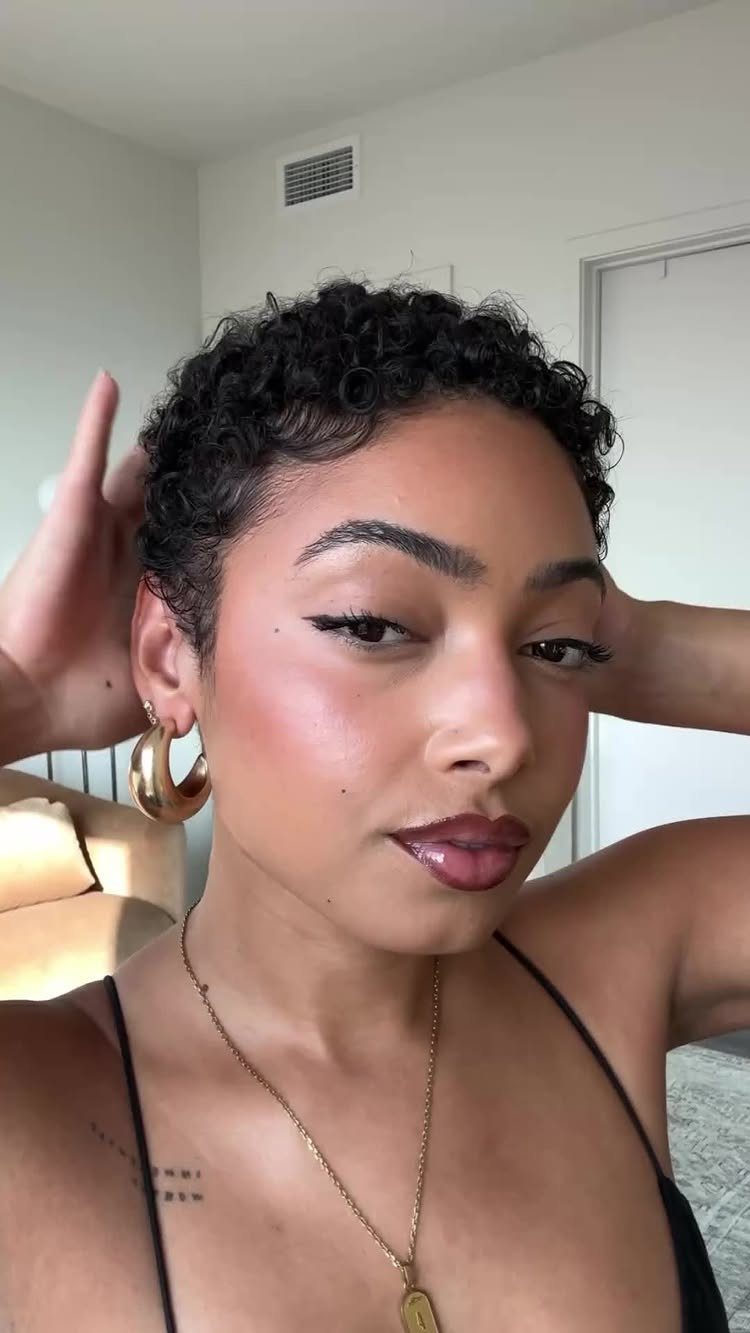
A short pixie shaped to show natural curls rather than fighting them. The cut removes weight so curls spring up instead of lying flat, and the shape follows the curl pattern rather than forcing it into a uniform length.
Curly pixies work best when the stylist cuts dry, curl by curl, so each piece falls where it will actually sit. Wet cutting often leaves you with a shape that vanishes once the curls dry and shrink.
Plan on regular trims to keep the proportions right, since curls can look uneven as they grow.
3. Curly Pixie Bob
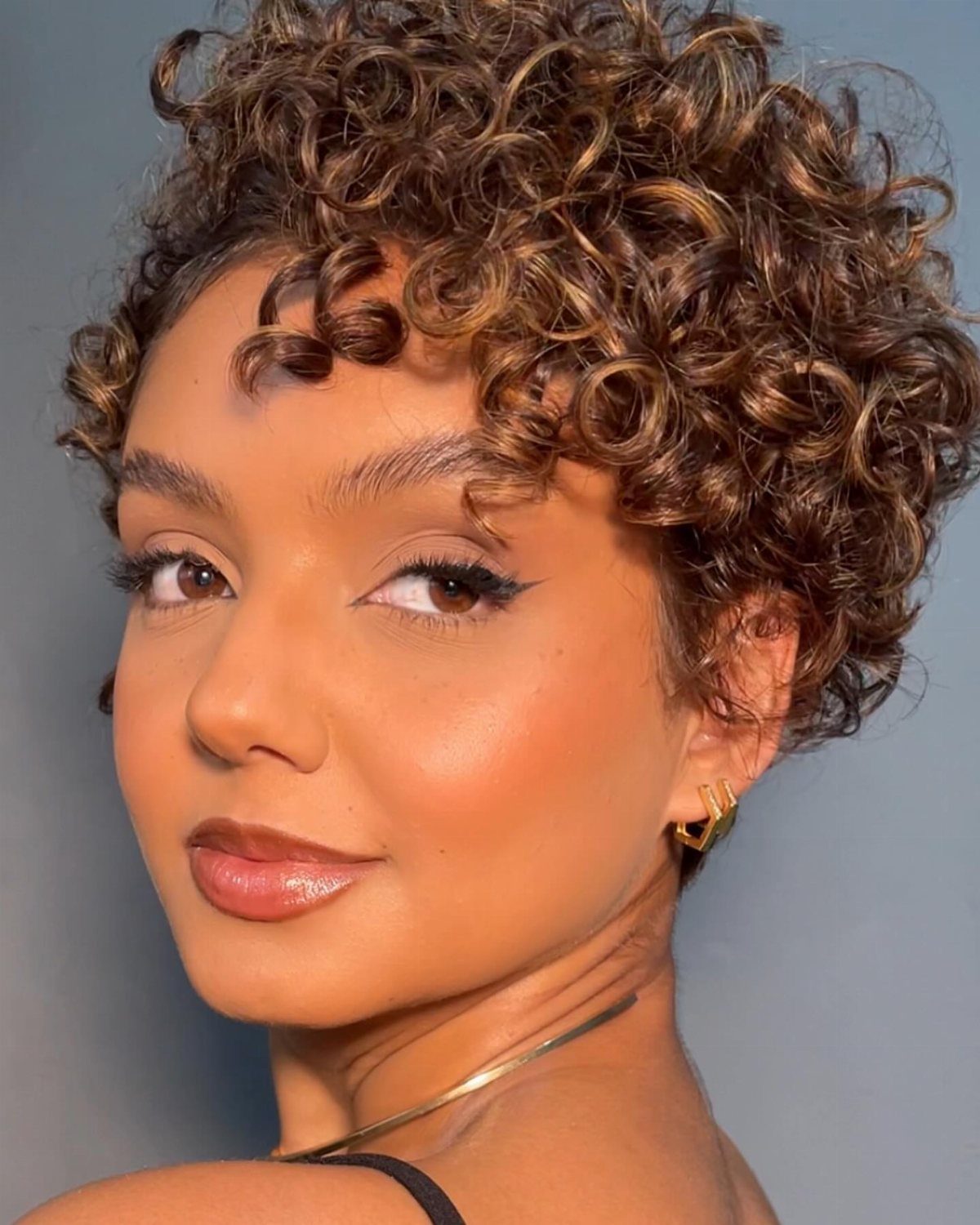
A pixie-bob hybrid designed for curly hair, landing somewhere between a cropped pixie and a chin-length bob. The length gives curls room to move without the bulk that weighs longer curly cuts down.
The shape keeps more length around the face than a standard pixie, so it frames softer and suits more face shapes.
Curls shrink as they dry, so what looks like a bob when wet often sits closer to the ear once it dries.
4. Light Lob
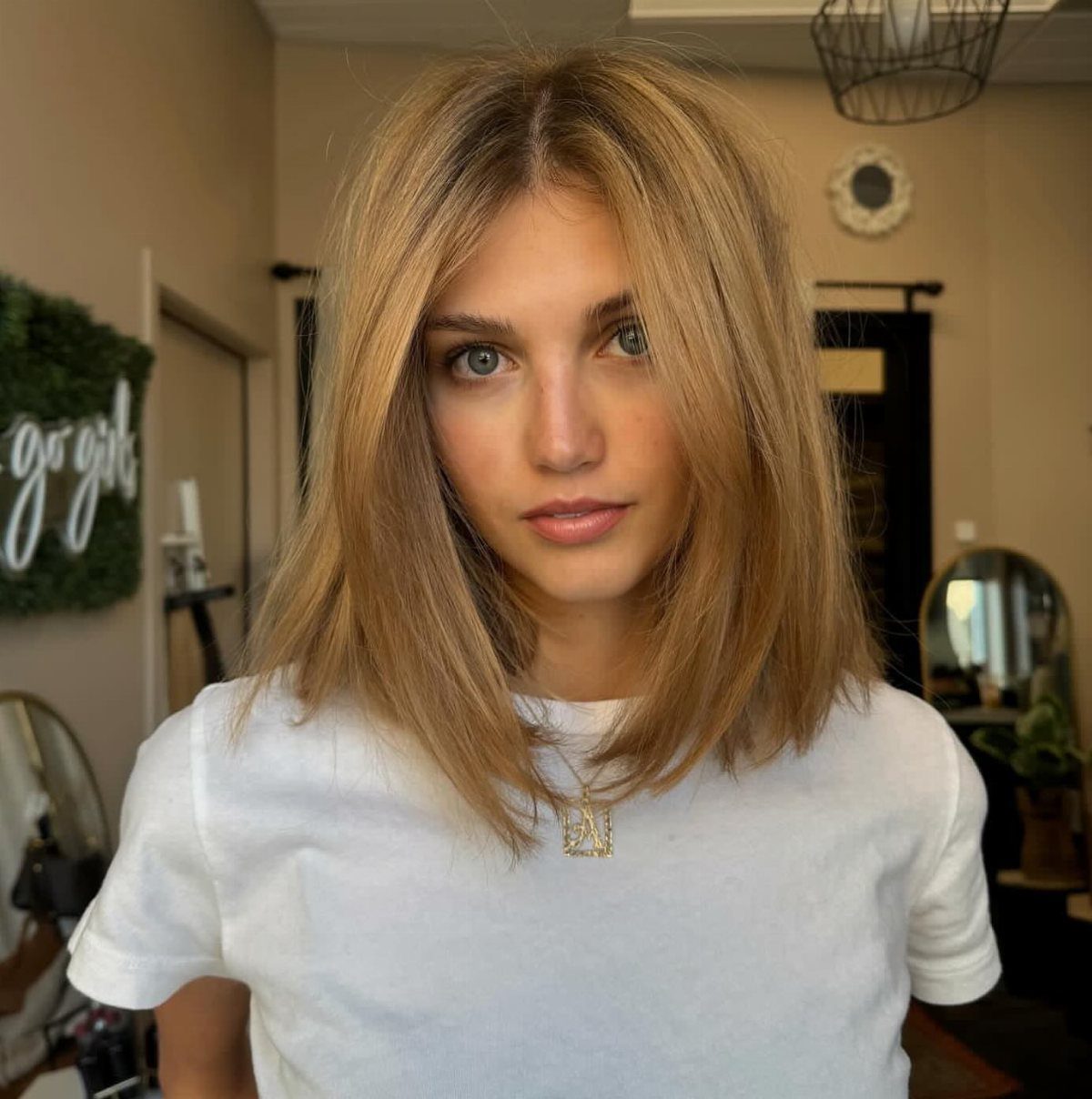
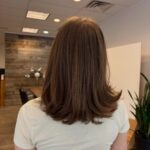
A collarbone-length long bob with an ombré effect, blending darker roots into lighter ends. The length tucks behind your ears or pulls into a low ponytail, but still reads as short.
The ombré adds dimension without upkeep at the roots, so regrowth blends instead of showing a hard line. If you’re growing out a shorter bob, this length is where it starts to feel intentional again.
5. Classic Bob
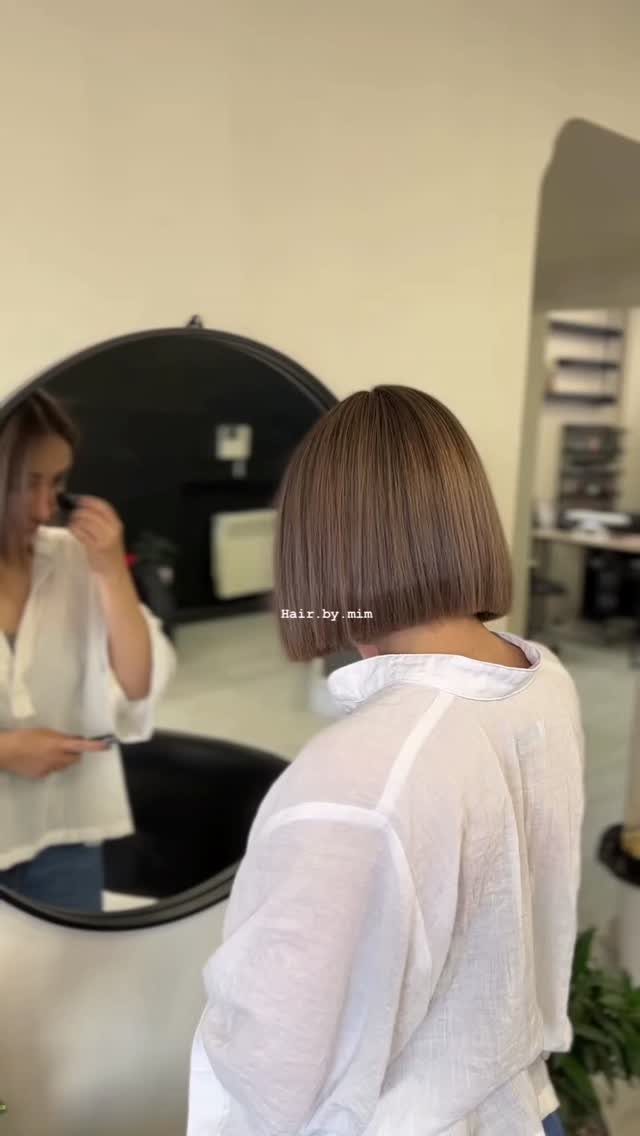
A bob cut around jaw level, with clean lines and a length that can be styled straight, tucked behind the ears, or left to swing.
The finish varies: some are blunt all the way around, others angle slightly longer in front or taper at the nape.
Bobs suit most face shapes because the length and angle can shift to balance proportions. Straight hair shows the line most clearly, while wavy or textured hair softens it.
6. Shag Haircut
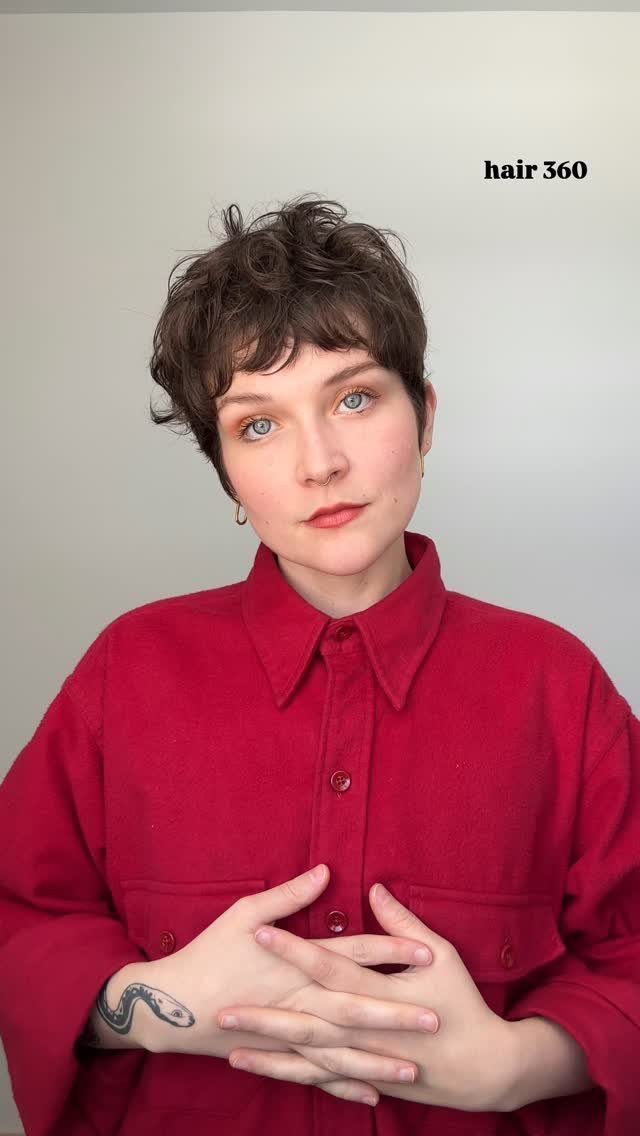
Choppy layers through the length give texture without needing much styling, and the fringe usually lands just above or at the brows.
The layers vary in length, so the cut has movement instead of sitting in one uniform shape, and it looks better slightly undone than perfectly styled.
Shags work across textures: straight hair shows the piece-y ends, wavy hair adds body, and curly hair gets lift without bulk.
The fringe grows faster than the rest of the cut, so it will need attention more often if you want it out of your eyes.
7. Asymmetrical Cut

One side lands longer than the other, often by an inch or more, so the shape tilts instead of balancing. The longer side can tuck behind the ear or sweep across the face, depending on how you part it.
The cut needs precision to look intentional rather than uneven by accident. As it grows, the asymmetry softens, and you’ll either need a trim to restore the angle or let it grow into something more balanced.
8. Cropped Pixie
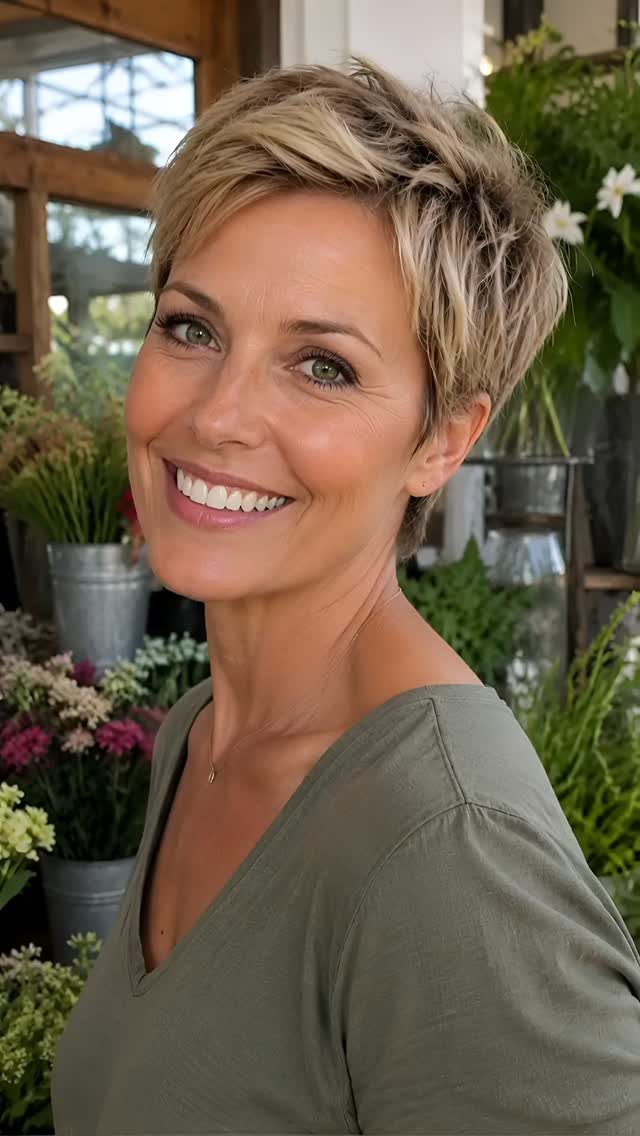
Short enough that styling means running your fingers through it, maybe adding a little product if you want texture. The sides and back hug the scalp while the crown holds a little more volume to define the shape.
Upkeep is frequent.
A cropped pixie loses its form faster than a longer one because there’s less room for growth before the proportions shift. Frequent trims stop it reading as grown-out rather than intentional.
9. Short Asymmetrical Bob
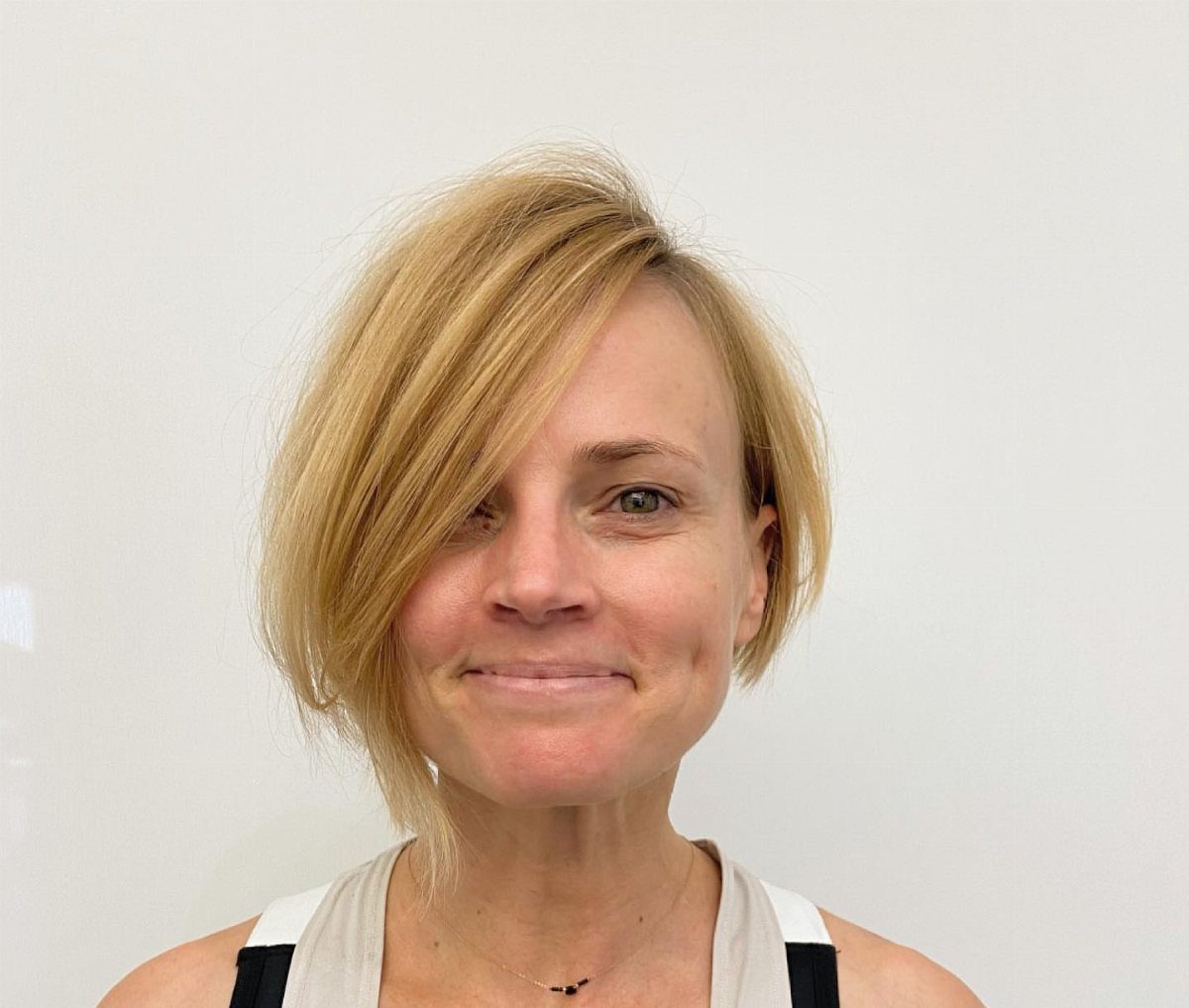
A bob cut with one side deliberately longer than the other, usually by a few inches.
The longer side can sit anywhere from mid-cheek to just below the jaw, while the shorter side often grazes the ear or sits above it.
The uneven lengths frame the face differently depending on which side you part toward. Styling is straightforward: blow-dry it smooth to show the line, or leave it to air-dry if your hair has texture that softens the contrast.
10. Short Rounded Bob
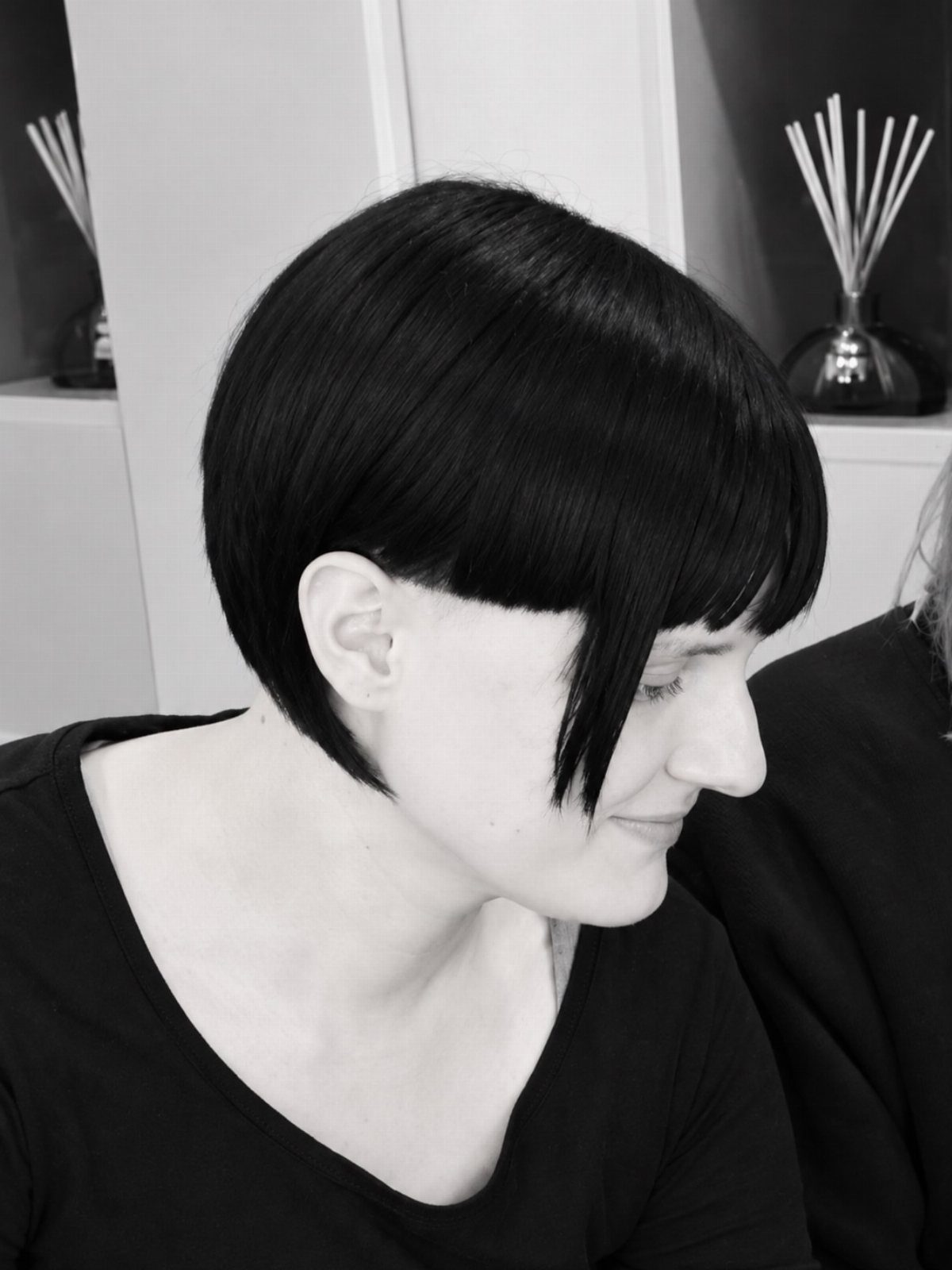
The perimeter curves under slightly at the ends, following the shape of the head rather than hanging straight. Straight bangs sit across the forehead, and the length typically stops at the ear or just below.
The rounded shape suits faces that can handle a softer frame, and the bangs commit you to regular trims if you want them sitting at a consistent length. Straight or mostly straight hair holds the curve best.
11. Textured Bob with Bangs
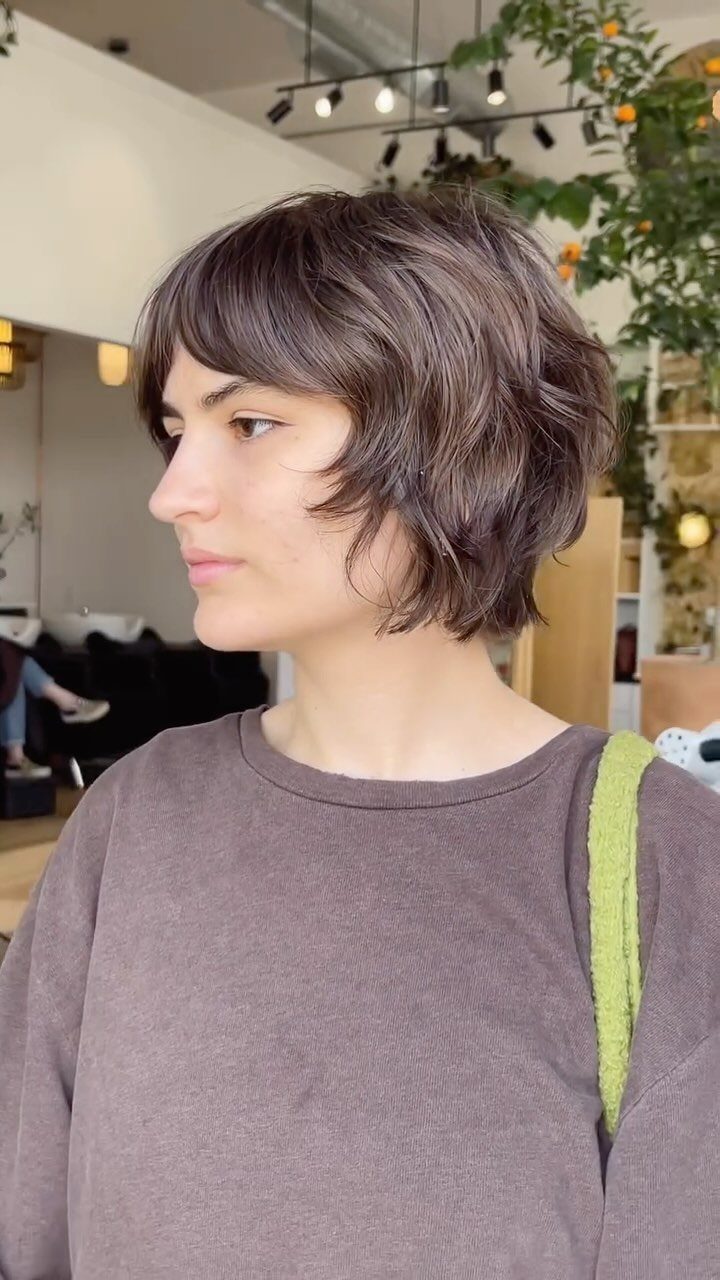
Choppy layers add volume and movement, so the cut looks fuller than a blunt bob at the same length.
The bangs sit wispy rather than heavy, and the layers break up the line so the shape reads relaxed instead of precise.
Texture like this needs a stylist who will point-cut or razor the ends, not blunt-cut them. The layers grow out softer than a clean line, so you get a little more time between trims before it looks unkempt.
12. Blunt Bob
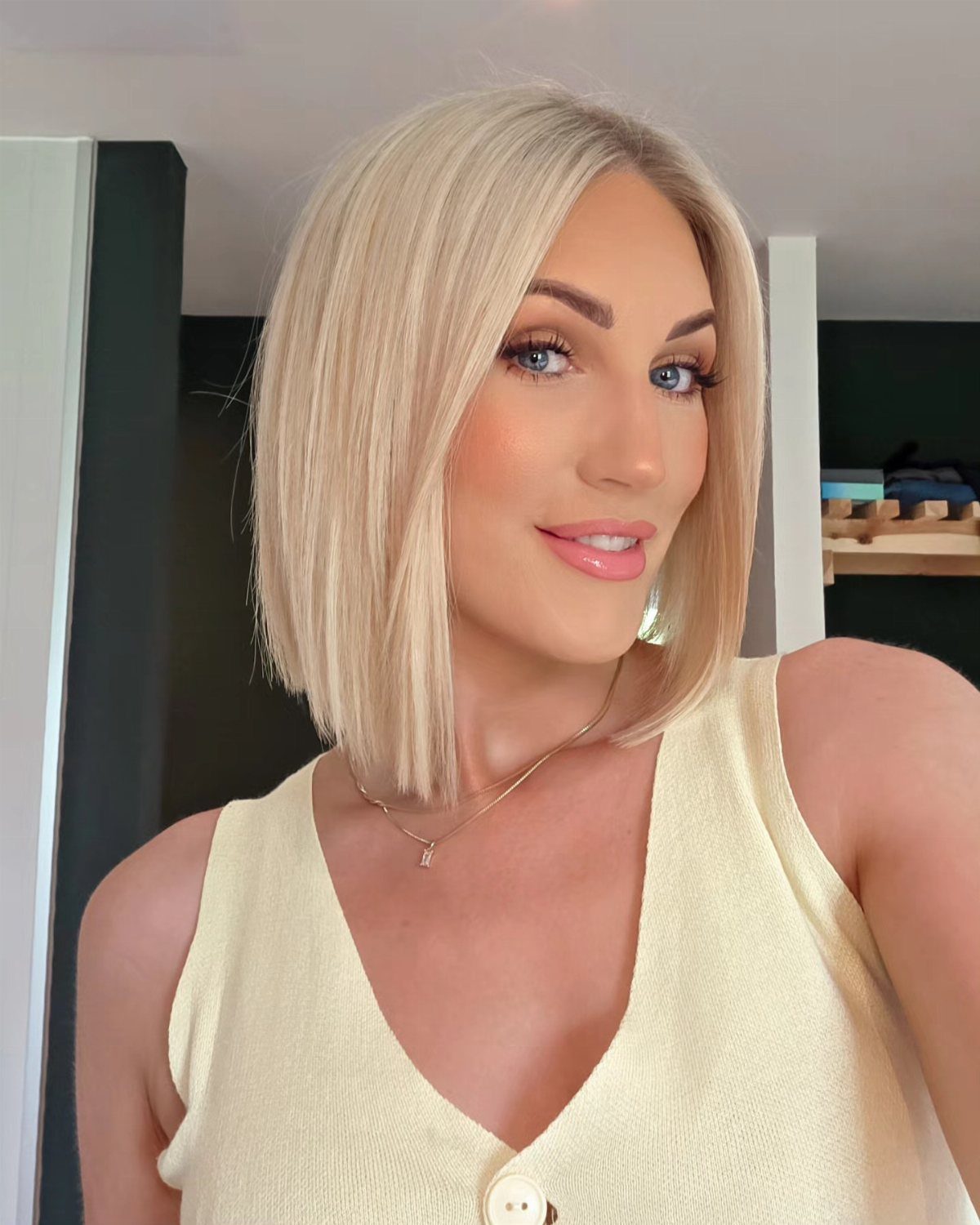
Every strand ends at the same point, creating a sharp horizontal line across the bottom. The cut has no layers, no tapering, just one clean edge that shows most clearly on straight hair.
Blunt bobs hold their shape longer than layered cuts because there’s no graduation to lose as it grows.
The downside is weight: thick hair stays heavy at the ends, and fine hair can look thin if there’s not enough density to fill the line.
13. Blunt Cut Lob
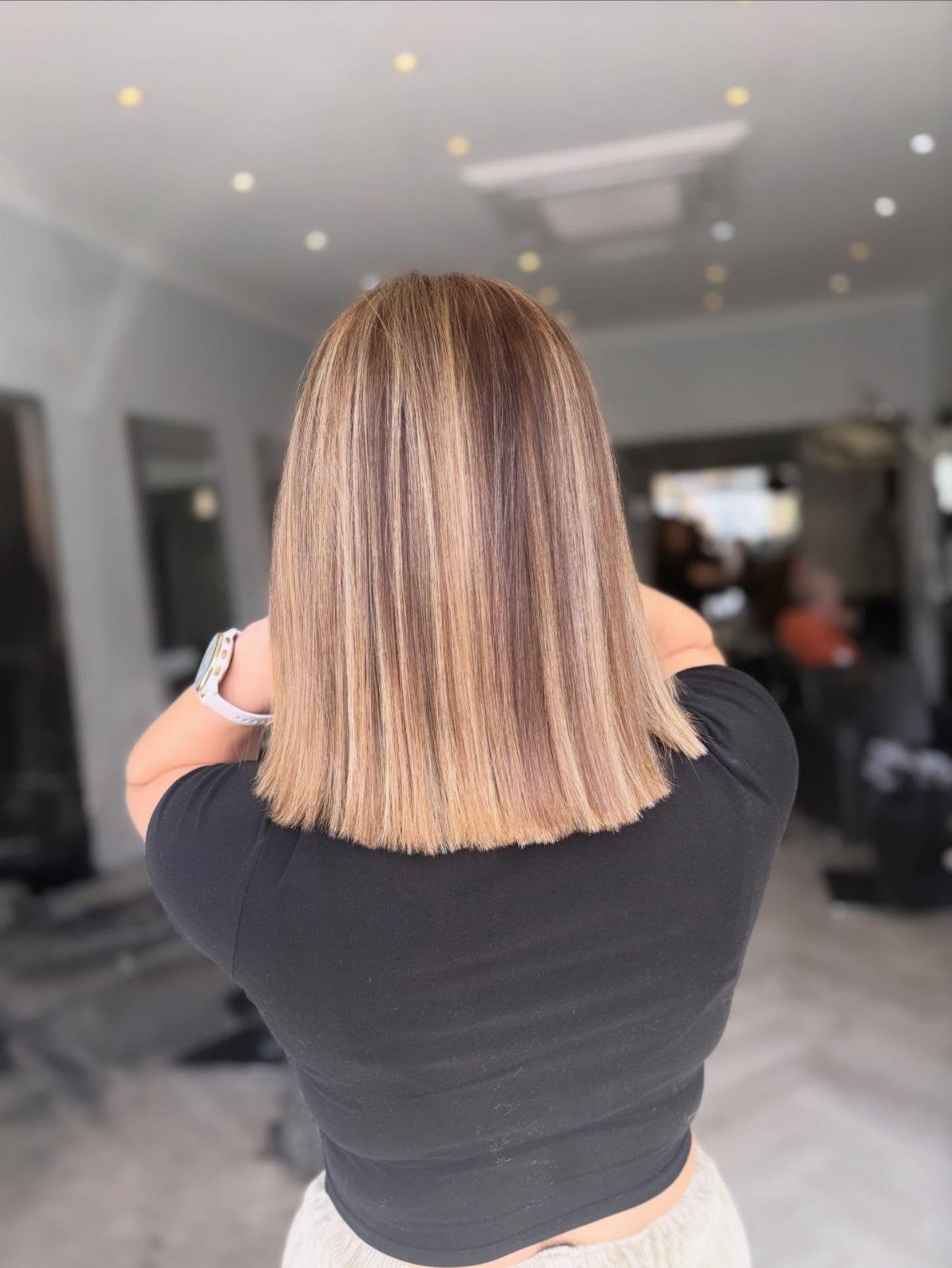
A long bob ending at the shoulders with a straight-across edge, no layers.
The length gives you enough to tuck behind your ears or pull into a short ponytail, while the blunt line keeps it reading as a deliberate cut rather than something in-between.
If you’re working toward shorter hair but aren’t ready for a jaw-length bob, this is the length that still feels long enough to style but short enough to change your silhouette.
It grows out without losing shape as quickly as a shorter blunt cut would.
14. Buzz Cut
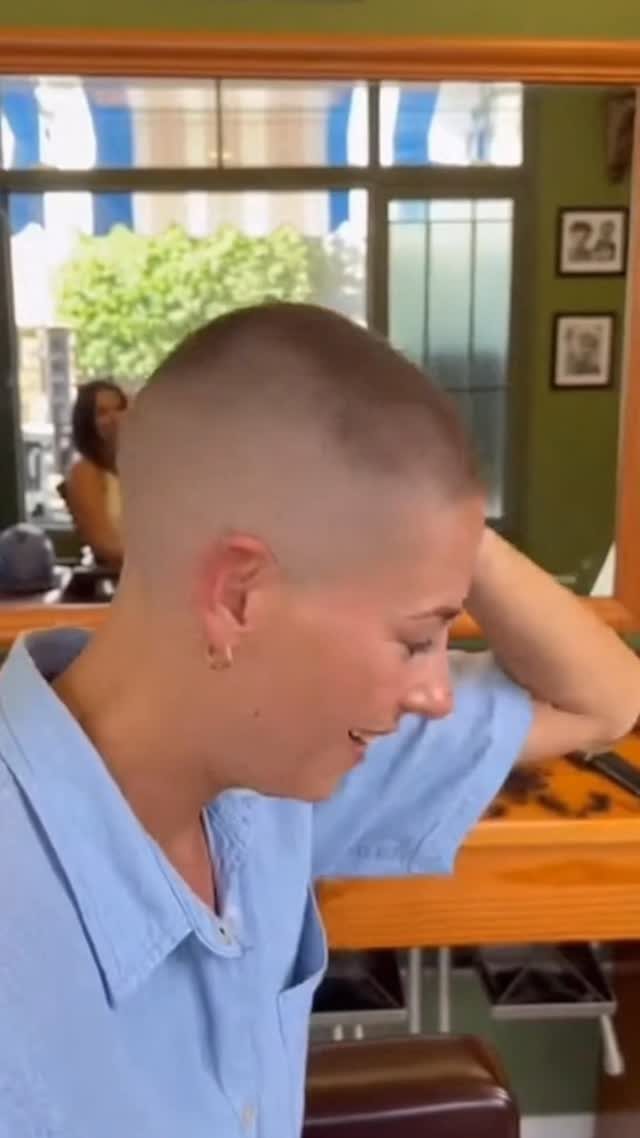
Clipped close to the scalp all over, usually with clippers set to a uniform guard length. Styling is nonexistent, and drying takes seconds.
A buzz cut is a statement, and it grows out visibly within a week or two.
If you want to keep it, you’ll need clippers at home or frequent salon visits. The upside is total simplicity: no products, no tools, no time spent in front of a mirror.
15. Chin-Length Bob
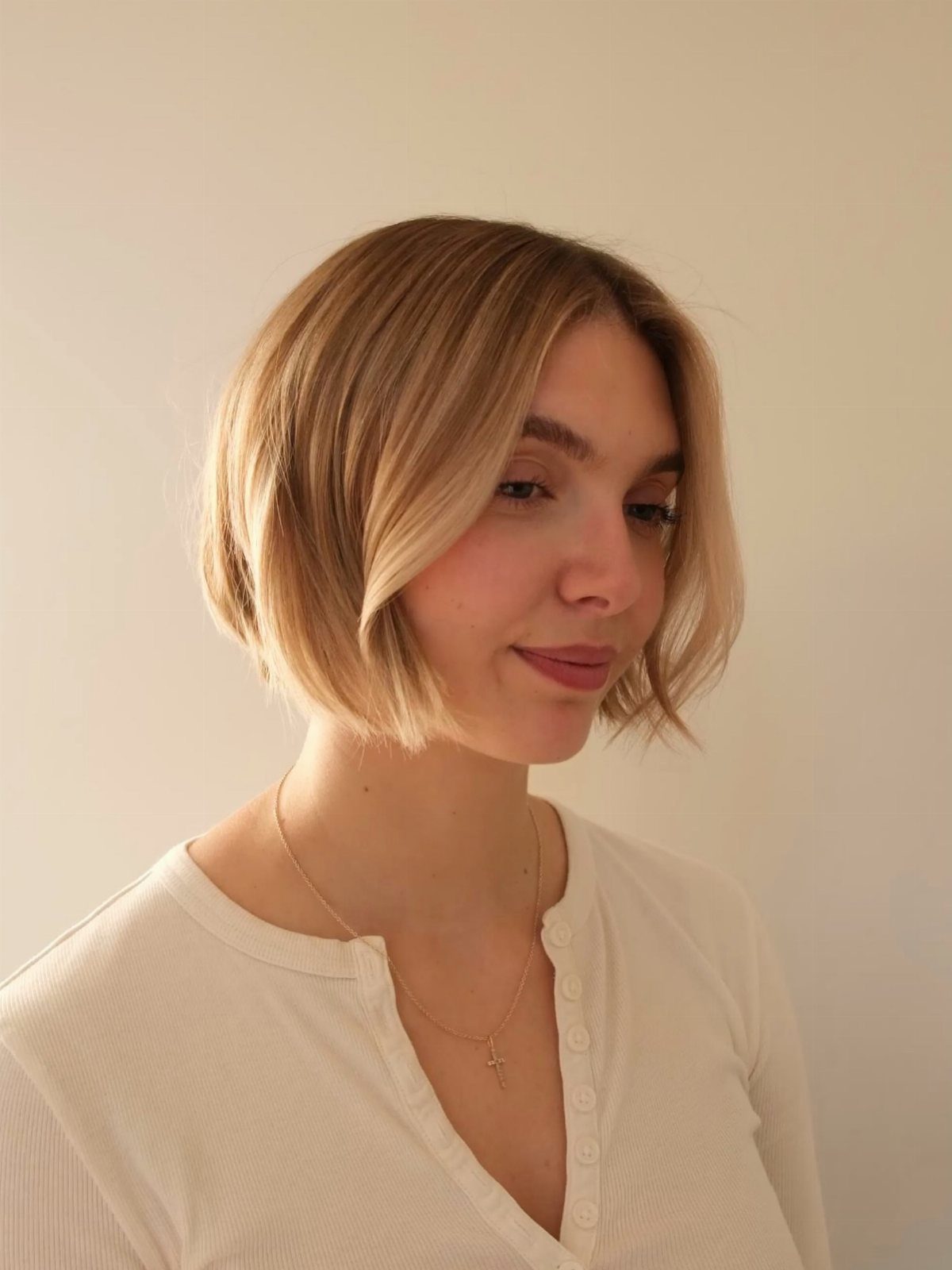
The cut lands at the chin, with the back shaped looser and softer than a structured bob. The nape isn’t as tightly lined as a classic bob, so the shape feels less severe and grows out more forgivingly.
The chin length frames most faces without committing to the shortness of an ear-length bob. If your hair has some wave or texture, this length will show it without the cut looking messy as it grows.
16. Elegant Feminine Pixie
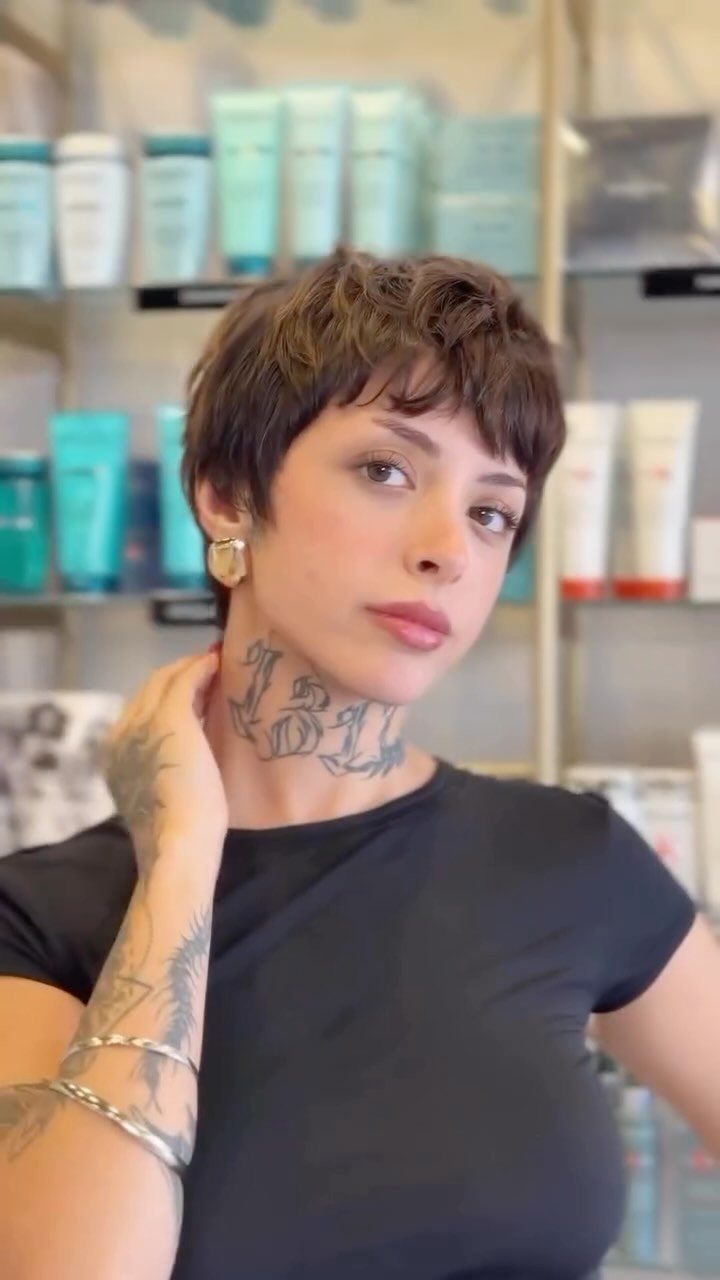
Bangs that graze the eyebrows and sideburns left longer than a standard pixie soften the overall shape. The proportions lean less cropped and more balanced, so the cut frames the face instead of exposing it completely.
The sideburns add length where most pixies clip close, and the bangs give you something to style if you want to. If you’re after a pixie that feels less stark, this is the version to ask for.
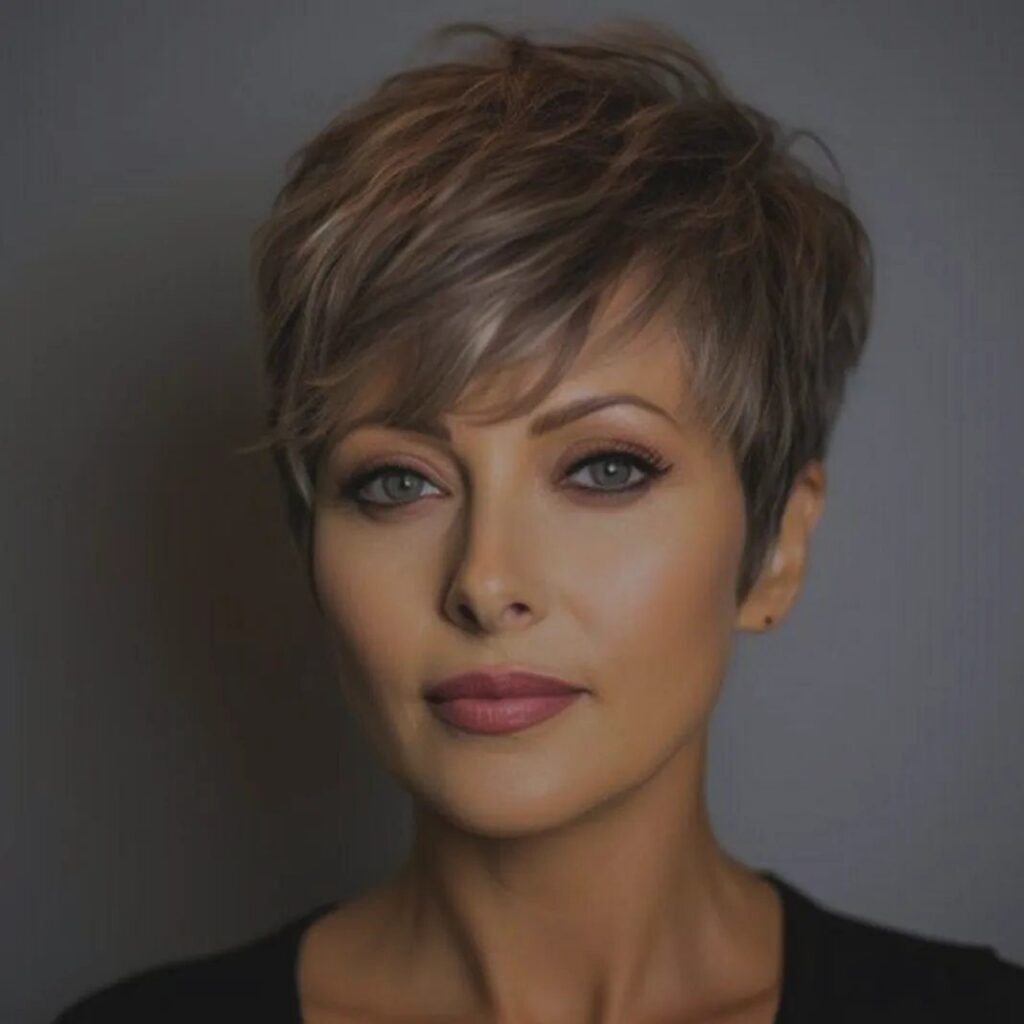
17. Elongated Textured Pixie
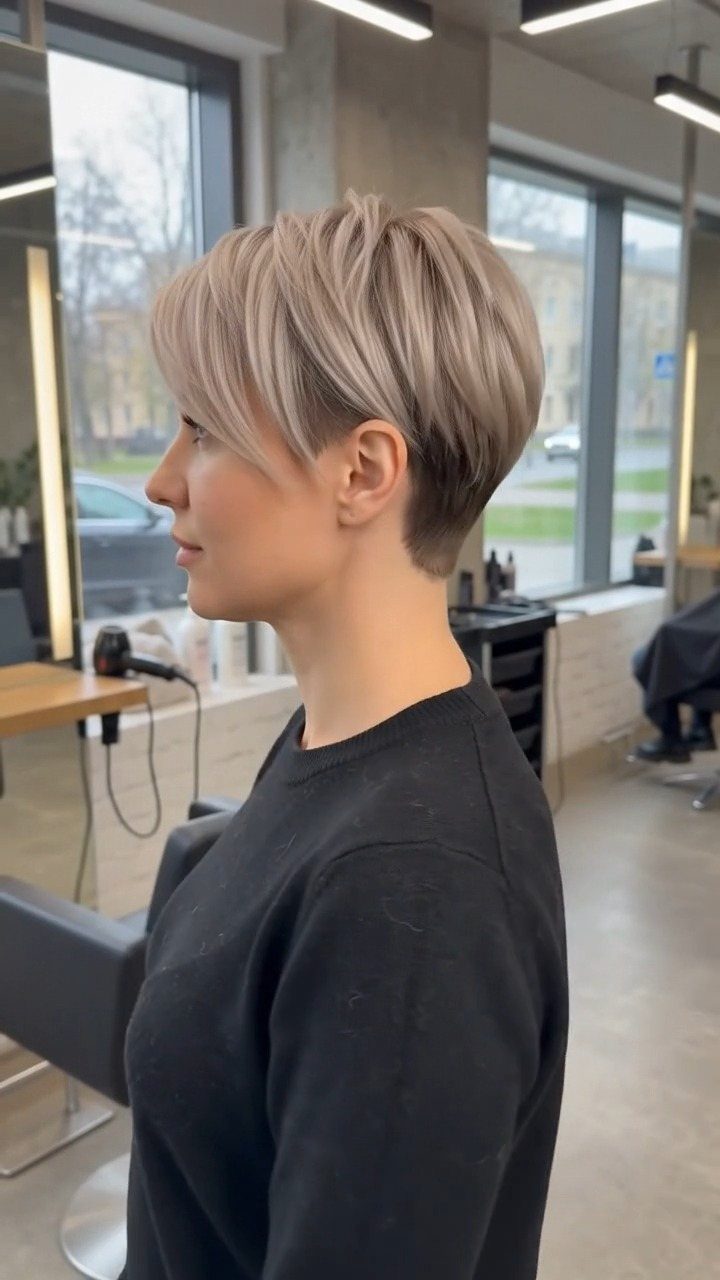
Longer on top than a standard pixie, with feathered layers that add movement and optional wispy bangs.
The texture keeps the cut from sitting flat, and the length gives you enough to push back, sweep to the side, or leave tousled.
The feathered ends need point-cutting or a razor to achieve, not blunt shears. This length sits between a cropped pixie and a pixie bob, so it suits faces that want a little more coverage around the forehead and temples.
18. French Bob
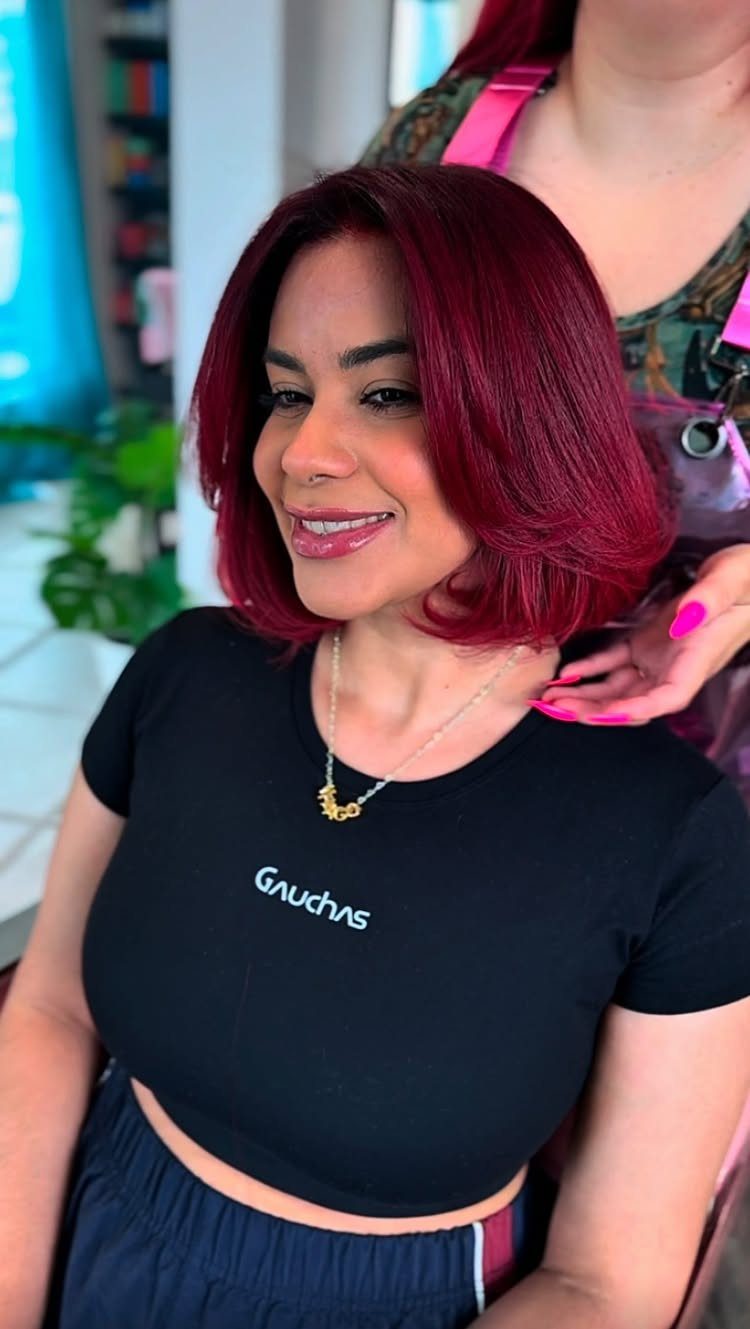
Cut to the jawline and styled with the ends curled or blown inward toward the face. The inward curl sits close to the chin and follows the shape of the head, so the silhouette is compact rather than flared.
The curl can be done with a round brush while blow-drying or with a flat iron after.
Straighter textures hold the line without much work between cuts. Wavy hair can work, but you’ll need to smooth it first or the curl will fight your natural texture.
19. Sleek Bob
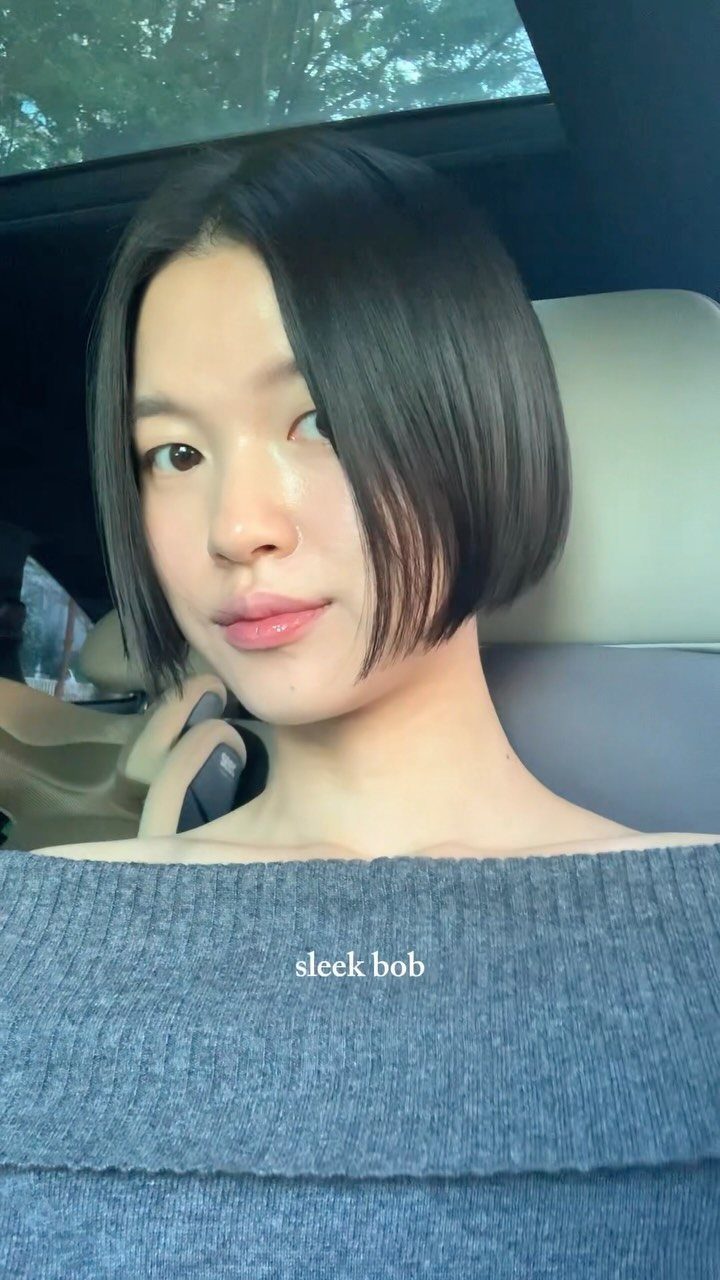
A bob that sits smooth against the head, with every strand lying flat and straight.
The line stays clean when hair is blown dry with tension or flat-ironed after, and the cut shows its shape most clearly on naturally straight or fine hair.
The style needs daily work unless your hair air-dries straight. Any wave or frizz will break the line, so if your texture leans wavy, plan on heat tools or accept that it won’t sit as smooth.
20. Stacked Bob
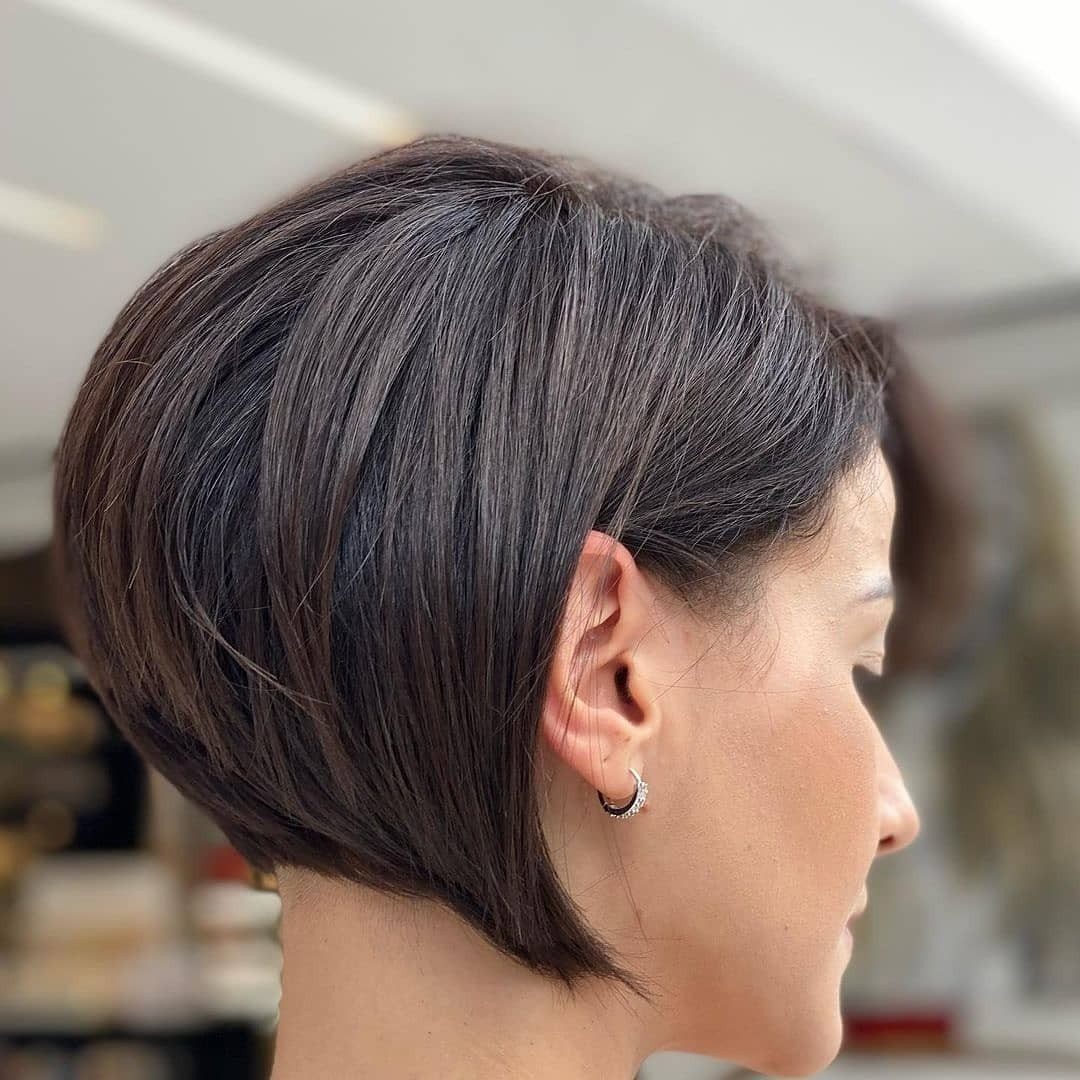
Shorter layers stack up in back, creating volume at the crown while the front hangs longer to frame the face.
The graduated layers build height where a standard bob would sit flat, and the contrast between the stacked back and longer front adds shape without needing styling.
The stacked section shortens faster as it grows, so the volume flattens out between trims.
21. Textured Bob
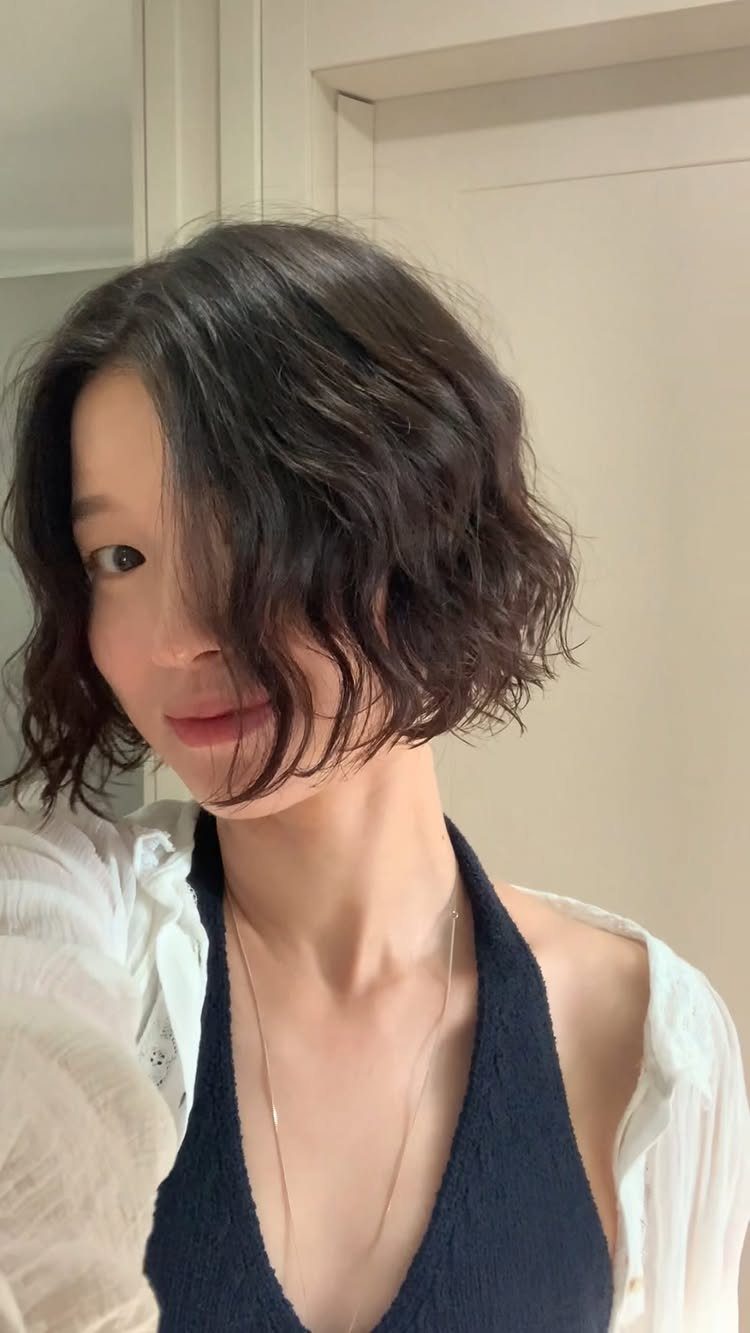
Layers cut to follow the natural curl or coil pattern, so the shape moves with the texture instead of imposing a fixed silhouette.
The bob length keeps the weight light enough for curls to spring without being weighed down, and the movement comes from the hair itself rather than from styling.
Ask for a dry cut if possible, so the stylist can see where each curl actually lands.
For women with naturally curly and coily hair, Von Cannon loves a textured bob. He says to opt with a cut that provides more movement so that you don’t have a heavy shape weighing the entire look down.
— Vogue
22. Tousled Boyish
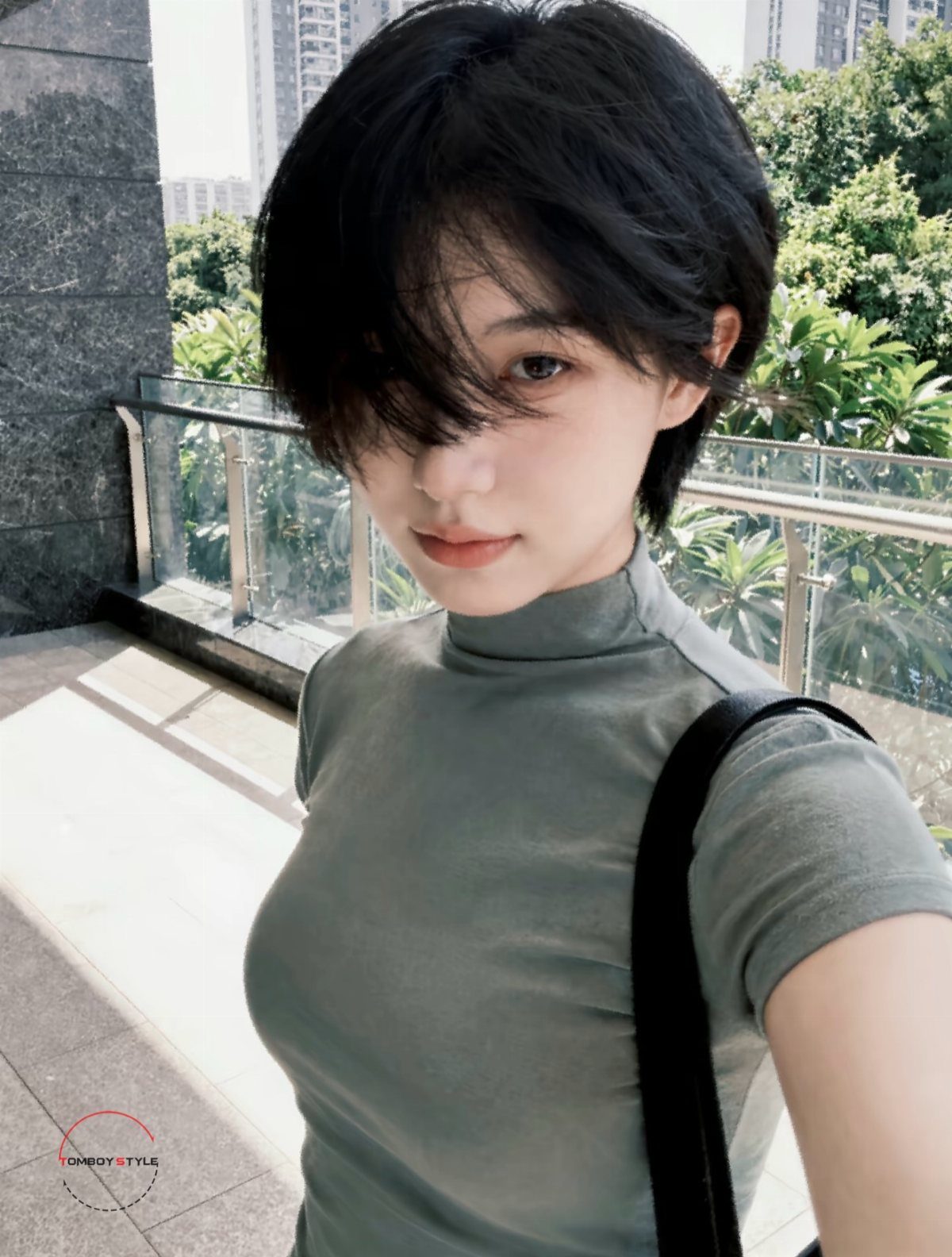
The sides and back stay close to the head while the front keeps enough length to fall over the forehead or slip behind the ear.
The longer front softens the overall crop and gives you something to style if you want texture or direction.
The length contrast reads most clearly when the sides stay close to the head, so once they grow past an inch or so, the shape loses its definition and starts reading as one length all over.
23. Fine Hair Short Hairstyles
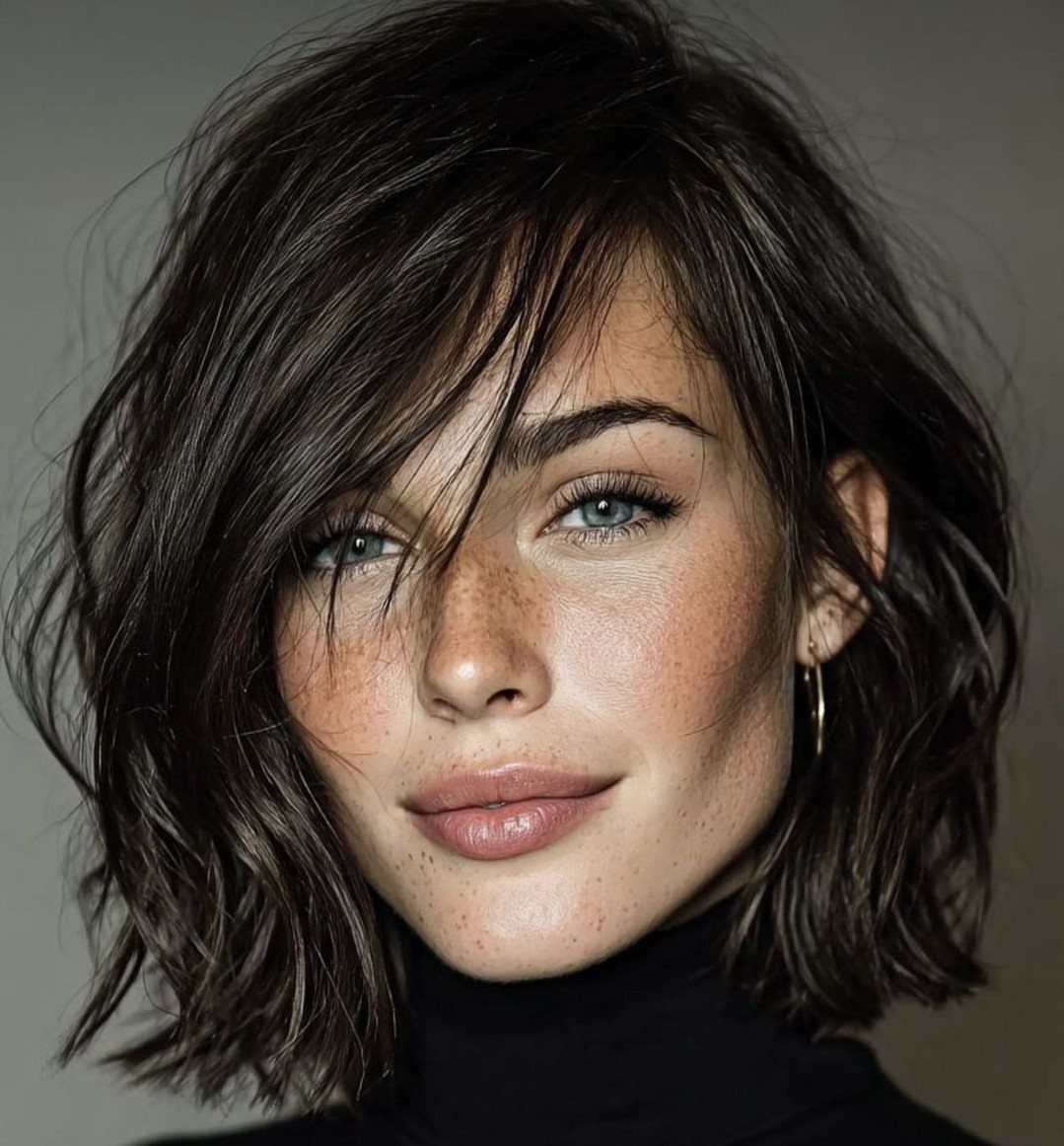
A chin-length cut with layers that add lift and fullness to hair that would otherwise lie flat.
The layers break up the weight so fine hair doesn’t cling to the scalp, and the movement keeps the cut from looking thin at the ends.
Fine hair shows blunt lines clearly but can look sparse if there’s not enough density.
Layers give the illusion of more volume without adding actual thickness, and a cut like this grows out softer than a blunt bob on the same texture.
24. Deep Blue Textured Pixie
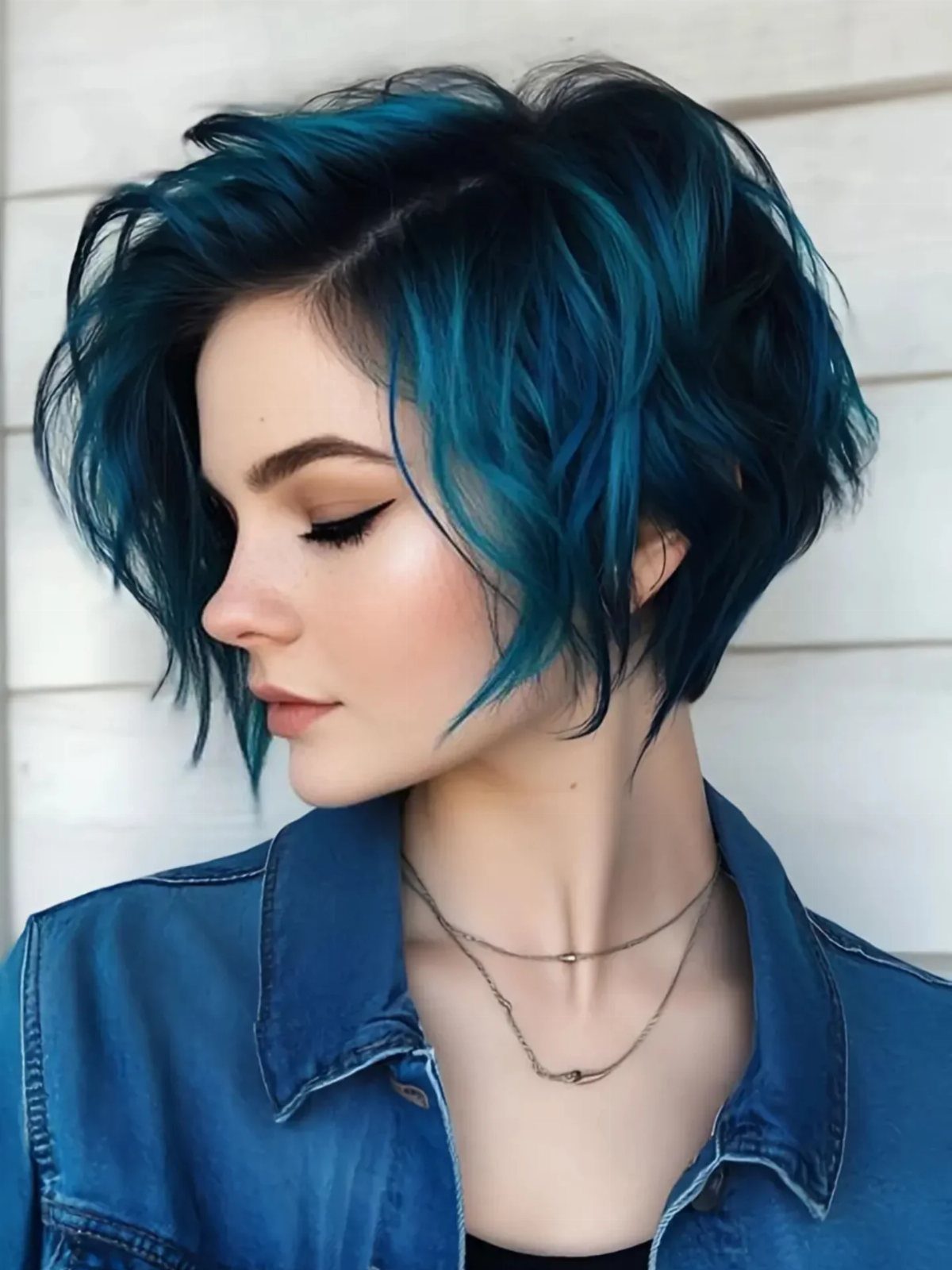
A pixie cut dyed a saturated blue, with choppy layers that give the color more dimension as the pieces catch light differently.
The texture keeps the cut from reading too flat, and the bold color makes the style the focal point.
Vivid colors fade faster than natural tones, so keeping the blue this saturated means frequent touch-ups or accepting that it will shift toward teal or green as it fades.
The texture helps mask regrowth slightly better than a smooth, uniform cut would.
25. Jagged Cut
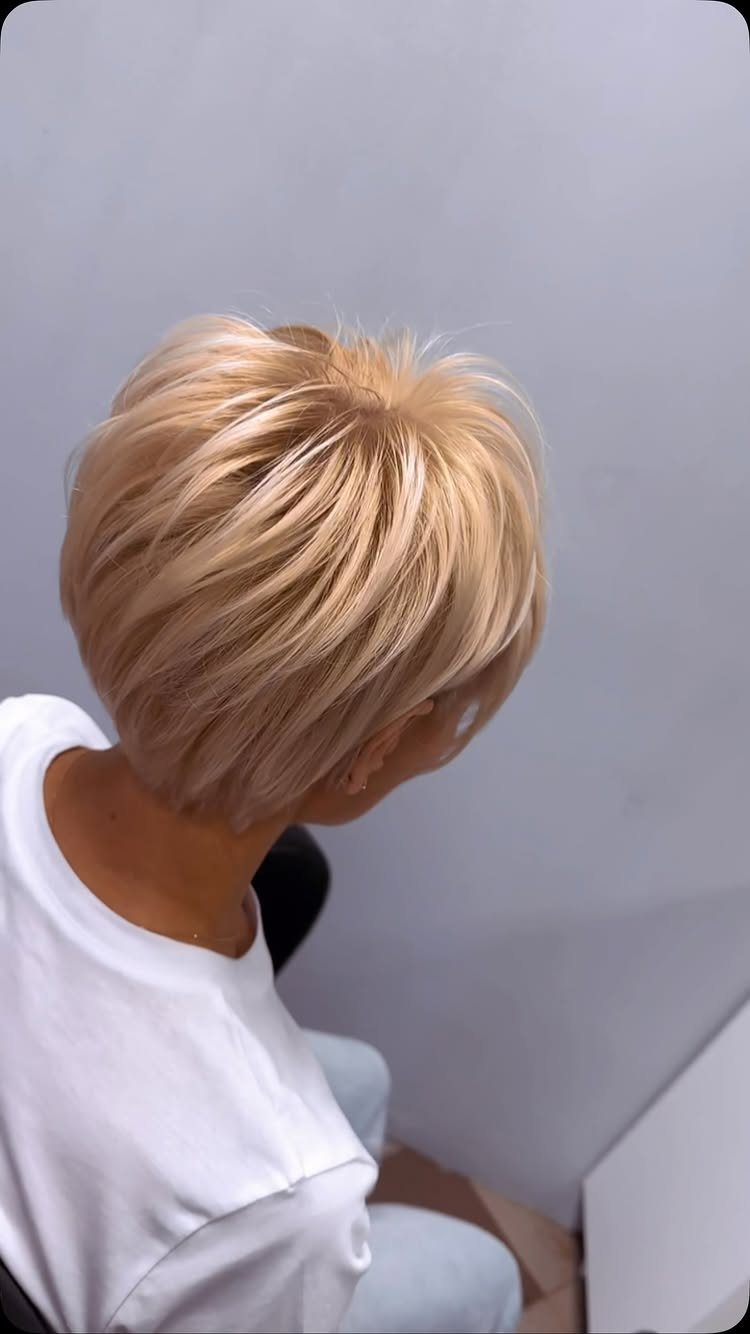
The layers are cut with point shears or a razor, so the ends land at different lengths and create a choppy texture.
The volume sits through the crown and sides instead of falling flat, and the unevenness keeps the cut from reading too polished.
This works best if your hair holds some texture naturally.
Straight hair will show the jagged ends clearly, while wavy hair adds to the tousled effect. The irregular edge softens as it lengthens, which buys you more time between trims.
26. Layered Bob
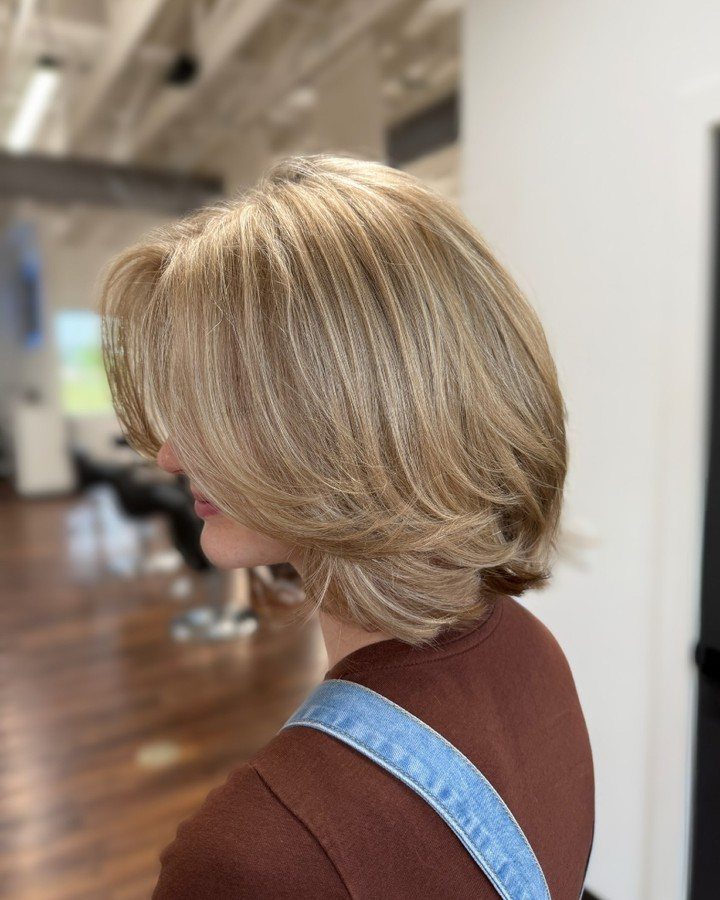
Layers throughout the bob add movement and remove weight, so the cut doesn’t sit as heavy as a one-length bob.
The layers can be subtle or more pronounced depending on how much lift you want, and they soften the line where the hair ends.
Straight hair shows the layering most clearly, and the cut can be blown smooth or left to air-dry if you have some wave. The layers grow out more forgivingly than a blunt cut, so the shape holds longer between trims.
27. Mini French Bob
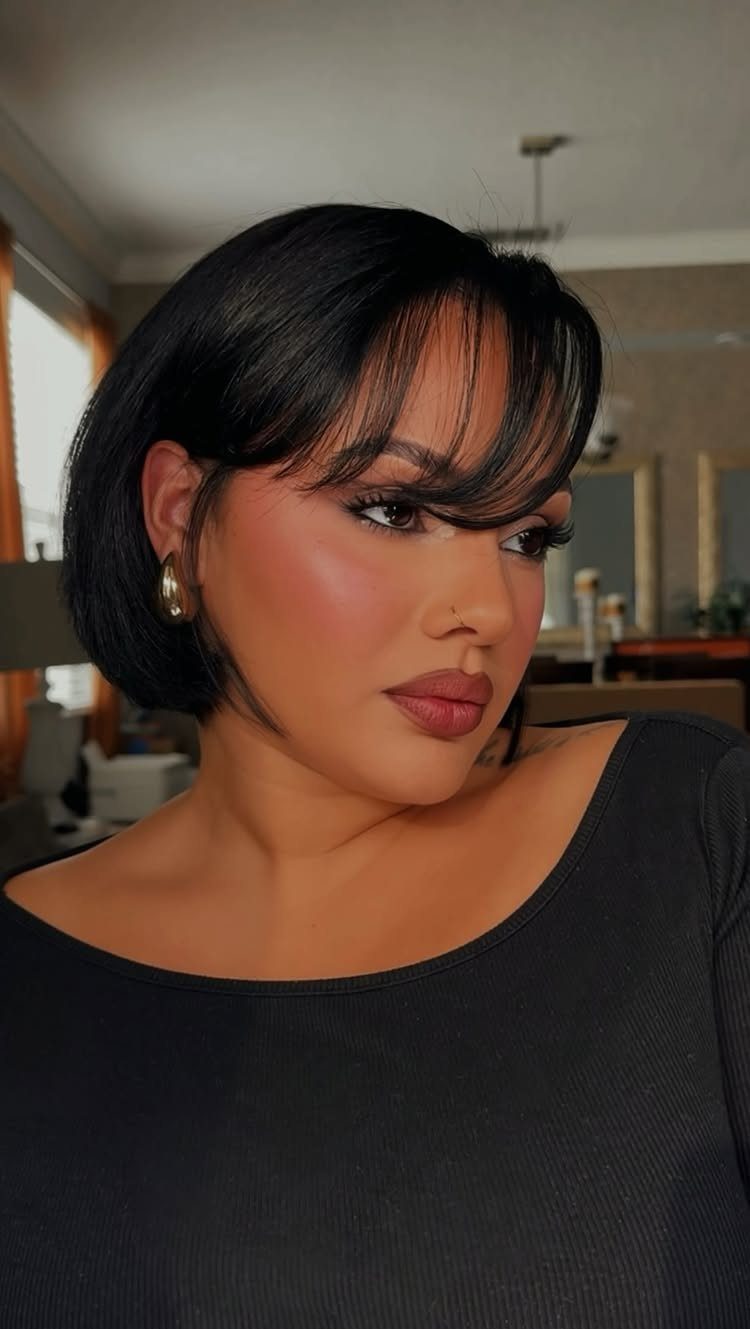
A French bob cut shorter than the standard jaw-length version, landing closer to the middle of the ear or just below. The bangs sit straight across the forehead, and the overall shape stays compact and close to the face.
The short length commits you to frequent trims if you want to keep the proportions intact.
The bangs need cutting every few weeks to stay out of your eyes, and the bob itself grows out quickly enough that the shape changes within a month.
28. Natural Salt and Pepper Waves
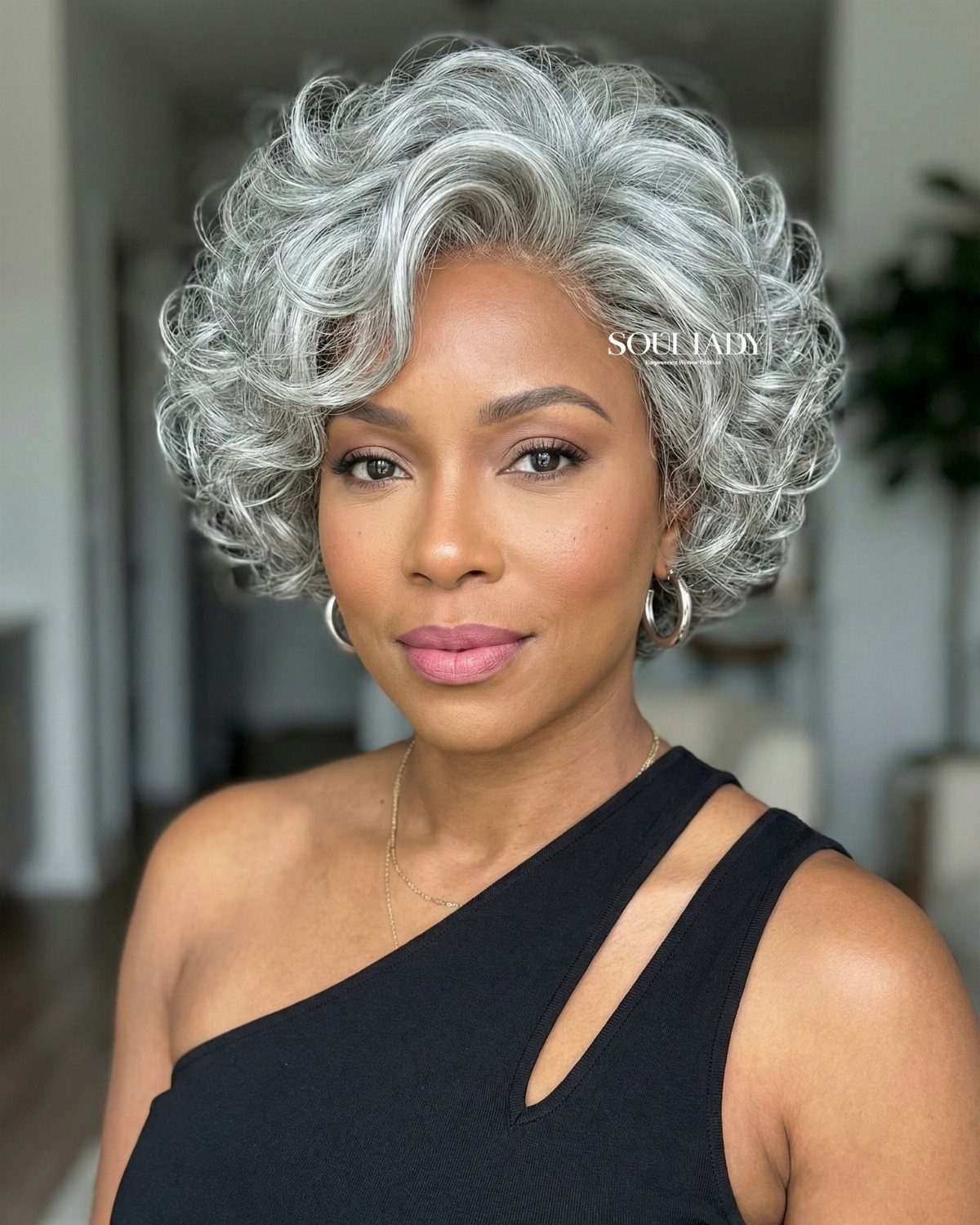
Wavy texture left natural, showing the mix of gray and darker tones without dye.
The waves add volume and movement, so the hair doesn’t sit flat even at a short length, and the color variation gives dimension as the waves catch light differently.
If you’re letting gray grow in, a short wavy cut shows the color transition without the long grow-out phase that comes with longer hair.
The waves also help blend the line where new growth meets previously colored hair, if you’re transitioning from dye.
29. Pastel-Colored Pixie
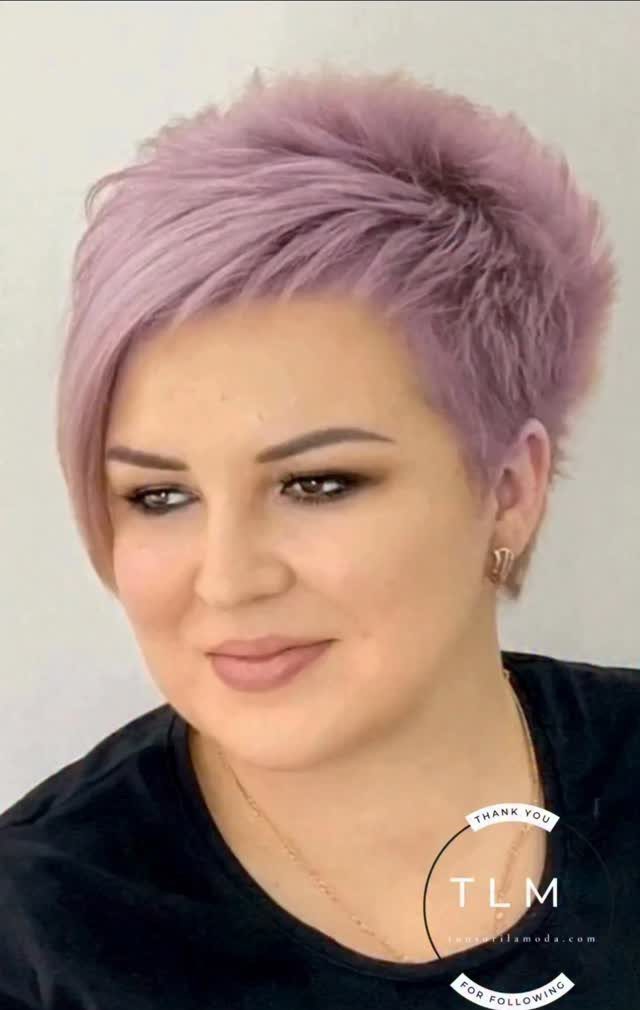
A pixie dyed a soft pastel shade, with the color sitting evenly across the cut. The texture and length stay typical for a pixie, but the pastel finish makes the style stand out more than a natural tone would.
Pastel shades fade quickly and often require bleaching first if your hair isn’t already light.
The color needs touch-ups every few weeks to stay soft rather than faded, and between appointments it will shift toward a different pastel or lose saturation entirely.
30. Piece-y Pixie
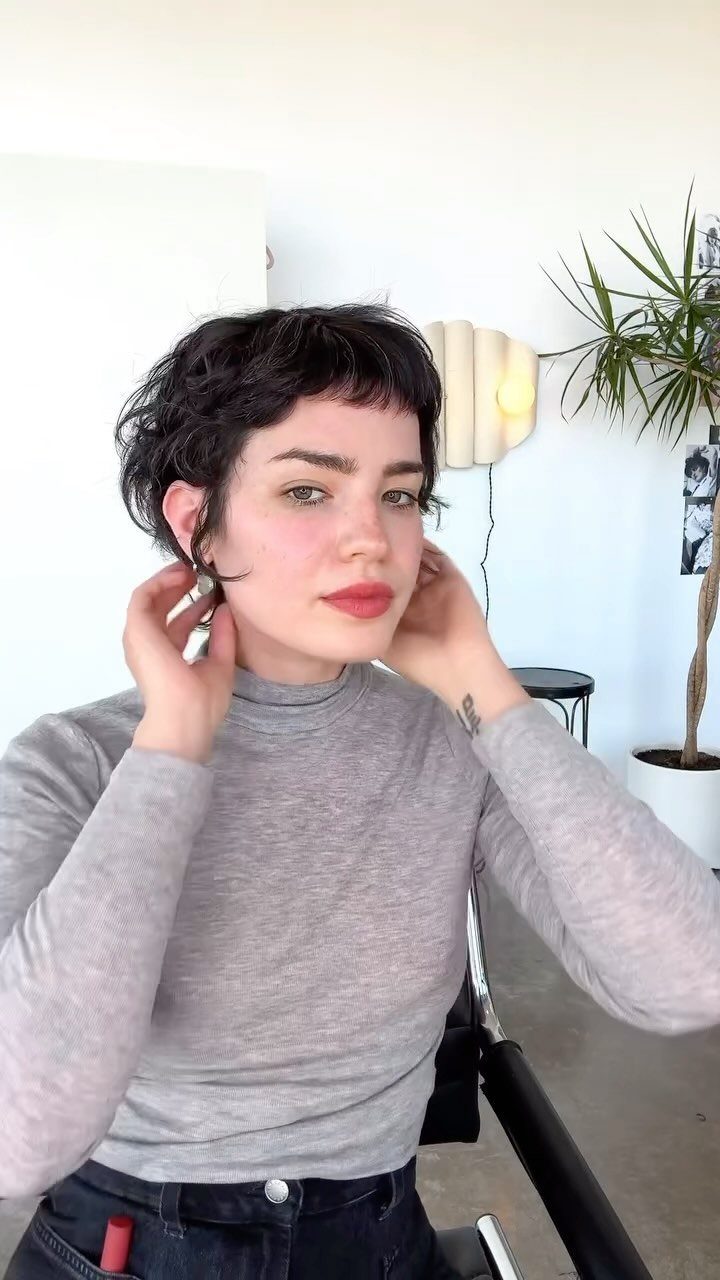
Styling separates the hair into individual pieces rather than smoothing it into one shape, so the cut looks intentionally textured instead of sleek.
The separation comes from product worked through the hair while it’s damp or dry, and the pieces can be pushed in different directions or left tousled.
The texture shows up best on hair that already has some movement, but straight hair can be styled this way with enough product.
The separated pieces need reworking each time you wash your hair, so plan on a few minutes with paste or wax to keep the look defined.
31. Pompadour Style with Fade
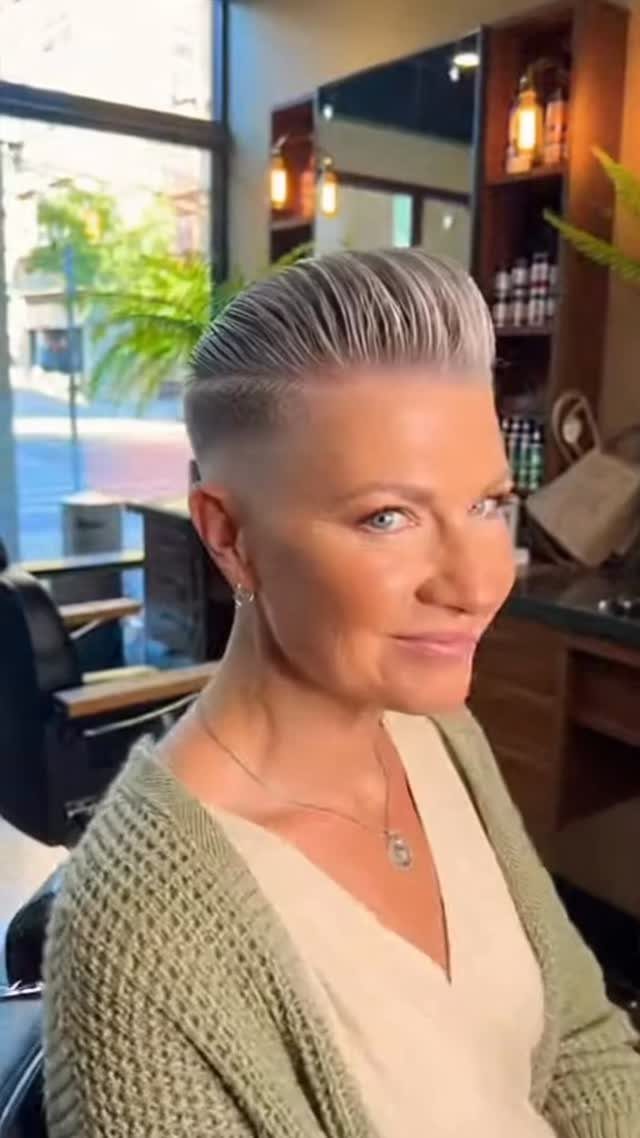
Volume swept back from the forehead, with the sides clipped short and faded down to the skin. The height in front gives the cut its shape, and the fade keeps the sides clean without needing daily work.
The pompadour section needs styling to hold its height, usually with a blow-dryer and a volumizing product or pomade.
The fade grows out within a week or two, so keeping the contrast sharp means regular trips to a barber or clippers at home.
32. Short Boyish
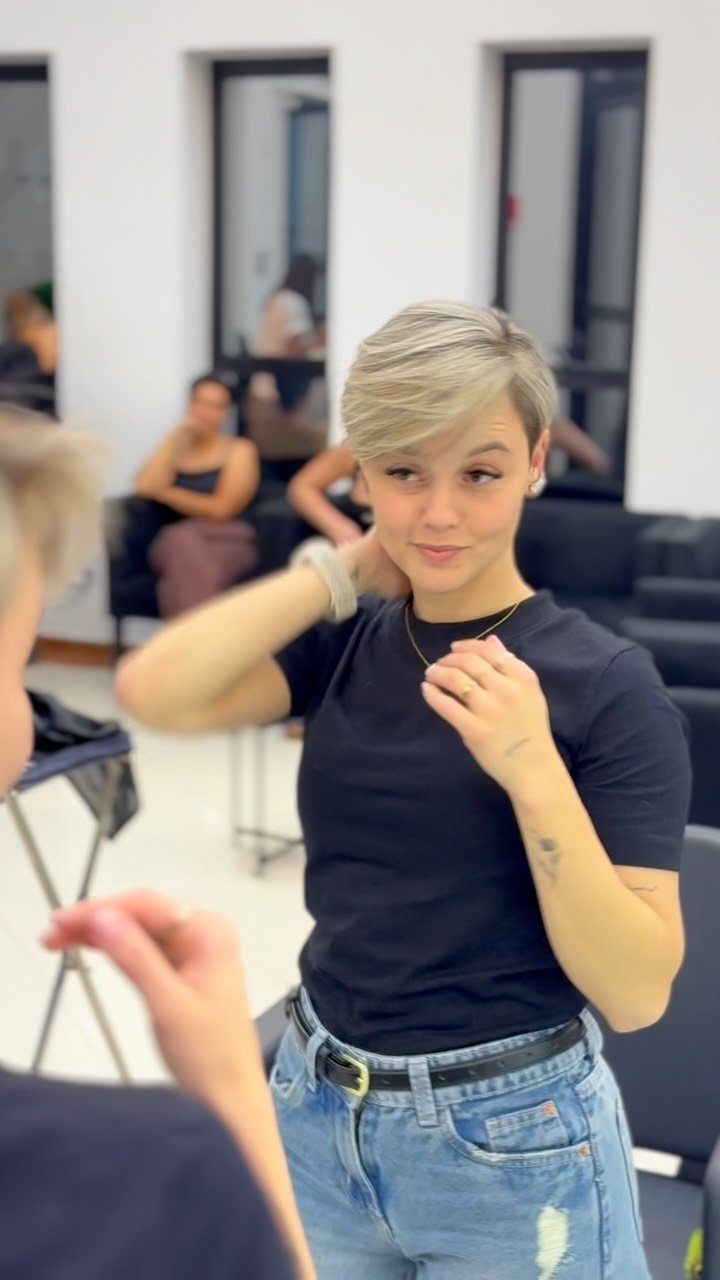
Clipped close on the sides with side-swept bangs left long enough to fall across the forehead. The bangs soften the crop and give the cut direction, while the short sides keep it from reading as a standard pixie.
The bangs need to be long enough to sweep to one side, so they’ll grow into your eyes between trims.
If you want to keep the side-swept look, you’ll need to cut them every few weeks or pin them back while they grow.
33. Spiked Short Hair
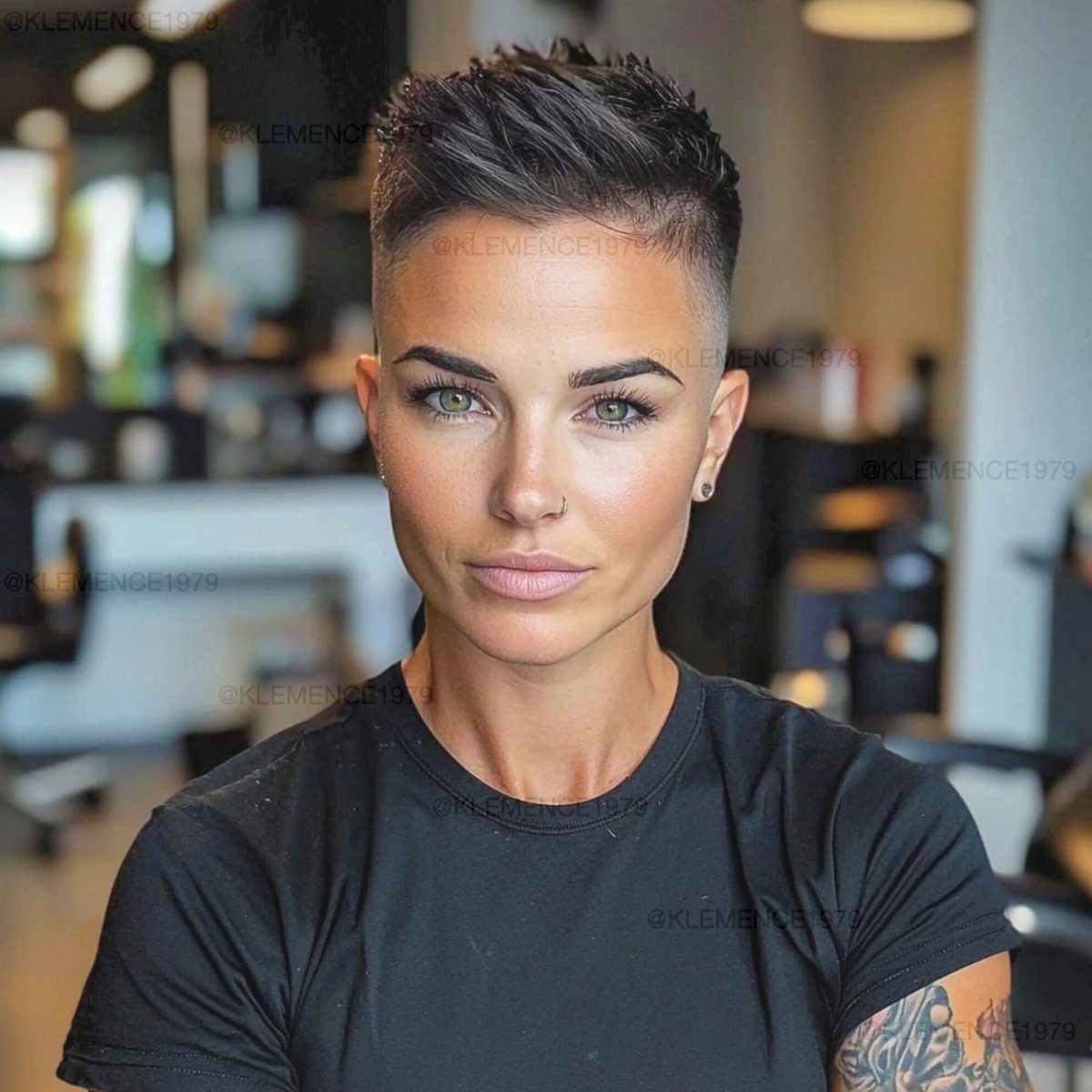
Short all over, styled upward into individual spikes rather than lying flat.
The spikes are formed with gel, wax, or paste worked through damp or dry hair, and the cut needs to be short enough that the hair stands without flopping over.
The spikes take a few minutes to set each time you wash your hair, and the product will hold through the day if you use enough of it.
Once the hair grows past an inch or so, it won’t spike as easily and the style starts to lose its shape.
Short Hair Upkeep and Trims
Short cuts lose their shape faster than longer ones because there’s less length to hide growth.
Most pixies need frequent trims to keep the sides from puffing out and the proportions intact. Buzzed cuts show regrowth within a week or two, so if you want the length consistent, plan on clippers every 1 to 2 weeks.
Cuts with undercuts or shaved sections need the shaved part touched up more often than the rest, or the contrast softens and the shape reads less deliberate.
Fine hair benefits from regular trims because the ends stay cleaner and the cut holds its line.
Short styles also mean less styling time overall, but you may need to wash more often since there’s no length to pull back and hide roots between washes.
Choosing Cuts for Face Shape
Face shape changes which short cuts frame you best, but most shapes have several options rather than one prescribed style.
Oval and long faces can handle blunt bobs because the strong horizontal line balances length. Round faces often do better with long bobs that sit past the chin, since the extra length elongates rather than widening.
Side parts, waves, and layers all help break up length on longer faces. If you’re between 2 cuts, a stylist who works with your texture regularly will know which proportions suit your face and which ones fight it.
Frequently Asked Questions
How to cut women’s hair short with layers?
Layers in short cuts are cut at different lengths through the crown and sides to remove weight and add movement.
What are the trendiest hairstyles right now?
Textured pixies with feathered layers, asymmetrical bobs with one side longer than the other, and shag cuts with choppy layers and fringe are all popular right now.
Bold color choices like vivid blues and soft pastels on cropped pixies are also trending. For those wanting something lower-maintenance, chin-length bobs with subtle layers and blunt lobs at the shoulders remain go-to options.
Is short hair good for thin hair?
Short cuts with layers work well for fine or thin hair because the layers break up weight and add lift where hair would otherwise lie flat.
What is a very short haircut called for a woman?
A pixie is the most common name for a very short cut, with sides and back close to the head and a bit more length on top.
What should you ask your hairdresser when going short?
Ask which cut suits your face shape and hair texture, since fine hair and thick or curly hair need different approaches.
Discuss how much time you’re willing to spend styling each morning and how often you can commit to trims, since some short cuts lose their shape quickly.
Mention your lifestyle so the stylist can steer you toward a cut that fits your routine rather than one that needs daily heat tools or weekly appointments.