Short shags range from chin-length bobs with feathered layers to cropped pixie hybrids that clear the ears entirely, and the version that works depends on how much styling time you’re willing to spend each morning and how fast your hair grows.
Curly hair gains lift at the crown where it usually flattens, while fine hair builds fullness from airy layers that need no thick texture to start.
1. Curly Shag
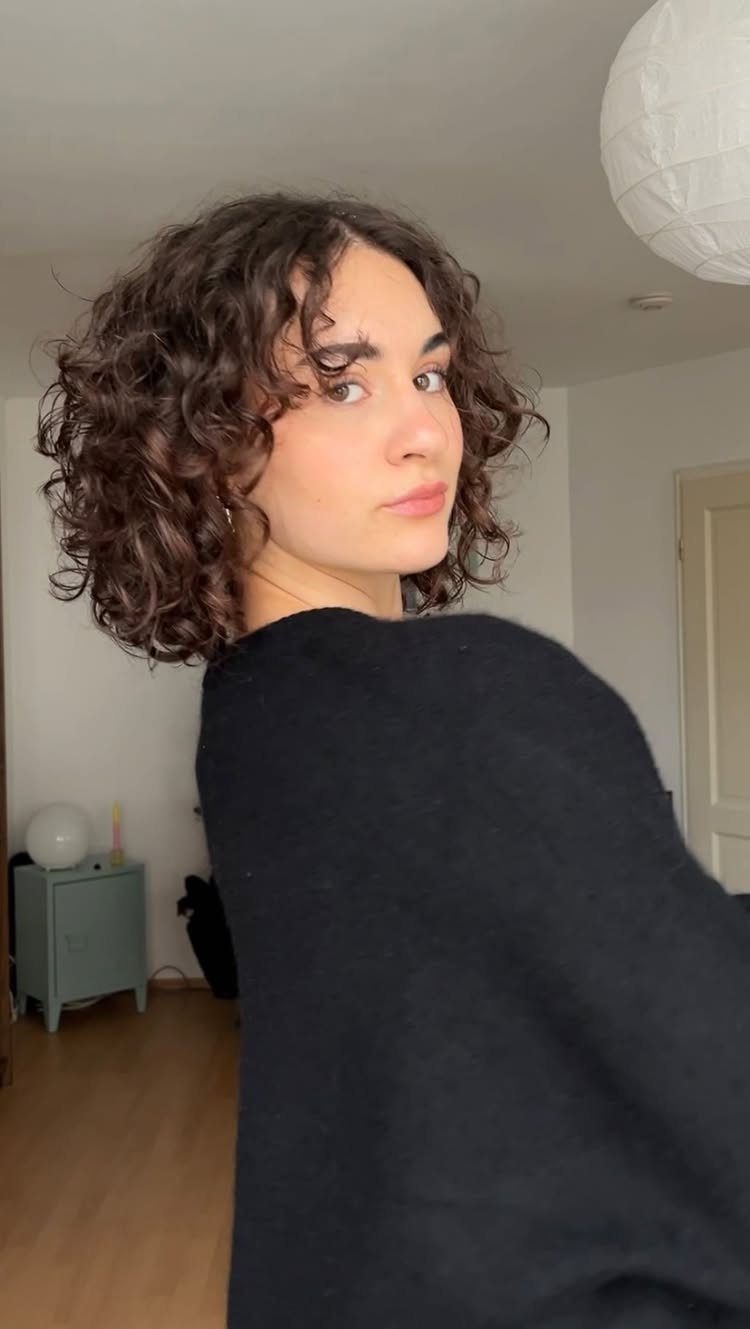
Layers cut to follow the curl pattern keep each spiral distinct instead of piling into a rounded mass at the bottom.
The shortest pieces sit near the crown and temples, giving lift where curly hair often flattens, and the framing layers soften a square or angular jawline without adding width at the sides.
Ask for interior layers that remove weight from the mid-lengths while leaving the perimeter long enough to frame the face.
Most curly shags need regular trims to hold the shape, but between cuts the style grows out gracefully because the layers blend rather than stack in visible tiers.
2. Wispy Shag
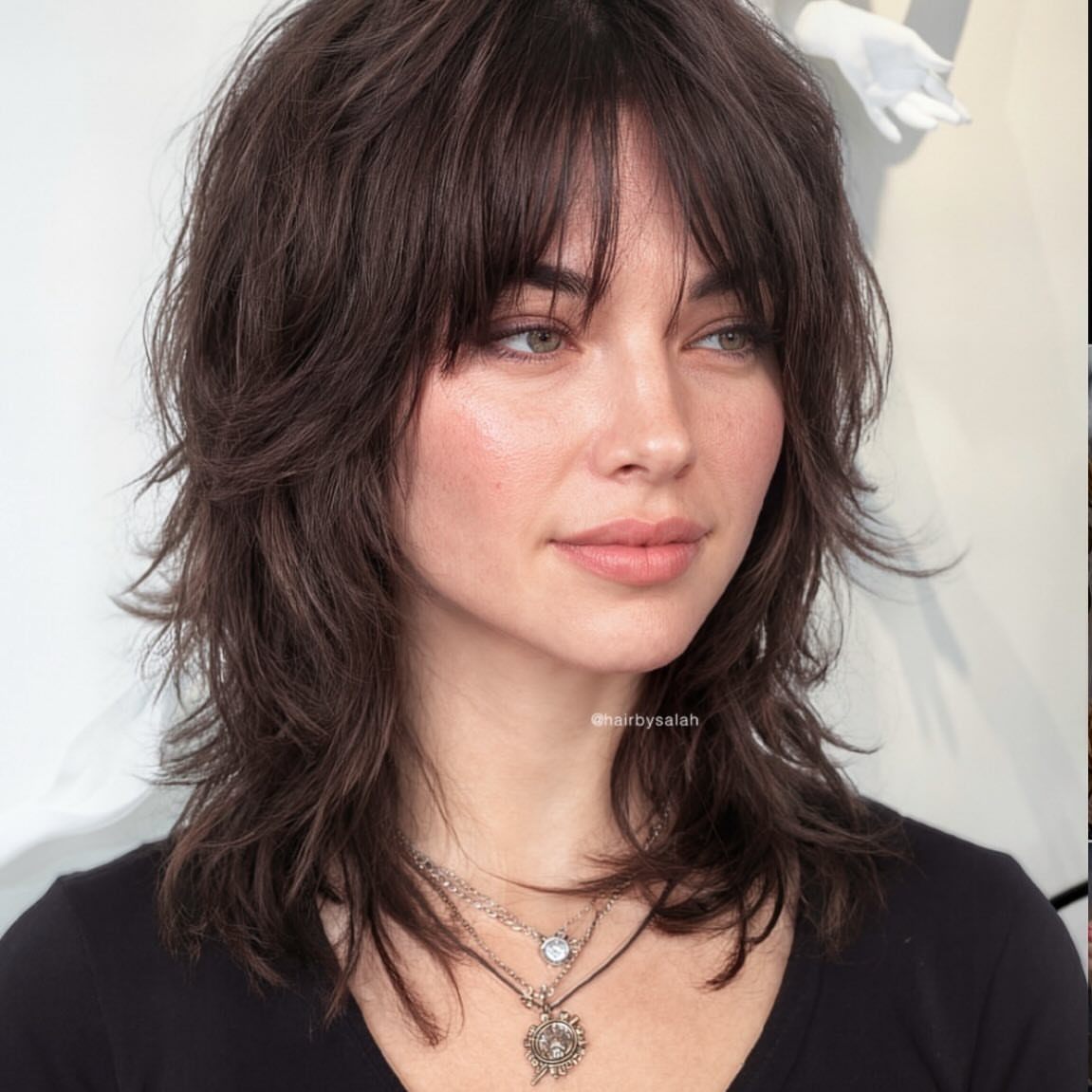
Feathered ends and subtle layering give this shag a softer, lighter finish than a choppy cut delivers.
The layers sit close together, so the shape reads smooth rather than disconnected, and the perimeter is point-cut or razor-finished to avoid a blunt line.
Fine hair benefits most: the airy layers add fullness without demanding thick texture to begin with, and the style air-dries with natural movement.
Thicker hair will need thinning shears or a razor to keep the ends from looking heavy, which means more frequent trims to maintain the delicate finish.
3. Curly Pixie Shag

Short enough to clear the ears and neck but still long enough to show textured movement, this cut pairs the ease of a pixie with the layered volume of a shag.
The layers at the crown stay longer to preserve curl definition, while the sides and back are trimmed shorter for shape.
Curly hair naturally gives the volume this style needs, so styling time stays minimal: work a curl cream through damp hair, scrunch and let it dry.
The shape holds best on tighter curl patterns; loose waves may need a diffuser to avoid falling flat.
4. Shag with Bangs
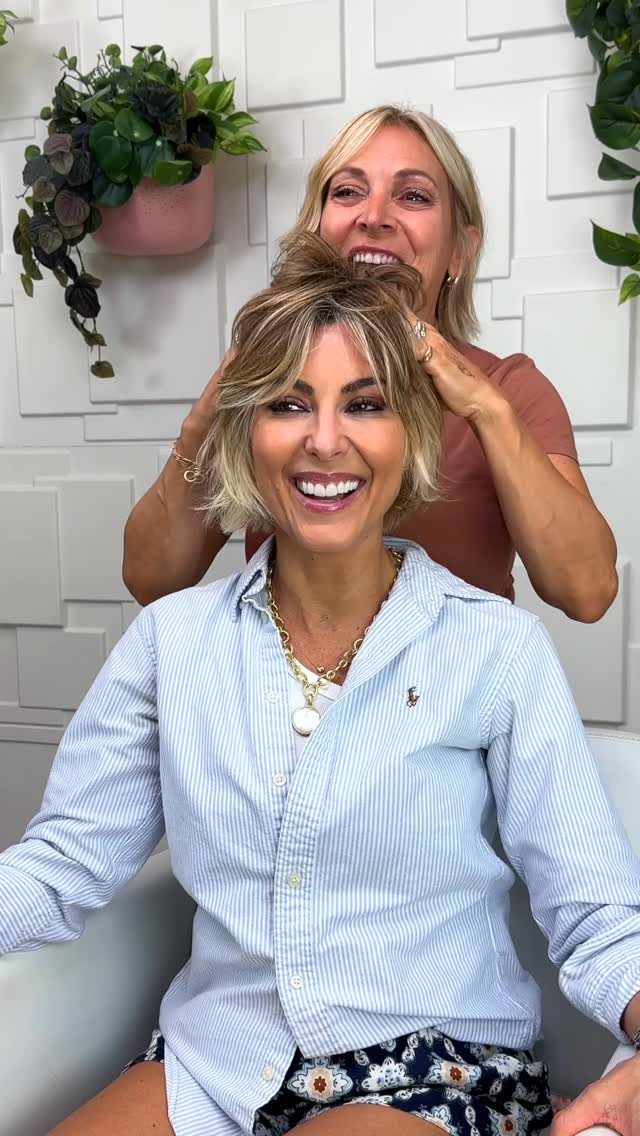
Bangs anchor the whole cut, framing the face while the rest of the shag builds movement and texture around them.
The fringe can run straight across, sweep to one side, or break into curtain bangs depending on face shape and forehead height.
Straight or wavy hair holds the cleanest bang line with the least daily work.
Curly hair will need a round brush and a blow-dryer to smooth the fringe, or you can let it curl and trim it longer to account for shrinkage.
Bangs need trimming more often than the rest of the cut to keep them from covering your eyes.
5. Feathered Shag
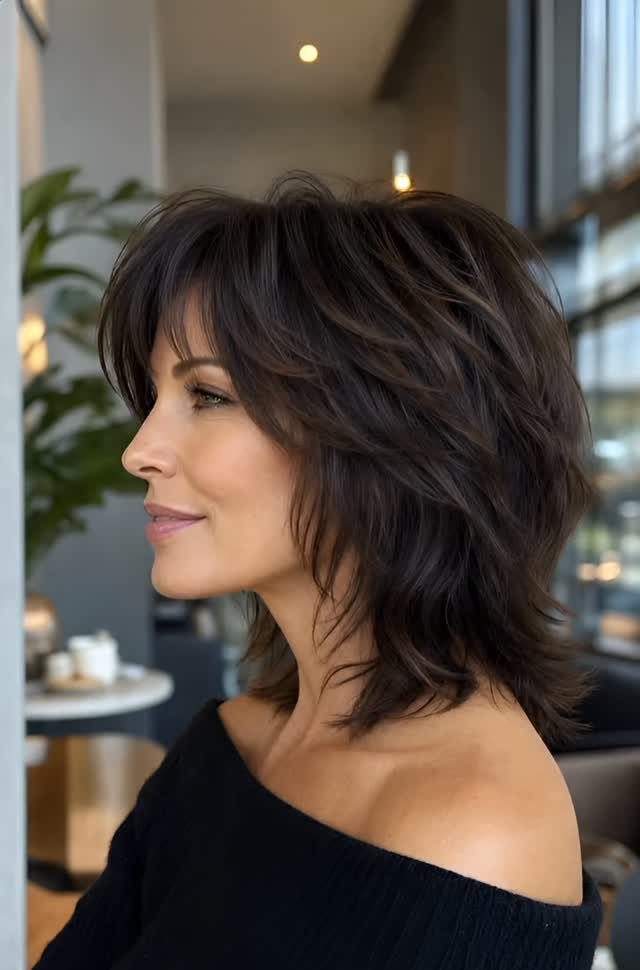
Feathering softens the edges of each layer, so the hair flares slightly outward rather than lying flat or chopping to a hard line.
The technique works best with scissors or a razor, and the stylist cuts into the ends at an angle to create that lifted, airy finish.
Straight and wavy hair show the feathering most clearly, and the style air-dries well if your hair has any natural movement.
Fine hair gains volume from the lift at the ends, while thick hair needs thinning through the mid-lengths to keep the feathered pieces from clumping together.
6. Choppy Layered Shag

Layers cut to visibly different lengths give this shag its choppy, disconnected look. The unevenness is the point: the layers do not blend smoothly, and the contrast between short and long pieces creates sharp texture and movement.
Thick hair handles the chop best because it has enough density to fill out the shorter layers without looking sparse.
The style reads edgy rather than soft, and it grows out in a way that keeps the choppy texture for several weeks before needing a trim.
7. Micro Shag
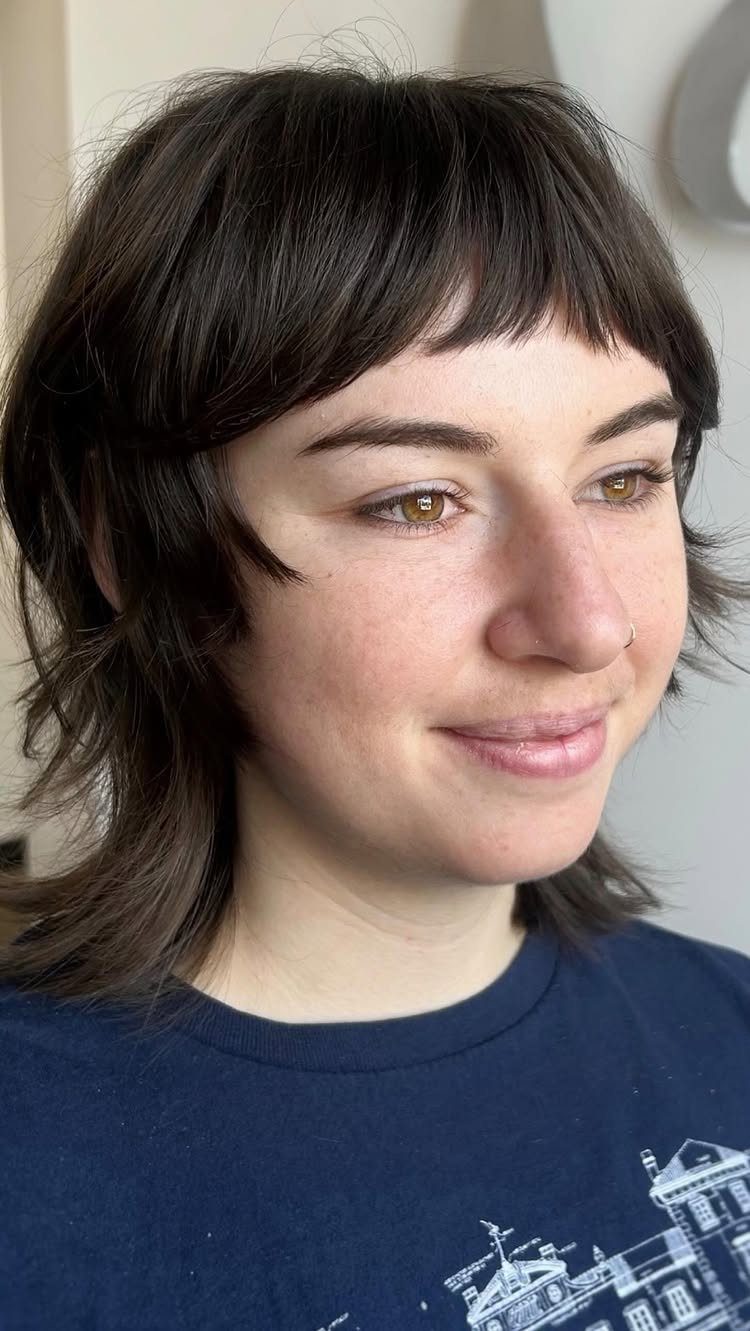
The shortest version of the shag sits close to the head and ends near the jawline or above it, giving you all the texture and movement of a longer shag in a cropped, low-commitment frame.
Razor-cut layers build softness and lift without adding bulk, so the cut works well on fine hair that needs volume and thick hair that benefits from weight removal.
Styling takes minutes: a light texturizing spray and your fingers are usually enough.
8. Modern Mullet
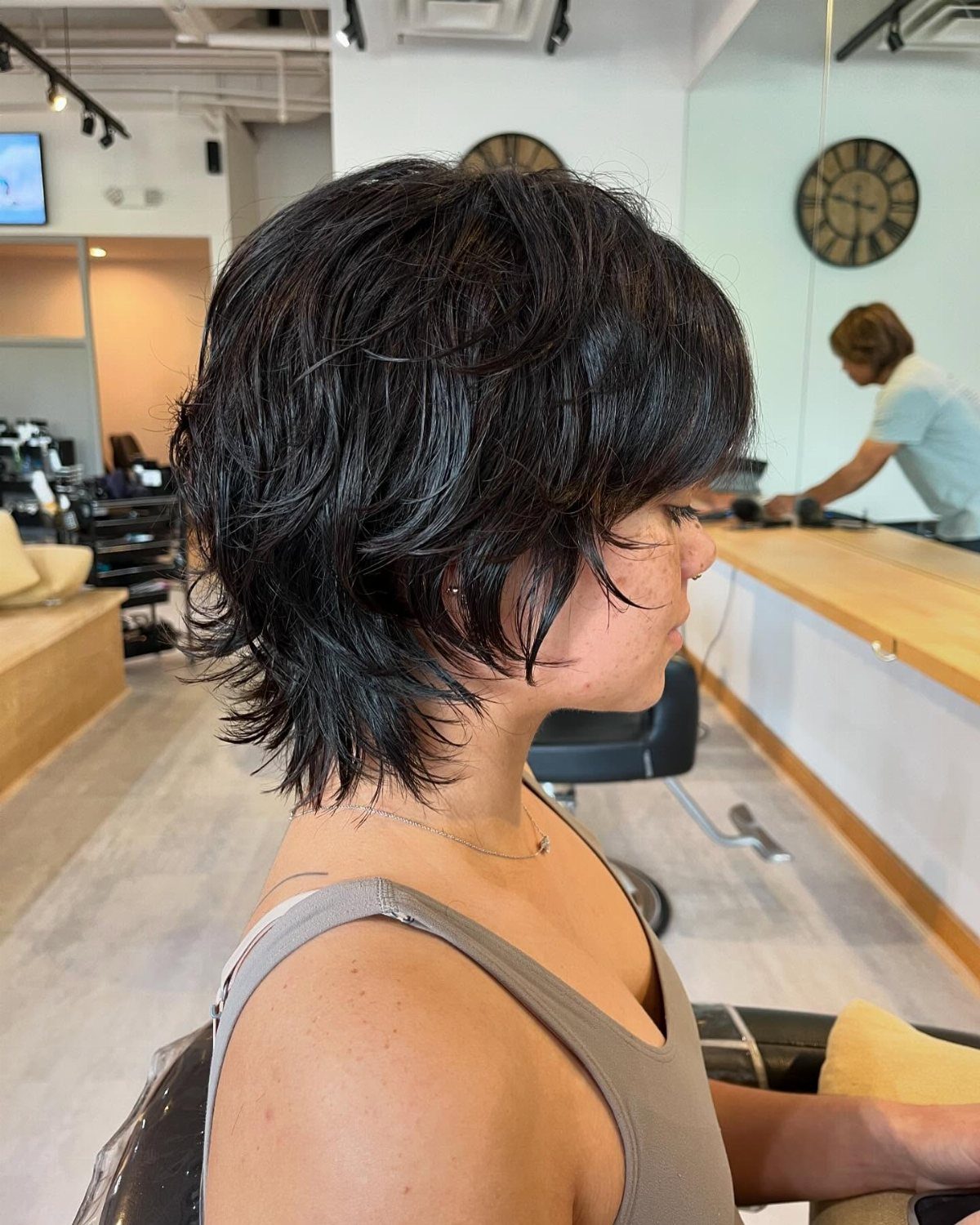
Shaggy layers soften the stark contrast between short sides and a longer back, so the cut reads current rather than retro.
The layers add movement through the crown and blend the transition from front to back, keeping the shape wearable for work or daily life.
Straight and wavy hair take the texture well and need little work to settle into shape. Styling is minimal if you like the natural fall, or you can add a texturizing paste to emphasize the layers.
9. Feathered Bob Shag
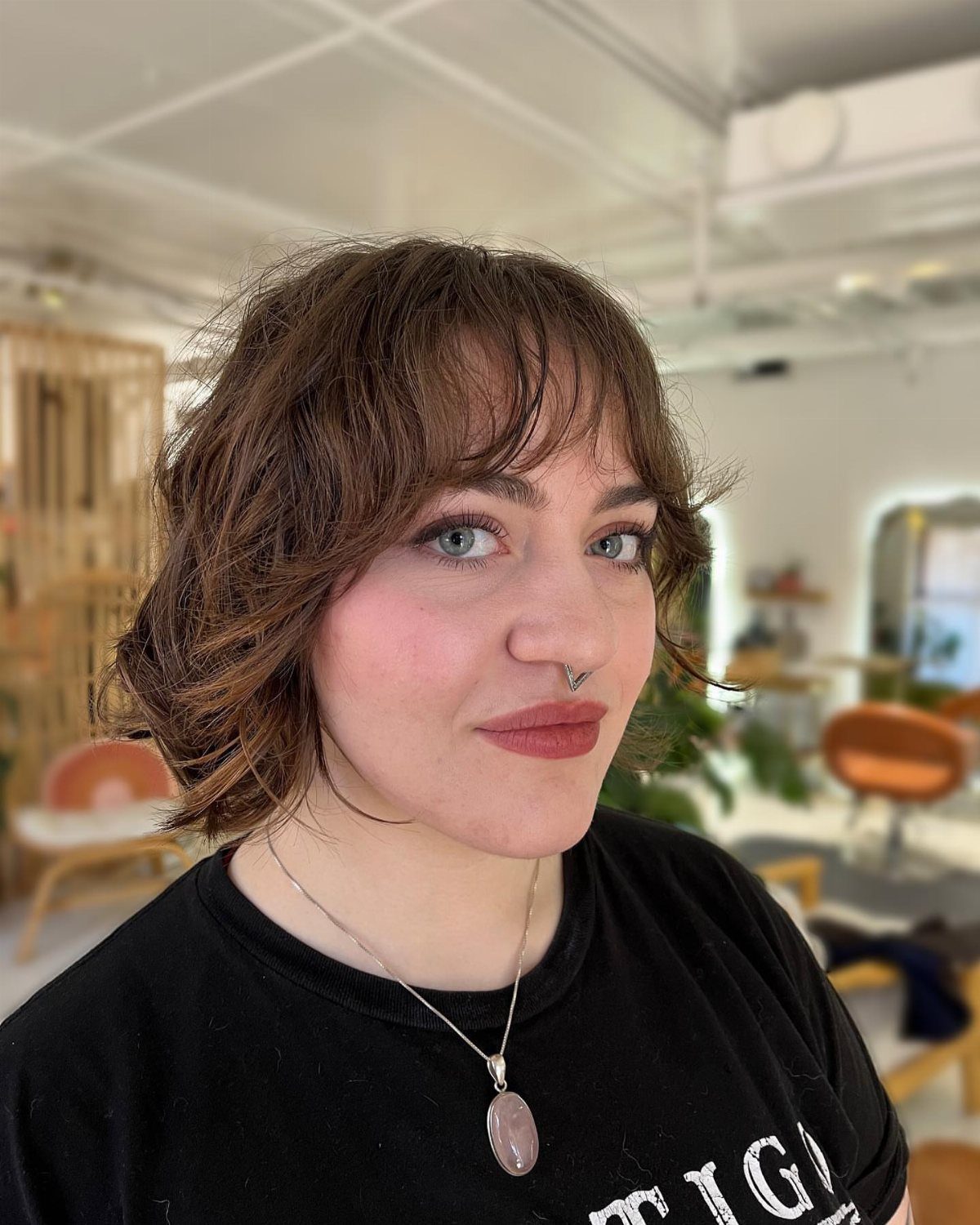
The bob length keeps the cut polished, while feathered layers at the fringe and sides add softness and movement. The layers curve toward the cheekbones, drawing the eye inward and flattering round or square face shapes.
Thicker hair will need thinning through the ends to keep the feathering light rather than heavy.
10. Pixie Shag
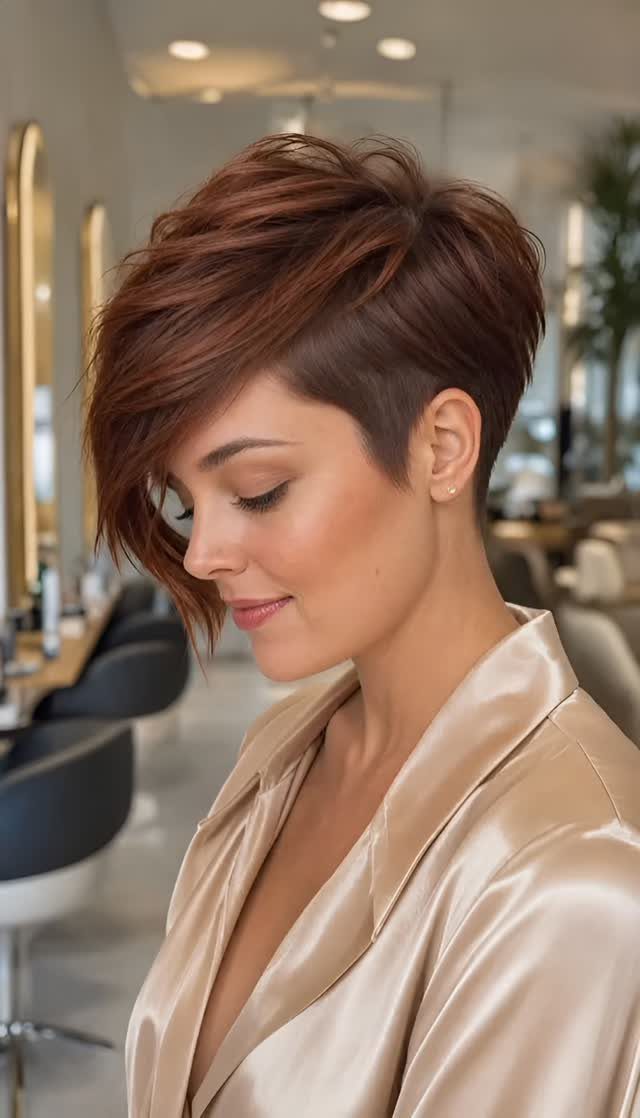
Choppy layers and longer side pieces give a pixie cut the tousled, lived-in texture of a shag. The contrast between short back sections and longer front layers creates movement and keeps the style from reading too severe.
Styling takes a small amount of pomade or texturizing cream worked through damp hair. The cut grows out fast, so expect frequent trims to hold the shape and stop the layers from flattening.
11. Short Textured Shag

Choppy layers cut to different lengths build volume and movement without adding length. The texture stays close to the head instead of floating out, and the lift at the crown works for round and oval faces.
Styling is quick: scrunch in a sea salt spray or texturizing mousse and let it air-dry, or use a diffuser if you want more lift at the roots.
12. Chin-length Shag

Layers that end near the chin frame the jaw and soften angular features without sitting too short. The length makes grow-out easier to manage than a cropped shag, and the style transitions smoothly if you decide to grow it longer.
The cut suits most hair types and works especially well on wavy hair, which enhances the tousled texture. Fine hair gains body from the layering, while thick hair benefits from the weight removal at the ends.
13. 70s Shag
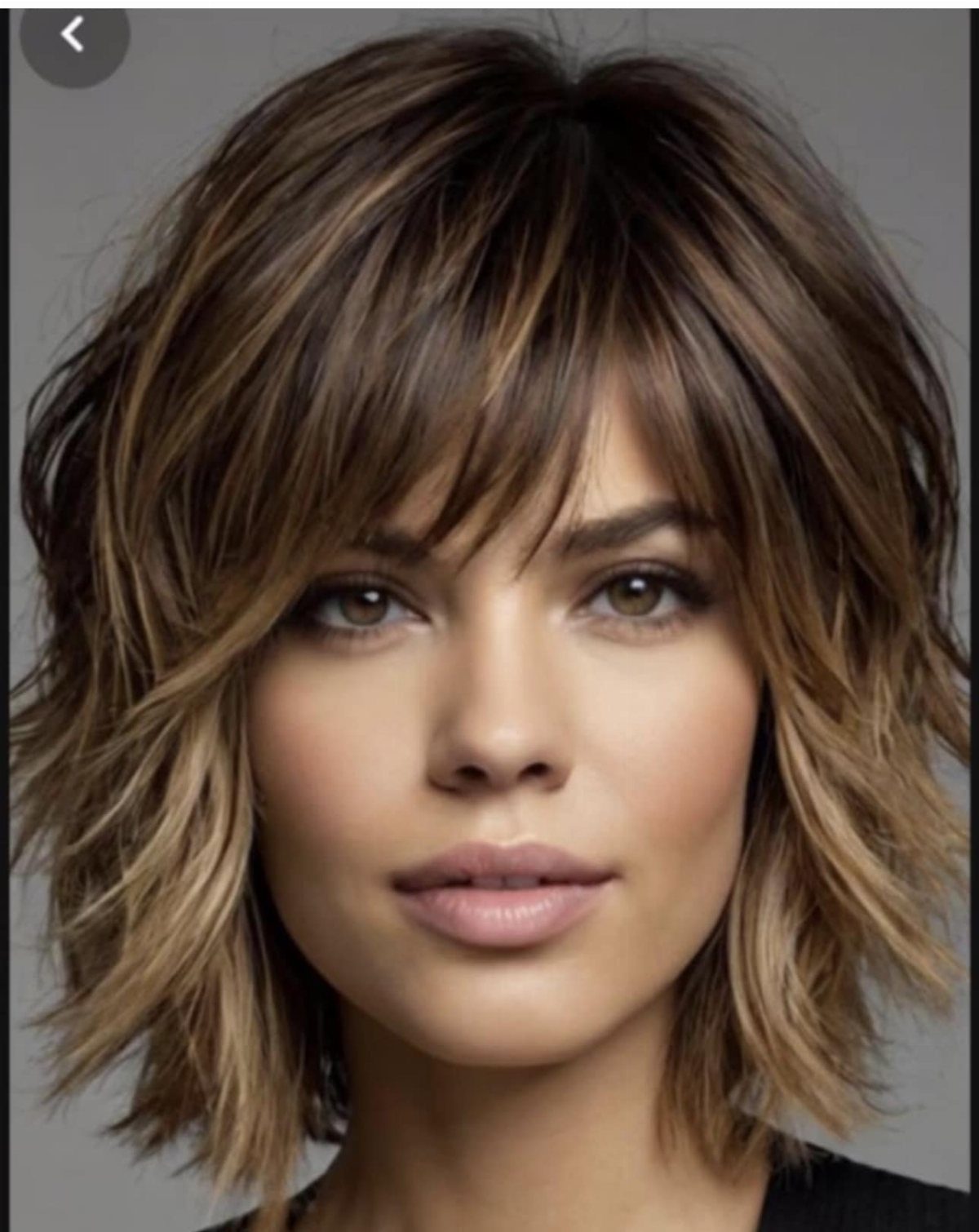
Lifted layers at the crown and feathered ends through the fringe give this cut its retro shape.
The volume sits high rather than spreading wide, which flatters round faces by adding vertical height, and the dramatic fringe shortens a long forehead.
Feathering shows up clearest on hair that falls straight or moves in loose waves.
A round brush and blow-dryer will emphasize the lift, or you can let it settle naturally if your hair has enough body. The fringe needs regular trims to keep it from growing past your brows.
14. Tapered Shag
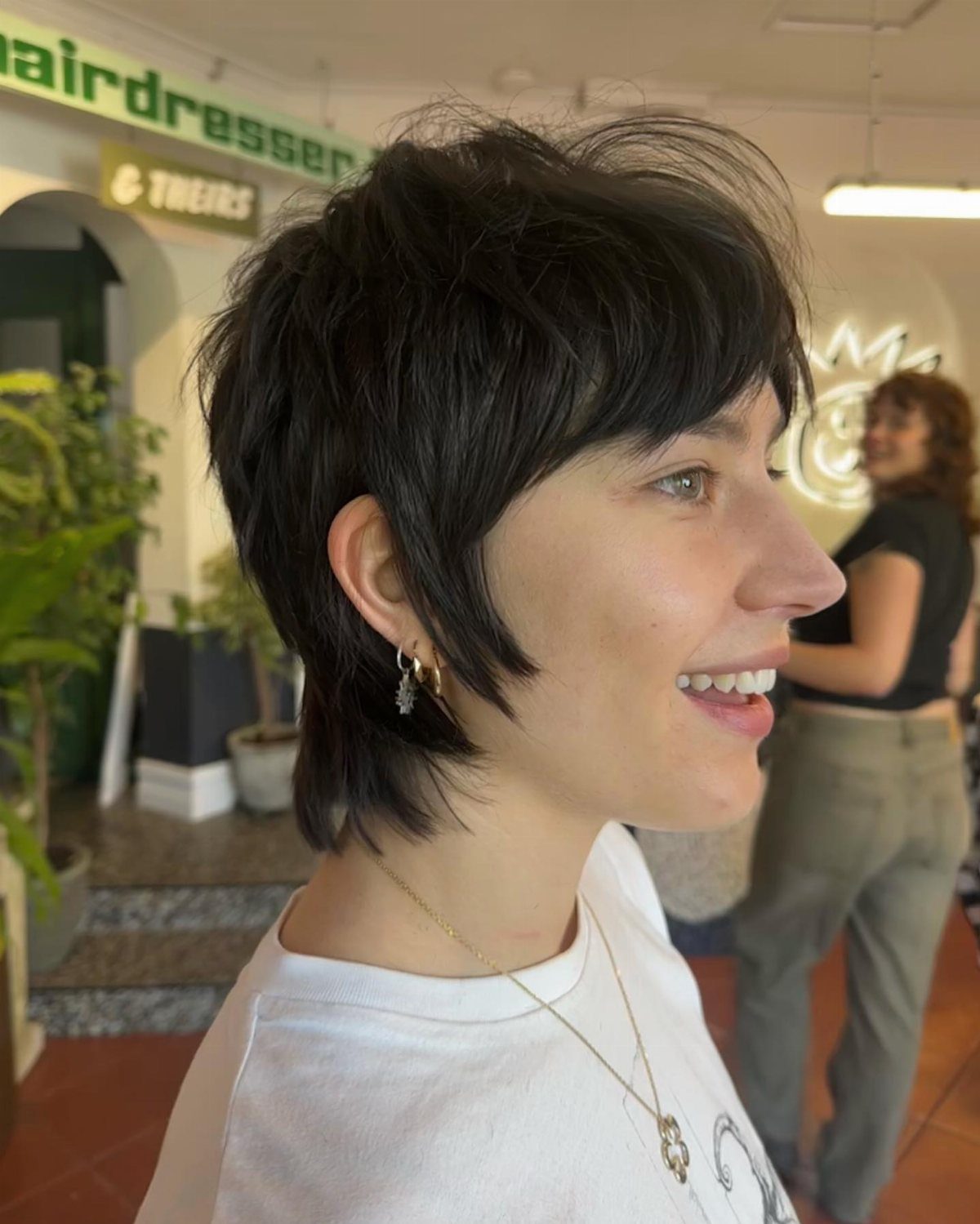
The nape tapers short while the crown keeps tousled length, so the cut reads clean at the back and textured on top.
Side-swept layers at the front soften the face, and the short nape exposes the neck without requiring the same commitment as a full pixie.
Styling is quick: a small amount of texturizing cream worked through the crown gives separation, and the tapered back stays neat without effort. The shape holds for several weeks before the taper needs cleaning up.
15. Beachy Shag
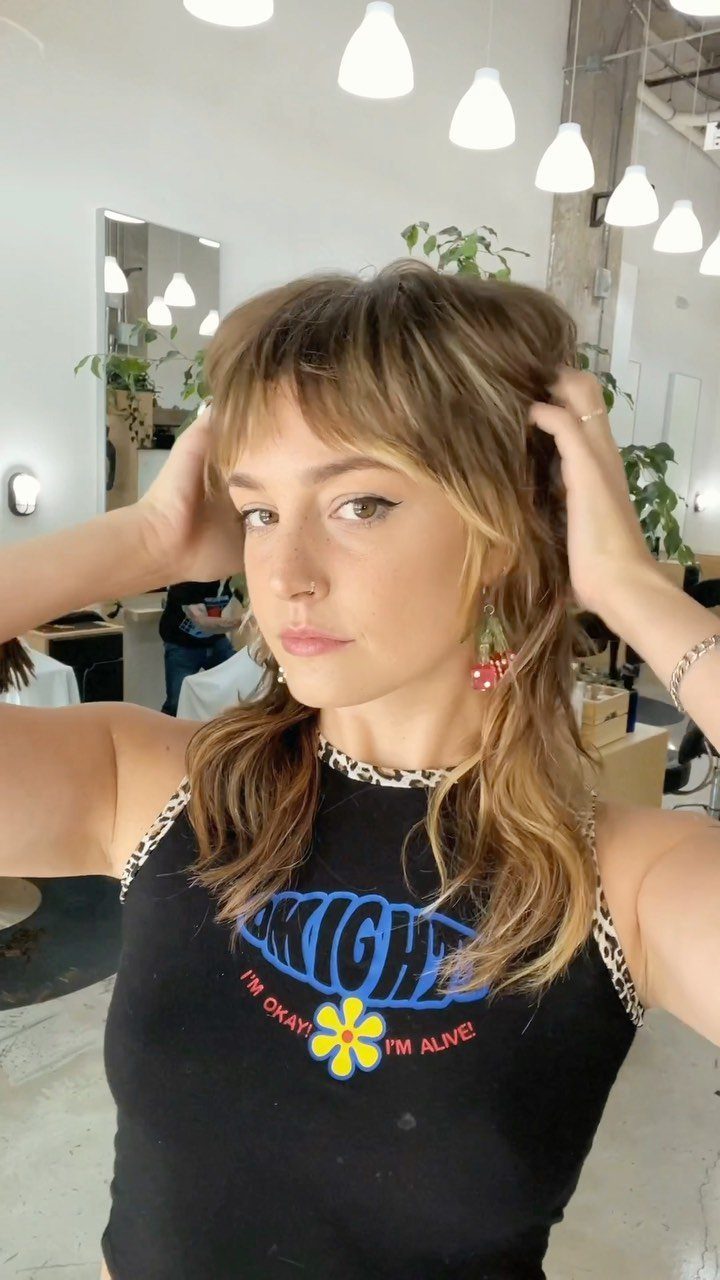
Relaxed waves and a short fringe give this shag a laid-back, vintage look. The texture sits soft rather than sharp, and the fringe frames the face without demanding daily heat styling.
Wavy hair takes the tousled finish naturally; straight hair will need a curling iron or sea salt spray to build the wave.
The fringe can air-dry or be blown smooth depending on how much separation you want. A texturizing spray keeps the waves from flattening through the day.
16. Blunt Shag
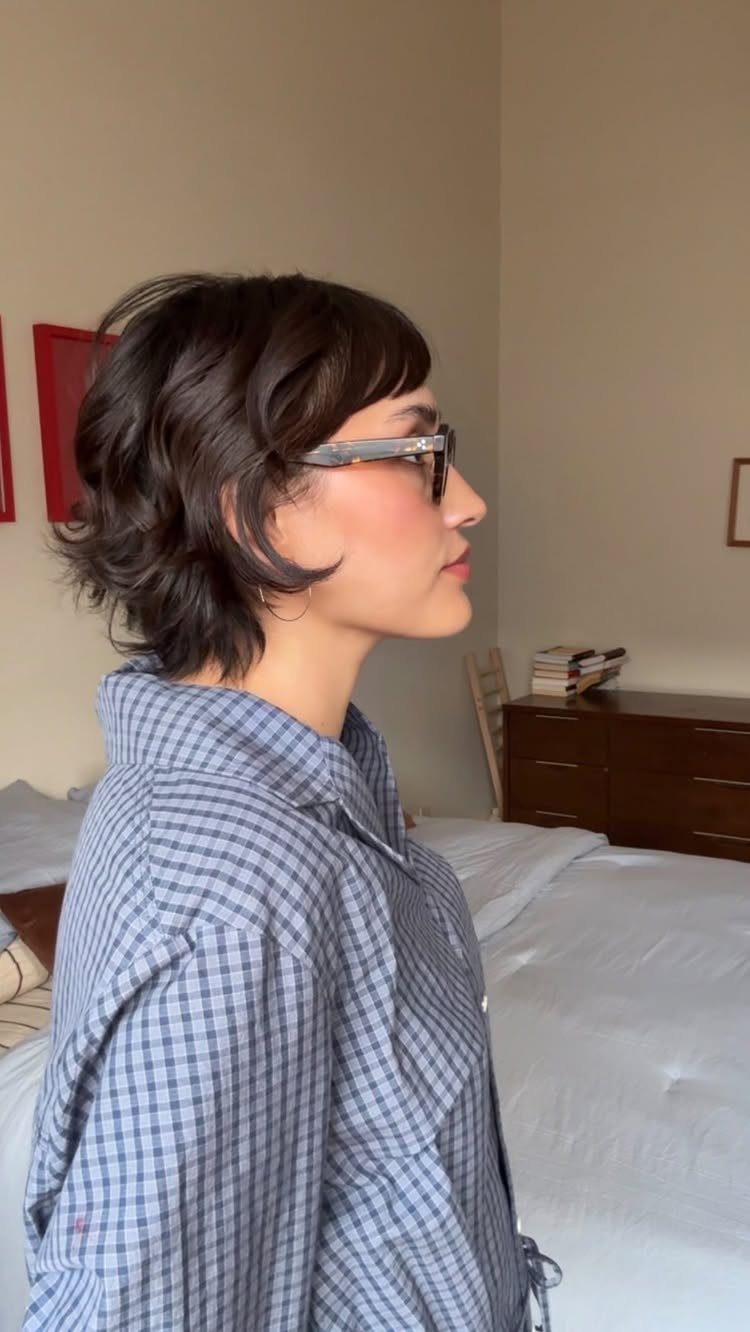
A blunt cut at the perimeter or through the fringe contrasts with textured layers underneath, so the style reads structured at the edges and soft through the lengths.
The clean line works well on thick hair that can hold a sharp finish, and the layering removes enough weight to keep the ends from looking heavy.
Straight hair shows the blunt line most clearly. The cut needs less frequent trims than a fully layered shag because the perimeter holds its shape longer, though the layers still need a refresh to keep the texture working.
“Depending on your hair texture, the shag is a cut that can be worn extremely messy or seamlessly straight,” says stylist Anh Co Tran, though Maynard Bolt adds that you get the most effortless look if you have some natural texture to your hair.
— Glamour
17. Razor Shag
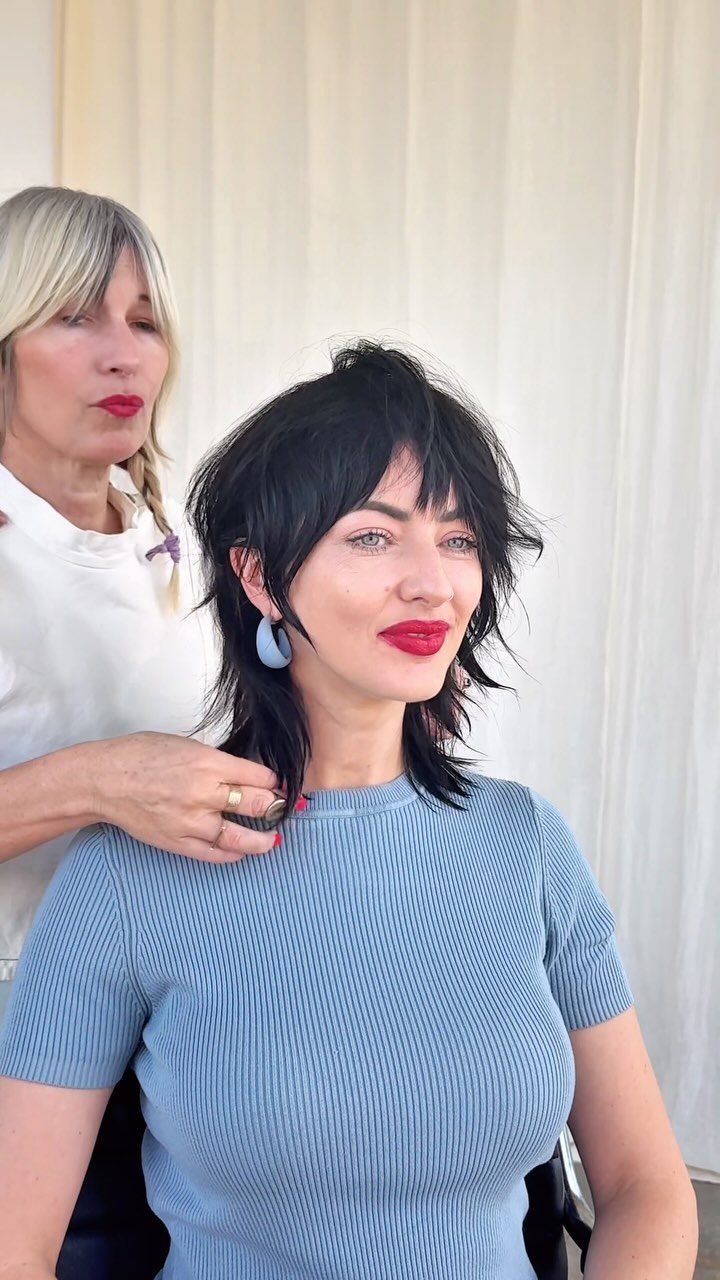
A razor slices through the layers to create separated, jagged ends that give the cut a sharp, modern edge. The finish is deliberately uneven, and the layers stay distinct rather than blending smoothly together.
Razor cutting works on most hair types but leaves the ends more prone to dryness, so a bond-building treatment or deep conditioner helps keep the hair smooth and controls frizz.
The separated texture holds best on straight or wavy hair; curly hair may lose the jagged finish once it dries.
18. Low-maintenance Shag
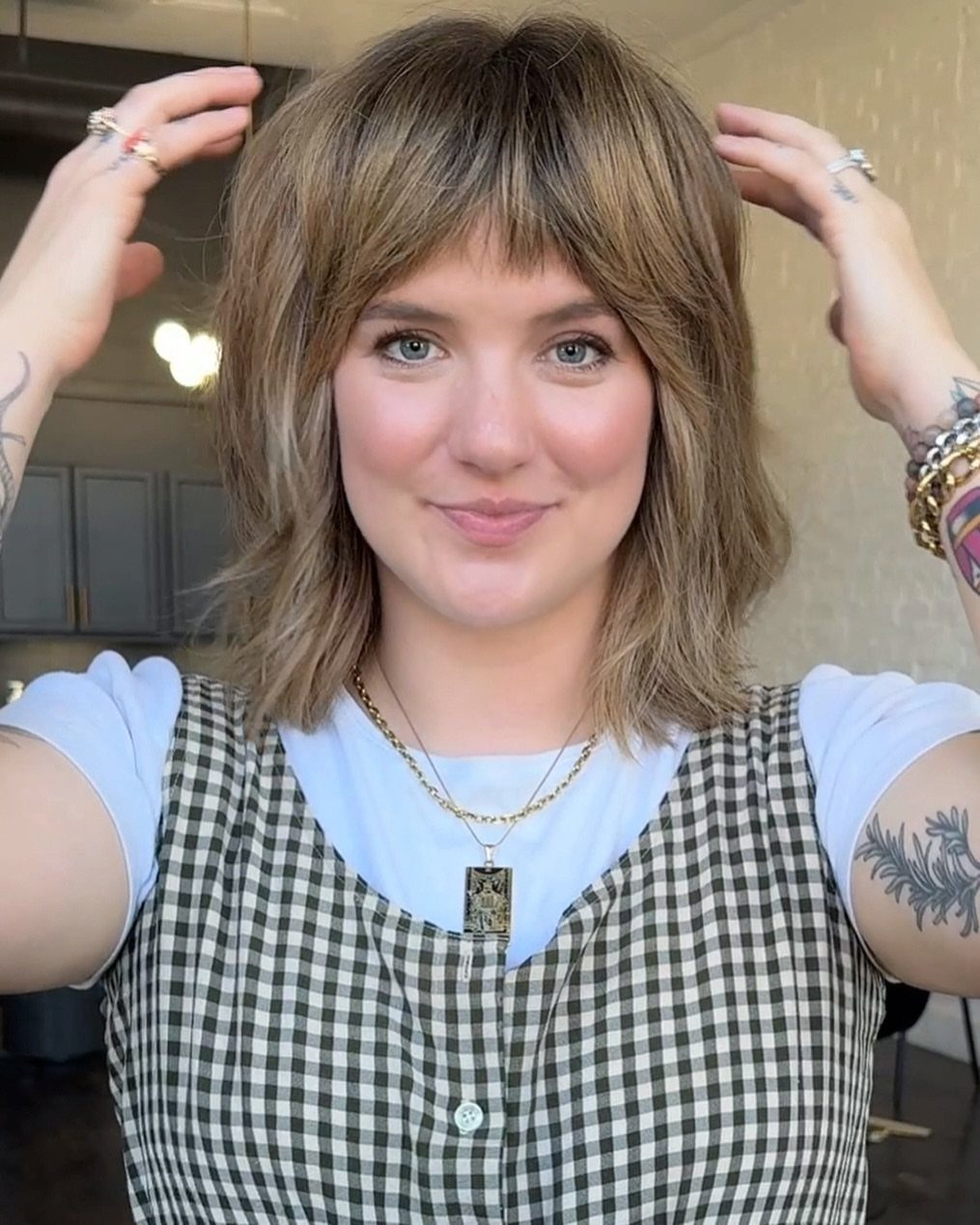
Soft layers and a manageable length let this shag work with your natural texture instead of fighting it. The cut air-dries well if your hair has any wave, and the fringe stays light enough to avoid daily heat styling.
Fine hair gains body from the layers, and the length is long enough to tuck behind your ears if you want it off your face.
A texturizing spray adds separation if you need it, but most days you can wash and go.
19. Shag for Round Faces
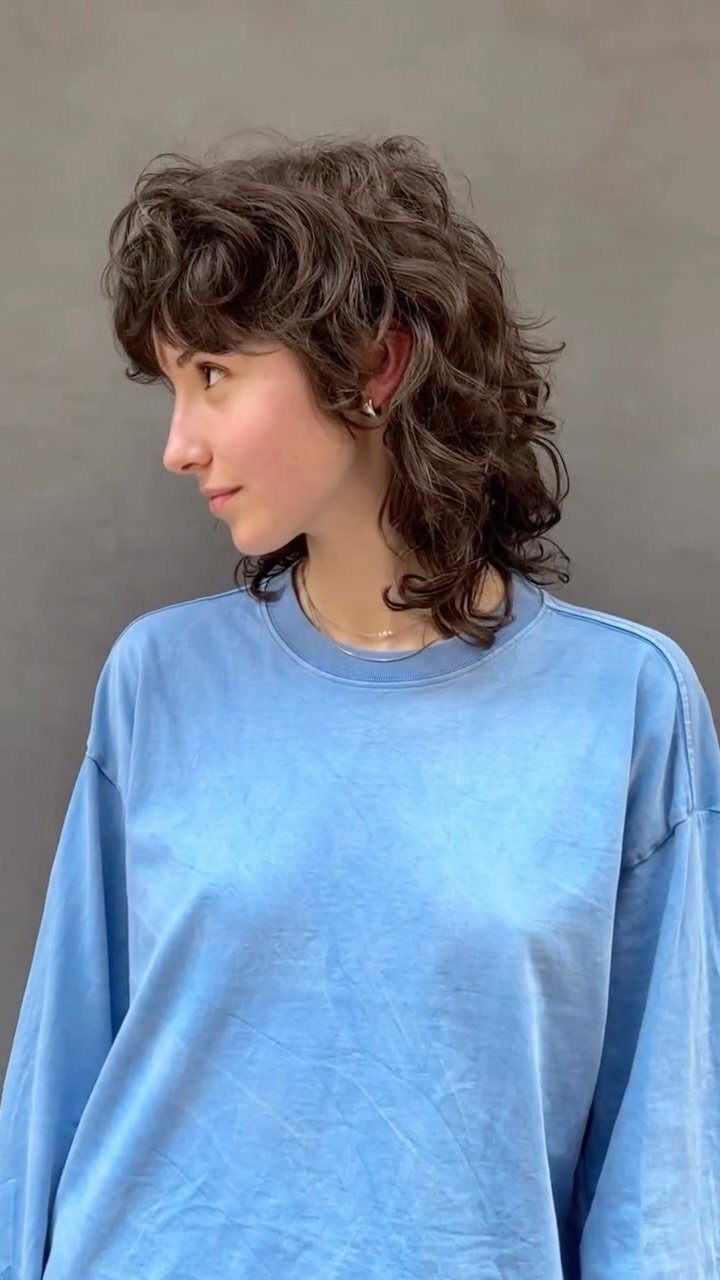
Crown volume and shorter sides create vertical length that balances a round face. The lifted layers at the top draw the eye upward instead of widening at the temples, and face-framing pieces that angle inward slim the cheeks.
A longer fringe or side-swept bangs will cover some forehead height and keep the proportions from looking stretched.
Avoid blunt-cut perimeter lines that end at the widest part of your face; choppy or angled layers work better to break up the curve.
20. Mocha Airwave Fringe Shag

Feathered, wispy fringe softens the face without blocking it, and the airwave technique keeps the layers light and separated rather than dense.
The color sits in the mocha-brown range, which flatters most skin tones and needs less upkeep than platinum or stark black.
The fringe stays airy because the layers are point-cut or razored to avoid weight at the ends. Straight or wavy hair holds the texture well; thick hair will need thinning to keep the fringe from looking heavy.
21. Shaggy Long Bob
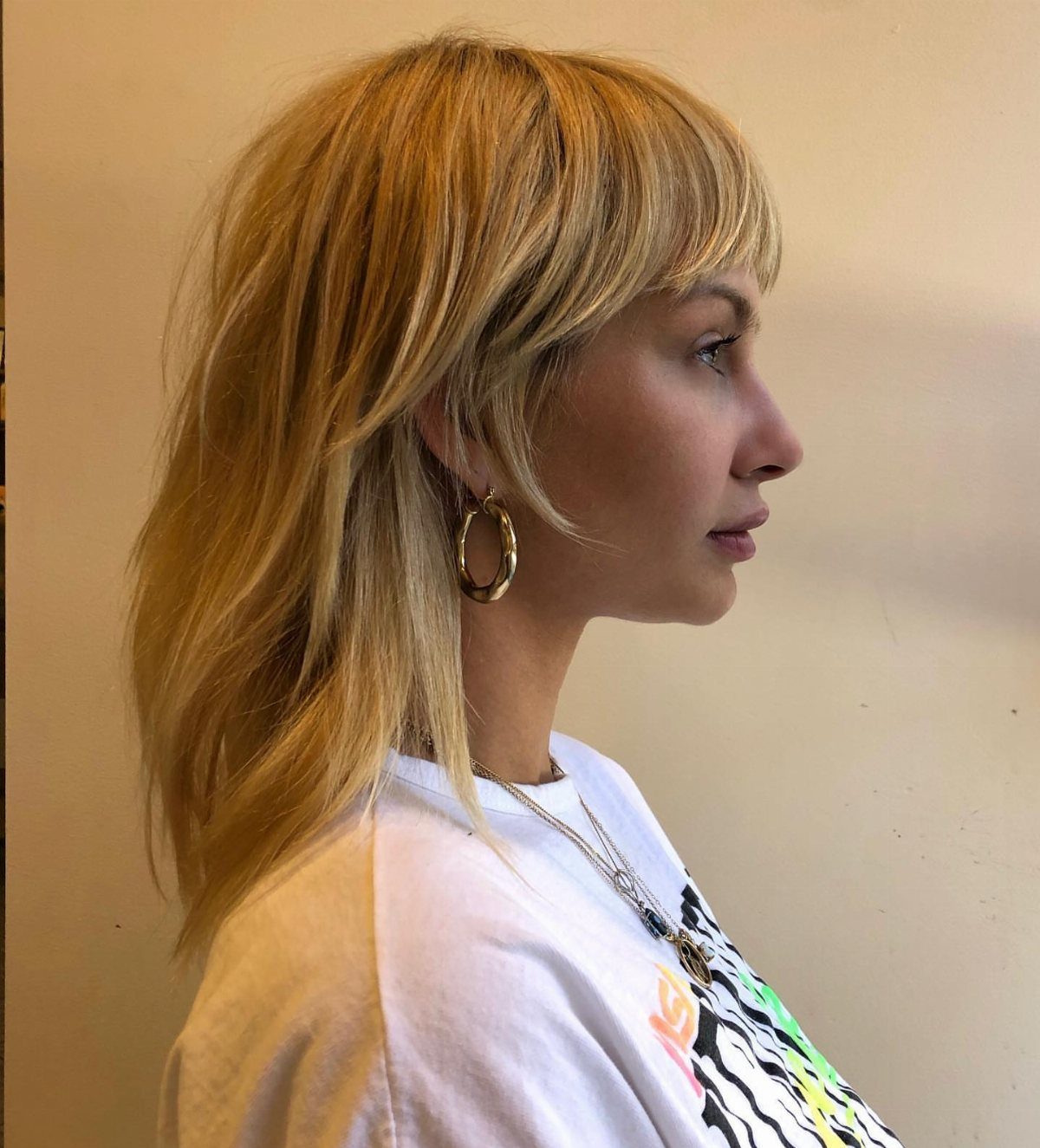
Bob length with choppy, textured layers gives you the structure of a lob and the relaxed movement of a shag.
The fringe frames the face while the layered ends add softness, and the length sits long enough to tuck behind your ears or tie back when needed.
The cut suits straight or wavy hair and works well if you want a polished shape that still air-dries with texture.
22. Shaggy Bob
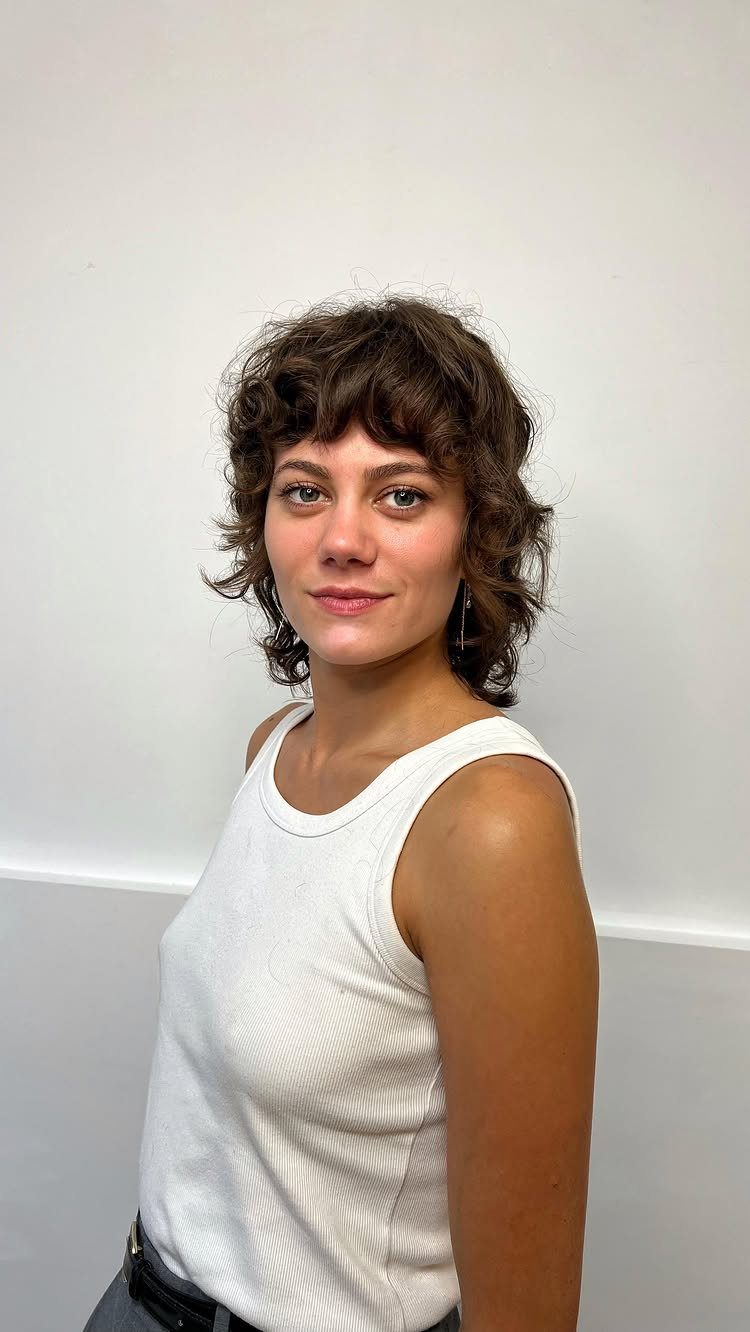
A bob perimeter cut with choppy, razored layers trades the smooth finish of a classic bob for tousled, lived-in texture. The layers add movement and volume, so the cut reads casual rather than severe.
The cut grows out well and holds its shape for several weeks before needing a trim.
23. Wolf Cut

The contrast between short top layers and longer lower sections creates sharp texture and movement, and the face-framing pieces sit short enough to avoid looking heavy.
24. Rounded Shag
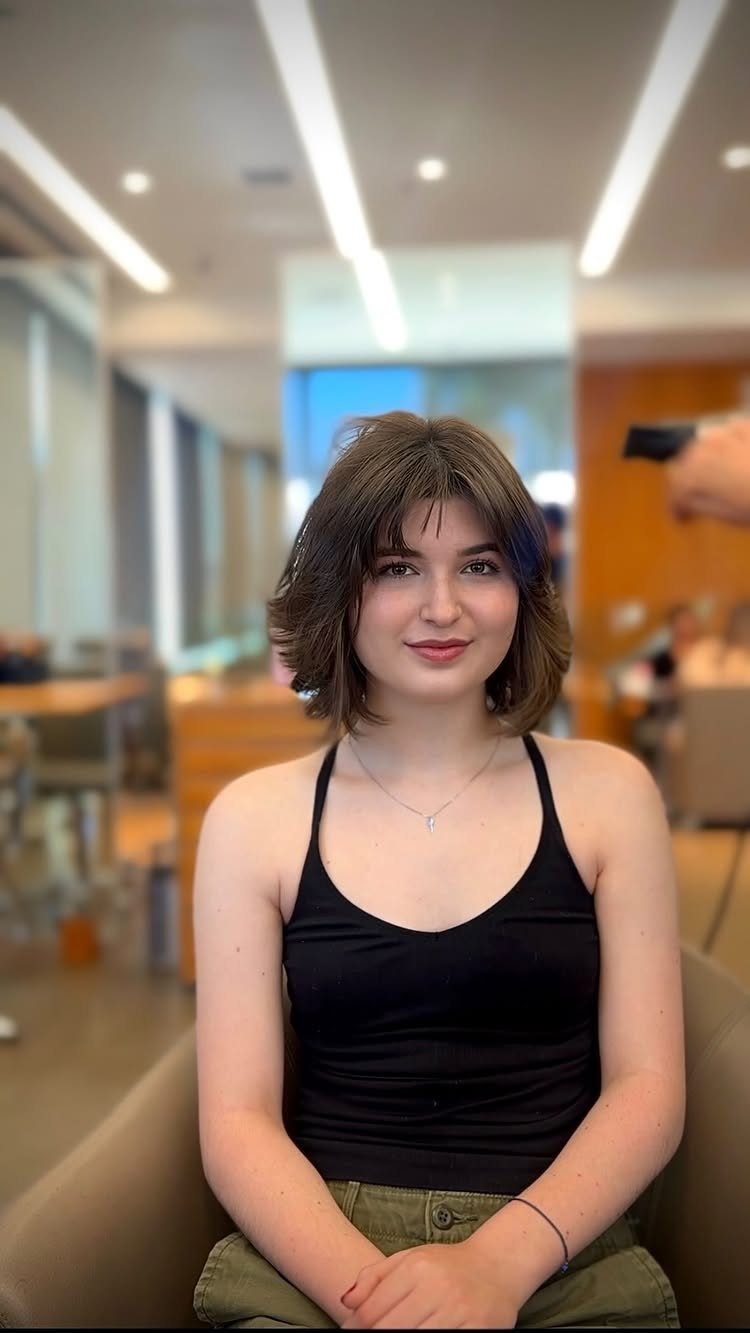
Layers cut to follow a curved silhouette soften the edges and keep the volume closer to the head instead of spiking out. The rounded shape flatters oval and heart-shaped faces by adding width at the cheeks without harsh angles.
Fine hair holds the shape well because the layers build fullness without needing thick texture to start. The cut air-dries with natural movement, and a light mousse or texturizing spray will enhance the curve if you want more definition.
25. Platinum Shag
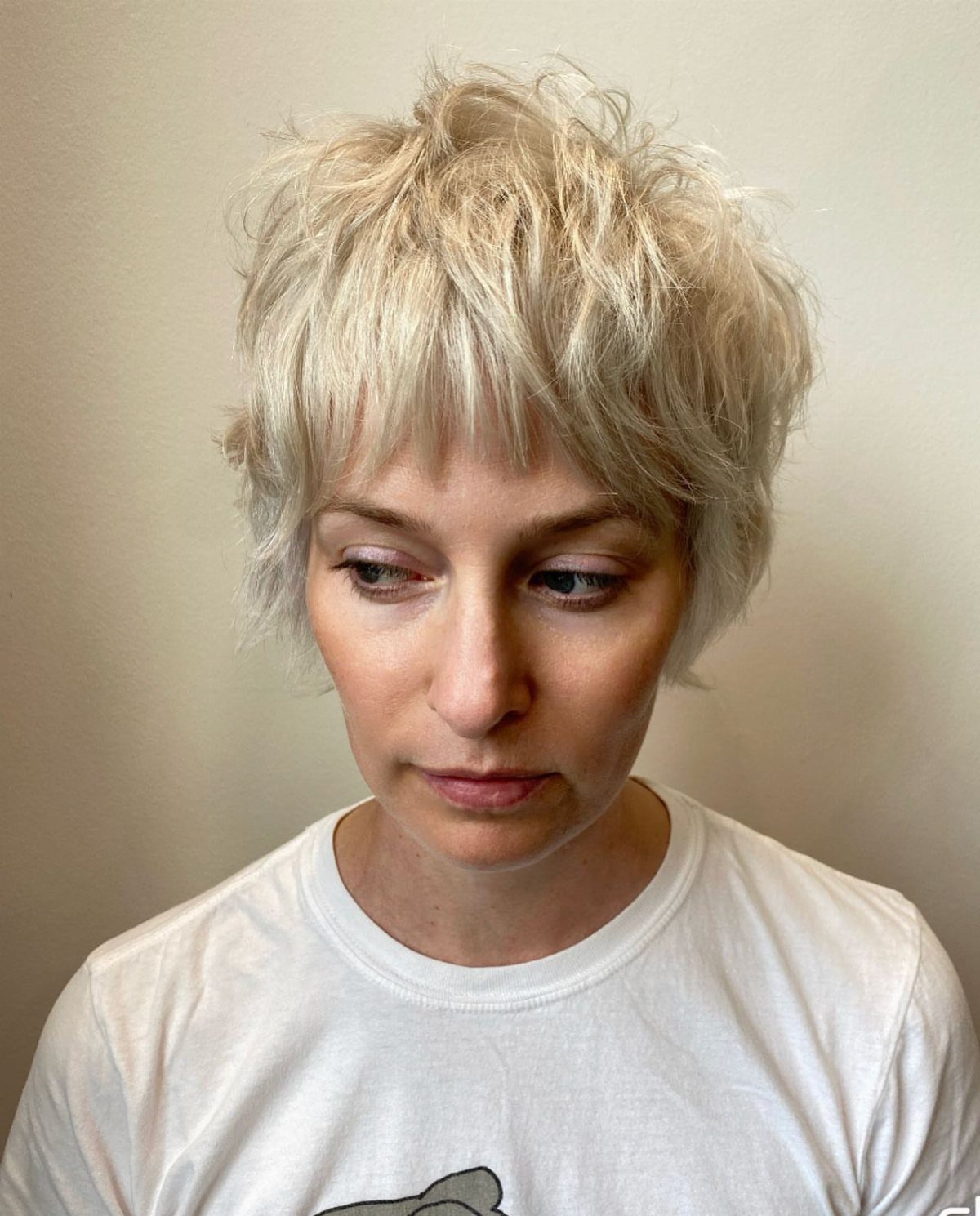
Platinum blonde lifts the shag into high-contrast territory, where the textured layers and pieced ends catch light and stand out against darker brows and roots.
The color demands upkeep: toner every few weeks to hold the cool tone, and a bond treatment to keep bleached ends from snapping.
Dark hair needs multiple sessions to reach platinum without damage, and the grow-out line shows fast. If you want the look without the bleach schedule, ask for a platinum wig or extensions cut into shag layers.
26. French Shag Crop
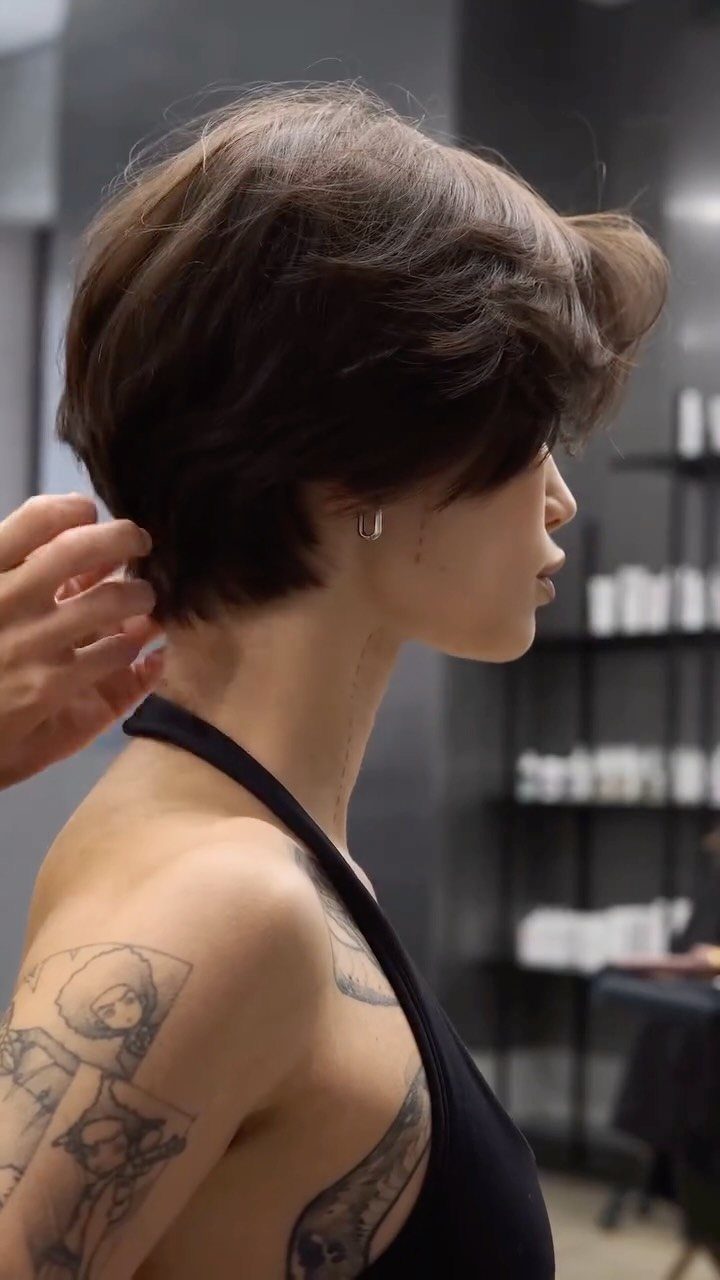
Short, textured layers lifted at the crown and kept light through the ends give this crop an effortless, lived-in finish.
The airy volume sits close to the head rather than flaring wide, so the cut flatters most face shapes without adding bulk at the sides.
If you’re testing out short hair for the first time, this length gives you enough to work with while you decide whether you’re ready to go shorter.
27. Layered Shag Bob
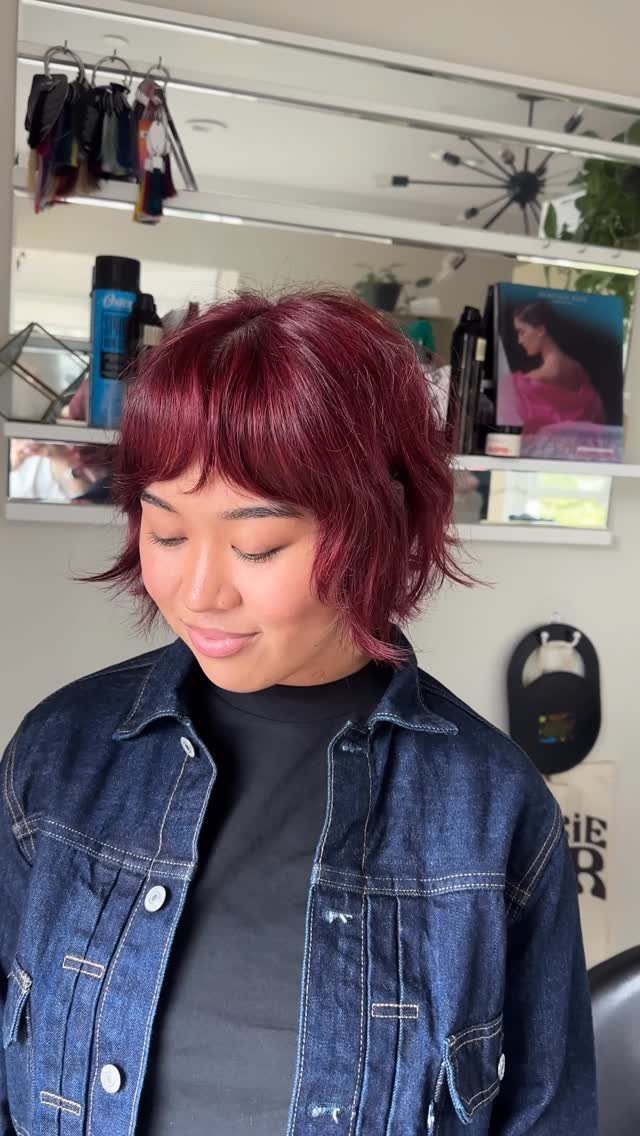
Layers cut through the entire length keep this bob from sitting flat or heavy, so the shape moves and settles with texture instead of hanging in a solid block.
Wavy hair takes the tousled finish naturally. Straight hair will need a texturizing spray or light mousse to build separation and keep the layers from falling smooth.
28. Soft Layered Shag
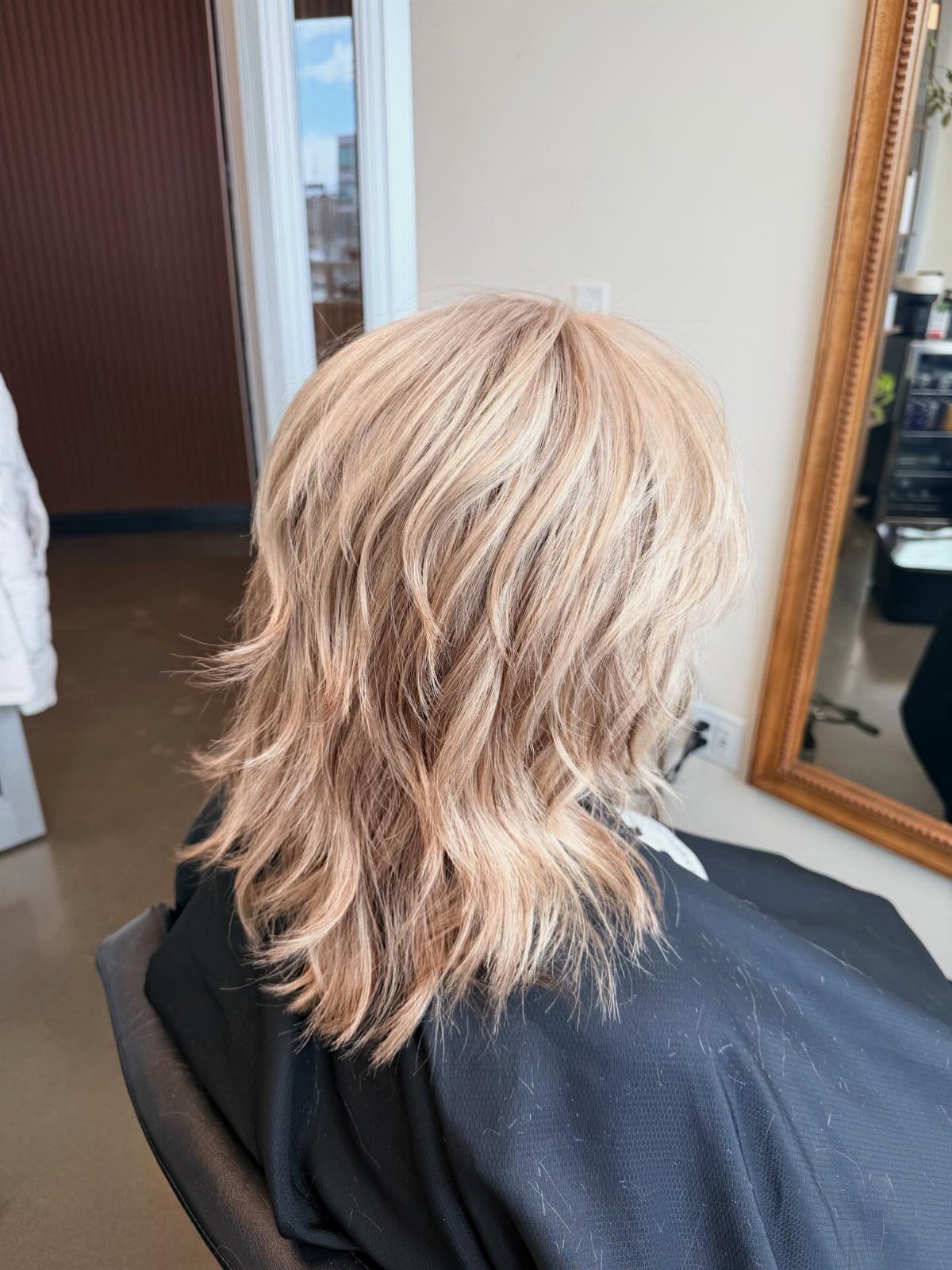
Blended layers and feathered ends soften the shag without the sharp chop of a razored cut, so the texture reads relaxed rather than edgy.
The layers build movement and volume but transition smoothly from one length to the next, which suits fine hair that can look sparse with too much disconnection.
If your hair has natural wave, you can skip the dryer and let the cut do the work.
29. Short Dark Shag
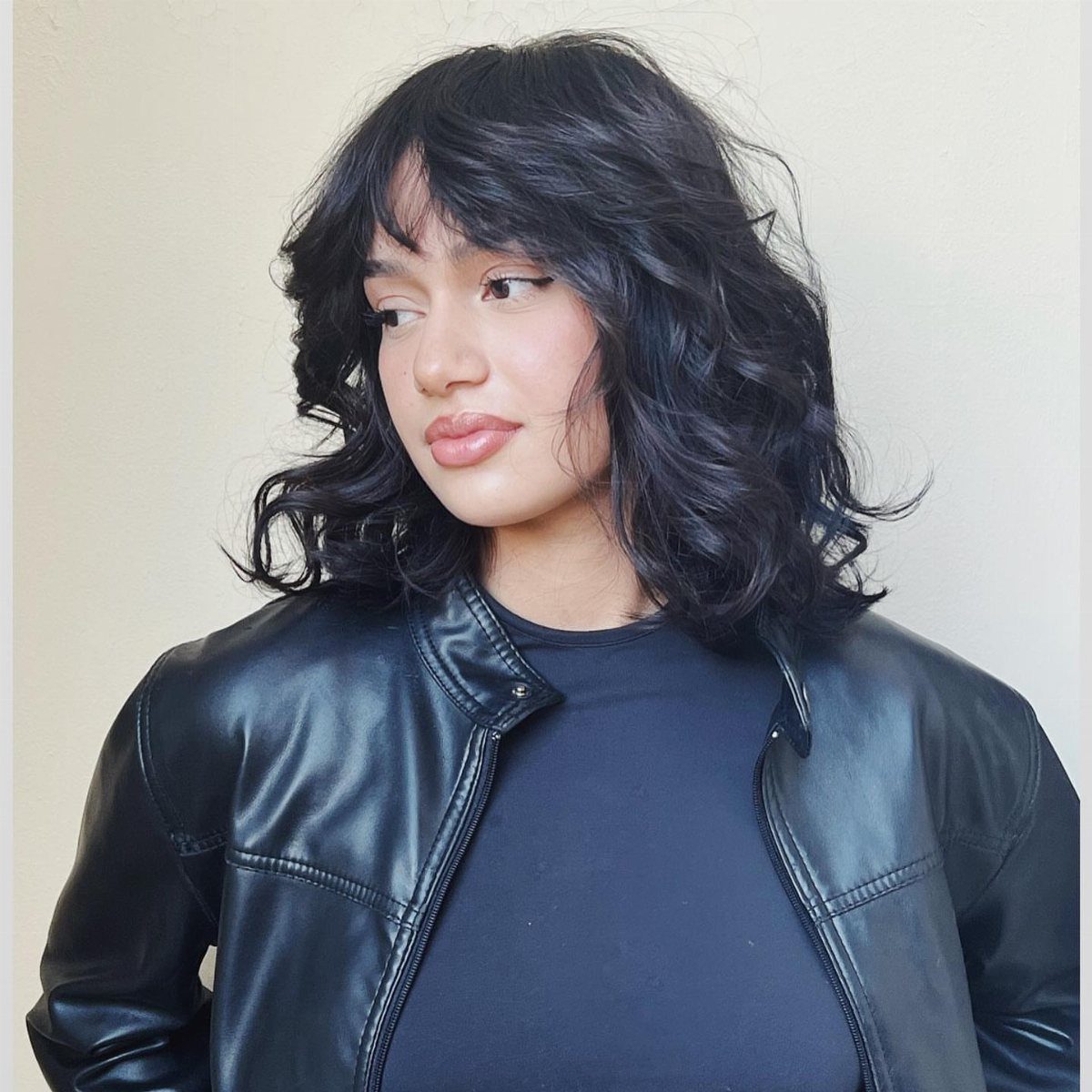
Dark color emphasizes the choppy texture and separation in the layers, and the wispy fringe frames the face without blocking it.
The short length keeps the cut easy to manage, and the dark tone needs less frequent touch-ups than platinum or pastel shades.
30. Side-swept Short Shag
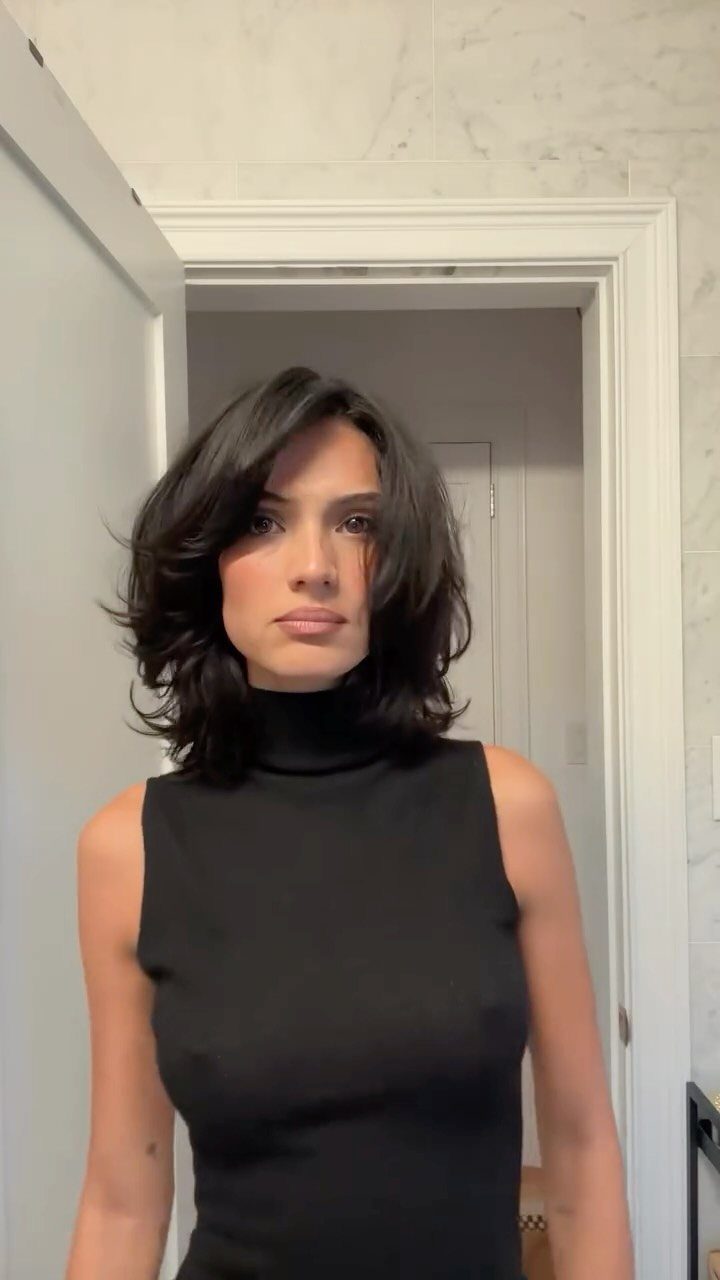
The side-swept fringe softens the face and covers part of the forehead, which flatters a long or broad forehead and balances angular features. Layers through the crown and sides add movement without the sharp, disconnected texture of a choppy shag.
The length sits short enough to stay off your neck but long enough to tuck behind your ears if needed.
31. Short Shag with Flipped Ends
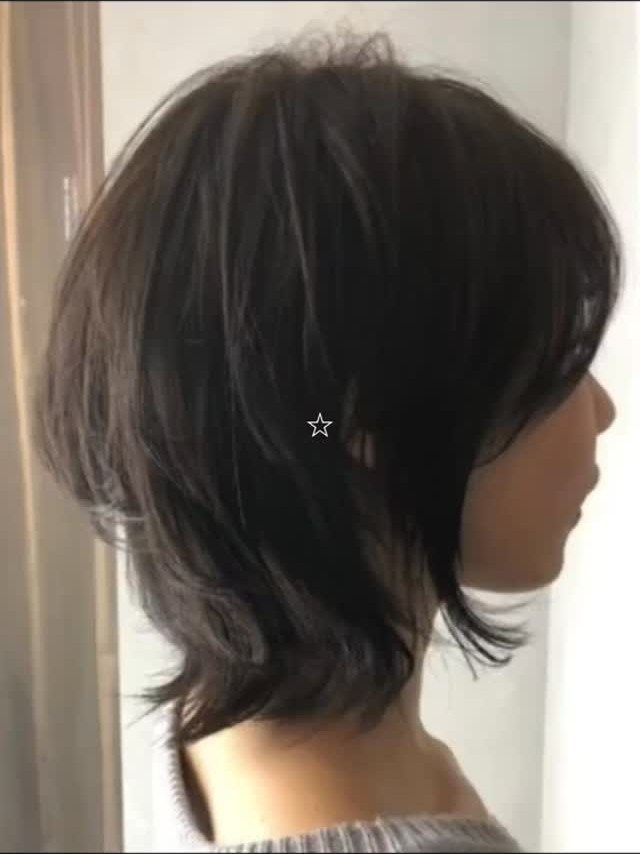
Ends flipped outward with a round brush or curling iron add a playful, retro curve to the perimeter.
The flipped finish works best on hair that holds shape, and the tapered bangs keep the forehead from looking heavy while balancing the outward movement at the ends.
The flip sits most visible on straight or slightly wavy hair; curly hair will soften the curve.
A light hairspray holds the flipped ends in place through the day, and the shape needs heat styling each time you wash unless your hair naturally bends outward as it dries.
32. Short Shag with Color Tips
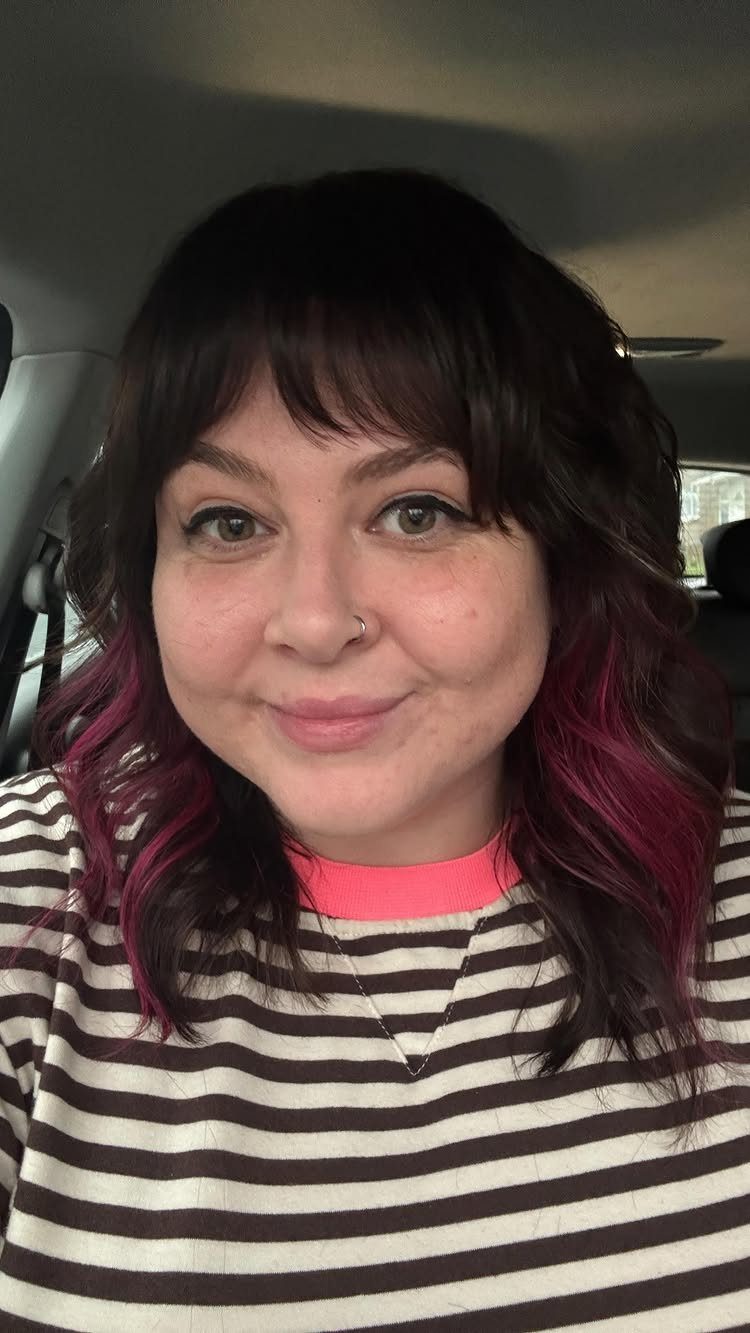
Vivid color at the tips pulls the eye to the longer sections without committing to an all-over dye job. Magenta, teal or orange tips sit bold against dark hair and fade gradually, so grow-out looks intentional rather than messy.
The color sits only on the ends, which means less damage than bleaching from the roots and easier upkeep.
Semi-permanent dye will fade after several washes, so you can change the color or let it wash out. Bleaching is usually needed before applying bright shades to dark hair, and a bond treatment keeps the lightened ends from breaking.
Styling and Maintenance
Texturizing paste, mousse and salt spray all build separation without weighing down the layers.
I work paste through dry hair with my fingers, separating small pieces to place texture exactly where I want it instead of dragging a brush through and flattening the whole thing.
Rough drying with a diffuser adds lift at the crown without smoothing out the texture the cut was designed to show.
Curl cream scrunched through damp curls enhances definition, and occasional round-brush work on the fringe or front pieces keeps those sections polished while the rest stays tousled.
Heavy oils and excessive heat flatten the layers and kill the lift, so I save those for slicked-back days when texture is not the goal.
Face-shape Customization
The layers closest to your face do most of the work in a shag.
A round brush used only near the fringe and front pieces keeps those sections smooth without removing the airy separation between the layers.
Pulling every section inward makes the cut feel heavier and can erase the texture the shag was built around.
Bangs can be cropped short to highlight your eyes and balance a longer face, or they can sweep to one side to break up width at the forehead.
I book a trim every 4 to 5 weeks to keep the shortest pieces sitting where they should against my cheekbones; past 6 weeks they start to lose their line and merge back into the rest.
Frequently Asked Questions
What face shape do shags look good on?
Shags adapt to different face shapes because the layers can be customized where volume and length sit.
Lifted crown layers lengthen a round face by pulling the eye upward, while feathered or wispy pieces at the sides soften angular jaws and cheekbones without widening the temples.
What is the difference between layered and shaggy hair?
Layered hair cuts sections to different lengths for shape and movement, but the finish can stay smooth and blended.
Shaggy hair uses choppy, textured, or razored layers that create separation and a deliberately uneven, lived-in look instead of a polished line.
What are some low-maintenance, short, shaggy haircuts for women with glasses?
You wash, let it dry on its own and leave the texture alone. Fine hair looks fuller without adding length that weighs it down, and anything past your ears tucks out of the way.
What kind of haircut should I get?
Face shape, texture and how many minutes you have in the morning narrow the list faster than anything else.
Crown volume and shorter sides suit round faces, wispy or feathered layers work for fine hair, and chin-length or low-maintenance versions grow out easily if you want flexibility.