Hair texture decides which of these shags is yours: curls can carry the cut with a little cream, while straight hair needs mousse at the roots or a flat iron to get the movement the layers are built for.
The list runs from a cropped Pixie Shag to a Medium-Length Shag, with Short Shags and a Shaggy Bob in between, and upkeep shifts with each length.
A short shag above the ears needs a trim every 6 to 8 weeks, while longer versions stretch much further between visits.
1. Curly Shag
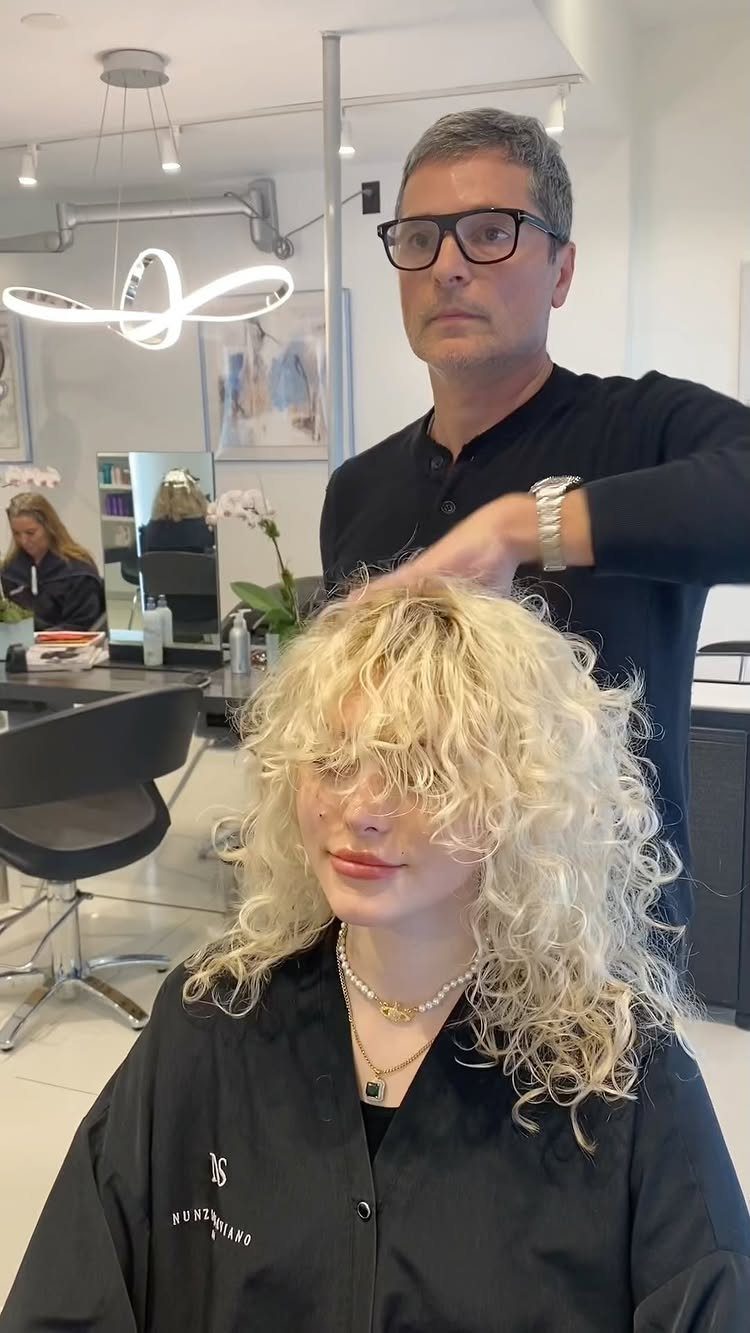
Layers cut through curls at different lengths lift the hair and let each curl spring on its own rather than stacking into a heavy mass.
The shortest pieces sit near the crown and cheekbones, the longest fall past the shoulders, and the range between them gives curls room to move.
Ask for short layers through the top and longer face-framing pieces if your curls clump when they get too long. The fringe is cut wet and dries shorter, so ask for extra length if your curl pattern is tight.
Curls this light need a leave-in conditioner and a gel with hold, otherwise the layers separate into frizz by midday.
2. Short Curly Shag

Cropped length keeps the weight off, and layers cut close to the scalp add volume at the root without stretching the curl pattern.
The pieces around the face stay longer to frame the cheekbones, and the fringe falls just above the brows when dry.
This cut works best on tighter curls that spring up rather than hang down. Looser waves lose shape at this length and need more styling to hold the volume the cut is built for.
A diffuser speeds the process, and most mornings need nothing more than a finger-comb and a palmful of curl cream. Plan on frequent trims to keep the shape from growing out into a round silhouette.
3. Classic Shag
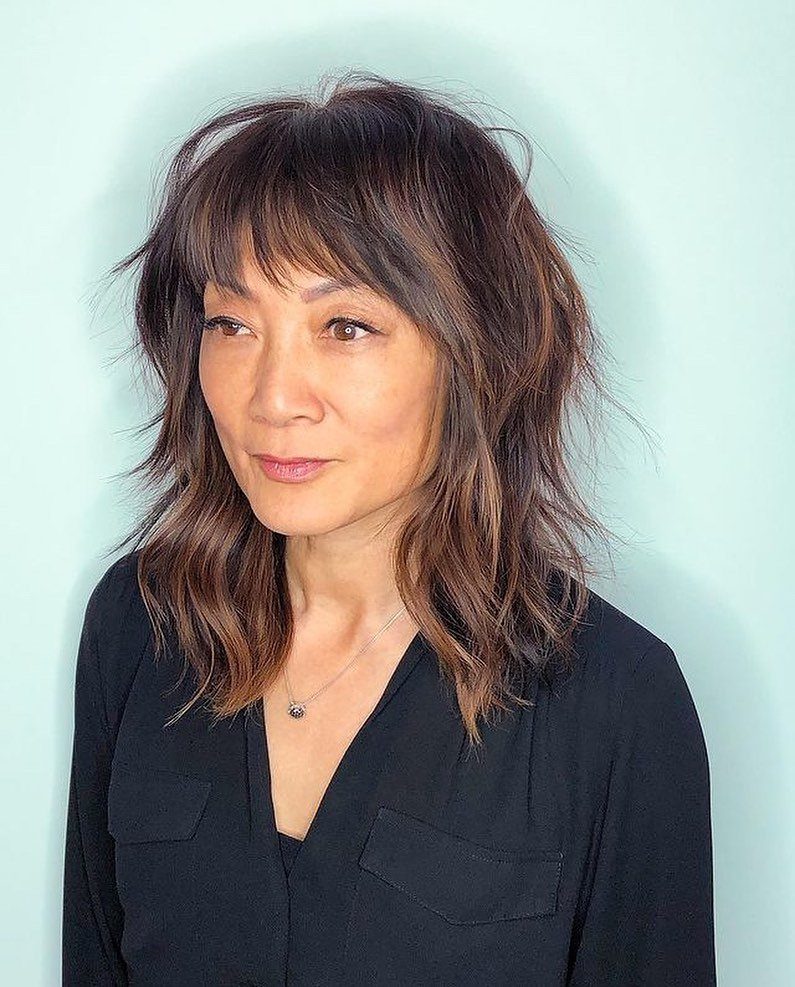
Heavy layers taper toward the ends and frame the face in soft, feathered pieces that move when you do. The bangs are wispy, not blunt, and the longest layers fall just past the collarbone.
This is the version to ask for if you want a shag that looks like the original cuts but works with straight or wavy hair.
The layers are cut with a razor or point-cut with shears to thin the ends without leaving a blunt line.
Styling takes a round brush and a blow dryer to lift the roots and bend the ends under or out, depending on how much texture you want.
Skip the brush and the cut air-dries into something looser and less polished, which still reads as a shag but loses the tapered shape.
4. Medium-Length Shag

Length falls between the chin and collarbone, and layers cut through the top and sides add texture without shortening the overall silhouette.
The bangs here are full and cut straight across, which keeps the focus at eye level and balances a longer face.
Mid-length gives enough weight to smooth frizz but stays short enough to dry quickly. A round brush and a blow dryer help if you want lift at the crown, but the layers hold their shape on their own after air-drying.
The cut grows out slower than a short shag, so you can stretch trims longer if the ends stay healthy.
If your hair is fine or thin, ask for fewer layers through the bottom half to keep the ends from looking sparse.
5. Sleek Shag
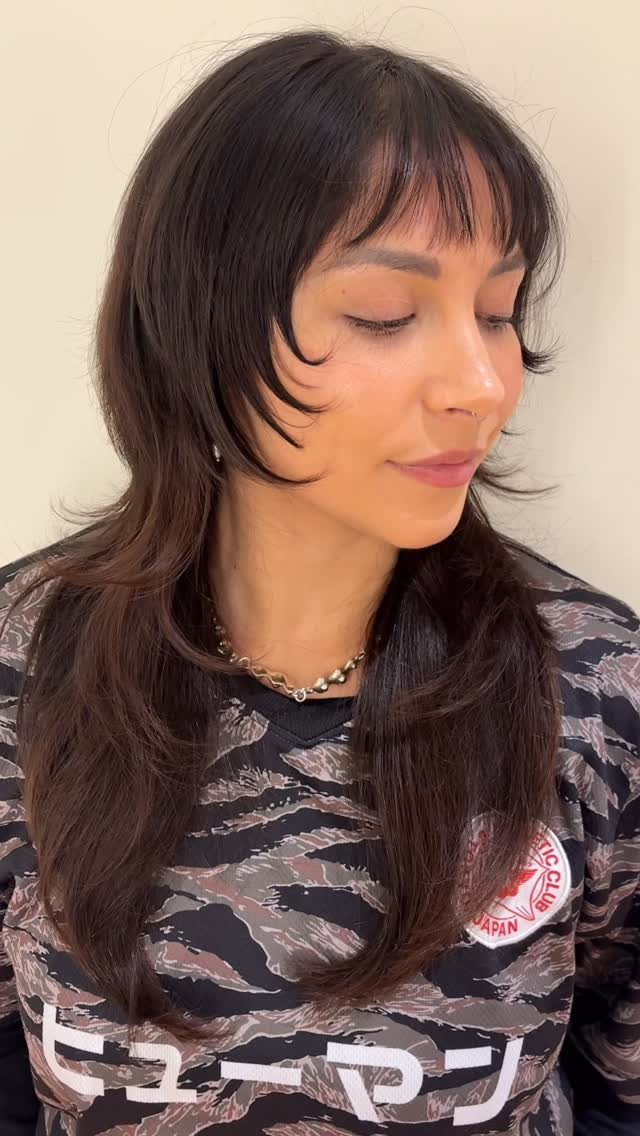
Layers are still there, but the ends are trimmed cleaner and the styling pulls the hair smooth instead of piecey.
A flat iron or a blow dryer with a paddle brush gets the hair straight, and a smoothing cream or a light oil keeps flyaways down.
The cut itself is a shag, but the finish makes it read closer to a layered blowout.
This version suits thick or coarse hair that fights a piecey finish or anyone who wants the movement of a shag without the upkeep that textured styling takes. Plan on heat tools most mornings.
6. Pixie Shag
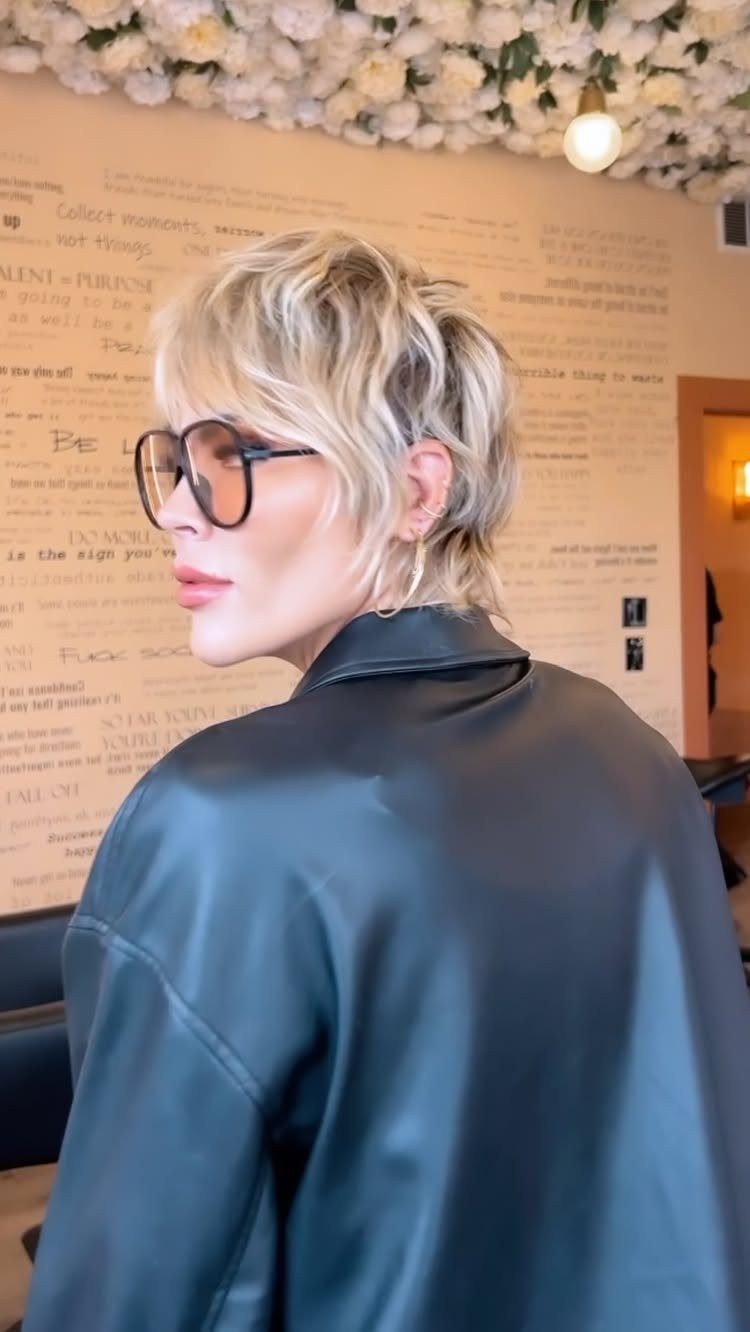
A pixie cut with short, feathered layers through the crown and sides gives the texture and movement of a shag at a much shorter length.
The layers here are cut to stand up rather than lie flat, and the pieces around the face are left slightly longer to soften the overall shape.
This cut needs a stylist who can feather the ends with shears or a razor, otherwise the layers look choppy instead of blended.
Styling takes a small amount of pomade or wax worked through damp hair, then blow-dried with your fingers to lift the roots.
Fine hair holds the lift better than thick hair, which can look dense at this length without enough thinning through the ends.
7. Long Bang Shag
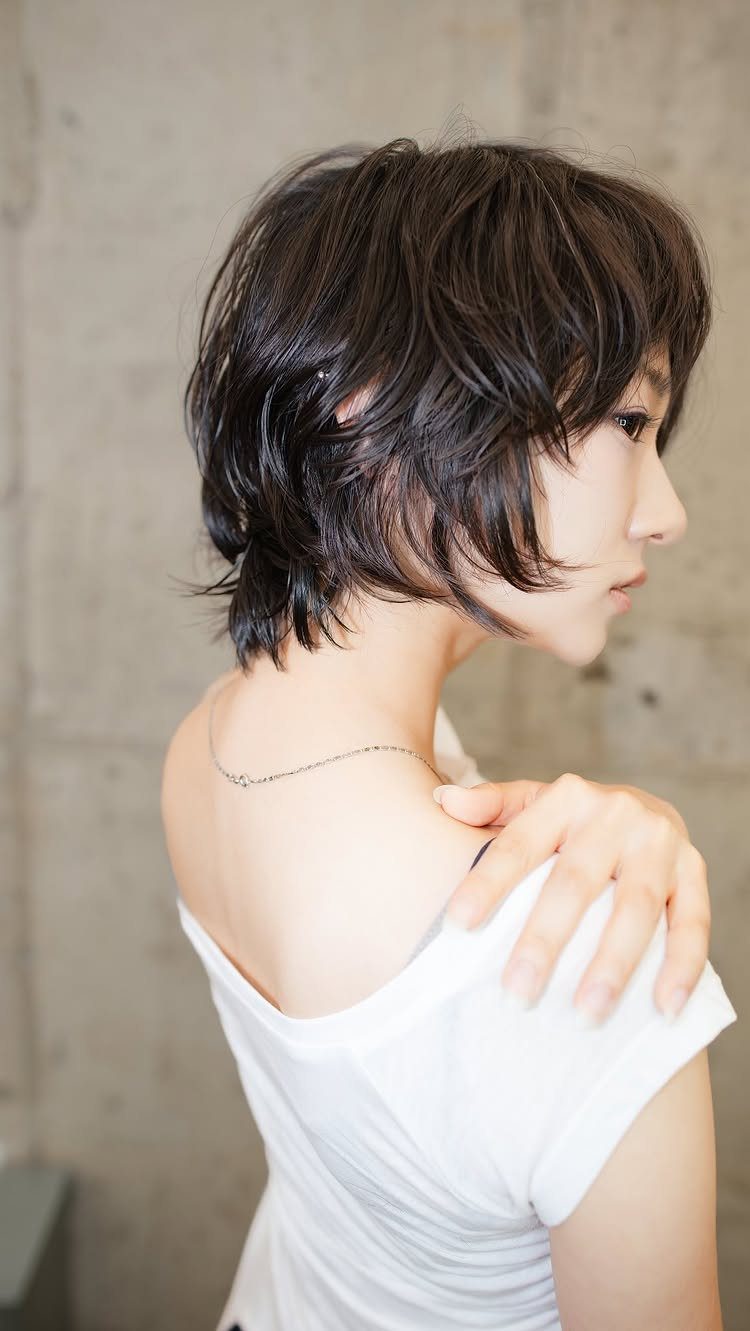
Bangs cut longer than the usual fringe fall past the cheekbones and blend into the face-framing layers, which softens the overall shape and gives more options for styling.
You can wear them swept to the side, tucked behind an ear, or left loose across the face.
This version suits anyone who wants the texture of a shag but needs flexibility around the face. The longer bangs grow out slower and skip the awkward in-between stage that shorter fringes go through.
8. Piecey Fringe Shag
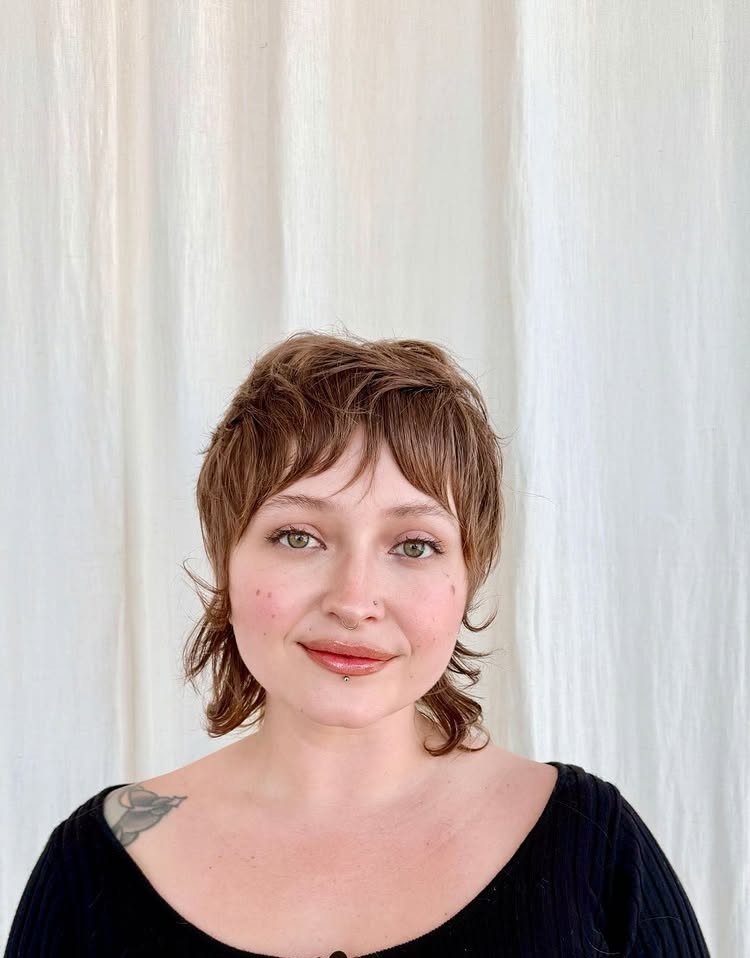
The fringe is cut in sections and styled to separate rather than lie flat, which gives the front of the cut a textured, broken-up look instead of a solid line.
A small amount of paste or pomade worked through the ends pulls the pieces apart and keeps them from clumping.
Point-cutting or a razor gets the fringe thin enough to separate cleanly. If your hair is thick, ask the stylist to take out weight from the underside so the pieces lift instead of hanging heavy.
9. Shag with Side Bangs
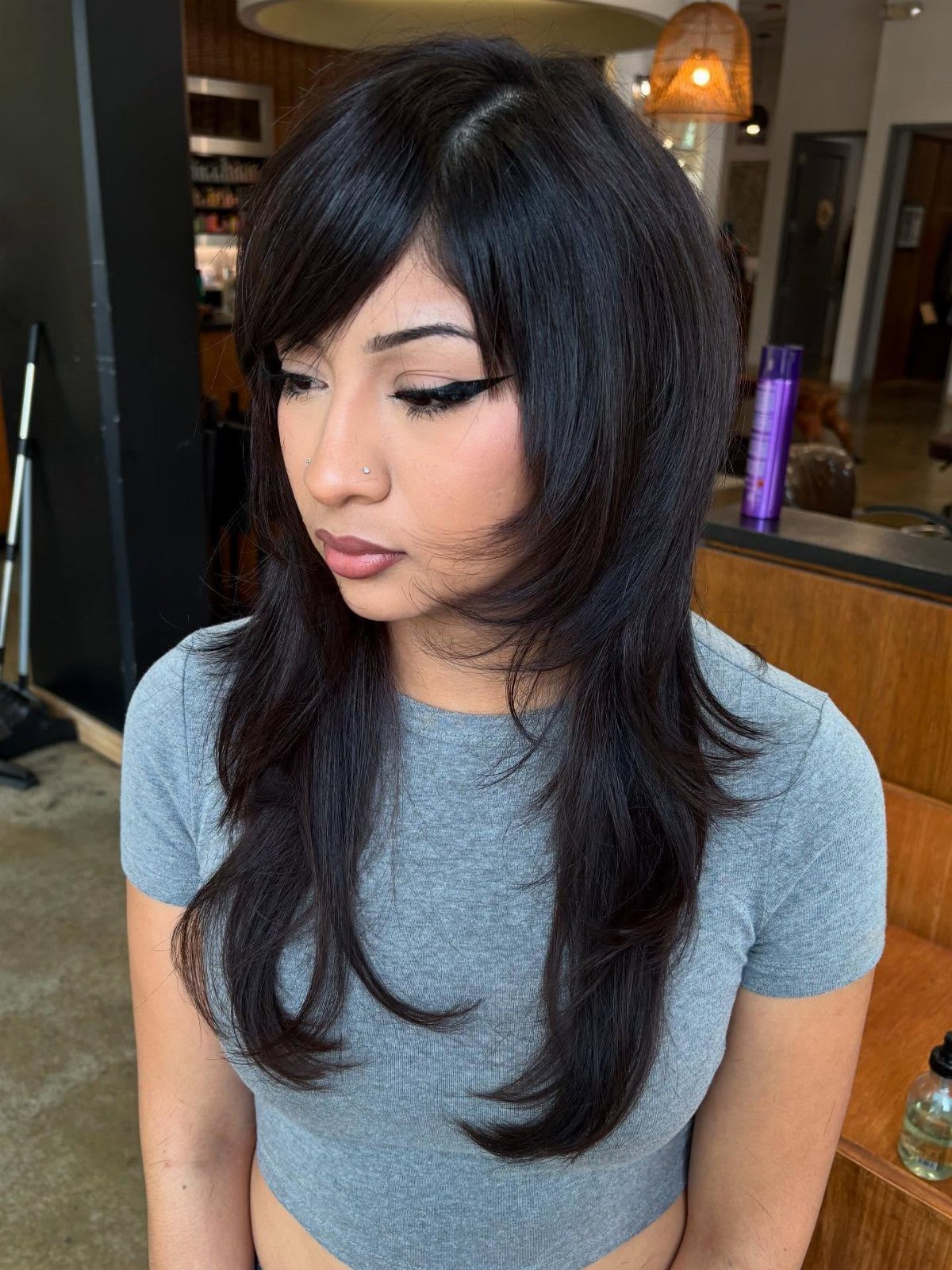
Bangs swept to one side frame the face without covering the forehead and pair well with the longer layers of a shag.
The side-swept shape opens up the face and works on most face shapes, especially if you want to balance a stronger jawline or a wider forehead.
Ask for bangs cut longer than eyebrow length so they have enough weight to stay where you sweep them.
However, Tom does advise that those with round or wide faces may prefer to avoid the full fringe classic shag; "Instead, opt for layers that start longer than the widest part of the face."
10. Short Shag

The shortest pieces sit near the top, the longest fall just below the ears, and the texture comes from how the ends are feathered rather than blunt-cut.
This length dries fast and needs minimal styling, but it grows out quicker than a longer shag.
Fine hair gets the most lift from this cut. Thick hair needs thinning through the ends or the layers stack too heavy.
11. Shaggy Bob
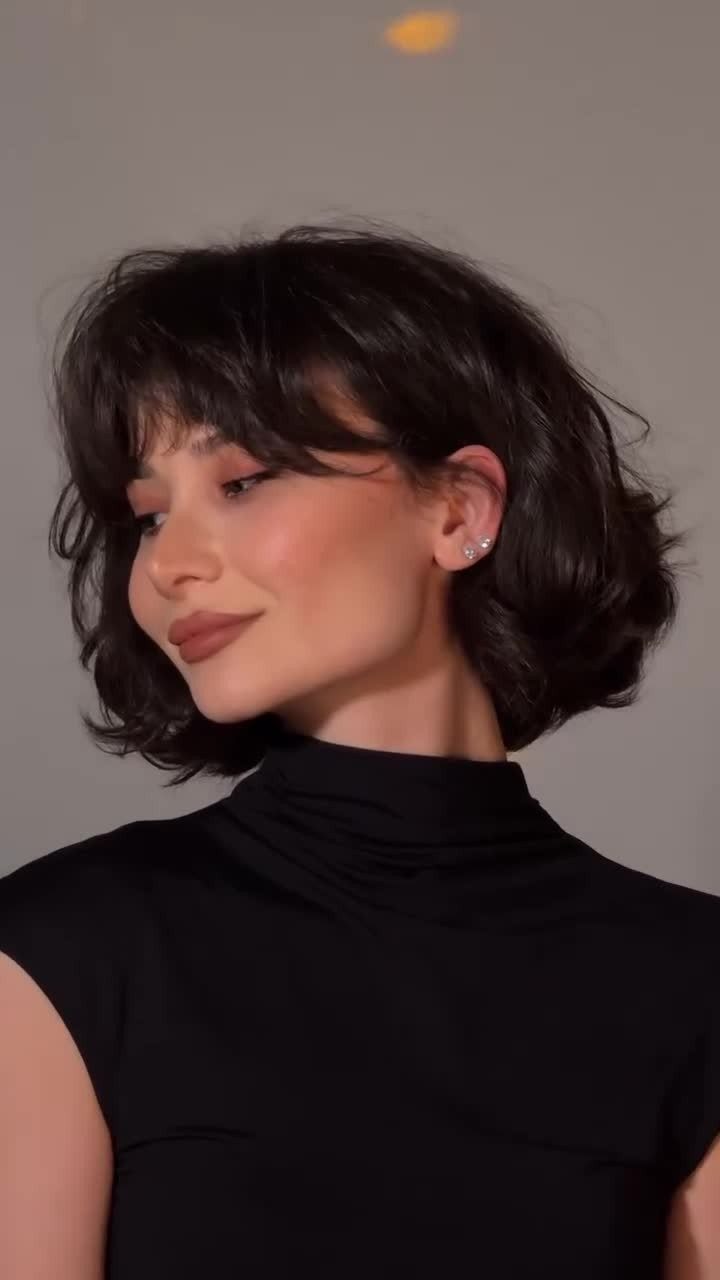
A bob cut with choppy layers and a textured finish gives the structure of a bob with the movement and softness of a shag.
This cut suits anyone who wants a polished length but needs more texture than a classic bob offers.
Styling takes less time than a longer shag, and the cut holds its shape whether you blow-dry it smooth or let it air-dry.
12. Shag with Curtain Bangs
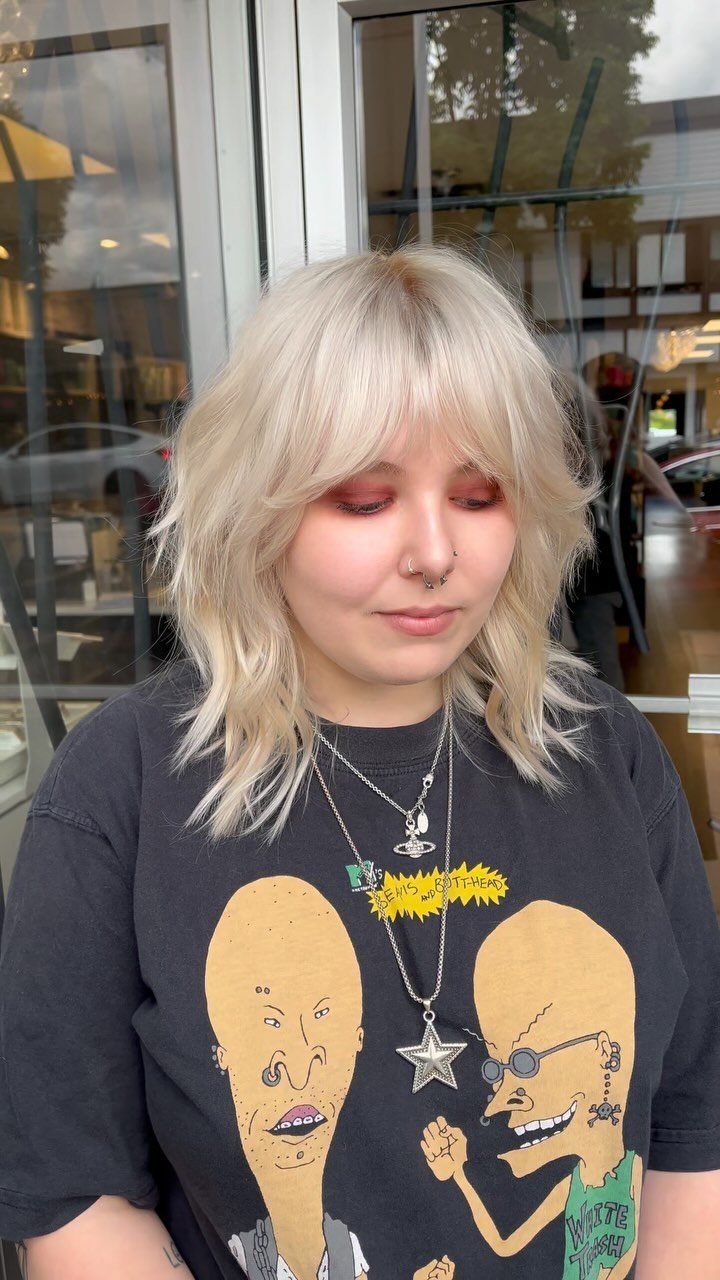
The center part and outward sweep balance the texture and keep the forehead visible. The bangs are cut shorter at the center part and taper longer toward the sides, so they blend into the face-framing layers without a hard line.
This pairing suits oval and heart-shaped faces and anyone who wants bangs that stay out of the eyes. The curtain shape grows out slower than straight-across bangs and skips the blunt, heavy stage.
13. Straight Shag
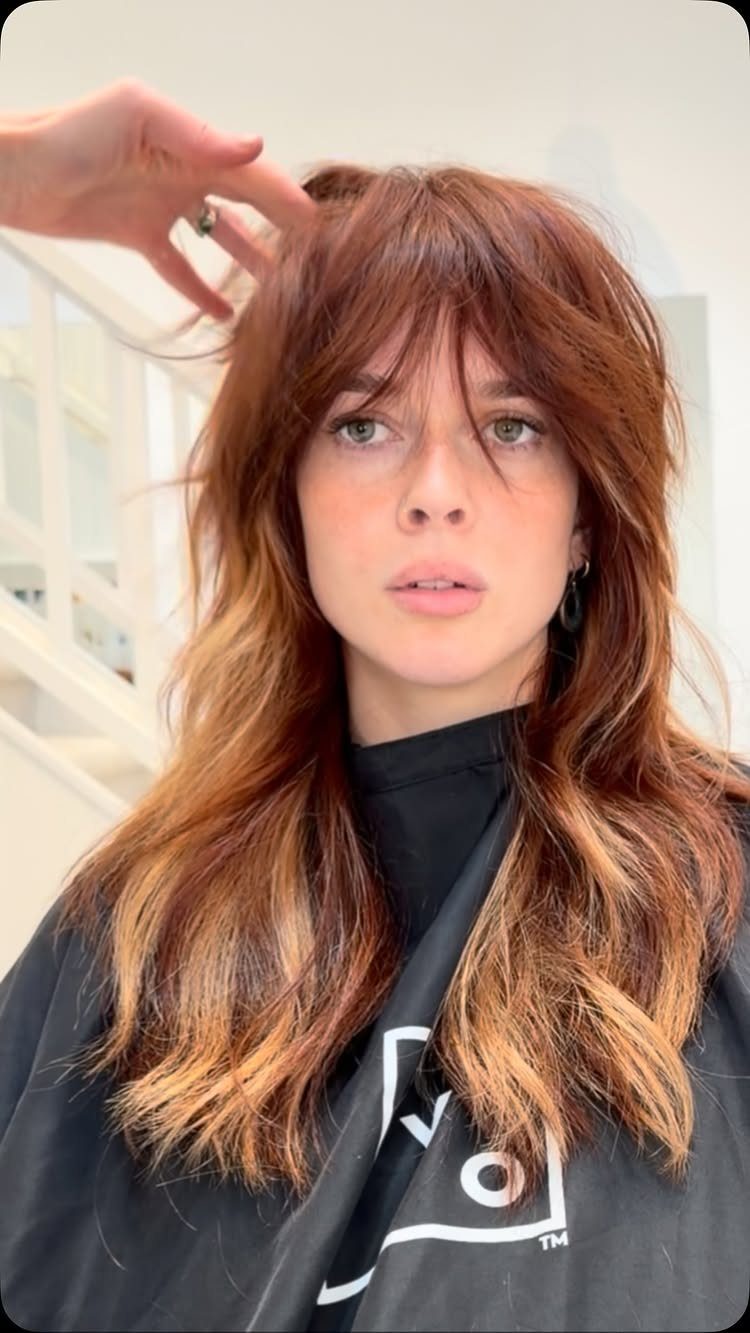
Straight hair shows off the layers without curl to soften them, so the cut needs to be feathered or point-cut cleanly or the ends look chopped instead of tapered.
The layers sit close together and the bangs frame the face without much lift.
A blow dryer and a round brush add volume at the roots if you want it, but straight shags also work air-dried if your hair has enough natural body.
14. Side-Parted Shag
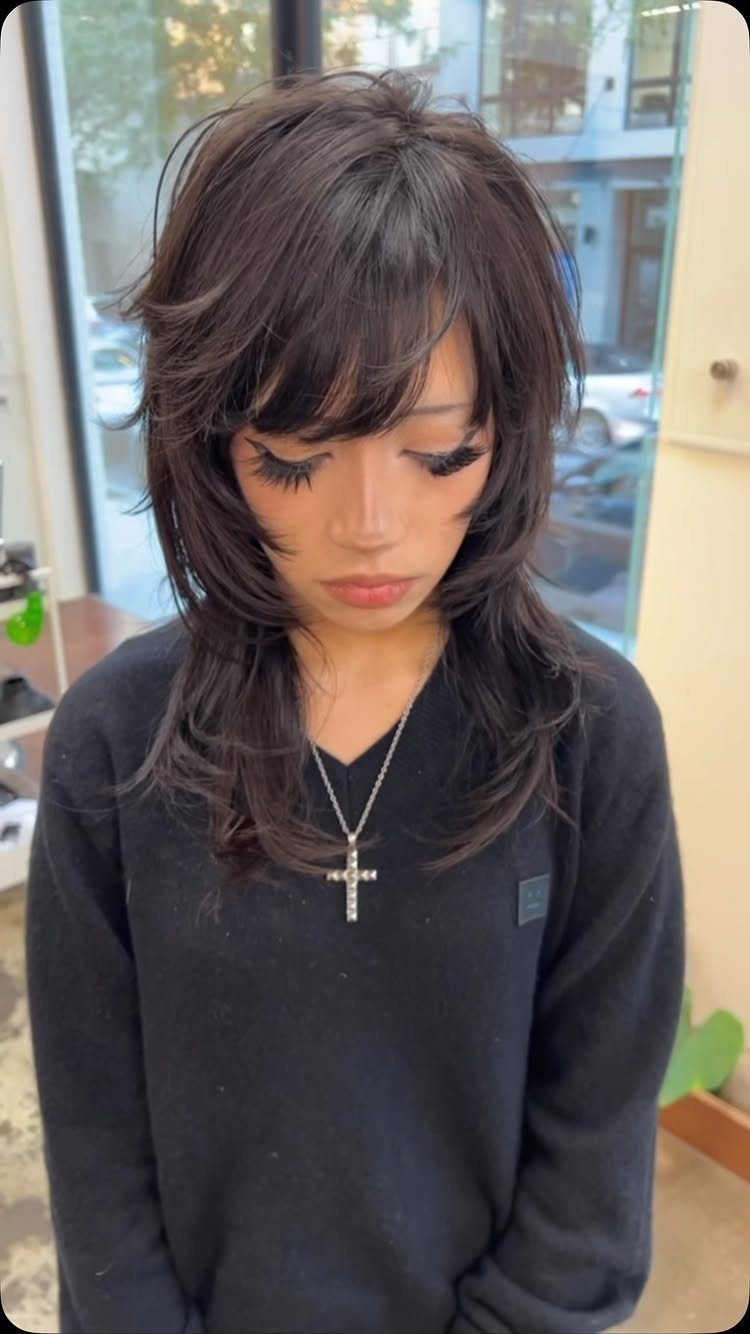
A side part shifts the volume to one side and lets the longer layers sweep across the face, which suits most face shapes and gives the cut more movement than a center part.
The bangs fall heavier on one side and tuck behind the ear on the other.
If your hair parts naturally to one side, this works with minimal styling.
If you usually wear a center part, plan on blow-drying the roots in the opposite direction while the hair is damp to train the part where you want it.
15. Shag with Short Ringlet Fringe
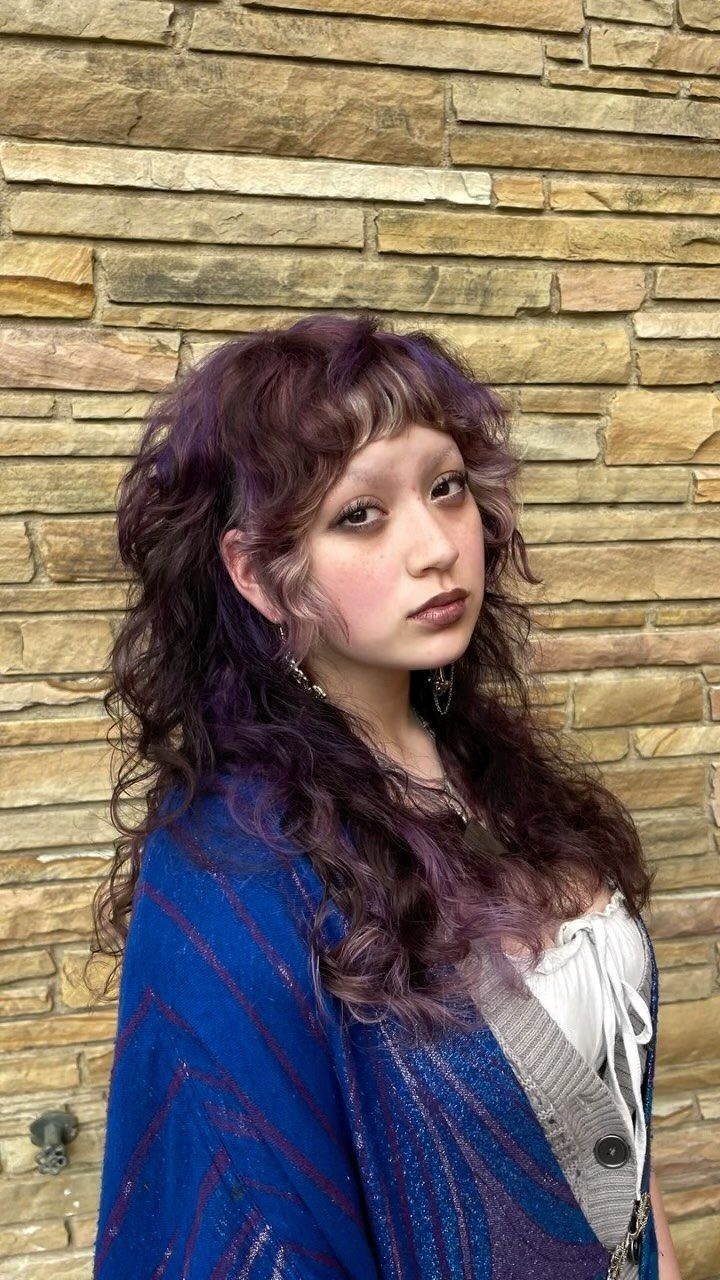
Short ringlets cut above the brows frame the face while the rest of the hair falls longer and layered.
The contrast between tight curls at the fringe and looser texture through the lengths gives the cut two different textures that still read as one shape.
This pairing suits anyone with curls tight enough to spring short without heat styling.
Looser waves need a curling iron to get the ringlet shape, which adds time most mornings. A leave-in conditioner keeps the fringe from frizzing while the rest of the hair moves freely.
16. Short Angled Shag
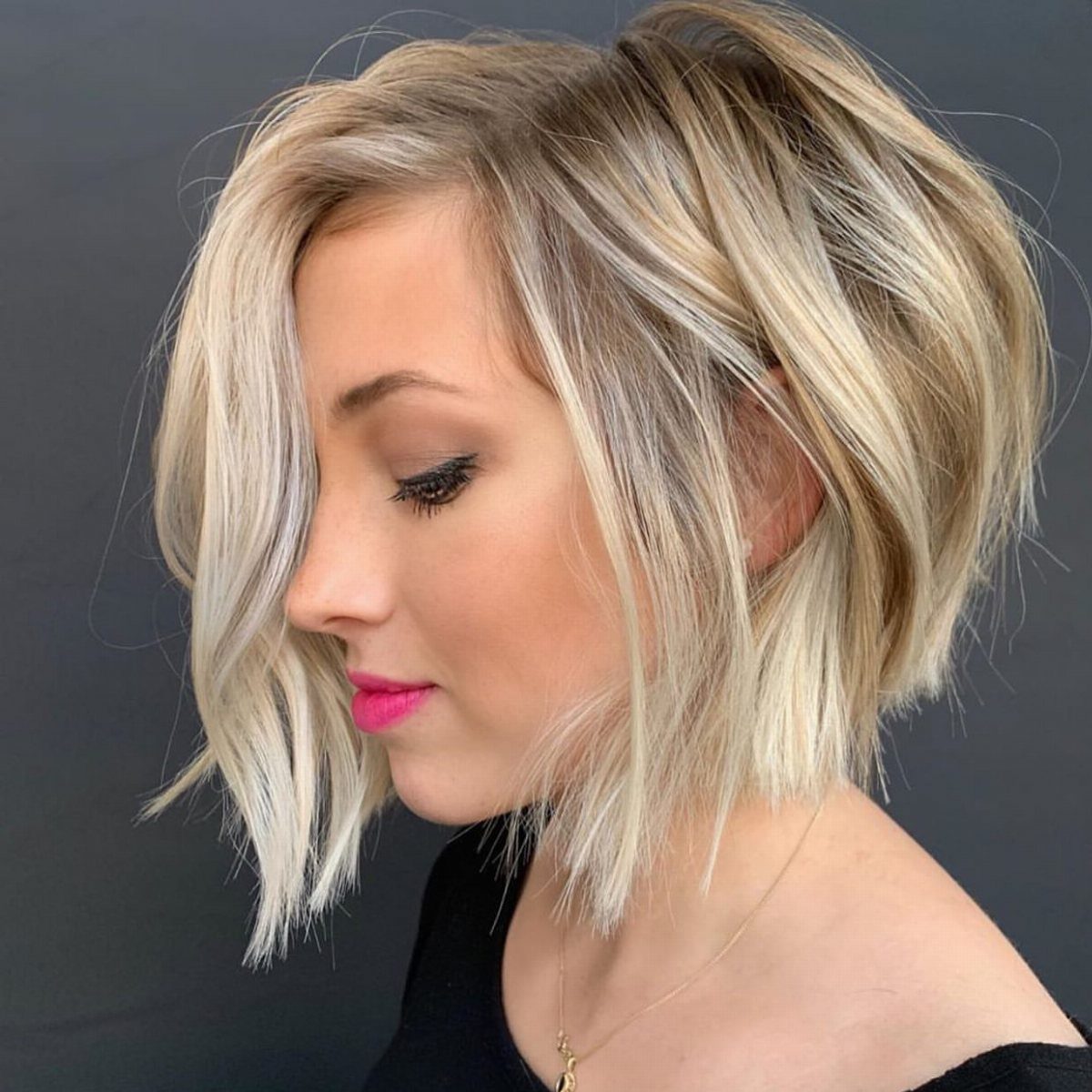
Layers angle forward from the back of the head to the front, so the longest pieces frame the face and the shortest sit at the nape.
The shape is sharper than a round shag and reads closer to a structured bob with added texture.
This cut suits thick or coarse hair that can hold the angle without flipping out at the ends. Fine hair loses the forward shape and needs a round brush to bend the layers under.
17. Short Feathered Shag

Wispy layers taper thin at the ends and give the cut a soft, feathered finish that moves easily. The bangs are cut the same way, with no blunt line across the forehead.
Fine hair holds the feathered shape with less product than thick hair, which needs more thinning to avoid looking heavy.
Styling and Daily Effort
I let mine air-dry most of the way, then add a bit of cream or spray mid-shaft down, or reach for a curling wand when I want the layers to move more.
Wavy and curly hair often needs less effort because the texture does the work. Flat or straight hair usually needs mousse at the roots or a flat iron through the lengths to get the movement the cut is built for.
Mousse at the roots gives fine hair body that doesn’t go crunchy.
A few pumps of texture spray where the layers stack pulls them apart so they catch light. Coarse, dry, or curly hair responds better to creams or balms than to lightweight sprays.
Diffusing adds natural texture to medium wave patterns. Straighter types can run a flat iron through in loose waves to get that separated look to stick.
Grow-out and Upkeep
Shags grow out without looking unkempt because the layers are intentionally irregular. The shape stays readable even when it gets longer, so you can stretch time between full cuts if the ends stay healthy.
Reshaping the ends every couple of months keeps the layers balanced without starting over. Fine or thick hair both benefit from cleaning up the shortest pieces near the crown before they lose lift.
Once the shortest pieces grow past your chin, what you have left reads more like soft, textured layers than a shag, and plenty of people like that stage better.
Short shags lose their shape faster than longer versions, so plan on trims every 6 to 8 weeks if the cut is above the ears.
Frequently Asked Questions
What is the difference between layers and shags?
Where regular layers blend smoothly from one length to the next, a shag cuts them choppy and uneven, with feathered ends instead of a clean line.
Ordinary layers can be smooth and even, while a shag puts its shortest pieces at the crown and fringe and frames the face with feathered sections. The result is movement and texture, not a clean line.
What face shape do shags look good on?
Most face shapes work, because the cut can be adjusted around the face. The softly rounded shape balances squarer or more angular faces, and forward framing layers can shorten a longer face.
What is the shag haircut?
It is a layered cut with the shortest section at the fringe or crown, getting gradually longer toward the nape.
The layers are feathered or choppy and meant to frame the face softly. It comes in lengths from pixie-short to past the shoulders, and in versions for straight, wavy, or curly hair.
Is a shag right for my hair?
Probably, since the cut adjusts to texture and density. Fine hair needs fewer, softer layers through the bottom half, while thick hair can take more thinning through the ends.
Wavy and curly hair does most of the work itself, and straight hair needs a bit more styling for the movement. If you want perfect symmetry and total control, a shag will frustrate you.
Can shag haircuts work with fine or thinning hair?
Yes, with softer, strategically placed layers.
Short layers around the crown give fine hair some body, though cutting too many through the ends can leave them thin and stringy. Mousse at the roots and a round-brush blow-dry add body that holds without going crunchy.
Can you grow out a shag gracefully?
Yes, because the layers are irregular on purpose, so the shape still looks intentional as it lengthens. Rather than chopping it all off, book a trim every 2 months or so to reshape the ends while it grows.