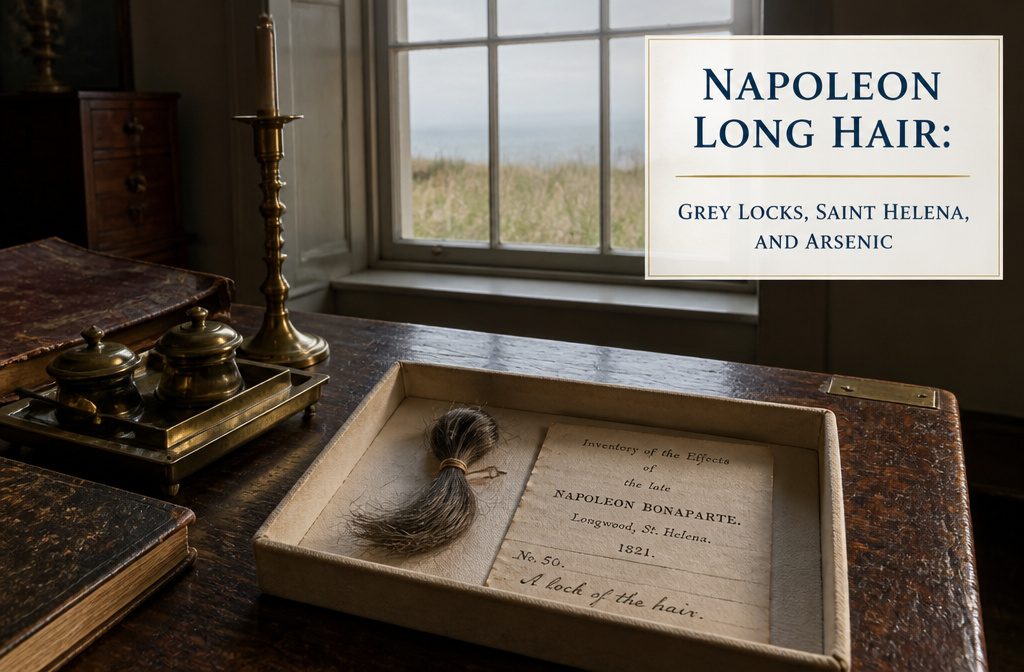
Napoleon’s long grey hair exists in museum collections and auction records, cut during his final exile on Saint Helena and distributed after his death in 1821.
The grey marks a shift from the dark-haired general of earlier portraits, and it fuels a persistent arsenic poisoning theory that historians have rejected in favor of stomach cancer.
One lock tied to his valet Louis Marchand sold at Duke’s in 2015 for an estimated £400 or more.
A Lock of Grey Hair Offered at Auction
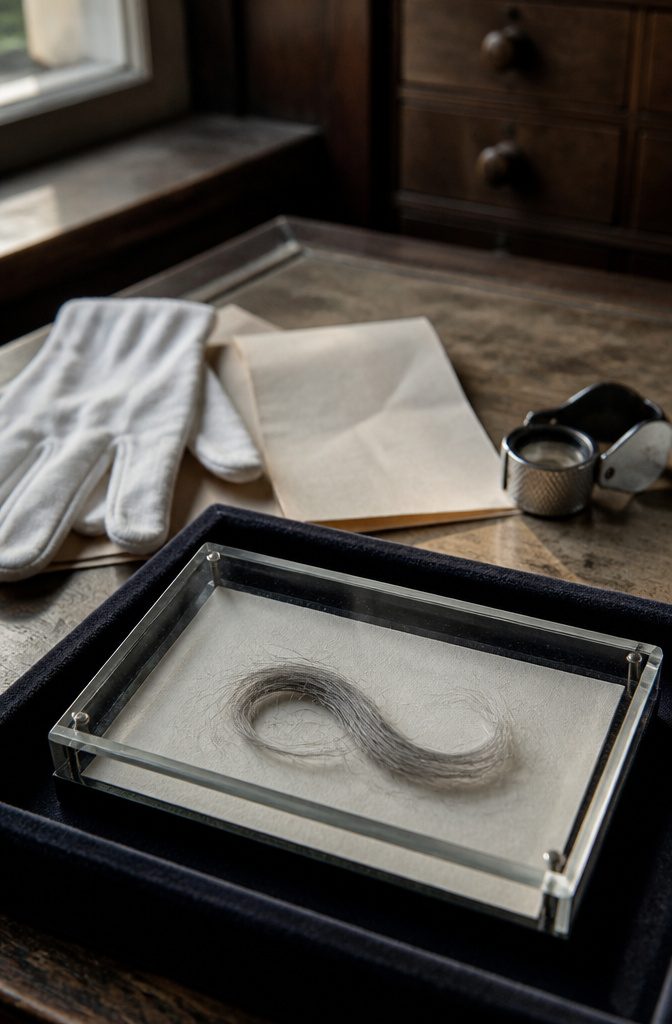
Nearly two centuries after Waterloo, a lock of Napoleon’s grey hair surfaced at Duke’s auction house in Dorchester, Dorset.
The provenance note traced it to Saint Helena, where Napoleon gave the lock to his valet Louis Marchand during the exile that ended with his death in 1821.
The timing alone gave it weight: the auction fell in 2015, exactly 200 years after the battle that finished his reign.
Duke’s estimated the lock would fetch £400 or more.
That figure reflects both rarity and the documented chain of custody. Marchand kept close to Napoleon through the final years, and his name on the provenance adds credibility that anonymous clippings lack.
Grey hair from an emperor who lived most of his public life as a dark-haired commander carries its own narrative pull, especially when the strand can be tied to a specific moment and recipient rather than floating loose through dealer inventories.
A Strand Sent From Saint Helena in 1821
A Strand Sent From Saint Helena in 1821
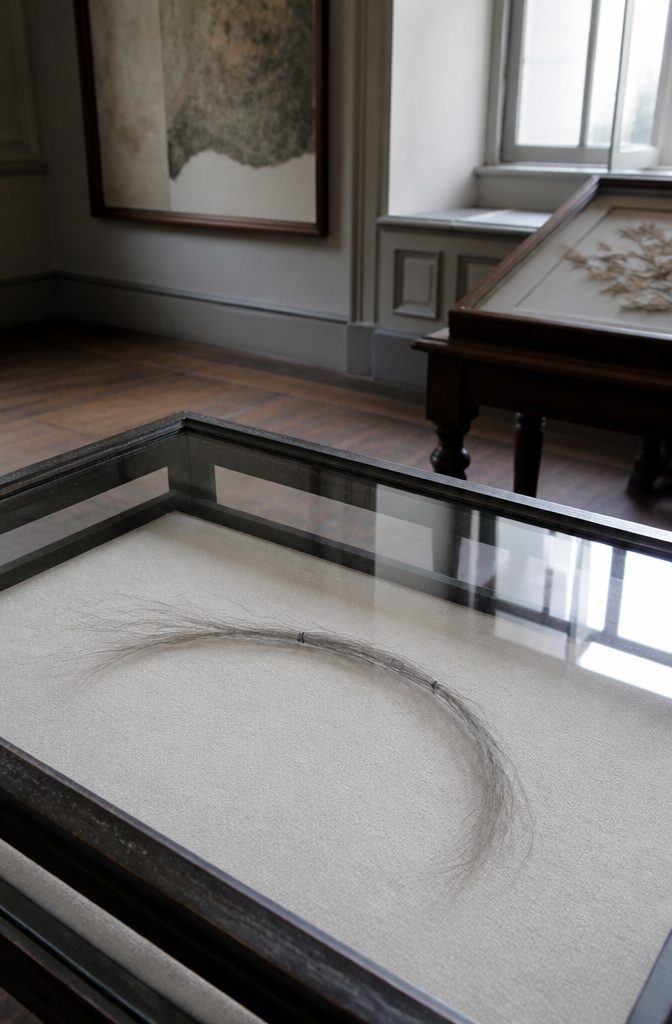
One lock of Napoleon’s hair sits behind glass at Moscow’s Museum of the Patriotic War of 1812, sent from Saint Helena in 1821.
The strand appears grey in the photograph taken in April 2021, visible against a neutral backing that lets the color read clearly.
Whether this is the same lock mentioned in auction records is not established by the museum’s files or the available provenance notes.
The museum categorizes it under Napoleon’s memorabilia from 1821, the year he died on the island.
Grey hair from that final period contrasts with earlier portraits showing darker locks, and the shift gets cited in debates over arsenic exposure versus natural aging.
The strand itself offers no answer, only the color it held when it was cut.
The Arsenic Claim and What Killed Him
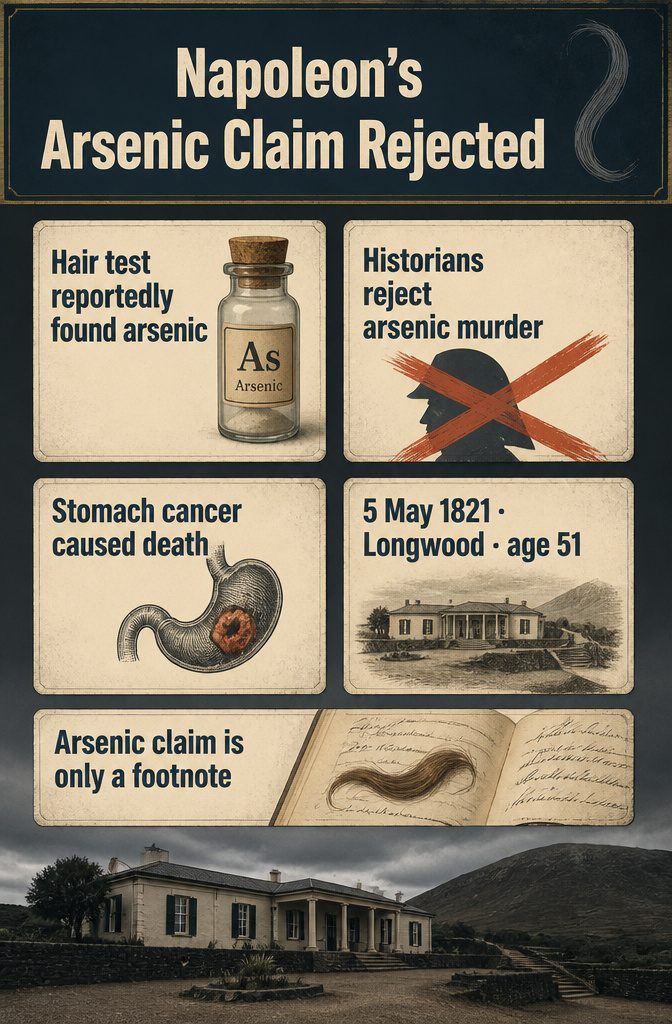
The arsenic story goes like this: a sample of Napoleon’s hair was tested, and the result reportedly showed a significant amount of arsenic.
From there, the leap to murder was easy, and it made for a far better tale than an exile dying of illness.
Historians have since rejected it.
He died of stomach cancer on 5 May 1821 at Longwood, Saint Helena, aged 51. I side firmly with that account, because a single hair result can’t outweigh a cause of death historians now agree on.
For anyone hunting down a lock of his hair, the arsenic claim is the reason these strands get a second look. It is a footnote to the hair, not the cause of death.
Provenance and the Valet Connection
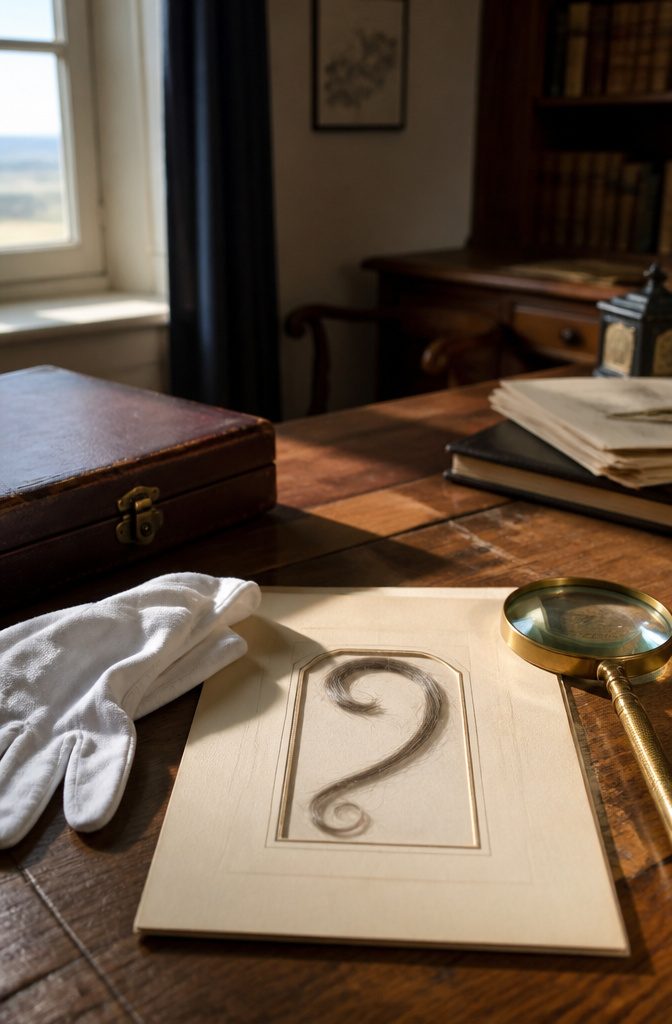
Napoleon’s hair reached collectors mostly through the people who served him.
Historians point to the custom of cutting locks from the dead and giving them to household members, so the strands that survive tend to trace back to servants and attendants rather than to any shop or dealer.
The name that matters most is Louis Marchand, his valet.
A provenance note naming Marchand ties a lock to the man who stood closest to Napoleon at the end, and that link to the valet is what collectors and museums look for first.
A lock with no named hand-down is far harder to defend.
I would treat an unsigned lock with caution, however handsome the story that comes with it.
Napoleon’s Life From Brigadier to Emperor
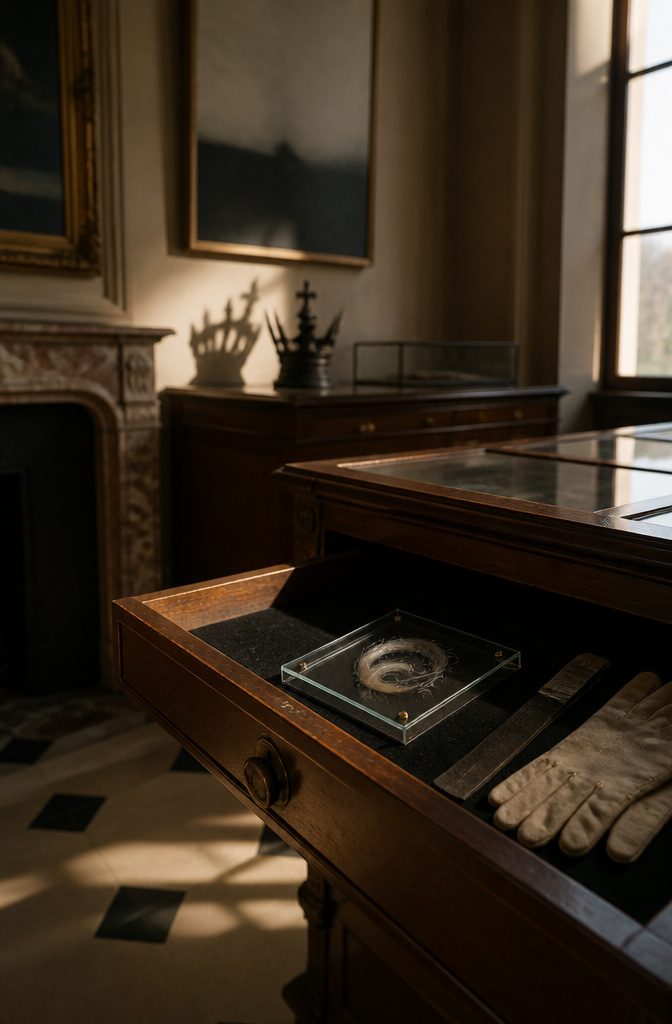
Napoleon moved through the ranks with startling speed. Promoted to brigadier general in 1793 at age 24, he had already made his name after the siege of Toulon.
Two years later he was made chief of the Army of the Interior, and by 1796 he was commanding campaigns against Austria and her Italian allies.
The shift from soldier to sovereign came on 18 May 1804, when he crowned himself Emperor of the French at Notre Dame. A year later he added King of Italy to the title.
The hair that survives in museums and private collections dates from every stage of this arc, but the grey locks cut on Saint Helena carry the weight of an empire already lost.
Frequently Asked Questions
What color was Napoleon’s hair?
Napoleon’s hair turned grey by the time he died on Saint Helena in 1821.
Earlier portraits show him with darker locks, but the strands cut during his final exile and now held in museums appear grey. The shift likely reflects age and illness rather than anything more sinister.
Did arsenic kill Napoleon?
No. Napoleon died of stomach cancer on 5 May 1821 at Longwood, Saint Helena, aged 51.
A hair sample tested for arsenic fueled murder theories, but historians have rejected the claim. A single strand result cannot outweigh the cause of death historians now agree on.
Who was Napoleon’s valet?
Louis Marchand was Napoleon’s valet and stayed with him through the final years on Saint Helena.
Marchand’s name on a provenance note ties a lock of hair directly to the man who stood closest to Napoleon at the end. Collectors and museums look for that connection first to verify a strand’s authenticity.
When did Napoleon become emperor?
Napoleon crowned himself Emperor of the French at Notre Dame on 18 May 1804.
He had already risen to brigadier general at 24 in 1793 and commanded campaigns against Austria by 1796. A year after his coronation, he added King of Italy to the title.





