Your hair texture decides which fringe works before face shape does: blunt bangs flatten on wavy hair only with daily heat, while natural coils spring up as they dry and want a dry cut.
Match the bangs to your texture first, then decide how often you are willing to book a trim.
1. Blunt Bangs
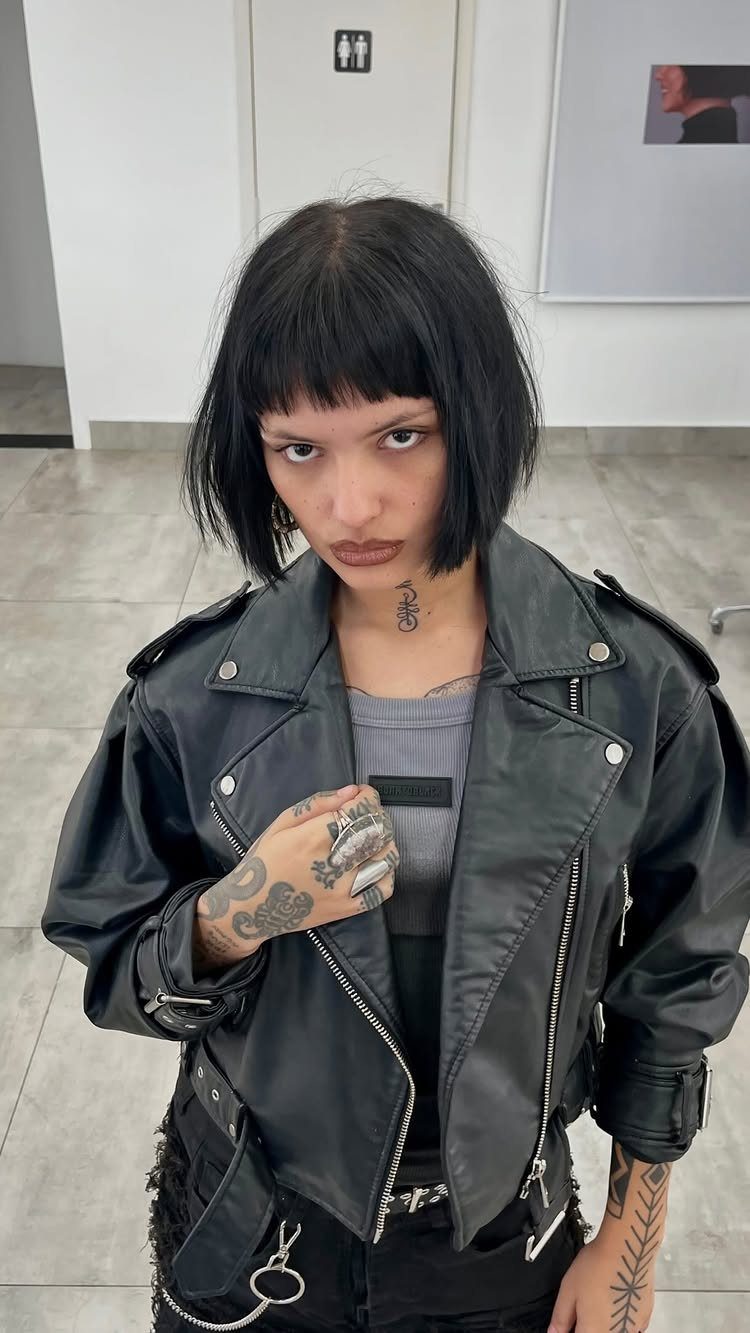
A dense, straight-across fringe cut to one uniform length, usually hitting just above or at the brows. The edge is sharp and deliberate, no tapering or feathering at the ends.
This works best on straight or slightly wavy hair. Curly or coarse textures can push the line outward rather than down, so you lose the blunt outline unless you straighten daily.
Blunt bangs lose their edge fast, so they need frequent trims to stay crisp. Bangs grow faster than you think, and once they cross your lashes, they start poking your eyes.
2. Pixie with Blunt Bangs
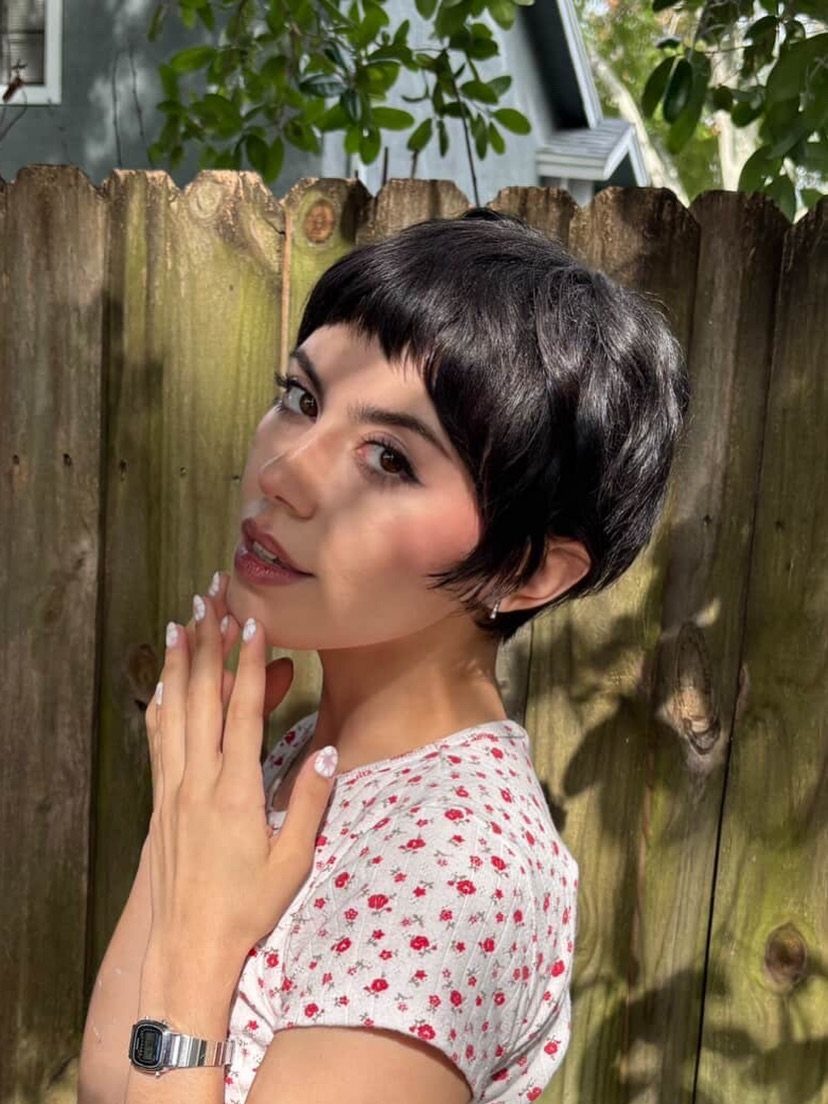
Short all over, with a dense, straight fringe that sits at or just above the brows. The bangs add weight and structure to a cut that otherwise keeps the sides and back cropped close.
Pixies grow out fast, so regular trims are what keep the shape. The bangs need attention first, since they only look right at one length and drift from it sooner than the sides do.
Styling is quick: a flat iron or round brush smooths the fringe in under a minute, and the rest air-dries without much fuss.
3. Curtain Bangs
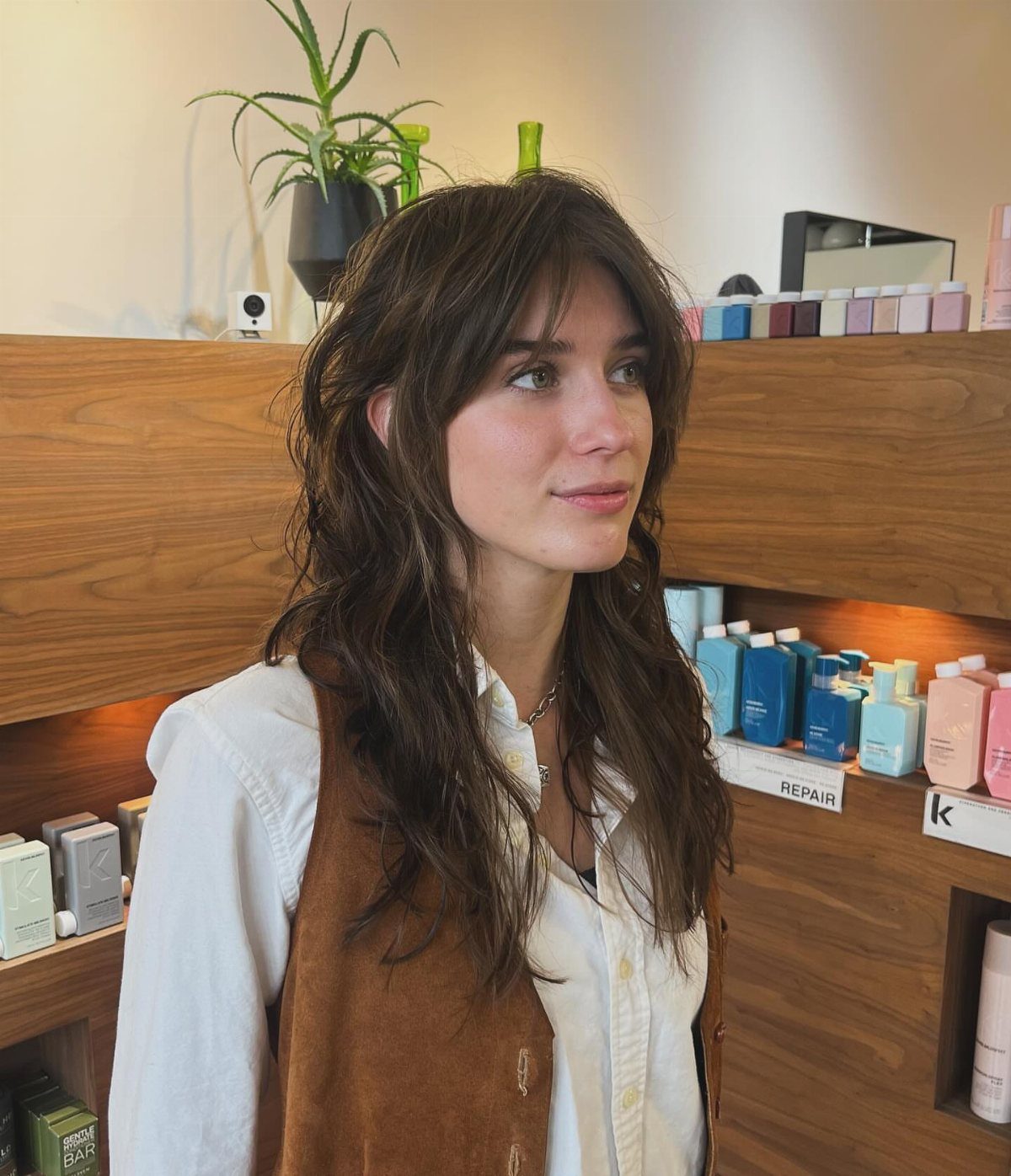
Long bangs parted down the middle, sweeping out to either side and blending into the rest of your hair. The length usually falls somewhere between cheekbone and jaw, framing your face without sitting heavy on your forehead.
These suit most face shapes because they open up around the eyes and soften a strong jawline.
They also grow out more gracefully than shorter bangs, so you can stretch the time between trims if you are willing to tuck them behind your ears once they pass your chin.
Style them with a round brush or let them air-dry for a softer, lived-in look.
4. Wispy Bangs
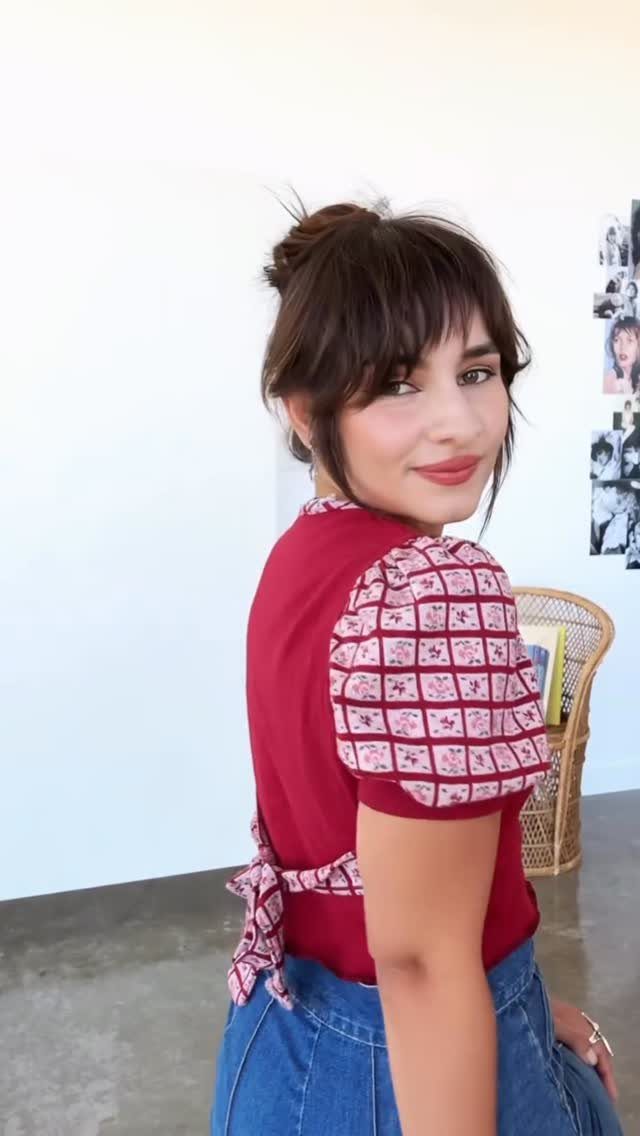
Light, feathered strands that sit softly on your forehead without forming a solid line. The ends are thinned and textured, so they move easily and never look heavy.
Wispy bangs soften angular faces and work well on fine or medium hair. Thicker hair needs more thinning at the ends to get the same airy effect, and some stylists use a razor to create that fluid texture.
They grow out without much drama, blending into curtain bangs or side-swept pieces as they lengthen. Keeping wispy bangs short means trimming them often, because they blur into the rest of your hair quickly.
“A lot softer than the old-school blunt bangs, curtain bangs have evolved—stylists now work with a client’s natural texture and thickness, customizing them for a more effortless finish.”
— ELLE
5. Side-swept Bangs
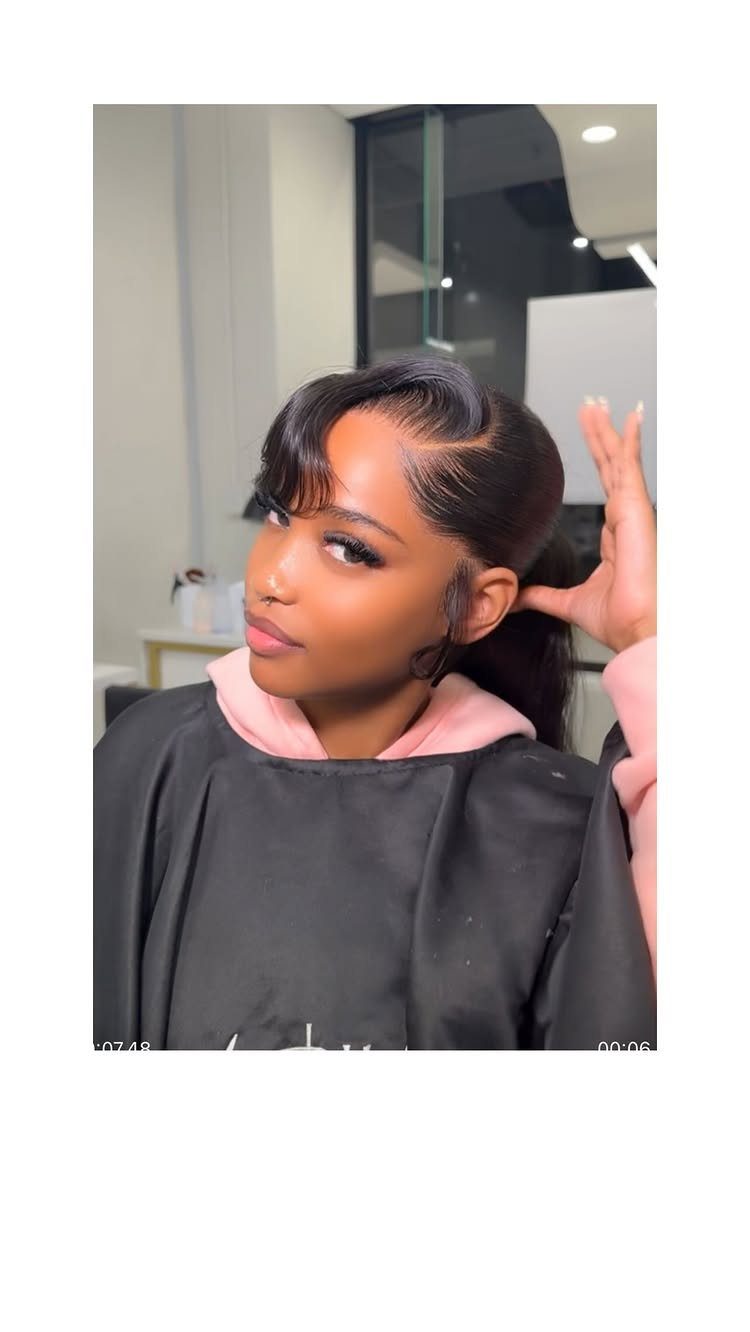
Bangs cut on an angle and brushed across the forehead to one side, usually tucked behind the opposite ear or blended into longer layers. The length typically starts shorter near the part and gradually extends as it moves across.
Side-swept bangs soften a square or round face by breaking up symmetry. They also work well during grow-out, since you can keep shifting the part and the sweep as they get longer.
Styling takes a round brush and a few seconds with a blow dryer to set the direction. Skip that step and they tend to fall flat or split down the middle.
6. Shoulder-length Hair with Bangs
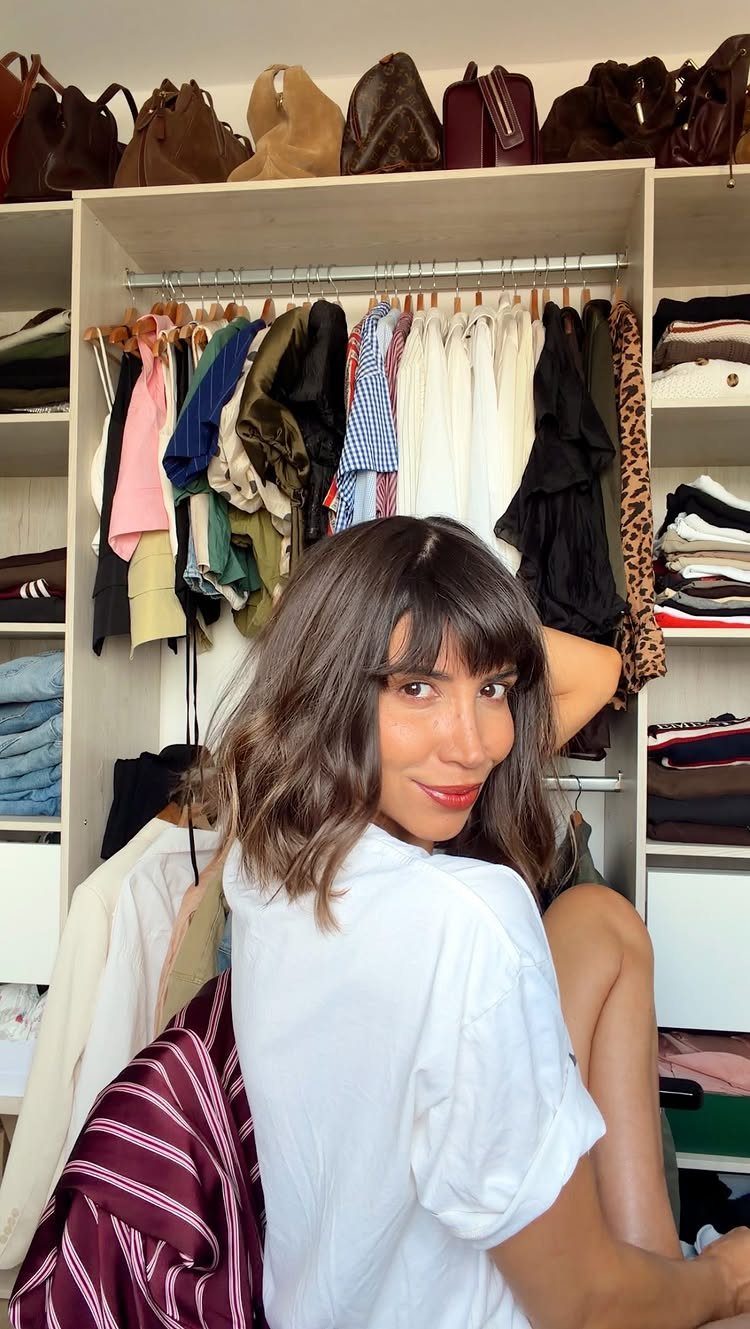
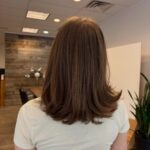
A mid-length cut that lands at or just below the shoulders, paired with bangs that add movement and frame the face.
The bangs can be wispy, blunt or curtain style depending on your hair texture and how much time you want to spend styling.
Shoulder-length hair holds a curl or wave well, so if you want texture, a small barrel curling iron or a flat iron will give you that quickly.
Straight hair looks clean and polished with just a blow dryer and a round brush.
Bangs at this length balance the proportions and keep the cut from looking one-note. Regular trims keep the ends healthy and the bangs sitting where you want them.
7. Curly Shag with Bangs
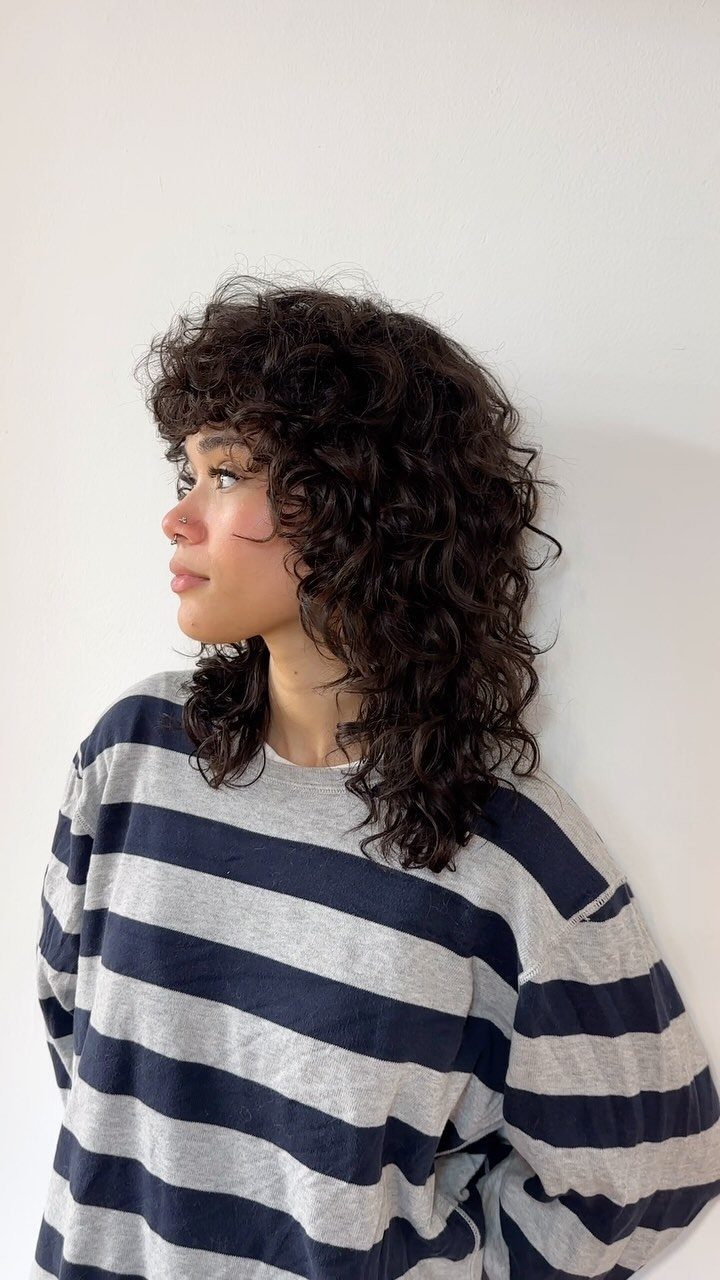
Choppy layers through curly hair, paired with a fringe that falls forward in loose ringlets. The layers break up weight and let curls move independently rather than clumping into one mass.
Curly bangs need regular trims to stay out of your eyes, because curls shrink as they dry and spring up shorter than they looked wet. A stylist who cuts curly hair dry will get the length right the first time.
Styling is minimal: scrunch in curl cream while damp, let it air-dry, and avoid brushing once it sets. Brushing breaks up the curl pattern and turns the whole thing frizzy.
8. Medium-length Shag
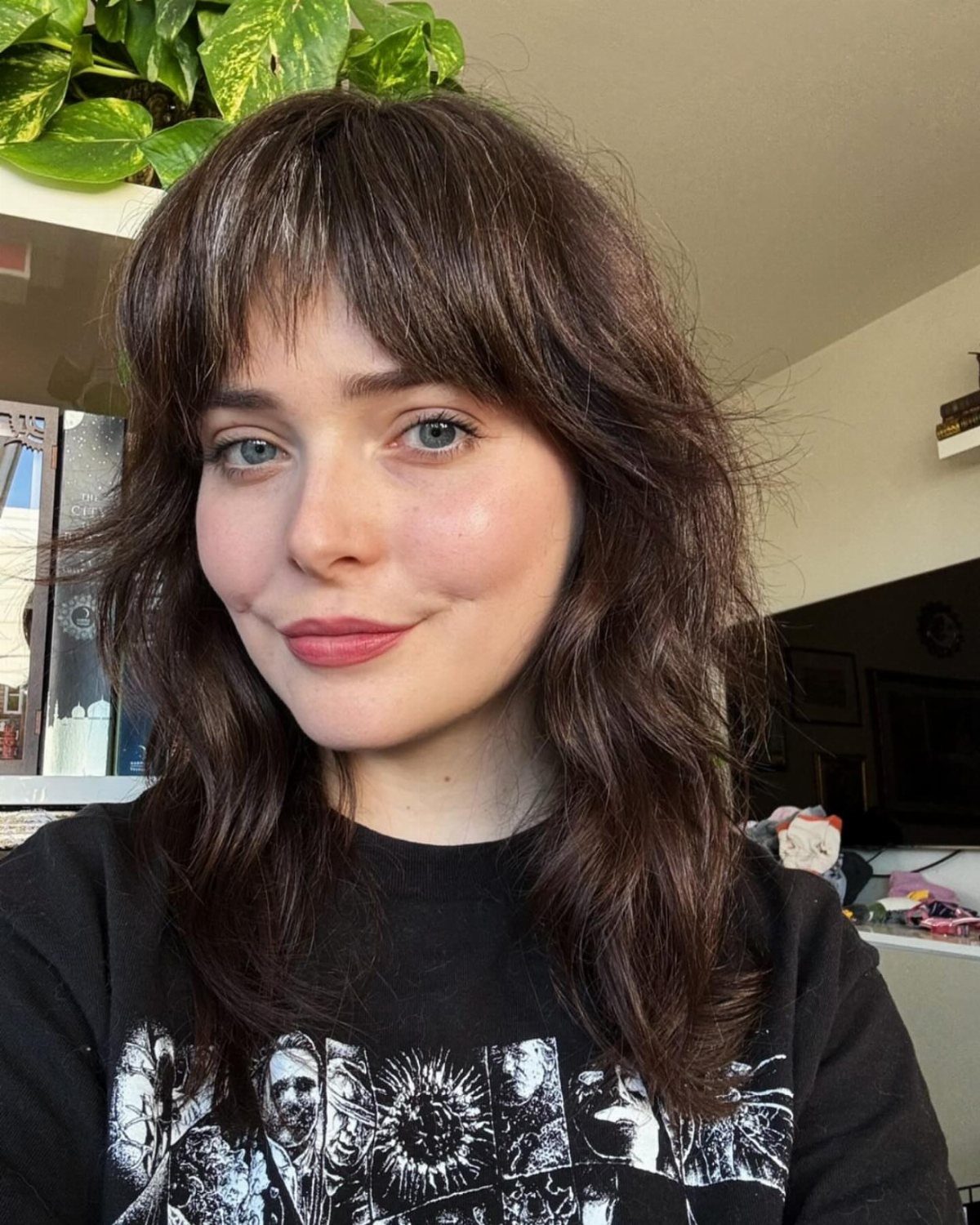
Choppy layers cut through hair that lands between the shoulders and collarbone, with bangs that sit light and textured across the forehead. The layers start high, so you get volume at the crown and movement through the ends.
Straight or wavy hair holds this shape well. Fine hair gains thickness from the shorter layers, while thicker hair benefits from the weight removed at the ends.
The bangs need a quick pass with a flat iron to keep them from splitting down the middle.
9. Chin-length Bangs
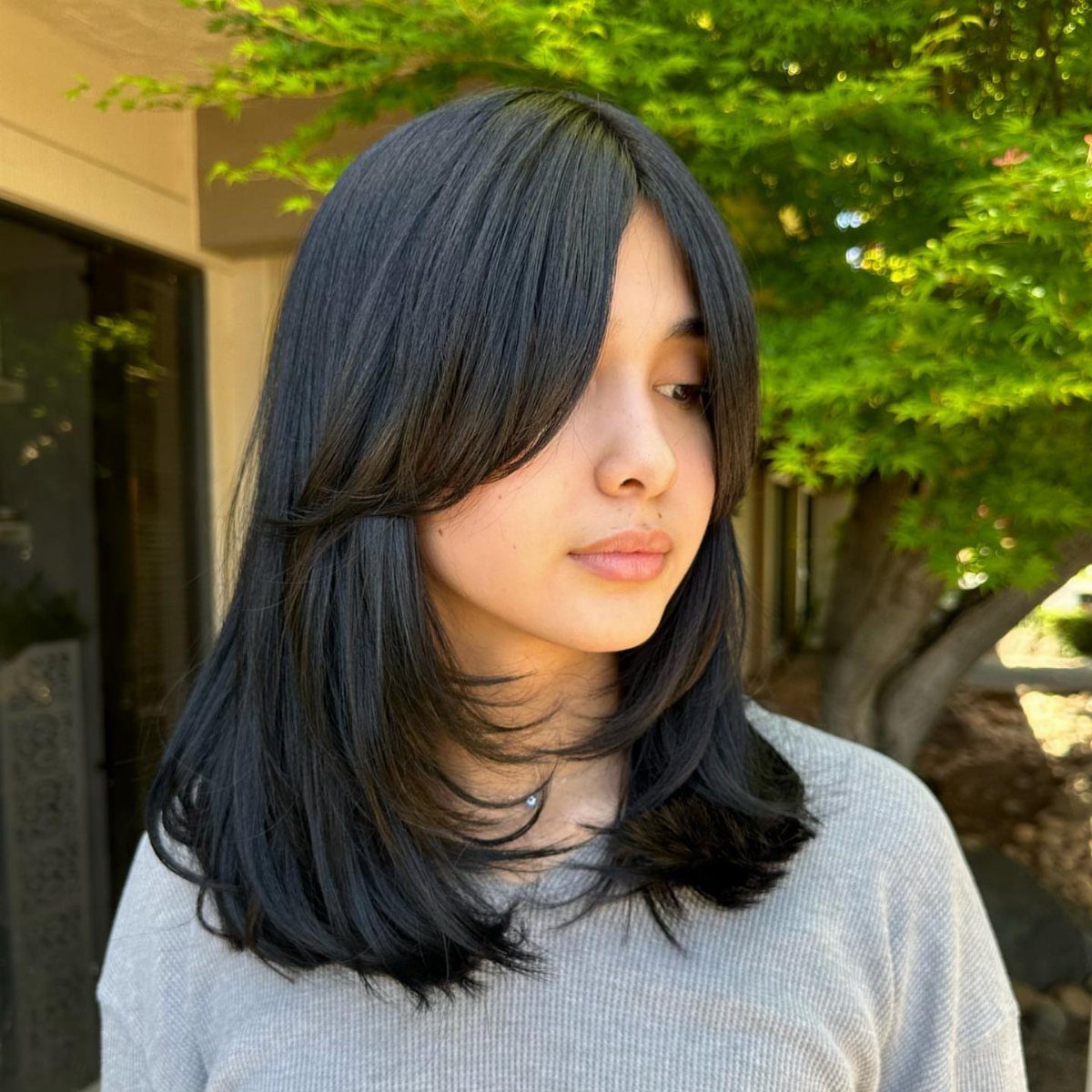
Long bangs cut to frame the face, falling anywhere from the cheekbones down to the chin. These sit heavier than curtain bangs and stay close to the face rather than sweeping outward.
Chin-length bangs suit round or heart-shaped faces by adding length and drawing the eye down. They also work during grow-out, since you can tuck them behind your ears or blend them into longer layers without looking deliberate.
Style with a flat iron for a sleek finish or a round brush for volume at the ends. They stay out of your eyes without needing constant adjustment, which makes them easier to live with than shorter options.
10. Shaggy Bangs
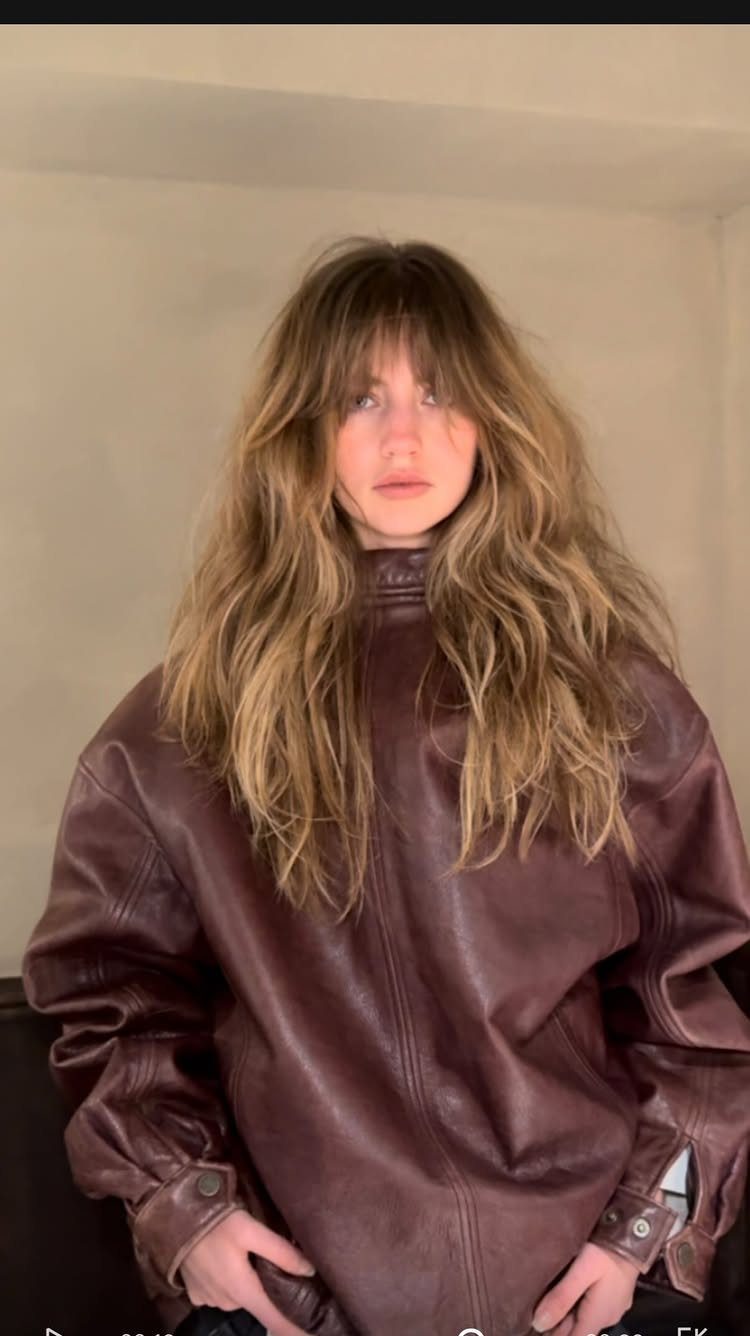
Uneven, piecey bangs cut at varying lengths and paired with heavy layers through the rest of the hair. The bangs fall in separated strands rather than sitting as one solid line, so they look deliberately undone.
These suit textured or wavy hair, since the natural movement holds the tousled shape without much effort. Straight hair needs product to keep the pieces separated, or they flatten and lose the shaggy edge.
Styling takes texturizing spray or a small amount of pomade worked through the bangs with your fingers. The look falls apart with too much product, so start light and add more only if the pieces clump together.
11. Feathered Bangs
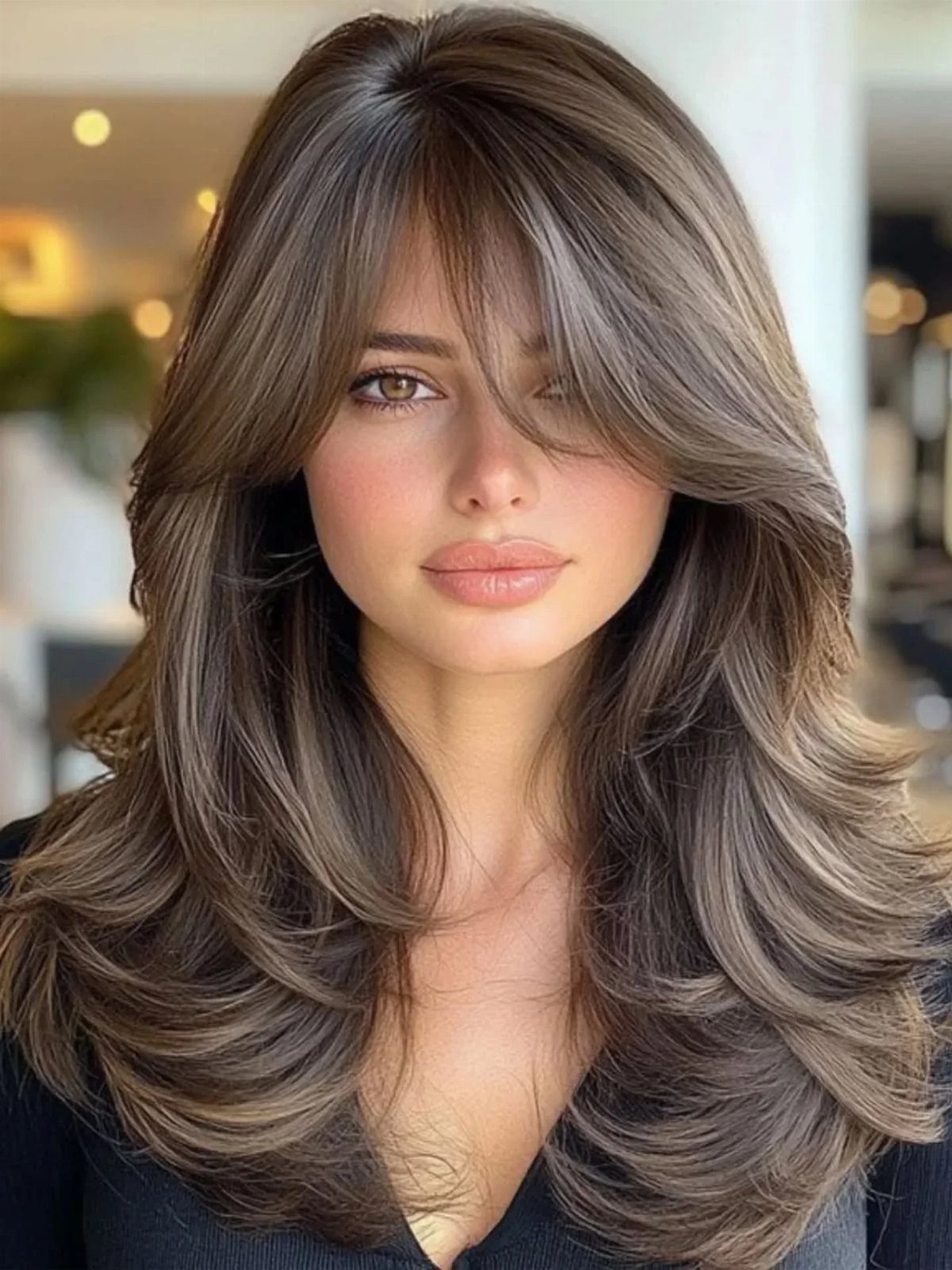
Longer bangs tapered at the ends to create soft, airy pieces that fall lightly across the forehead. The thinning starts midway down the length, so the bangs sit fuller at the root and wisp out as they drop.
Feathered bangs soften strong features and suit most face shapes because they frame without adding weight.
12. Micro Bangs
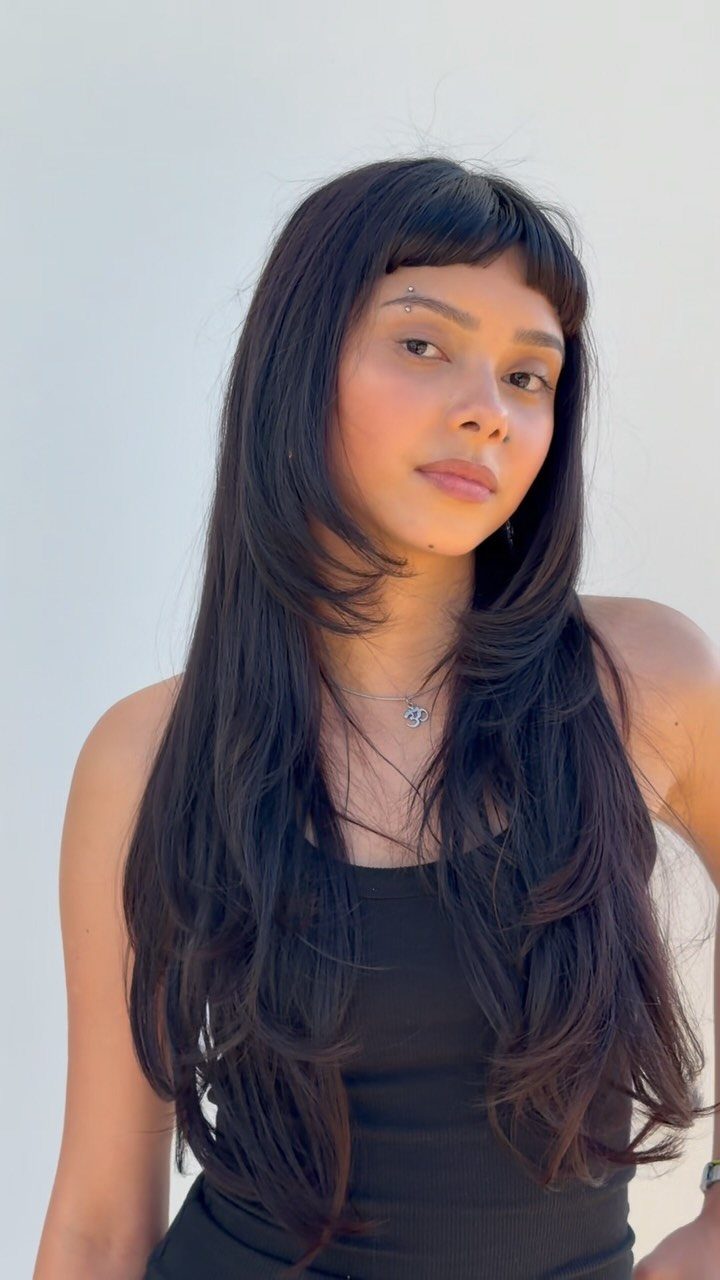
Bangs cut well above the brows, ending at or slightly below the mid-forehead. The length is deliberate and unforgiving, so there is no room for adjustment once they are cut.
Rounder or shorter faces can look bottom-heavy with this much forehead exposed, and the proportions tilt more than they balance.
These need frequent trims, since even a quarter inch of growth changes the line completely. Styling is quick: a flat iron smooths them in seconds, and they air-dry fast because there is so little hair to dry.
13. Wavy Bob with Bangs
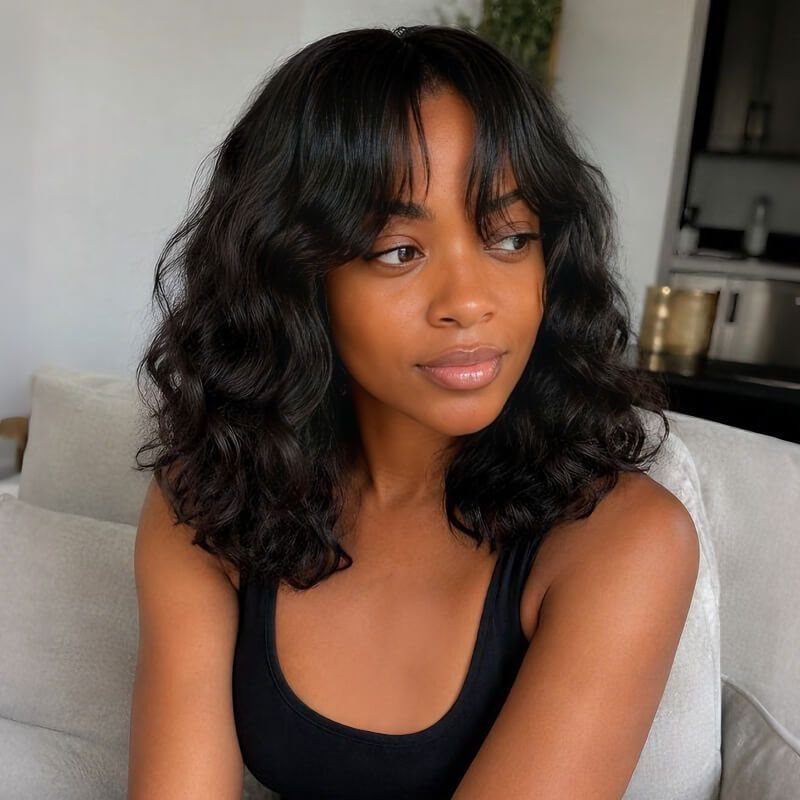
A bob that carries its own waves, with a wispy fringe that breaks into soft pieces instead of one flat line. The waves add width at the jaw, and the thin bangs keep that width from feeling heavy.
Wavy hair shrinks as it dries, so ask for the bangs to be cut a little longer than where you want them to land. A light texture spray on damp strands, then air-drying, keeps the wave loose.
Skip the brush once it dries.
14. Rounded Bangs
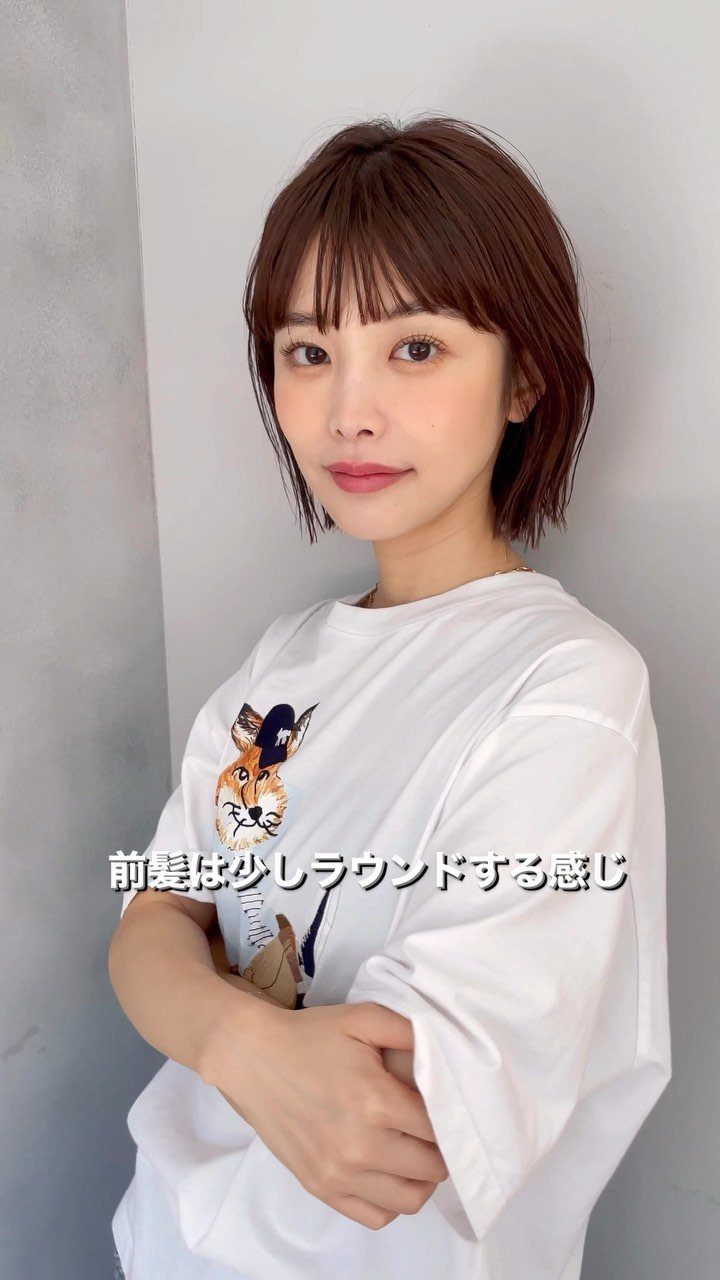
Wispy bangs cut with a gentle curve, so the center sits slightly longer and the edges fade up and away. The curve takes the edge off a square or broad forehead and balances the volume of a chin-length bob.
Ask a stylist for "rounded, wispy bangs" and bring a photo, since the curve is easy to cut too steep.
15. Long Side Fringe
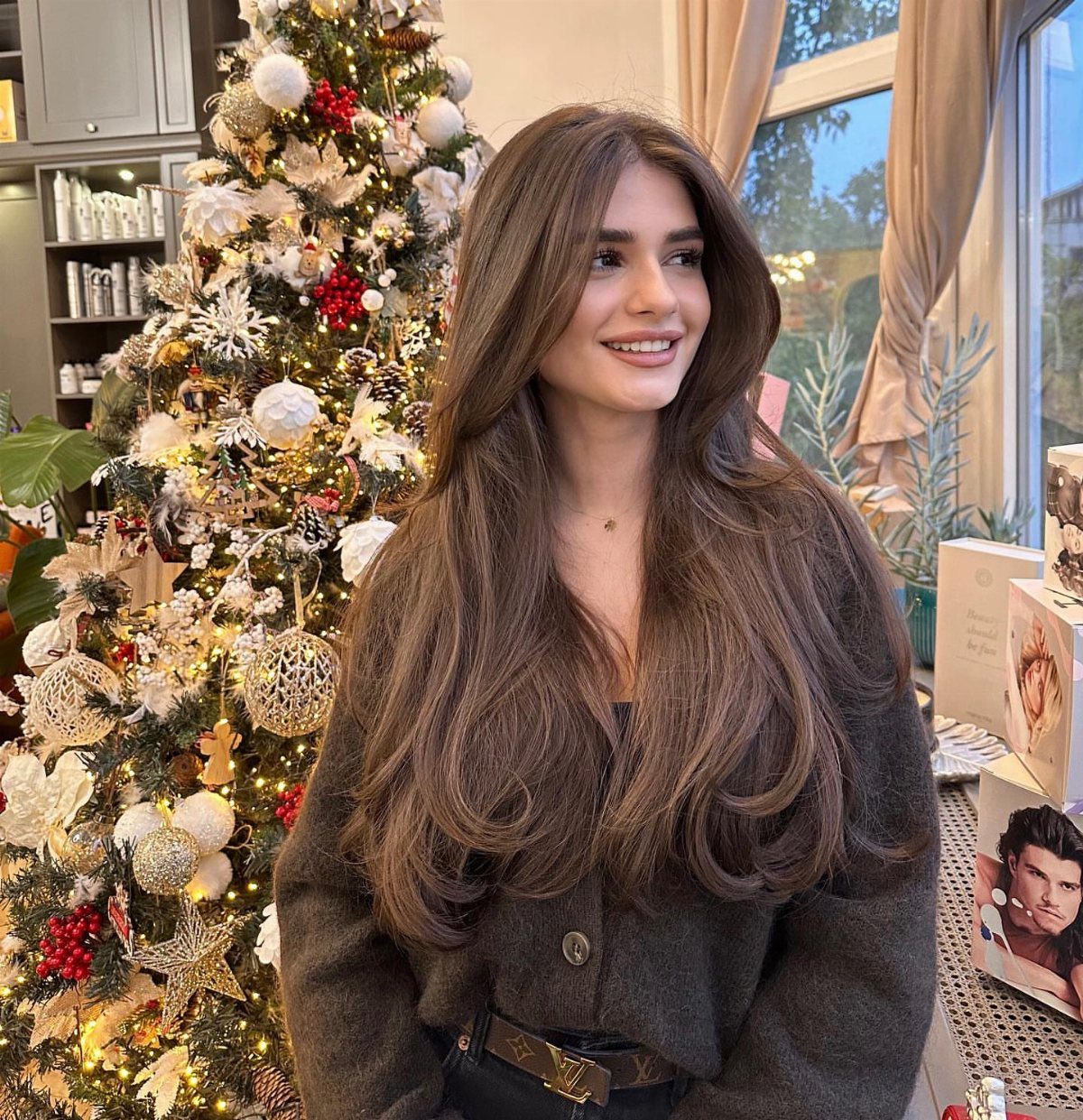
Part it in the middle and let each side of the fringe sweep outward and down, long enough to merge with the rest of your hair. Because nothing sits as a hard line, there is no dramatic grow-out stage.
My pick for long hair, since it frames the face without the upkeep of short bangs. A flat iron run once down each side keeps the sweep smooth, and tucking a side behind your ear works on days it misbehaves.
16. Highlighted Bangs
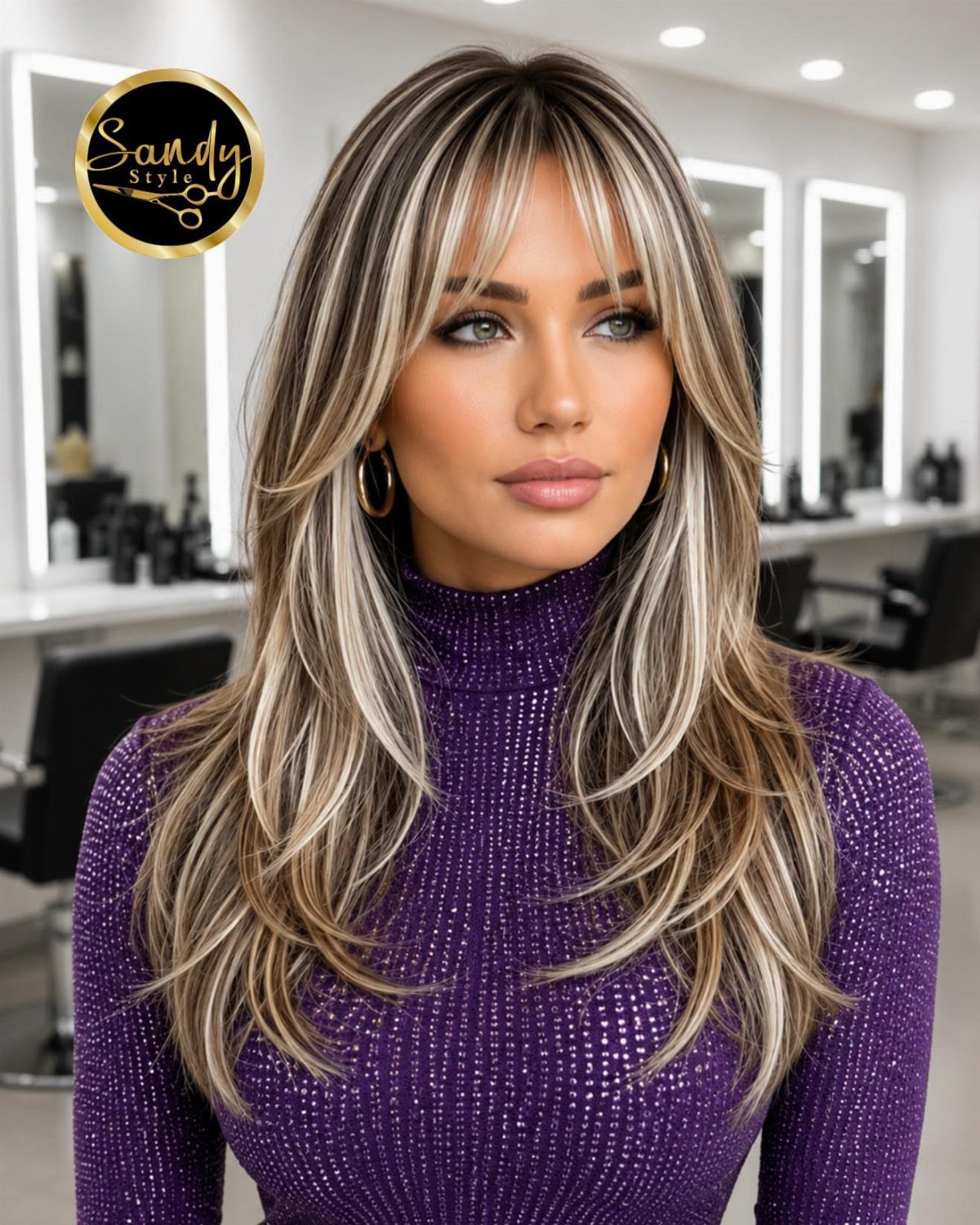
Lighter pieces woven through the fringe, so the bangs catch more light than the darker hair around them. Fewer, finer highlights look softer on bangs than thick chunky ones.
Because the fringe is a small section, it is a low-commitment way to try a lighter shade. Bring a photo to your colorist and ask for the lightness to start at the root.
Lightened hair dries out faster, so a regular trim helps the bangs stay smooth rather than frayed.
17. Arched Bangs
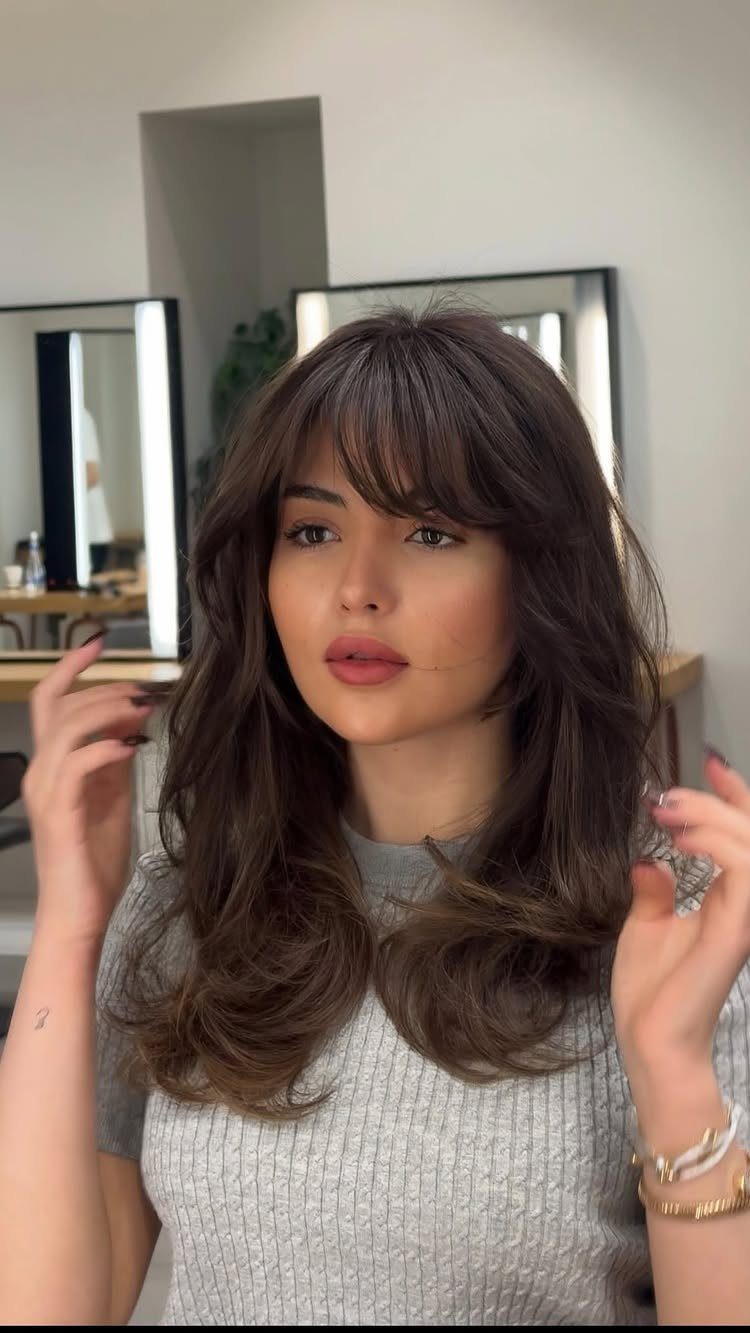
Bangs trimmed so the center rises slightly and the sides curve down, making a soft arch over the forehead. Against long layers, the arch gives the face a clear frame.
Ask for the curve to be cut while the hair is dry, because a dry cut shows you the exact shape.
I use a round brush and lift at the root while the dryer’s still warm, then roll the ends under so the curve stays through the day.
Trim often. A curve this specific blurs quickly as it grows.
18. Layered Bangs
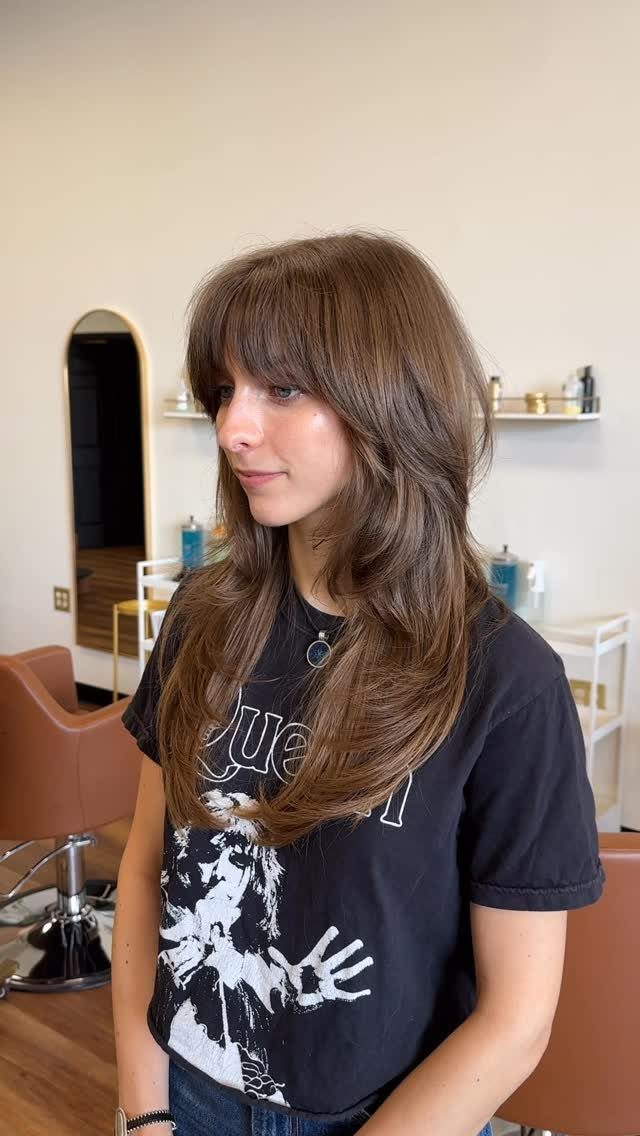
Bangs cut in stepped lengths so the fringe has movement and a little texture instead of one solid edge. It sits nicely with long layers, since the bangs and the rest of the cut share the same softness.
Straight and wavy hair both hold it, and thick hair gains the most from the shorter pieces. A blow dryer and a few seconds with a round brush are enough most mornings.
A light hand with product keeps the layers from clumping.
19. Eye-skimming Bangs
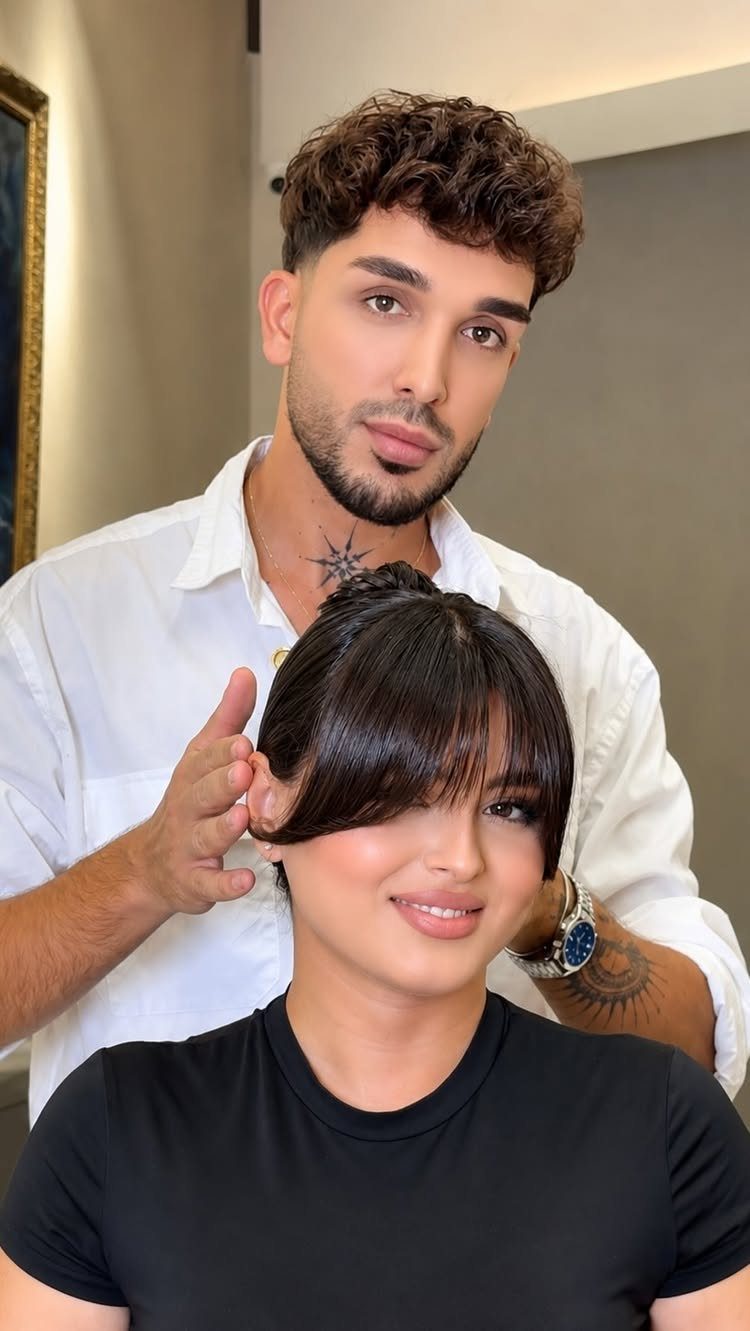
Bangs that stop right at the brow line leave no room for hair to fall in your eyes, and that is the appeal: a direct, slightly moody frame.
Straight hair is where eye-skimming bangs behave best, lying smooth and flat with almost no styling.
Ask for the length to be checked with your eyes open and your face relaxed, since raising your brows shortens them. Run a flat iron over them once, just at the ends, and the edge stays crisp.
I would trim them often, because once they pass the brows they stop looking intentional.
20. French Bangs
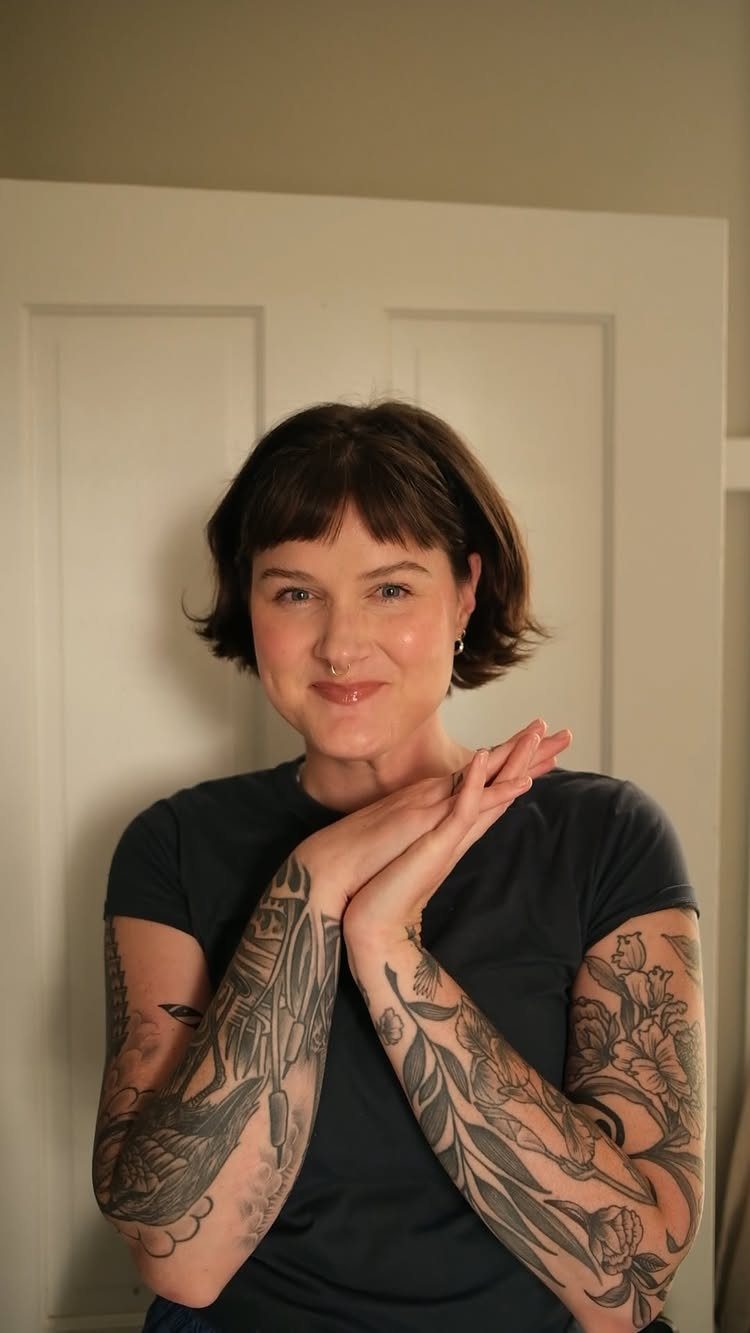
A fringe with a shorter center that curves gently toward the sides is the French version, and it pairs well with a short bob. The curve lets the bangs read as soft rather than a hard horizontal line.
Bring a photo to the appointment and ask for a shallow curve, since a deep one reads as a heavy half-moon. Too steep and it looks like a bowl.
For styling, a round brush and a few seconds of heat, rolling the ends slightly under, will hold the shape. Short center sections show regrowth fast, so plan on frequent trims.
21. Birkin Bangs
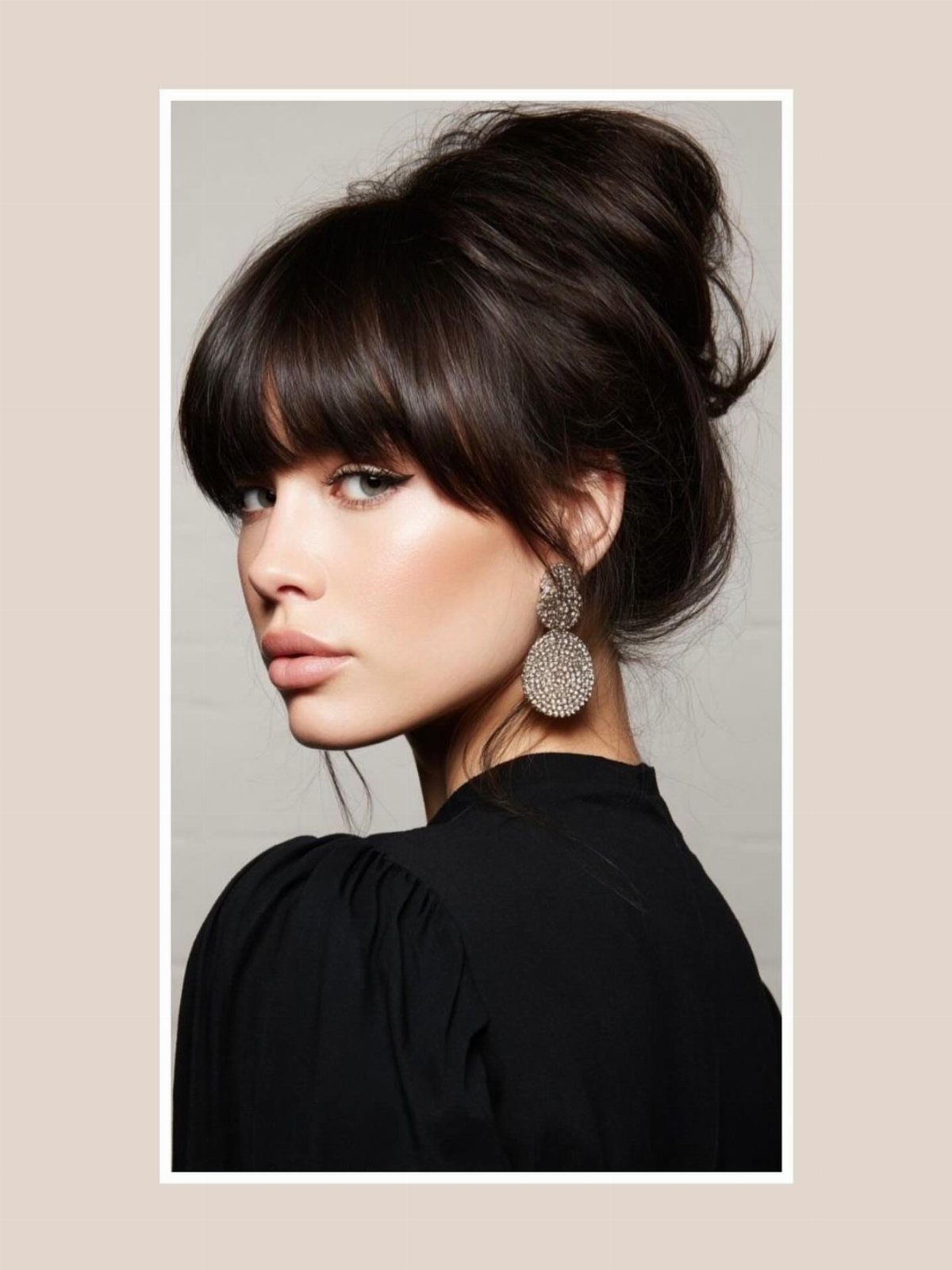
Birkin bangs stop at the eyebrows but run longer at the temples, so the fringe melts into the sides instead of ending in a blunt edge.
Pulled up into a bun, Birkin bangs still work, because the longer side pieces keep framing the face.
I like them best with a loose, undone finish. Ask your stylist to cut them soft and see-through rather than dense.
Grow-out is easy: the long sides simply become face-framing layers.
22. Bardot Bangs
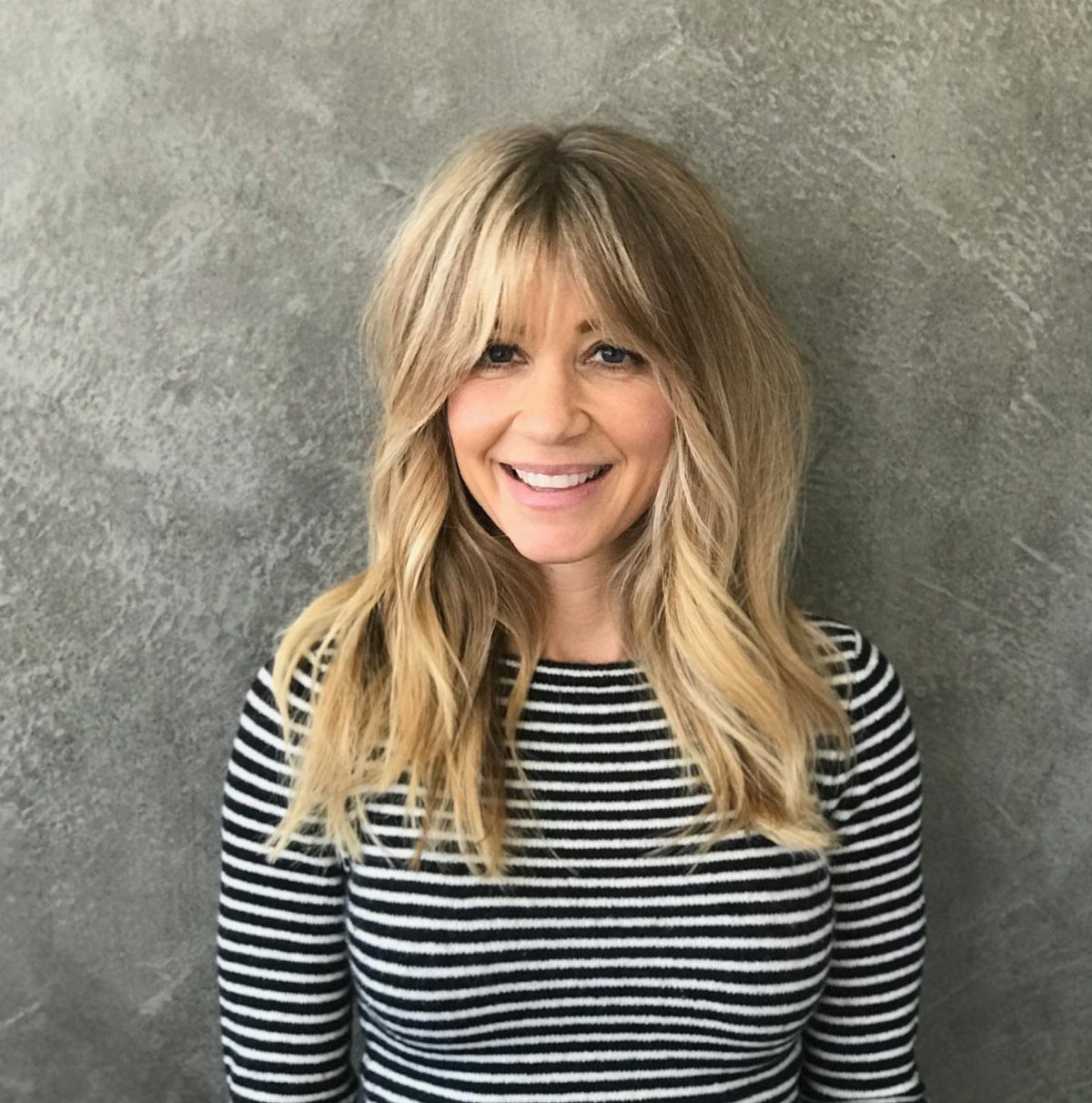
Wispy, center-parted bangs over full, bouncy hair define the Bardot look. The volume is half of it, so the fringe should stay light and thin to avoid weighing the shape down.
Point a round brush outward as you dry the bangs, then give the rest of the hair some lift at the roots. Rolling the ends of the longer hair in large barrel curls adds the fullness.
Fine hair can struggle to hold this much body, and I would plan on a volumizing product to help.
23. Blunt Bob with Bangs
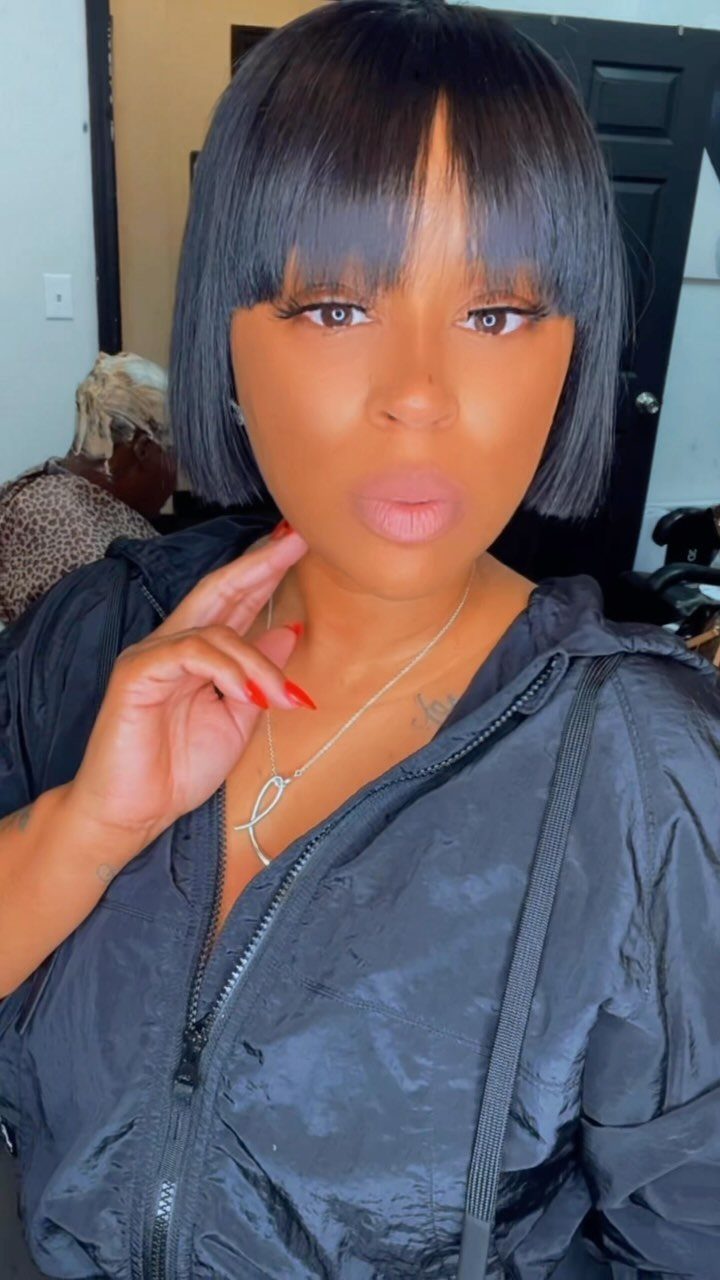
Straight-across bangs against a precise bob make one clean shape, and the two edges echo each other. Blunt on blunt looks sharpest on smooth, straight hair, where a flat iron gets the polish in minutes.
I would choose this if you like a graphic, deliberate cut. Both lines need regular trims, because the bob and the fringe lose their precision as they grow.
Skip heavy products. Weight shows up fast on a cut this exact, and a light shine serum is enough.
24. Natural Coils with Bangs
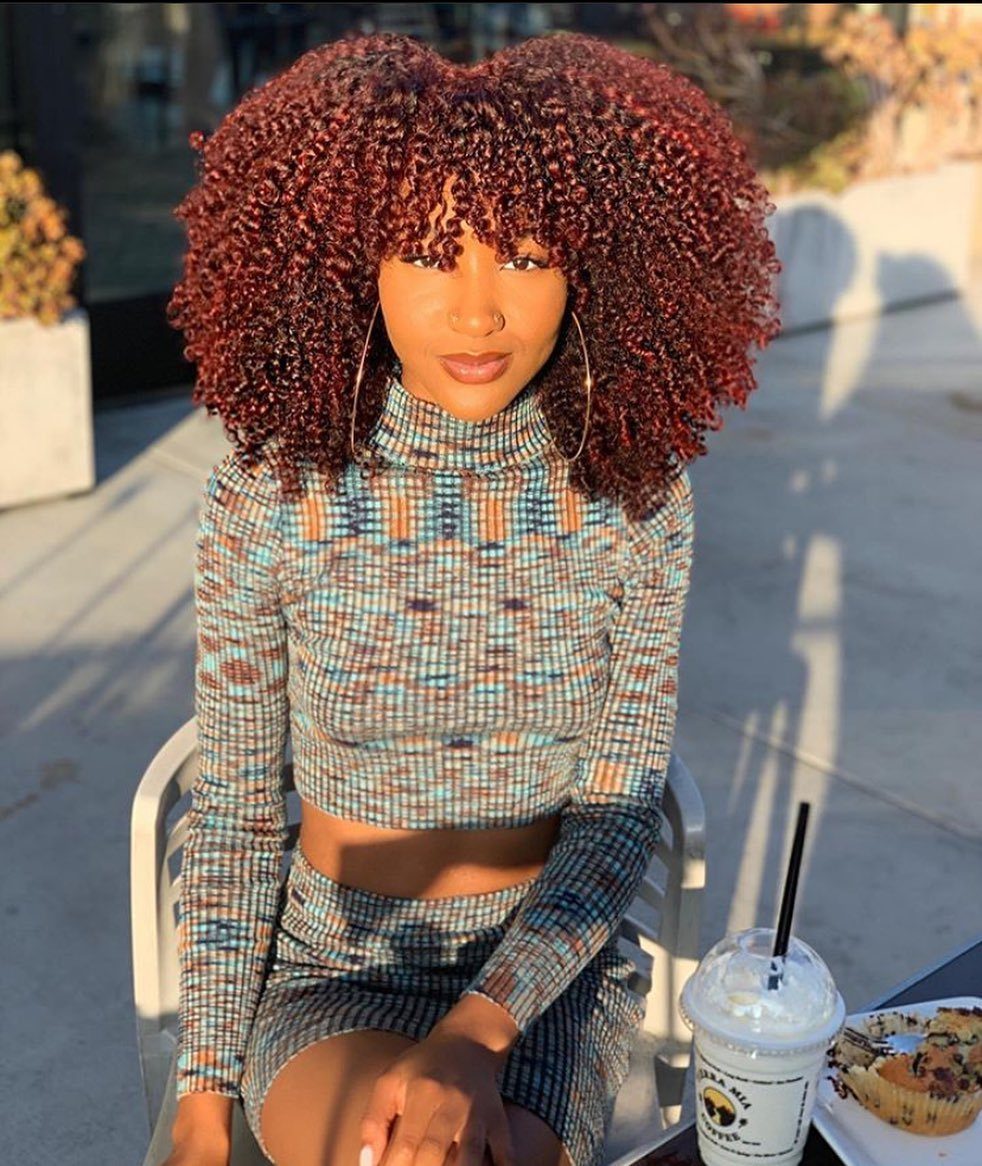
Bangs cut into natural coils gain their shape from the curl itself, so the fringe sits full and springy instead of flat. With medium-length hair, the volume stays balanced all the way around.
Because coils spring up as they dry, I’d have the fringe cut dry, or leave it a touch longer than the length you want. A stylist who works with curls will shape the bangs to match your pattern.
A brush will break up the coil pattern and cause frizz, so leave it in the drawer. Work a curl cream through the bangs while they’re damp, then let them air-dry.
Face-shape Selection
Oval faces handle almost any fringe style without tilting the proportions, so the decision comes down to texture and upkeep rather than shape.
A heart-shaped face has a wider forehead and a narrow chin, so I’d go for wispy bangs, curtain bangs or a longer side sweep; they soften the forehead and add no extra weight at the temples.
Texture decides how a fringe behaves just as much as face shape does, and I weigh the two equally before picking one.
Wispy bangs on thick hair need more thinning to stay light, and blunt bangs on wavy hair flatten only with daily heat.
At-home Styling
Wavy or curly hair can air-dry or take a diffuser to keep the natural texture without flattening the fringe.
Once bangs are dry from the shower, a no-crease clip pinned across them while they cool can set a stubborn strand in the right direction.
Start the flat iron at the root and curve it away from your face as you pull through; the result is a loose bend that frames the face and never looks stiff.
For curtain bangs, start the straightener at the root and pull it outward rather than straight down, so the ends sweep to the sides instead of falling flat across your forehead.
Frequently Asked Questions
What hairstyles look best with bangs?
Curtain bangs on long hair and side-swept bangs on shorter cuts are the easiest to live with.
Both blend into the rest of your hair as they grow, so there’s no awkward stage. Blunt bangs on a bob or pixie look sharper, but they need more upkeep to stay that way.
What type of bangs should I choose?
Start with hair texture, then weigh your face shape and how much upkeep you’ll tolerate.
Face shape narrows the choice: an oval face carries nearly any fringe, and a heart shape looks best with wispy bangs, curtain bangs or a long side sweep.
Texture matters just as much: blunt bangs on wavy hair only stay flat with daily heat.
Who are curtain bangs best for?
Because curtain bangs part in the middle and open around the eyes, they flatter most faces and take the edge off a sharp jaw.
They work best when the length and weight are matched to your hair’s thickness and texture. Very curly hair may do better with a fuller shape, and very straight hair may struggle to keep them sweeping away from the face.
Are curtain bangs high-maintenance?
They sit in the middle: styling is easy, but trims come more often than you’d expect. Expect a quick bang trim every 3–4 weeks, since that section sprouts faster than the rest and loses its shape first.
They grow out gracefully, though, and you can stretch the time by tucking them behind your ears once they pass your chin.
How do you style curtain bangs?
Match the method to your texture. On fine, flat hair, a round brush and a blow dryer, lifting up and away at the root, give the bangs their curve.
Can bangs work with curly or textured hair?
Yes, as long as the cut accounts for shrinkage. Curly bangs shrink as they dry, so ask for the cut on dry hair, or keep them about an inch longer than you want them to end up.
Work in curl cream while damp, air-dry, and skip the brush, which breaks up the pattern and causes frizz.