An oval face works with most haircuts because the proportions already sit balanced, but the choice still comes down to your hair texture and how much time you’re willing to spend styling it each morning.
A Textured Pixie or Blunt Bob shows off symmetry, the Wavy Medium Length or Tousled Waves with Bangs soften the line, and the Mini Afro or Long Shag add volume without tilting proportion.
1. Textured Pixie
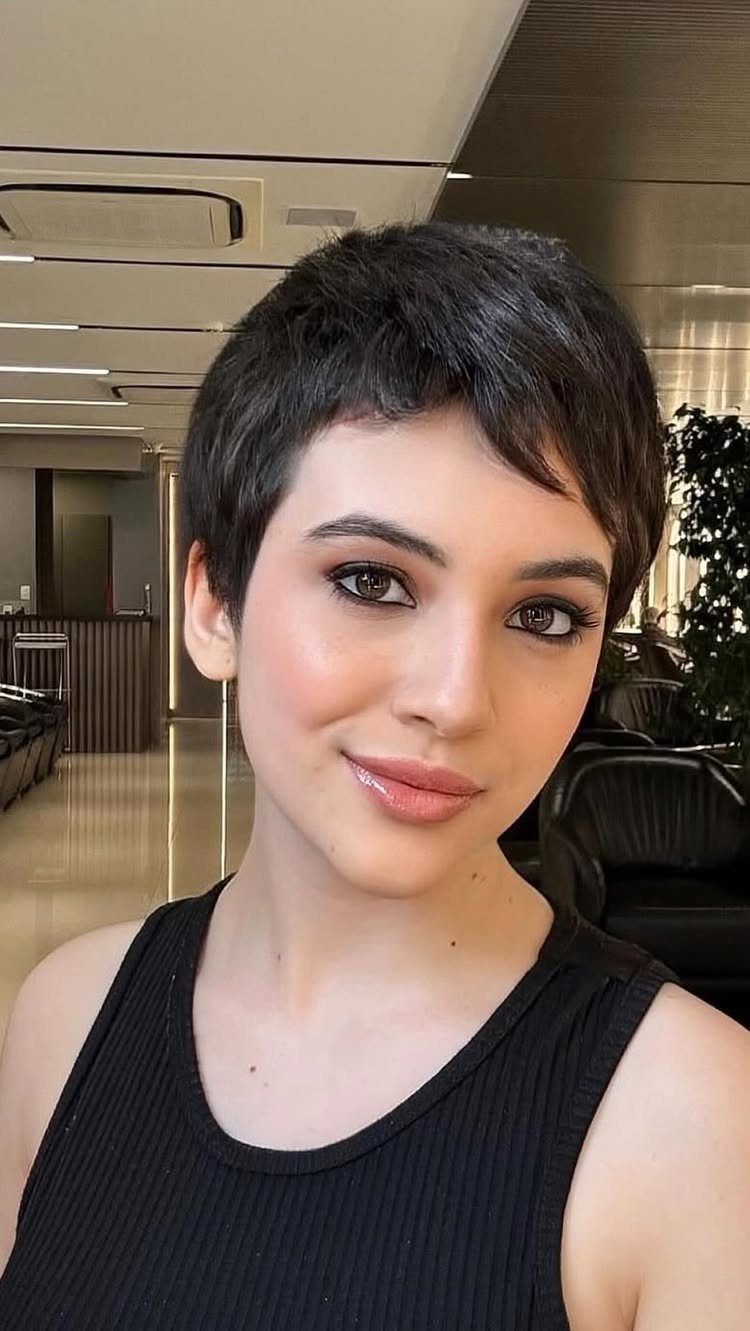
A close crop with choppy layers draws the eye to the cheekbones and leaves the jaw and neck uninterrupted.
The texture keeps the cut from reading too severe, and the proportions suit an oval face without adding width or length where neither is needed.
Ask for short length on top with point-cut ends and tapered sides. Work a small amount of matte paste through damp hair and let it air-dry or give it a quick blow-dry angled forward.
2. Blunt Bob
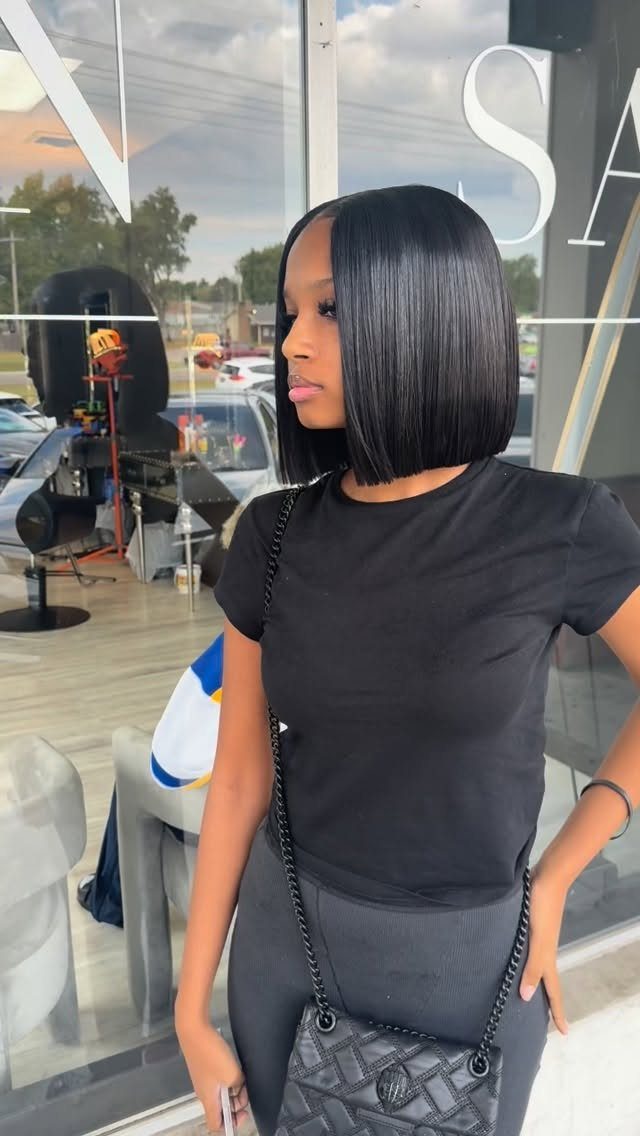
The line stays level all around, hitting just below the jaw and framing the face in one clean stroke. No layers, no graduation, just a sharp perimeter that holds its shape whether worn sleek or slightly tousled.
I like this cut for thicker hair that can carry the weight without going limp.
Fine hair often needs a texturizing spray at the roots to keep it from lying too flat. Flat-iron the ends under for polish or leave them straight for a cooler, more architectural finish.
3. Blunt Bangs
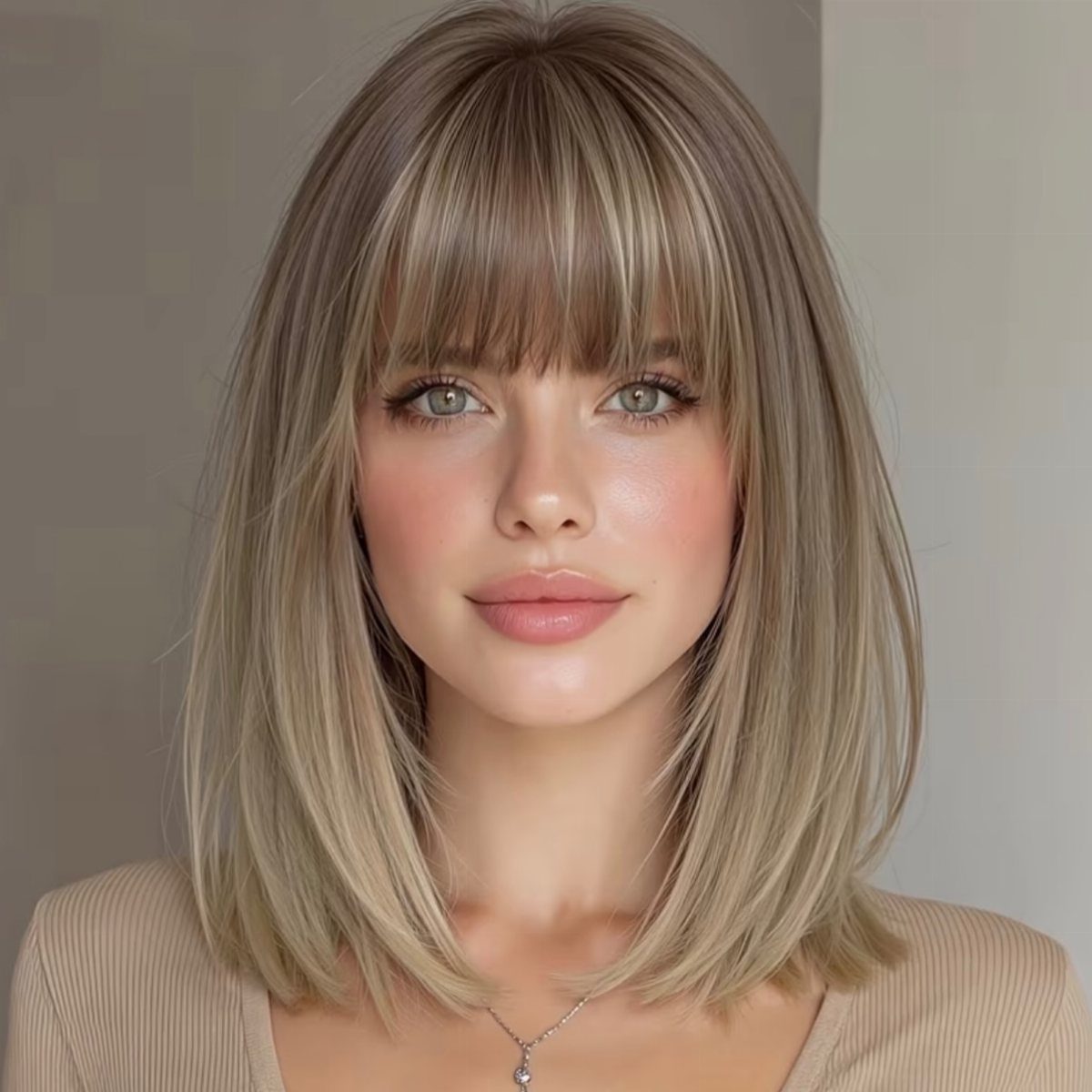
A straight-across fringe shortens the forehead and brings balance to a longer oval face. The weight sits just above the brows or skims the lash line, depending on how much coverage feels right.
The rest of the hair can stay long, sit at the shoulders, or land anywhere in between; the bangs do the work.
Plan to trim them regularly to keep them out of your eyes. Between cuts, pin them back with a clip or mist them damp and blow-dry with a round brush to reset the shape.
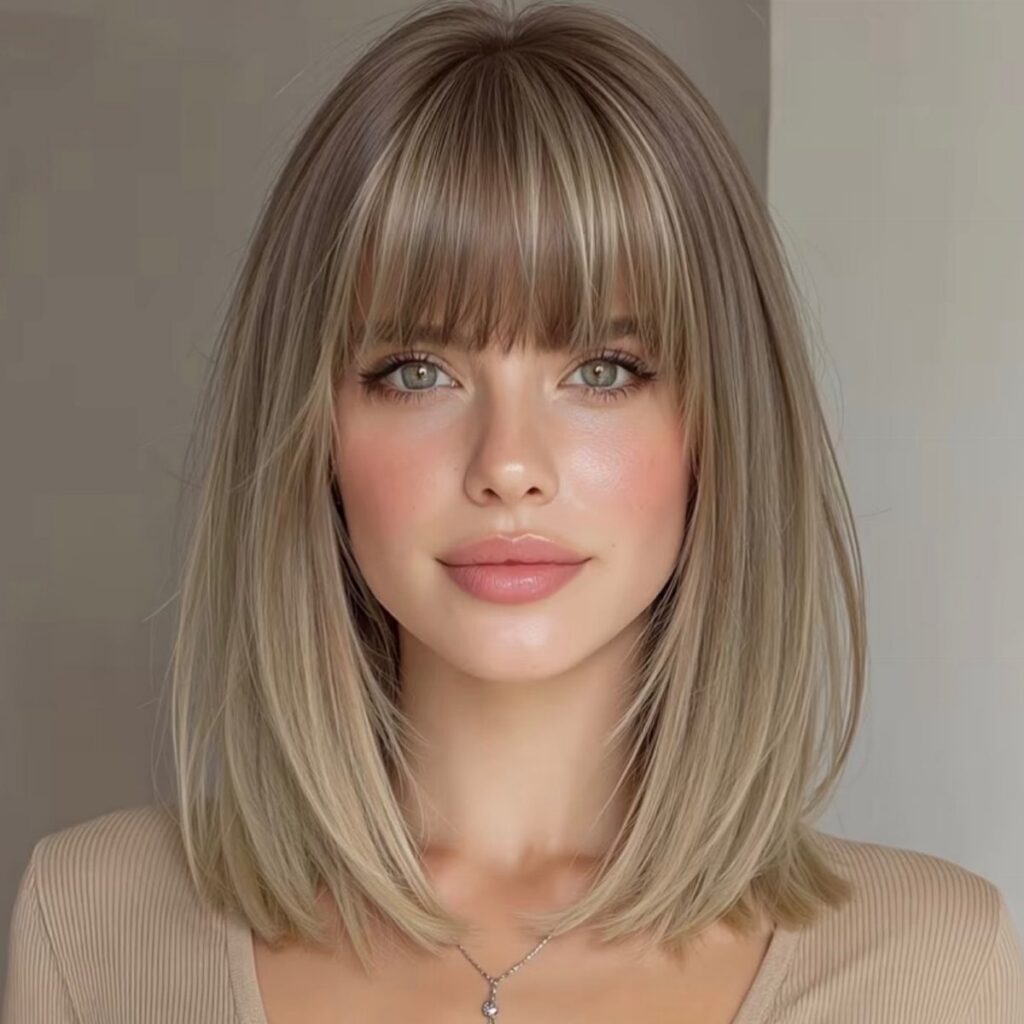
4. Sleek Statement Lob
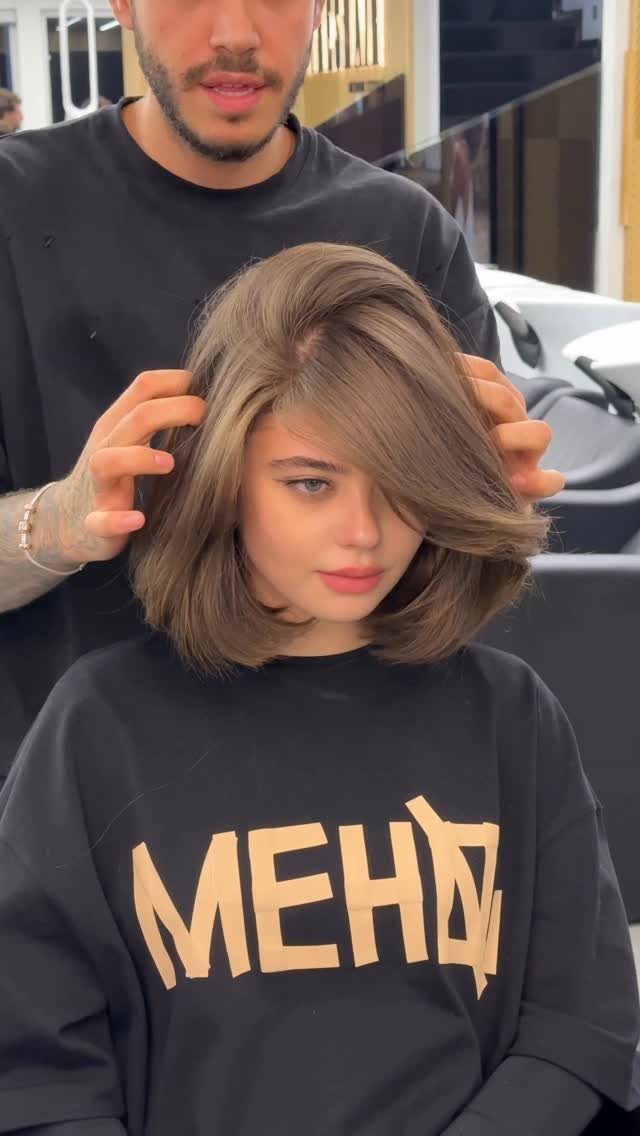
Collarbone length with smooth, face-framing layers gives the lob enough presence to feel intentional. The front pieces can be cut slightly shorter to sweep across the cheekbones, or left longer for a more uniform edge.
Blow-dry with a paddle brush and finish with a flat iron for the sleekest result. A light serum on damp hair helps control frizz without weighing the ends down.
5. French Bob

Chin-length with a slightly rounded perimeter and soft, feathered fringe, this bob feels lighter than a blunt cut and moves more freely. The fringe is rarely heavy or straight across; it tends to be wispy, side-swept, or broken up.
The short length means the cut grows out quickly and needs regular trims. Styling is minimal: towel-dry, add a small amount of mousse, and let it air-dry, or blow-dry with your fingers for a little more lift at the roots.
6. Soft Shag
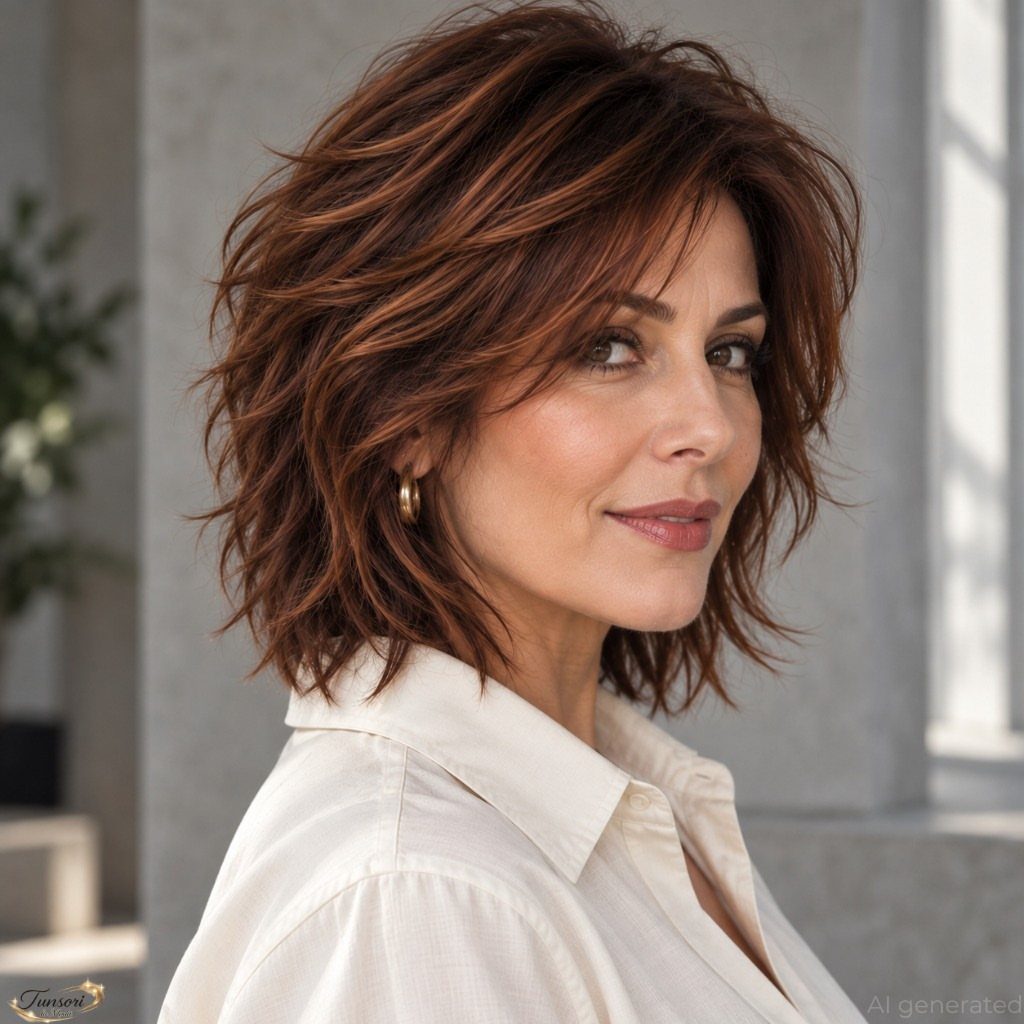
Layers start near the crown and work through the ends, creating a soft, feathered outline that moves without looking choppy. The fringe is loose and often blends into the shortest layers rather than sitting as a separate line.
The cut works across most textures but shines on hair with natural wave or a slight bend. Styling is about enhancing what’s already there: scrunch in a sea salt spray or curl cream while damp, then air-dry or diffuse.
7. Long Shag
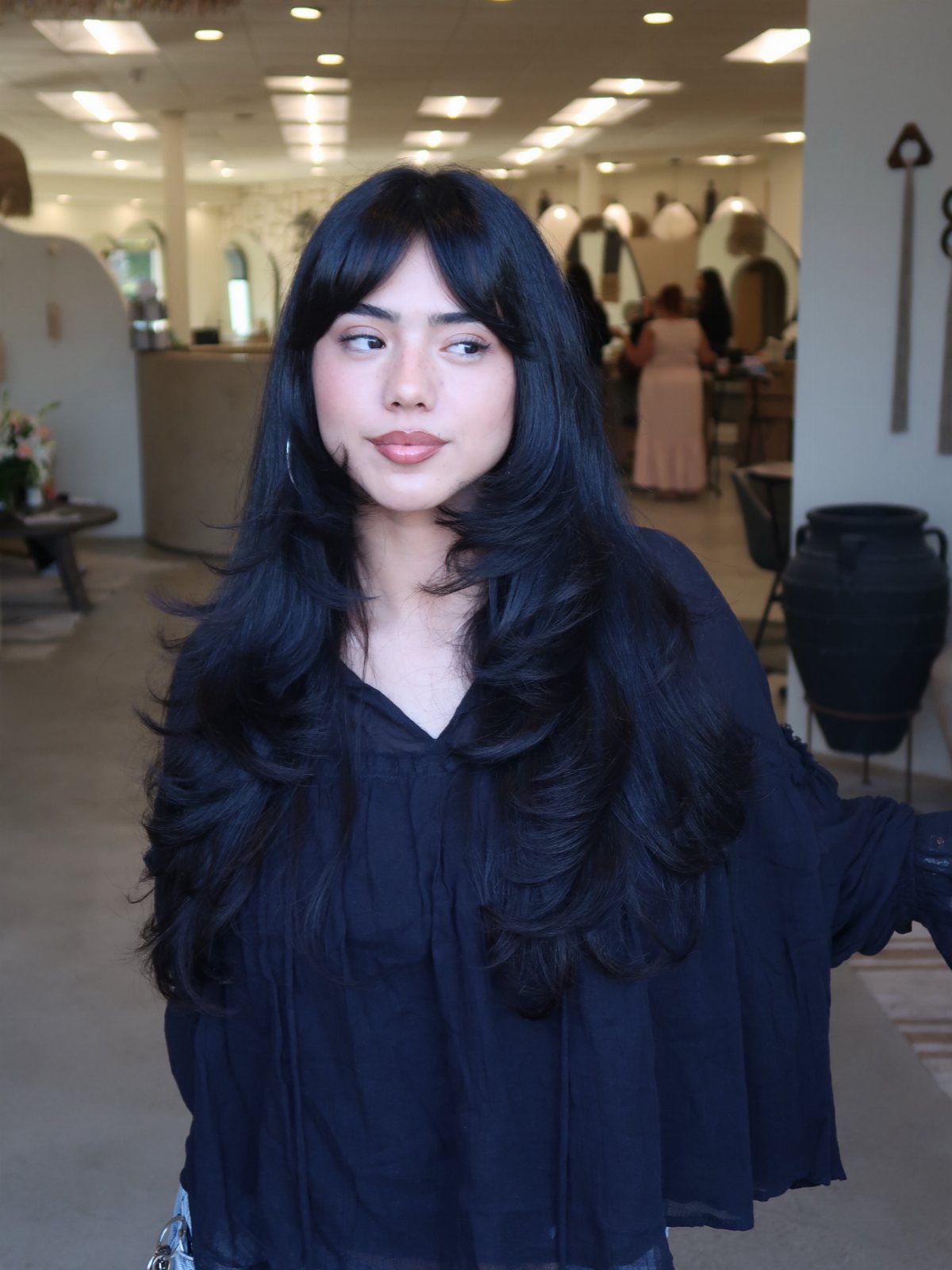
Layers fall from the crown down through lengths that reach the mid-back or longer, leaving the ends soft and feathered rather than blunt.
Bangs or shorter face-framing pieces keep the front light and prevent the weight from pulling the cut flat.
The length gives you options: wear it down for movement, pull it back when you need it off your neck, or let the layers do the work while damp hair dries naturally.
Ask for long layers with textured ends and a fringe that blends into the shortest pieces around your face.
8. Side-swept Pixie
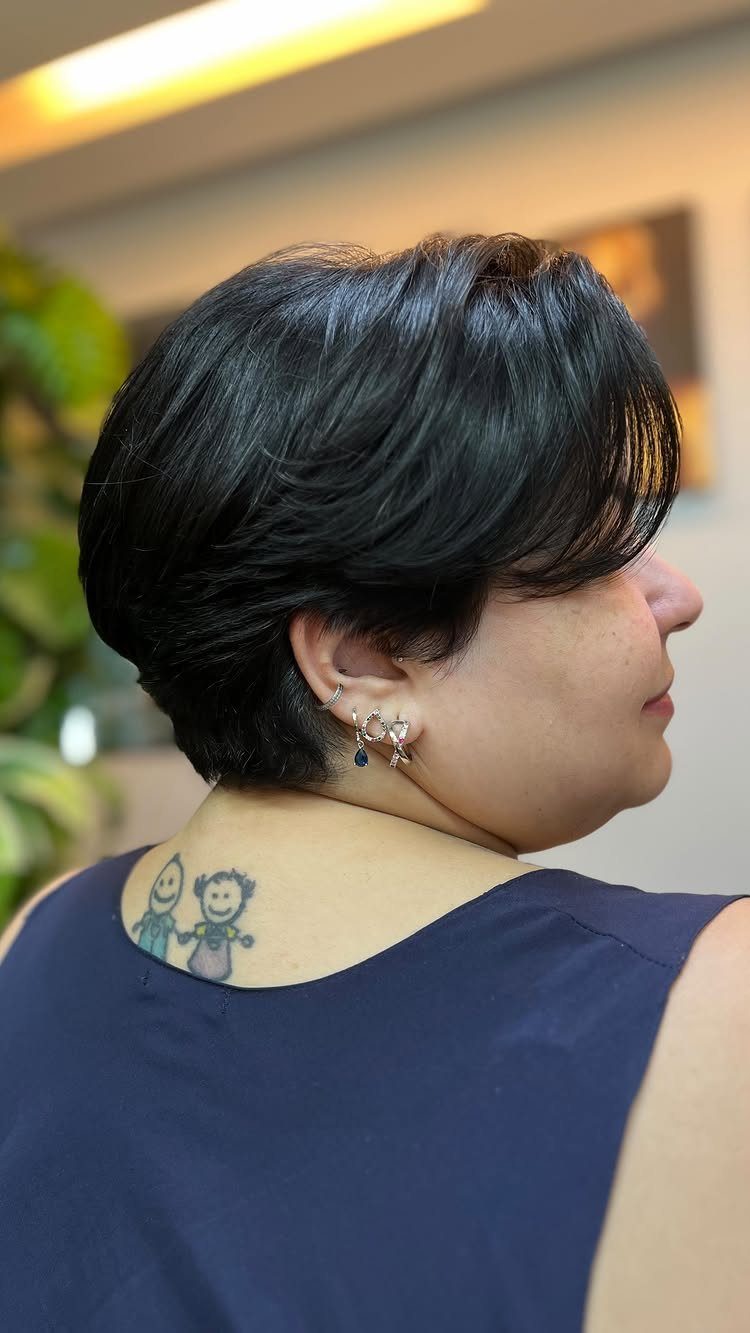
Longer pieces on top sweep across the forehead or to one side, softening the line and adding flexibility to how you wear it.
The back and sides stay short and close, keeping the proportions clean without losing the movement up front.
Blow-dry the longer section forward or to the side with a small round brush, then work through a lightweight styling cream to hold the shape. The contrast between the close-cut perimeter and the swept top gives the cut its structure.
9. Modern Mullet
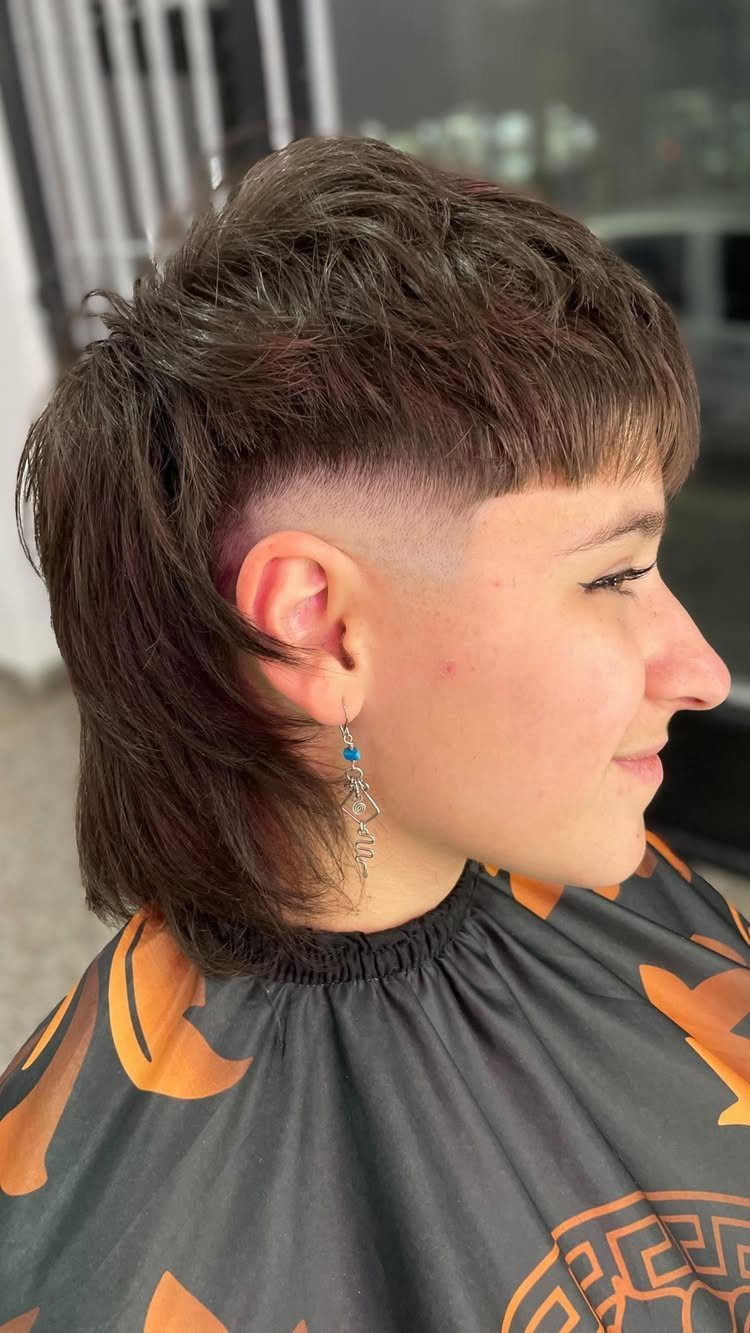
Shorter layers around the face and crown transition into longer lengths at the nape, but the shift is gradual rather than abrupt. The sides stay close or blend into the back, and the overall finish reads polished instead of edgy.
Styling keeps it smooth: blow-dry the top forward or tousle it slightly with paste, and let the back fall naturally.
The cut grows out well if you keep the front trimmed; when the back gets too long, a few inches off the ends brings it back without resetting the whole shape.
10. Wavy Medium Length

Shoulder-length or just below, with layers that start near the cheekbones and work through the ends, gives natural wave room to move without the bulk that can weigh it down.
The front pieces frame the face and can be styled forward or tucked behind the ear.
The layers prevent a triangle shape and keep the wave pattern defined all the way to the ends. A quick trim keeps the shape intact.
11. Bixie Cut
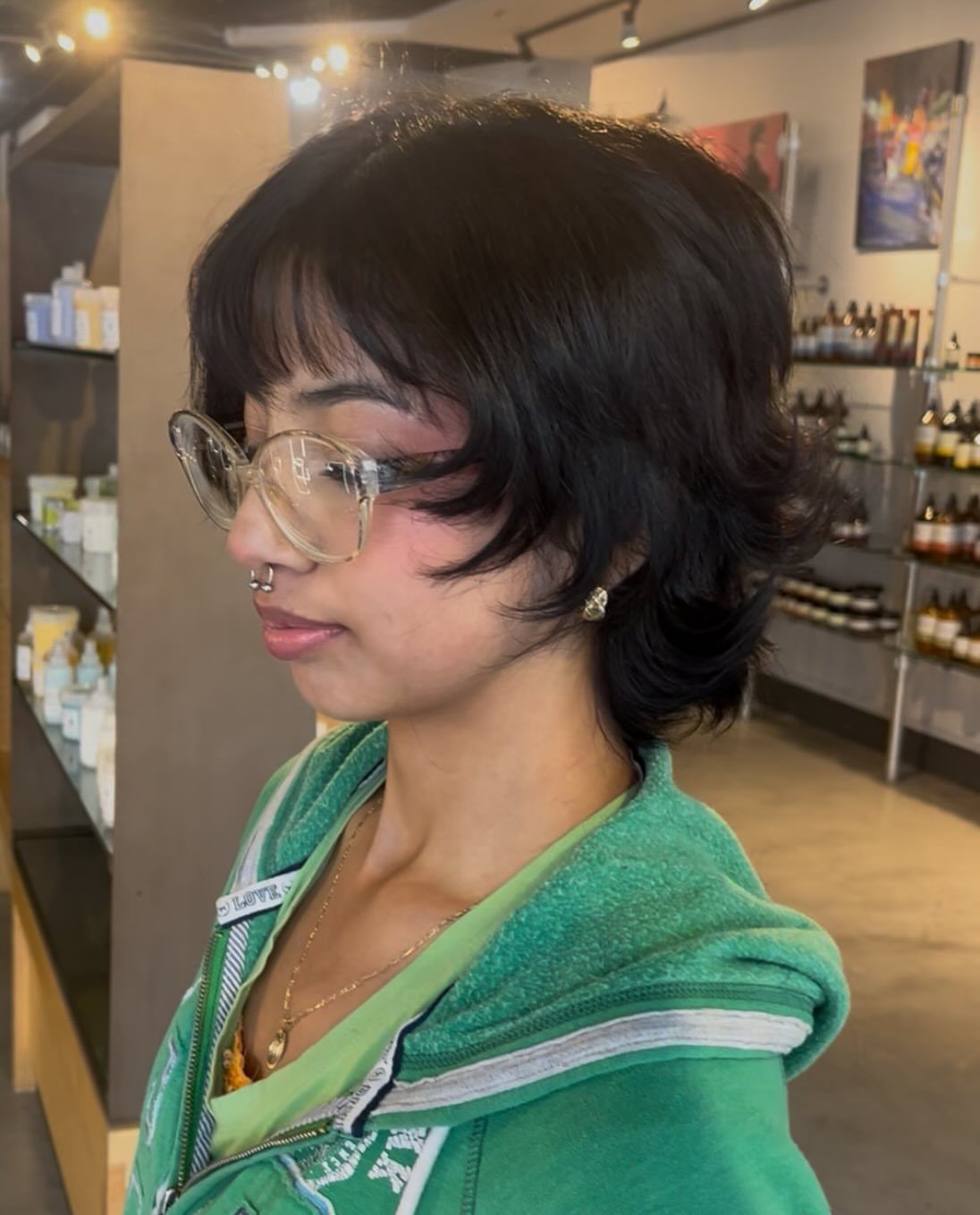
Longer than a pixie but shorter than most bobs, the bixie sits somewhere around ear length with choppy layers and wispy texture. The fringe is usually broken up rather than solid, and the overall shape feels intentionally undone.
Blow-dry with your fingers for lift at the crown, or smooth it down with a flat iron if you want it sleeker.
The cut needs regular trims to keep the proportions right, but daily styling is quick: a small amount of texture spray or light paste gives it enough hold without stiffness.
12. Long Layered Cut
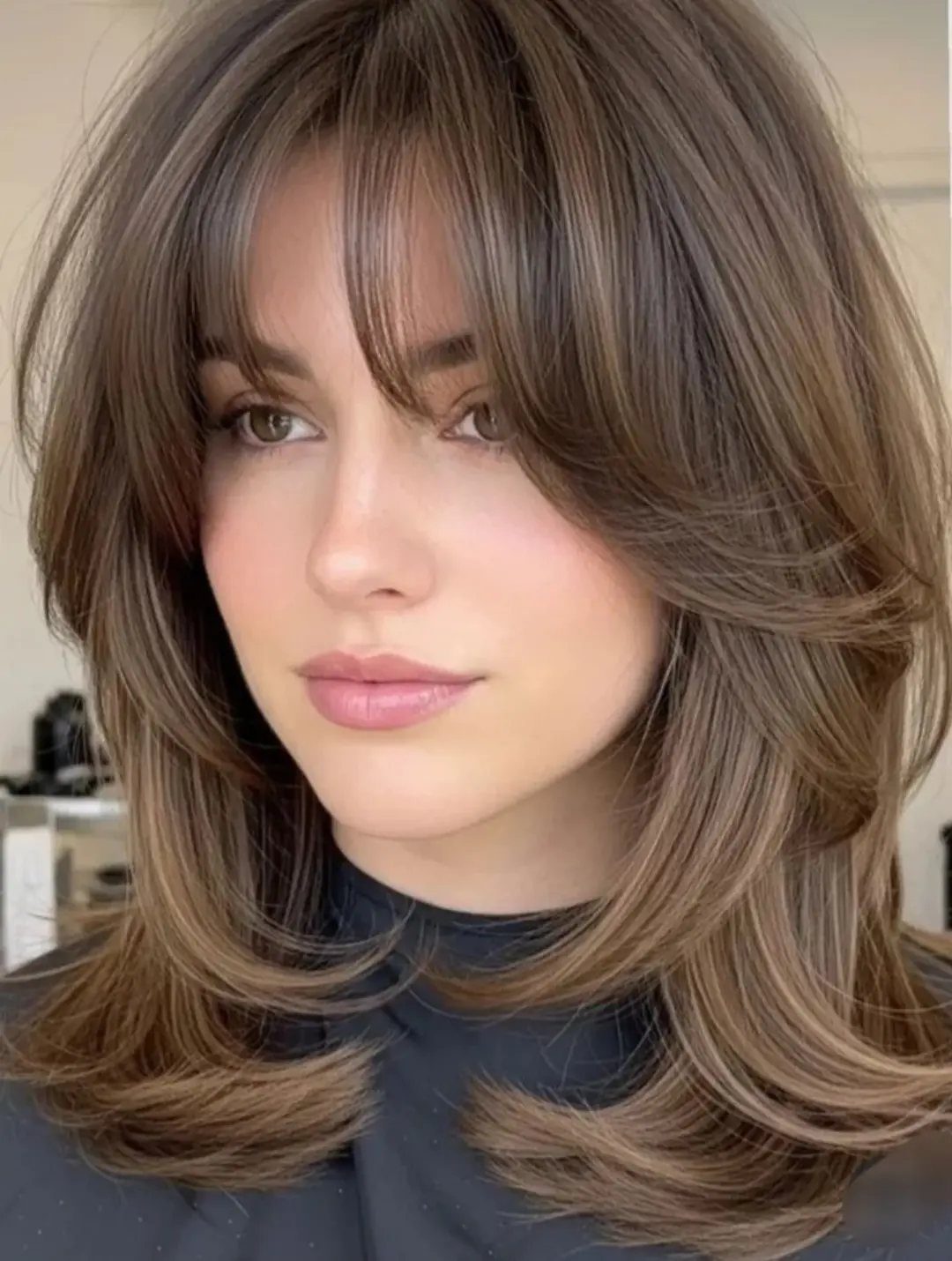
Layers through long hair keep the ends from looking heavy and add movement without losing much length.
Face-framing pieces can start at the cheekbones or collarbone, depending on how much dimension you want, and the rest of the layers graduate through to the longest point.
The cut suits most textures and works whether you style it straight, wavy, or curly. Curtain bangs or a middle part both work, and the layers grow out gradually enough that you can stretch trims longer.
13. Layered Bob

Layers cut through the bob create lift and keep the ends from sitting too heavy. The shortest pieces fall near the chin, and the rest graduates just slightly, giving the cut shape without disrupting the overall line.
The texture shows best on hair with some natural body. Run a flat iron through the ends if you want them smooth, or leave them slightly bent for more movement.
14. Short Messy Bob
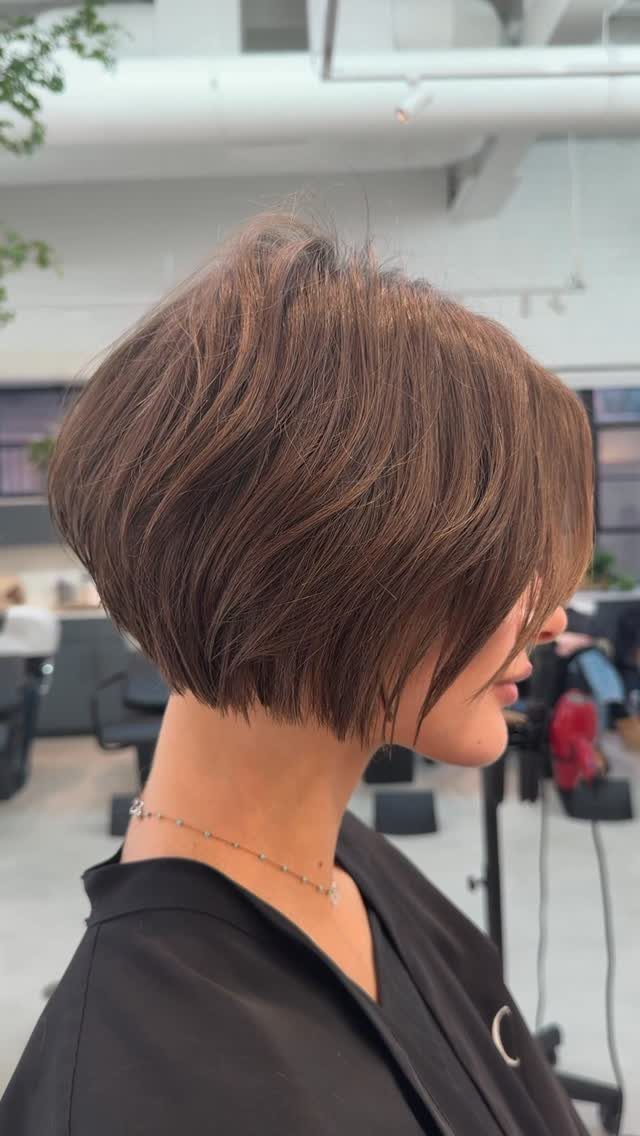
Choppy layers and a tousled finish give this bob a loose, undone look that reads polished without appearing overly styled. The length sits at the chin, and the texture keeps it from feeling too neat or structured.
The layers need trimming regularly to hold the shape.
15. Mini Afro
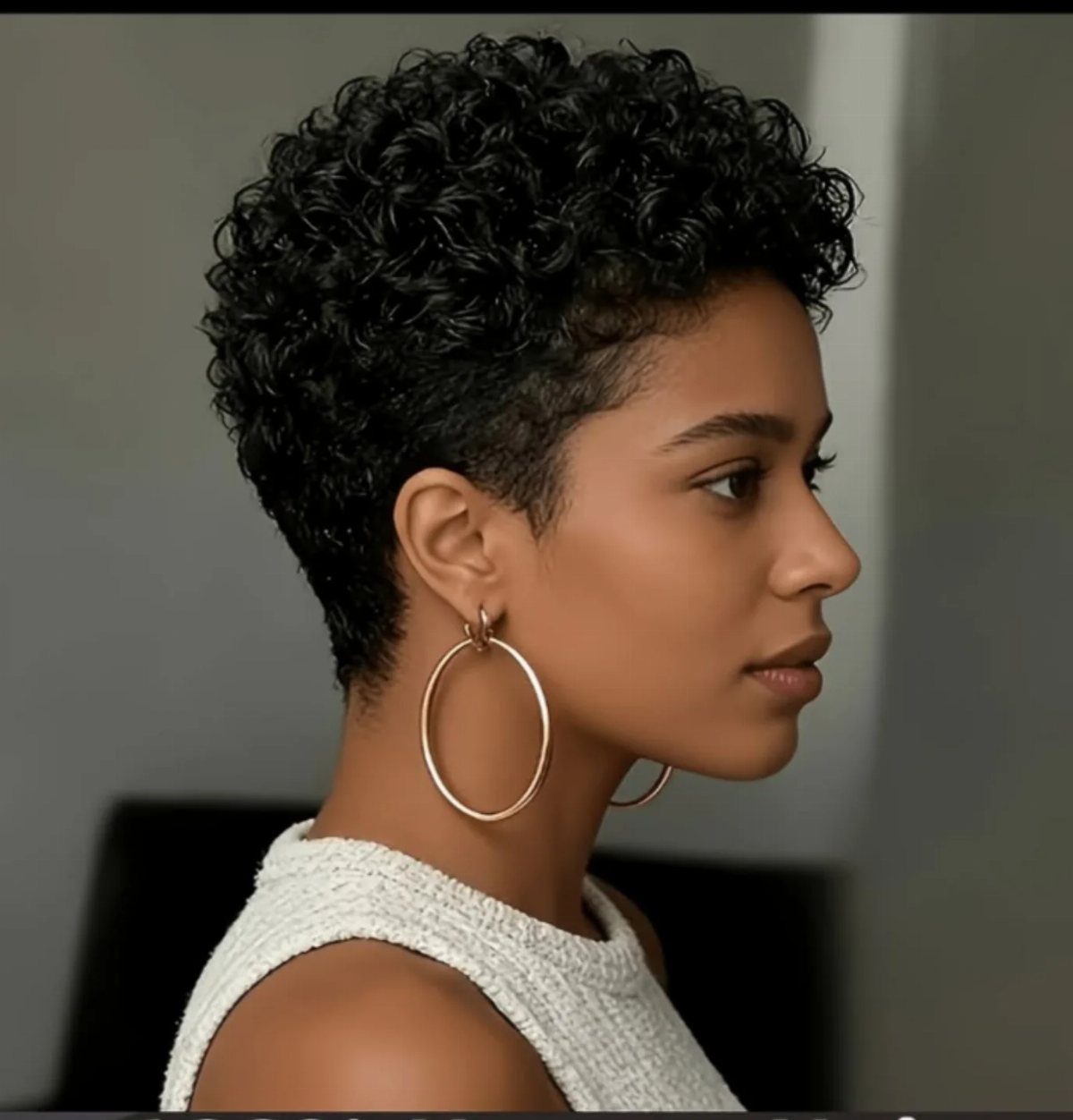
Close-cropped natural texture keeps the silhouette compact and the face fully visible. The shape sits close to the scalp with enough volume to frame the face without adding width.
Maintain the length with regular trims to keep the shape defined.
A light oil or curl cream smooths frizz and defines the curl pattern without weighing it down. The short length means less time detangling and no need for protective styling overnight.
16. Angled Bob
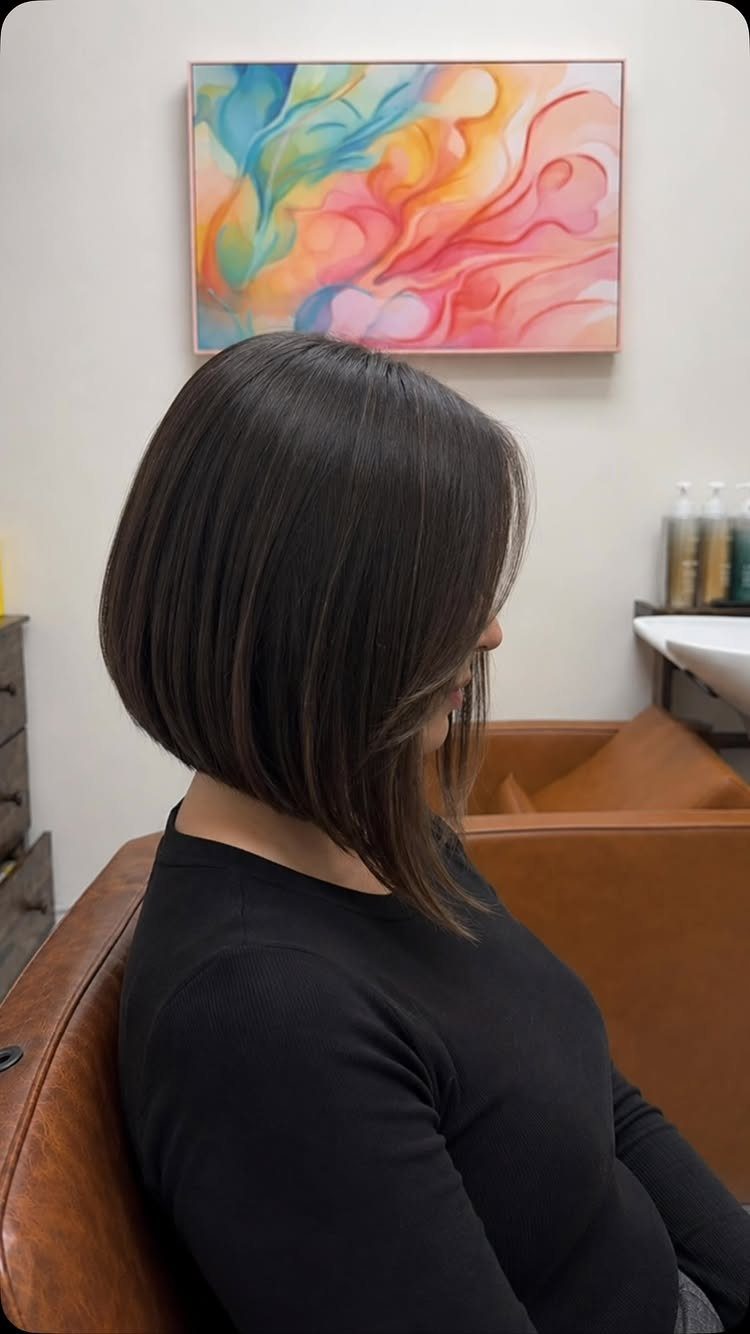
The front pieces sit longer than the back, creating a diagonal line from jaw to nape. The cut stays blunt at the ends, so the shape holds whether worn straight or with a slight wave.
Ask for an angled bob with the longest pieces at the front and a graduated back. The asymmetry draws the eye down and suits an oval face without shortening it.
17. Asymmetrical Bob
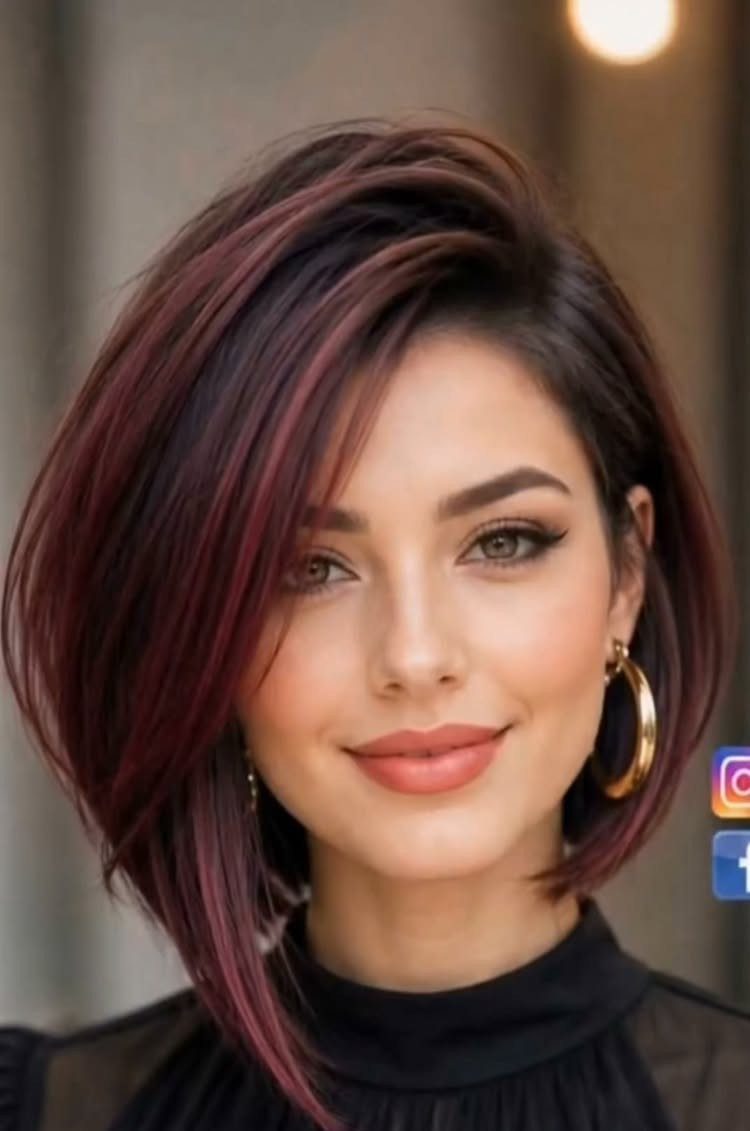
One side falls longer, often grazing the collarbone, while the other stays shorter, landing closer to the chin or ear. The ends are choppy rather than blunt, and the part sits deep to one side to reinforce the imbalance.
The cut grows out in a way that keeps the asymmetry visible for a few weeks before it needs resetting.
Style it sleek for maximum contrast or add texture with a curling wand to soften the disconnect. The side-swept look keeps the face open and suits an oval shape that can carry bold proportions.
18. Tousled Waves with Bangs
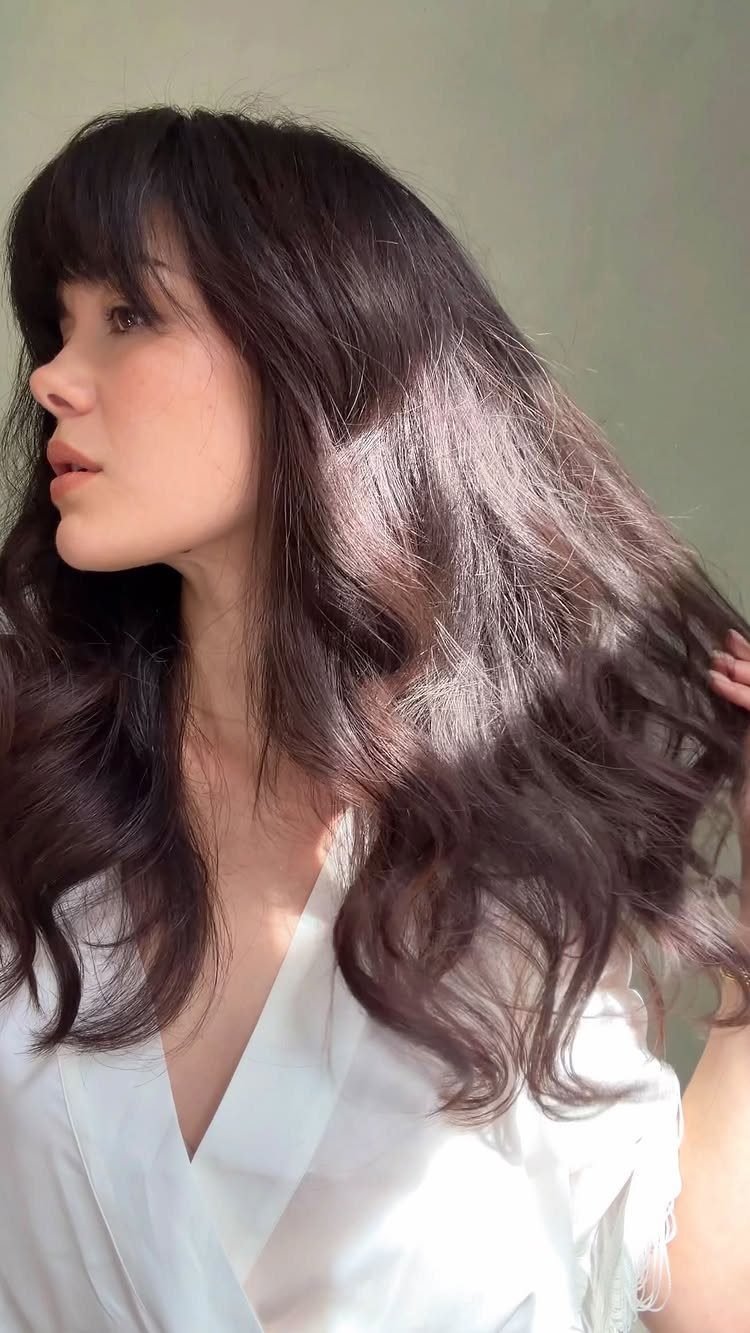
Long, loose waves paired with a full fringe create soft dimension without heavy contrast. The bangs sit just above the brows or graze the lash line, and the waves start a few inches below the roots, leaving the top smooth.
Dry the bangs forward with a round brush, then curl the rest in sections with a large barrel and brush through to soften the wave. A light texturizing spray at mid-lengths adds grip without making the waves feel stiff.
19. Choppy Bangs and Layers
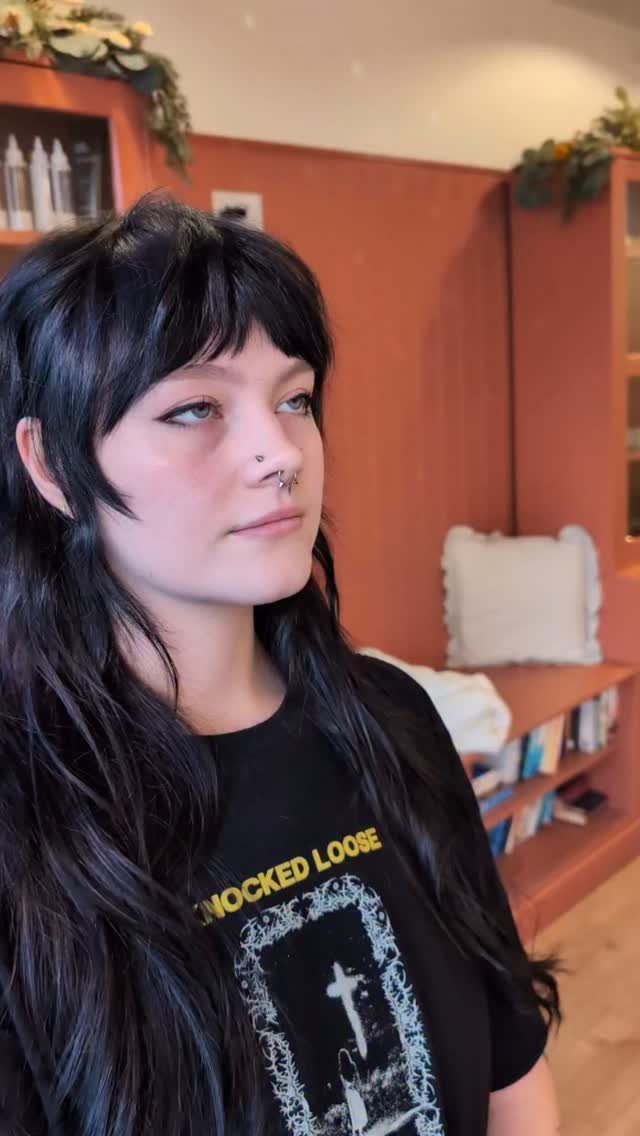
Jagged, piece-y bangs paired with long face-framing layers keep the look textured and loose.
The bangs fall unevenly across the forehead, some pieces shorter than others, and the layers around the face start near the cheekbones and taper into the length.
The choppy cut softens the forehead on an oval face without covering too much of it. Ask for point-cut or razor-cut bangs with disconnected layers through the front sections.
20. Side-swept Bob
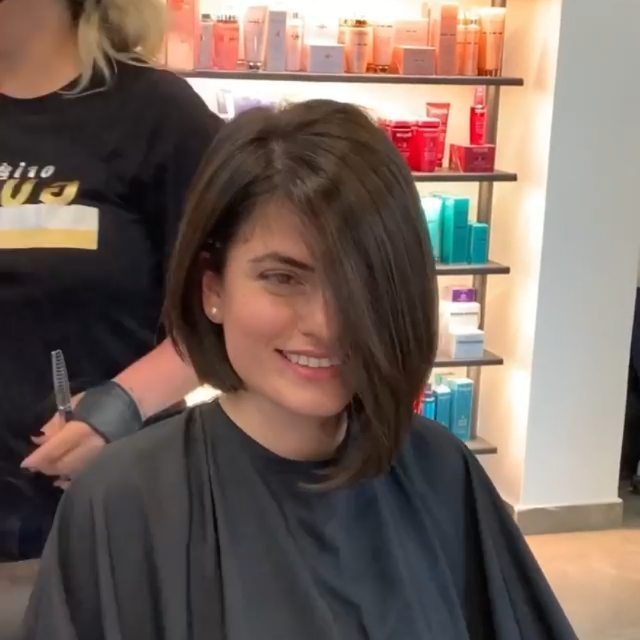
The bob falls at chin length with the fringe swept to one side, leaving the forehead partially visible and creating an asymmetry that flatters an oval face. The sweep adds movement without disrupting the clean line of the cut.
Part the hair deep to one side and blow-dry the fringe across with a paddle brush.
A small amount of smoothing cream keeps flyaways down. The side-swept finish opens up the face and works whether the rest of the bob is worn sleek or with a slight wave.
21. Soft Updo with Bangs
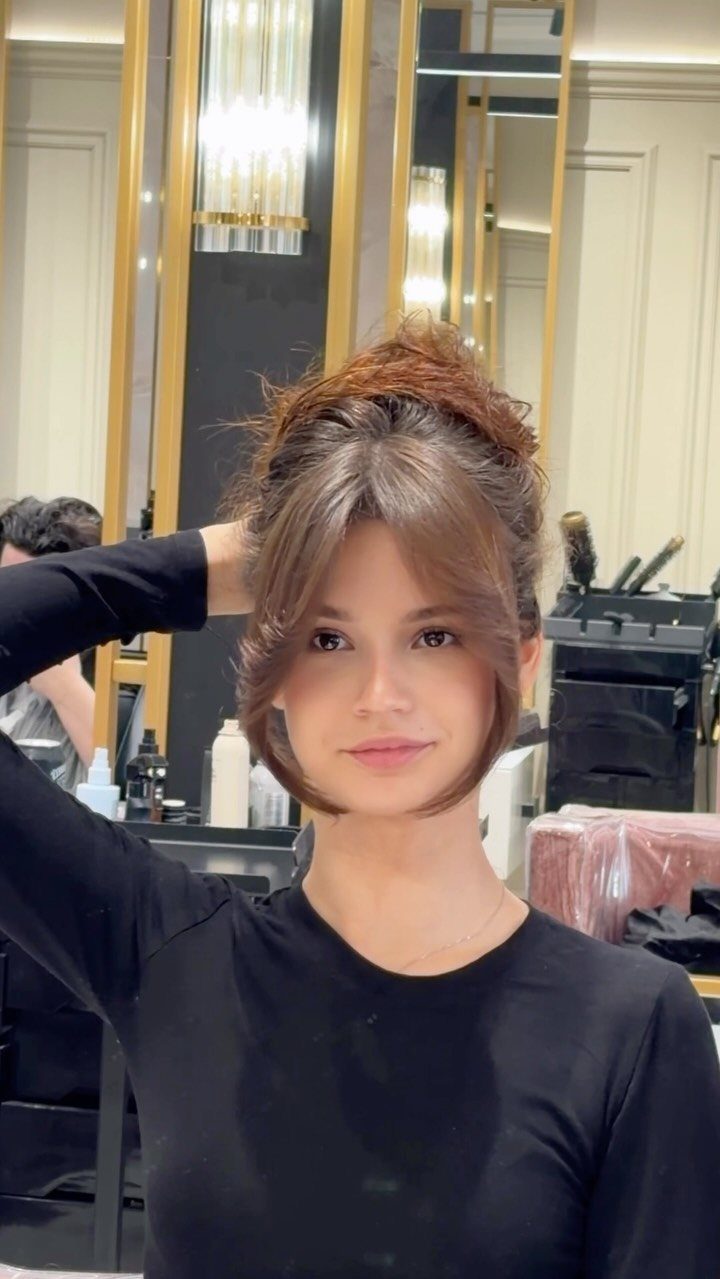
Pulling the hair up while leaving bangs and a few loose pieces around the face keeps the style soft rather than severe. The updo sits low or mid-height, and the loose strands frame the cheekbones and jaw.
Gather hair at the crown or low at the nape, pin it in place, then tug a few strands loose around the face. The combination keeps an oval face balanced while showing off the natural proportions.
22. Gray-blended Roots and Tousled Waves
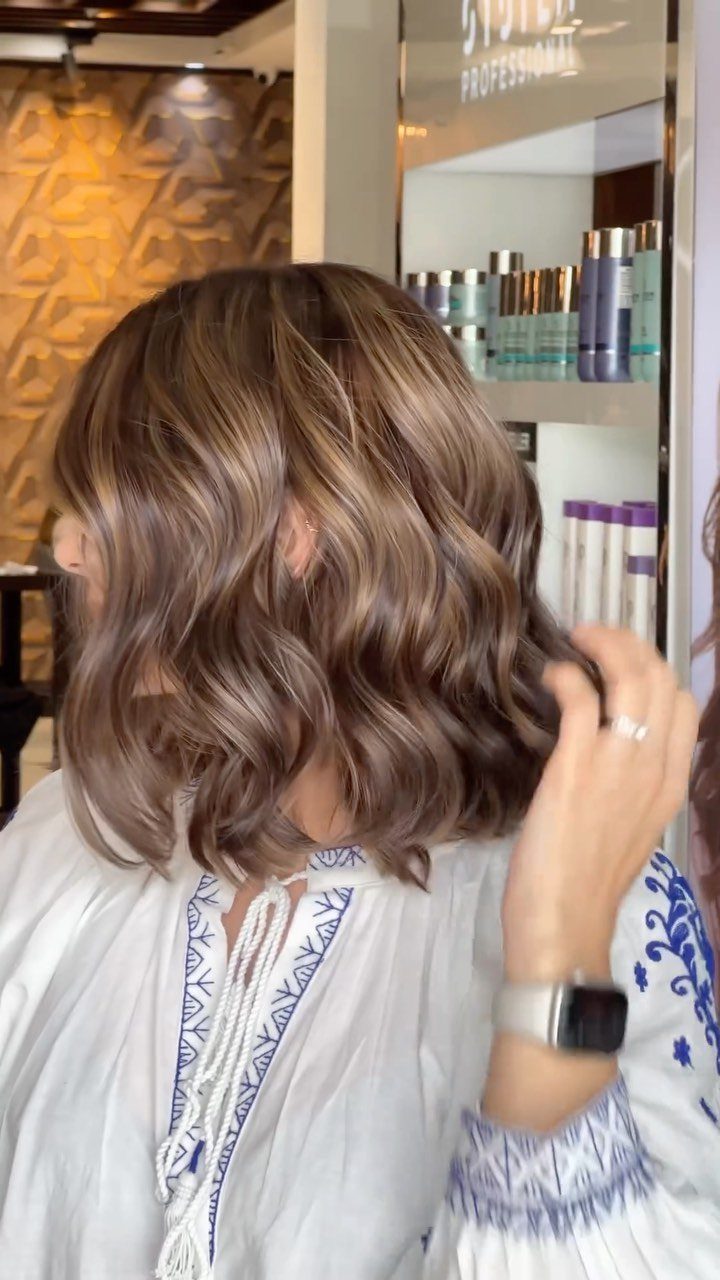
Shoulder-length waves left loose and slightly undone let the natural shape of an oval face come through without adding volume where it isn’t needed.
The waves start a few inches below the roots and fall softly rather than holding a tight curl.
The gray-blended roots keep the grow-out gradual.
Curl mid-lengths and ends with a large barrel, then shake them out with your fingers. The tousled finish looks polished but not overly styled.
23. Middle Part
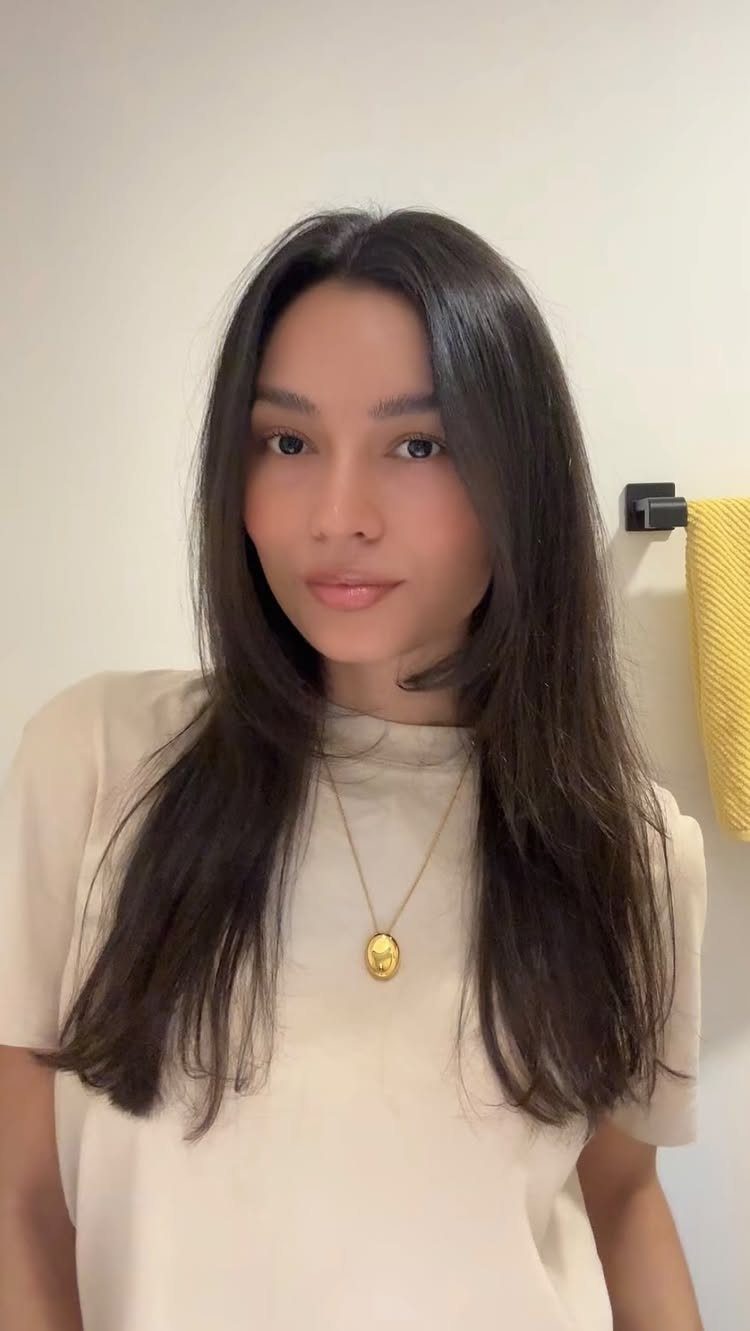
Dividing the hair straight down the center highlights the symmetry an oval face already has. The part runs from the front hairline to the crown, and the hair falls evenly on both sides.
Long hair shows the part most clearly, but it works at any length.
Comb the hair damp and let the part set as it dries, or blow-dry each side forward to keep it sharp. Layers or no layers, the middle part keeps the proportions balanced and the face open.
Oval Face Versatility
Oval faces have balanced proportions and natural symmetry, which means most lengths, textures, parts, and bangs will work without throwing the proportions off.
Hairstylist Sunnie Brook says oval faces give you room to experiment. A sharp bob, cascading layers, or a long shag will all stay in proportion.
Your own preference still decides which one you actually want to wear. Just because a cut can work doesn’t mean it suits your hair texture or the time you want to spend styling it each morning.
Pick a cut that works with your hair’s texture and the proportions take care of themselves. Focus on styles that highlight symmetry rather than trying to correct or alter what’s already there.
Texture and Styling Choices
All textures work with an oval face.
Straight hair emphasizes symmetry, while curls and waves add romance and movement. Celebrity hairstylist Charlotte Mensah suggests introducing movement through curls, waves, or subtle layering to maintain balance.
Fine hair benefits from textured lobs and airy layers, which add body without extra bulk. Soft layers through long straight hair keep it from going flat, and balayage makes it read fuller.
Whatever your natural texture, styling follows it.
Pin-straight hair reads clean and structured, wavy textures feel softer, and curly hair brings dimension. The cut should work with the pattern you already have rather than fighting it.
“Introducing movement, whether through curls, waves, or subtle layering, helps to maintain balance in an oval face,” explains celebrity hairstylist Charlotte Mensah.
— Vogue
Maintenance and Balance
Bangs and bobs need trims every 4 to 6 weeks to hold their shape.
Curtain bangs need fewer trims than blunt fringe and grow into the lengths instead of forming a hard line. A wispy fringe is one of the lowest maintenance options if you want to try bangs without heavy upkeep.
Very long hair without any layering can make the face look pulled downward.
Heavy, wide fringes can dominate an oval face instead of framing it. Tailor the cut to your texture and the amount of maintenance you’re willing to do.
Curtain bangs frame the eyes and cheekbones while leaving the center of the face open.
A pass with a round brush or flat iron bends them into shape, though you will need regular trims to keep them from crossing into your sight line.
Frequently Asked Questions
What haircut suits an oval face?
Most cuts work: textured pixies, blunt bobs, long layers, shags, lobs, and curtain bangs all stay in proportion.
The balanced structure means you can choose by texture and daily styling time rather than worrying about correcting the shape. The shape takes care of itself if the cut matches what your hair does naturally.
What to avoid with an oval face shape?
Heavy, wide fringes can dominate instead of framing, and very long hair with no layers or movement can drag the face downward.
Do oval faces look better with short or long hair?
Both work. Pixies, bobs, shoulder-length cuts, and long layers all suit the proportions.