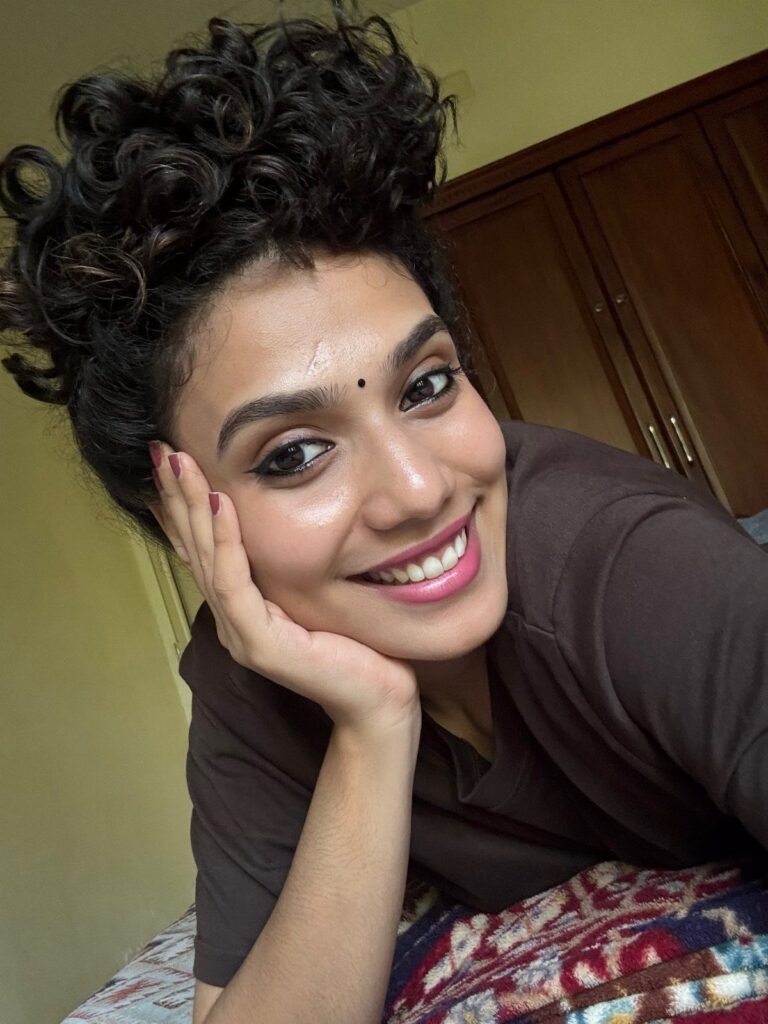
These ringlets coil tight enough that most styles either lean into the volume or use a cut that keeps the shape compact.
The single thing that decides which style fits is how much time you have in the morning: a pineapple takes seconds to undo and fluff, a bob air-dries faster than longer lengths, and double braids or twists protect ends for days.
Shrinkage can cut apparent length by half or more once the hair dries, so styles that look compact when finished often start with more length than you expect.
1. Bright Red 3B Hair
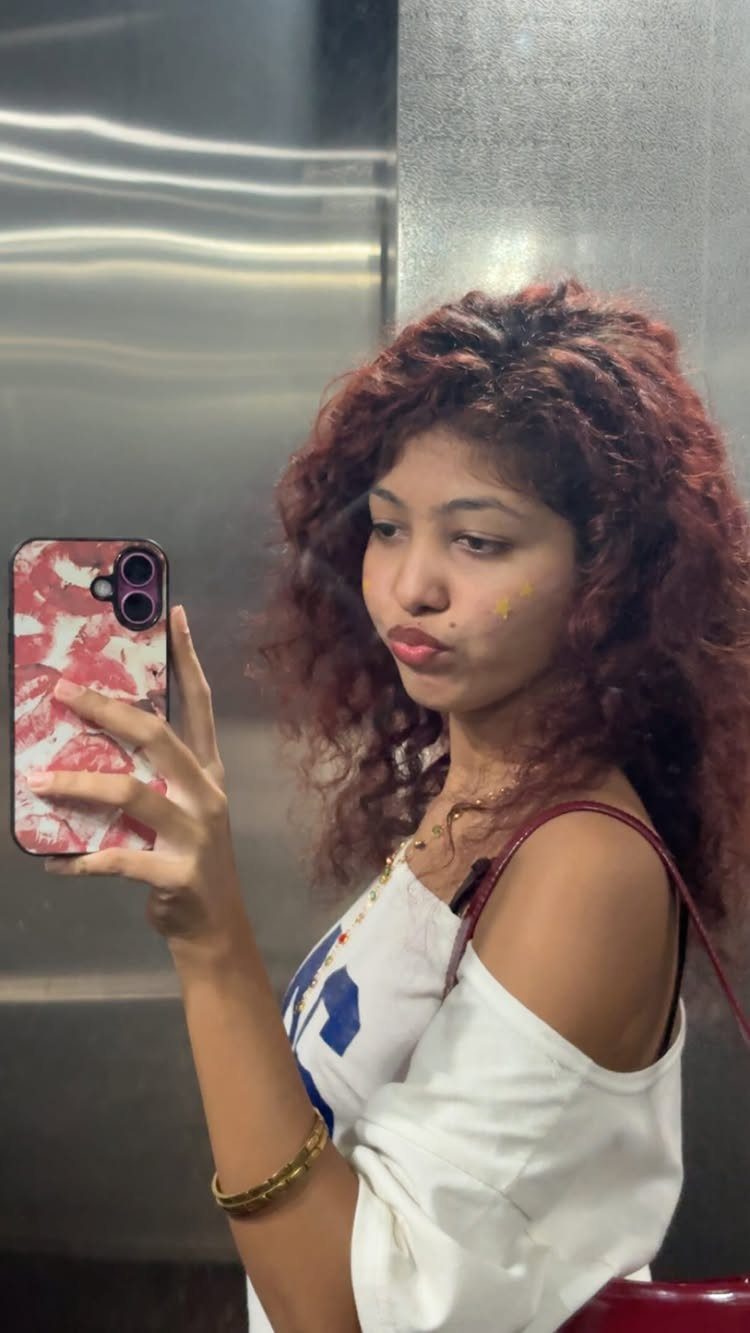
A vivid red dye lifts natural brown or black curls into attention-grabbing territory without flattening texture.
The color sits on top of the curl pattern rather than fighting it, so each coil catches light differently and the whole head reads as dimensional.
Box dye rarely delivers this kind of saturation on dark 3B hair.
A salon colorist can lift and tone in one session, though upkeep means regular root refreshes and a color-safe sulfate-free shampoo to keep the red from fading to orange.
2. Curly Bob
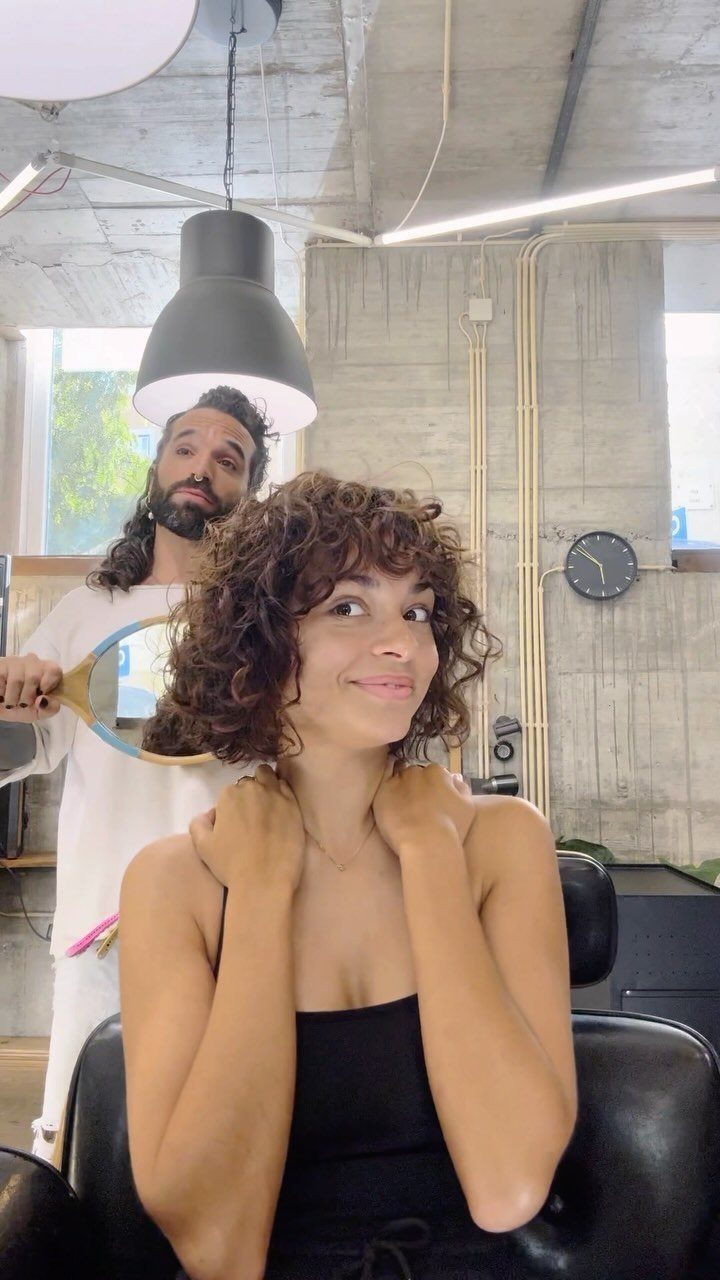
Chin-length or just-past-chin bobs let 3B curls spring into a compact, rounded silhouette that needs less detangling than longer lengths. The cut removes weight, so curls bounce higher and dry faster.
Ask for blunt or slightly layered ends depending on whether you want maximum fullness or a softer perimeter.
Most stylists cut curly bobs dry so they can see how each section will spring back. Plan for regular trims to keep the shape from growing into a triangle.
3. Curly Bangs
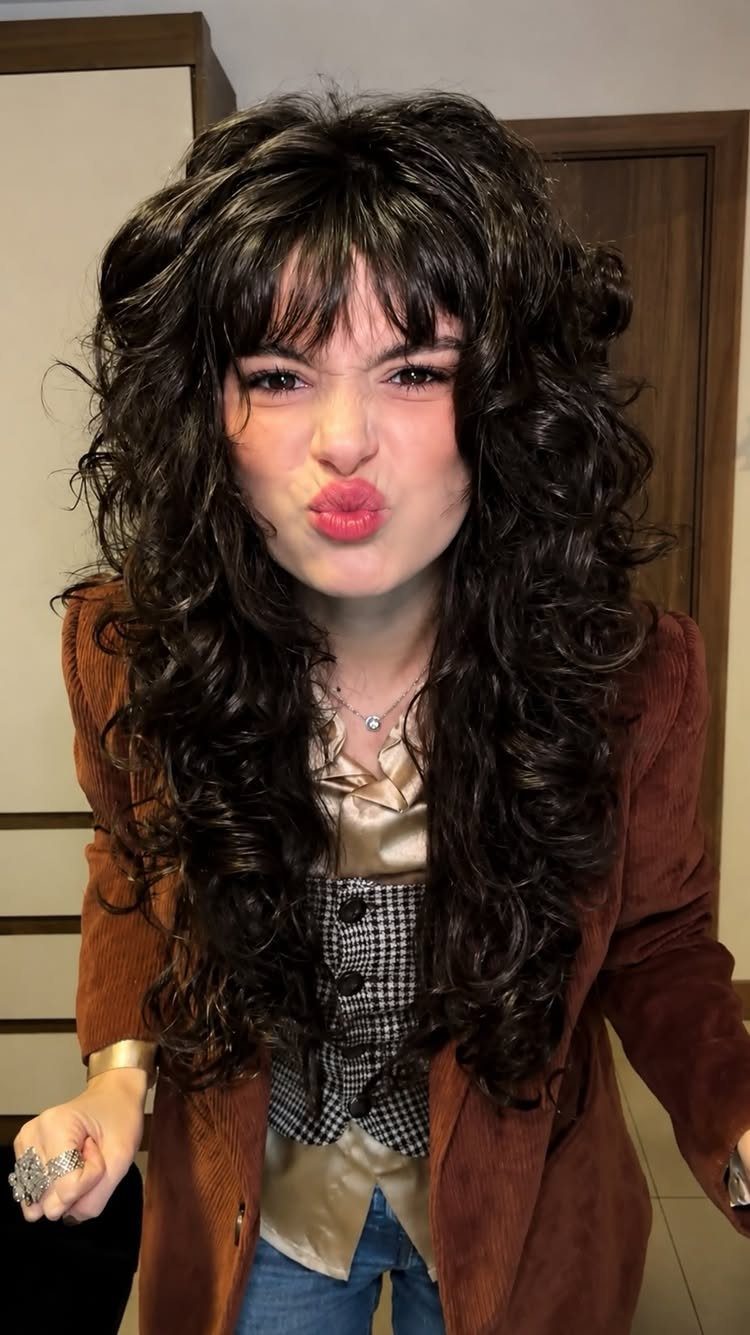
Face-framing curls cut shorter across the forehead pull attention straight to the eyes and break up a long forehead. The bangs can sit just above the brows or graze them, depending on how much coverage you want.
Curly bangs shrink as they dry, so a stylist cutting them should leave at least an inch more length than the final look.
Between trims, mist them in the morning to reactivate curl cream and reshape any pieces that dried flat. If they grow too long before your next cut, pin them back rather than trimming them yourself.
4. Rounded Layered Cut
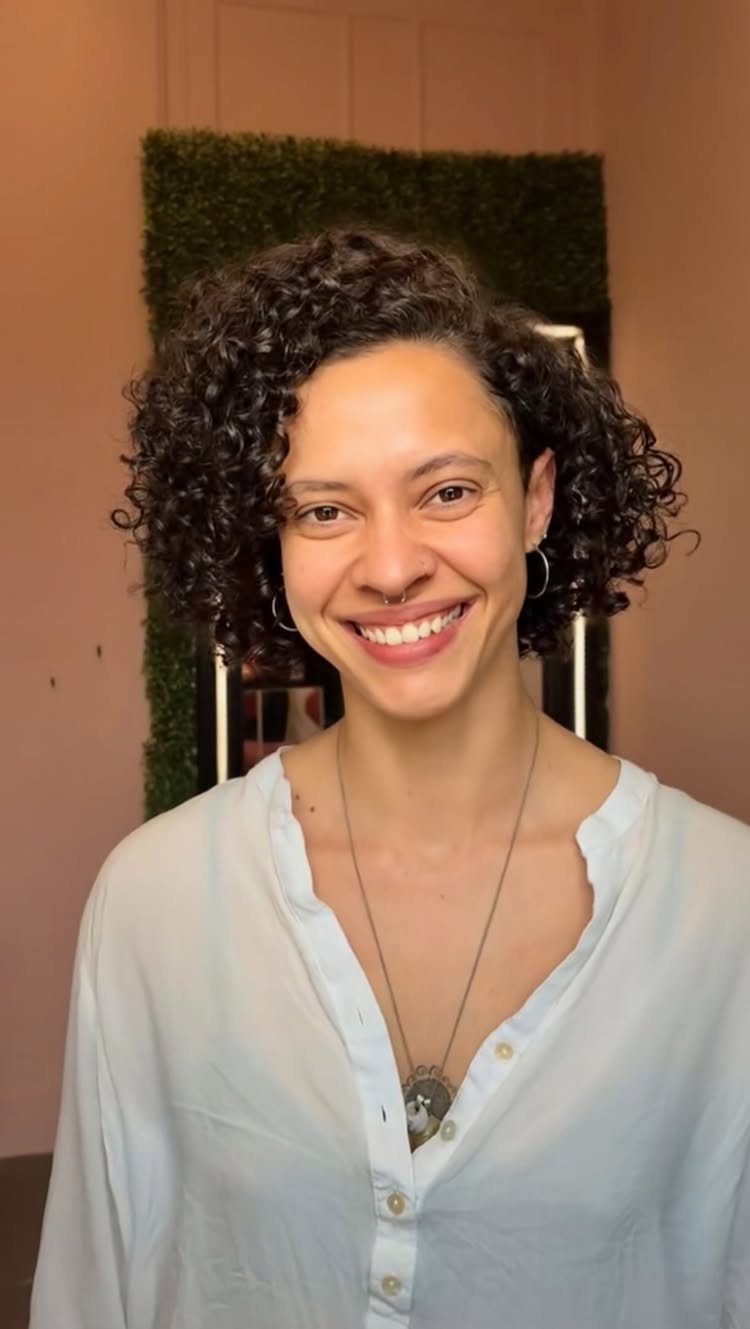
Layers cut to create a rounded outline tame the pyramid shape 3B hair sometimes takes on as it grows.
The stylist removes bulk at the bottom and adds slightly shorter pieces through the crown and sides, so the head reads as one cohesive sphere rather than a flat top with heavy ends.
This cut works best on shoulder-length or shorter hair, where the layers can lift without creating stringy ends. It holds its shape for a while before the weight returns and the round silhouette starts to flatten.
5. Pineapple Hairstyle
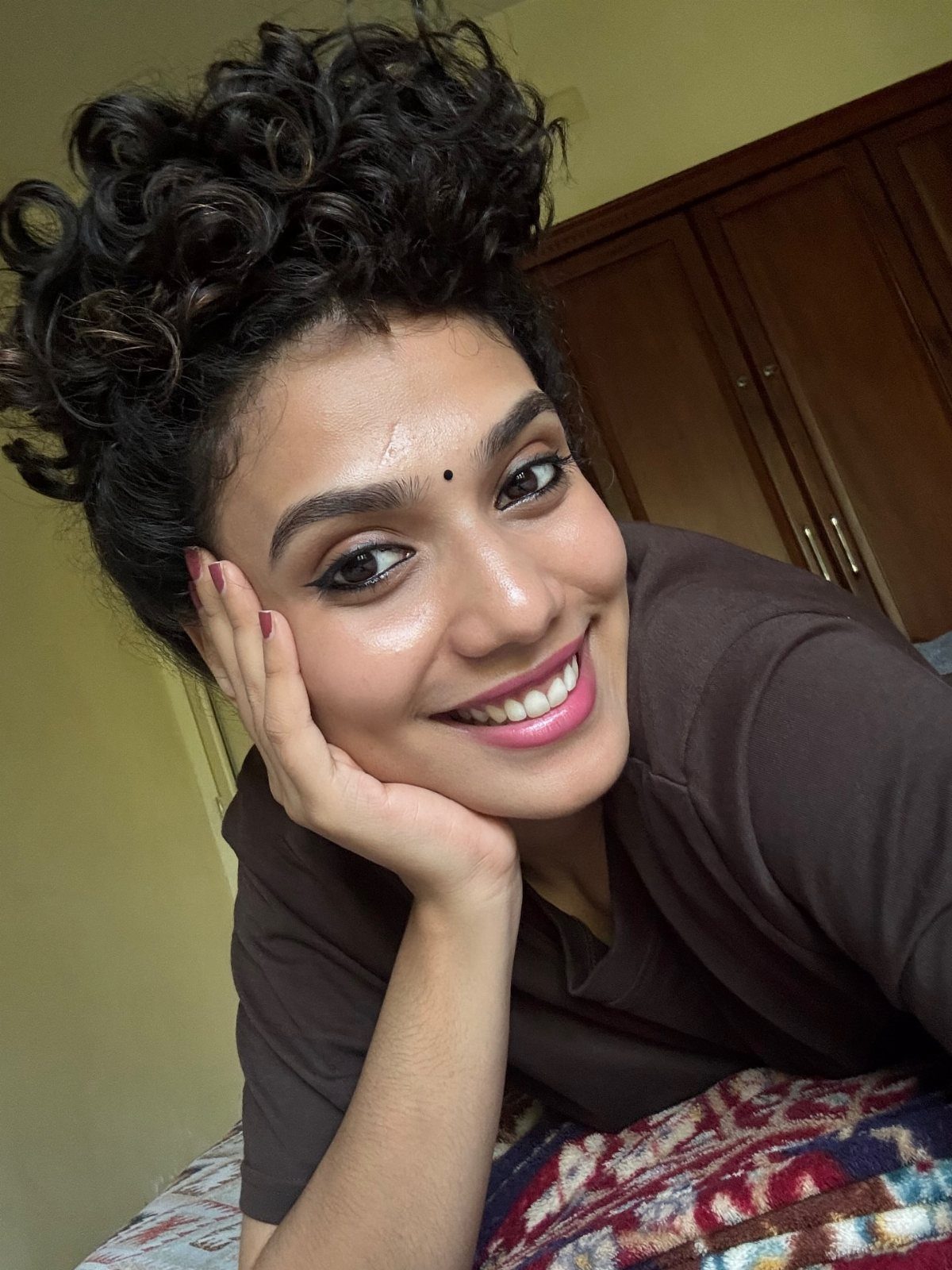
Gathering all the hair into a loose, high ponytail at the crown keeps curls from getting crushed overnight and makes morning refresh faster.
The ponytail should sit loose enough that it doesn’t pull or create a dent, just holds the curls up and away from the pillowcase.
Most people use a satin scrunchie or a fabric-covered elastic to avoid creasing.
In the morning, take the tie out, flip your head upside down, and shake or fluff at the roots. A light mist of water or curl refresher spray brings back any pieces that dried flat.
6. Bantu Knots
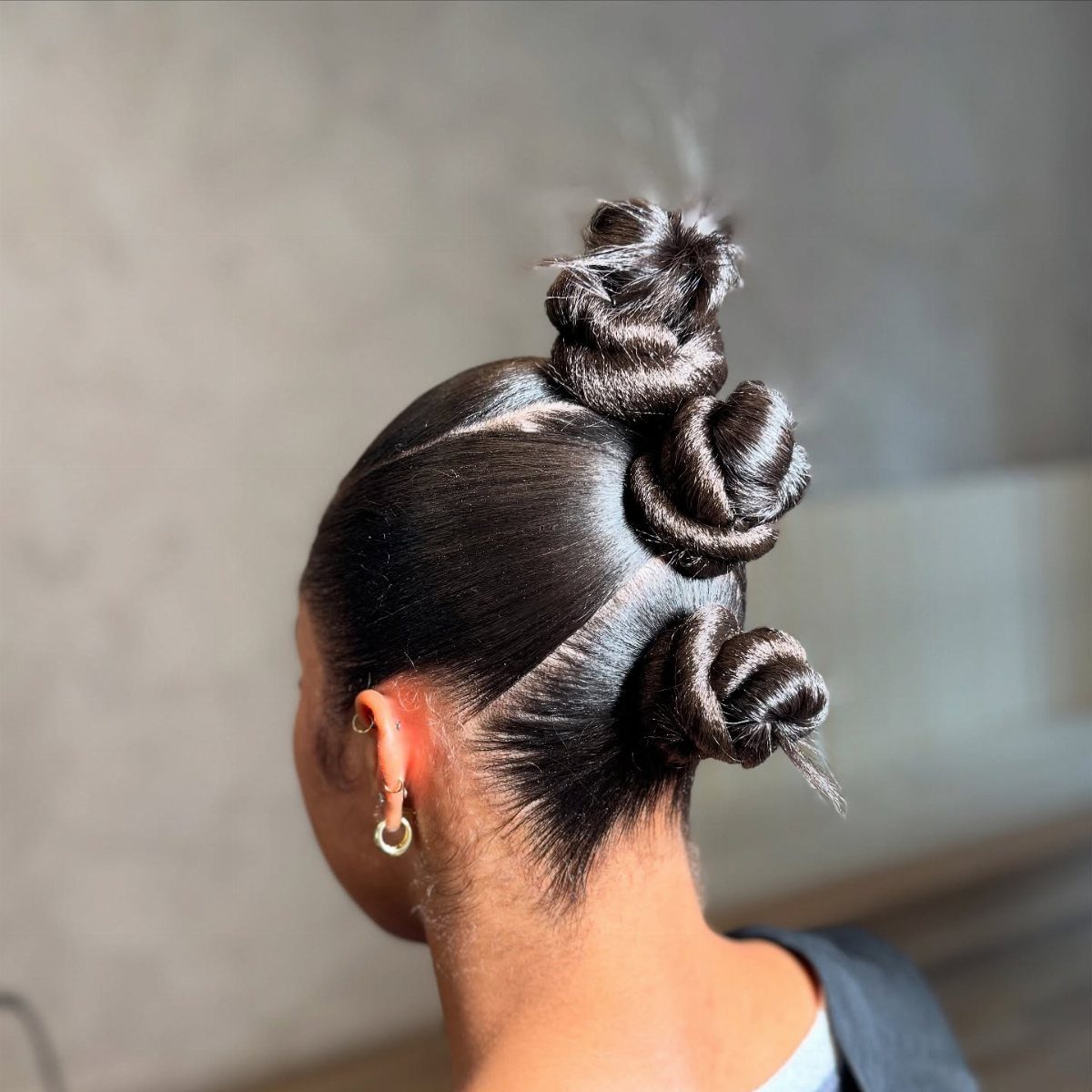
Twisting small sections of hair into tight coils and wrapping them flat against the scalp creates sculptural knots that protect ends and stretch curls at the same time.
When you take the knots out after a day or overnight, the hair unravels into a looser, more defined wave pattern than it started with.
Smaller knots give tighter waves when undone; larger ones create soft, elongated curls. Sleep in a satin bonnet to keep the knots from unraveling or frizzing before you’re ready.
7. Sleek Curly Style
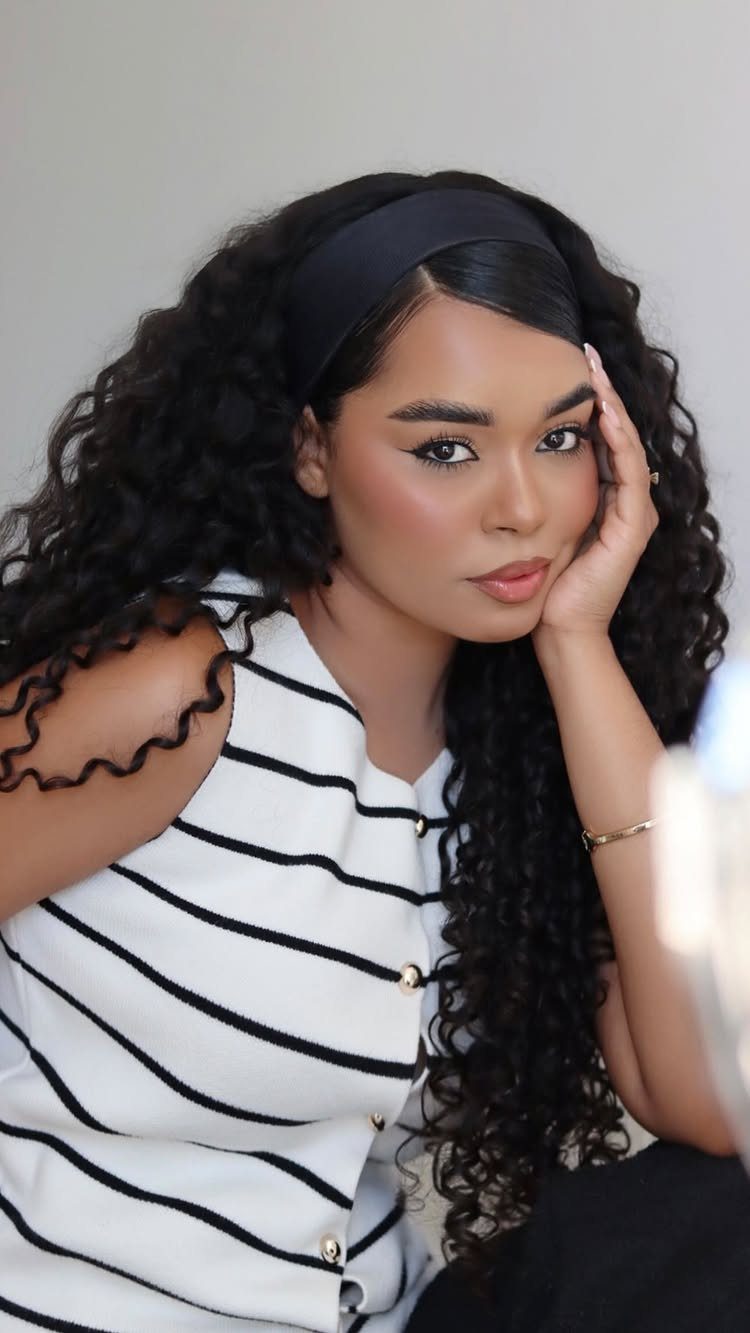
Smoothing the roots and crown with a flat iron or edge control gel while leaving the rest of the hair curly creates a sleek top half and a textured bottom half in one style.
The contrast reads polished without requiring heat or product through every curl.
Use a low heat setting if flat ironing, and work in small sections so each one lies smooth against the head.
A center part or side part both work. The curls below shoulder level keep their spring, so only the roots and mid-lengths need attention in the morning.
8. Headscarf Style
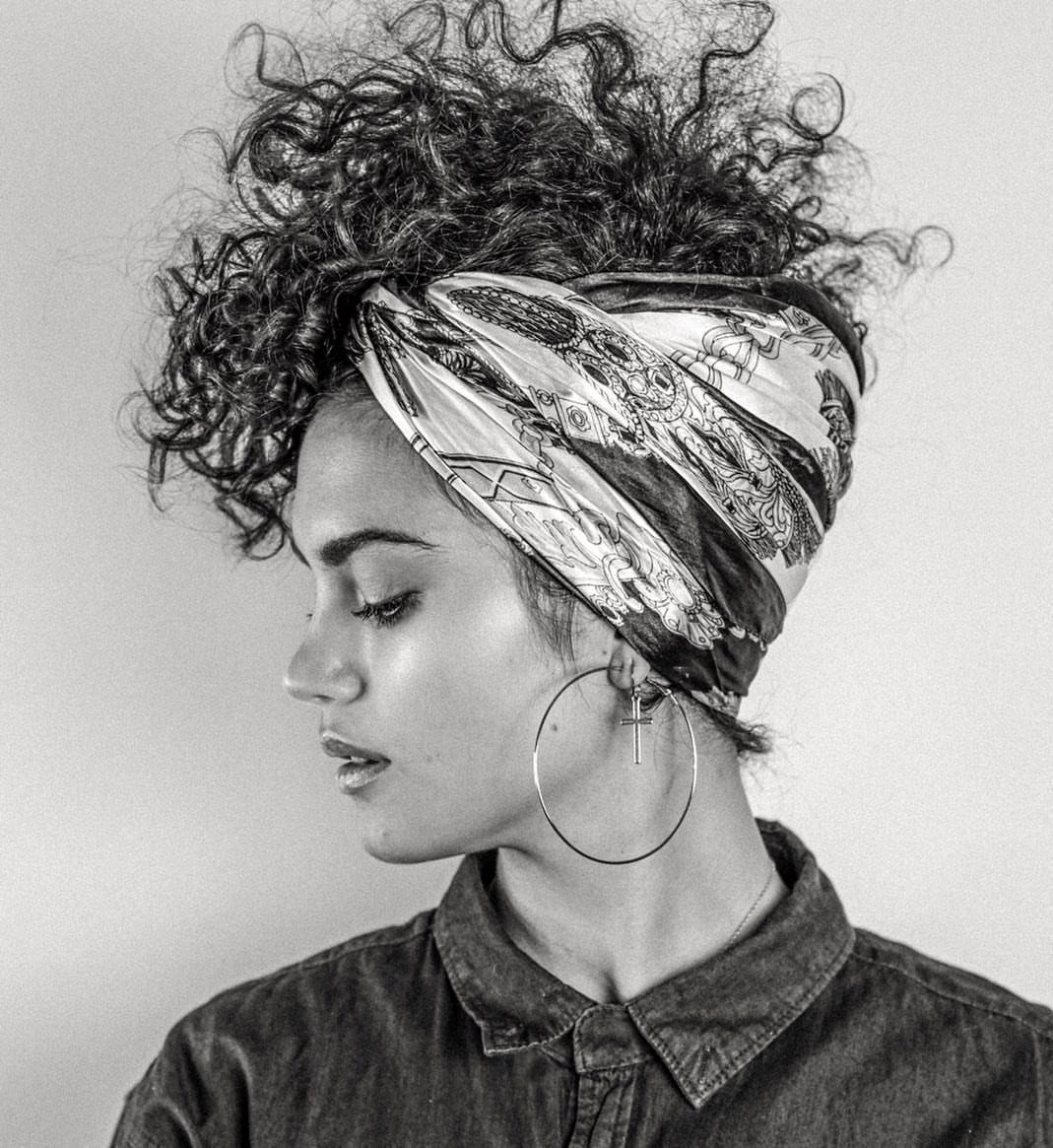
Wrapping a printed or solid scarf around the hairline and tying it at the nape or crown covers new growth, protects edges, and adds color without changing the curl pattern.
Silk or satin scarves slide less than cotton and cause less friction against curls.
Fold the scarf into a long strip, wrap it around the head with the curls loose behind it, and tie the ends in a knot or bow. The curls stay visible and the scarf frames them.
9. Mini Knots
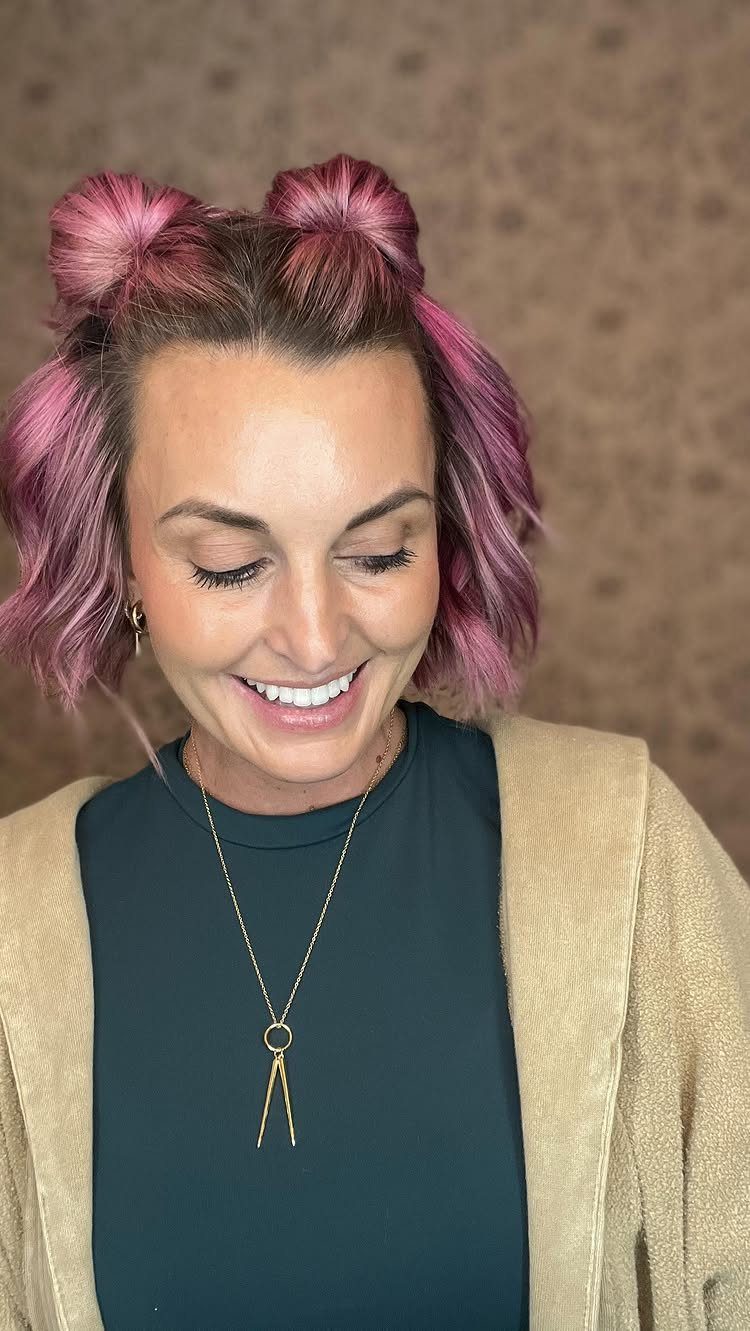
Twisting 2 small sections of hair near the crown and wrapping them into tiny buns pulls hair off the face while leaving most of the length loose.
The knots sit symmetrical on either side of a center part and hold without pins if the hair is long enough to twist and tuck.
Spray each section lightly with water or curl cream before twisting so the knots stay tight and the ends don’t frizz.
The knots can sit higher near the crown or lower toward the temples, depending on where you want the lift.
10. Defined Curls
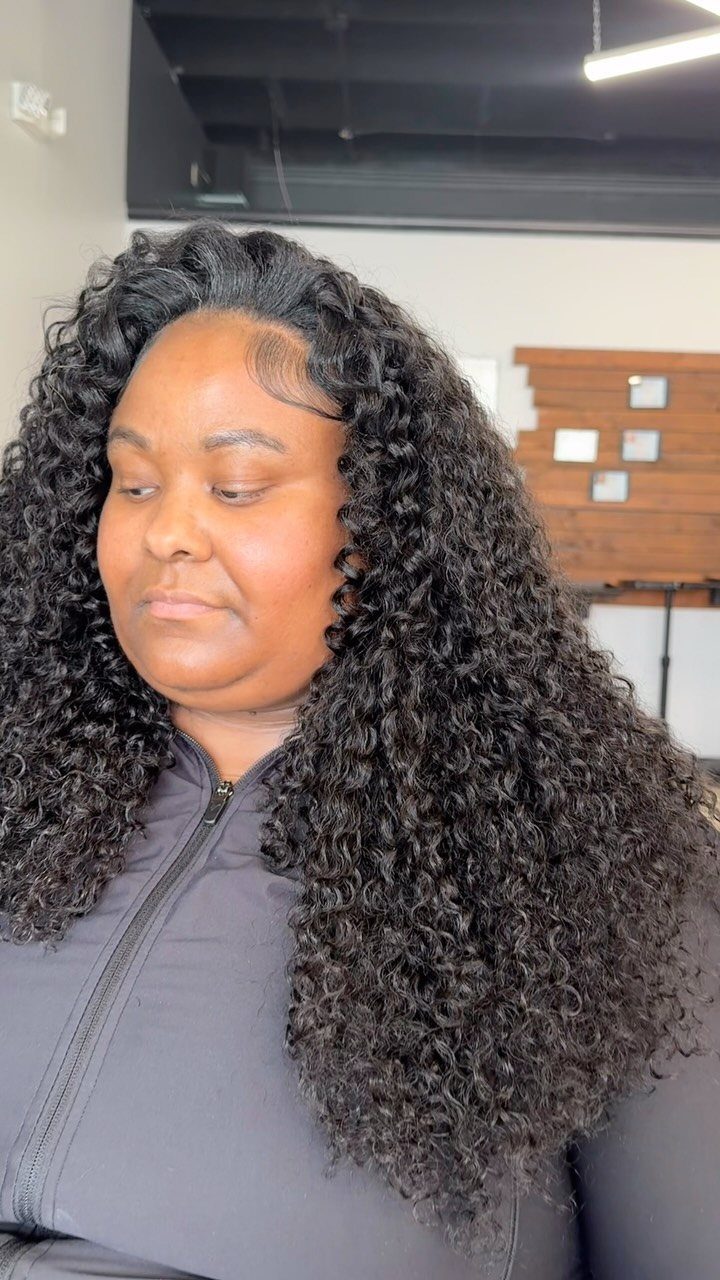
Applying a lightweight gel or mousse while the hair is soaking wet, then scrunching and air-drying or diffusing, brings out each individual curl and cuts down on frizz.
The product coats the hair shaft without weighing down the curl, so the pattern stays springy.
Rake the product through in sections, then scrunch upward from the ends to encourage clumping.
Once the hair dries completely, scrunch again to break the gel cast and soften the curls. This method works on any length but takes longer to dry on hair past the shoulders.
11. Half-Up Style
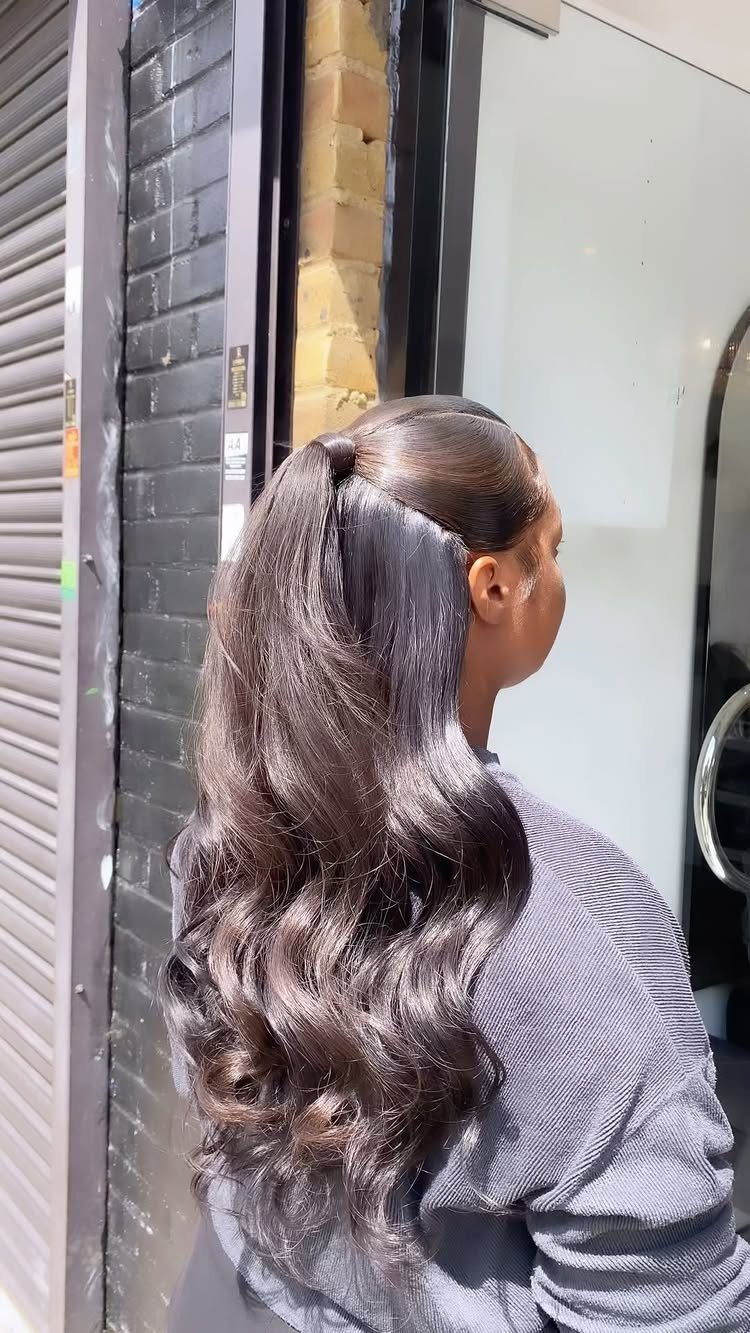
Pulling the top section of hair back into a small ponytail or clip at the crown clears the face and adds height while the rest of the curls hang loose.
The gathered section can be as small as the front corner pieces or as large as everything above the ears.
A fabric-covered elastic or claw clip holds the section without denting it. The style works on second-day hair when the curls at the crown have flattened overnight, since pulling them up restores volume at the roots.
12. High Bun
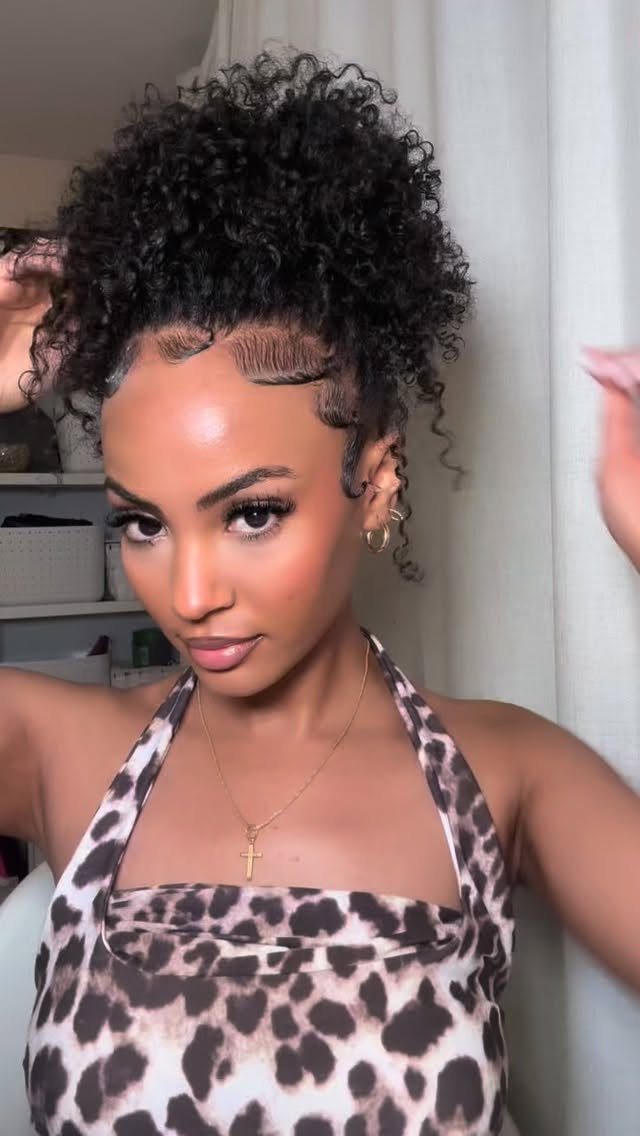
Gathering all the curls into a ponytail at the crown and wrapping the tail around the base creates a high bun that lifts curls off the neck and shoulders.
The bun can sit tight and compact or loose and voluminous, depending on how much you pull the curls through the elastic.
Smooth the edges with a brush and gel before gathering the ponytail, then wrap the curls loosely around the base and secure with another elastic or a few pins.
The bun holds better on second-day hair when the curls have stretched slightly.
13. Ombré 3B Hair
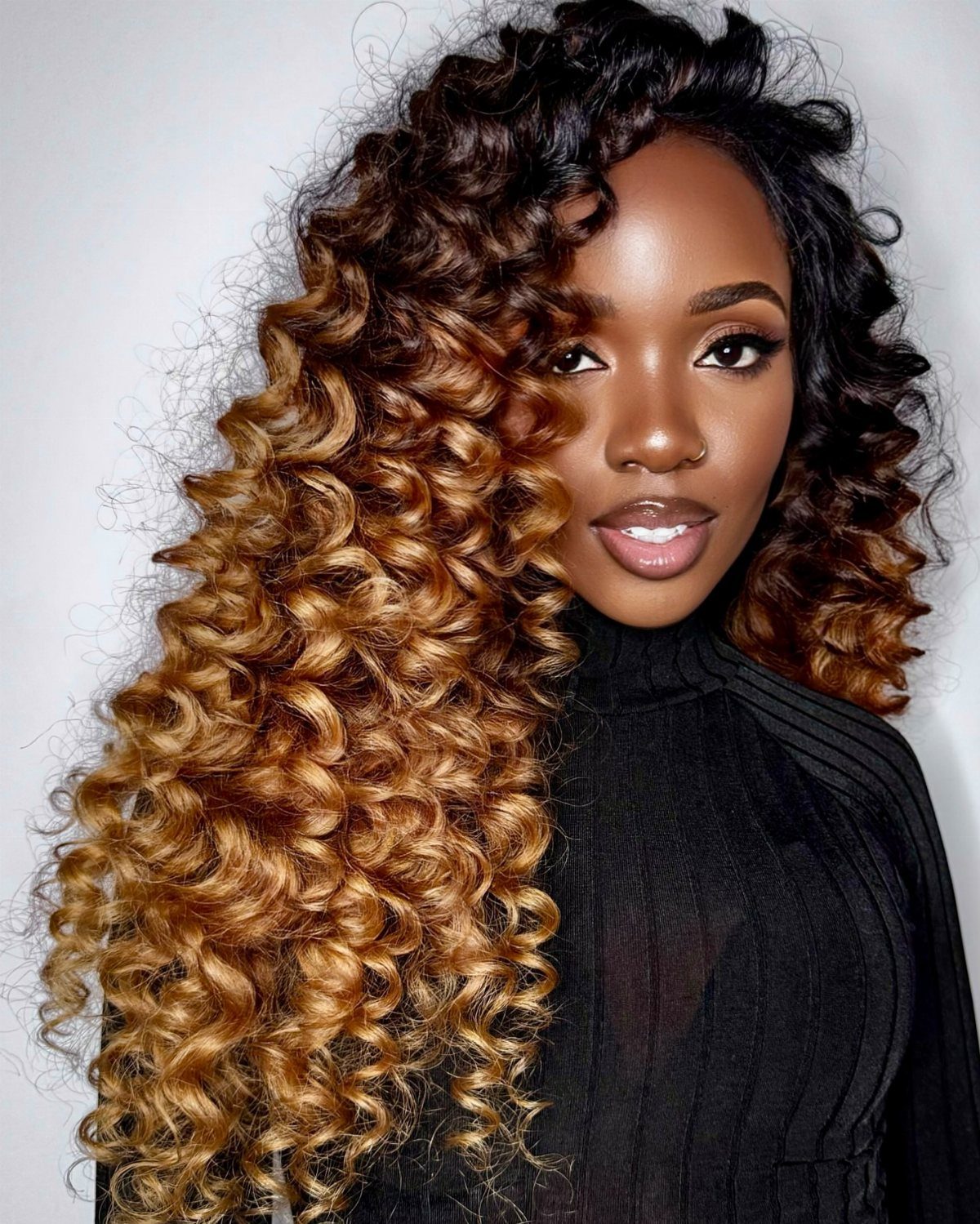
Darker roots that fade into honey or caramel ends add depth to long 3B curls without a full commitment to bleach. The gradient follows the curl pattern downward, so each coil shows its own shade shift.
Most colorists blend the transition gradually to keep it from reading as a sharp line. On dark hair, lifting the ends to blonde takes multiple sessions and a bond-protecting treatment between each one.
The roots grow out without needing a touch-up, though the blonde ends fade faster and need purple shampoo to keep from turning brassy.
14. Double Braids
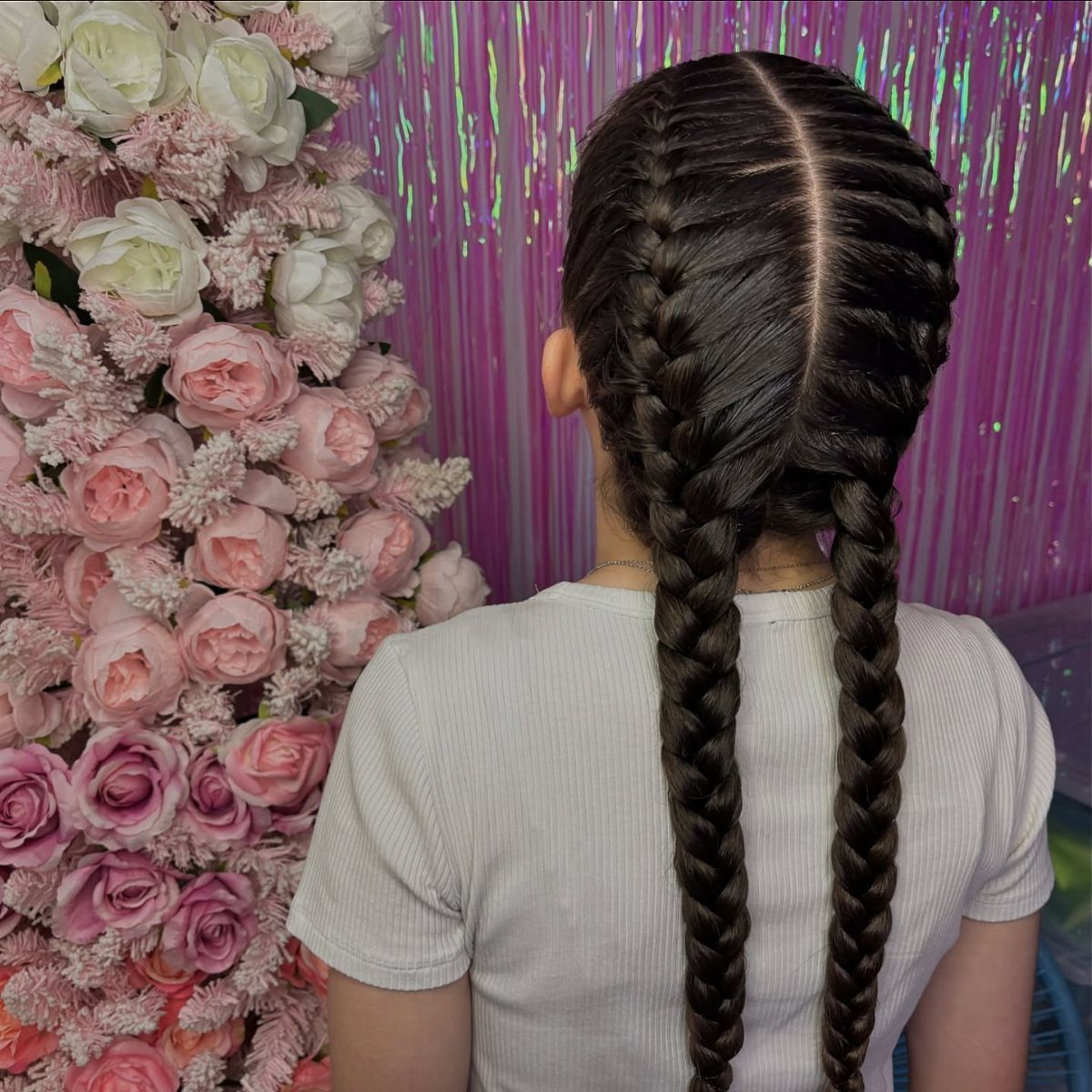
2 braids split from a center part keep curls contained for days without heat or product.
Dutch braids sit raised on top of the head, French braids lie flat, and simple three-strand plaits work when you need the hair out of the way fast.
Start each braid at the part and work downward, keeping tension even so one side doesn’t sit tighter than the other. Secure the ends with small elastics.
15. Easy Twists
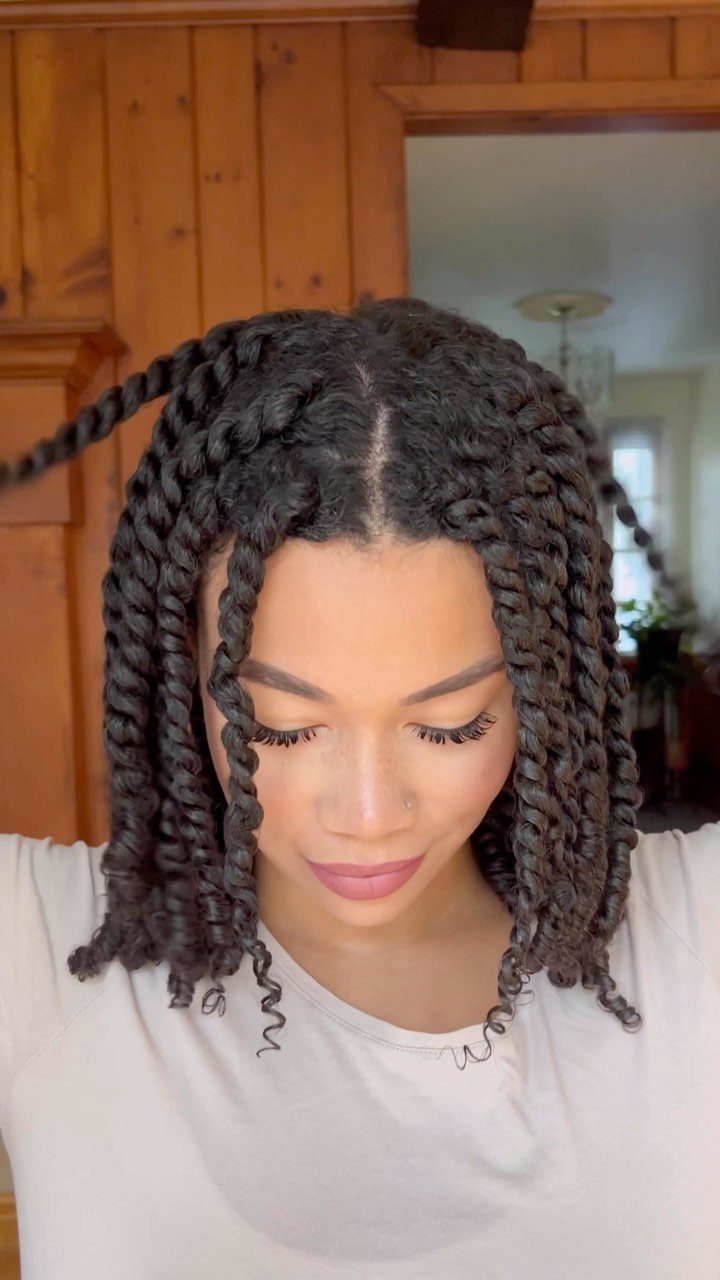
Two-strand twists separate the hair into manageable sections that hold their shape for days and unravel into soft, elongated curls when you take them out.
Each twist starts at the root and spirals down to the ends, so the whole head stays defined without heat.
Work on damp hair with a leave-in conditioner or curl cream to keep the twists from frizzing. Twist each section clockwise, then wrap the 2 sections around each other counterclockwise so they lock in place.
16. Long Auburn Curls
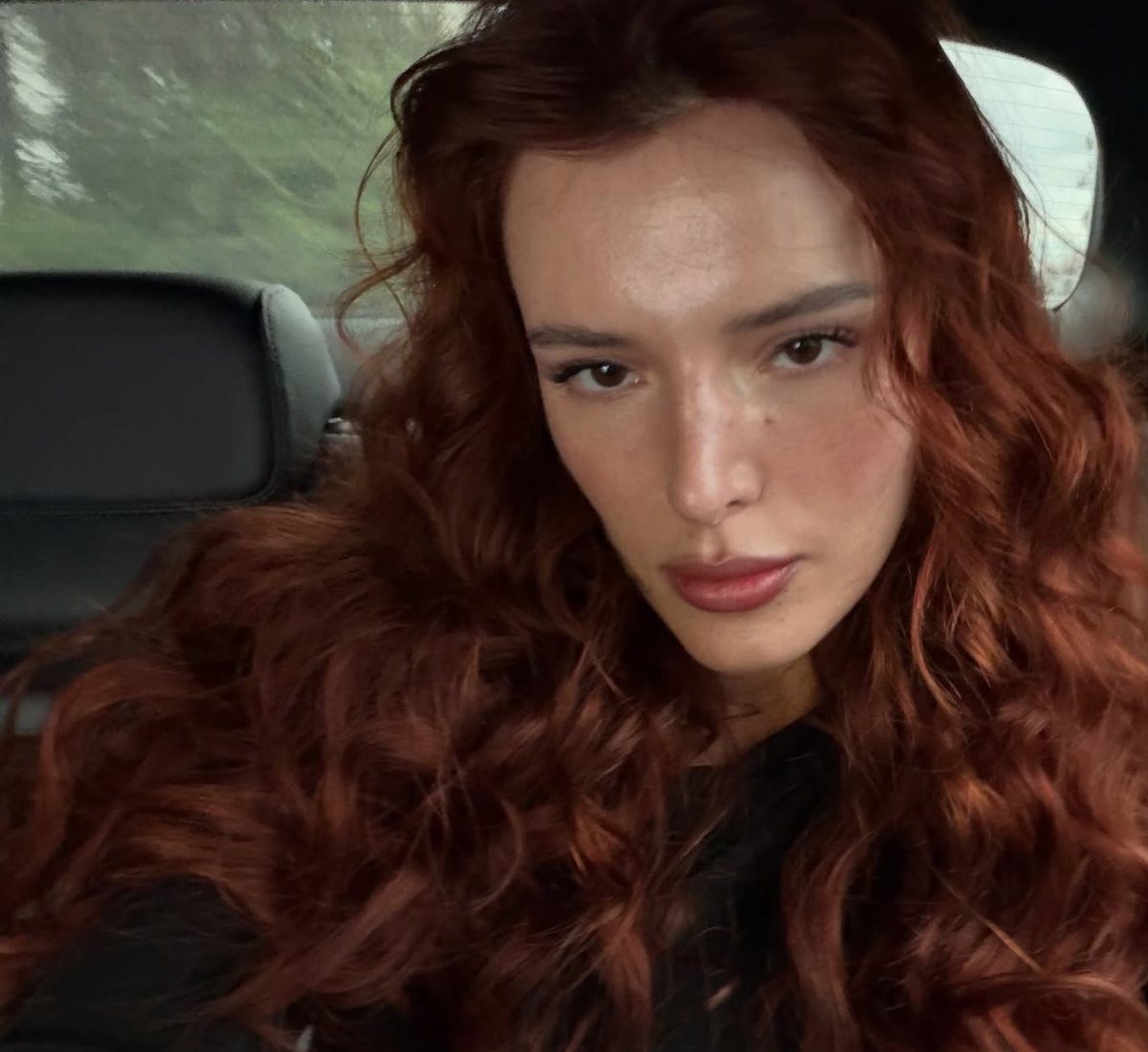
Auburn dye warms up natural brown curls with red-orange tones that catch light and make long 3B hair look thicker than it is. The color reads as natural rather than costume, so it suits everyday wear.
A salon colorist can match the right shade of auburn to your skin tone, since some lean more red and others pull closer to copper.
The color fades gradually rather than turning an obvious off-shade, so touch-ups can stretch to every 8 weeks if you use a color-safe shampoo between visits.
17. Loose Gathered Curls
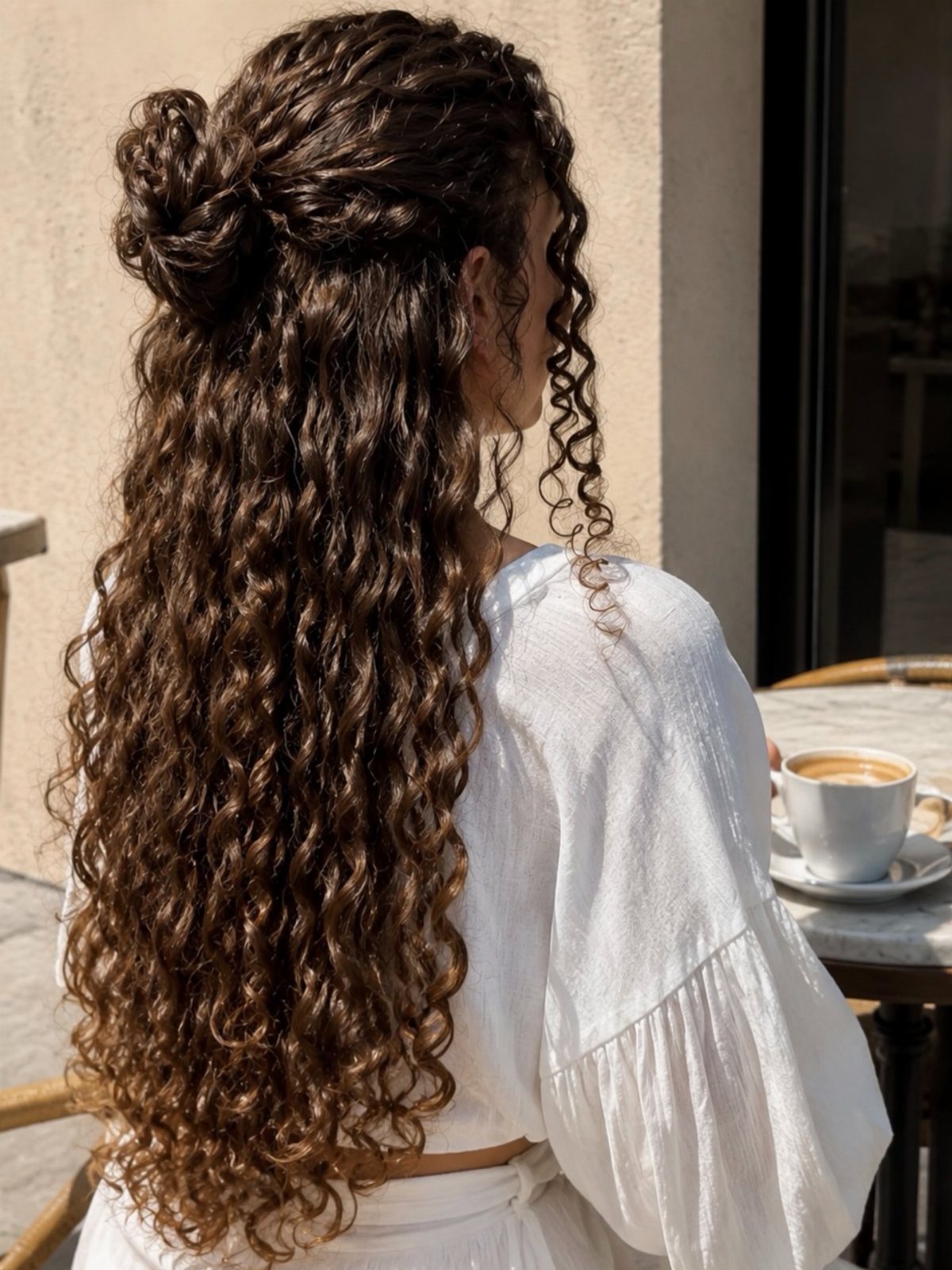
Pulling the front and crown sections back with a clip or elastic while leaving the rest loose clears the face and keeps curls off the neck without shortening the visible length.
The gathered section sits at the back of the head rather than at the crown, so the style reads casual and low.
The style works on day two or three when the front curls have lost their bounce but the back still holds its shape. Spray the gathered section lightly with water to smooth any frizz before clipping it.
18. Highlighted Curls
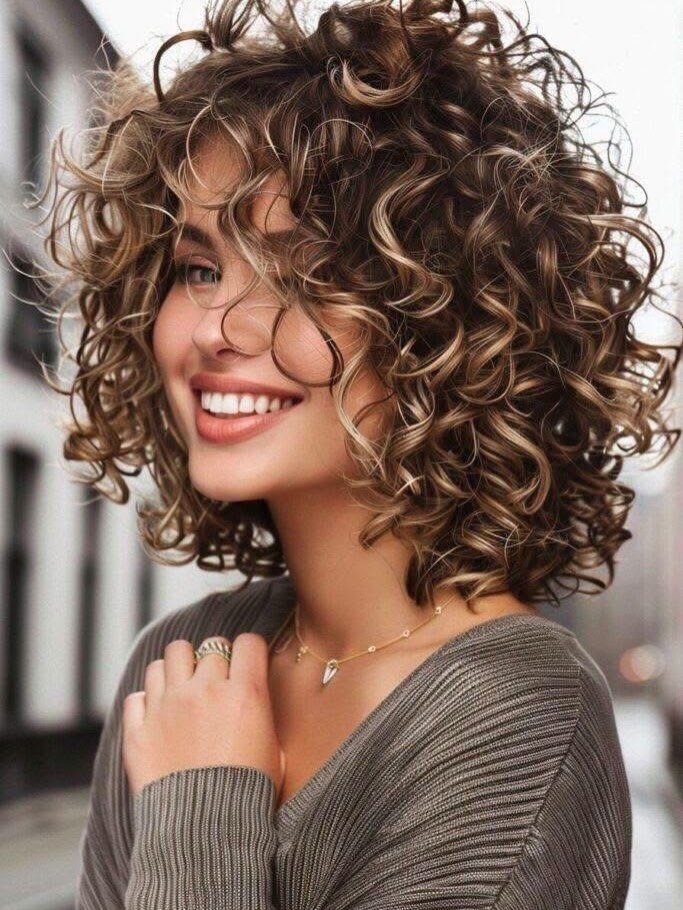
Lighter pieces woven through the mid-lengths and ends of brown 3B curls add dimension without covering the base color. Highlights lift a few shades at most, so the contrast stays soft and the curls look sun-touched rather than striped.
Foil highlights let the colorist control placement and keep the lightener off the scalp. Balayage painted freehand creates a more gradual blend but takes longer to apply.
Both methods need a toner after lifting to keep the highlights from turning brassy. Plan for a refresh as the highlights fade and new growth comes in.
19. Curly High Ponytail
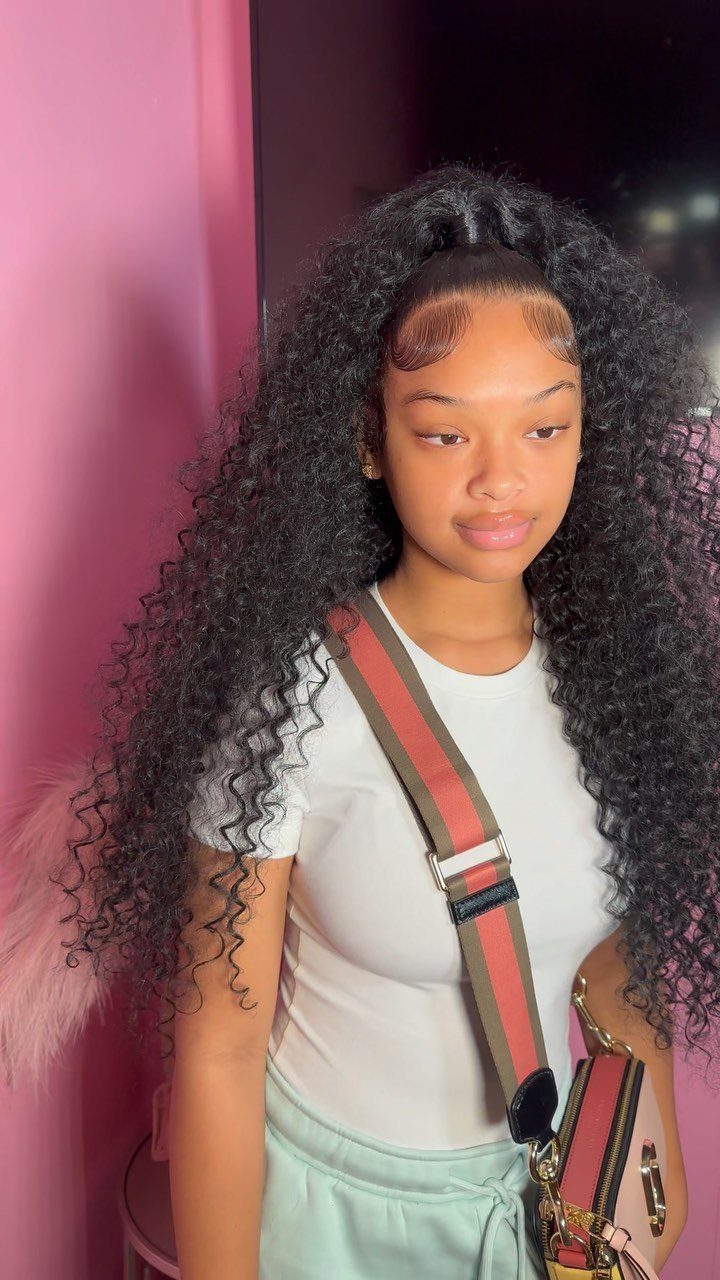
Gathering long 3B curls into a single high ponytail at the crown lifts the hair off the neck and back while the length stays visible and the curls keep their bounce.
The height makes the curls read as a feature rather than something tied back out of the way.
Smooth the edges with gel or a brush before gathering the ponytail so flyaways don’t stand out. A fabric-covered elastic holds without denting, and wrapping one curl around the base hides the tie.
20. Curly Updo with Tendrils
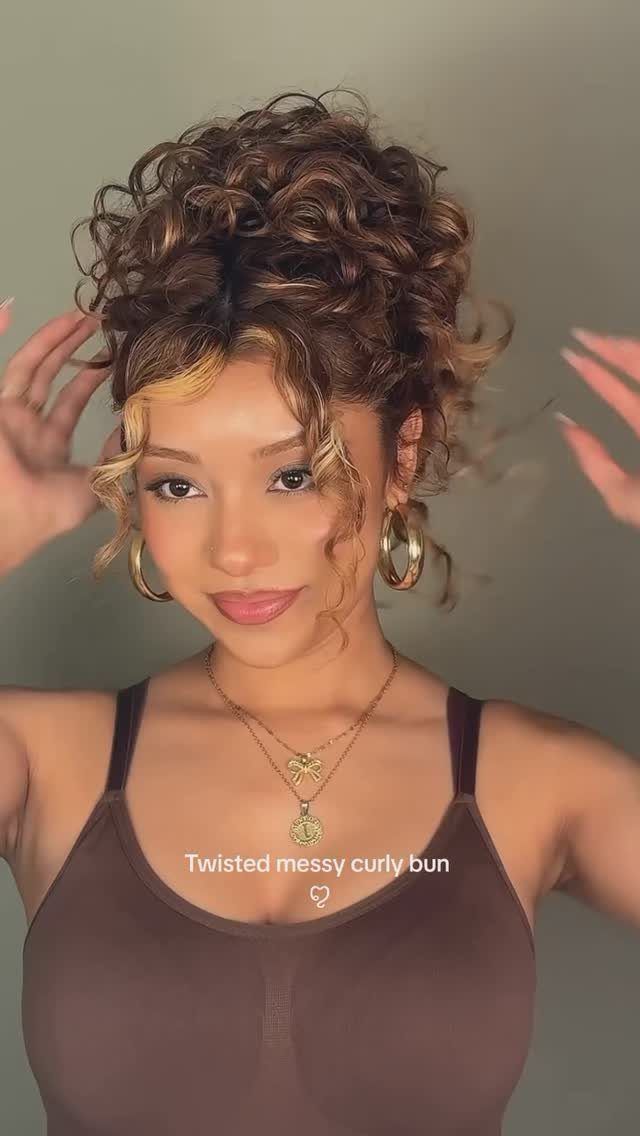
Twisting sections of hair and pinning them loosely at the crown creates a voluminous bun with a few curls left out to frame the face.
The pinned sections sit loose rather than flat, so the updo reads textured and soft instead of tightly controlled.
Leave 2 or 3 curls on each side free before gathering the rest.
Pin the twisted sections in place with bobby pins that match your hair color, tucking the ends so they don’t stick out. Hair that has relaxed overnight twists more easily and locks into place without fighting back.
21. Shoulder-length Ringlets
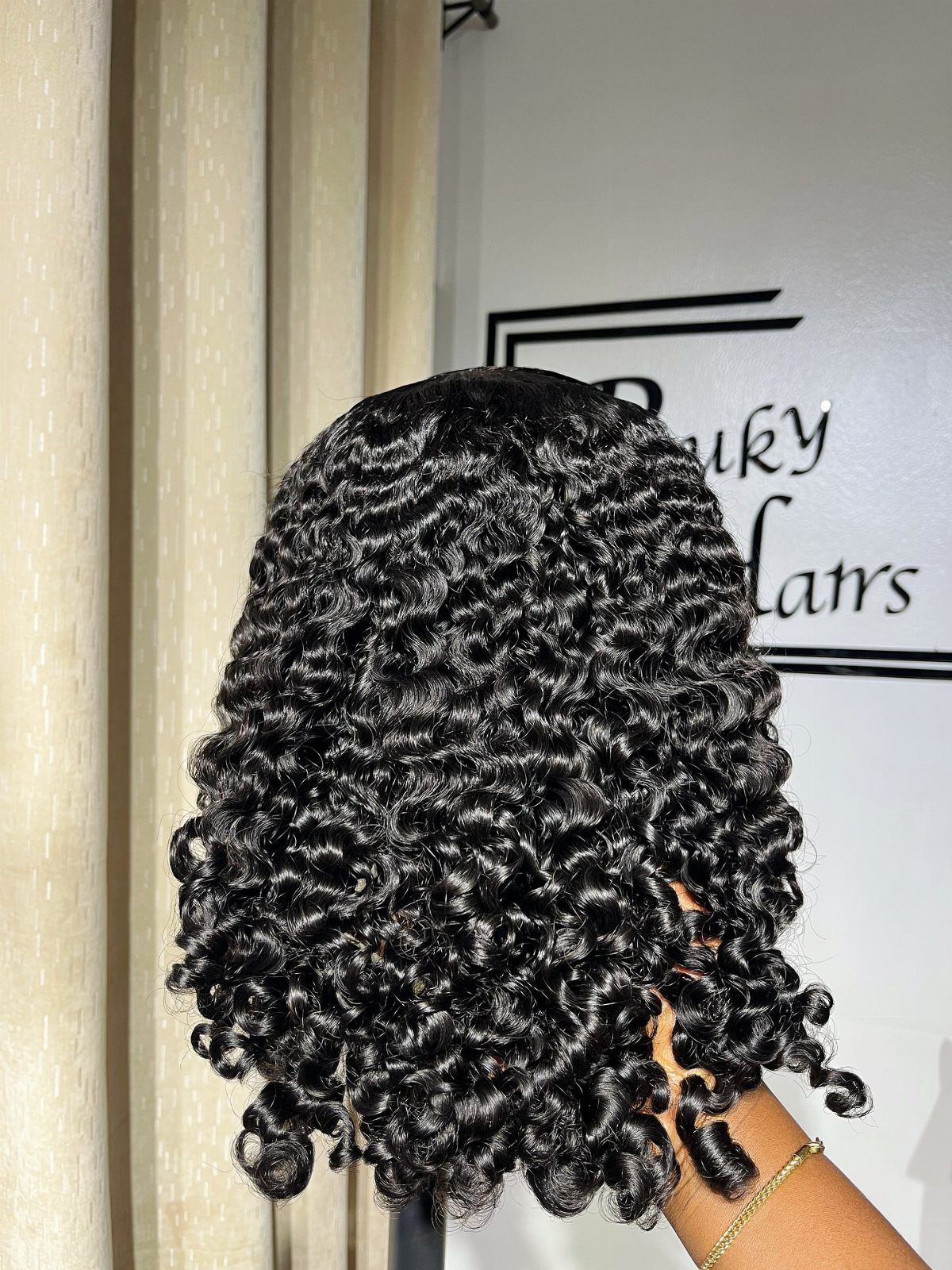
Shoulder-length ringlets cut to one even length create a compact, uniform silhouette that shows off 3B curl definition without the weight of longer hair pulling the pattern loose.
The curls spring tighter and sit glossy when the ends are healthy and the hair is well-moisturized.
Conditioner on wet hair followed by gel seals in moisture and stops the spirals from clumping together.
Air-drying takes less time at this length than on hair past the shoulders, and diffusing speeds it up further without adding frizz if you use low heat.
22. Curly Double Buns
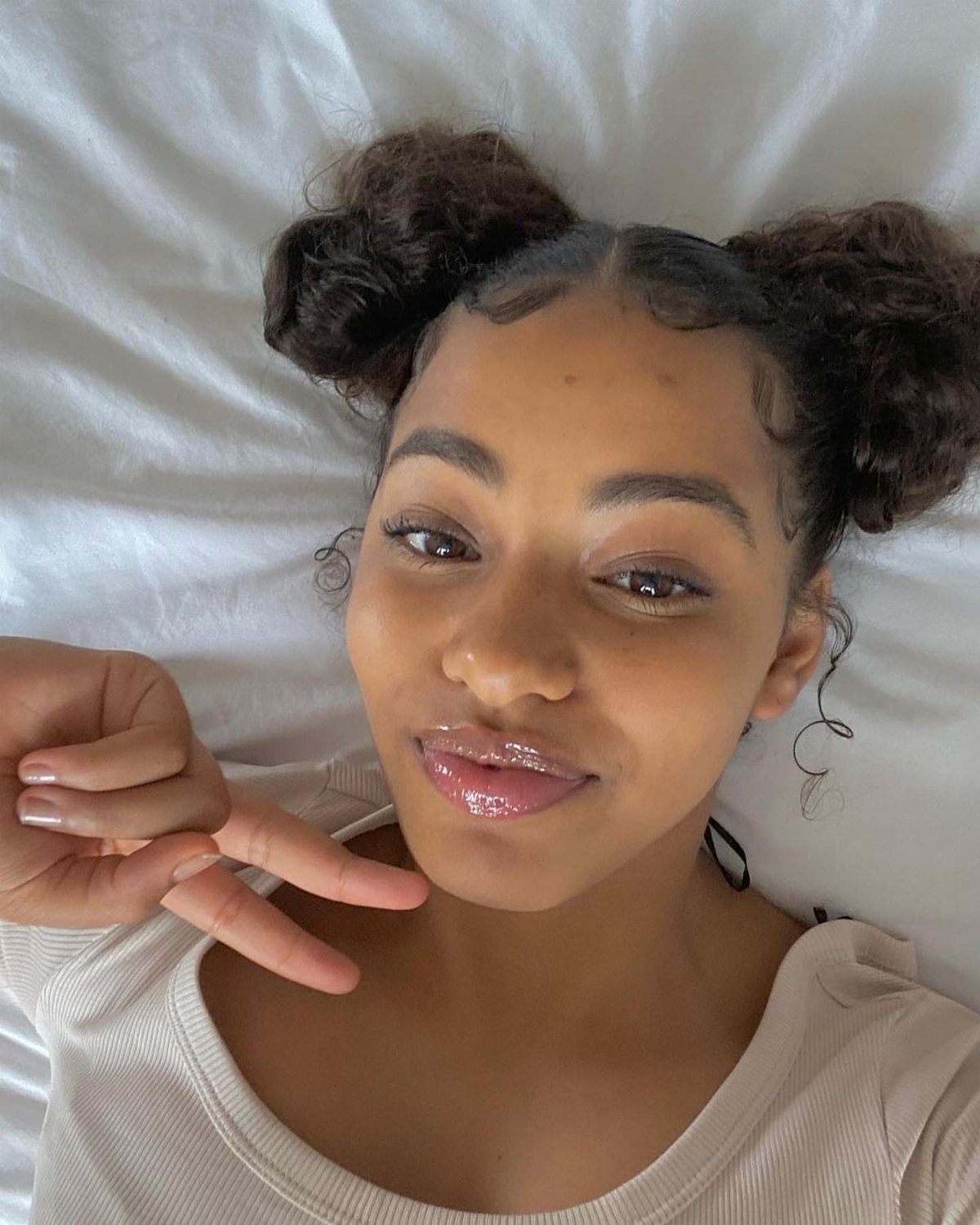
Splitting the hair into 2 high ponytails and wrapping each one into a bun creates a playful, symmetrical style that keeps curls off the face and neck.
The buns sit at the crown or slightly forward, and a few loose curls around the hairline soften the look.
Part the hair down the center, gather each side into a high ponytail, then wrap the tail around the elastic and pin it in place.
Recognizing 3B Curl Patterns
3B curls spiral from root to tip, each ringlet about as wide as a Sharpie or the pad of your thumb.
They sit between the looser spirals of 3A and the tighter corkscrews of 3C, with noticeable volume as they dry.
Shrinkage is normal.
Shrinkage can cut the apparent length by half or more once the hair dries. That springiness is part of the pattern, not damage.
Many heads mix looser and tighter curls in different sections.
Strand thickness, how densely the hair grows, and how quickly it absorbs water all shift what products work. Fine 3B hair needs far less product than coarse 3B hair, even when the curl size looks the same.
Tangles and frizz show up when the ringlets get pulled apart or roughed up. Gentle handling keeps the pattern intact.
First things first: 3b hair is full of defined curls that can range from ringlets to tighter corkscrews, and they’re usually the circumference of a Sharpie marker or your finger.
Moisture and Frizz Management
Moisture matters more than most other steps. Hydrate curls without heavy creams that flatten them.
A water mist mixed with coconut oil and aloe vera lets you refresh moisture through the day. Jojoba, marula, and black seed oil also work.
Clarifying shampoo removes buildup that clings to tighter curl patterns. Divide wet hair into 4 or 5 sections so every curl gets product.
Press out extra water and product with a microfiber towel instead of rubbing.
Skip brushing dry hair, skip rubbing with cotton towels, and use heat protection if you reach for a tool. Let curls dry completely before touching them again.
Washing and Conditioning Frequency
Because 3B hair dries out quickly, I shampoo once a week at most. Shampooing too often pulls out the oils that keep frizz under control.
Condition 2 or 3 times a week, which means more often than shampooing.
Stick with your regular conditioner or trade in a deep treatment when hair feels dry. That balance keeps curls hydrated without overloading them with cleansing that dries the hair out.
Shampoo when your scalp itches or feels greasy, not because the calendar says so. Some heads need more washing, others less, but the general guideline stays the same: condition more, shampoo less.
Frequently Asked Questions
What is 3B hair?
Type 3B hair forms defined spiral curls roughly the width of a thick marker, sitting midway between the looser bends of 3A and the tighter coils of 3C.
Most people see their length shrink by half or more as the hair dries, and many heads carry a mix of curl widths from one section to the next.
How do I tell if my hair is 3A or 3B?
3B curls spiral tighter and spring back higher than 3A curls, with each ringlet about marker-width rather than the looser, more stretched pattern of 3A.
3B curls show more definition and root volume, and they bounce rather than hang. If your curls shrink by 30% to 50% as they dry and hold a clear spiral shape, they likely fall into 3B.
What is the best haircut for 3B hair?
Cutting to chin length or just below gives the curl pattern room to bounce while keeping wash day shorter and detangling easier.
Rounded layers tame pyramid shapes by removing bulk at the bottom, and the cut holds its shape for a while before weight returns.
Curly bangs frame the face, long layers add movement without losing length, and pixie cuts create sculptural texture on 3B curls.
How often should I deep condition my curls?
Two to three conditioning sessions each week hold enough moisture, with a deep treatment swapped in when the hair feels straw-dry. Since 3B hair dries out faster than looser curl patterns, regular conditioning matters more than a strict schedule.
How do I get rid of frizz and get more definition?
Mist damp hair with a mix of water, coconut oil and aloe vera, or reach for jojoba, marula or black seed oil to feed the curl without coating it.
Work lightweight gel or mousse through soaking wet hair, scrunch upward to clump the curls, then leave them untouched until they dry all the way through.
Cotton towels rough up the cuticle, brushes pull curls apart, and any hot tool needs a heat protectant first.
Can I use heat on 3B hair?
Keep the flat iron below 300°F, flatten one narrow section at a time, and avoid going over the same piece more than once. Heat should be occasional rather than daily, and a heat protectant spray or cream goes on first.
Air-drying or diffusing on low heat causes less damage over time, so save flat irons and curling tools for styles that truly need them.





