The 12 cuts here range from blunt bobs that end at one sharp line to textured pixies with choppy, uneven pieces at the top, and the right one depends on whether you need to fake density at the ends or lift at the crown.
Bangs that split at the center lift flat roots with volume, and a rounded crop that hugs the head cuts away weak ends to build density.
The shortest pieces sit near the face, chin level or higher, and the rest stays one length so there’s no layering through the back.
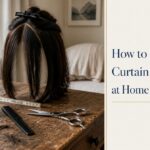
1. Curtain Bangs
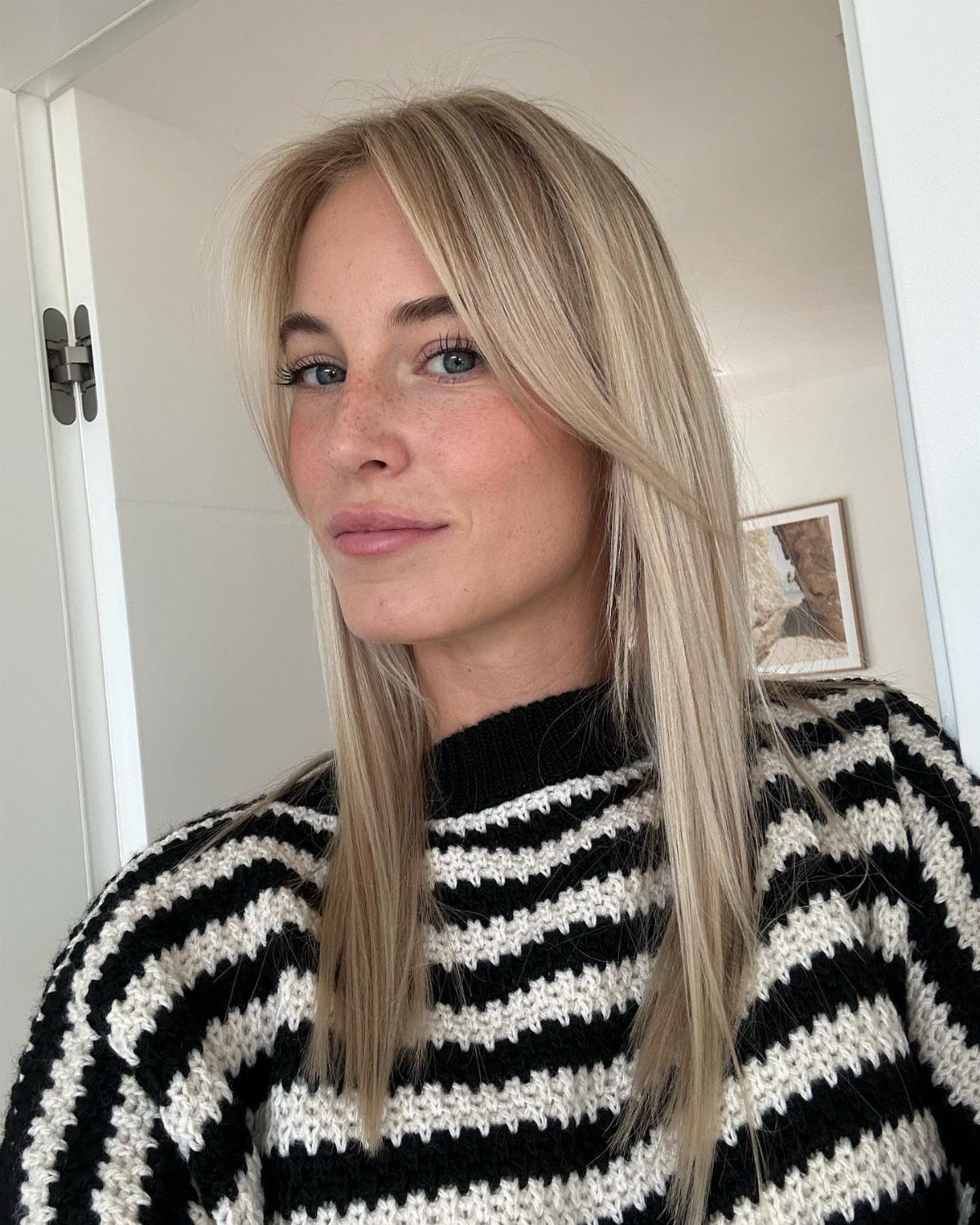
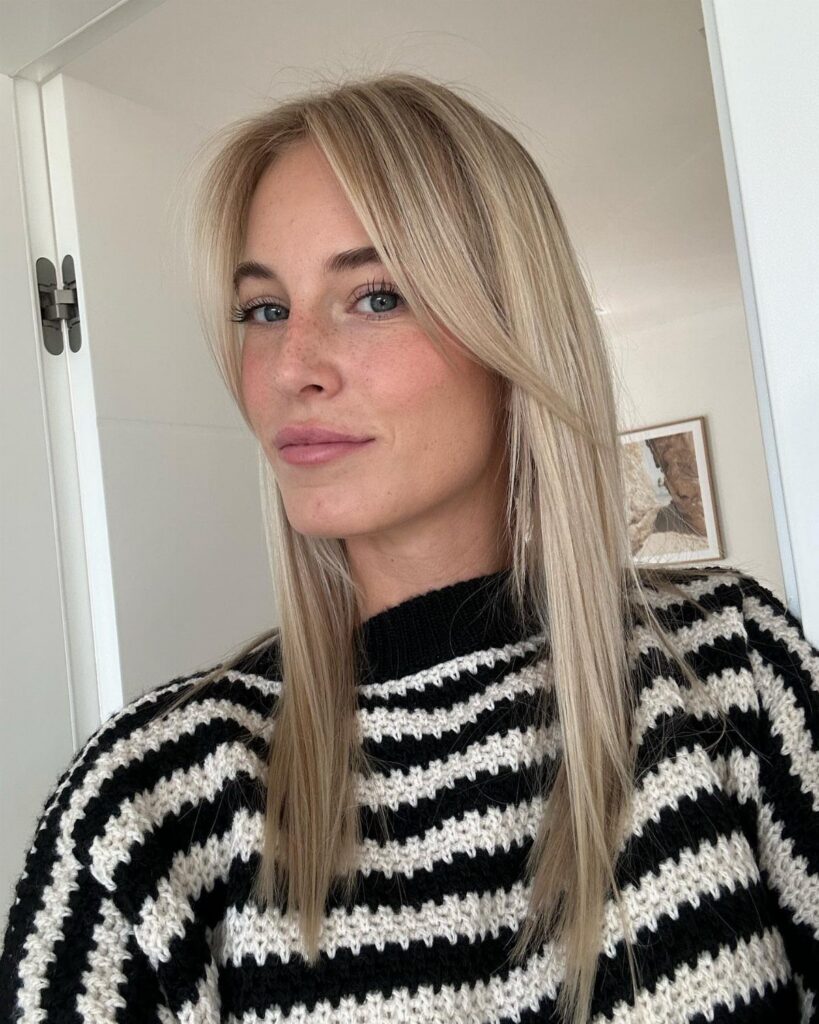
Curtain bangs part at the center and sweep outward, framing the face and adding visible height where thin hair often falls flat. The separation creates the look of more hair by breaking up a straight line across the forehead.
Ask for bangs that start shorter at the center, around eyebrow length, and taper longer toward the temples.
They blend into the rest of your hair rather than stopping at a hard line, so they work with most lengths and grow out more gradually than blunt-cut bangs.
Style them with a round brush and a few seconds of heat, directing each side away from the part.
2. Bowl Cut
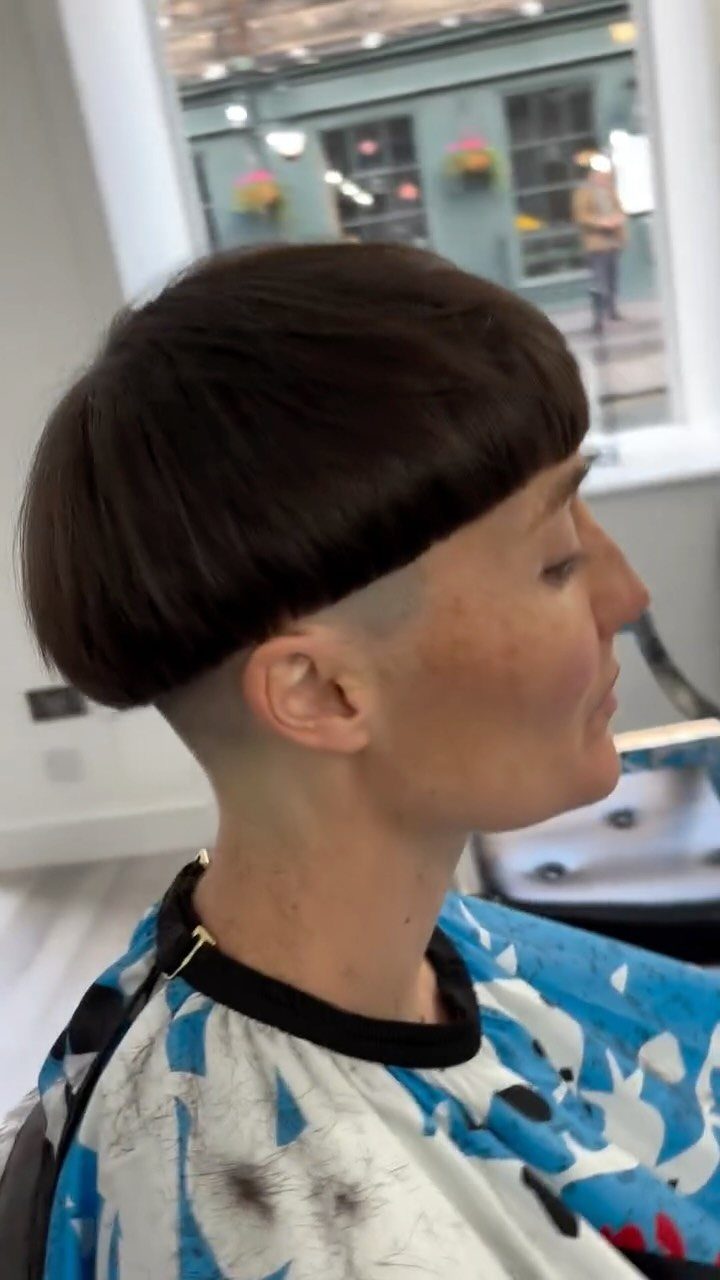
A bowl cut sits close to the head with a clean, rounded perimeter that curves from temple to temple, often falling just above or at the ears.
The uniform length removes thinning ends and gives the cut a solid, intentional shape.
The style is short enough that hair texture shows through without added styling, and the weight sits higher on the head rather than dragging down.
It reads modern when the line is precise and the cut sits close, but it also grows out visibly faster than longer styles and needs regular trims to hold its shape.
3. Blunt Bob
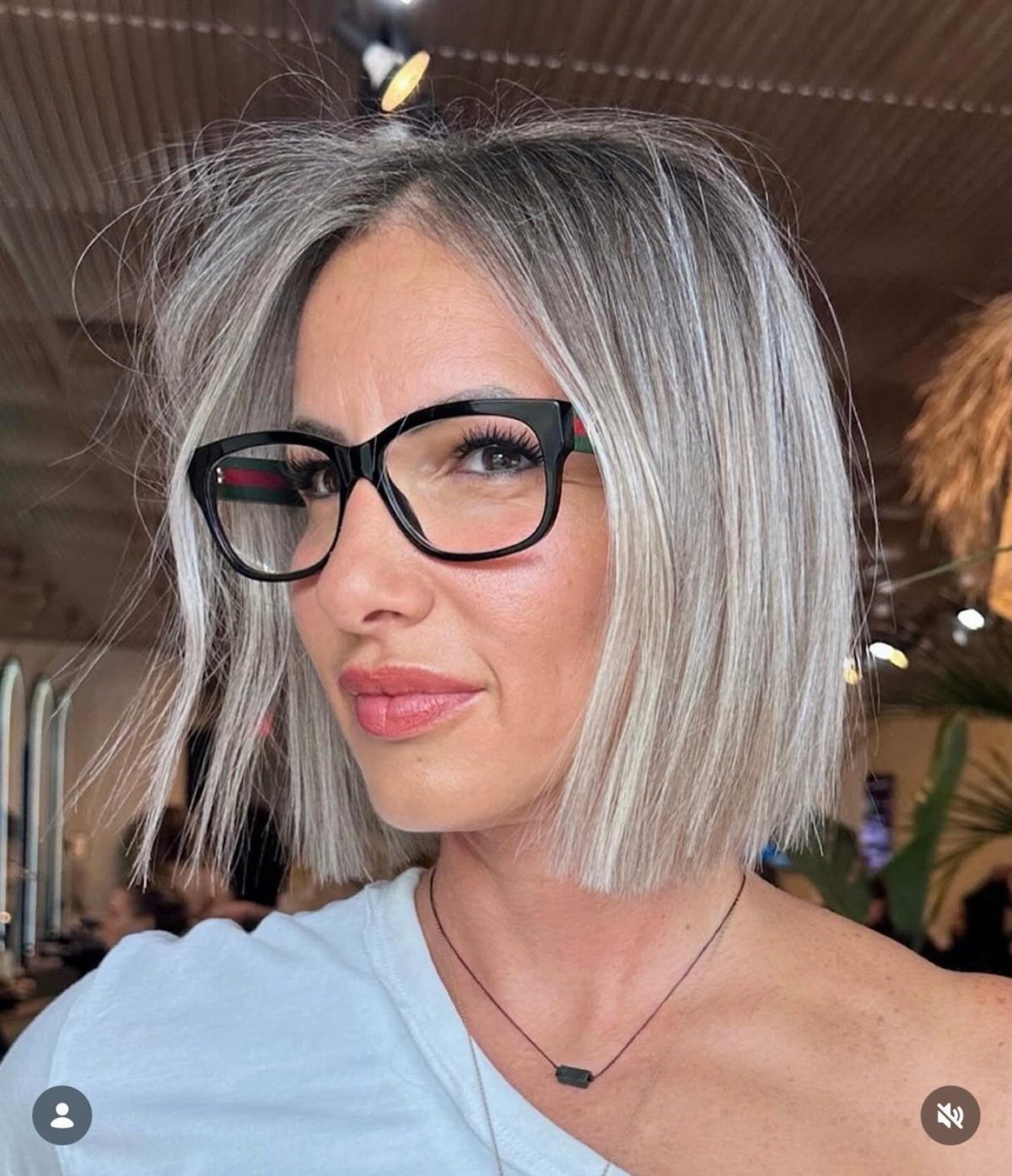
A blunt bob ends at one even line, cutting straight across rather than tapering or layering. That flat edge makes the ends look denser and thicker, which is exactly what thin hair needs.
The cut works at chin length, jaw length, or slightly longer, and it holds its shape best on straight or gently wavy hair.
If your hair is very fine, ask your stylist to keep the length above the shoulders so the ends stay full rather than wispy.
Blow-dry smooth with a paddle brush or let it air-dry if your hair naturally sits flat.
4. Textured Pixie

The style keeps the sides and back short while the top is cut in choppy, uneven pieces that can stand up or sweep forward.
The uneven lengths create separation and lift, giving thin hair more apparent volume than a smooth, close-cropped cut.
Point-cutting or razor work at the ends keeps the texture soft rather than blunt. The top can be styled forward, swept to one side, or tousled with a small amount of texturizing paste or dry shampoo for grip.
Short pixies grow out quickly, so plan for regular trims if you want to keep the shape.
5. Blunt Bob with Waves
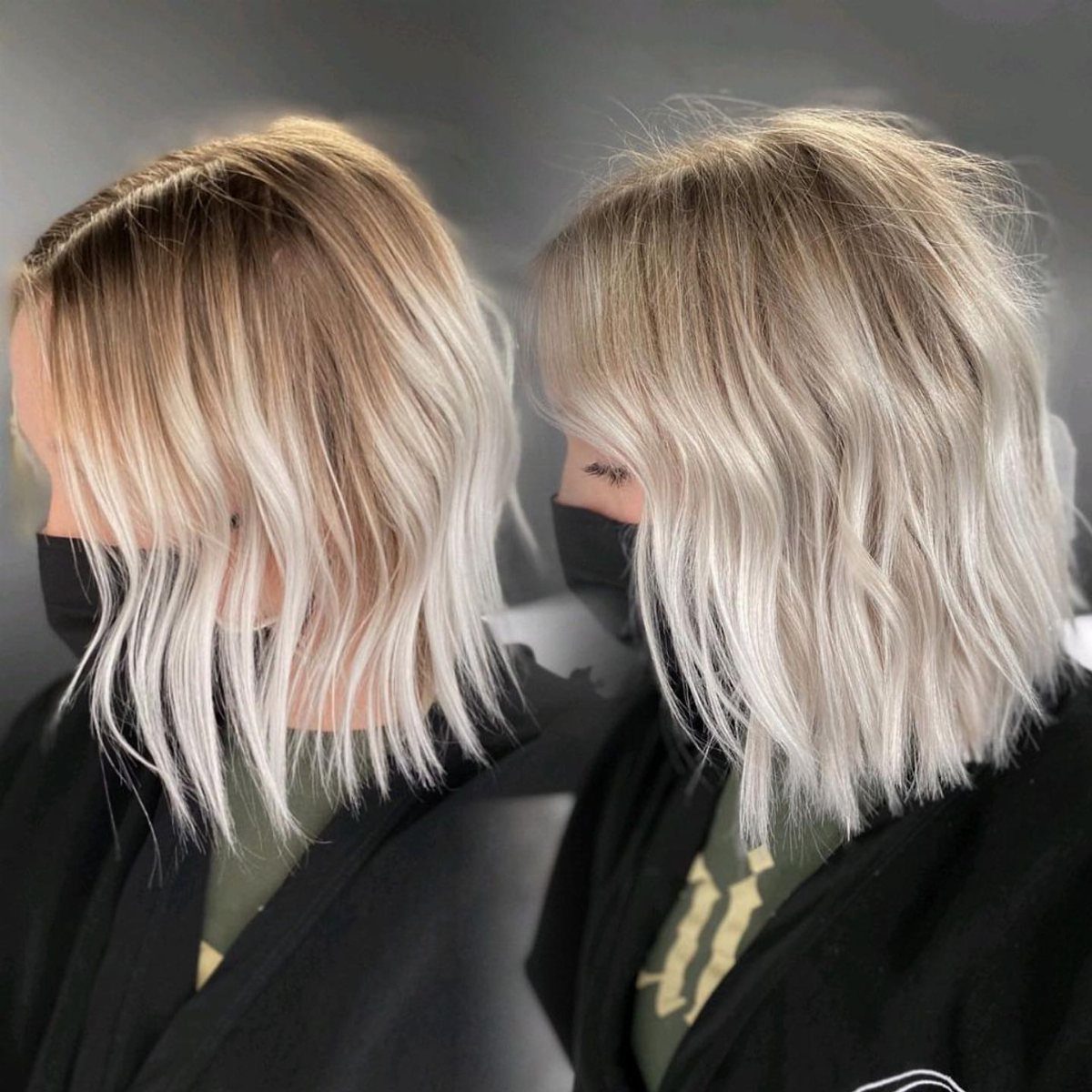
Adding waves to a blunt bob gives you the fullness of texture without losing the visual weight of a straight-across edge. The bend in each strand makes the hair take up more space, so the cut looks thicker overall.
Use a curling iron or wand and wrap sections loosely, alternating directions and leaving the last bit of each piece straight.
Let the waves cool, then shake them out or run your fingers through to soften. A light texturizing spray or dry shampoo at the roots adds grip and keeps the style from falling flat.
The waves grow out cleanly because the base cut stays blunt.
6. Face-framing Layers
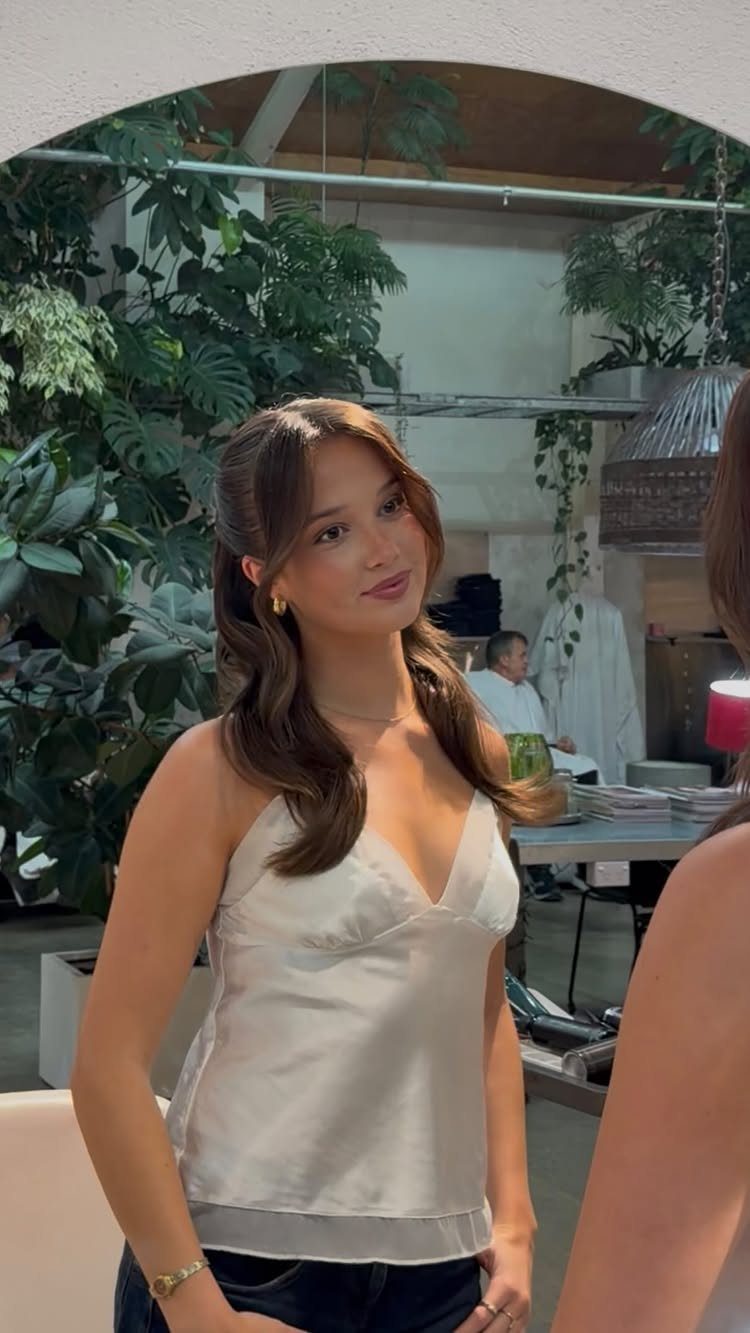
Face-framing layers start shorter near the front, usually around the cheekbones or chin, and gradually blend longer into the rest of the hair.
They add dimension and movement around the face without cutting layers throughout, so you keep most of your length and fullness at the back.
Ask your stylist to keep the shortest pieces long enough that they still tuck behind your ears if you want that option.
The layers can be subtle or more defined depending on how much contrast you want between the front pieces and the rest.
7. Long Layers
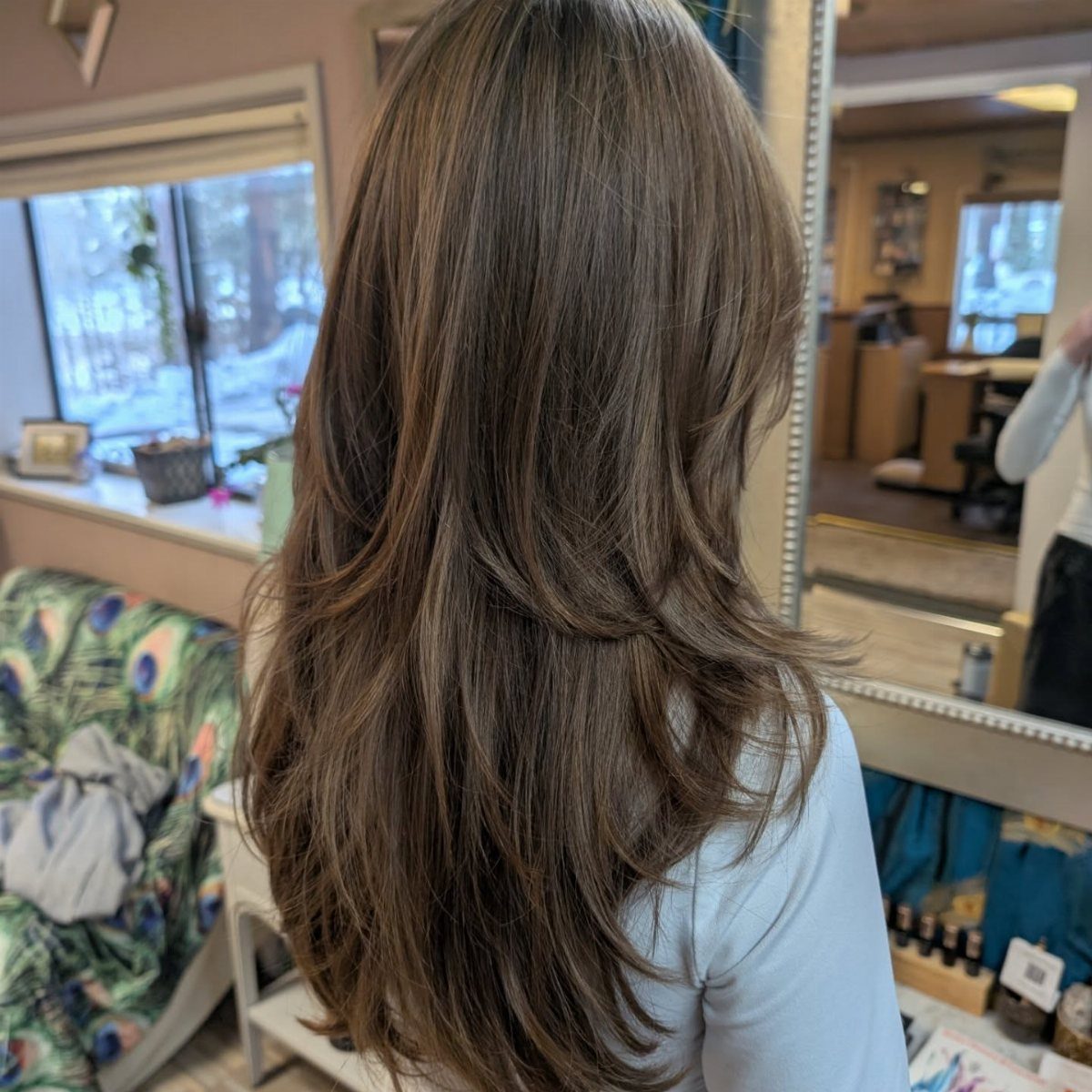
Layers cut through long hair at different lengths add movement without shortening the overall style. The longest pieces keep their weight while shorter layers near the top create lift and shape.
Ask for layers that start around chin or shoulder level and blend gradually down, rather than choppy or heavily stacked layers that can make thin hair look sparse.
The cut works best when the shortest layer is still long enough to tie back.
There is no universal formula as every hair is different, but generally, opt for delicate layers around your face. The cut shouldn’t remove the bulk of your locks, but rather, add extra body as hair can appear thinnest around the front.
— ELLE
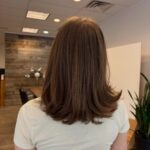
8. Long Bob
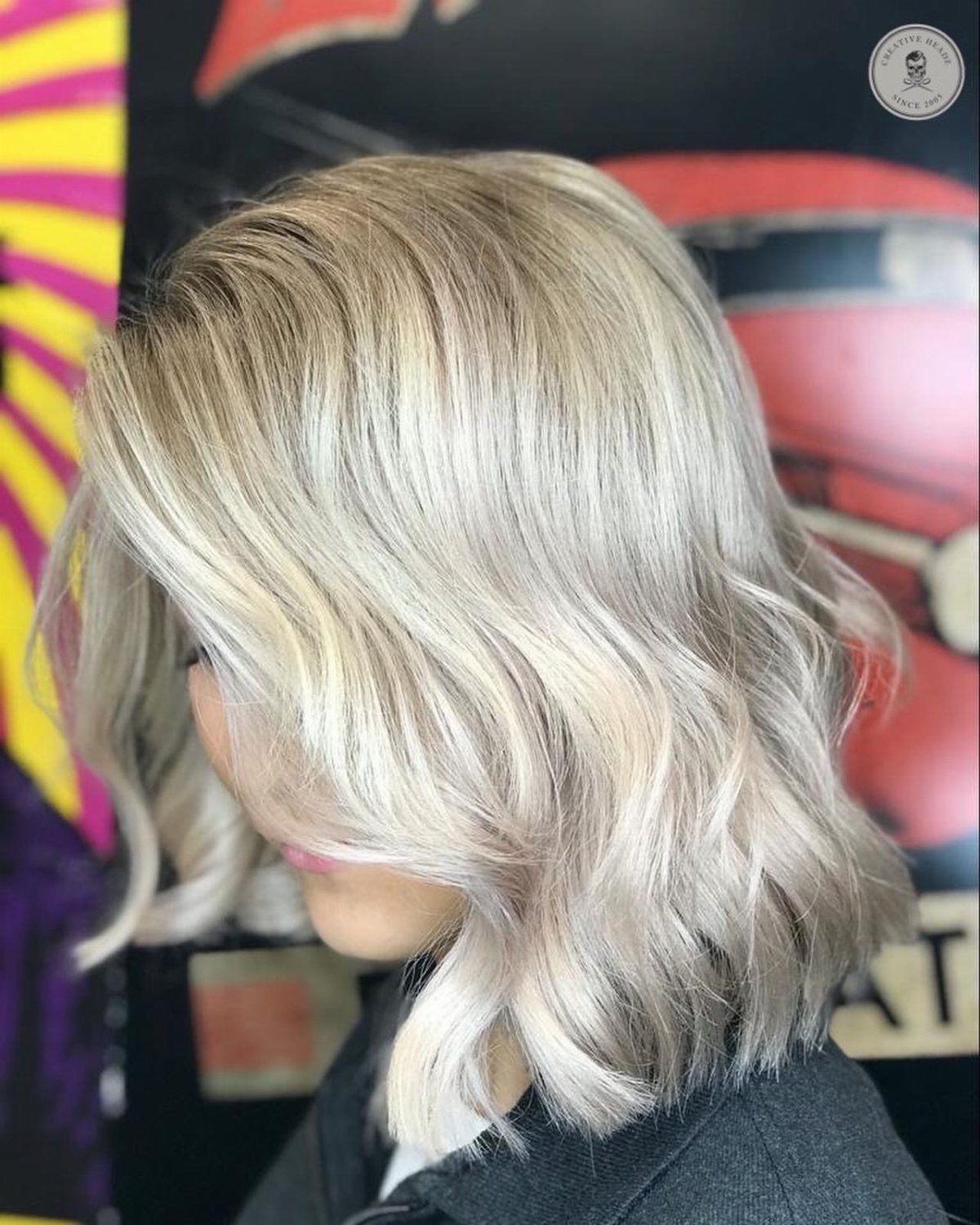
A long bob falls somewhere between the collarbone and shoulders, giving you more length than a classic bob while keeping the ends full and avoiding the wispy look that can happen with very long thin hair.
The cut stops at a point where the hair still has enough density to hold a shape.
Ask for a length that sits at or just above your shoulders, and decide whether you want it all one length or with subtle layers.
The style works on straight or wavy hair and can be worn smooth or with loose texture.
Blow-dry with a round brush for a polished finish, or add waves for more volume.
9. Layered Bob
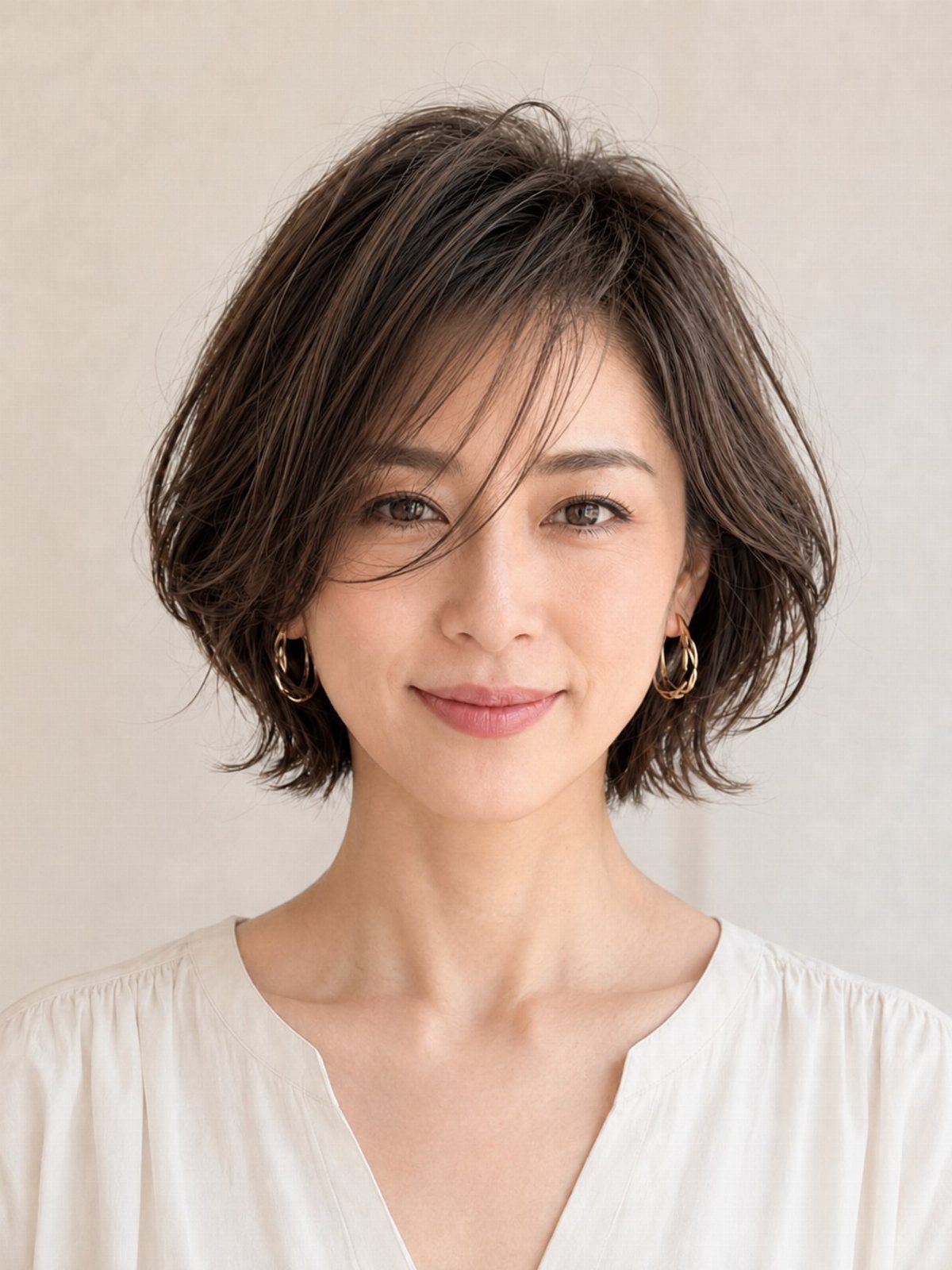
Layering a bob adds dimension and keeps the cut from sitting flat, but the layers stay controlled so thin hair still looks full at the ends.
The shortest pieces usually start around the chin or jaw, with the back slightly longer or stacked to create lift.
Too many layers can thin out fine hair, so ask your stylist to keep the layering light and concentrated near the crown rather than all over. The result is a bob that moves without losing its weight line.
Style with a round brush to emphasize the layers, or use a flat iron for a sleek version that still has shape.
10. Side-swept Curls
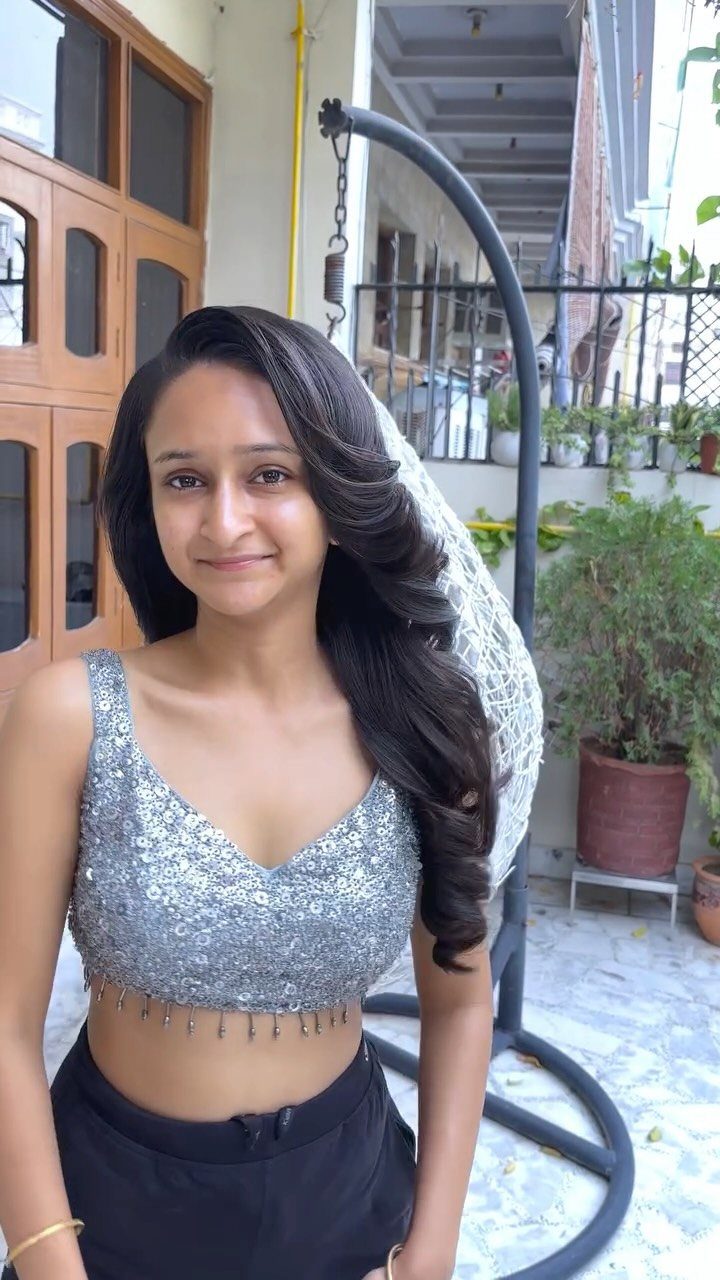
Sweeping curls to one side pulls hair away from the part and adds asymmetry, which makes thin hair look fuller by stacking the volume in one place rather than spreading it evenly.
The style works with any length that can hold a curl, and the curls themselves add texture and width.
Use a curling iron or wand and curl all your hair, then brush or finger-comb everything to one side and pin or tuck the other side behind your ear.
The look holds better on second-day hair or hair with some product already in it.
11. Messy Lob
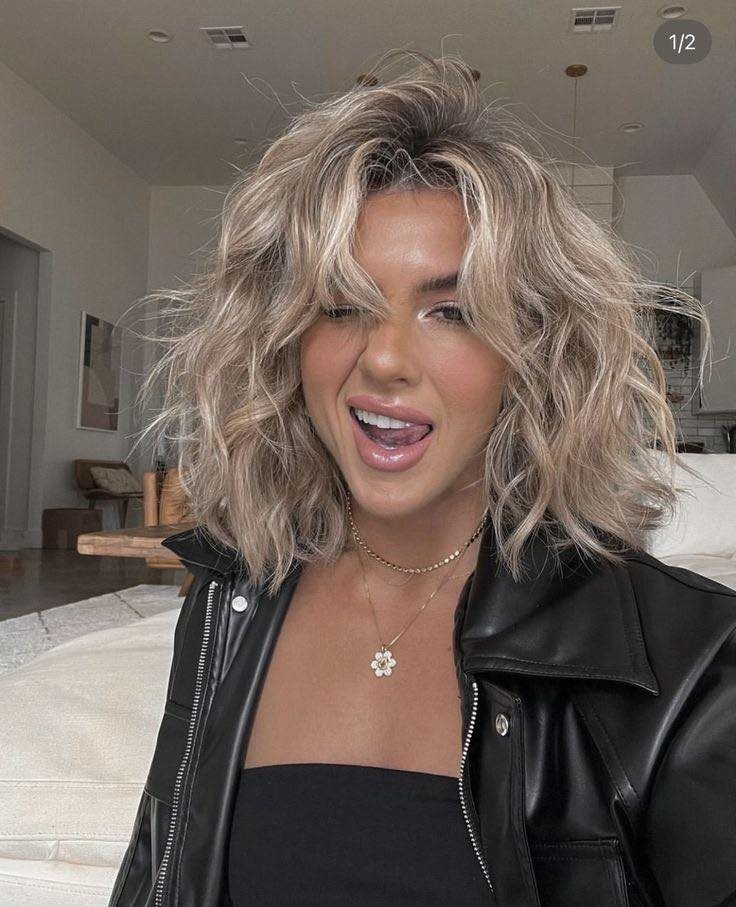
A lob cut to shoulder length with choppy, uneven layers creates a deliberately undone texture that hides thinness better than a smooth, polished style.
The layers break up the ends and add separation, so the hair looks thicker and more textured overall.
Ask for point-cut or razored ends instead of a blunt chop, and ask for most of the layering to sit through the middle and bottom rather than high up near the crown.
The messier finish means the cut grows out well and needs less precision between trims.
Style with a texturizing spray or sea salt spray, scrunching as it dries, or use a curling iron and rough up the waves with your fingers.
12. Short Bob
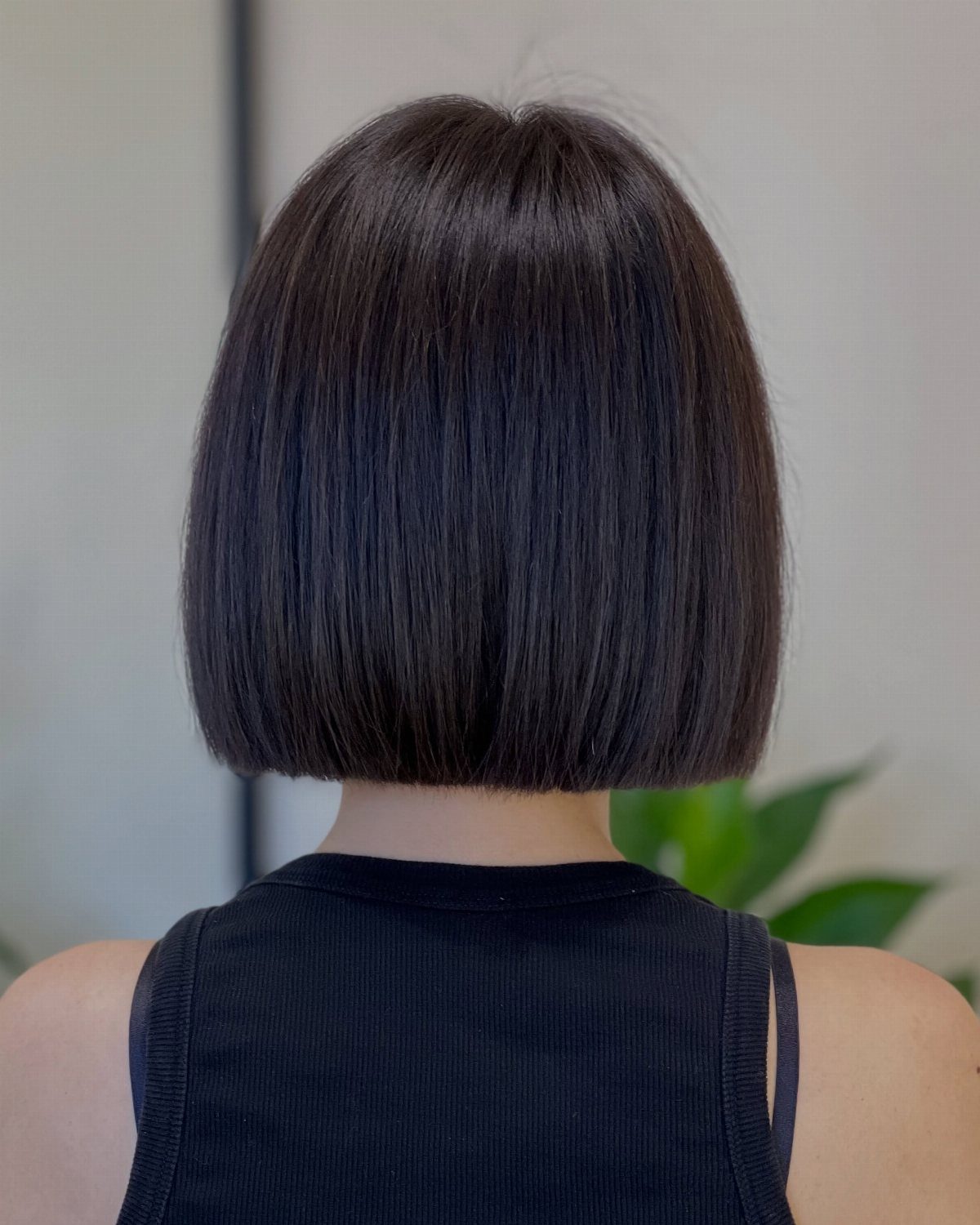
A short bob cut above the chin or at the jawline keeps the hair compact and removes thin, wispy ends. The shorter length concentrates the weight higher on the head, so even fine hair looks more substantial.
The cut can be blunt for maximum fullness or lightly layered if you want some movement, and it sits best on straight or slightly wavy hair.
Styling for Root Volume
Work a volumizing mousse or root spray into damp hair at the scalp only, skip the lengths, then blow-dry. Heavy creams and oils flatten fine hair by weighing it down.
Blow-dry while lifting sections at the root, using medium heat and power to set the volume without overdrying. Flipping your head upside down while drying adds lift, but stop before the hair is completely dry so you don’t lose texture.
Pin a few Velcro rollers at the crown while your hair cools if lift starts to drop within the hour. The heat reset holds the lift longer than air-drying alone.
Texturizing spray keeps hair from sliding flat against the scalp and makes the volume last through the day.
Protecting Fragile Hair
Thin hair shows damage faster than thick hair, so regular trims keep split ends from traveling up the strand and making the whole cut look wispy.
Brush gently, starting at the ends and working up, and use a detangling spray on wet hair before combing through. Wet strands snap more easily than dry ones.
Apply heat protectant before using any hot tool. Heat damages the cell membrane complex that holds hair cells together, and once that structure breaks down, hair loses moisture and breaks.
Research shows that repeated heat exposure, along with chemical treatments and even regular washing, weakens this layer over time.
Skip tight ponytails, buns, and styles that pull at the roots. Constant tension can lead to breakage or permanent hair loss around the hairline.
If hair fall increases suddenly or thinning appears in patches, see a professional.
Thin Hair Versus Fine Hair
Thin hair means fewer individual strands per square inch of scalp, so the overall density is lower. Fine hair refers to the diameter of each strand, which can be narrow even when density is high.
Hair can be fine but thick, with lots of narrow strands packed close together, or it can have thick individual strands but low density, so the scalp shows through more easily. The two often overlap, but not always.
The distinction matters because fine hair benefits from blunt cuts and lightweight products that don’t weigh it down, while thin hair needs styles that create the appearance of more coverage, like layers that add dimension or cuts that keep the ends full.
Frequently Asked Questions
Which haircut suits for a thin hair woman?
The right cut depends on your hair texture and face shape, but blunt bobs, textured pixies, and face-framing layers work well for most people with thin hair.
Blunt edges make ends look denser, while choppy or layered cuts add dimension and lift where hair tends to fall flat.
Talk to your stylist about what will hold up with your specific texture and how much time you want to spend styling.
Does thin hair look better long or short?
Shorter cuts often look fuller because they remove wispy ends and concentrate weight higher on the head, but long thin hair works if you keep the length where density holds.
A cut at or above the shoulders gives you more volume at the roots, while longer styles can look sleek with the right layers. Choose based on what makes you feel confident and what you’re willing to maintain.
How to style thin, fine hair?
Work a volumizing mousse or root spray into damp hair at the scalp, then blow-dry while lifting sections at the root with medium heat.
Flip upside down while drying for extra height, and if lift fades fast, set the crown with Velcro rollers until hair cools.
Skip heavy creams and oils that weigh fine hair down, and use dry shampoo or texturizing spray for grip and lasting volume.
Does cutting your hair make it grow thicker?
No. A fresh cut removes wispy ends and tightens the silhouette, which reads as thicker, but trimming does not change how quickly or densely hair grows from the follicle.
Growth happens at roughly half an inch per month no matter how often you book a trim.