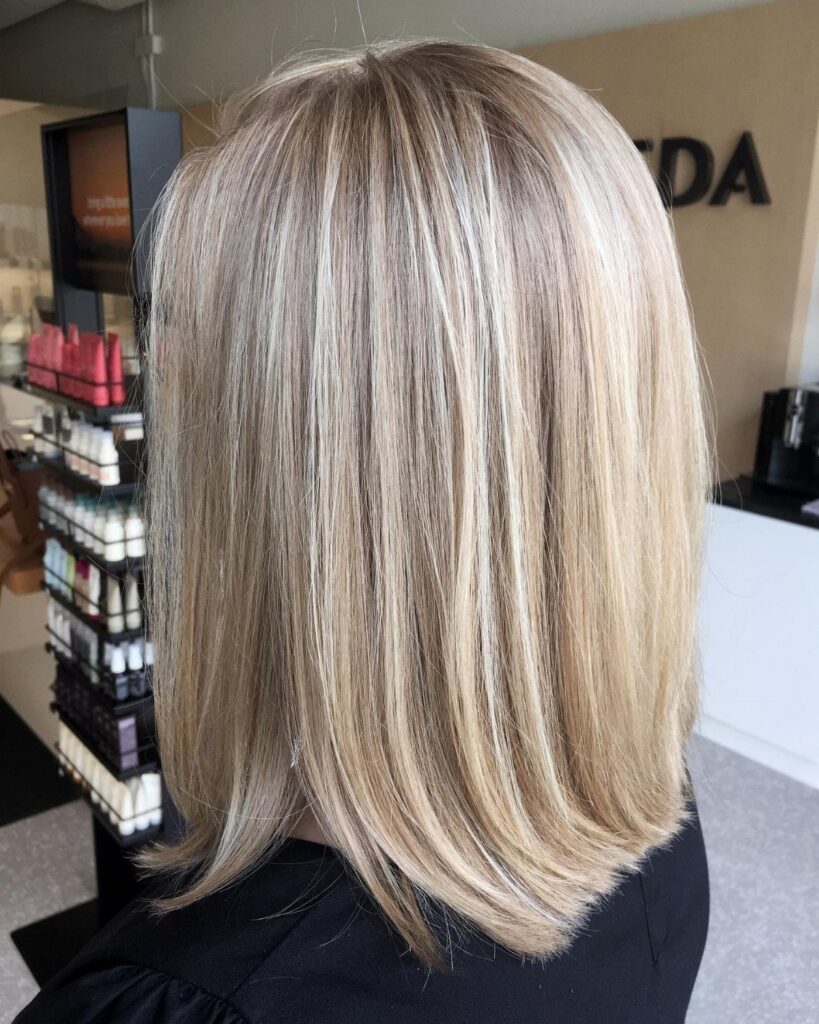
Shoulder length means the hair meets the body somewhere between jaw and collarbone, and what you ask for decides whether the bulk sits heavy at the ends or gets distributed higher through layers.
Blunt perimeters keep fine hair looking dense, while layers cut into the interior remove bulk and add movement without shortening the longest pieces.
Curly cuts account for shrinkage, so wet length falls several inches longer than what you see dry, and cutting curls dry gives a more accurate preview of the final shape.
1. Shag
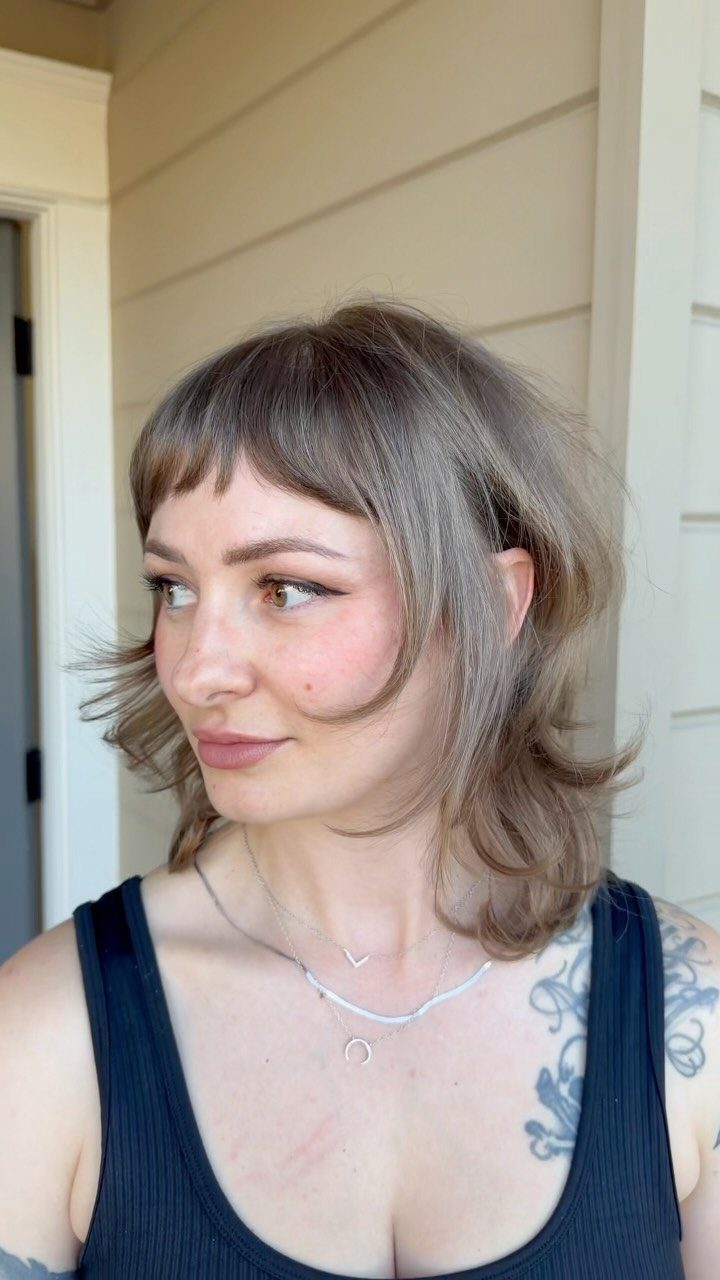
Layers start near the crown and build outward, so the volume sits high and the ends stay loose. The choppy finish makes straight hair move and keeps curly or wavy textures from clumping into one shape.
Ask for short layers at the crown and longer ones toward the ends, with the perimeter landing at the shoulders. Bangs help frame the face, but the shape works without them if you prefer the hairline open.
The cut grows out without losing its outline.
2. Blunt Cut
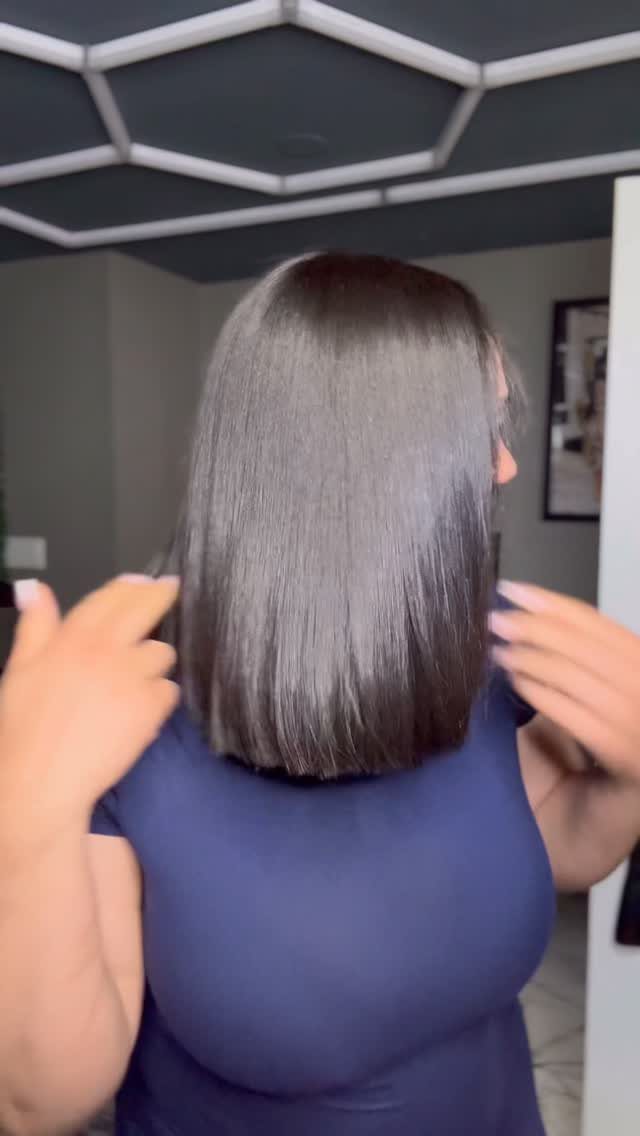
The perimeter is cut straight across, leaving the ends thick and the outline sharp. Weight stays at the bottom instead of tapering off, so fine hair looks denser and the hemline reads as one clean line.
This cut suits straight or lightly wavy hair. Curls will pull the length up and soften the edge, which defeats the point of keeping it blunt.
Plan to trim regularly to keep the line crisp.
3. Curly Shoulder Cut
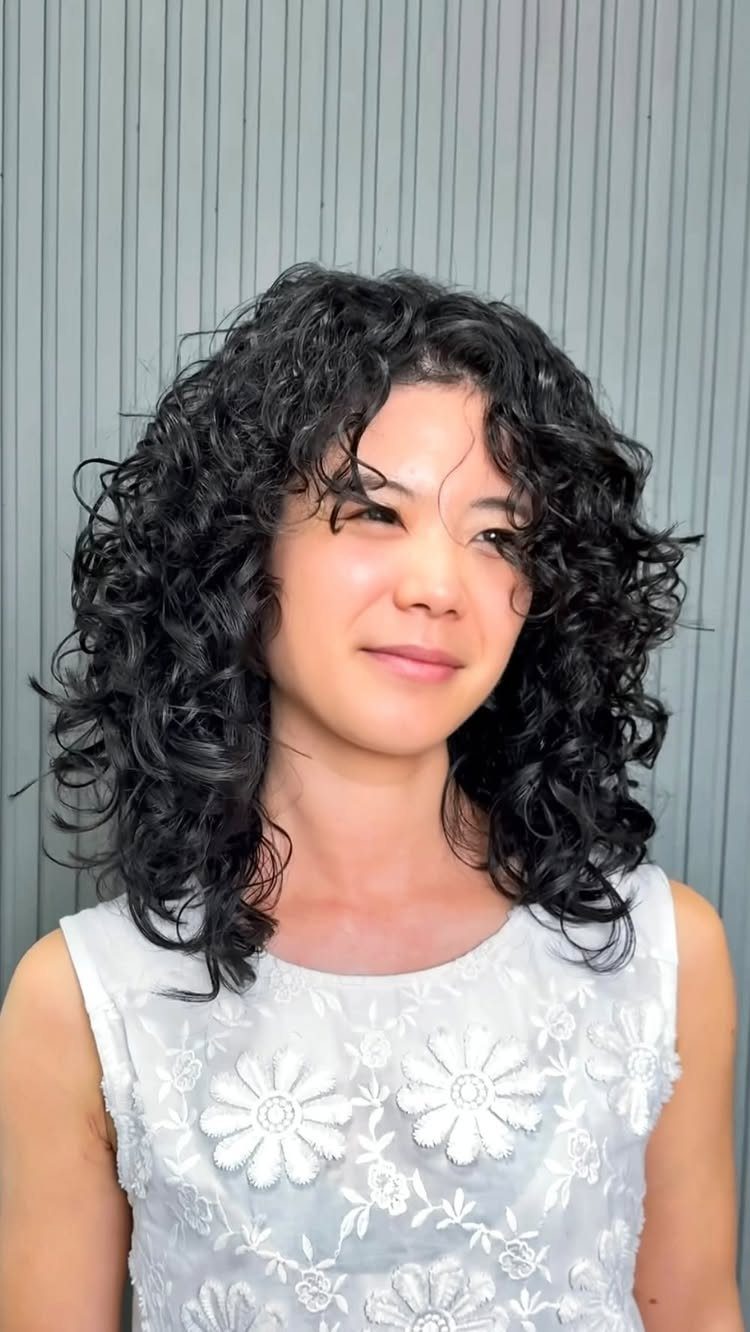
The cut accounts for shrinkage, so the wet length falls several inches longer than what you see dry. Layers can be added, but many curly shoulder cuts skip them and let the natural curl pattern create its own shape.
Cutting curls dry gives a more accurate preview of the final length. A stylist familiar with curly hair will section the curls and trim each one individually rather than pulling them straight.
Between cuts, refresh the shape as the ends get heavier.
4. Curly Shag
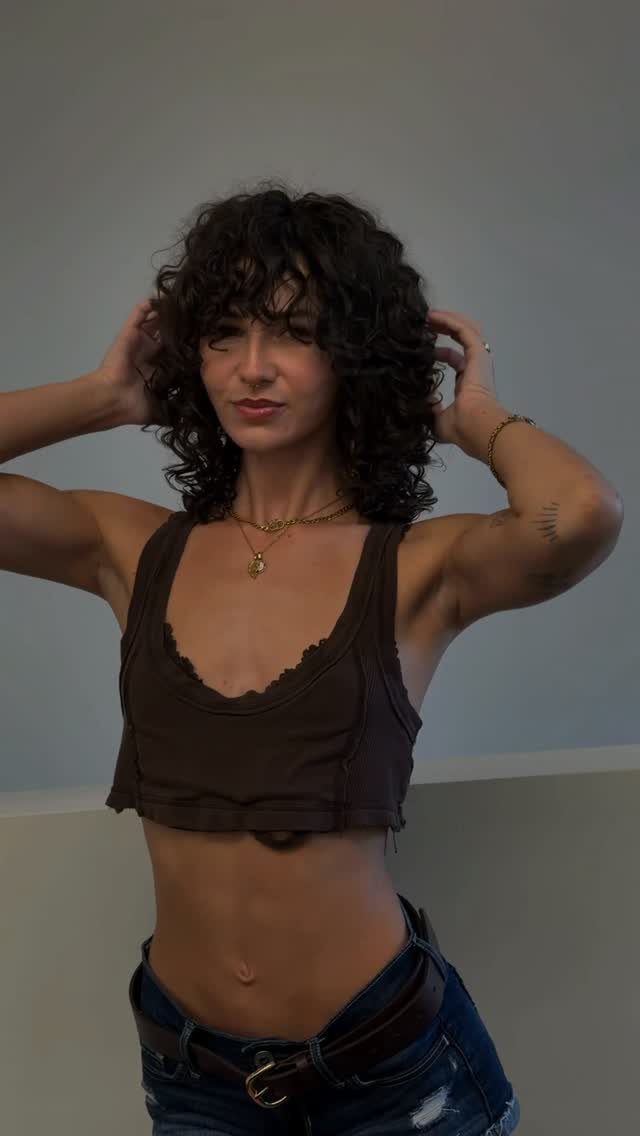
Layers are cut into curly hair, creating a shag silhouette that sits higher at the crown and fans out at the ends. The layering breaks up bulk without removing the curl’s natural volume.
Curls behave differently at different lengths, so a curly shag works best when cut dry. Bangs or face-framing pieces follow the same logic: trimmed to curl length, not pulled straight and cut flat.
5. Textured Layers
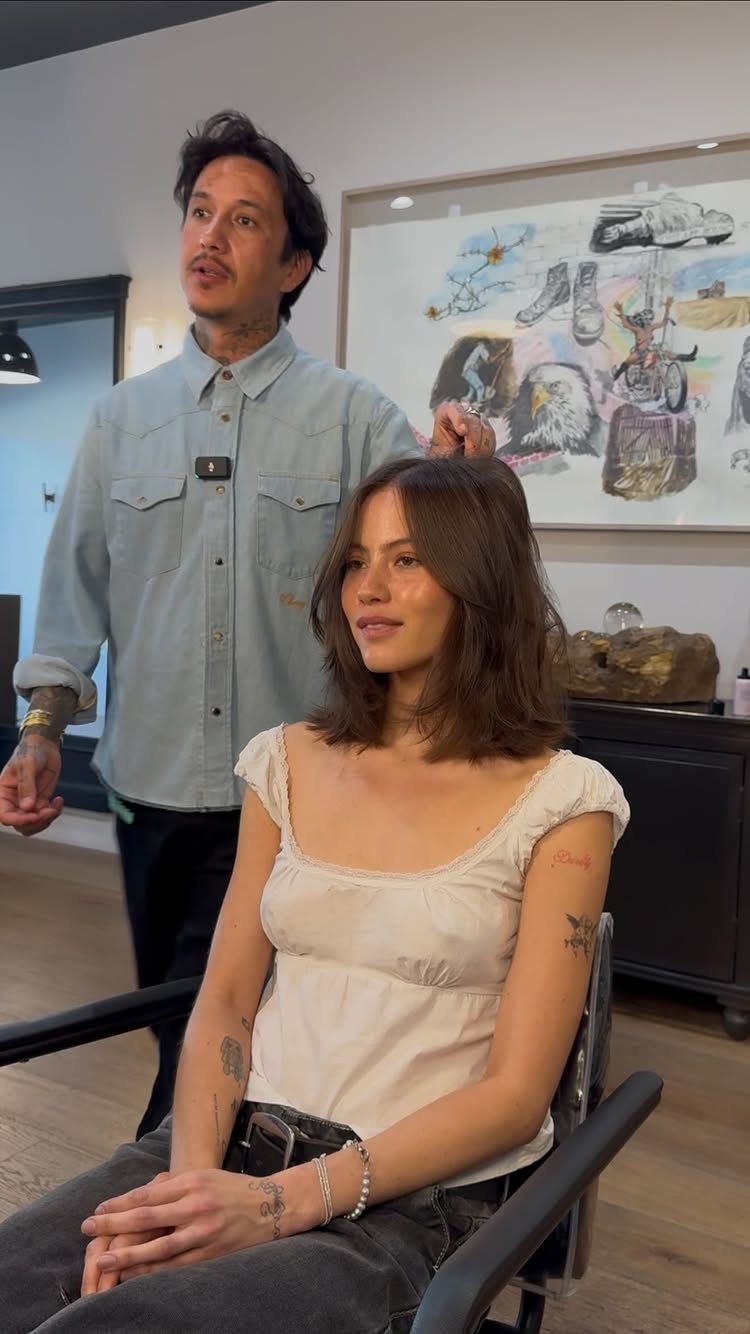
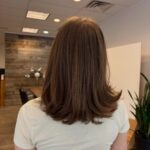
Layers break up the weight so the cut has lift near the crown and movement at the ends, but the longest pieces still hit the shoulders.
The perimeter stays intact, so from the back the length looks solid even though the interior has been thinned.
Ask for long layers starting a few inches above the ends. Point cutting or slide cutting at the tips adds separation without making the ends look choppy.
This haircut can grow for 4 to 6 months before needing a trim, which makes it lower maintenance than most layered cuts.
6. Straight Bob
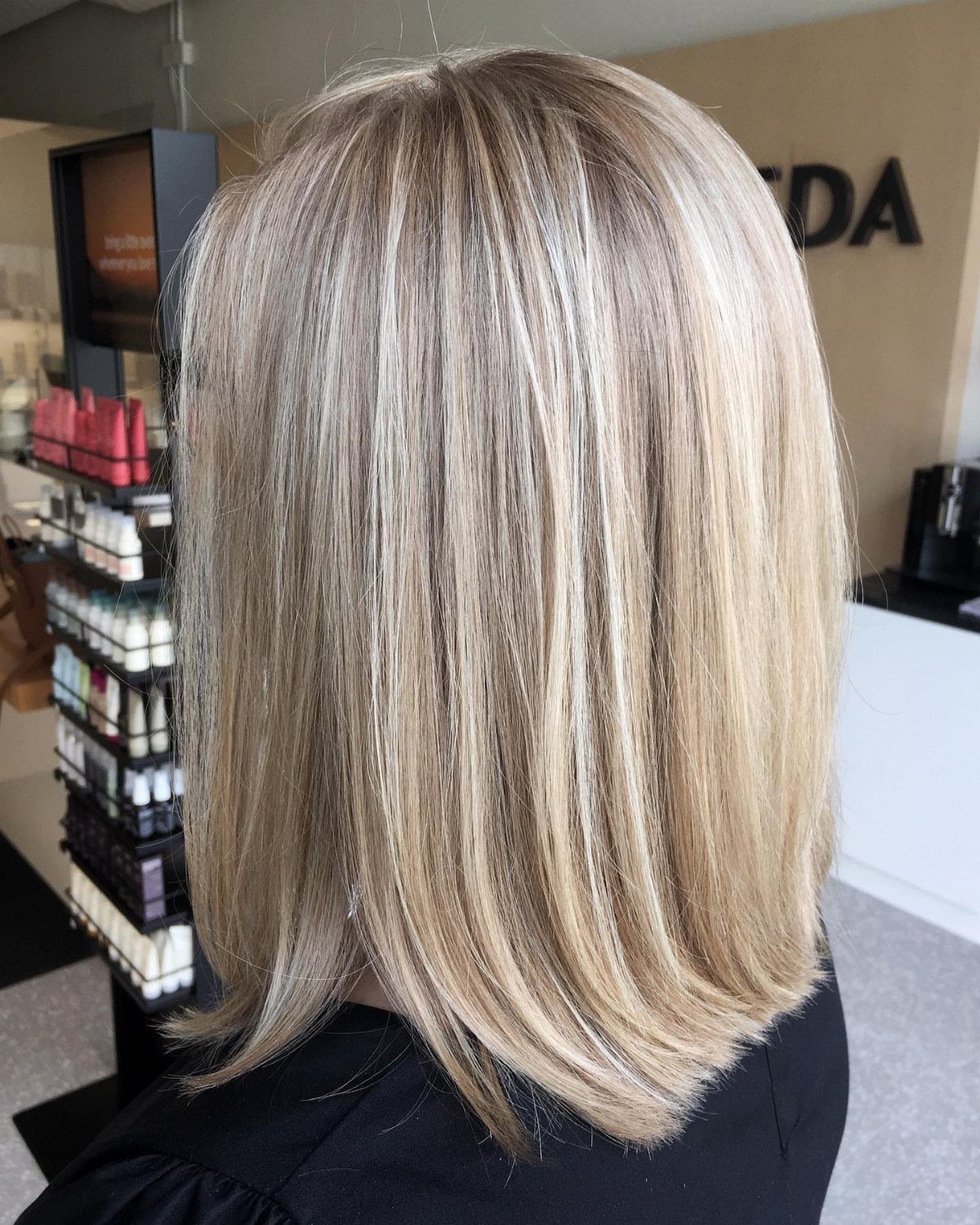
The ends are cut blunt and the length lands right at the shoulders, so the shape is clean and the weight is balanced.
Straight hair shows the line best, and a center or side part changes the look without changing the cut.
Highlights or lowlights add dimension, but the cut itself reads as one solid shape. If you want movement, ask for interior layers; this version keeps the weight intact.
7. Face-Framing Layers
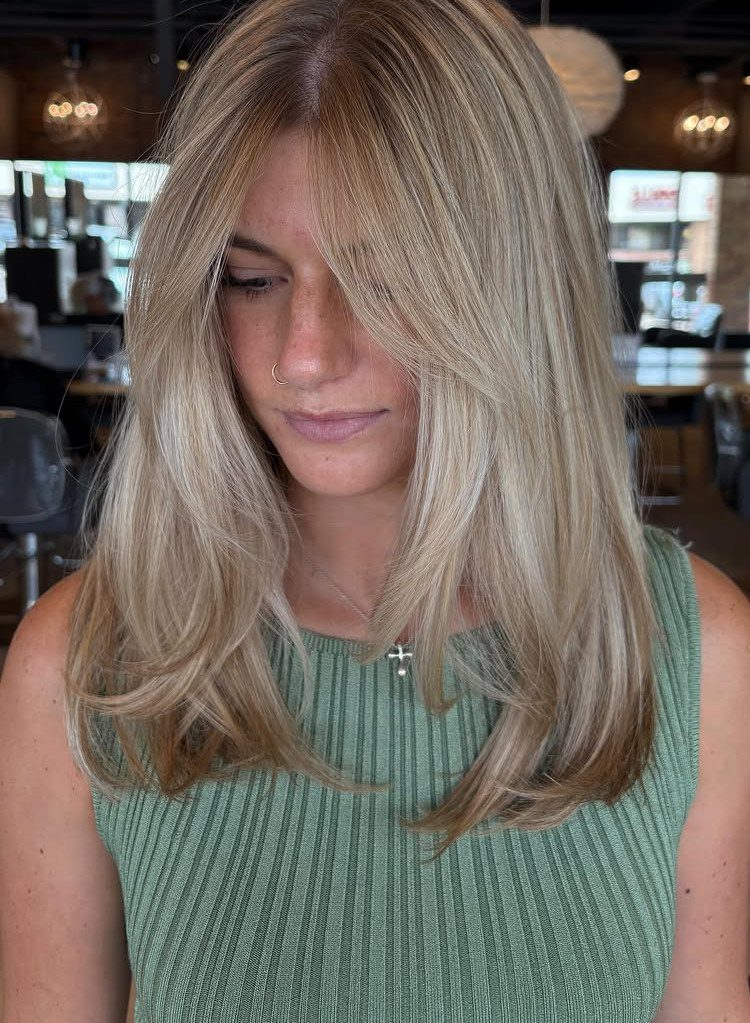
Shorter pieces cut around the front fall forward and bracket the face, while the rest of the hair stays one length at the shoulders.
The contrast between the short front and the longer back changes how the whole cut reads without taking off overall length.
Ask for layers that start around the cheekbone or jawline and gradually blend into the shoulder-length perimeter. The front sections can be styled under, flipped out, or left straight depending on what suits your face shape.
This cut adds shape to one-length hair without committing to layers throughout.
8. Wolf Cut
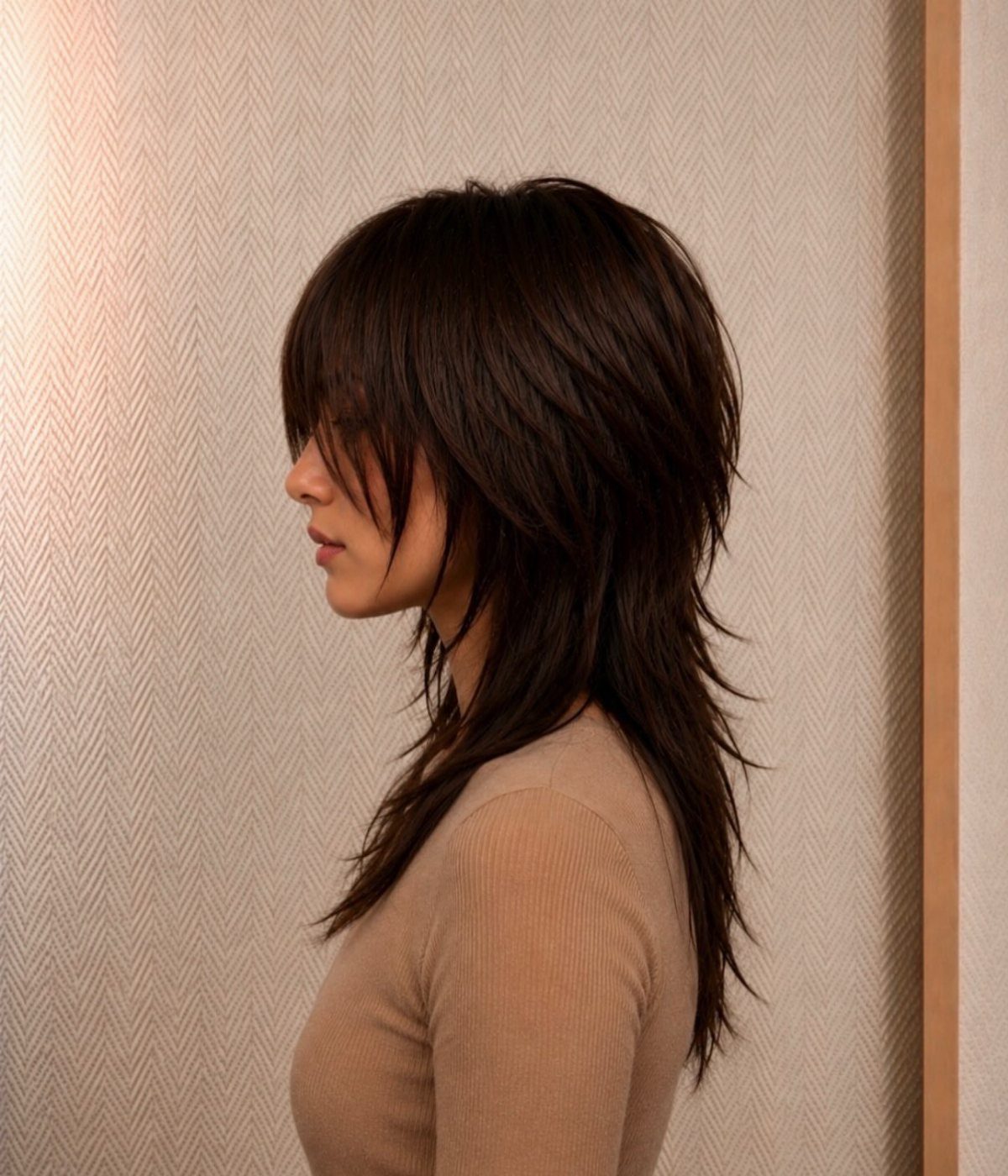
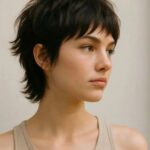
Short layers stack at the crown while the back stays long, so the silhouette is top-heavy and the ends fan out. Face-framing pieces are cut shorter than the perimeter, which keeps the front light and the overall shape disconnected.
The cut works on straight, wavy, or curly hair, though the contrast between short and long reads sharpest on straight textures. Curls will soften the edges and blend the layers more than the original shape intends.
The crown grows out fast and flattens the shape, so regular trims keep the volume contrast alive.
9. Butterfly Cut
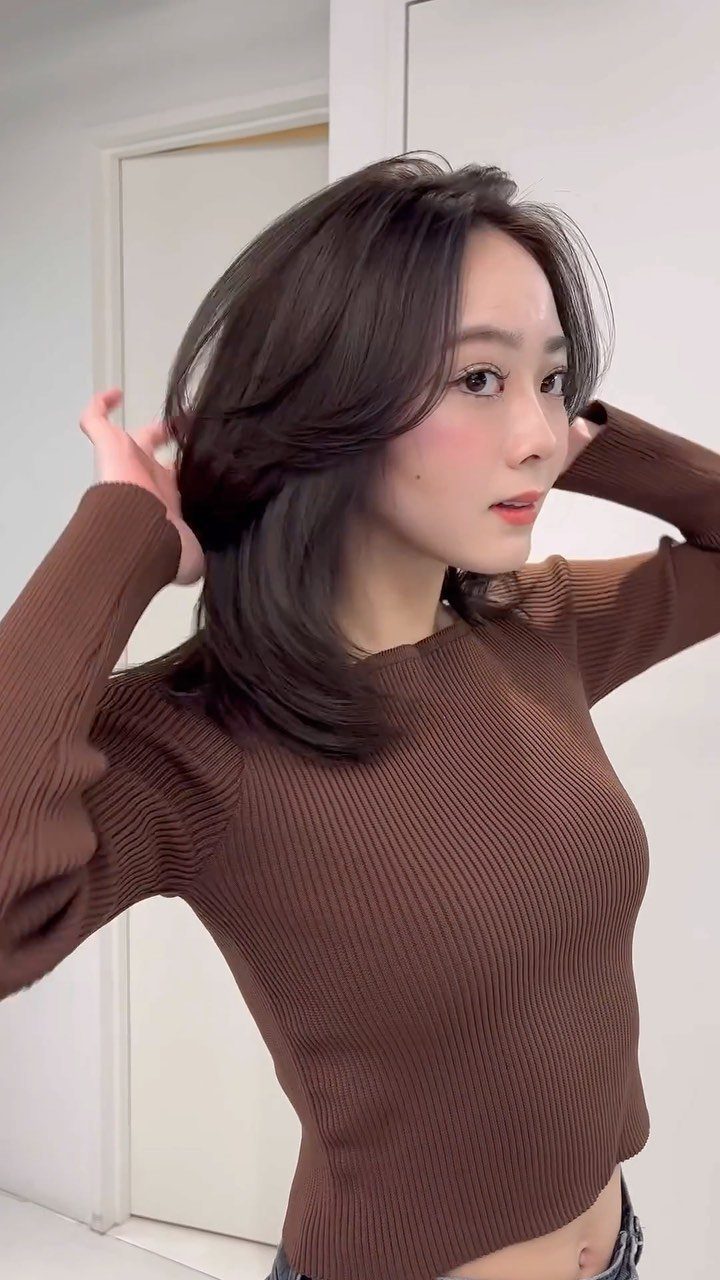
Shorter layers curve around the face and sit visibly above the longer base, creating 2 distinct tiers. The short pieces add width at the cheekbones, and the longer lengths keep the overall silhouette full.
This cut suits round or oval face shapes because the shorter layers widen through the midface. Fine hair shows every thinned-out tip, so stop the layers before they reach the ends or skip texturing there entirely.
The shape holds for several months before the tiers blend together.
10. Soft Long Layers
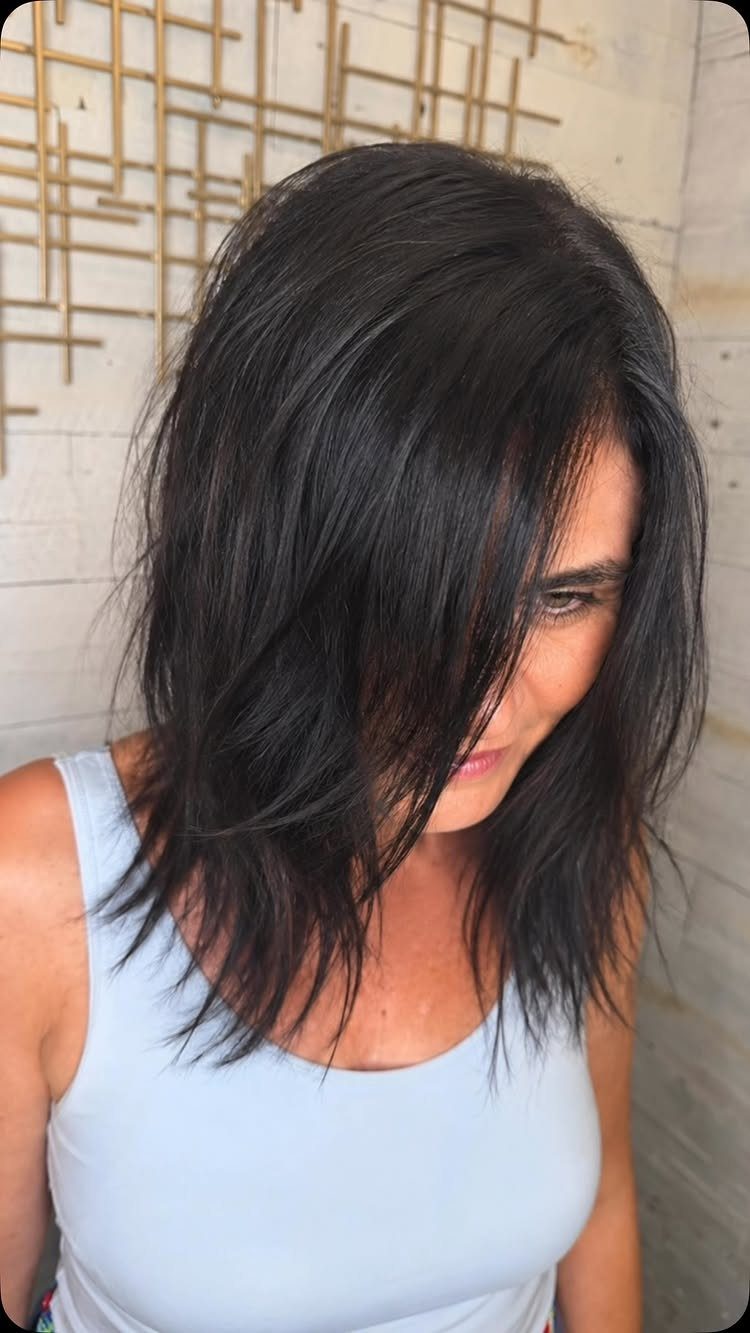
Layers begin close to the ends rather than higher up, so the length stays intact and the movement is subtle.
The cut keeps most of the weight at the bottom, which makes it gentler than a shag or a heavily layered style.
This works well on hair that tends to look heavy or triangular when cut blunt. The layering gives the ends separation without creating gaps or making fine hair look sparse.
Minimal styling required: air-dry or add a loose wave for texture.
11. Full Curls
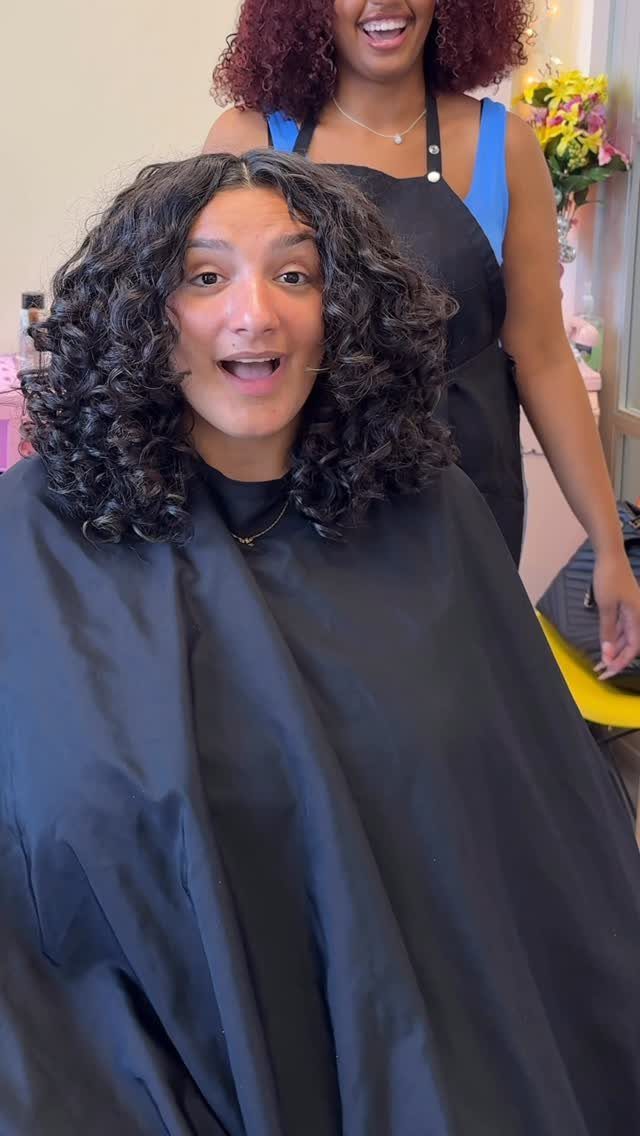
The cut is shaped around the curl pattern, so each curl springs from the scalp and lands at the shoulders without being stretched or forced into a different length.
No straightening during the cut means the finished shape matches what the hair does naturally.
Ask for a dry cut if your curls have varied shrinkage. Some stylists will cut each curl individually to preserve the pattern, which takes longer but gives a more accurate result.
The curls grow heavier and drag the shape down over time, so a shape refresh keeps the lift where you want it.
Anyone with a tight curl pattern knows that haircut length is relative, but once you’ve nailed your unique curl routine, a cut that allows your curls to spring to shoulder-length can really let your natural texture shine.
— Glamour
12. Shoulder-Length Wavy Cut
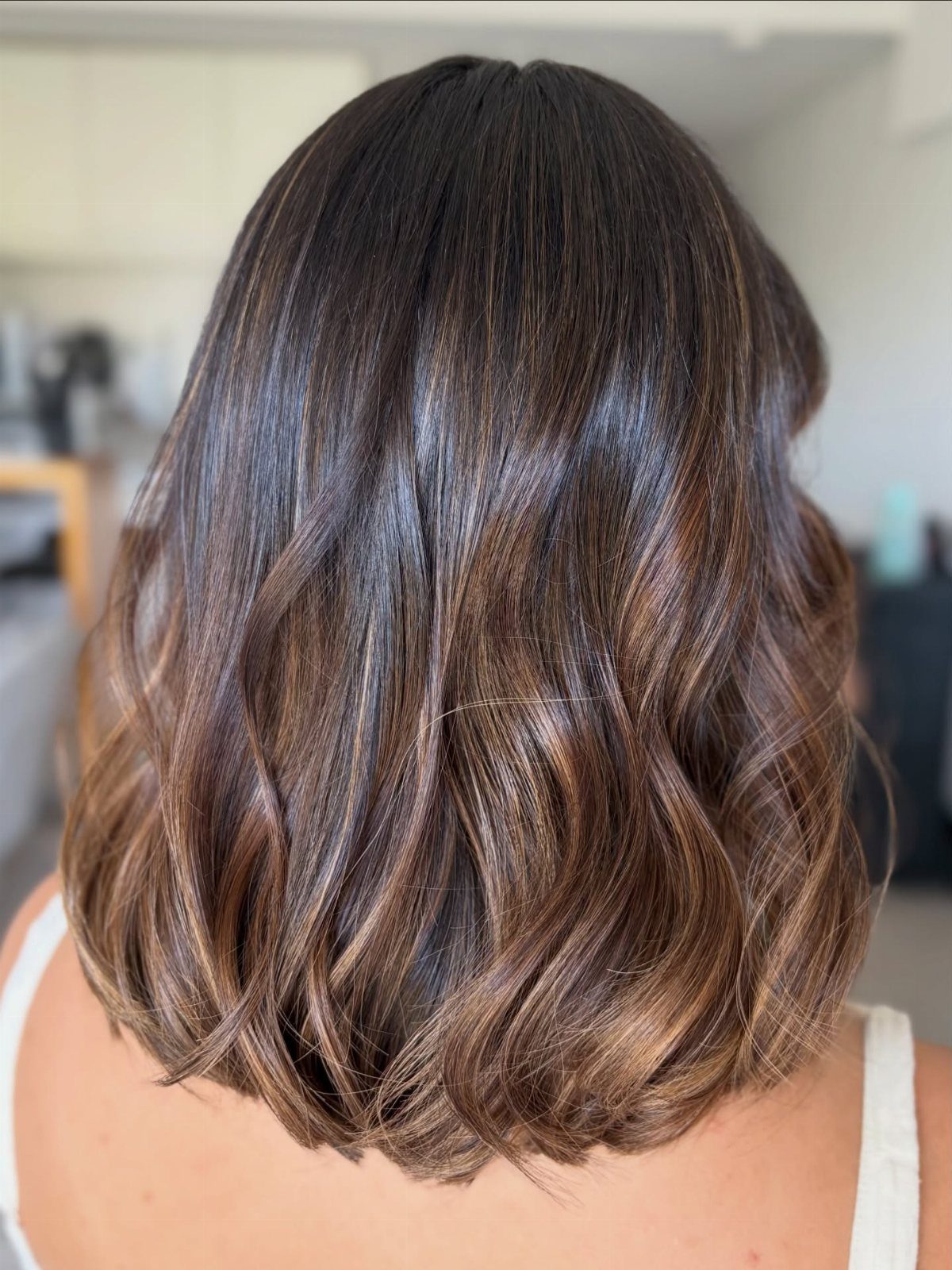
The cut follows the natural wave pattern rather than fighting it, so the ends move without needing heat styling. Layers are optional but can help distribute volume if the waves make the hair look bottom-heavy.
This cut suits hair with a loose S-wave that holds shape on its own. If your waves fall flat by midday, a layered version will hold movement longer than a blunt one.
Air-drying works for most wave types; add a curl cream or mousse if the waves need definition.
13. One-Length Middle-Part
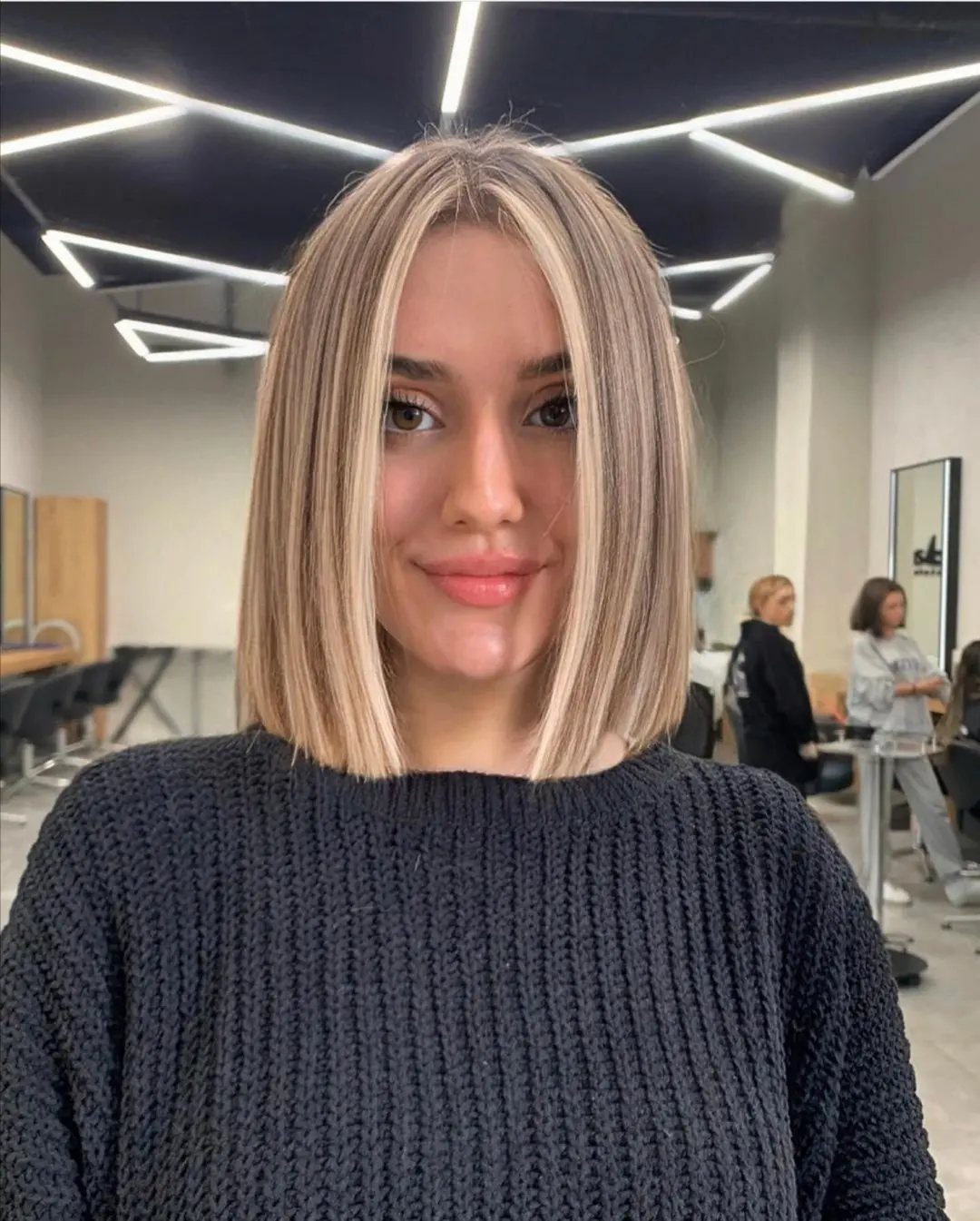
The hair is cut to one length and parted straight down the center, so both sides fall symmetrically.
The middle part draws the eye down the center of the face, which suits oval and longer face shapes better than round ones.
Curls will soften the symmetry and make the part less stark.
A center part shows scalp more than a side part does, so if your hair is fine or thinning at the crown, a side part may work better.
14. Blowout Bob
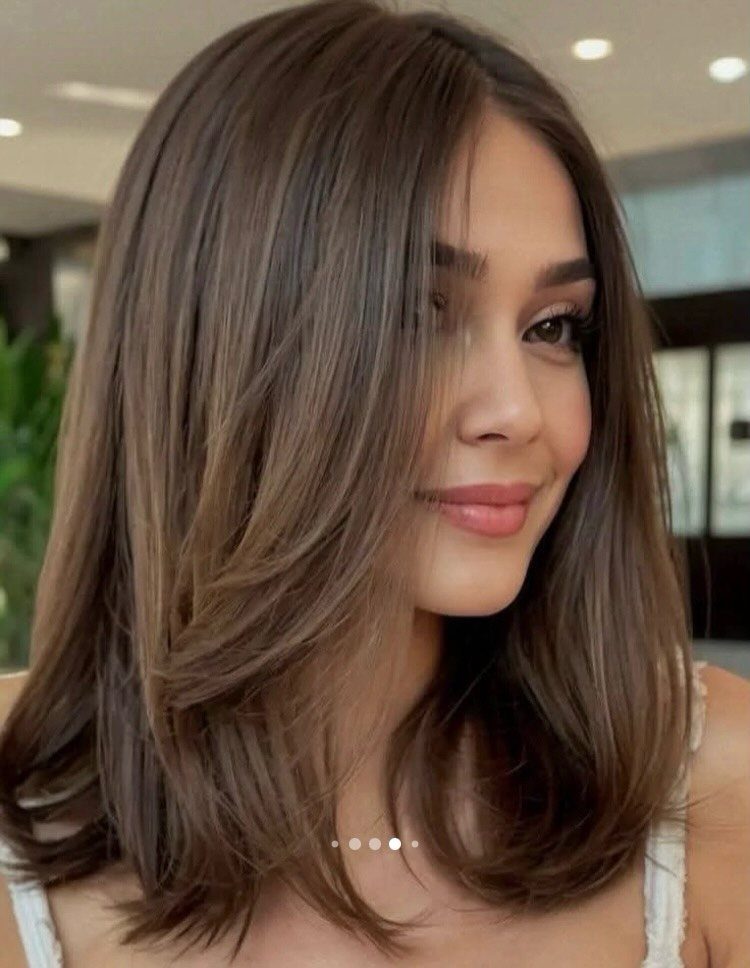
Soft layers are blown out with a round brush, lifting the roots and curving the ends under. The shape is smooth and rounded rather than flat or textured, so the finished look sits somewhere between polished and relaxed.
This style works on straight or wavy hair. Curly hair can be blown out this way, but the prep and dry time go up.
How long the blowout holds depends on hair type and scalp oil production. A silk pillowcase reduces friction while you sleep and keeps volume from flattening.
15. Tousled Lob
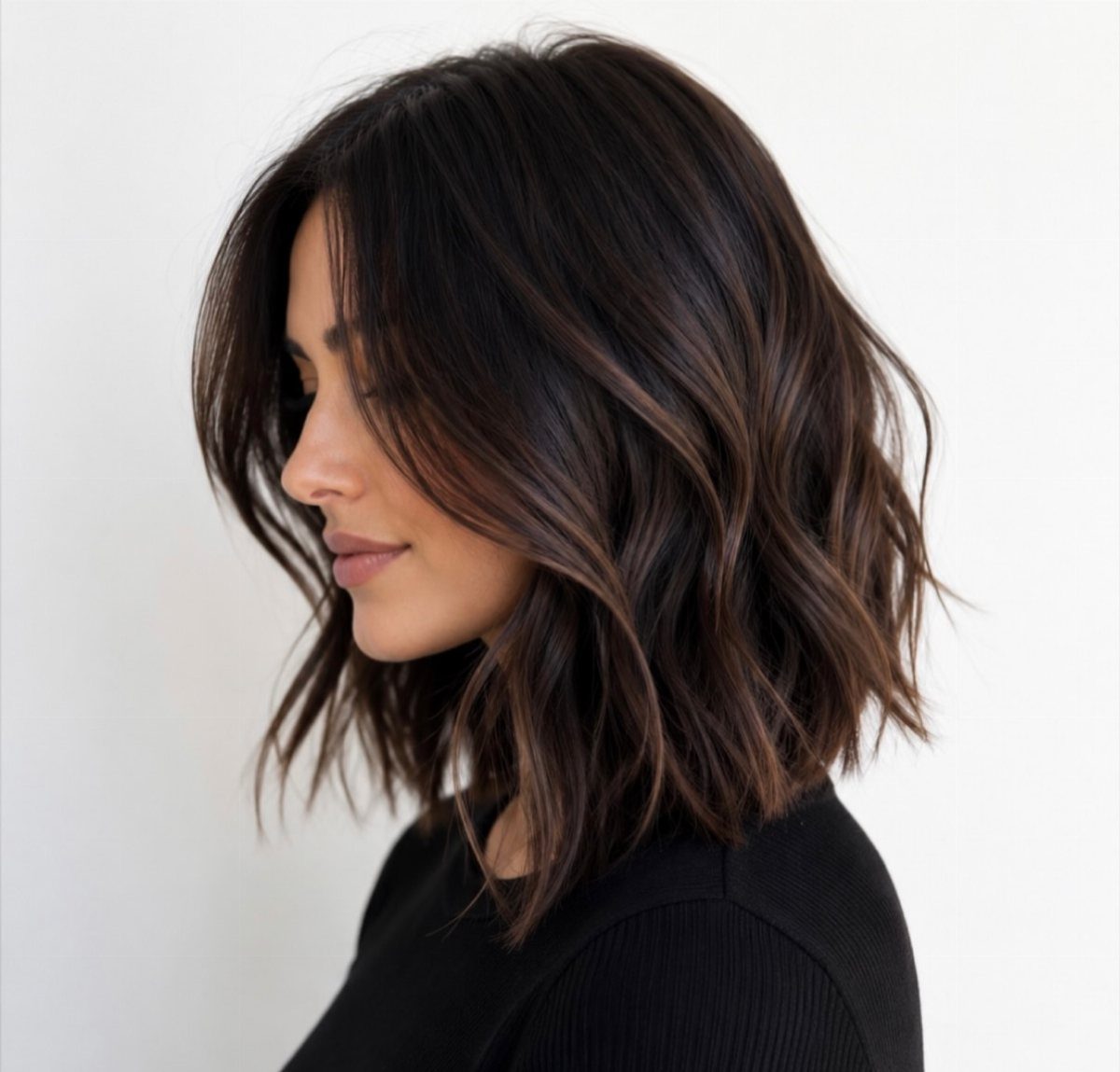
Layers cut into a longer bob give the hair enough movement to hold a tousled, lived-in texture. The cut itself provides the shape; the styling keeps it undone rather than smoothing everything flat.
Straight hair can be curled with a wand or flat iron, but the finish will look more styled than naturally tousled.
Air-dry with a texturizing spray, or rough-dry with your fingers to keep the waves loose.
16. Swoopy Layers
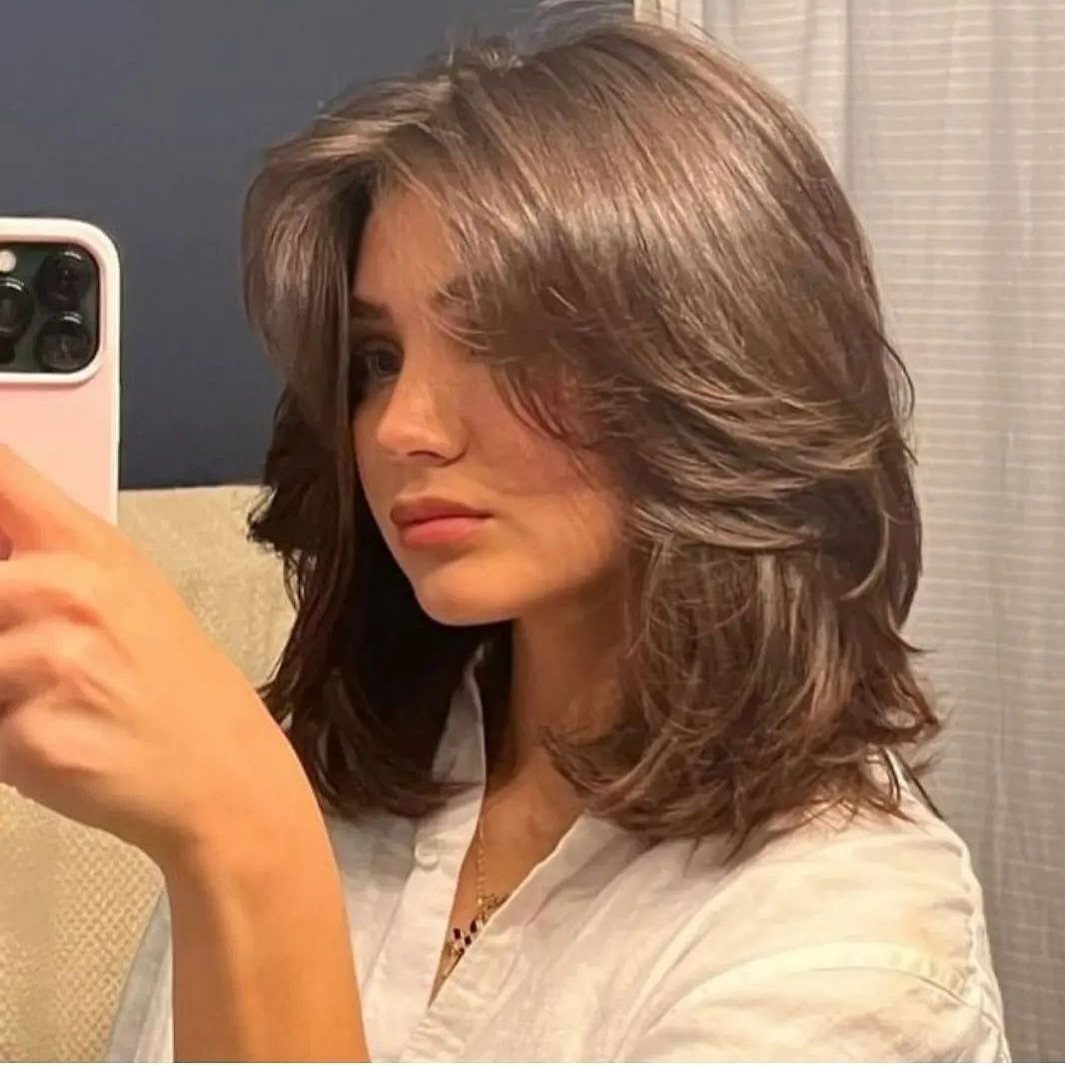
Rounded layers curve inward as they fall, so the hair moves in one smooth arc rather than flipping out or sitting flat. The layers are long enough to reach the shoulders but short enough to create lift at the crown.
A round brush or flat iron will emphasize the curve; without heat, the layers soften the shape but may not swoop as much.
This cut flatters most face shapes because the rounded layers soften the jawline without adding width.
17. Choppy Fringe
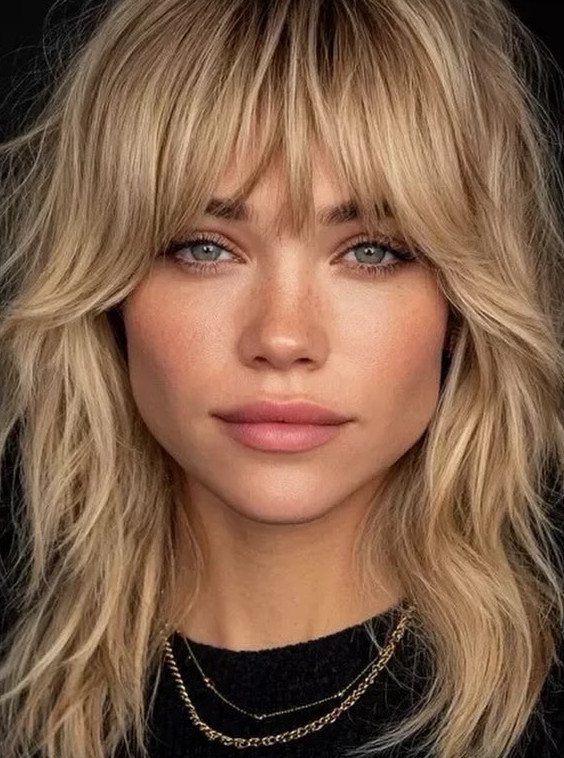
Short, textured bangs fall above the eyebrows and are cut with separation rather than one blunt line. The fringe sits forward and frames the forehead while the rest of the hair is layered into a shag.
The choppy texture keeps the bangs from looking heavy, which suits finer hair. Thicker hair will need more thinning at the ends to get the same separated finish.
Bangs this short grow into your eyes quickly, so trimming is frequent.
18. Fairy Cut
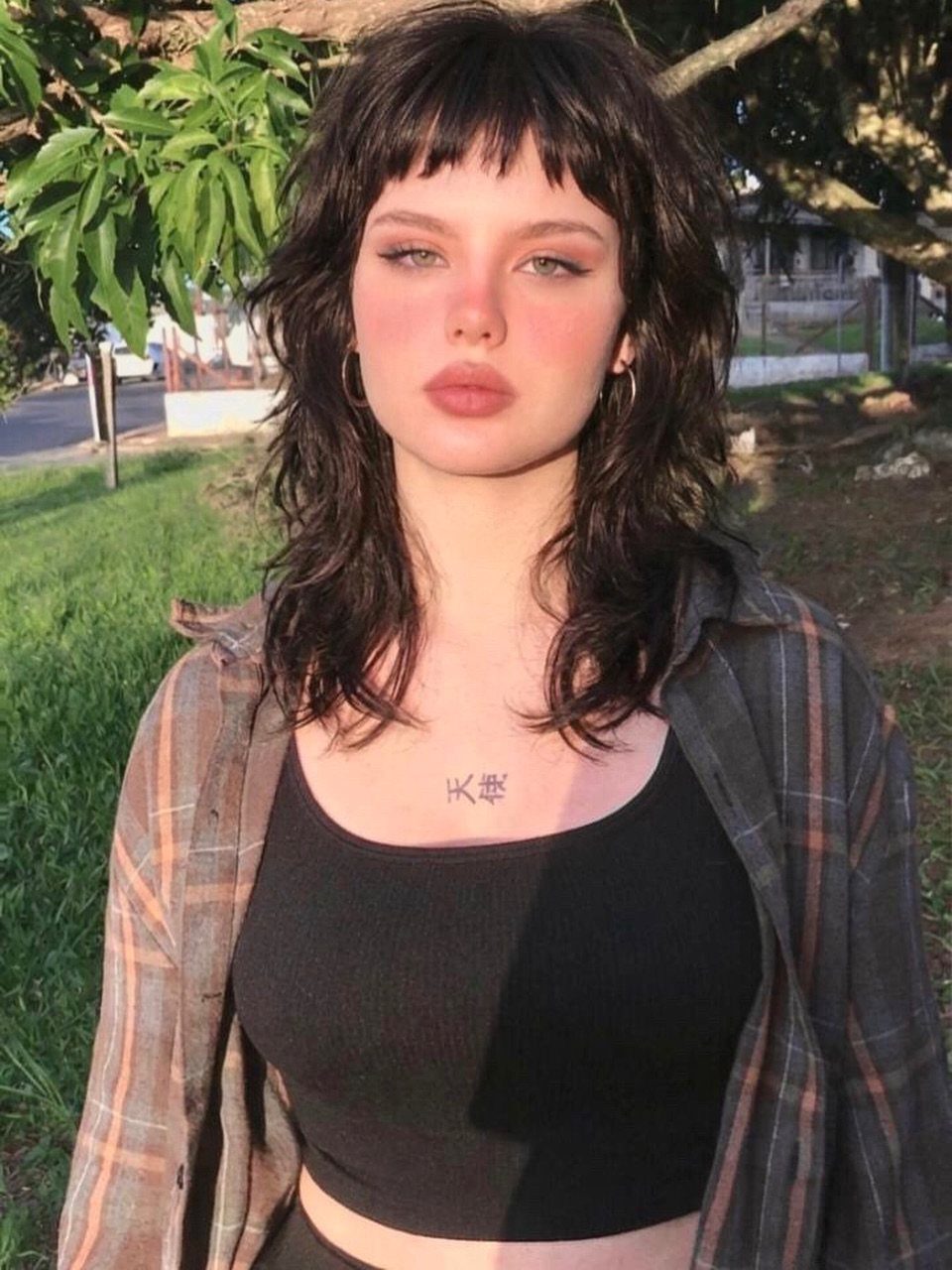
Layers are cut throughout, with the shortest pieces sitting close to the face and the longest ones landing at the shoulders. The result is soft, heavily textured, and full of movement.
Thick hair can handle the layers, but the shape may look too full unless the stylist thins out the bulk.
The layers grow out gradually, so the cut holds its shape for several months before needing a trim.
19. Box Braid Bob
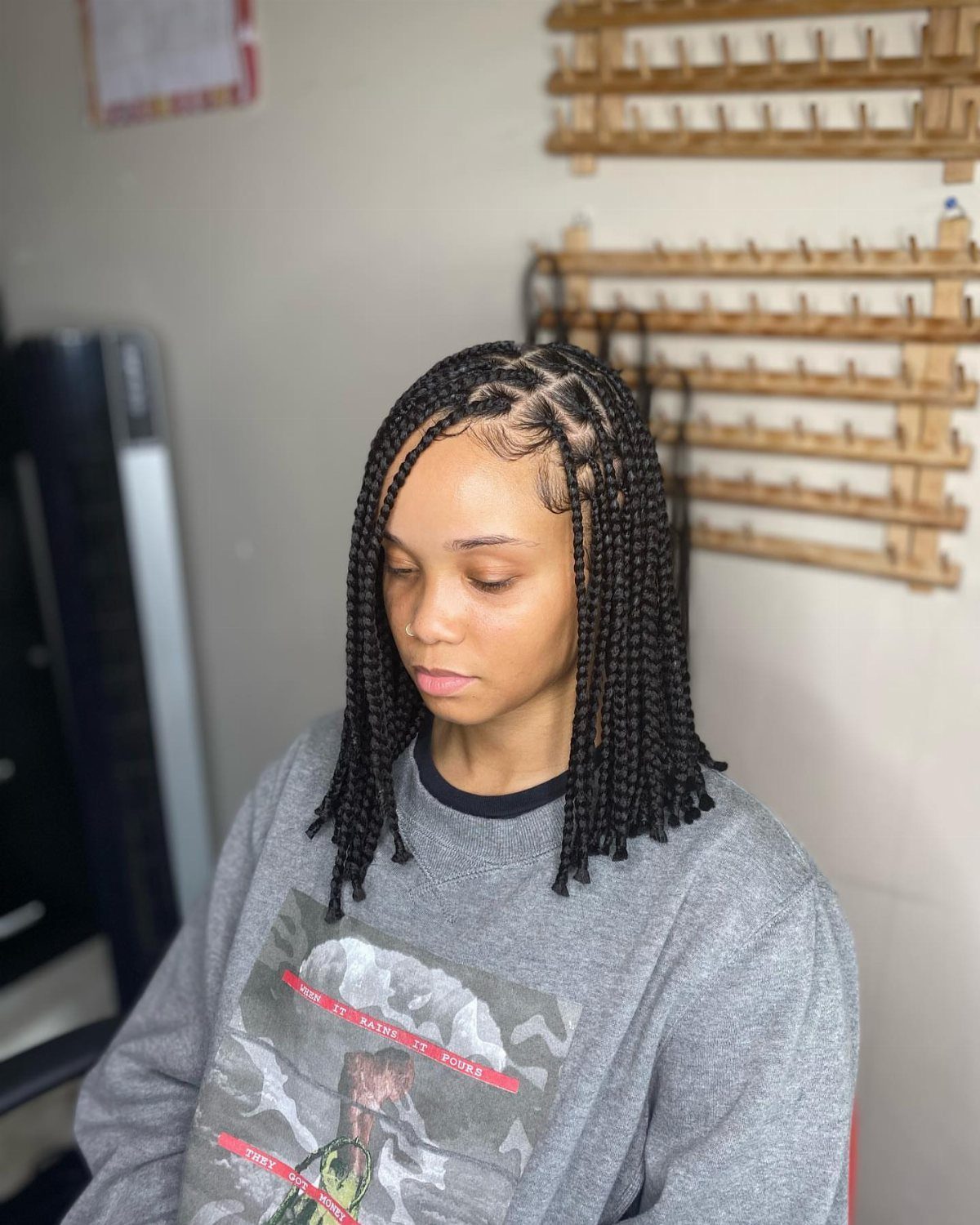
Box braids are cut or tied off at shoulder length, forming a bob perimeter. The braids themselves can be any width, but medium or jumbo sizes show the bob shape more clearly than thin ones.
This style protects natural hair while keeping the length manageable. The ends can be dipped in hot water to seal them, or left loose for a softer finish.
How long the braids last depends on how well you wrap them at night and how often you oil your scalp.
They stay in until the roots grow out enough to look loose, then you take them down and start over.
20. Braided Bob
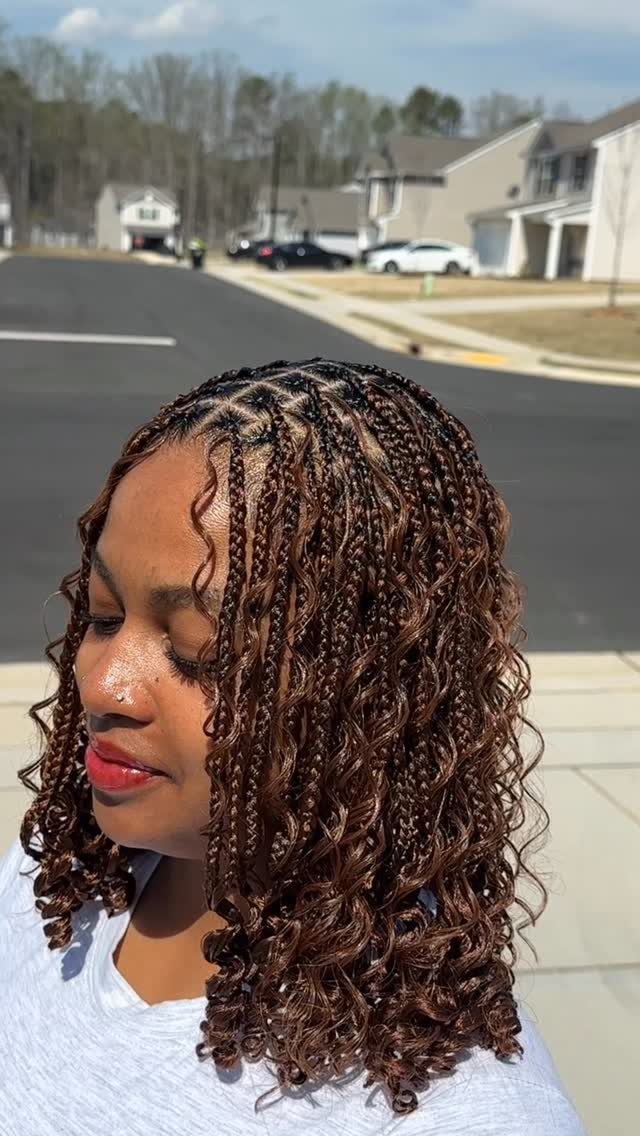
Individual braids are cut to shoulder length, with the ends left curly rather than sealed straight. The curls add texture and keep the perimeter from looking too uniform.
This works on box braids, cornrows that are then braided, or any style where the hair is sectioned and braided individually.
The curly ends can be achieved by unraveling the last inch of each braid or by dipping only the tips in hot water and curling them around a rod.
The style holds for weeks as long as the braids stay tight near the scalp.
21. Halo Cut

The perimeter is rounded and slightly layered, so the hair curves inward and hugs the head in a soft, halo-like shape. The cut sits at shoulder length and maintains fullness without adding bulk.
Curls will lift the perimeter and break up the rounded outline, which softens the shape but changes how the cut reads.
Without heat, the cut still holds its rounded shape but may not sit as close to the face.
22. Feathered Shoulder Cut
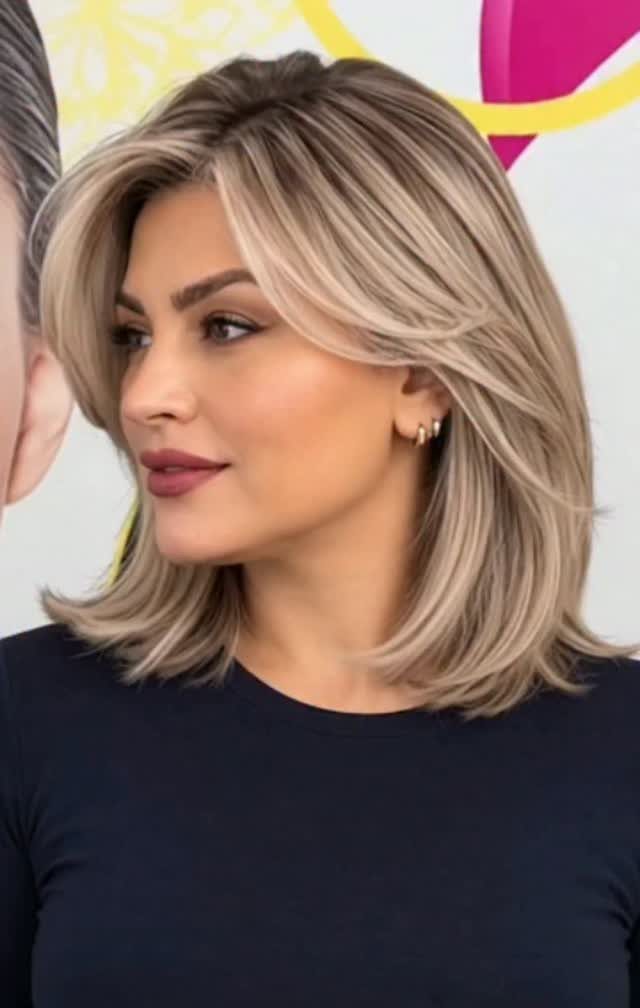
Layers are cut with a razor or point-cutting technique so the ends taper and flip outward instead of sitting blunt.
This works best on straight or wavy hair. Curly hair will soften the feathered ends, but the layering still reduces bulk.
A side part opens up one side of the face and adds asymmetry to the shape. The ends can be blown out with a round brush or left to air-dry for a more relaxed finish.
23. Wispy Bangs Bob

Light, separated bangs are cut shorter than the rest of the hair and thinned at the ends so they sit soft across the forehead.
The bob itself can be blunt or layered, but the wispy fringe keeps the front from looking severe.
The bangs need frequent trimming to stay out of your eyes. Between cuts, you can trim them yourself with thinning shears or by point-cutting the ends.
This suits fine to medium hair.
24. Side-Parted Curled Ends
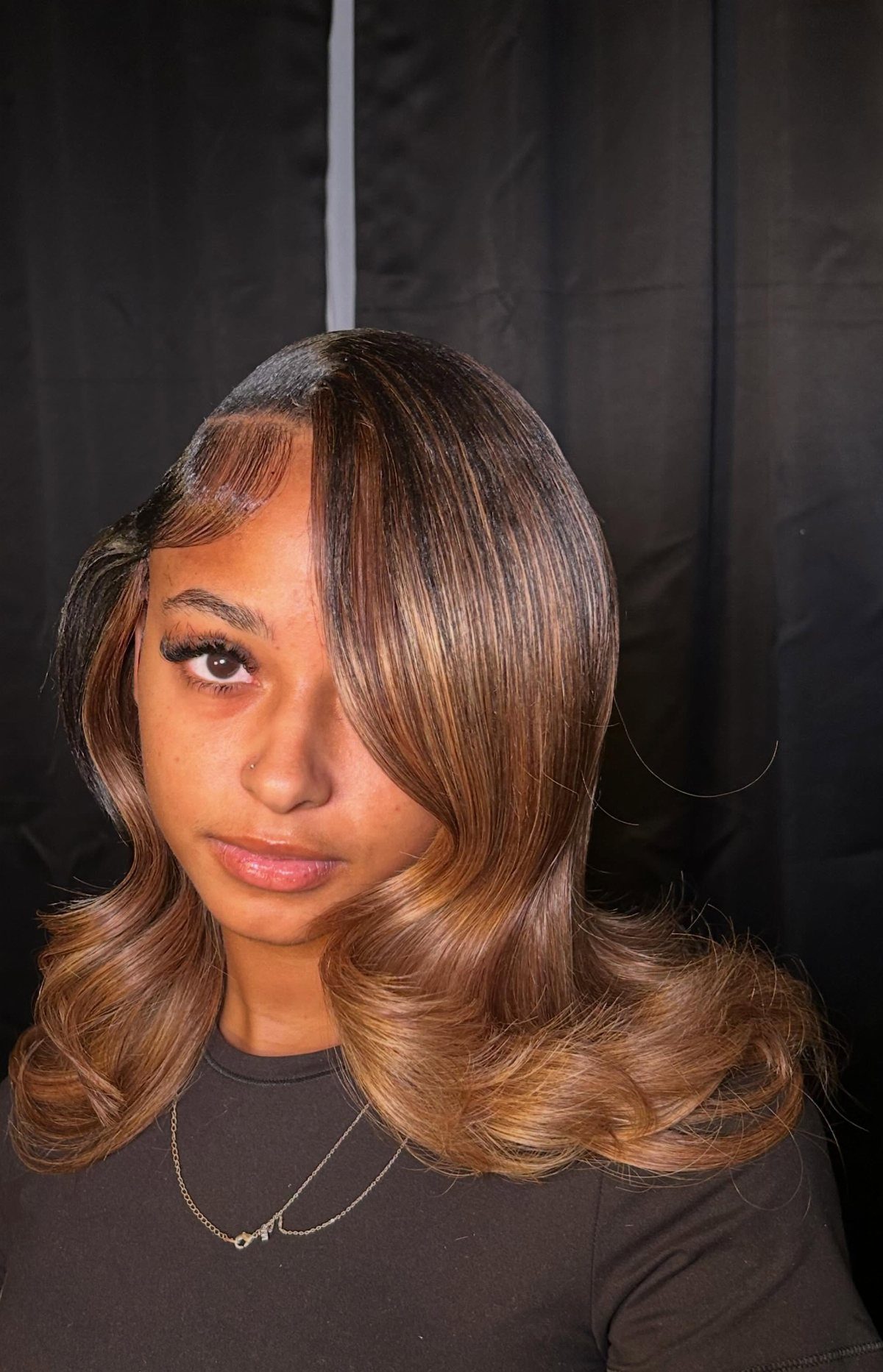
The hair is parted off-center and the ends are curled under with a flat iron or round brush, creating a polished, inward-curving finish. The side part adds asymmetry and keeps the style from looking too balanced or dated.
Straight hair holds the curl longest, but wavy hair can be blown smooth first and then curled under at the ends. Curls need to be straightened first, then you curl just the ends under.
The style lasts until the next wash, longer if you sleep on a silk pillowcase and touch up the ends with an iron in the morning.
25. Side Part
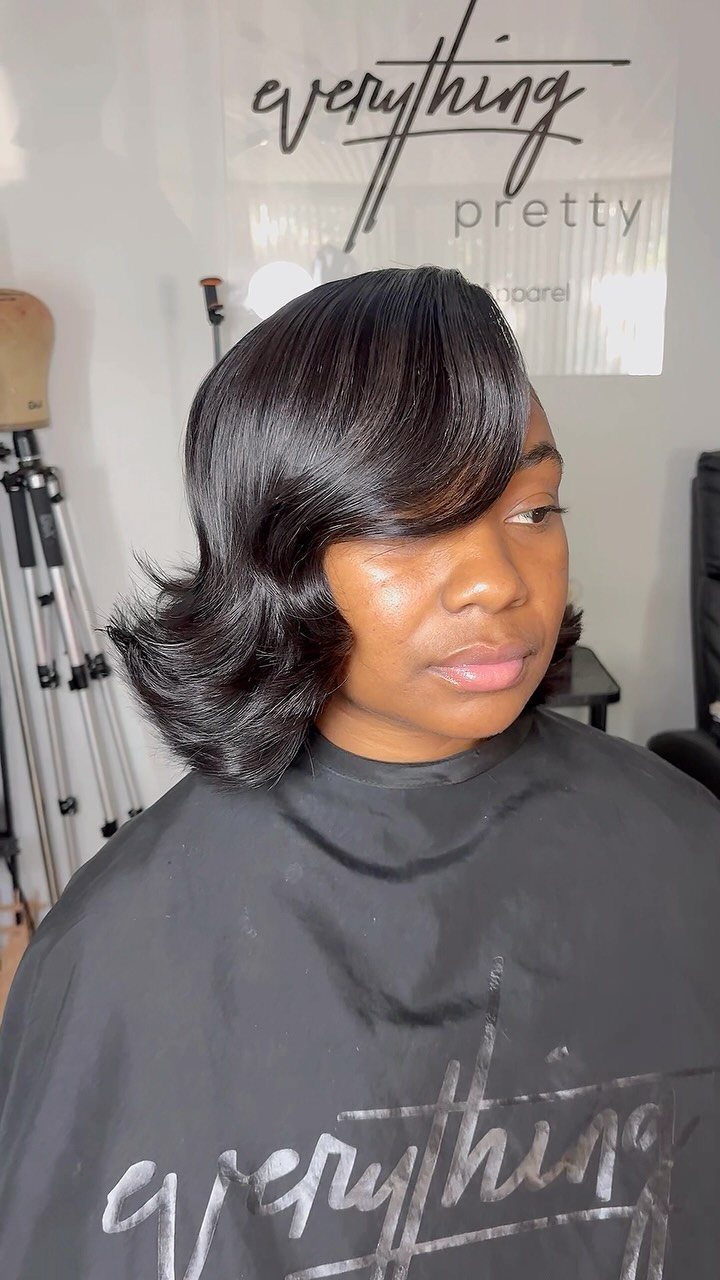
Parting the hair off to one side changes which side of the face opens up and which side the hair covers. A deep side part adds lift at the root on the heavier side, so fine hair looks fuller there.
The part can sit anywhere from slightly off-center to a dramatic side sweep. Moving it farther over increases the asymmetry and the volume on the fuller side.
Switching your part line too often can train the hair to fall flat, so pick one side and let it settle there for a few weeks.
26. Curtain Bangs
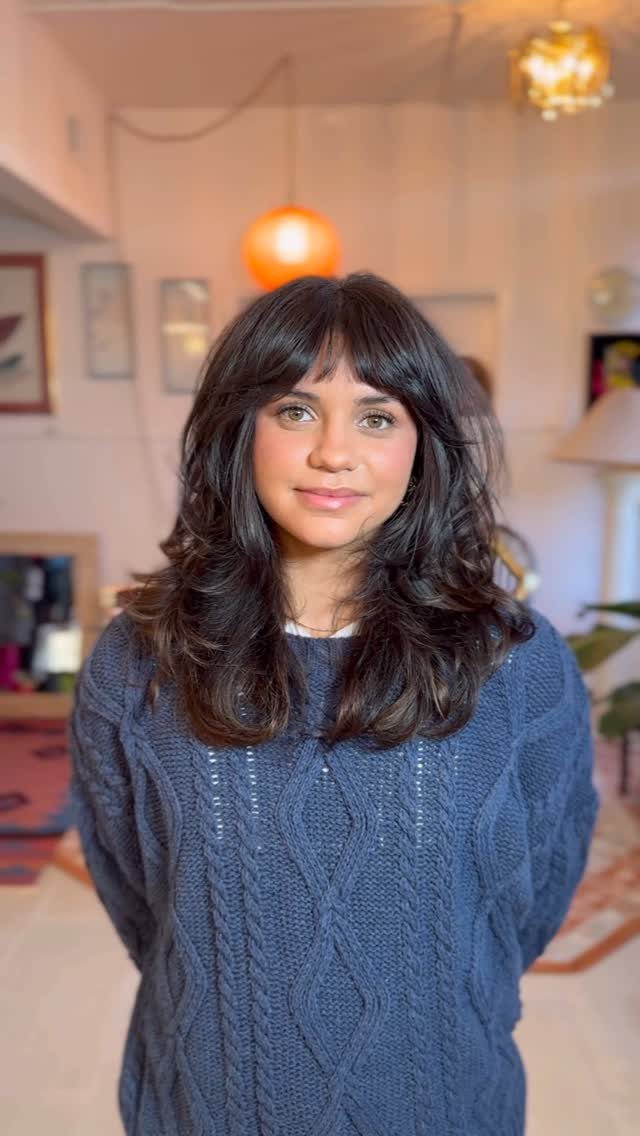
The fringe is parted down the center and cut shorter at the part, growing longer as it reaches the temples. The bangs frame the face on both sides without covering the forehead completely.
This suits most face shapes because the open center balances the framing on either side. Round faces benefit from the vertical line the part creates, and longer faces gain width from the outward sweep.
The bangs need trimming regularly to keep the length from falling into your eyes.
Choosing Layers and Perimeter
Layer placement changes movement and outline. Interior layers remove weight, face-framing layers shape the front, and a solid perimeter keeps the ends full.
If your hair is thick, the stylist may thin the interior so the cut doesn’t balloon.
Layers don’t automatically add volume. A few well-placed layers often do more than many.
Ask where the shortest layer falls and how much length remains at the bottom. Your stylist can advise what suits your hair type, but the final call is yours.
Natural Texture and Dry Length
Curly hair shrinks as it dries, and waves can bend differently in different sections.
Judge the shape in its natural dry pattern. Hair that hits your shoulders wet may bounce up to chin level after it dries.
Pattern type, how much hair you have, and where the bulk sits all shift the final silhouette.
Lightening the load helps curls stack and bounce, but overdo it and the ends look scraggly or choppy, especially if your hair is fine or thin to start. Coils pull up more than waves do.
Some cut on dry hair, some cut wet and adjust after it dries, some do both.
Frequently Asked Questions
What are the trends for shoulder-length hair in 2026?
Shags with choppy layers, textured lobs, and face-framing cuts are holding their place this year.
Blunt bobs, wolf cuts, and curly cuts shaped around natural texture continue to rank high. The common thread is movement and shape that works without heavy styling.
Is a shoulder-length haircut good for every hair type and texture?
Most hair types can wear shoulder length, but the cut changes to fit the texture.
Fine or straight hair gains dimension with layers or a blunt perimeter, curls need to be cut dry to account for shrinkage, and thick hair often requires interior thinning so the shape doesn’t balloon.
The length itself works, but the technique shifts.
Do shoulder-length hairstyles work on every face shape?
Face-framing layers and center parts suit oval and longer faces because they draw the eye down.
Side parts and outward-curving layers add width, which balances round faces better. The blunt cuts and symmetrical styles read best on faces that can handle a straight horizontal line at the shoulders.