These 22 cuts run from layered volume for fine hair through vivid split-color designs where bright panels grow out over darker roots.
Full bangs demand a trim every 3 weeks to stay out of your eyes, curtain bangs stretch to 8 weeks, and a lived-in shag goes 8 to 10 weeks between cuts without losing its shape.
1. Fine-hair Long Shag
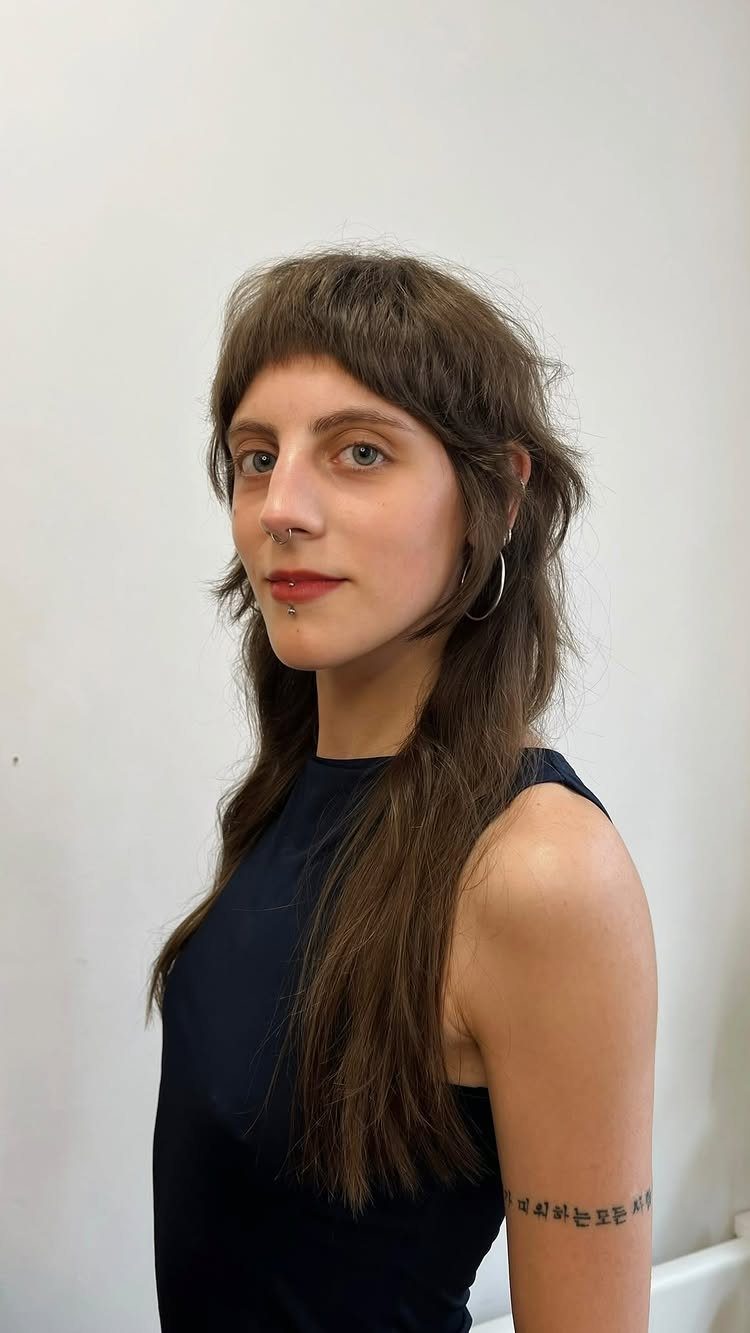
Layers cut throughout keep fine hair from lying flat, with shorter pieces at the crown building lift and longer sections below retaining length. Bangs add density at the front where thinning shows first.
Ask for internal layering rather than heavy texturizing, which can remove too much and leave ends stringy. The shape holds until weight pulls it down again.
2. Curly Long Shag
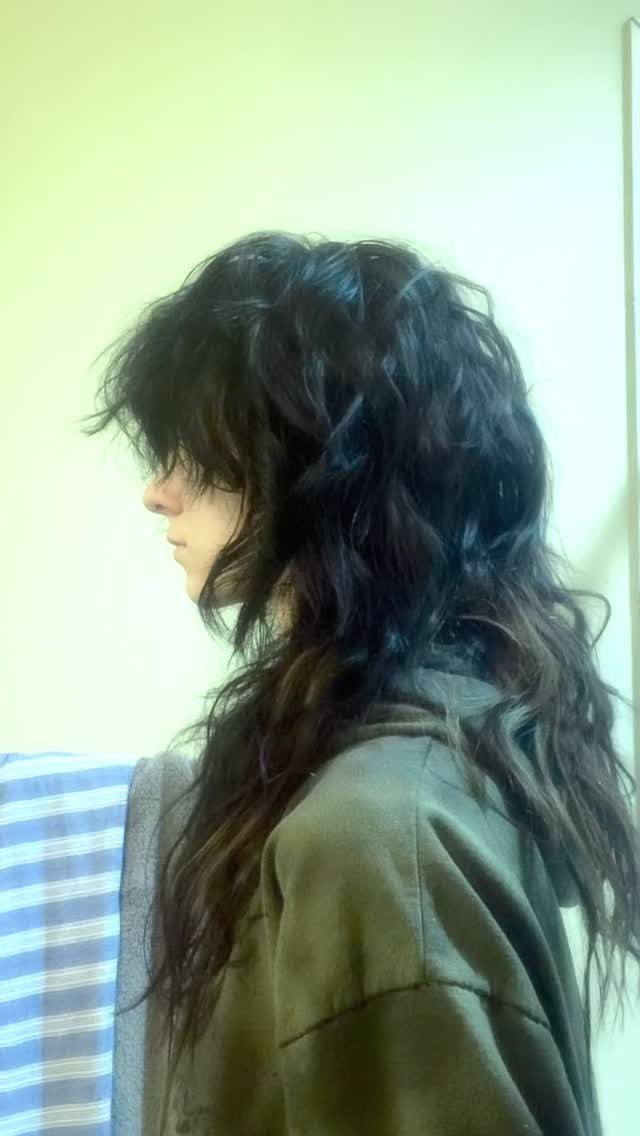
Layers follow the curl pattern instead of fighting it, with weight removed from the interior so curls spring up rather than stretching long. The length anchors volume without letting it go wide.
Book a stylist who cuts curls dry; wet cutting tends to remove too much, and the bounce-back leaves you shorter than planned. Refresh takes a spray bottle and scrunched product, no heat needed.
3. Face-framing Long Shag

Shorter pieces near the jaw or cheekbones draw attention inward and soften a strong jawline or wide forehead. The rest of the length stays below the shoulders, so you keep versatility for updos.
This works on straight or wavy hair; curly textures can pull it off but may need more frequent trims as curls shorten the apparent length of those front pieces.
I like it for oval and heart-shaped faces, where the framing balances proportions without covering too much.
4. Long Shag with Curtain Bangs
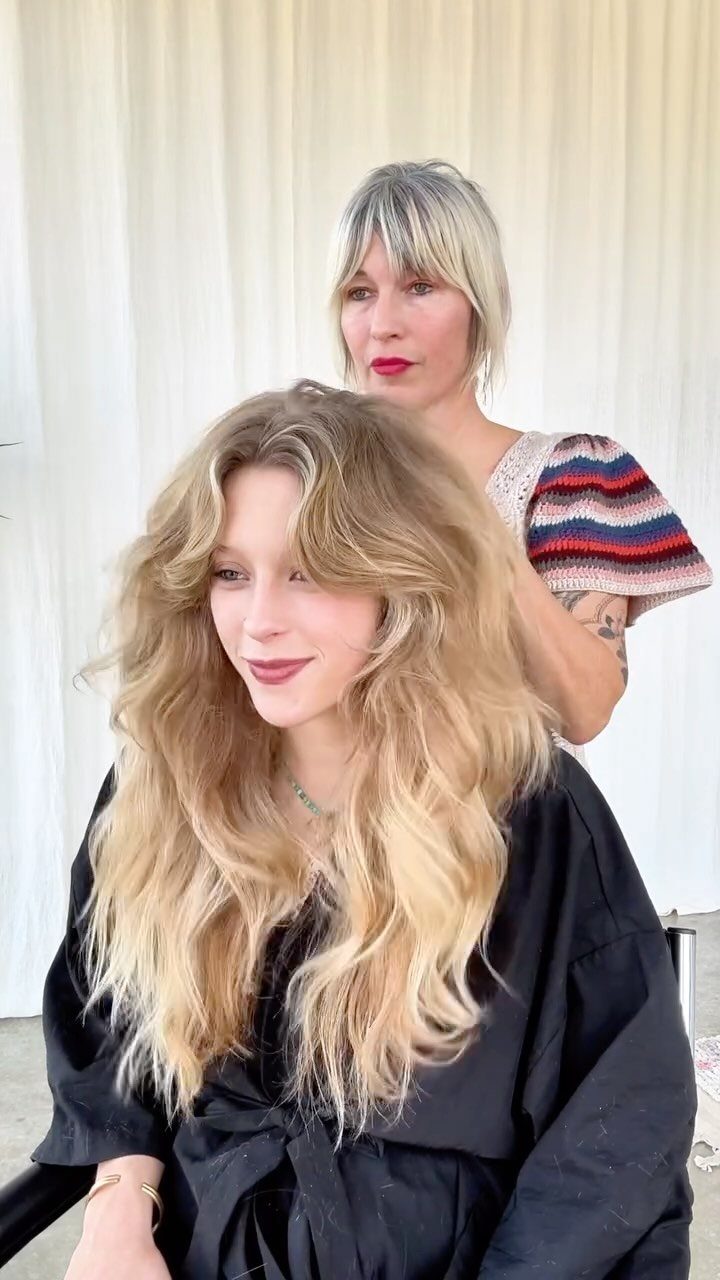
Curtain bangs part at the center and sweep outward, blending into the shag’s layered lengths without a hard line.
They open up the forehead and sit long enough to tuck behind the ears when you need them out of the way.
The grow-out is forgiving: another half inch just shifts the part deeper. Between trims, blow-dry them forward with a round brush to keep the curve, or let them air-dry if your hair holds a natural wave.
5. Edgy Long Shag

Choppy, disconnected layers and a fringe that looks a few weeks past its last trim give this version its undone feel. The texture reads intentional rather than neglected because the layers still move together.
Razor cutting or point cutting at the ends keeps the break visible.
If your hair is naturally straight, a texture spray or light mousse helps separate the pieces; wavy or coarse hair usually gets there on its own. Plan on regular trims to keep the shape from turning shapeless.
6. Feathered Long Shag
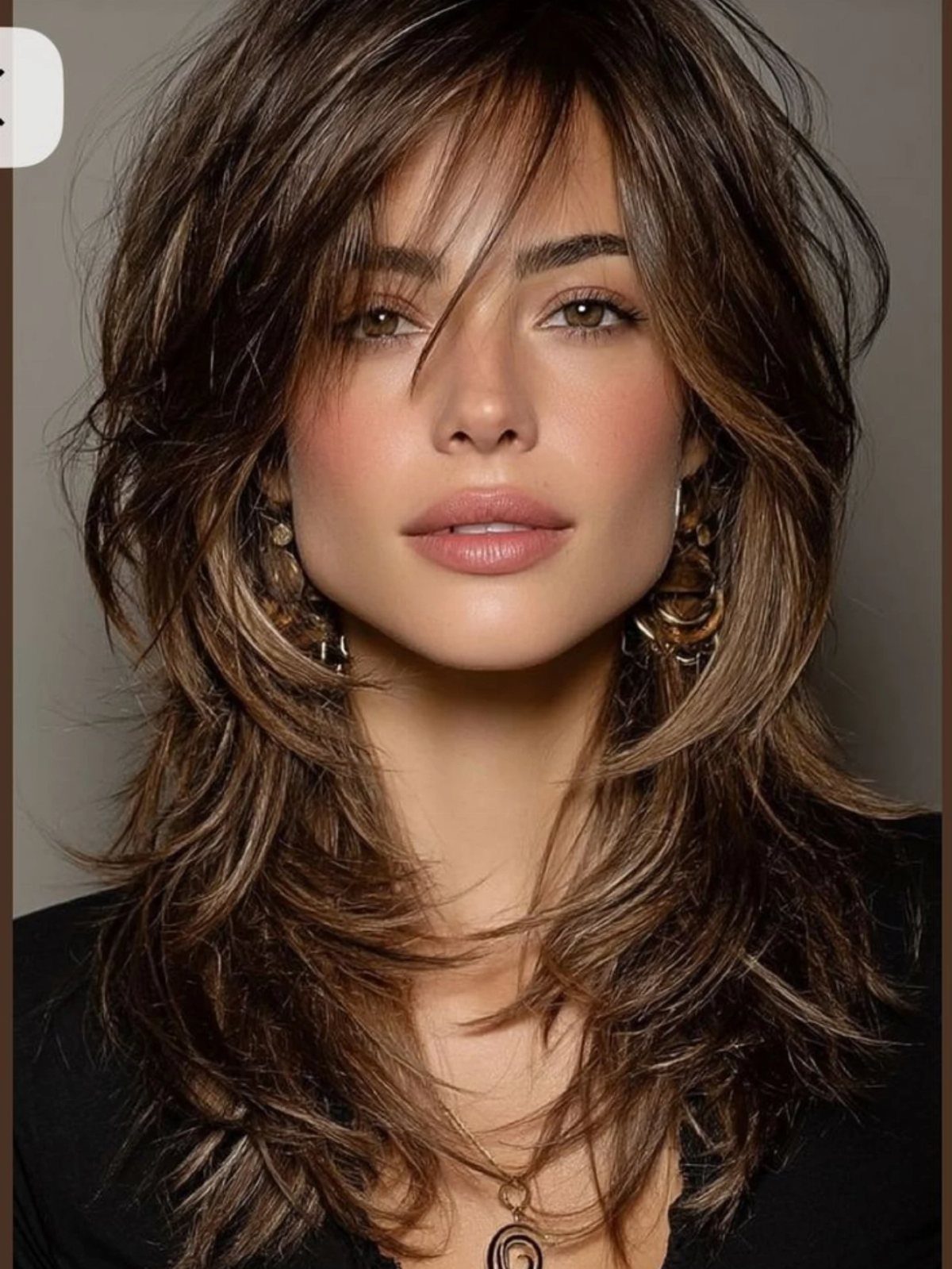
Feathering is point-cut or razor-finished ends that taper and separate rather than blunt-cutting a solid line. The result is softer movement and less bulk at the ends, which suits finer hair that can look heavy when cut straight across.
This finish requires blow-drying with a round brush to pull the feathered ends outward, so it adds a few minutes each morning. I think it ages better than a heavily textured shag because regrowth blends in instead of announcing itself.
7. Long Shag with Wispy Bangs

Wispy bangs thin out at the ends rather than sitting as a solid curtain, so they read soft and let forehead skin show through. The lightness keeps them from weighing down the front of the face.
They work on most textures but look best on fine to medium hair; very coarse or thick hair tends to split into heavy chunks instead of fine wisps.
Between trims, they stay easy to tuck to the side or blend back into the layers.
8. Long Shag with Highlights
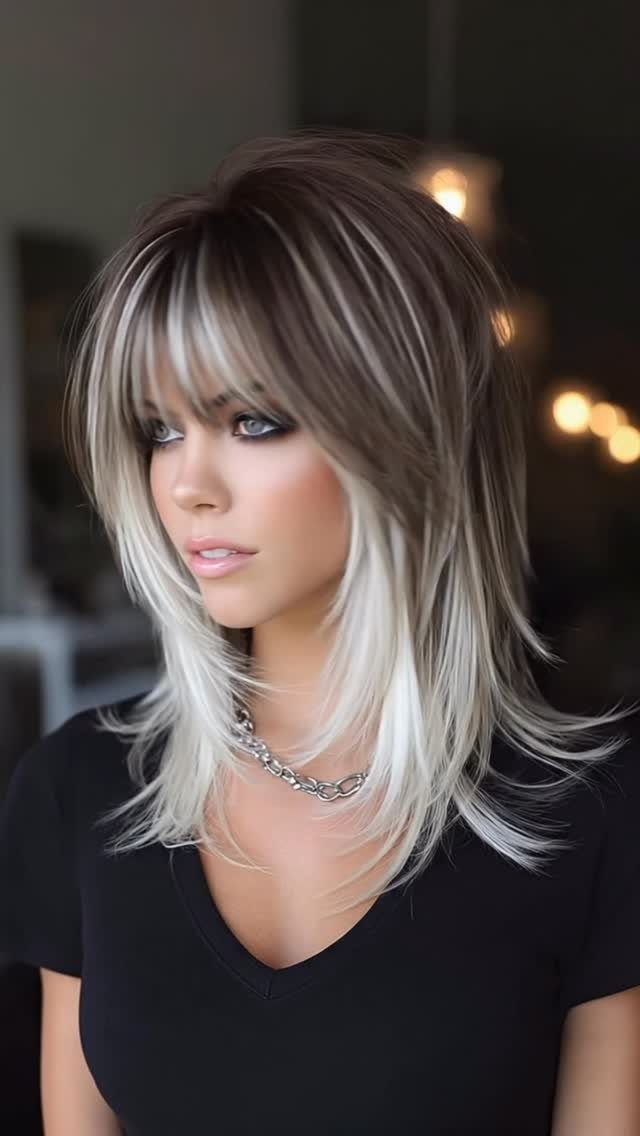
Highlights catch on the shag’s shortest layers and make the movement more visible, turning texture into dimension. Placement near the face or at the crown pulls light upward.
Contrast level changes how much the color reads: subtle ribbons blend at a distance, wider or lighter pieces show as separate tones.
The cut grows out fine on its own; the color needs a refresh depending on how bright the highlights started.
9. Thick-hair Long Shag
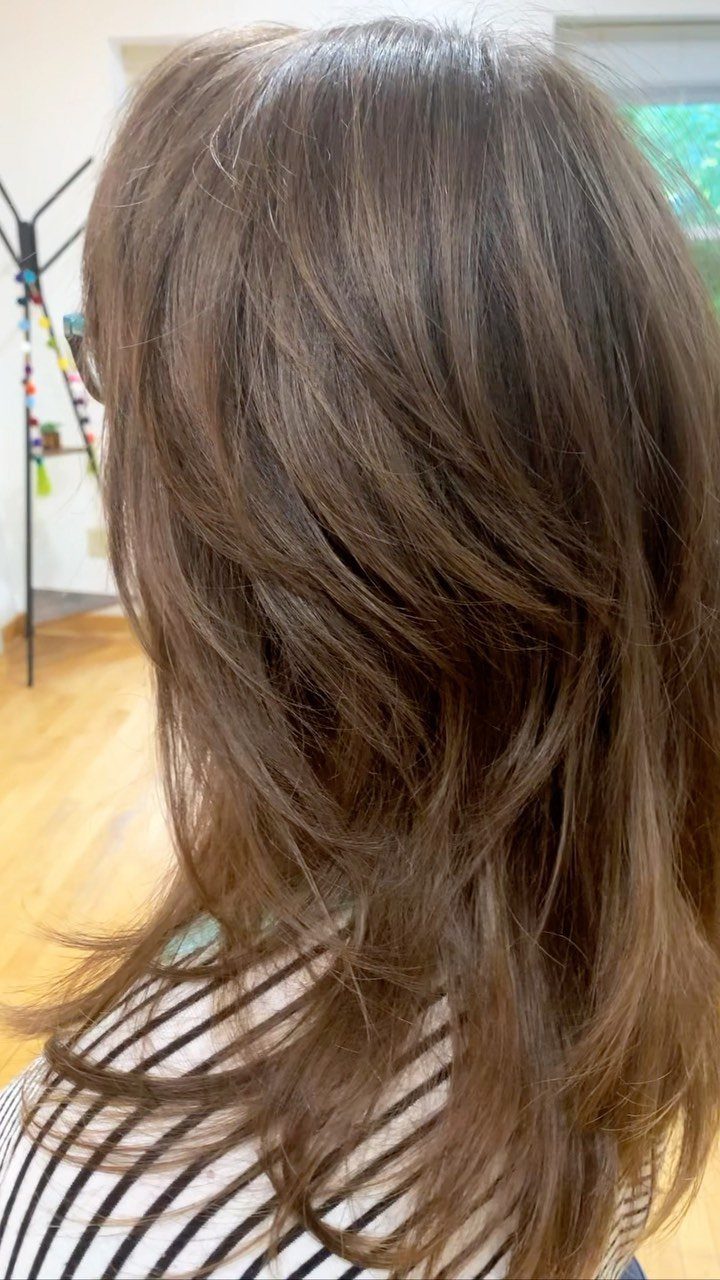
Internal layering carves weight from underneath without shortening the perimeter, so thick hair moves instead of sitting as one heavy mass. The top layers lift and separate while the length stays intact.
Request that your stylist thin from the mid-lengths inward, not at the ends, or the perimeter can look scraggly. Blow-drying takes less time once the bulk is gone, and I like that it keeps ponytails from pulling.
Regardless of length, the benefit to getting a shaggy haircut is that it does the heavy lifting.
— Glamour
10. Lived-in Long Shag
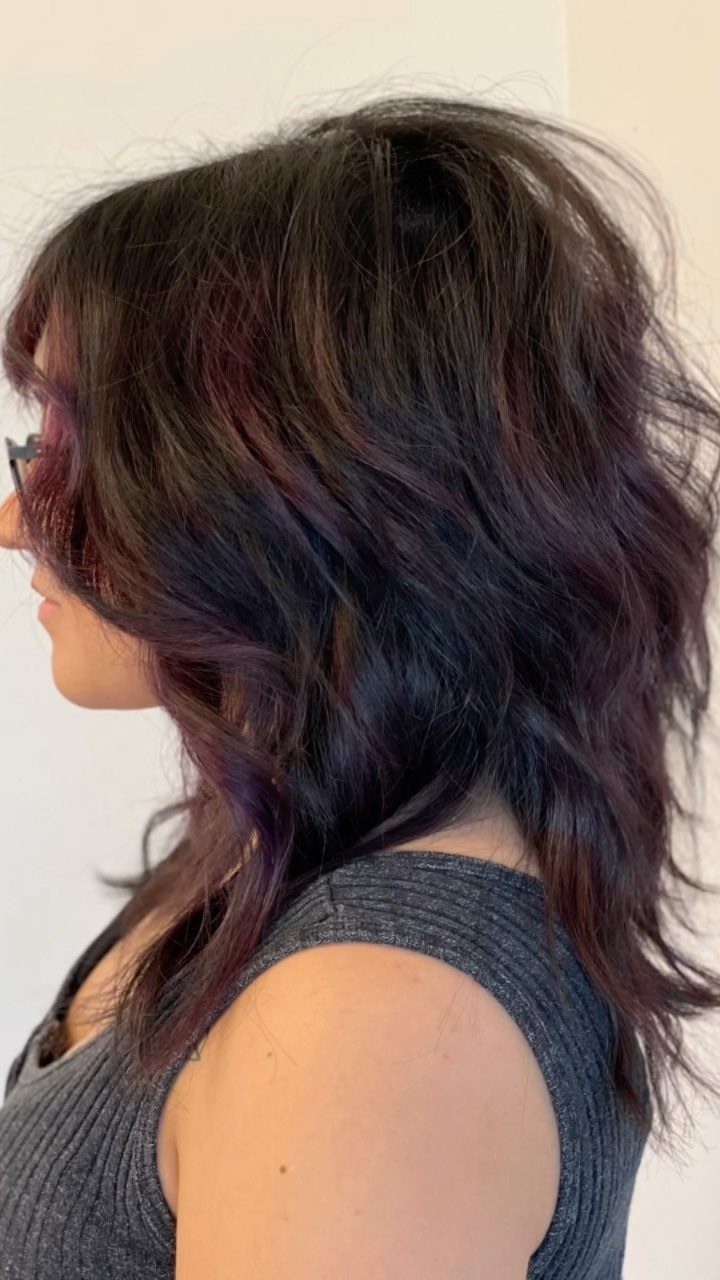
The layers grow for 8 to 10 weeks between trims and still look deliberate because the original cut anticipates that length. Ends stay textured, not blunt, so regrowth blends rather than announcing a line.
This approach suits people who want the shape without salon frequency.
Air-dry or rough-dry with your fingers, skip the round brush, and let the pieces fall where they land. It reads polished through the mess.
11. Long Copper Shag

Copper adds warmth without going full red, sitting somewhere between auburn and bright penny depending on the base. Paired with a shag, the color moves through the layers and catches differently on each one.
Copper fades faster than most colors, so plan on a gloss or toner if you want it to stay true. I like it on medium to olive skin tones, where the warmth brings out gold undertones without washing you out.
12. Long Shag with Natural Texture
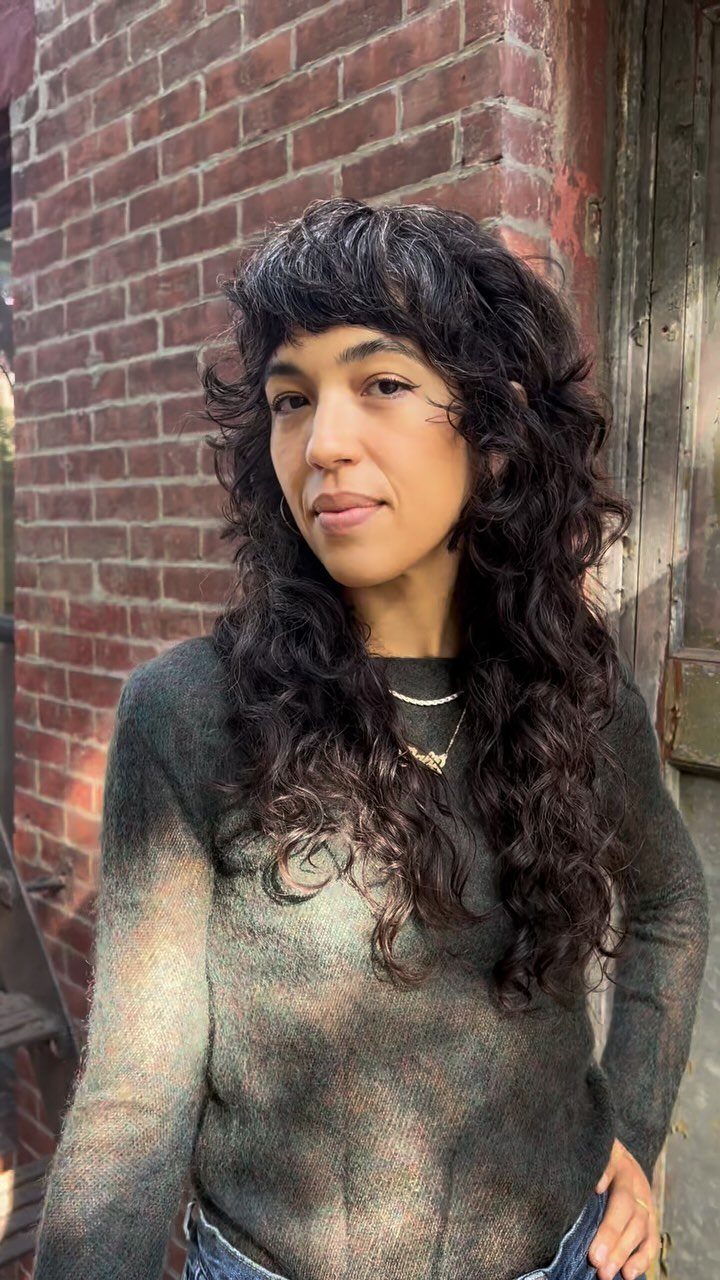
Layers follow the existing wave or curl pattern instead of imposing a shape that fights it, so the hair dries into movement without heat styling. The cut works with what the texture already does.
This saves time but relies on a stylist who understands how your specific curl behaves when dry.
Straight hair can pull this off if it has body, but limp, fine hair usually needs product or a blow-dryer to get any separation.
13. Long Black Shag
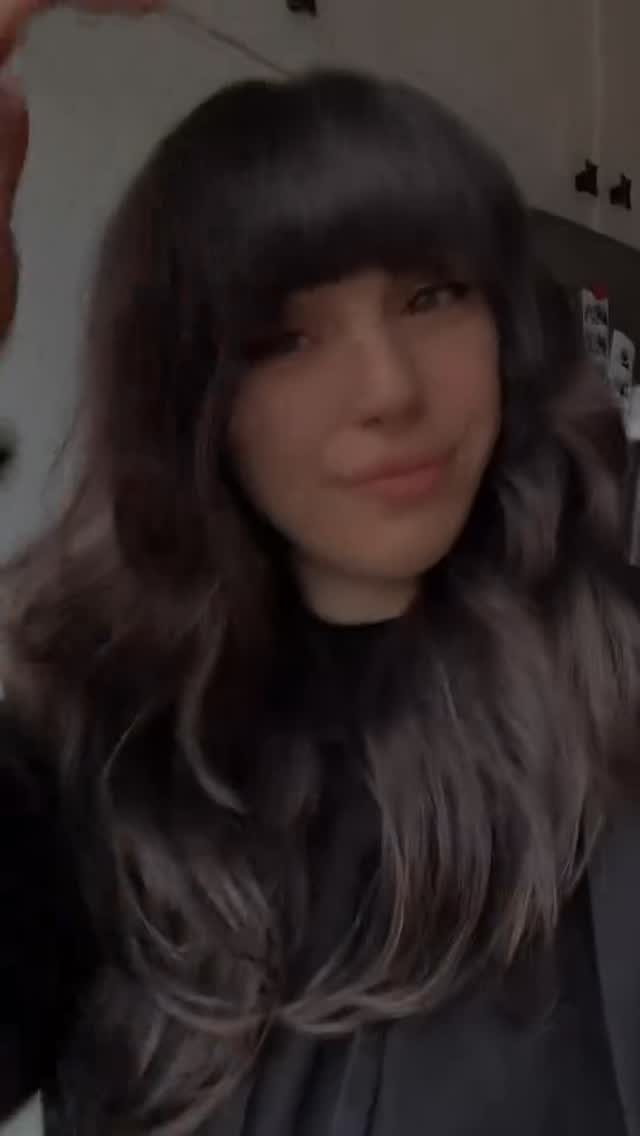
Black makes every layer visible because the contrast comes from light hitting each level rather than color variation. The cut reads sharper than it would in lighter shades, and any wave or bend shows up clearly.
This color hides regrowth on naturally dark hair, so you can stretch the time between root touch-ups.
On lighter hair, maintaining solid black means frequent salon visits or box color touch-ups. The layers grow out clean if the cut started with good internal structure.
14. Silver Shag
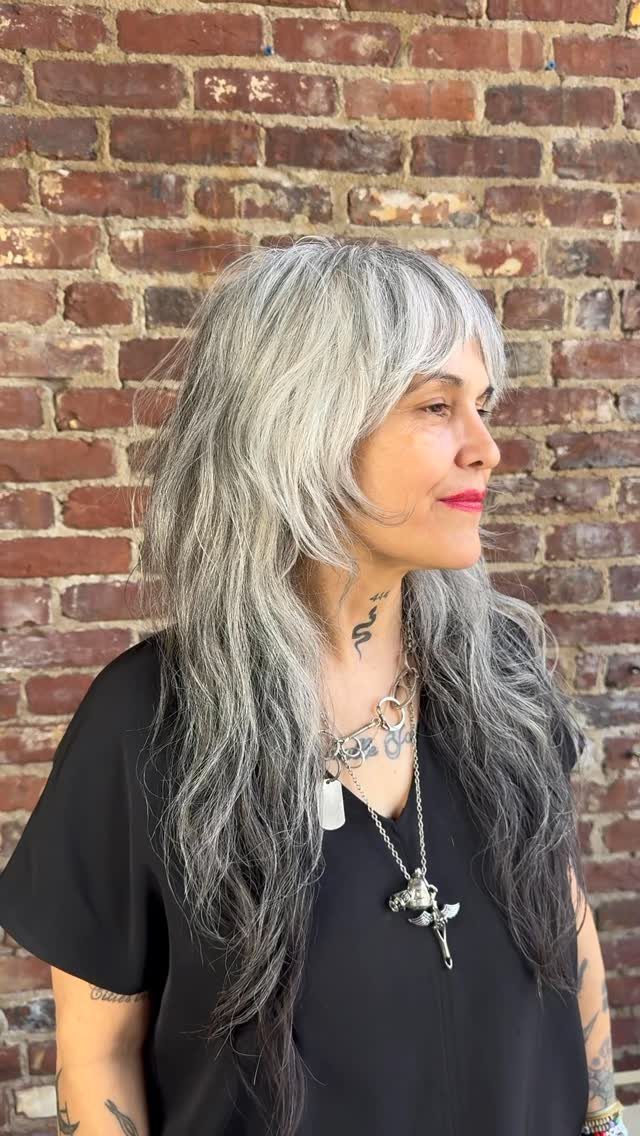
Silver hair takes texture well because the color itself adds dimension without needing highlights. The layers catch light differently across each section, and the cooler tone reads modern rather than aging.
Natural silver grows in unevenly for most people, so getting to a full head means either waiting through the transition or lifting existing color and toning it.
Maintenance is purple shampoo once or twice a week to keep yellow from creeping in.
15. Curly Shag Micro Bangs

Micro bangs sit above the eyebrows, short enough that curls can’t drop them into your eyes. Paired with a curly shag, they give the front a clean line while the rest stays textured and loose.
The bangs need a trim often because curls bounce up as they grow, and a bit of length turns them from cropped to mid-forehead fast.
They work best on tighter curl patterns that hold their shape; loose waves tend to flatten or separate awkwardly at that length.
16. Modern Mullet Shag
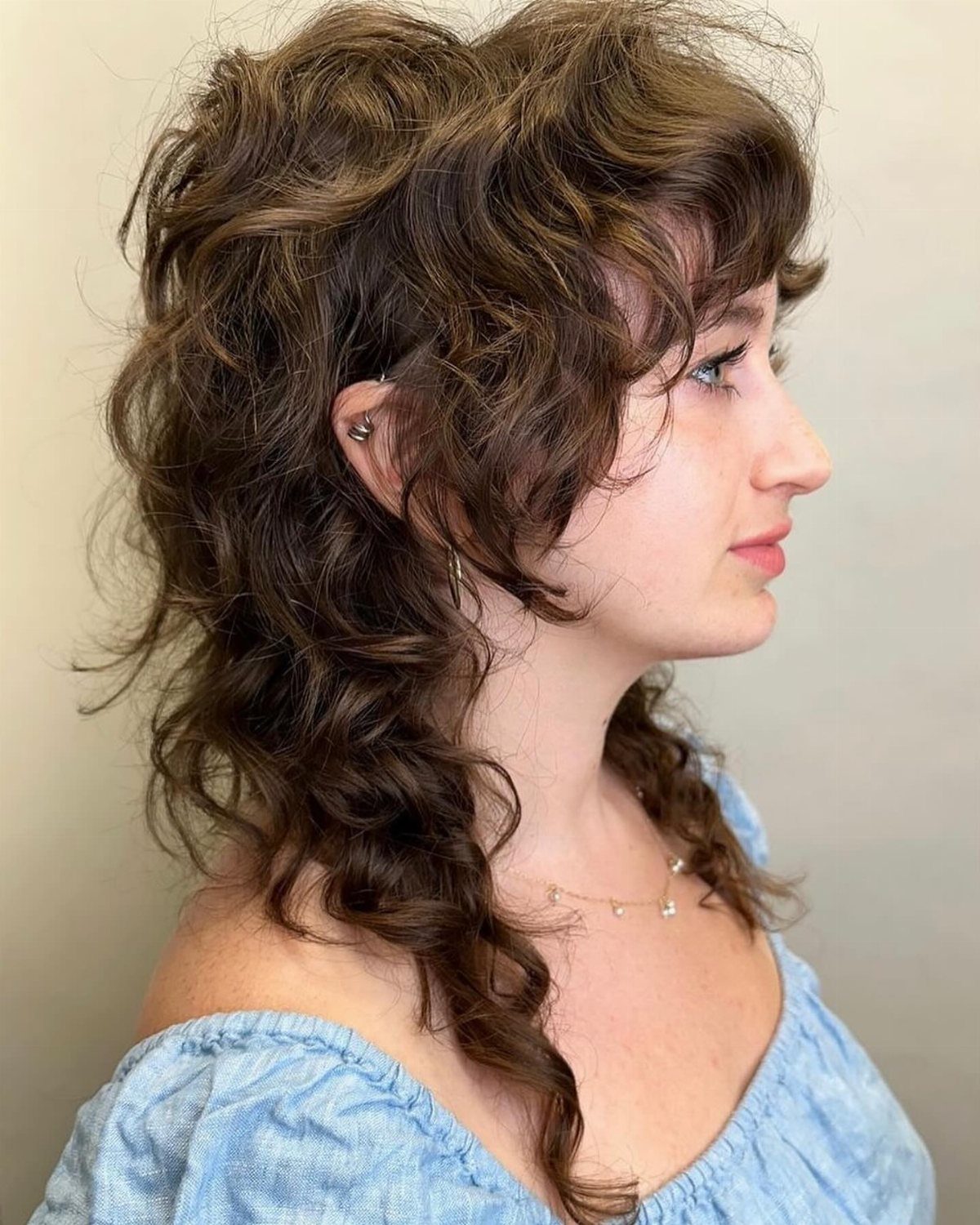
Short layers through the crown and sides meet longer lengths at the back, so you get volume on top and length behind without the disconnect feeling accidental.
The shape borrows the mullet’s proportions but softens them with shag layering instead of a hard line between sections.
Ask for the back to stay at least shoulder length so it reads as long rather than just grown-out.
Styling is minimal if your hair has natural wave; straight hair benefits from a curling iron or texture spray to keep the layers from lying flat. This one turns heads, and not everyone will like it on you.
17. Chocolate Brown Shag

Chocolate brown sits warm without going red, and the layered ends pick up different tones depending on the light. The depth shows off the layered texture, and the color stays true longer than most fashion tones.
This shade suits most skin tones because it doesn’t lean too warm or too cool.
Maintenance is low if you’re close to your natural color; a gloss every 6 to 8 weeks keeps it rich. The layers blend as they grow, so you can stretch the time between cuts if needed.
18. Long Shag with Full Bangs

Full bangs sit as one solid section across the forehead, covering it completely rather than parting or feathering out. With a shag, they anchor the face while the rest of the hair moves freely.
The bangs need a trim every 3 weeks or they drop into your eyes, and that’s the upkeep cost of this look.
They suit straight to slightly wavy hair; curly textures tend to spring up and shorten unpredictably. Between trims, a flat iron keeps them smooth if your hair holds any wave.
19. Long Blonde Layered Shag

Blonde layers lift the shag’s movement into visibility because lighter tones catch more light. The wispy bangs keep the front soft without adding weight.
This look suits fine to medium hair that holds a wave or can be styled into one. The blonde itself needs upkeep: toner every 4 to 6 weeks if you want it cool, less often if you let it warm up.
20. Split-color Curly Shag
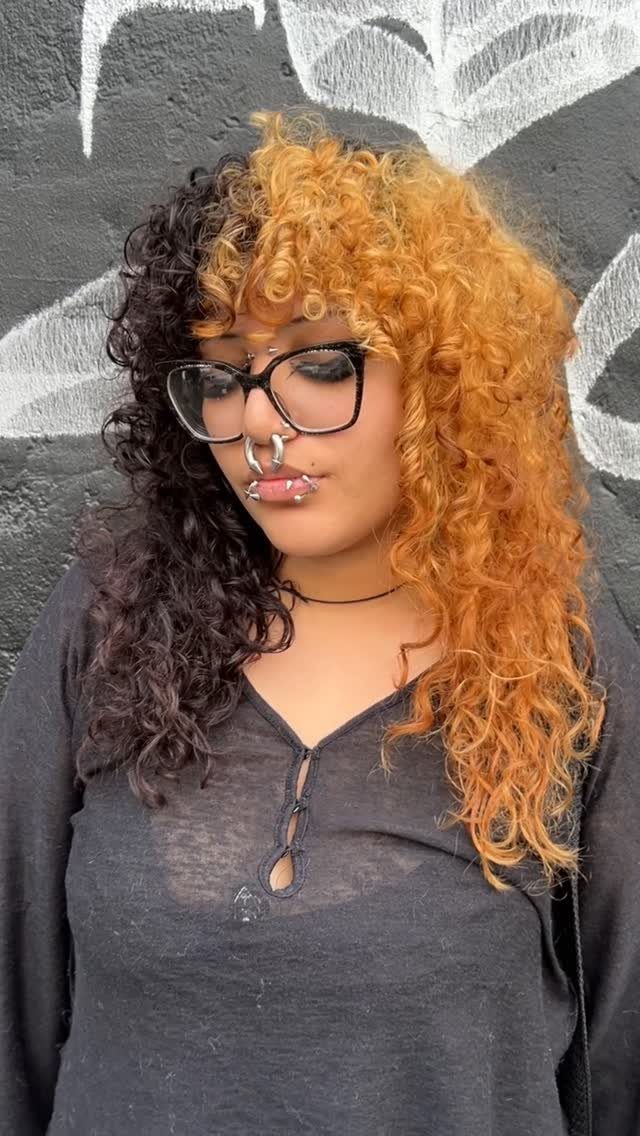
Two colors split vertically down the center give curls double the dimension they’d have in one shade. Dark brown anchors one side, copper-orange lights the other, and the line where they meet stays visible because curls hold their section.
The color takes time: lifting dark hair to copper means bleach, and that’s hours in the chair plus ongoing conditioning.
Curls hide regrowth better than straight hair, so you can space out touch-ups without a visible line. The shag’s layers keep both colors moving rather than sitting as flat blocks.
21. Long Split-color Shag
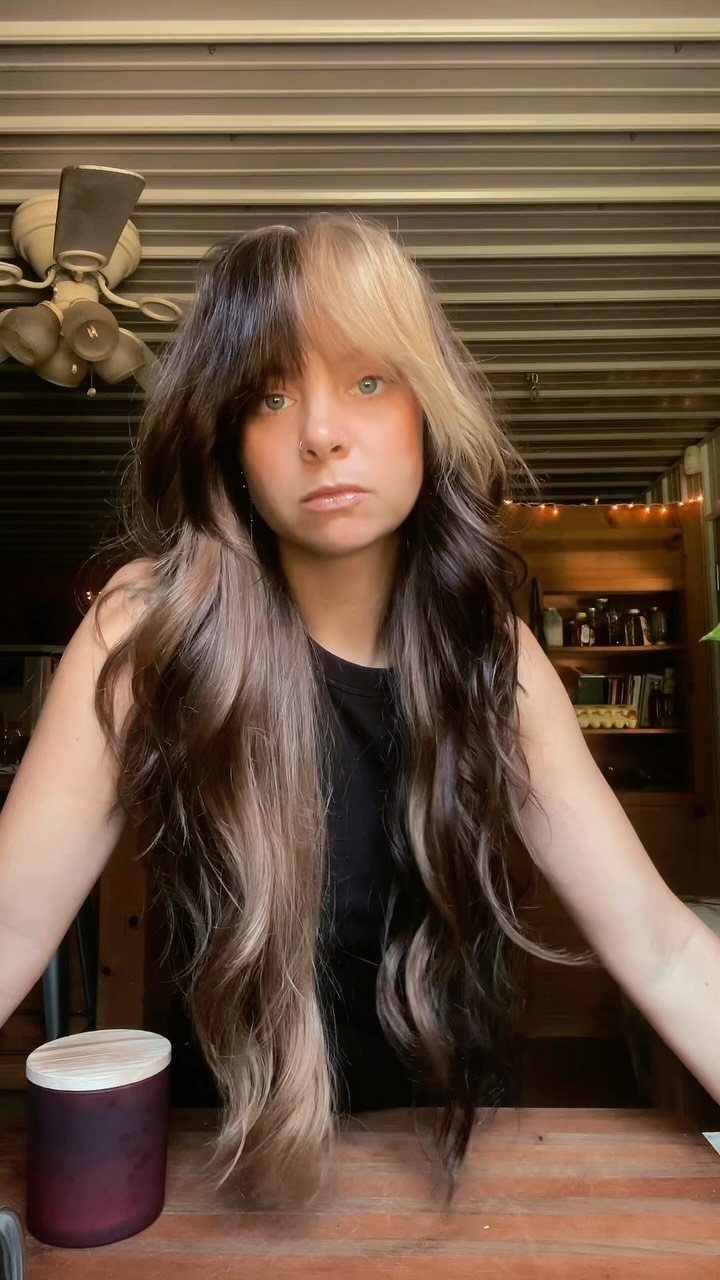
Dark brown on one side and pale blonde on the other meet at a vertical split, with the blonde continuing through the fringe. The 2 tones stay separate rather than blending, so the contrast holds even as the waves move.
Maintaining 2 colors this far apart means separate appointments or careful sectioning at home. The blonde side needs regular toning to stay cool, and the dark side grows out clean if it matches your natural color.
Layers keep the split from reading as a hard costume; the texture softens what could otherwise feel too sharp.
22. Red and Magenta Shag
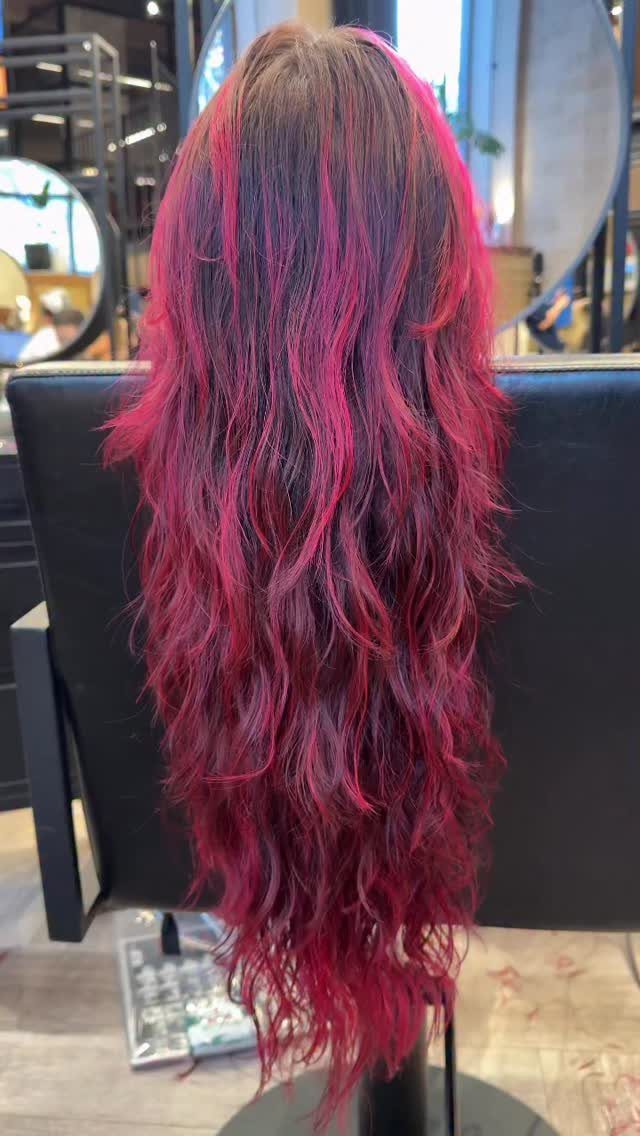
Vivid red and magenta sit over dark roots, so the bright color starts a few inches down and the grow-out looks planned rather than overdue.
Fashion shades like these fade fast, so budget for regular refreshes if you want them to stay saturated.
The dark roots buy you time between full color applications and keep the scalp work minimal. Layers spread the tones across more surface area, which makes the color feel bigger than a single-length cut would.
At-home Styling and Upkeep
Curly or wavy hair benefits from scrunching and diffusing, while straight shags need only a rough blow-dry with fingers to preserve texture.
Roots stay untouched so volume reads natural rather than staged.
Long shags are built to grow out well, and bangs can look good a little broken-in. Day two often looks better than day one, needing only a light mist and product at the ends before scrunching.
Shag Product Routine
Volume-enhancing shampoo and conditioner keep layered hair from lying flat. Salt spray lifts at the roots, and a light leave-in smoothed over the bangs and ends adds softness without weight.
Clips set curtain bangs after blow-drying, a faster method than heat styling.
Roll the bang away from the face, clip each side, and let it air-dry. For more lift, use one Velcro roller per side after blow-drying, rolling the hair back.
Bond-repairing masks protect layered cuts from breakage. The shag’s complexity means strands carry more stress at each layer, so regular conditioning keeps ends intact between trims.
Frequently Asked Questions
What is a long shag haircut?
A long shag uses layers cut throughout the length to create movement and texture rather than sitting as one solid line.
The layers are feathered or point-cut at the ends instead of blunt, so the hair shifts when you move and air-dries into shape without needing heat styling.
The cut looks lived-in because it grows out gradually rather than announcing a hard line.
Do long shag haircuts work for all face types?
Yes, but layer placement and fringe shape change based on your face.
Round faces need elongated layers and lighter fringe to add length, square faces benefit from wispy layers that soften angles, and heart-shaped faces look best with face-framing pieces that start below the cheekbones to balance width at the forehead.
If your face is oval, you can add weight through thick bangs or aggressive layers without throwing off the balance.