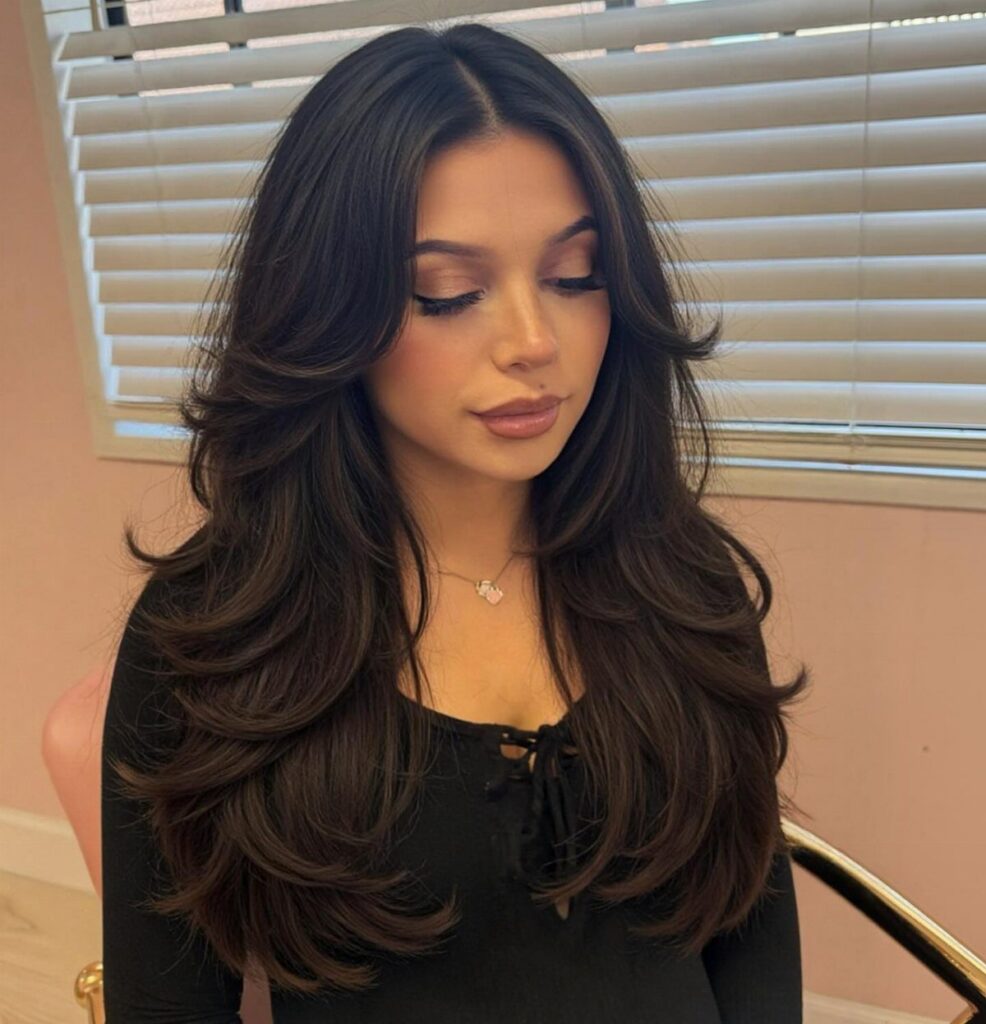
A square face measures about the same width at the forehead, cheeks and jaw, which means the right haircut adds visual length and softens straight lines rather than stopping right where the face is widest.
Curtain bangs taper from the center part toward the cheekbones, and an angled bob sits shorter at the back and longer toward the chin, both creating diagonal lines that counter the angular edges.
1. Long Waves
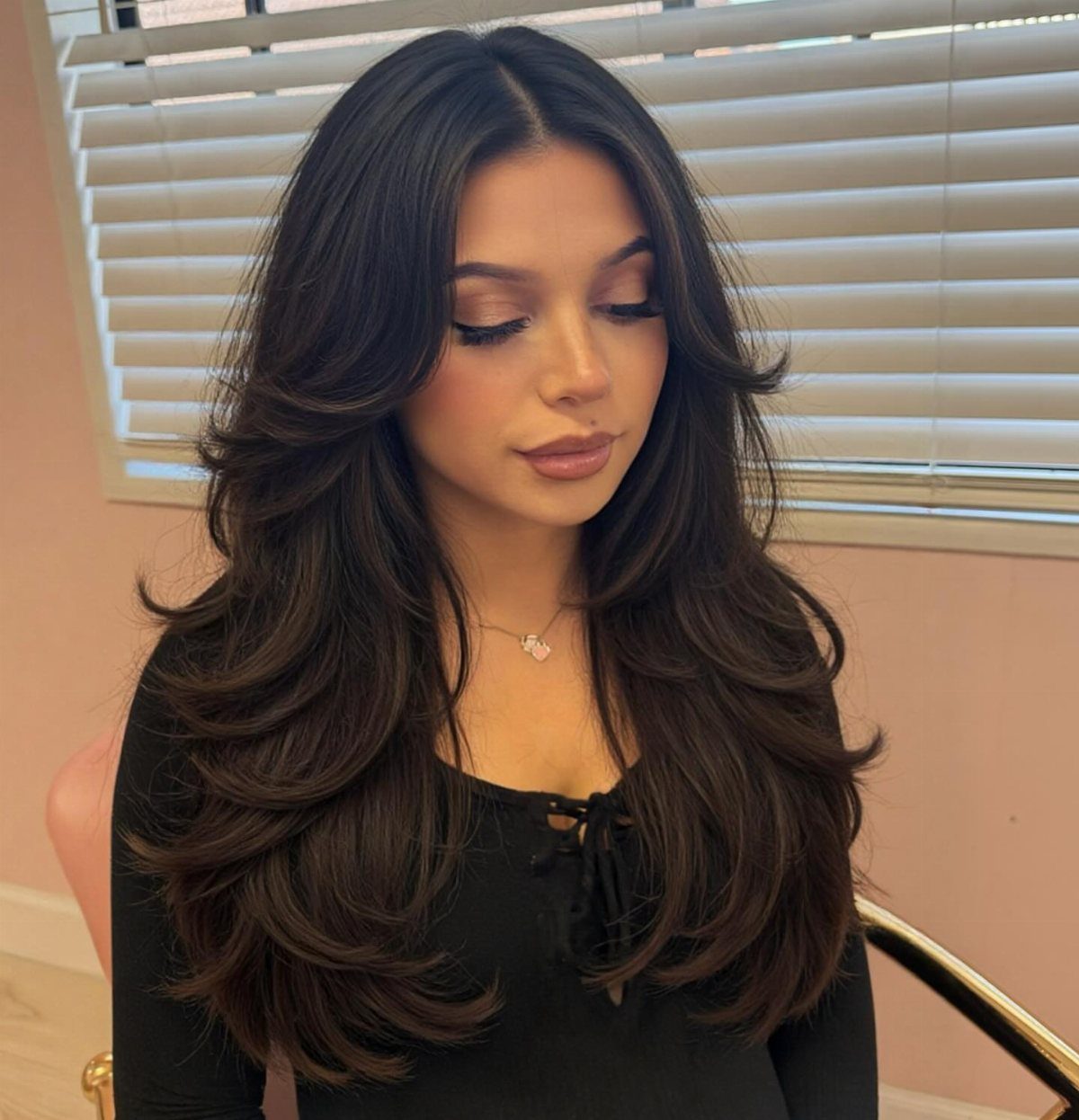
Loose waves add movement that pulls attention vertically instead of emphasizing the width at the jawline. The volume sits mid-length and at the ends, not at the sides of the face.
If your hair is straight, waves hold longer when you start with slightly damp hair and wrap sections away from the face. The result softens a strong jawline without adding width where you don’t want it.
2. Messy Waves
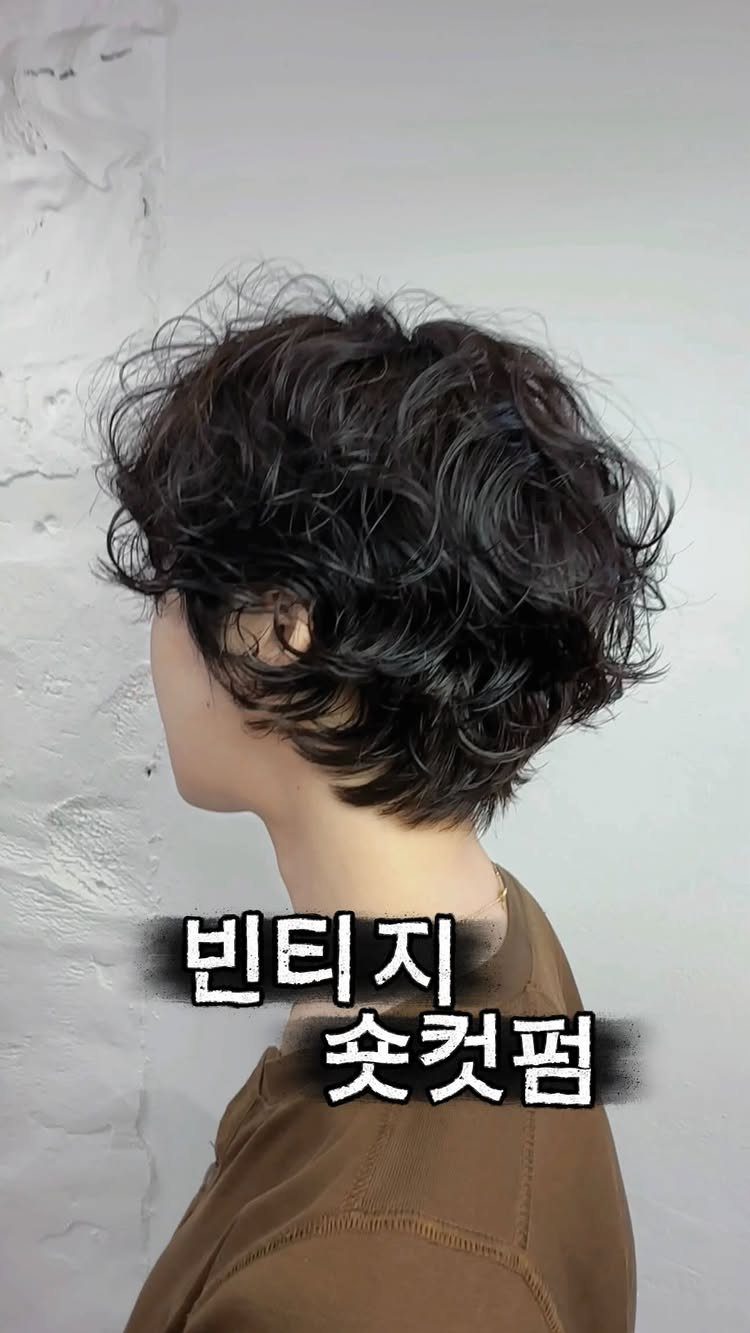
A shorter length styled with tousled, undone waves keeps the silhouette close but the texture soft. The movement breaks up the straight lines of a square jaw without sitting right at its widest point.
This works when the waves are loose and don’t sit flat against the sides of the head.
I prefer a little lift at the crown and pieces that fall forward rather than straight down. A texturizing spray after styling gives the separation that makes it look intentional instead of merely unstyled.
3. Textured Pixie
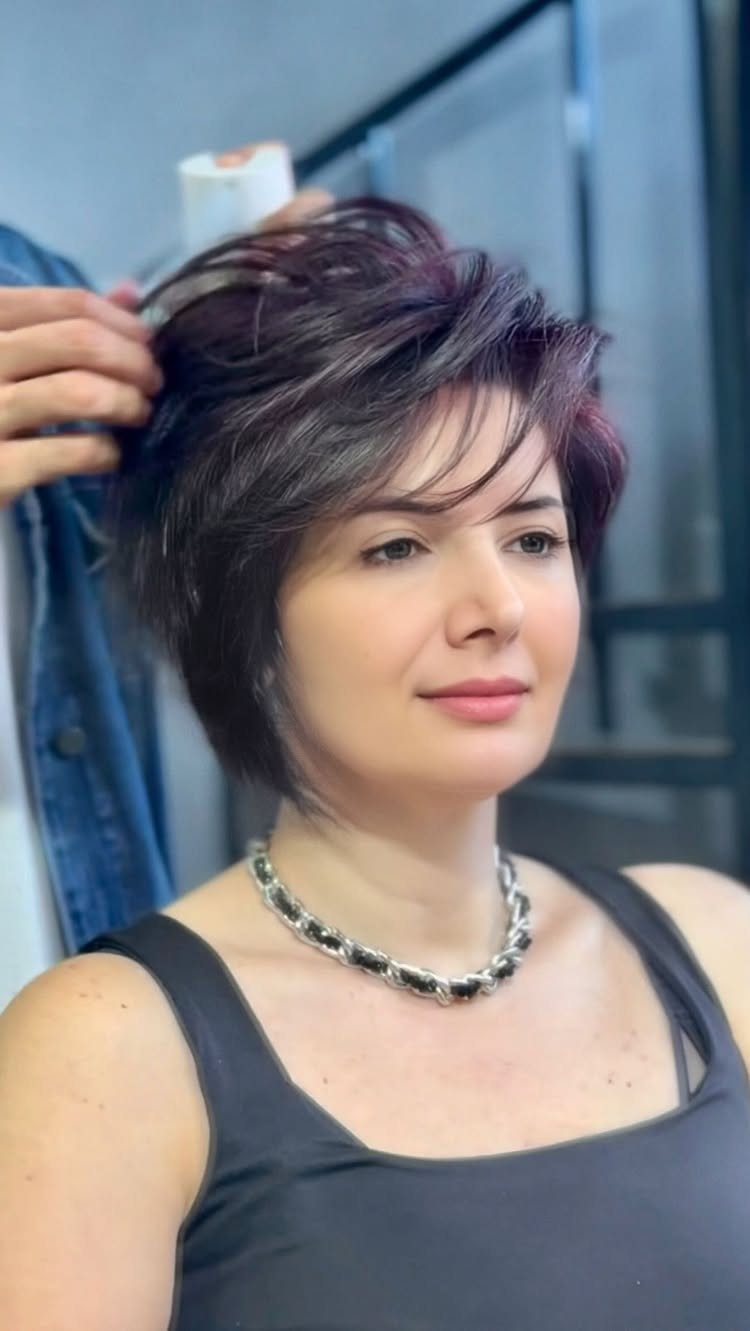
Choppy layers through the crown and sides bring texture that counters angular features. The cut keeps length and volume at the crown, which balances a strong jawline by drawing attention upward.
Ask for a textured or layered pixie rather than a blunt one.
The disconnected pieces move when you do, and the style holds its shape as it grows out. A small amount of pomade or styling cream worked through damp hair gives definition without making it stiff.
4. Curly Pixie
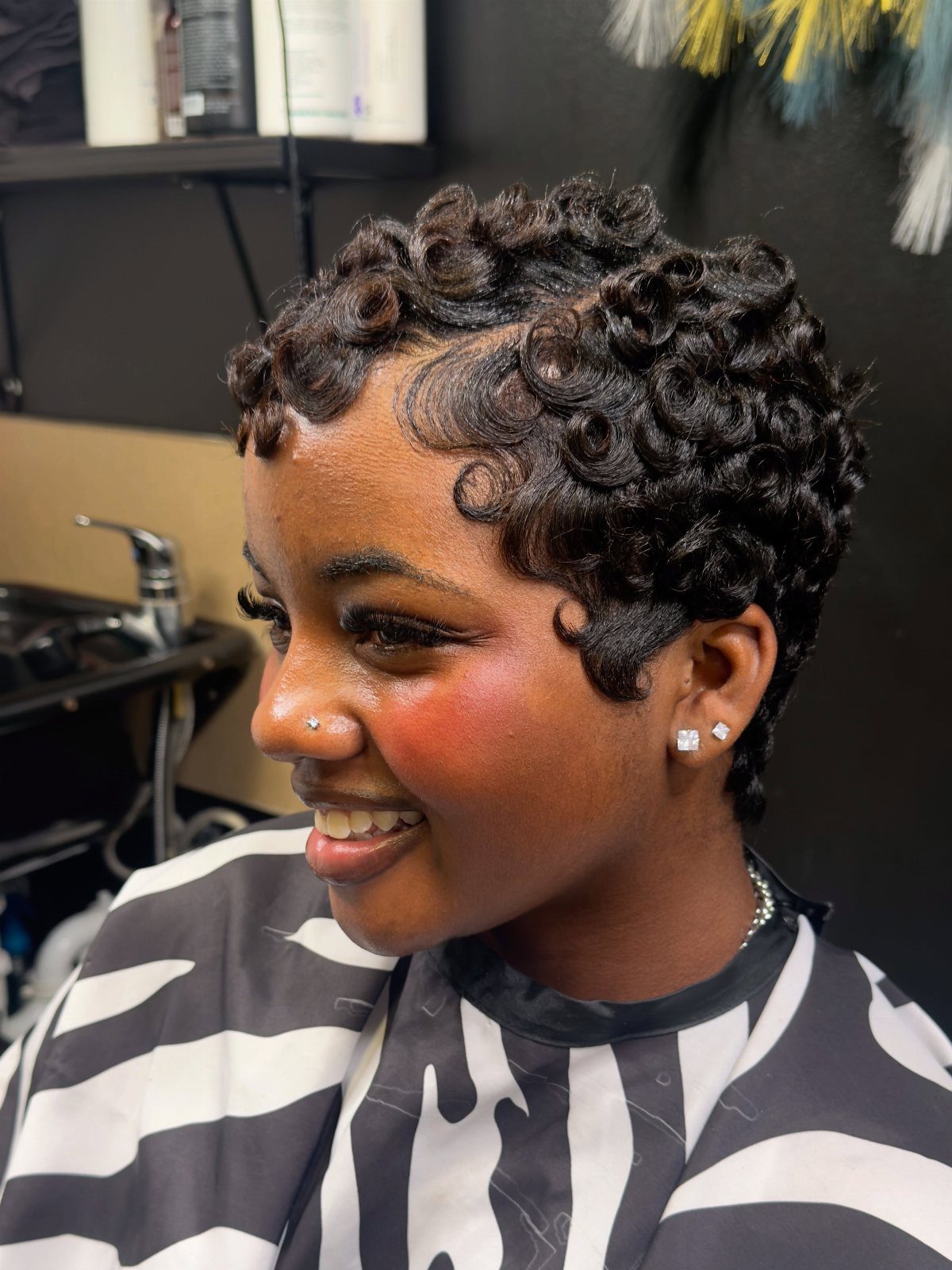
Natural curls give a pixie the volume and movement that work well with angular features. The curls sit higher at the crown and taper shorter at the sides, which lengthens the face and keeps width off the jawline.
This cut depends on your curl pattern holding its shape after washing. A leave-in conditioner or curl cream applied to wet hair keeps the curls defined without weighing them down.
5. Pixie with Side Bangs
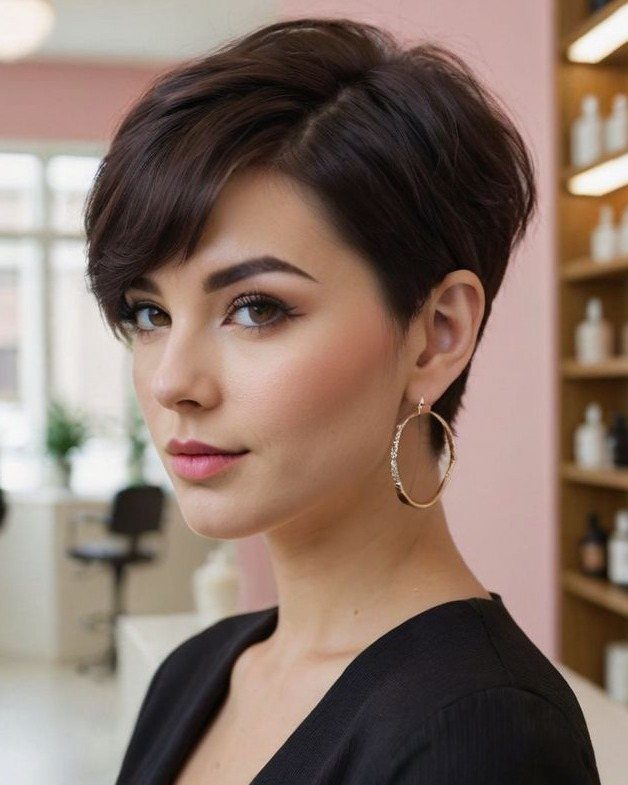
Side bangs cut into a pixie create an asymmetrical line that breaks up the straight edges of a square face. The bangs sweep across the forehead and taper toward one side, which shifts the focus away from the jaw.
The length of the bangs matters: too short and they sit above the brow, too long and they fall into your eyes.
I find that bangs ending just below the brow work best. A small round brush and a blow dryer set the direction, or you can let them air-dry if your hair has a natural bend.
6. Edgy Undercut
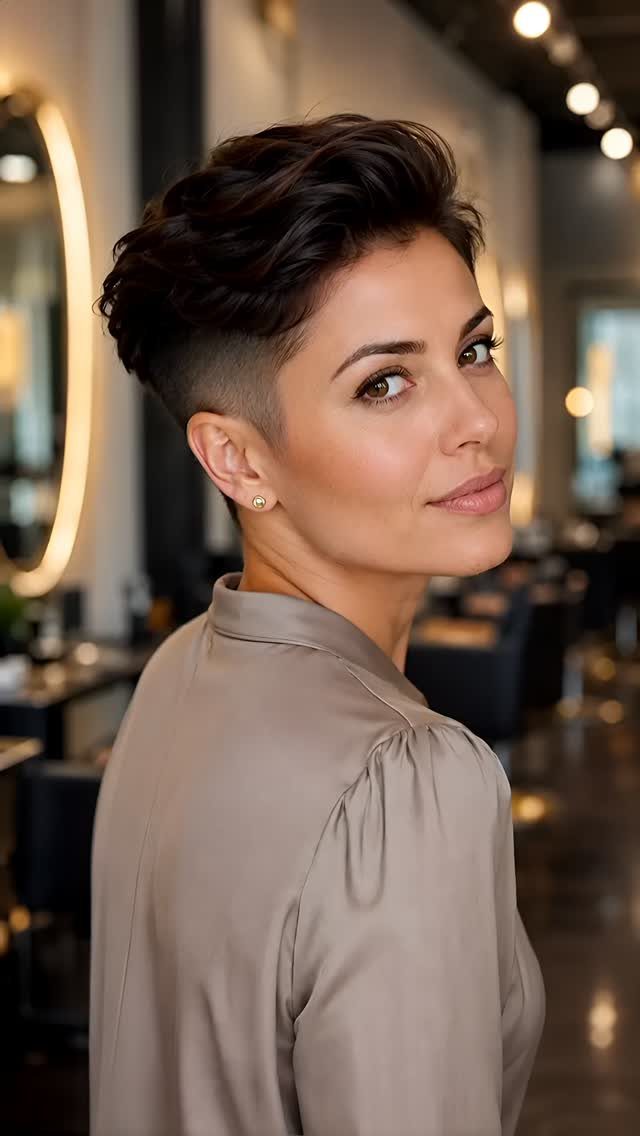
An undercut shaved close on one or both sides leaves length on top, creating a bold contrast that suits someone who wants a statement cut.
The longer section can be swept to one side or styled with texture, and the shaved portion removes bulk where a square face is widest.
The undercut needs regular touch-ups to keep the shaved section clean.
Between salon visits, some people use clippers at home. The style grows out with a clear line, so plan on regular maintenance or be prepared to grow it all out.
7. Side-Swept Bangs
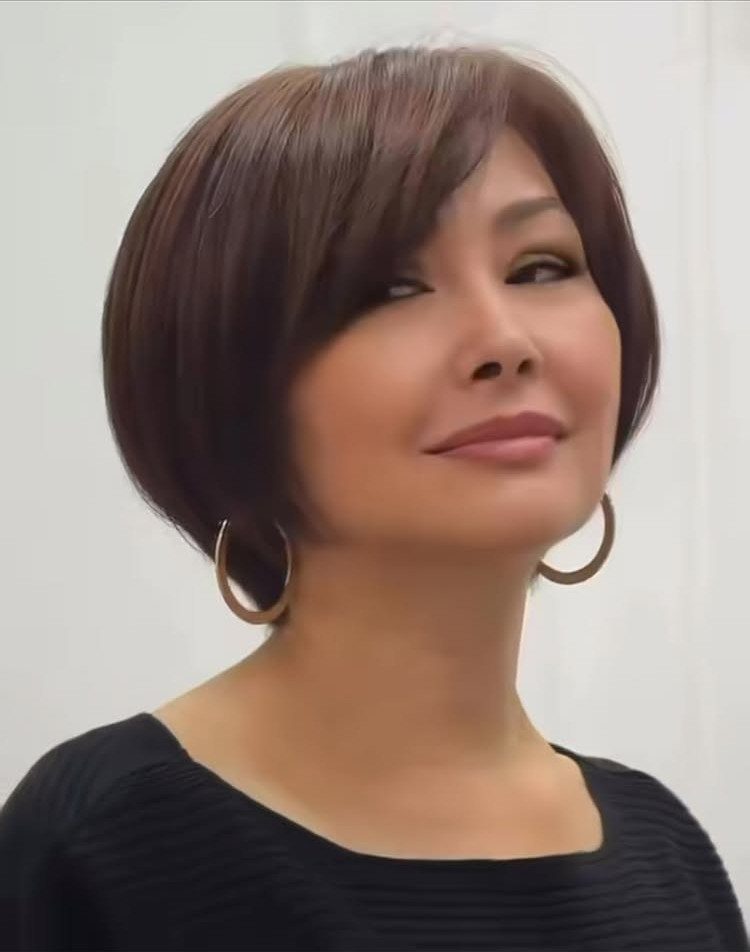
Bangs swept to one side break the horizontal line across the forehead and add a soft diagonal that offsets a square jaw. The angle draws the eye along a curve rather than straight across.
The length usually ends somewhere between the brow and the cheekbone.
Too short and the bangs sit up on their own, too long and they need constant tucking. A round brush and a dryer lock in the direction, though hair with a natural wave often falls into place on its own.
Rivera and Fitzsimons agreed that side-swept bangs are the best option for those with square faces. Due to the length and line of the bang, they will accentuate your most flattering features by shortening the length of your forehead and softening your angles.
8. Long Bob
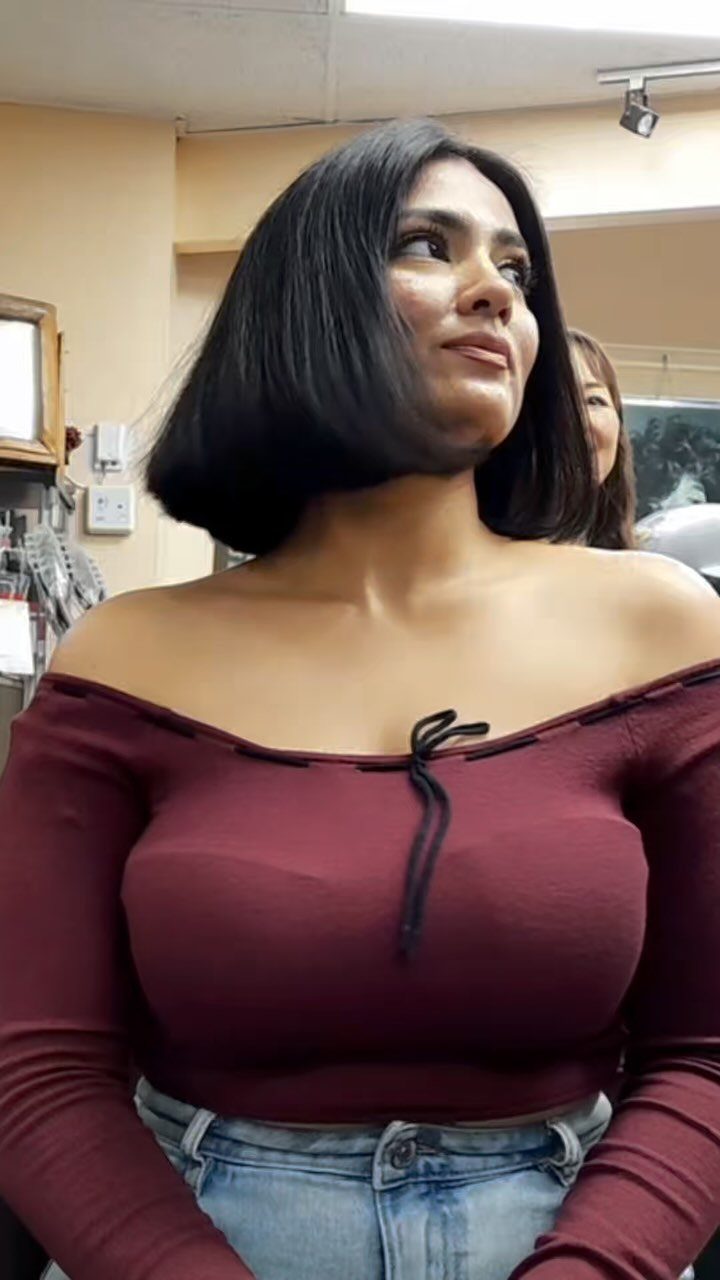
A bob that grazes the collarbone sits below the jawline, which means it doesn’t stop right where a square face is widest. The extra length pulls the eye down and keeps the cut from looking boxy.
The ends can be blunt or slightly textured.
Straight hair shows the clean line, while a slight wave adds movement. This length is long enough to tuck behind your ears or pull into a low ponytail when you need it off your face.
9. Wavy Bob
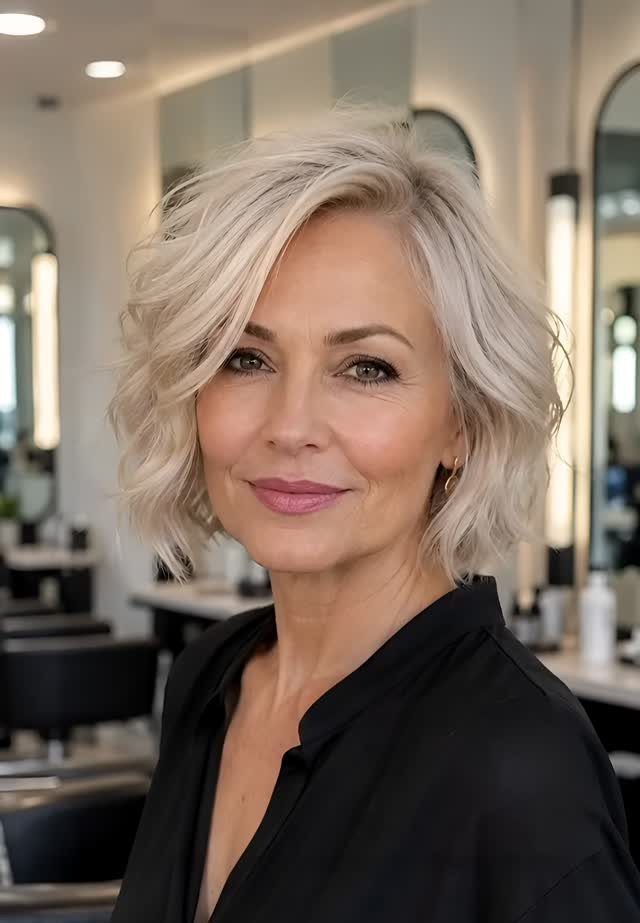
Waves through a bob give it a softer outline than a straight cut. The wave pattern softens angular edges, and because the texture moves instead of lying flush, it skips the weight that can emphasize a strong jawline.
A curling wand or flat iron can add the waves if your hair is straight.
Wrap sections away from the face and leave the ends loose. A little texturizing spray after styling keeps the waves from clumping together.
10. Asymmetrical Bob
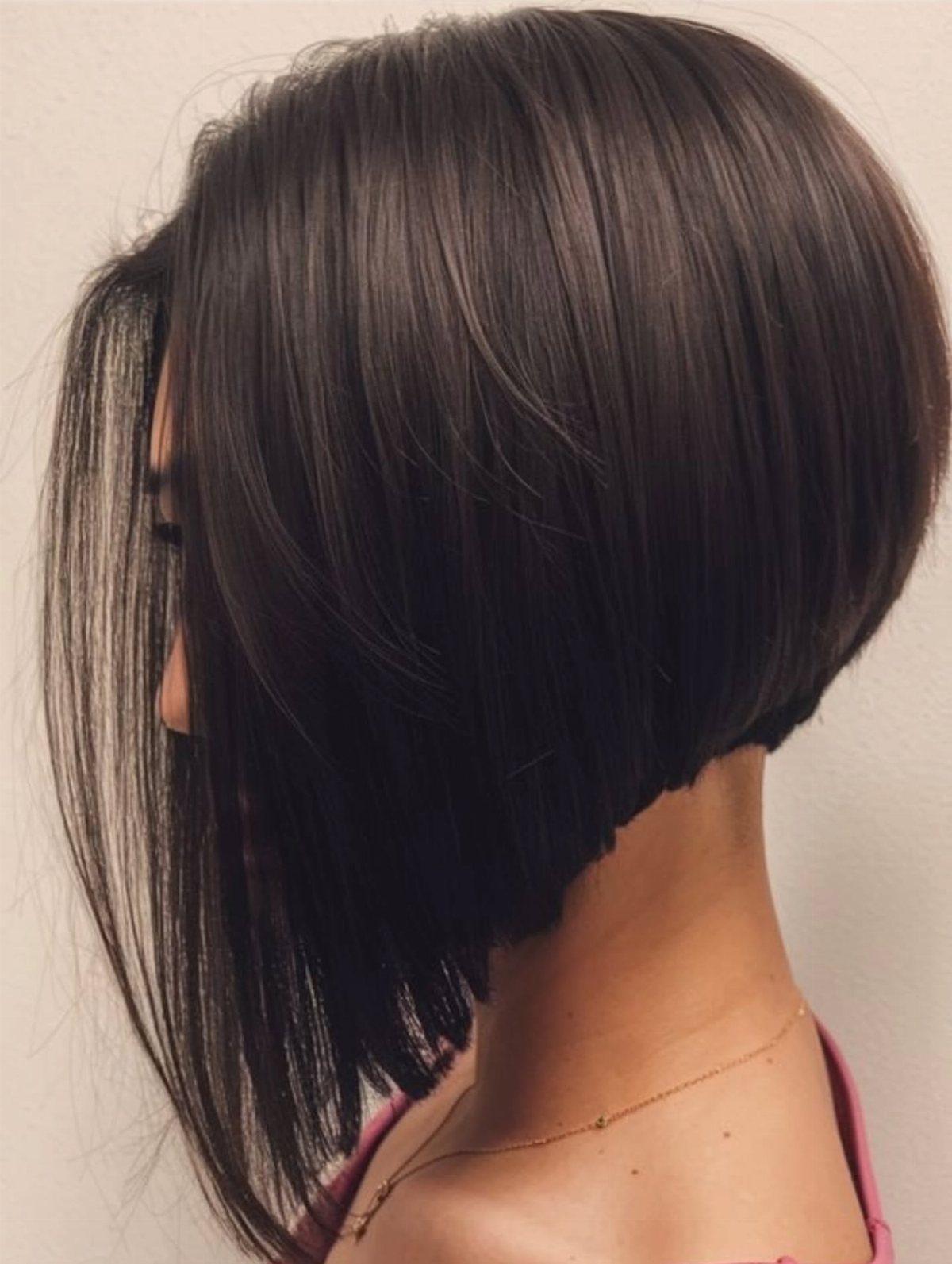
One side cut longer than the other creates a slanted line that moves attention diagonally instead of straight across. The asymmetry shifts focus away from the width at the jaw.
The difference in length can be subtle or pronounced. A small difference suits someone who wants the look without the upkeep, since a more dramatic angle grows out noticeably and needs regular trims to hold the shape.
11. Curtain Bangs
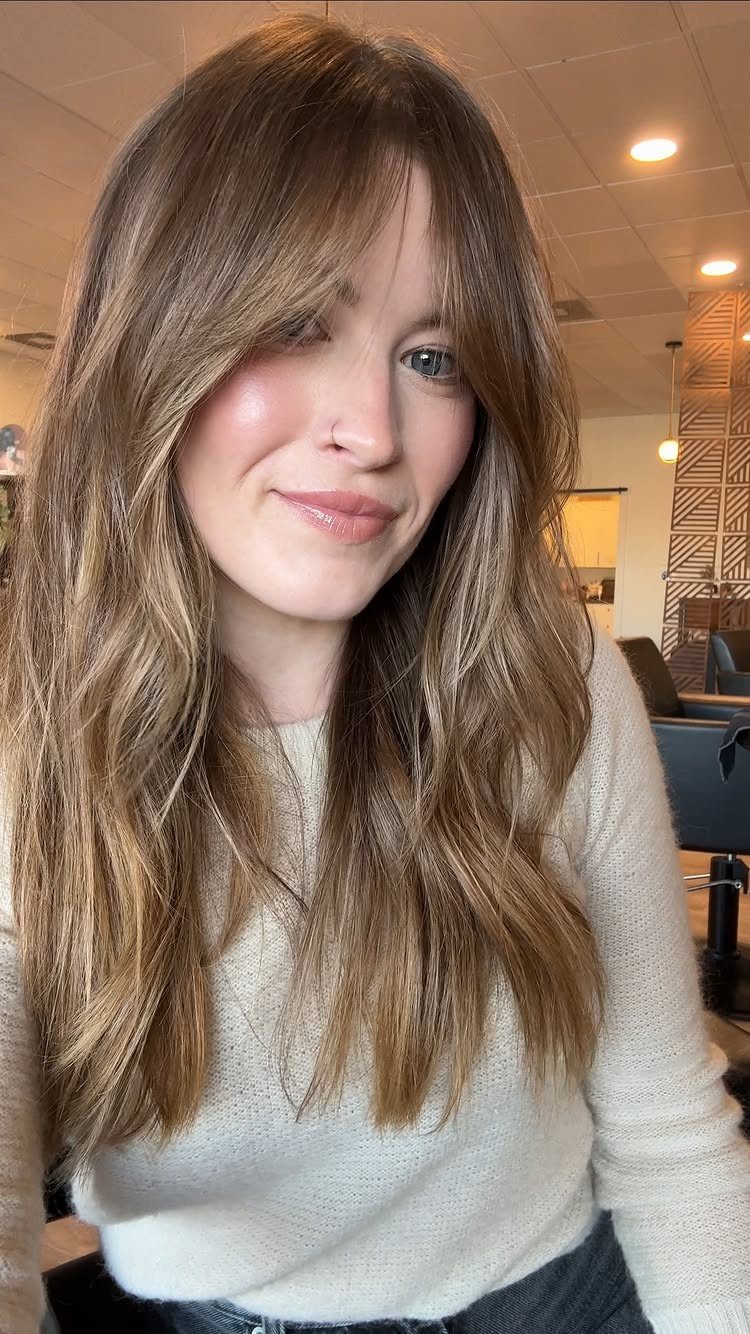
Parted down the middle and cut to angle toward the cheekbones, curtain bangs frame the face without covering the forehead entirely. The pieces taper as they go, which softens a strong jawline and adds length to the face.
They sit shorter at the center and longer at the sides, usually somewhere between the cheekbone and the chin.
A round brush and a dryer help bend them away from the face, though many people just let them air-dry once the hair learns the direction.
12. Layered Bob
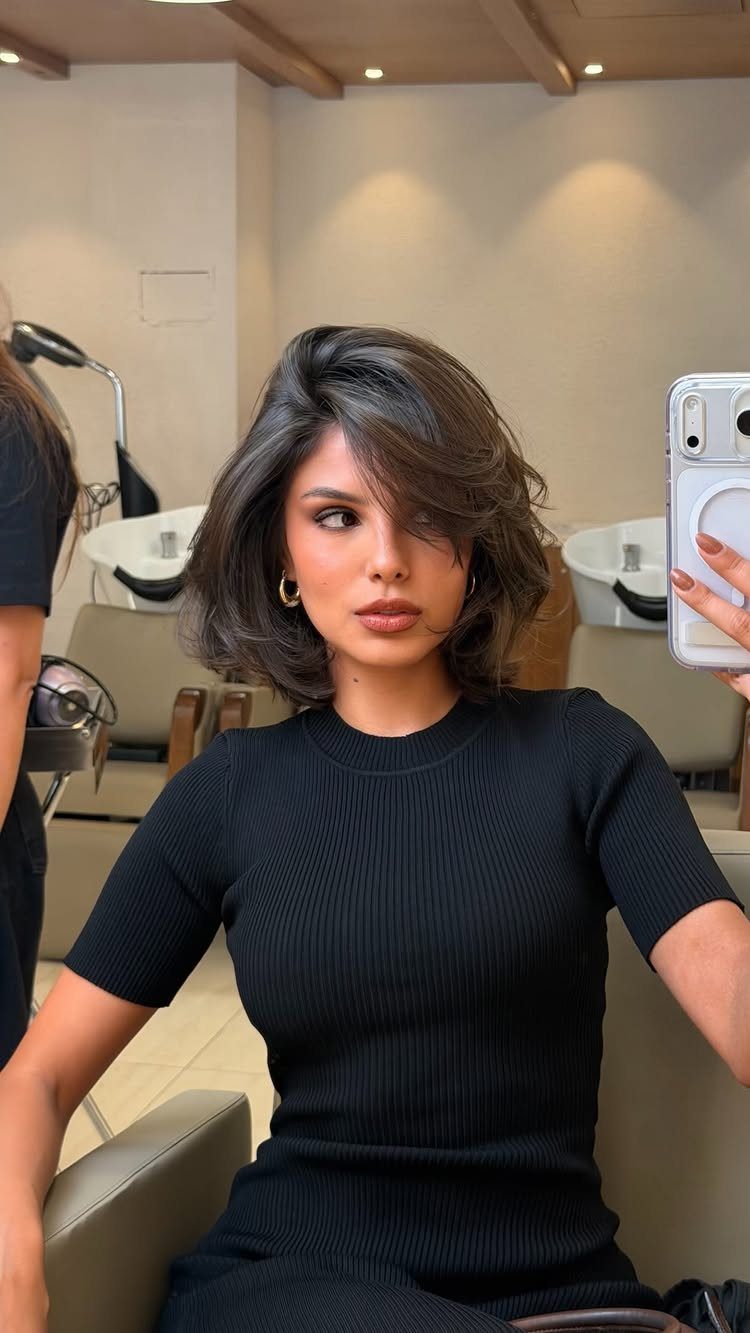
Layers cut into a bob remove the blunt weight at the bottom and give the hair movement. The shorter pieces on top add volume, and the varied lengths keep the cut from forming a solid line at the jaw.
The layering can be subtle or choppy, depending on how much texture you want. A bob with layers also grows out more gradually than a blunt cut, so the time between trims stretches a little longer.
13. Angled Bob
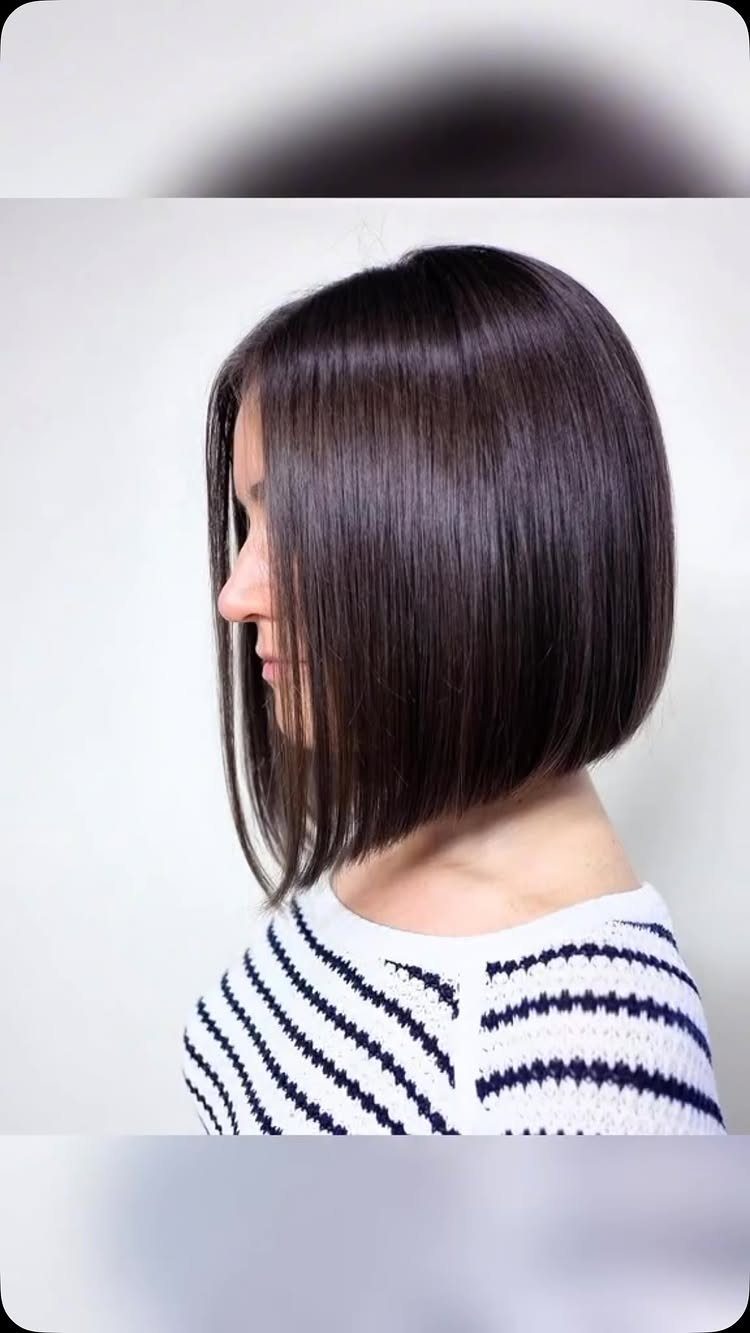
The back sits shorter, and the front angles down toward the chin or just past it. The diagonal line softens the horizontal width at the jawline.
The angle can be gradual or steep.
A subtle version looks polished and grows out without an obvious gap between cuts. A sharper angle makes a stronger statement but needs frequent trims to hold the line.
14. Chin-Length Bob
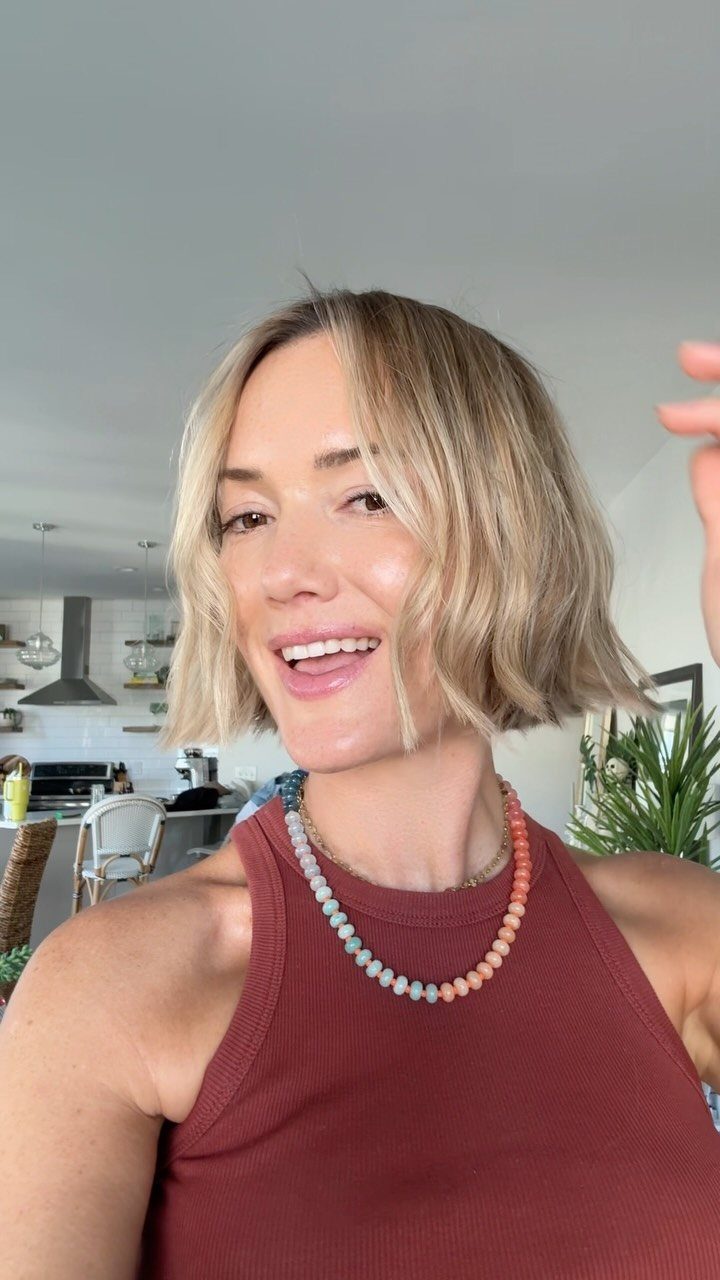
Chin length can frame a square face when the cut includes soft waves or interior layers instead of a blunt edge. The movement keeps the line from sitting heavy right at the widest part of the jaw.
A center part works here because the length balances on both sides.
Straight hair benefits from a slight bend at the ends, either from a round brush or a flat iron turned under. The texture makes the difference between a cut that suits and one that emphasizes what you wanted to soften.
15. Classic Bob with Bangs

Straight bangs that end at or just above the brow sit above a bob cut at chin length. The bangs cover the forehead and draw attention upward, which softens a strong jaw.
This combination works best on someone comfortable with regular trims.
Bangs grow fast, and once they pass the brow line they either need cutting or constant pinning. The bob length can stay blunt or take a few internal layers for movement.
16. Asymmetrical Bixie
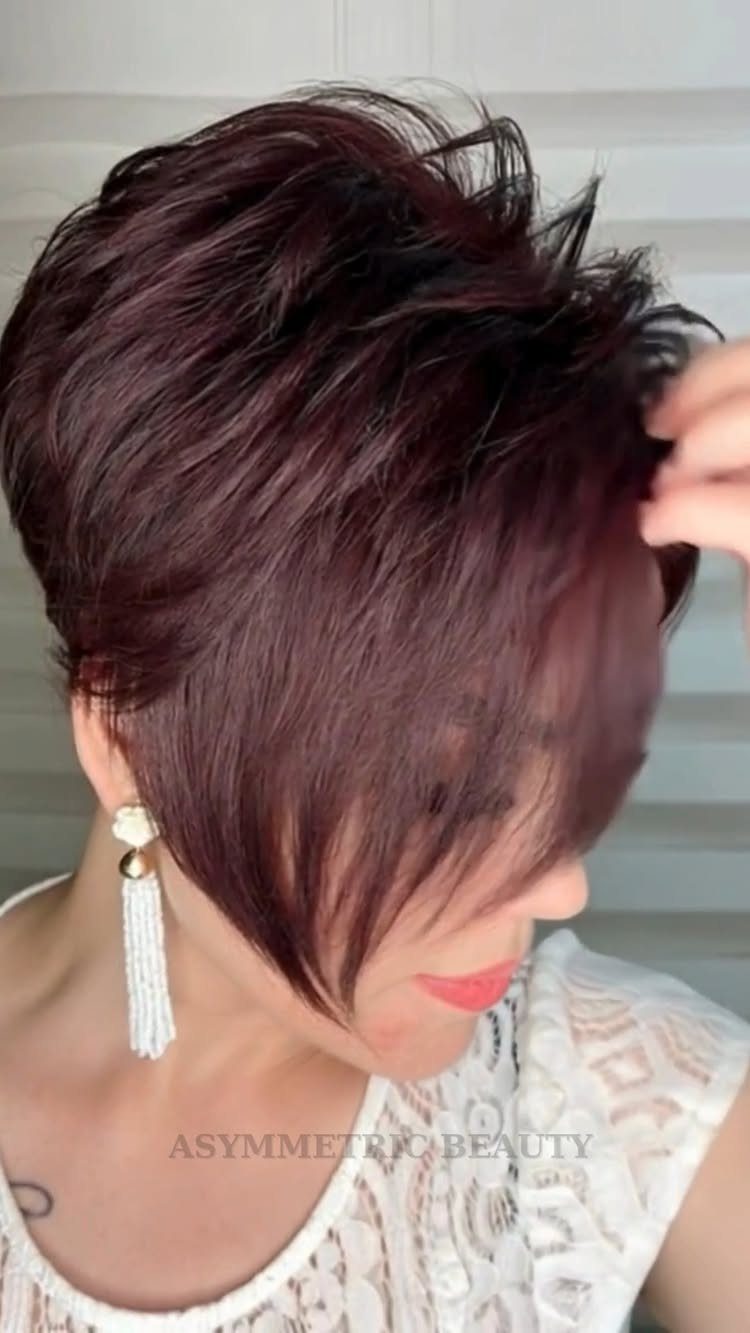
Longer on one side and shorter on the other, this cut sits between a bob and a pixie. The asymmetry tilts the eye across the face instead of letting it rest on the jawline.
The longer side usually tucks behind the ear or sweeps forward, while the back and shorter side stay close.
A side part makes the length difference more visible. Styling takes a small amount of cream or paste worked through the longer section to give it direction.
17. Shoulder-Length Layered Blowout
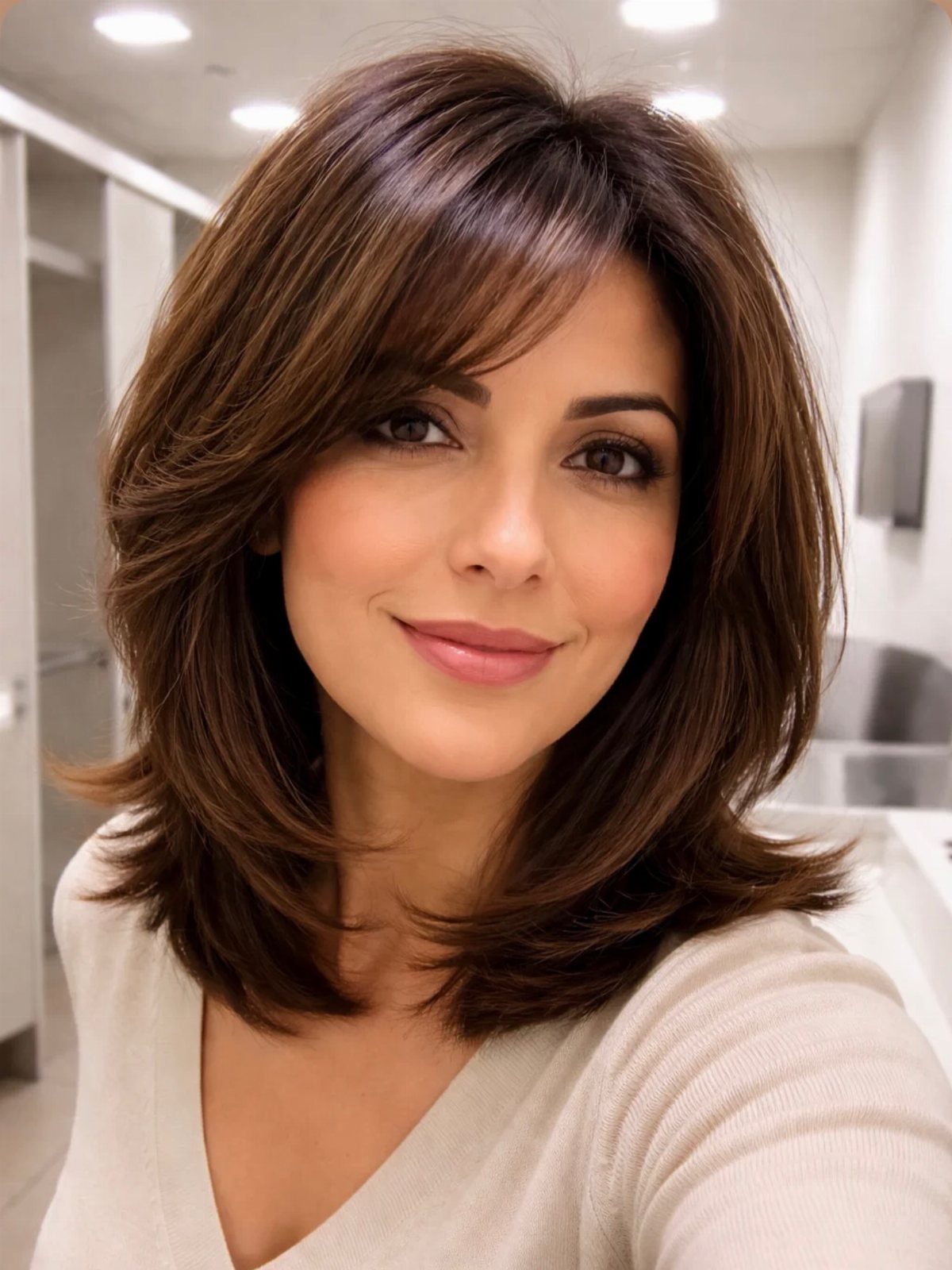
Layers cut through shoulder-length hair give it movement and keep the ends from forming a blunt line. A blowout with a round brush bends the layers under or adds volume at the crown, and the varied lengths soften angular features.
The style holds for a day or two if you sleep on a silk pillowcase or tie it loosely at the crown. A flat iron or curling iron can refresh the shape between washes.
Square Face Identification
Width and length match closely, and the jaw, cheeks and forehead measure about the same distance across. The jaw sits broad and defined, and the forehead matches that width rather than narrowing at the temples.
You can check by pulling your hair straight back and looking at where your face is widest.
If the measurement across your forehead, cheekbones, and jaw stays consistent and your face doesn’t taper much toward the chin, you’re looking at a square shape.
The goal with a haircut is to add length visually and soften the straight lines.
Cuts that sit right at the jaw can emphasize the width there, while length that falls below or volume that sits higher pulls the eye up or down instead of straight across.
Frequently Asked Questions
Which celebrities have square faces?
A square face has a broad, defined jawline and a forehead that matches that width, with the face measuring about the same distance across at the jaw, cheekbones, and forehead.
The forehead, cheekbones and jaw measure close to the same width, and the face doesn’t narrow much from temple to chin.
Pull your hair straight back and check where your face is widest: if the measurement stays consistent across all 3 points, the shape is square.
Can I pull off bangs with my square face?
Side-swept bangs angle across the forehead rather than cutting straight across, which balances a wider jawline.
Curtain bangs and wispy styles also add softness, while blunt straight-across bangs can emphasize the horizontal line at the forehead and mirror the width at the jaw.
What hairstyle suits a square face if I want to keep a strong jaw?
Frame the jaw with soft waves, textured layers or angled fringe rather than covering it completely.
The jaw stays visible and defined, while the curved lines and texture around it give contrast and balance. A deep side part and volume at the crown also shift focus without covering the angular features.
Are there any hairstyles I should avoid?
A blunt hemline at jaw level mirrors the width and sharpness already there, and heavy edges with no layers reinforce the geometric outline. Straight-across bangs add a horizontal line at the forehead that can make the face look boxy.





