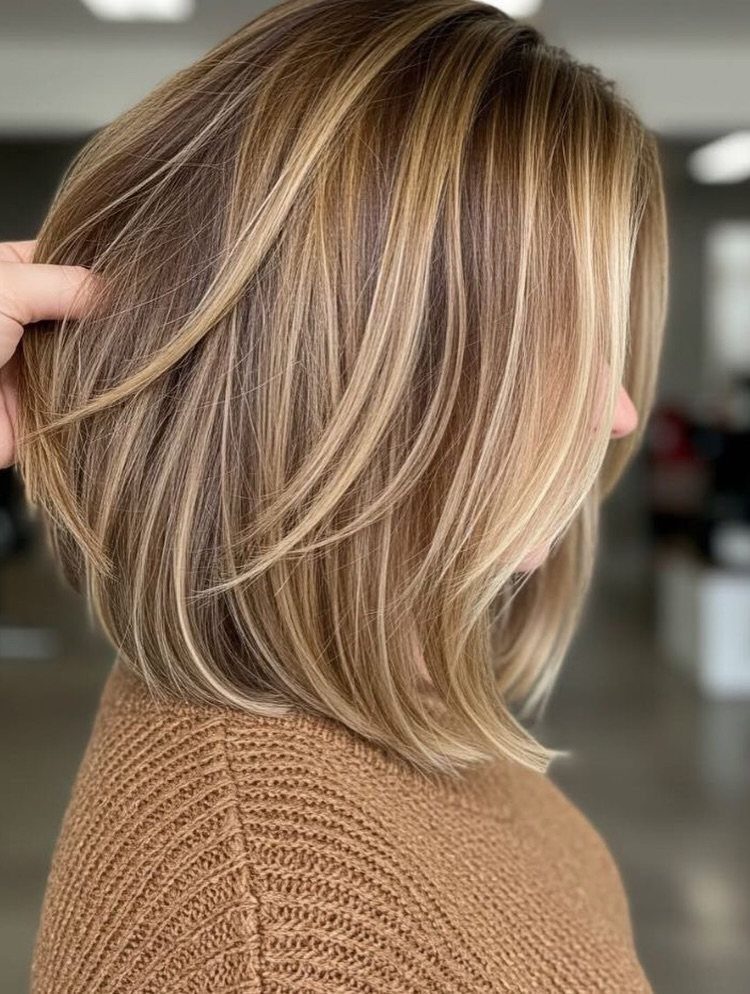
Layering can stack short on top and angle longer in front, stay blunt at the perimeter and graduate only through the ends, or lift the crown and leave the outline one length.
Placement depends on texture and the amount of morning styling: a shaggy bob with high layers adds movement to straight or wavy hair, while angled and side-parted versions sit closer and need less work with heat tools.
Razored ends taper the tips so each layer sheds bulk without carving into the base, which keeps the outline dense even when the interior is textured.
1. Side-part Layered Bob
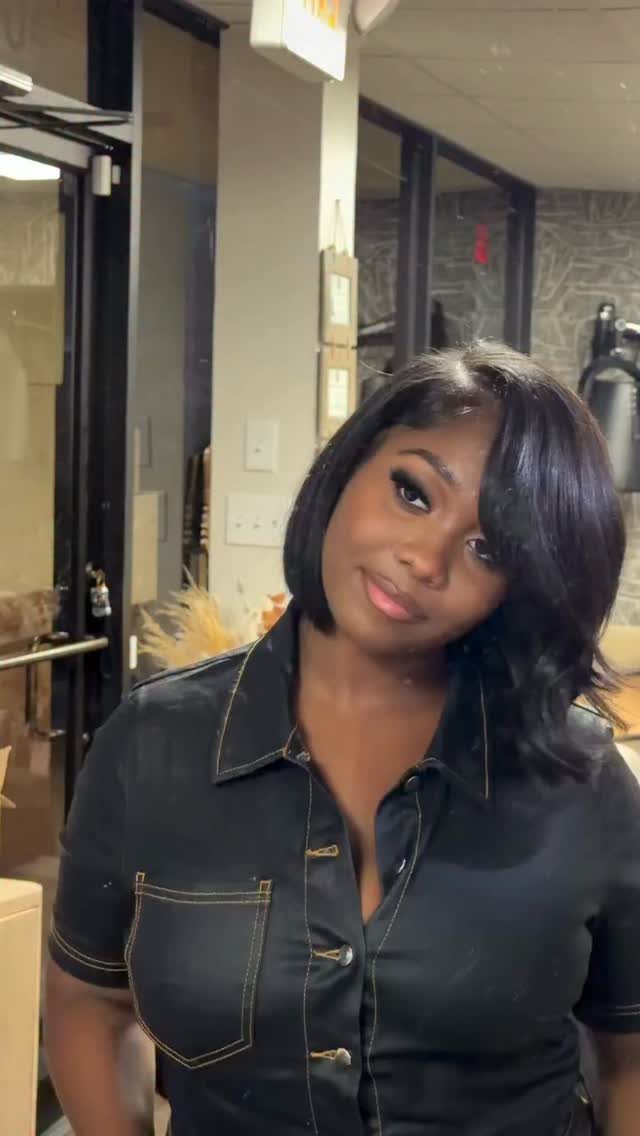
A deep side part sweeps most of the hair to one side, giving volume at the root where it matters. Layers cut into the longer side keep the weight from pulling flat against your face.
The shorter side stays sleek, while the opposite sweeps across the forehead or tucks behind the ear. If your hair lies flat at the crown, the part itself creates the lift a center part won’t.
Style with a round brush, directing heat at the root on the heavier side, or let it air-dry and finger-comb the part deeper than you think you need. It shifts back as it dries.
2. Wavy Layered Bob
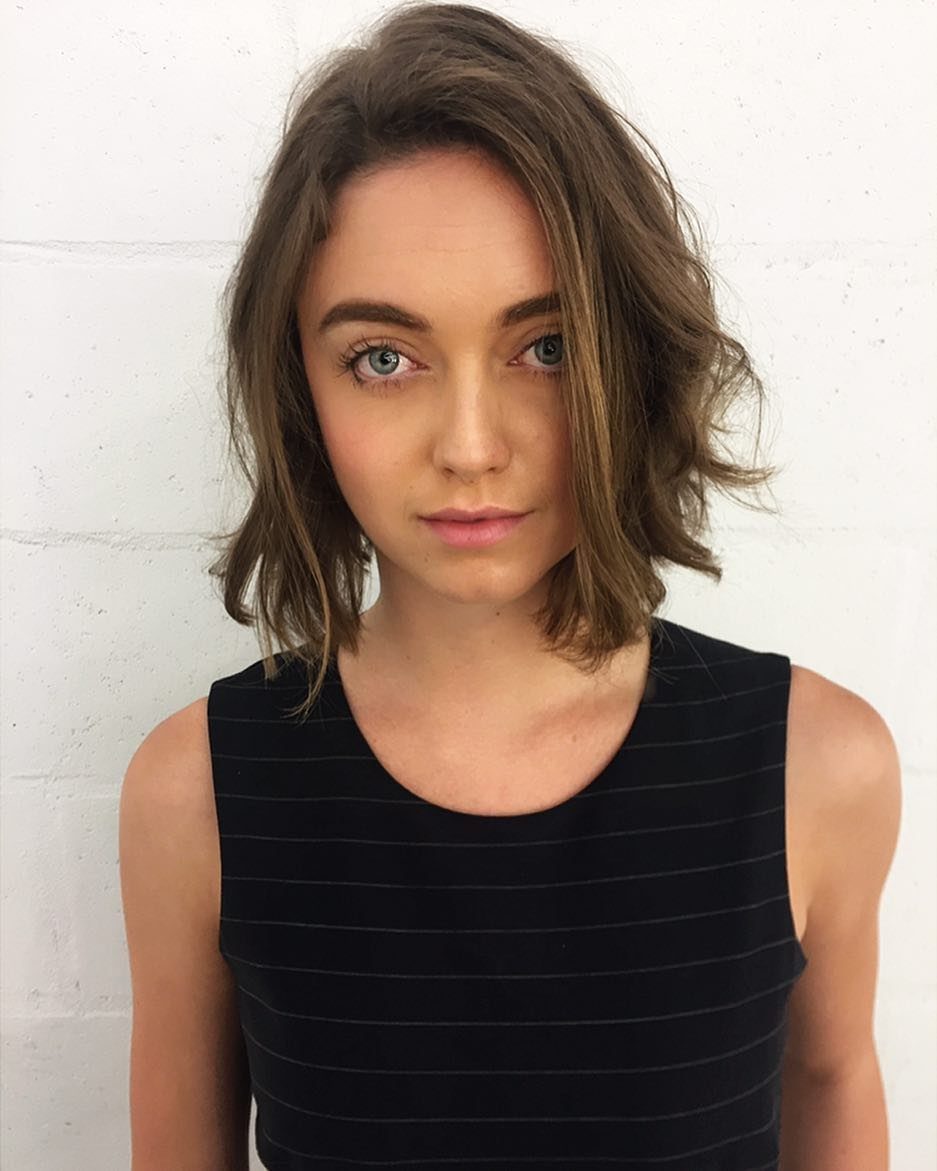
Layers follow the wave pattern so each bend has room to form without clumping at the bottom. The cut keeps waves from dragging into a triangle shape, and the result moves instead of frizzing.
Ask for layers that start at chin level and work down, matching where your hair naturally bends.
If you air-dry, scrunch in a light curl cream while the hair is wet, then leave it alone. Touching it while it dries breaks up the wave.
A diffuser on low heat sets the pattern faster without the frizz a towel leaves behind.
3. Curly Layered Bob
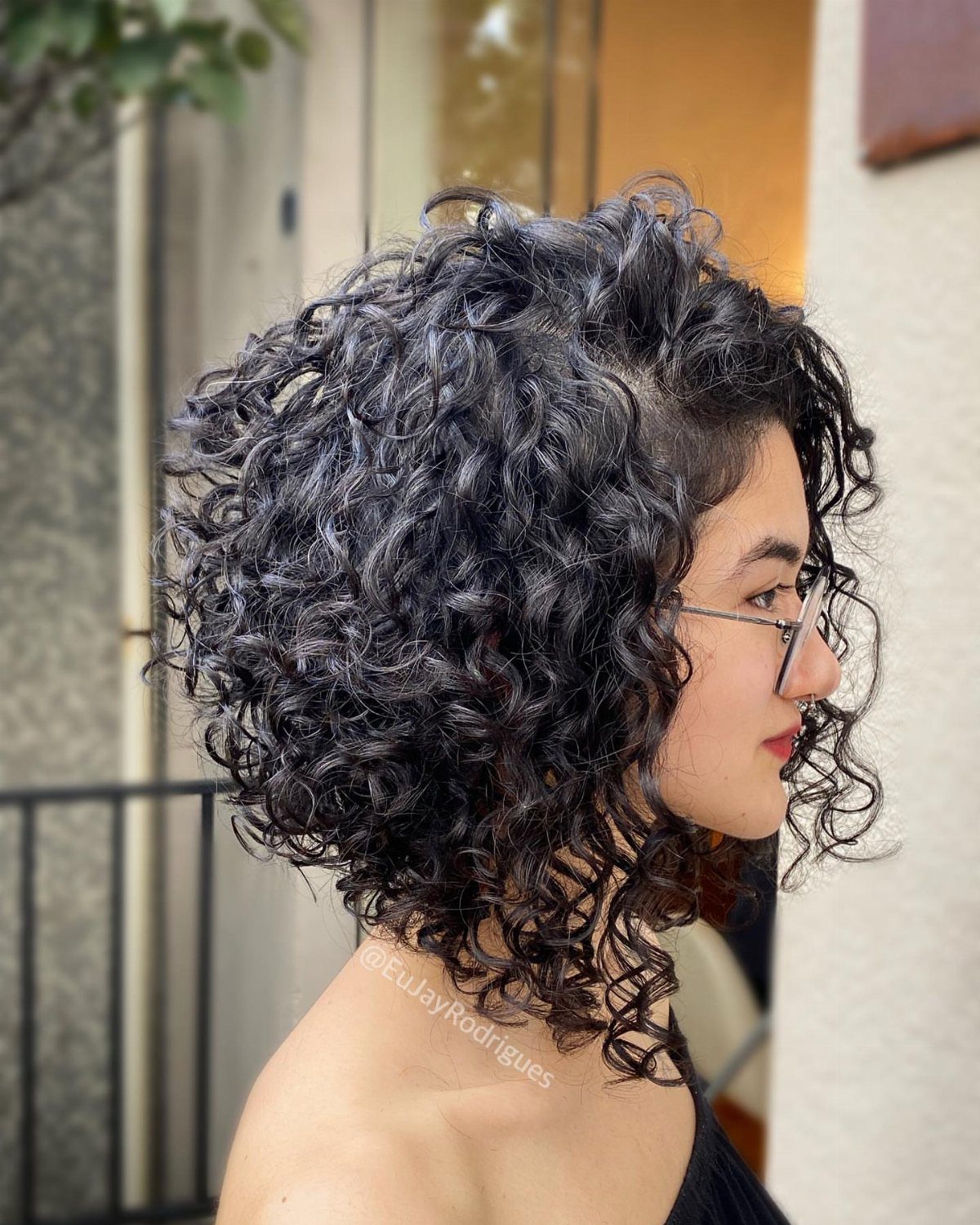
A dry cut, done curl by curl, gives each ringlet the length it needs without pulling it straight first. Rounded layers keep the shape from going square at the sides.
Curly hair shrinks as it dries, so cutting it wet usually leaves it shorter than planned. A stylist who cuts dry can see exactly where each curl will sit and adjust for how much it springs.
Between trims, refresh the shape by misting sections with water and finger-coiling any pieces that lost their pattern.
4. Layered Bob with Curtain Bangs
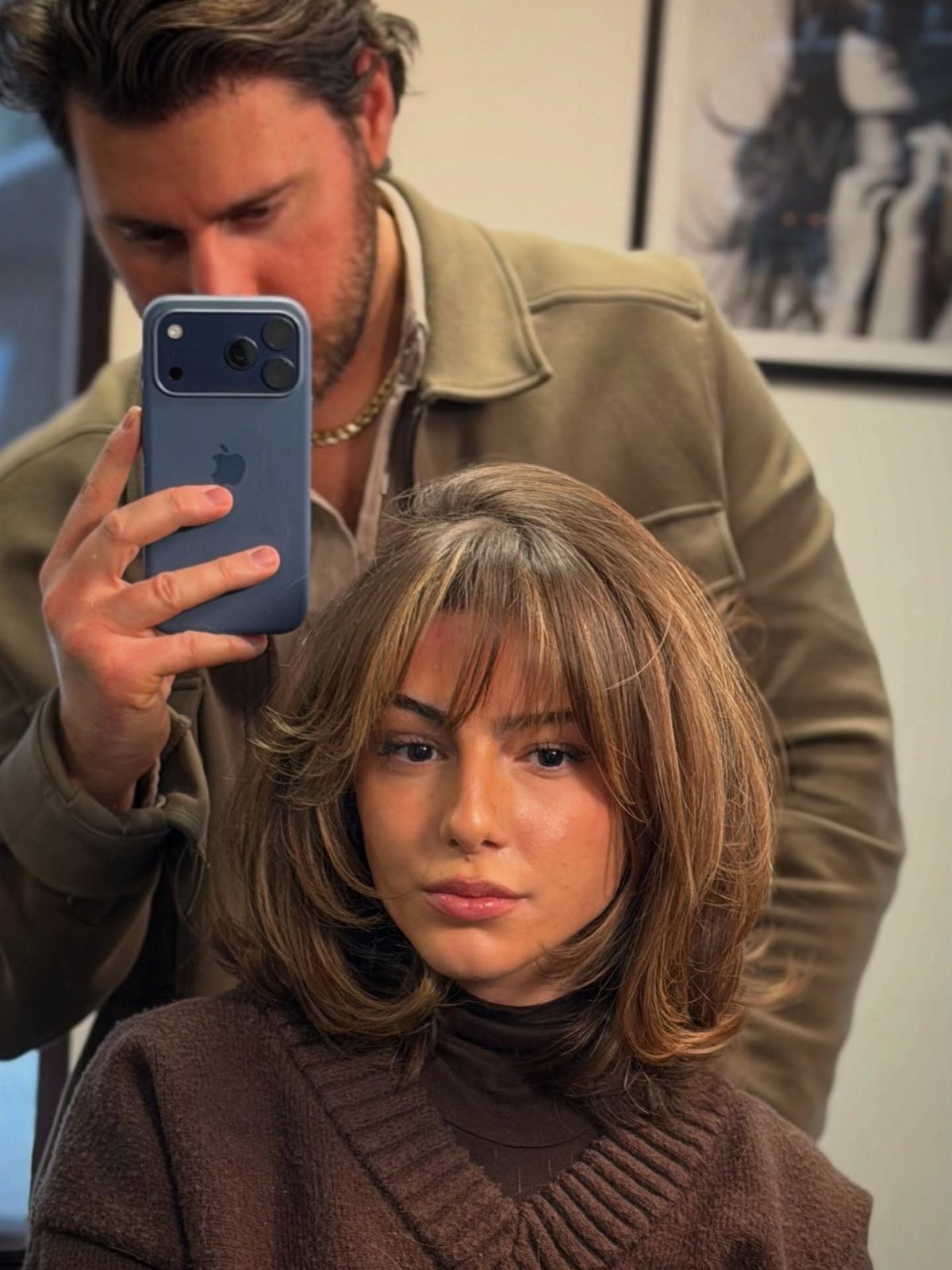
The fringe splits at the center and tapers into the layers at cheekbone level, so there’s no visible edge where bang becomes side piece. The layers continue down to the jawline, keeping the overall shape close to the head.
If you already have a bob and want to add the bangs, ask for a curtain fringe cut dry so you can see the length as it falls.
They grow out gracefully because they start long enough to tuck behind your ears once they pass the chin.
Style by blow-drying the bangs forward first, then sweeping them to each side with a round brush. The part should sit in the center, not off to one side, or the curtain effect disappears.
5. Straight Lob with Blonde Babylights
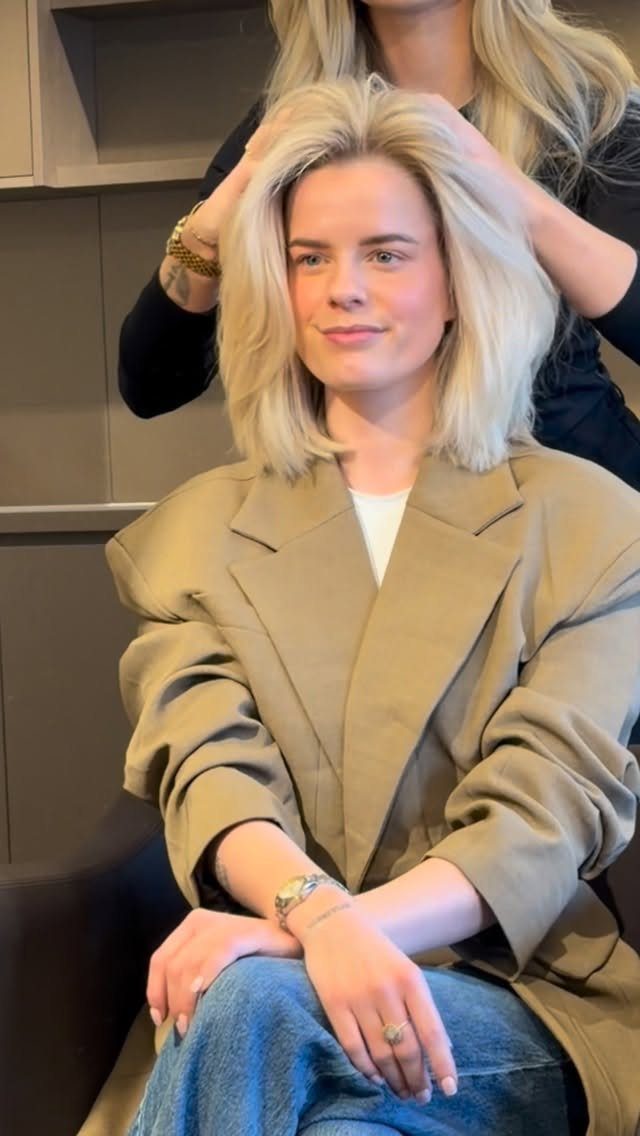
A straight long bob with a center part and fine blonde babylights woven through the base color. The highlights sit close to the face, brightening without a full bleach.
Money pieces, the thicker ribbons of blonde framing the face, add contrast where it shows most. The rest of the color stays subtle, with babylights fine enough that regrowth blends instead of leaving a hard line at the scalp.
The cut sits just past the collarbone, blunt at the ends to keep the weight.
If your hair tends to wave, a flat iron before styling keeps it smooth, and a center part shows the color placement better than a side part would.
6. Layered Bob with Bangs
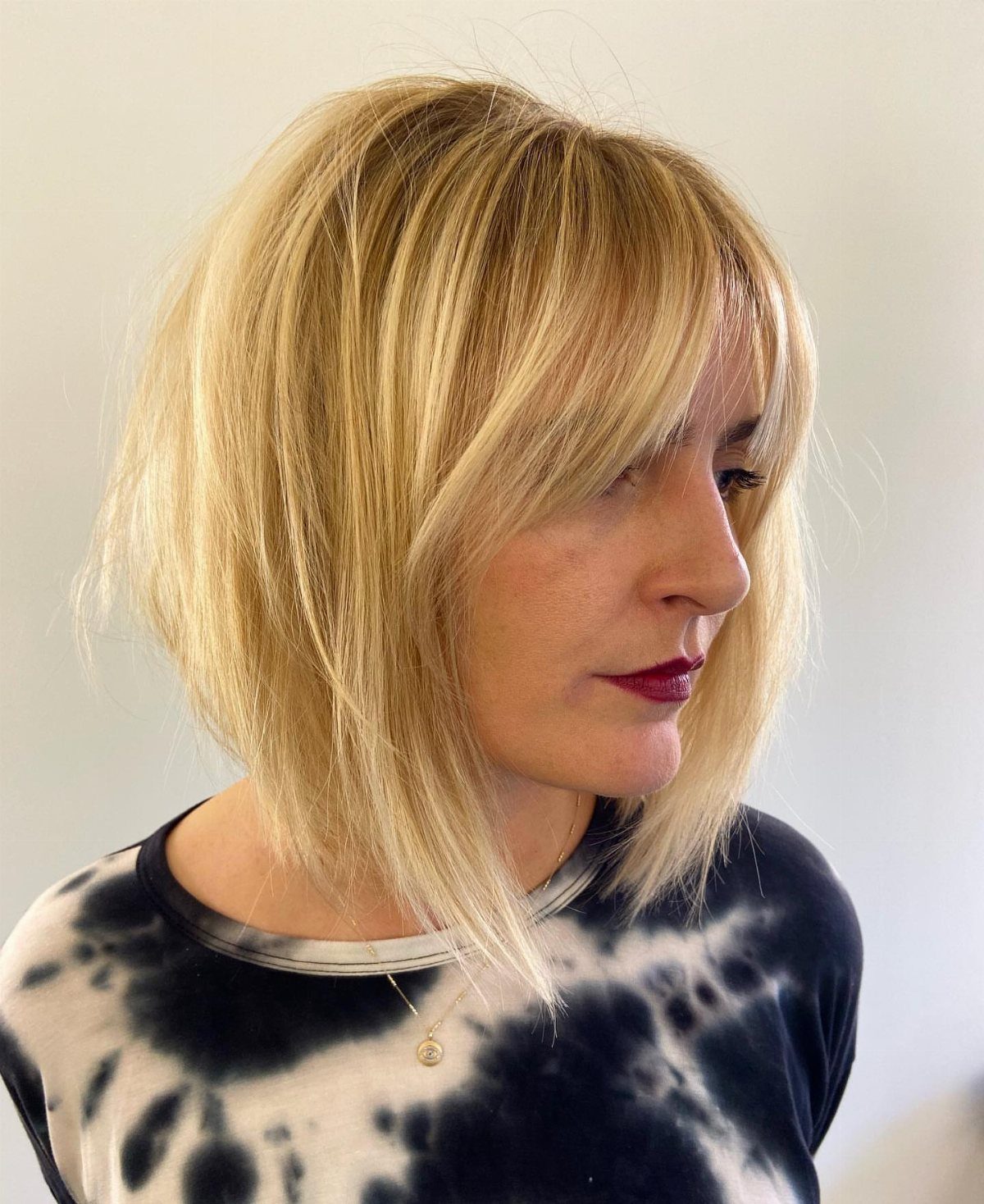
A shaggy long bob with wispy bangs and textured ends, lifted by blonde balayage that starts mid-shaft and lightens toward the tips. The bangs sit just above the brows, cut with a razor to keep them soft instead of blunt.
The layers are heavily textured, meaning the stylist removed weight with thinning shears or a razor rather than cutting clean lines.
That gives the ends a feathered look and makes the hair easier to tousle into place without a round brush.
If you style at home, scrunch in a texturizing spray while damp and let it air-dry most of the way, then use your fingers to separate the pieces at the ends.
A curling wand on a few random sections adds movement without making it look set.
7. Shaggy Layered Bob
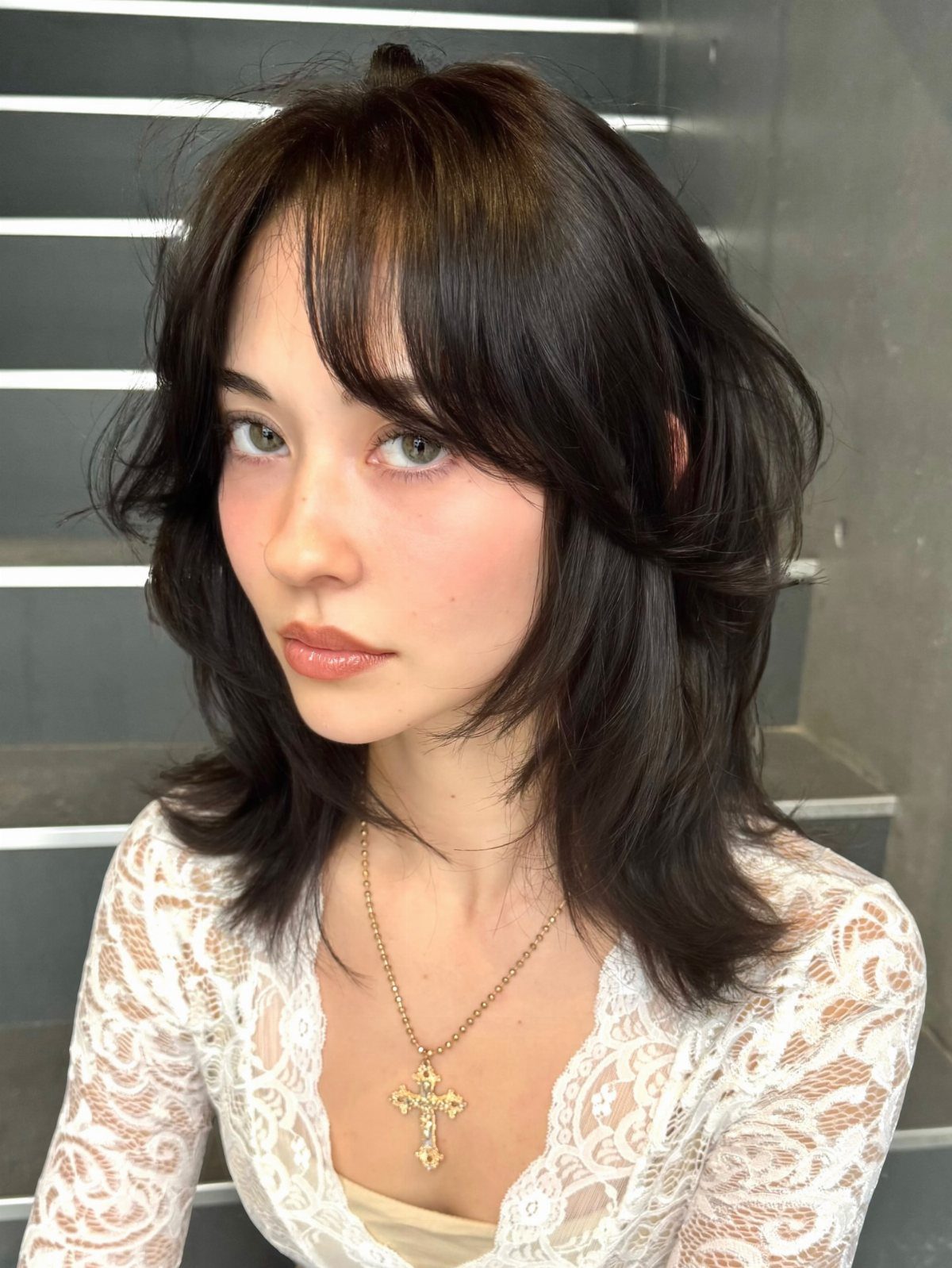
Choppy layers cut at different lengths give this bob its undone texture. The ends are point-cut or razored so they separate instead of sitting in a blunt line.
If your hair is fine, the layers remove enough weight that the style holds volume without product. Thicker hair benefits from the same technique but needs thinning shears through the mid-lengths to keep it from looking heavy.
Style by scrunching damp hair with a sea salt spray and letting it air-dry, or rough-dry with your fingers instead of a brush. The less precise the finish, the better it reads.
8. Layered Lob
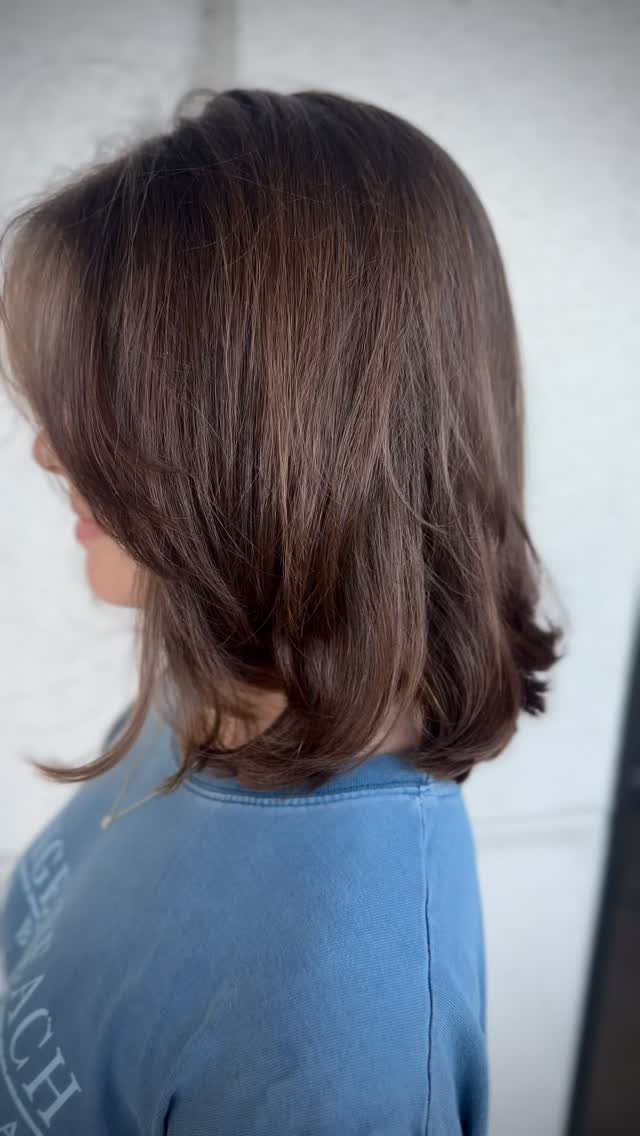
Layers begin near the jawline and blend down to collarbone length, keeping the weight at the bottom while adding movement through the sides. The overall shape stays sleek rather than textured.
This length works if you want a bob that can still pull into a low ponytail or tuck behind your ears without pieces falling forward.
The layers prevent the ends from looking too heavy, but the cut stays polished enough for a straight blow-dry.
A flat iron on the mid-lengths adds a subtle bend without curl, or let it dry naturally if your hair already has some wave.
9. Angled Layered Bob
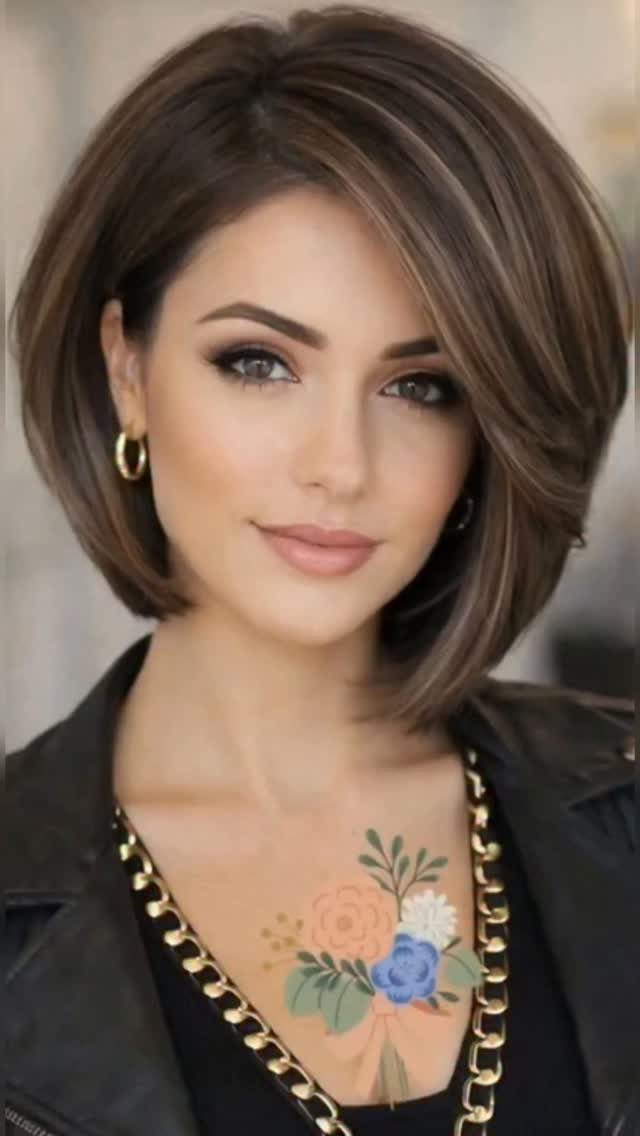
The front pieces fall a few inches longer than the back, creating a diagonal line from nape to chin. Layers through the back soften that angle so it graduates instead of cutting a hard edge.
Without the layers, an angled bob can look rigid from the side. Adding them gives the back enough movement that the style works for wavy hair as well as straight.
Blow-dry the back first, directing the layers down and slightly under, then smooth the longer front sections forward with a round brush. The angle shows best when the back stays shorter than 2 inches at the nape.
10. Shoulder-length Layered Bob
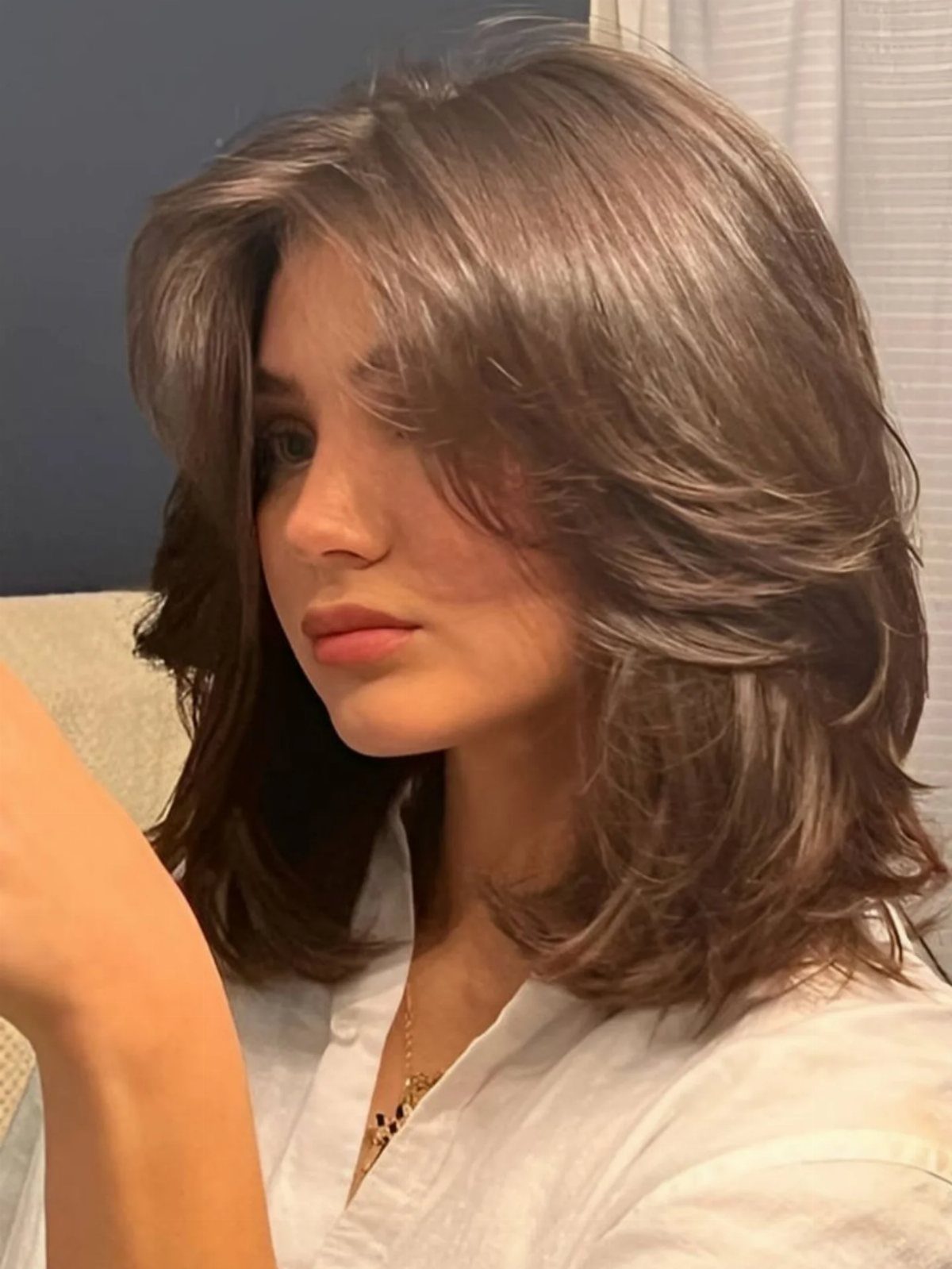
Layers concentrate in the lower half, starting around chin level and continuing to the ends. The top half keeps its length so the style has enough weight to sit smooth against the head.
This cut suits medium to thick hair that tends to puff out when layered too high. The weight above the layers holds the shape close, while the layered ends prevent a blunt, heavy line at the shoulders.
Blow-dry with a round brush, rolling the ends under as you pull tension through the lengths. If you skip the tension, the layers will flip out instead of curving in.
11. Shaggy Bob with Shadow Roots
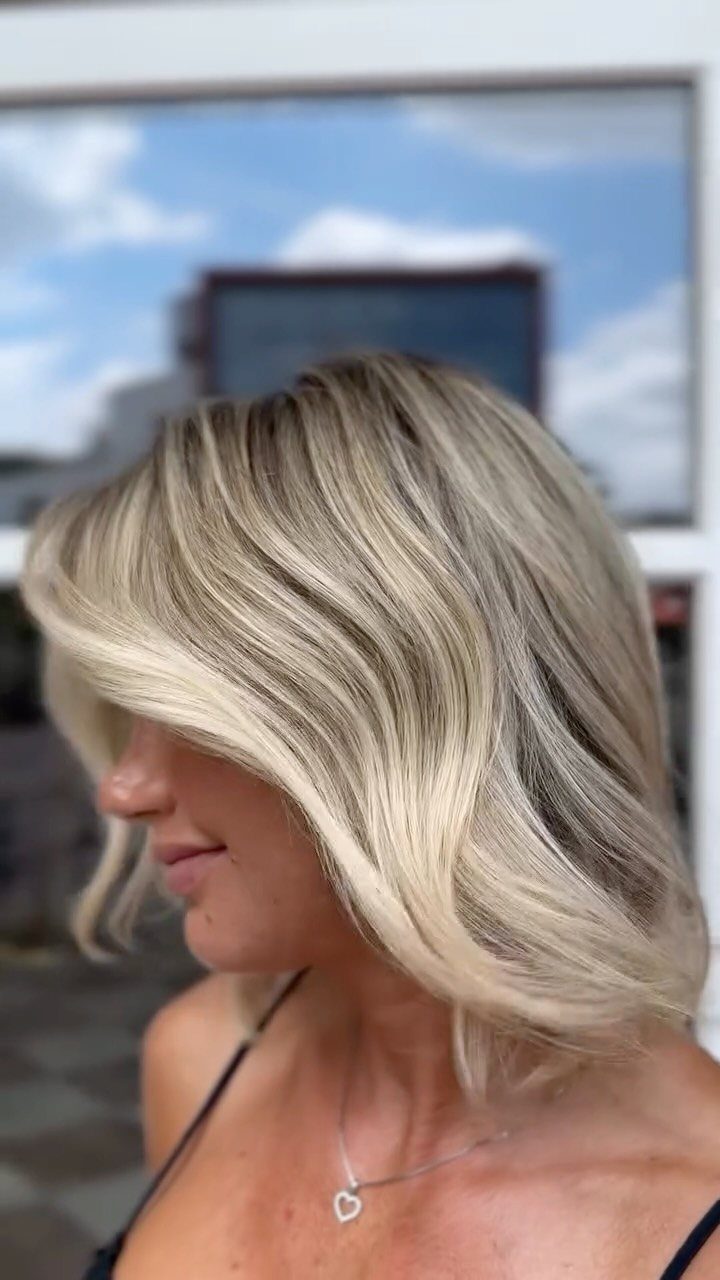
Shadow roots are a coloring technique where the base stays dark, usually matching your natural root color, and lightens into blonde a few inches down. The transition is soft, not a line, so regrowth blends as it grows.
The shaggy layers keep the style relaxed, so the maintenance stays low on both the cut and the color. Roots can grow out long enough that the contrast looks intentional rather than neglected.
If you already have blonde hair and want to try this, ask your colorist to darken the root area with a demi-permanent color that matches your natural shade. It fades gradually rather than leaving a stripe.
12. Angled Cut with Razored Ends
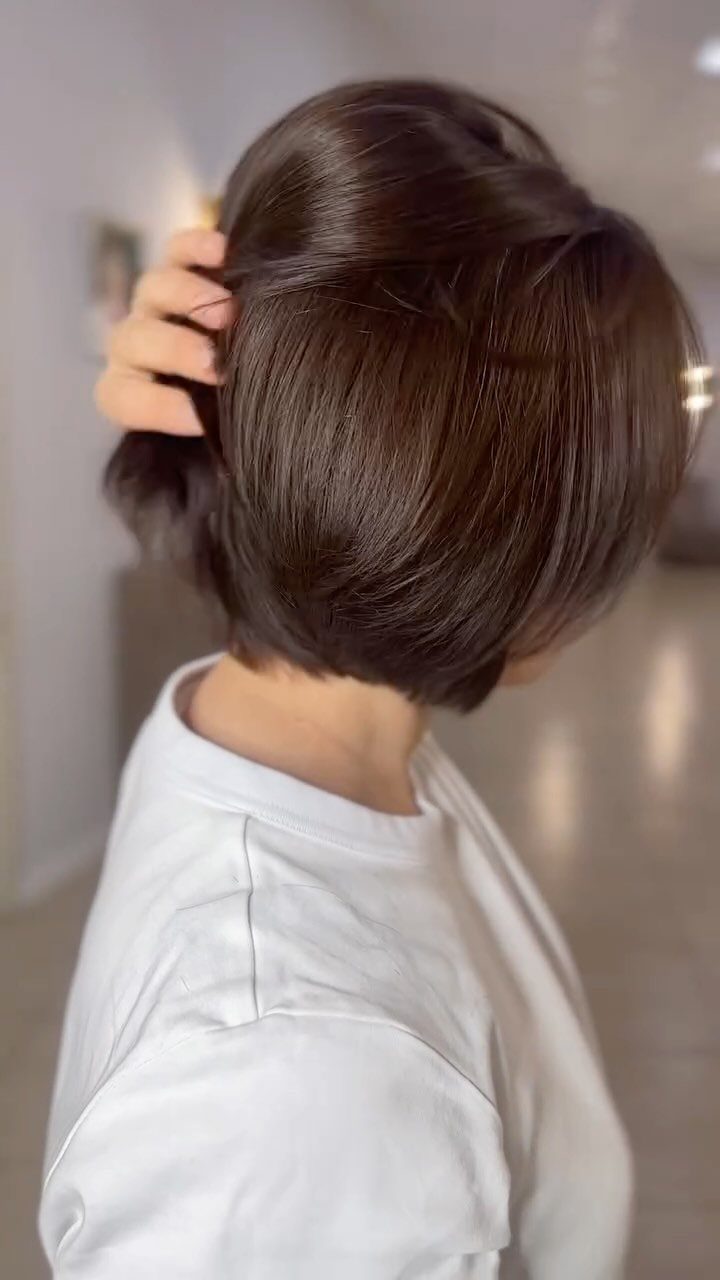
A subtle angle slopes from back to front, with the ends razored to soften the line instead of cutting it blunt. The back sits just below the nape, and the front reaches the jawline.
Razored ends taper to a point, so they tuck under more easily than blunt ends. If you blow-dry this cut with a round brush and roll the ends inward, the shape holds without spray.
This cut reads polished rather than textured. If your hair is coarse or thick, ask the stylist to use shears instead of a razor; razored ends can frizz on hair that doesn’t lie smooth on its own.
13. Short Layered Bob
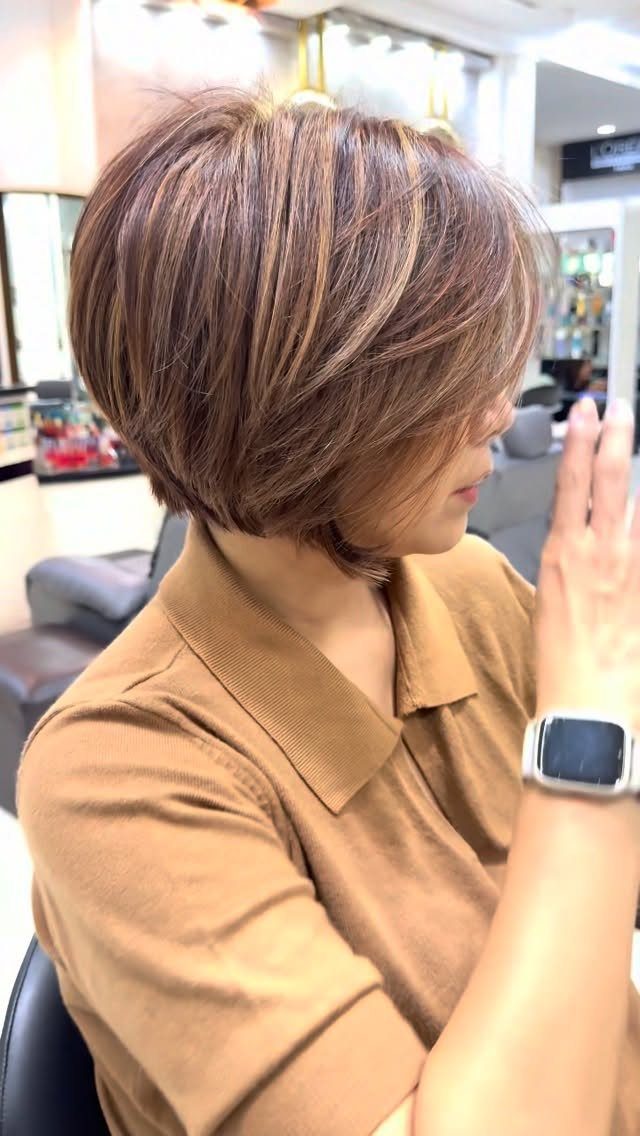
Crown layers lift the top section while the perimeter stays short, so the style has height without adding length. The shorter pieces at the crown dry faster and hold volume better than a one-length bob cut to the same length.
If your hair falls flat at the roots, this cut gives you something to work with.
Blow-dry the crown layers up and back with a round brush, then let the rest fall into place. The lift at the top balances a shorter hemline that might otherwise sit too close to the head.
14. Feather-light Layered Bob
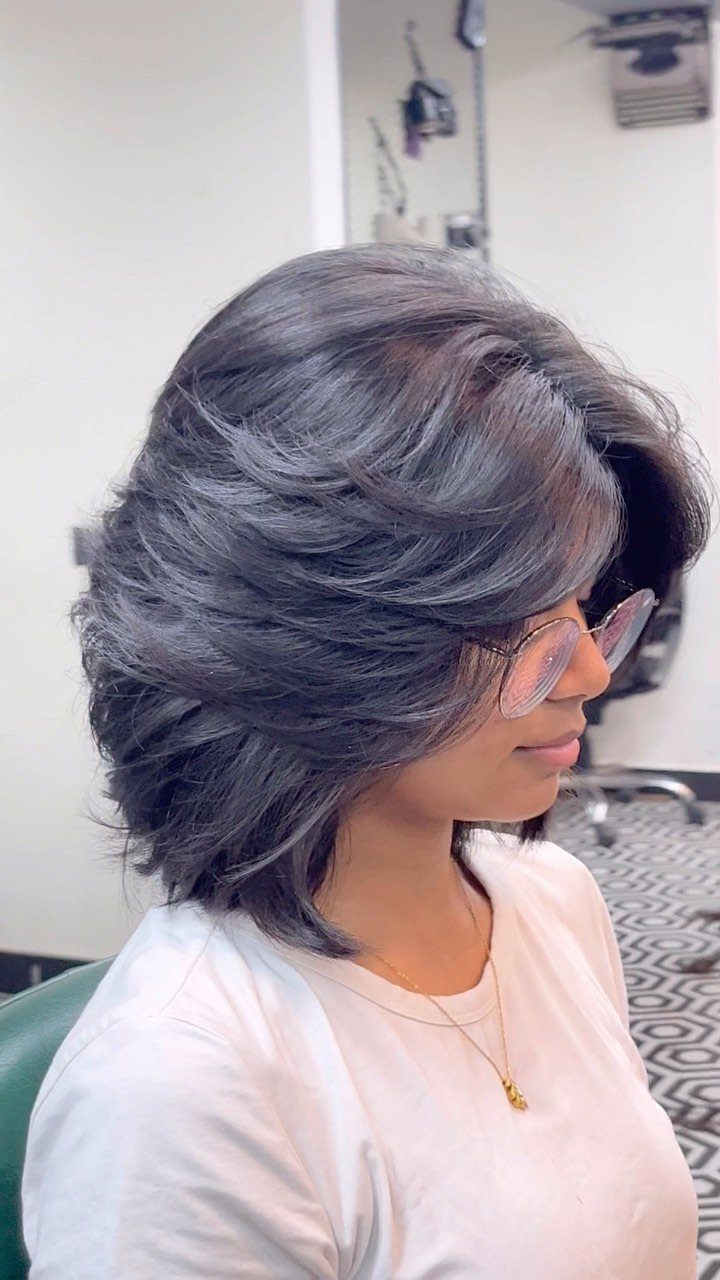
Feathered layers are cut into the surface and ends without removing density from the bottom line, so the bob keeps its shape but moves when you turn your head. The layers taper to soft points rather than blunt edges.
This technique suits thick hair that looks heavy in a standard bob. The feathering removes weight where you see it without thinning the perimeter, so the cut still looks full from the front.
Blow-dry with your fingers instead of a brush to keep the ends separated, or let it air-dry and shake it loose once it’s set.
However, if you have super straight or fine hair, Cobella advises avoiding this cut; "It can take away from the thickness of the edge of your haircut and sometimes lines can appear if your hair is super straight and over-layered," she says.
Preparing for a Stylist
Research stylists who post layered bobs that match your texture and density, not just the ones that photograph well on straight, fine hair.
Check their Instagram for client work, read reviews that mention short cuts specifically, and look at how many years they’ve spent on bobs rather than long hair with extensions.
Bring a front and a side reference photo. The side view shows layer placement more clearly than a face-on shot, and your stylist needs to see where the layers start and how much graduation there is from top to bottom.
Mention whether you part center or side. That changes where the stylist places the shortest layers.
At-home Styling and Products
Blow-drying spreads product evenly and adds volume, which matters more on a layered bob than on long hair that has weight to pull it smooth.
Too little product lets the layers fall flat within a few hours. Too much weighs them down and makes the cut look limp instead of textured.
One approach layers heat protectant, smoothing balm, lightweight polish, and texturizing spray, covering frizz reduction and volume in a sequence that builds without adding weight.
Another uses volumizing mist on damp hair before blow-drying, then finishes with flexible-hold spray once the style is set.
General Trim and Growth Upkeep
Layered bobs grow out with a softer transition than blunt cuts because the varying lengths shift gradually rather than hitting one hard line at the shoulders.
The style stays wearable longer between trims, but it still needs regular touch-ups to keep the shape from losing its structure around the face.
Most stylists recommend booking every 6 to 8 weeks if you want the layers to hold their intended shape, or every 10 to 12 weeks if you’re growing it out and adjusting the layers as the perimeter gets longer.
Use shampoo and conditioner suited to your texture. If the cut is meant to have volume, a volumizing formula keeps the layers lifted instead of clumping together as they dry.
Frequently Asked Questions
What is a layered bob?
A layered bob is a short cut with varying lengths throughout, creating movement and volume instead of one blunt line. The layers can be subtle and blended or more textured and choppy, depending on the look you want.
What is the difference between a layered bob and a regular straight, blunt bob?
A blunt bob cuts all the hair to one uniform length around the perimeter, while a layered bob uses different lengths to add texture and body. The layered version moves more and holds volume better than a single-length cut.
Does a layered bob make you look younger?
Layers add fullness and movement, which can soften facial features and make the hair look thicker than it would in a blunt cut. The natural flow the layers create reads as high energy rather than rigid or flat.
Who is best suited to the layered bob with bangs hairstyle?
Natural texture works best because the layers release the wave or curl pattern and let it sit at its widest silhouette.
Very straight or fine hair can lose thickness at the ends or show visible lines if the layers are cut too heavily.
Is a layered bob with bangs high-maintenance?
Layers cut styling time because they add shape on their own, but bangs require a trim every few weeks and at least a quick round brush or iron each morning.
If your hair has natural wave, you might get away with air-drying; straight or fine texture usually calls for a dryer or mousse to keep layers from falling limp.
What is the trend for bob haircuts in 2026?
Long layered bobs are surging, with Pinterest reporting searches up 622 percent. The extra length means you skip the commitment of chin-grazing sharpness while the layers keep thick hair from sitting heavy or triangular.





