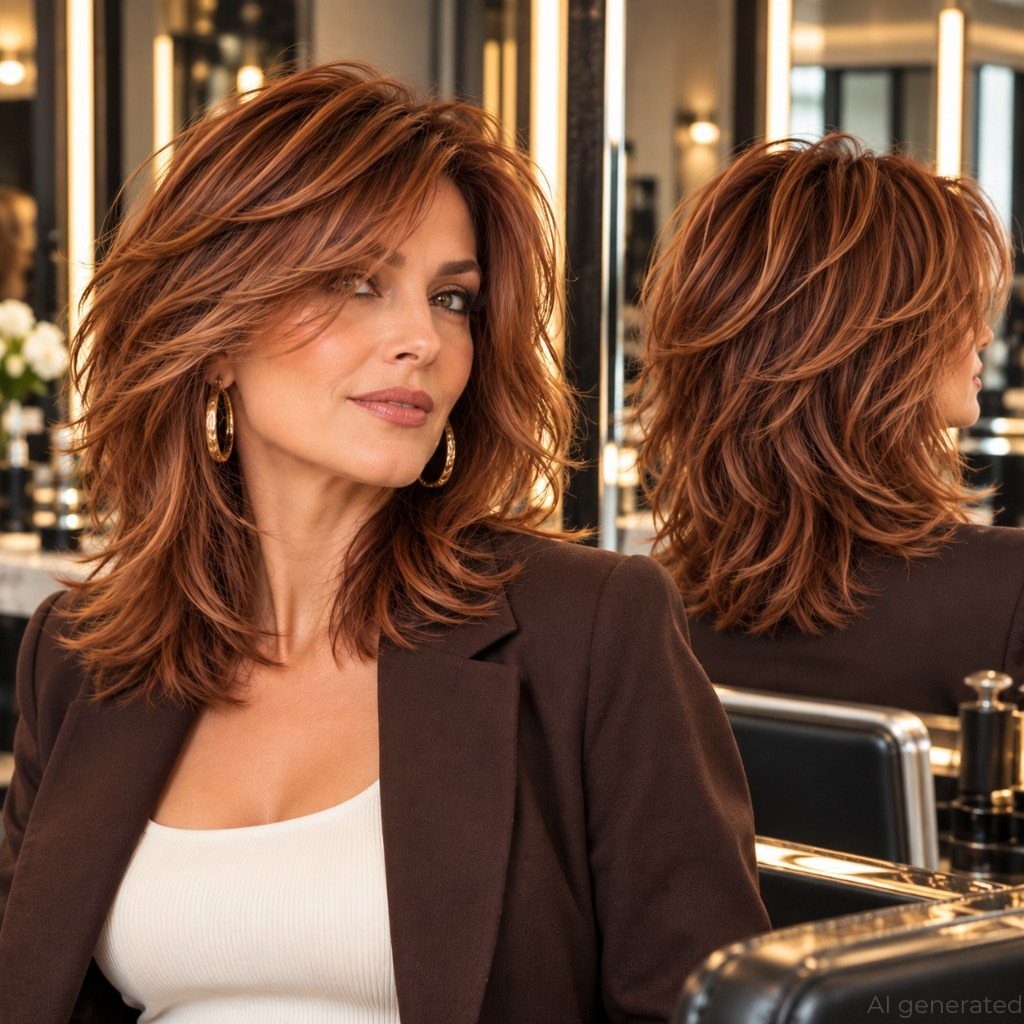
An oval face handles everything from a pixie trimmed every 4 weeks to long layers that start high or low, depending on how much volume you want at the crown.
Curtain bangs reinforce symmetry, a shag adds lift without throwing off the balance, and styles pulled straight back expose the full outline without reading severe.
1. Pixie Cut
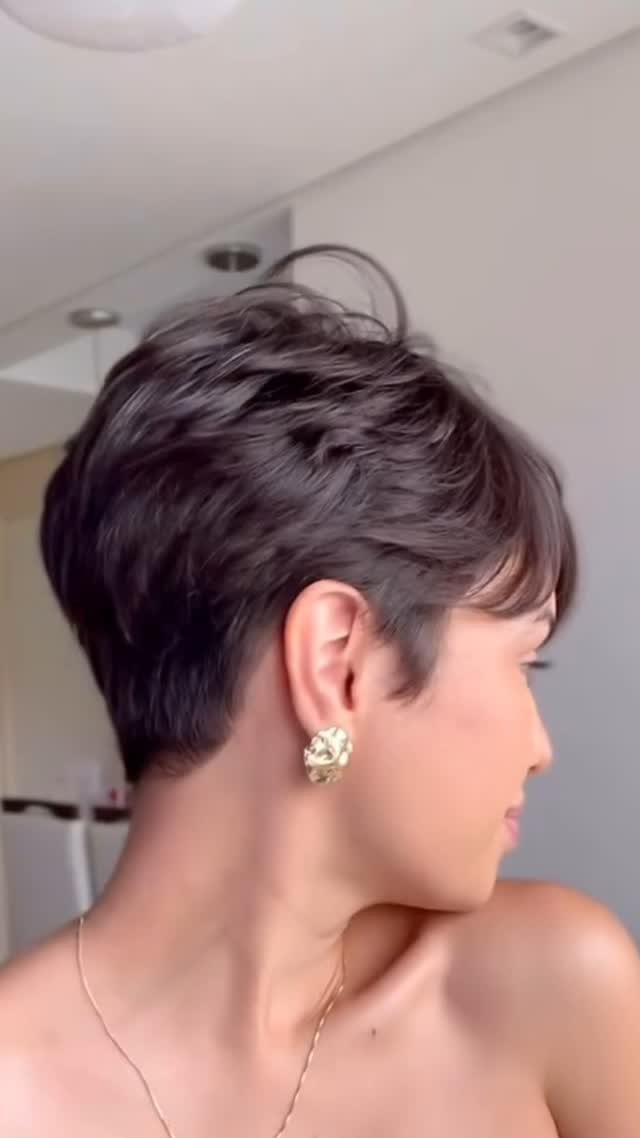
A pixie removes length everywhere and leaves the architecture of the face itself to do most of the work.
The shorter the cut, the more it pulls attention to the eyes and the bones below them, which suits an oval face that already balances well.
Trimming every 4 to 6 weeks keeps the shape from turning into a grow-out bob you didn’t ask for.
2. Long Layers
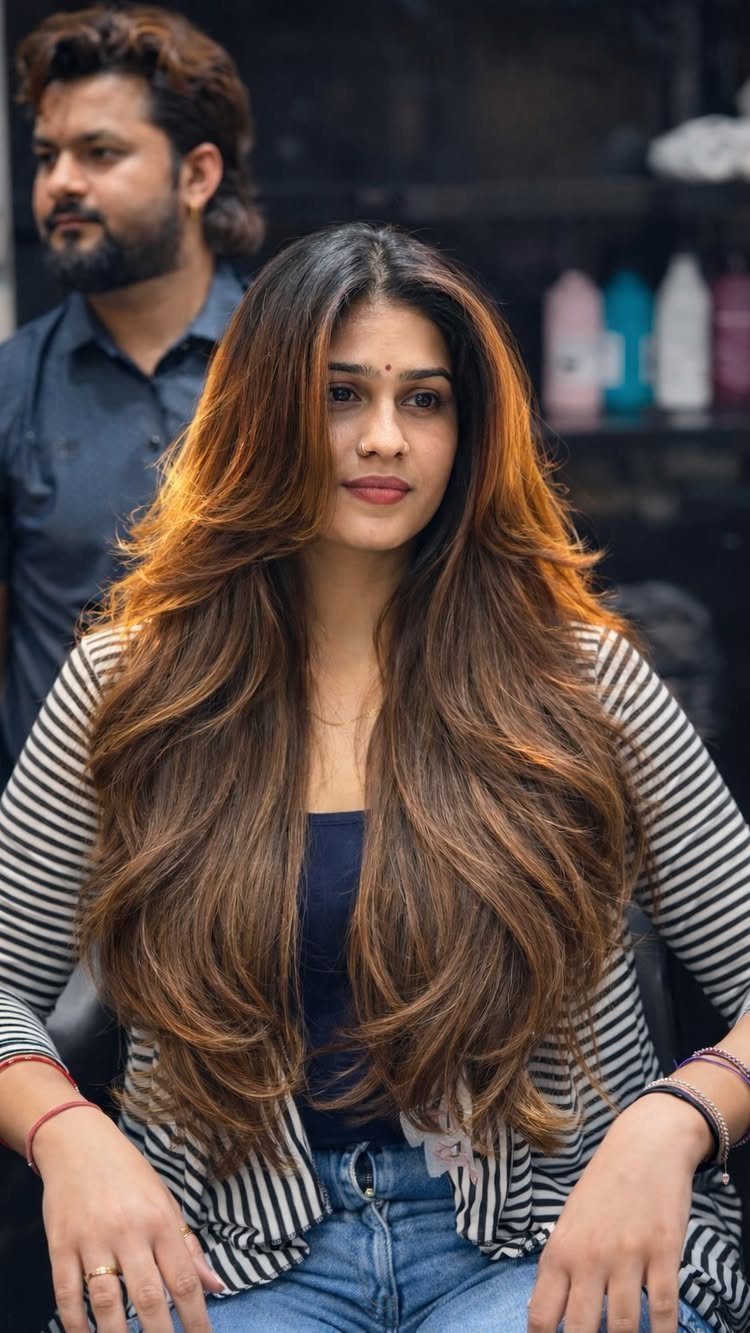
Layers cut through long hair at different heights give the ends movement without asking you to part with length.
The shortest pieces frame the face, the longest stay at the back, and the difference between them keeps the hair from sitting flat.
An oval face tolerates layers that start almost anywhere, so the cut can begin high enough to add volume at the crown or low enough to keep most of the weight intact.
If the hair is fine, starting the layers closer to the collarbone keeps enough bulk to fill out the shape.
3. Shag Haircut
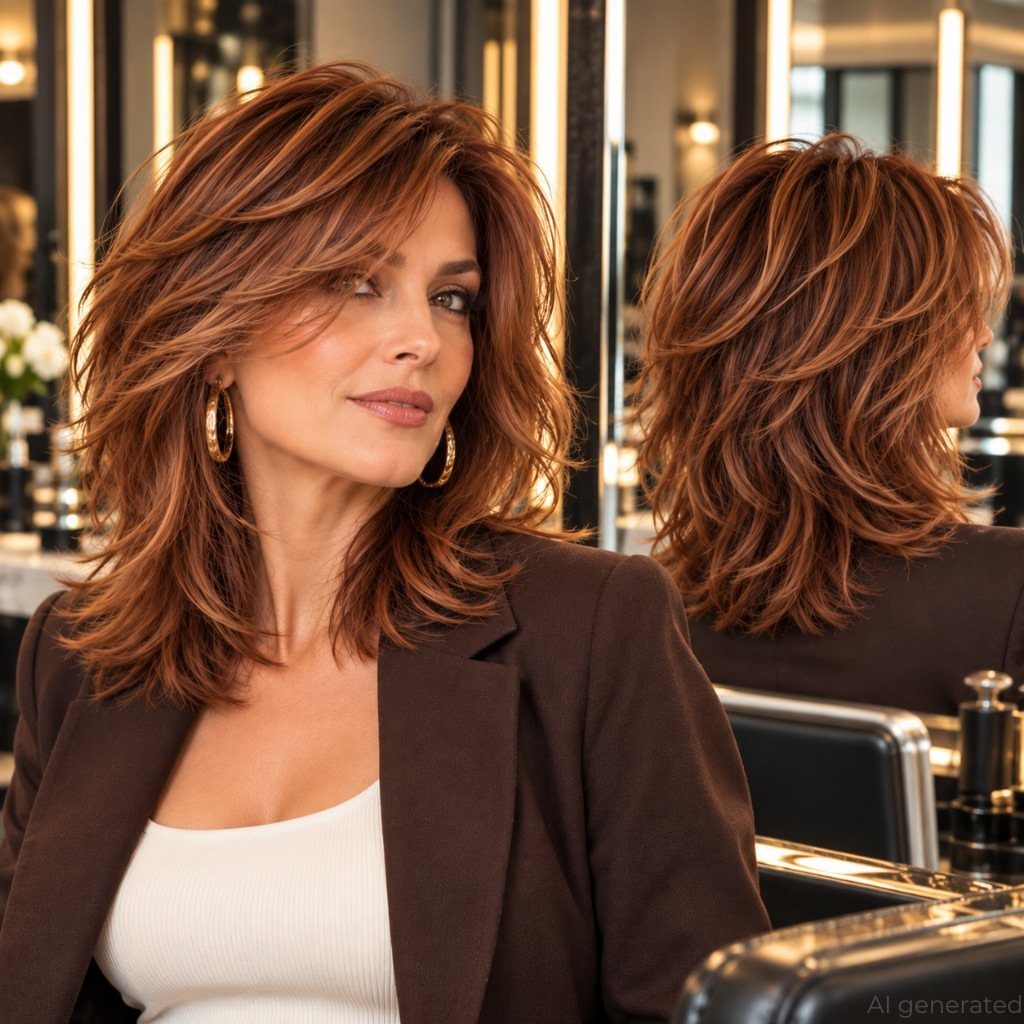
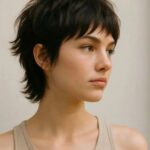
A shag stacks short, choppy layers from the crown down, often with the shortest pieces falling around the cheekbones or just above them.
The layers are cut at different angles, which builds texture and lift without needing much from a round brush.
The feathered ends break up the outline of the face and soften a strong jaw.
An oval face can carry the volume a shag adds at the top without throwing off the proportions. Trimming keeps the shape where you want it.
4. Curtain Bangs
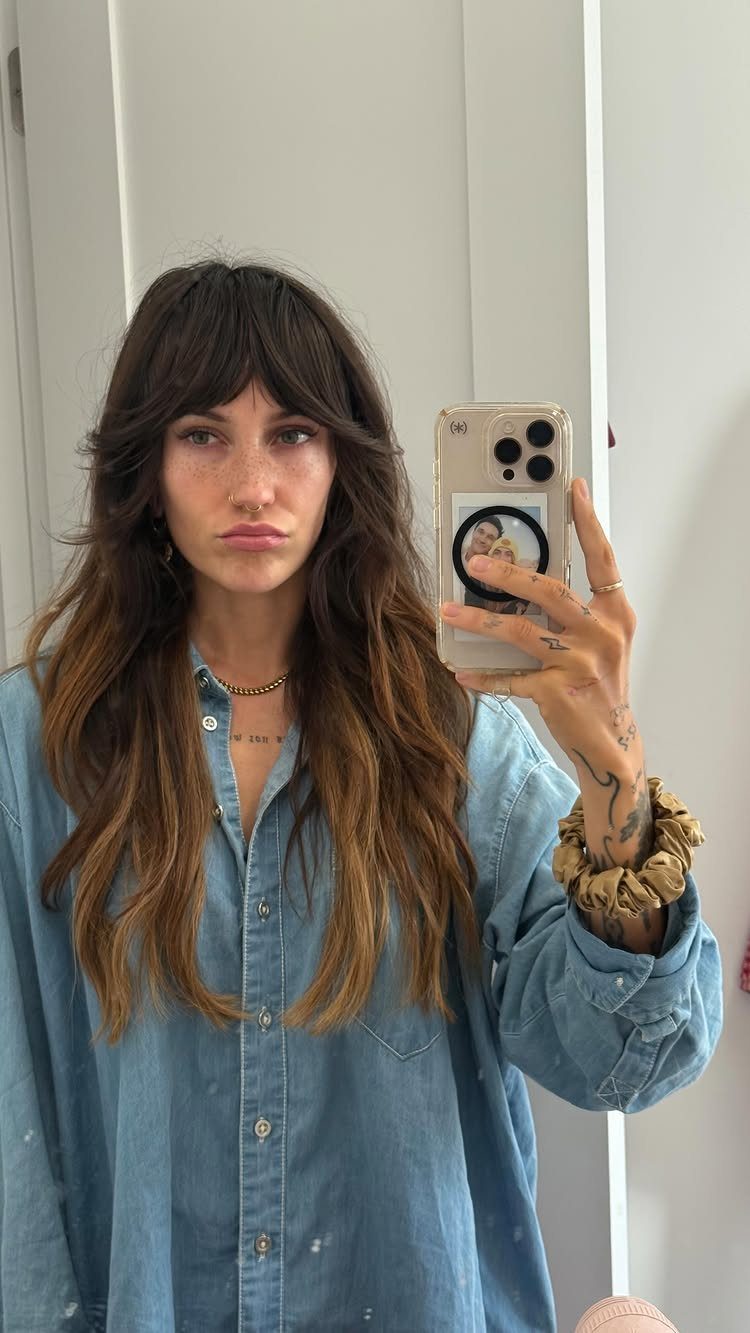
Curtain bangs part at the center and sweep to either side, framing the face in a way that plays up symmetry.
They work particularly well on an oval face because the proportions already sit balanced, and the bangs reinforce that rather than fighting it.
Styling takes under 5 minutes with a round brush or a flat iron curved slightly away from the face.
The length usually falls somewhere between the cheekbone and the chin, which keeps them long enough to pin back or tuck behind the ears when needed.
5. Soft Waves
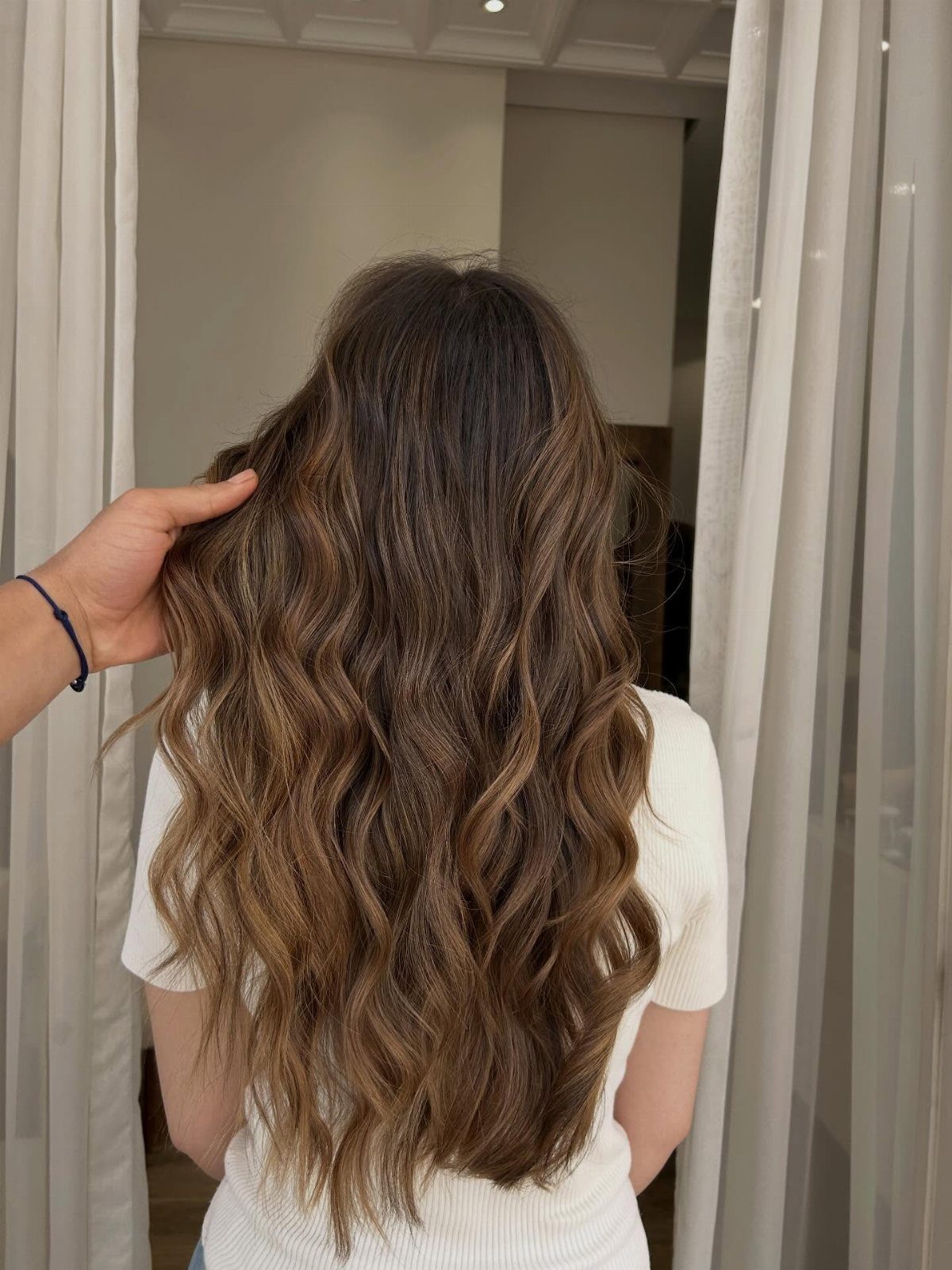
Soft waves are looser and more broken up than tight curls, which gives the hair movement without taking it into full ringlet territory.
The wave pattern softens the angles of the jaw and adds width through the mid-lengths, which balances an oval face that might otherwise read as too narrow.
A curling iron or a flat iron wrapped at an angle can create the shape, and leaving the ends straight or barely bent keeps the waves from looking too formal. The style holds better on second-day hair.
6. Loose Waves
Loose waves sit somewhere between straight and curly, with just enough bend to suggest movement.
They can be set quickly with a straightener, curling away from the face in small sections and twisting the hair with your fingers as you go, then straightening the ends so they stay smooth.
The relaxed shape works on an oval face because it adds softness without introducing bulk where it isn’t needed. If the hair is fine, a light texturizing spray before styling gives the waves something to hold onto.
7. Asymmetrical Bob
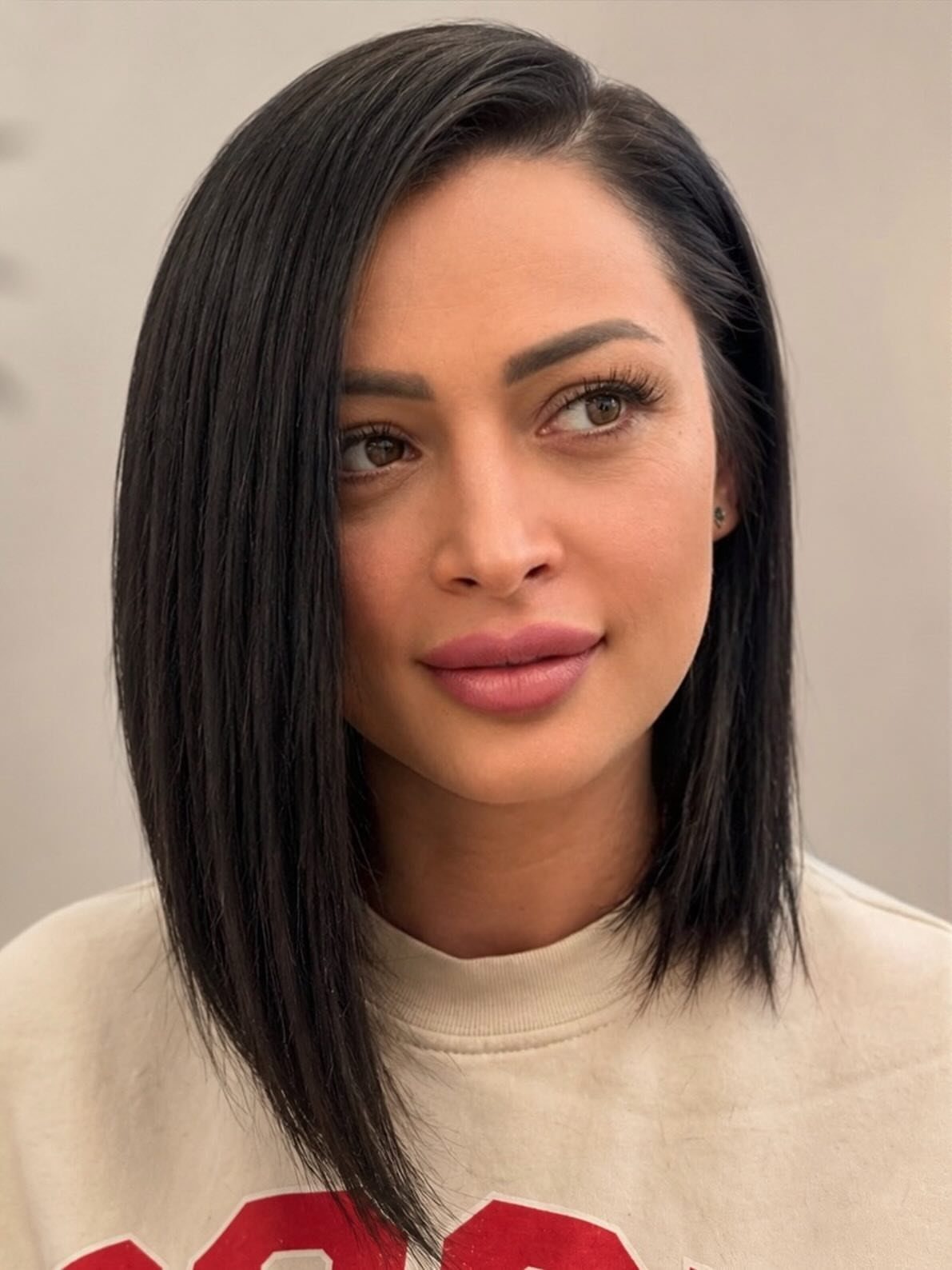
One side cut longer than the other pulls the eye across the face rather than straight down, which adds interest to a balanced oval without needing bangs or texture to do the work.
The angle can be subtle, with just an inch or two of difference, or sharp enough that the short side sits above the jaw and the long side grazes the collarbone.
The cut grows out cleaner than a blunt bob because the asymmetry hides the loss of shape for a few extra weeks. A flat iron keeps the line crisp.
8. Sleek Ponytail
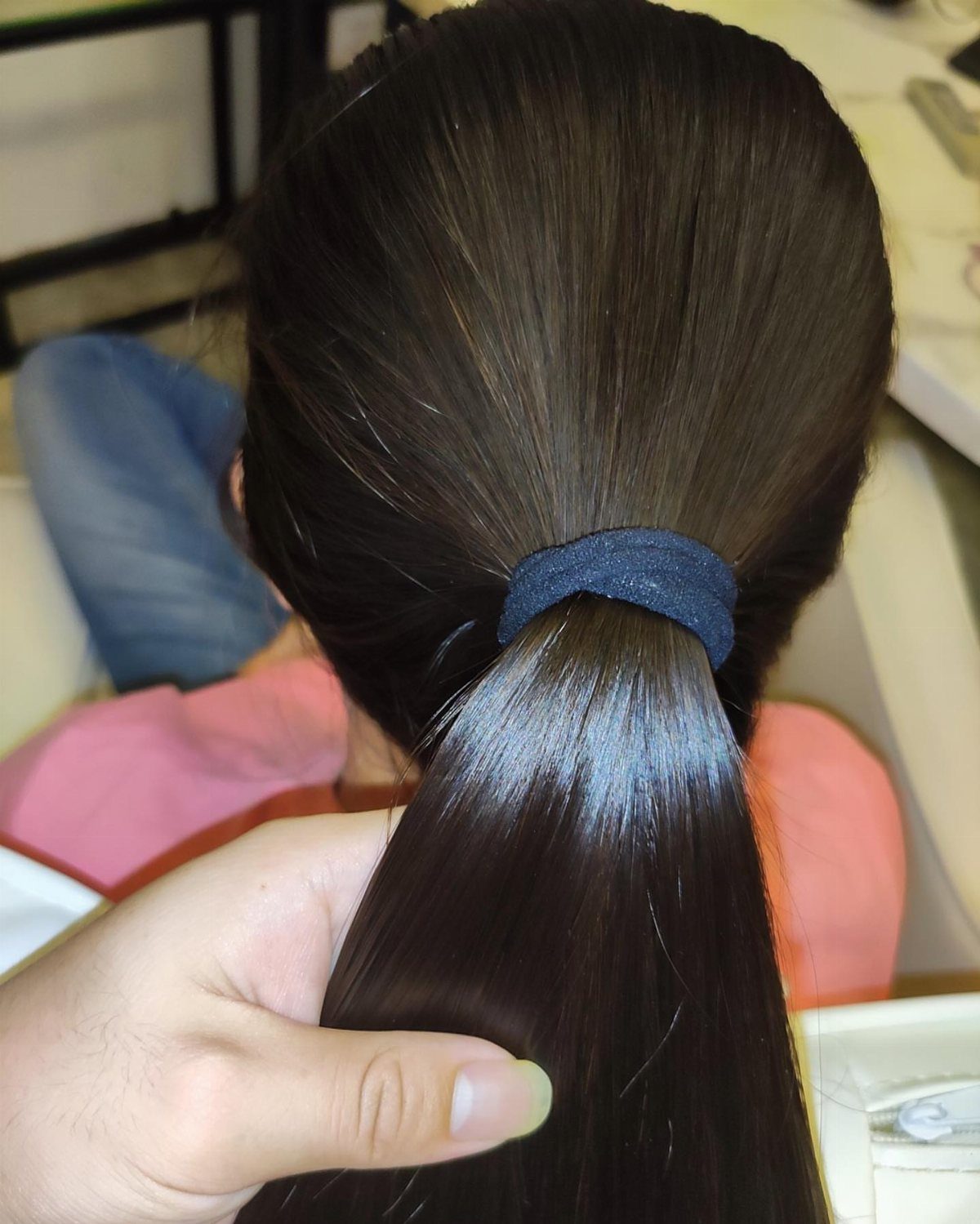
Pulling the hair straight back exposes the entire face and lets an oval’s proportions speak without anything softening or framing them.
The smooth finish requires hair brushed flat against the scalp before securing, which takes longer on thick or textured hair.
A low ponytail sits at the nape and keeps the focus on the face itself rather than adding height. Serum or gel smooths flyaways, and the style holds through most of a day without needing adjustments.
9. Deep Side Part
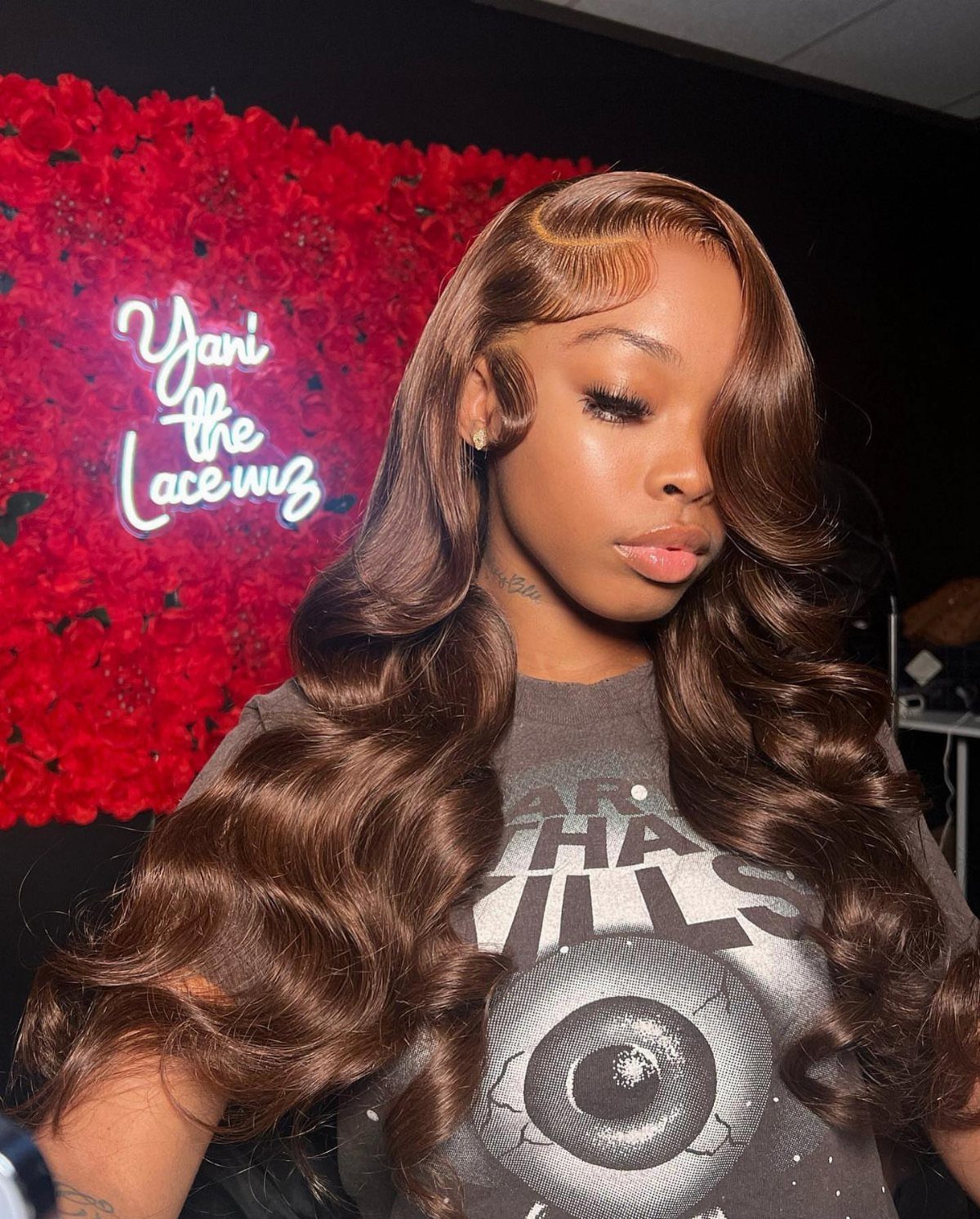
Shifting the part several inches to one side creates volume on the heavier side and asymmetry that flatters an already balanced face.
The deeper the part, the more dramatic the difference between the 2 sides, and an oval face can carry that contrast without looking lopsided.
The style works on straight or wavy hair and takes no extra styling beyond changing where you part. On fine hair, teasing the roots on the fuller side before parting adds lift that lasts through the day.
10. Textured Bob
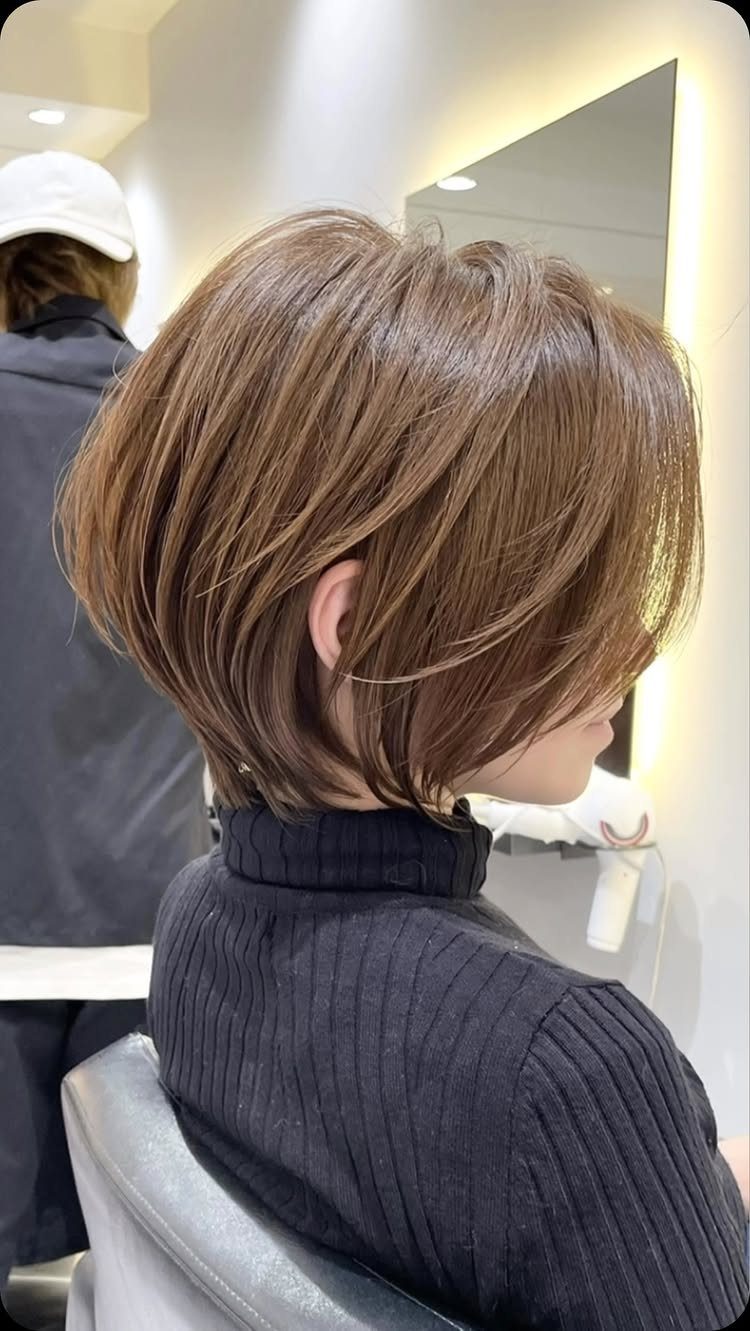
Layers cut into a bob soften the blunt line and keep the hair from sitting too heavy at the ends.
The texture comes from point cutting or razoring, which breaks up the edge and gives the style movement instead of a solid shape.
The volume sits right where an oval face can carry it, filling out the jaw without tipping into bulky. Curtain bangs or a side-swept fringe pair well with the layered bob and frame the face without shortening it visually.
11. High Ponytail
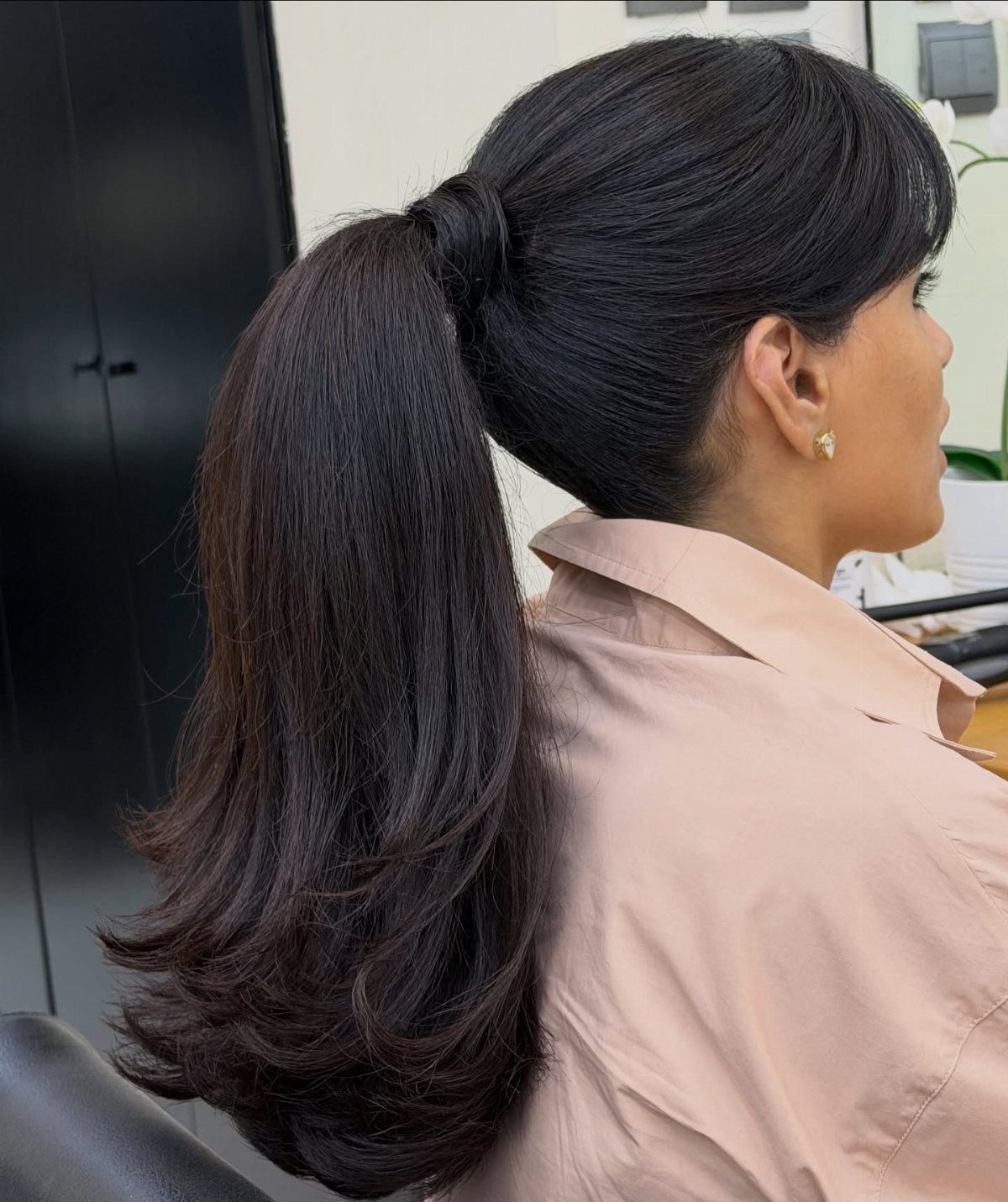
Gathering the hair high at the crown lifts the face and shows the full outline from forehead to jaw. The height adds a visual line upward, which an oval face can carry without elongating too much.
Smoothing the hair back with a brush before securing keeps the finish polished, or leaving a few pieces loose softens the look.
The ponytail sits several inches above the nape, and wrapping a small section of hair around the elastic hides the tie.
12. Mermaid Waves
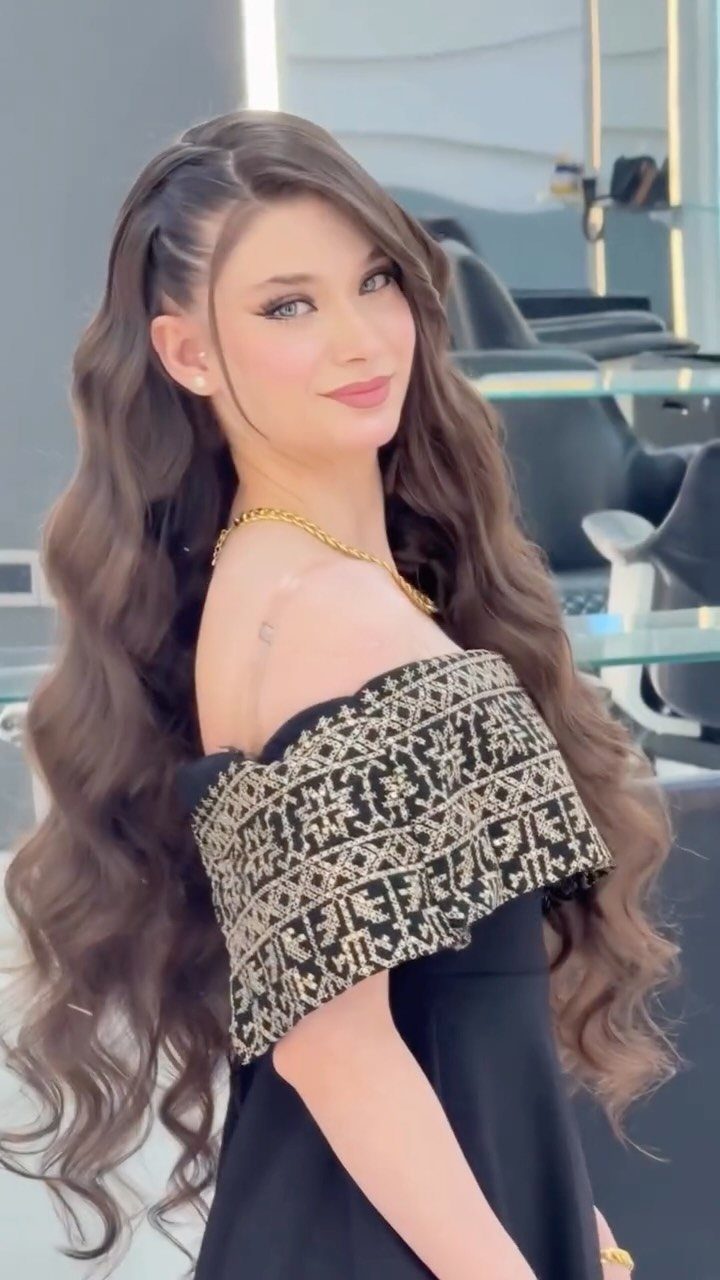
The waves are longer and looser than beachy texture, with a smooth ripple that starts below the ears and runs through the lengths.
The pattern looks less tousled than other wave styles and holds a glossy finish that catches light as the hair moves.
A large-barrel curling iron wrapped loosely creates the shape, and brushing through the curls once they cool softens them into waves.
The style works best on hair past the shoulders, where the length gives the waves room to form. A shine spray finishes the look.
13. Slicked-back Bob
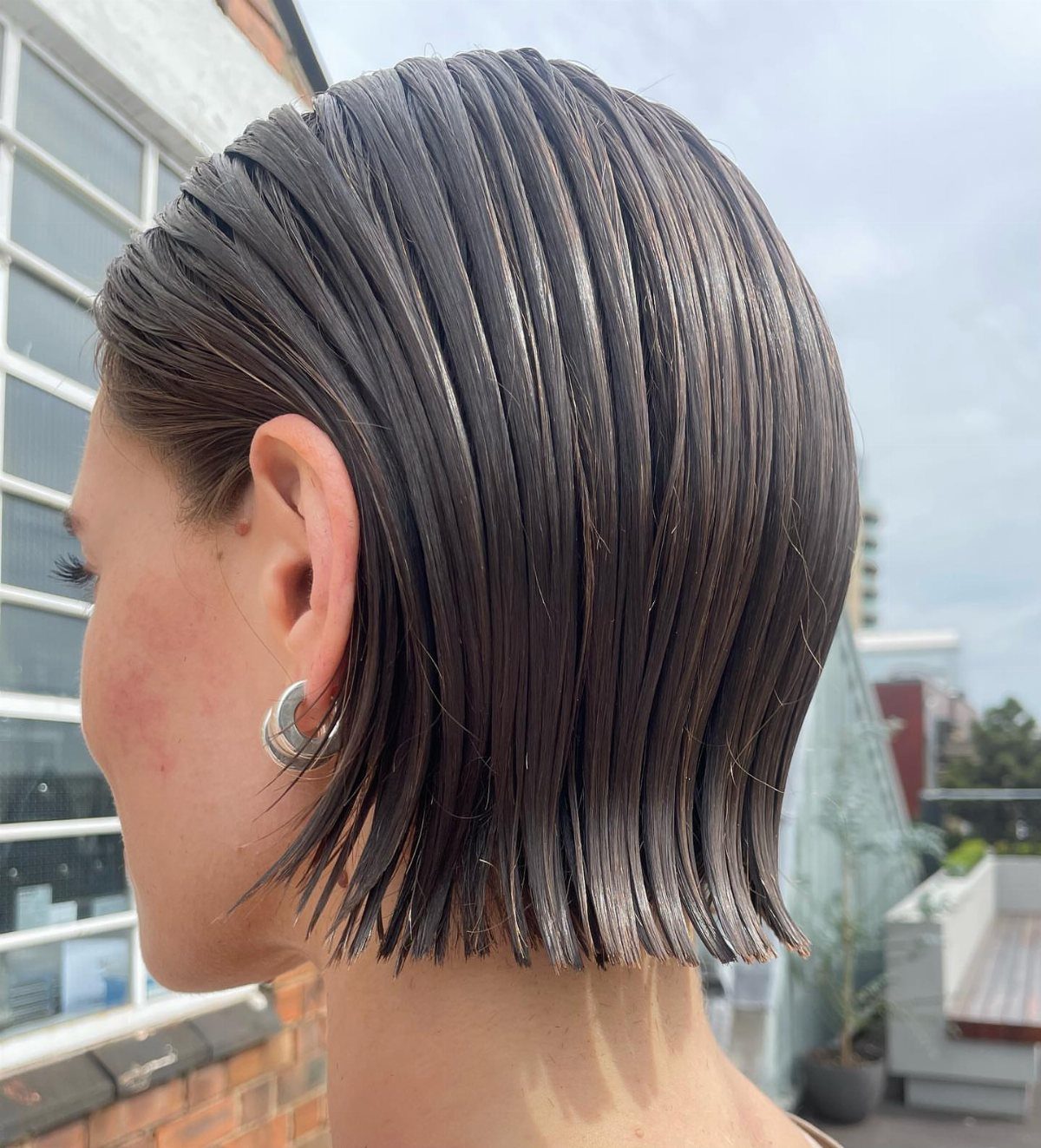
Gel or pomade combed through damp hair pulls a bob tight against the scalp and leaves the hair with a polished, almost lacquered finish.
The style shows the full shape of the face without anything breaking up the line from forehead to jaw, which an oval face can handle without looking severe.
The comb marks stay visible if you want them, or you can smooth them out with your palms. The look holds through most of a day but needs touch-ups if the hair starts to lift.
14. Voluminous Curls
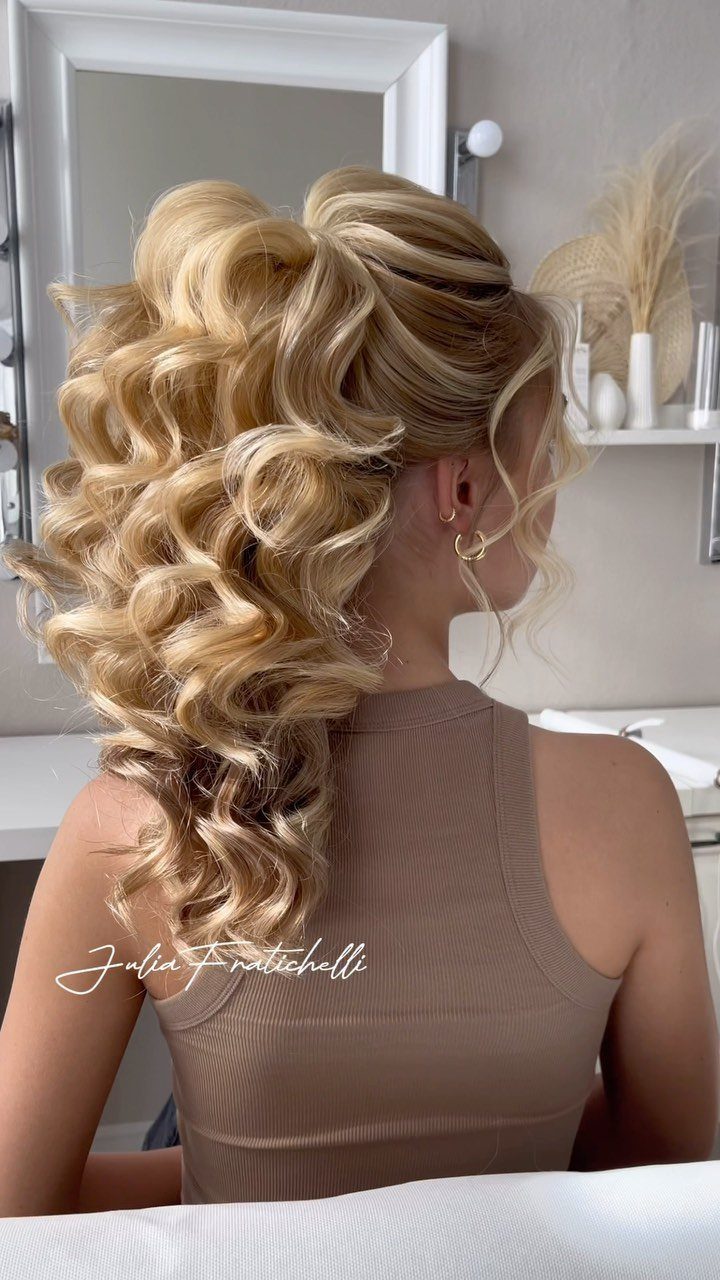
The volume sits away from the scalp, so the curls don’t add height that would stretch the proportions.
Setting the curls on clean, dry hair and letting them cool completely before separating them keeps the shape from falling flat. A light spray holds the volume without weighing the curls down.
15. Messy Bun
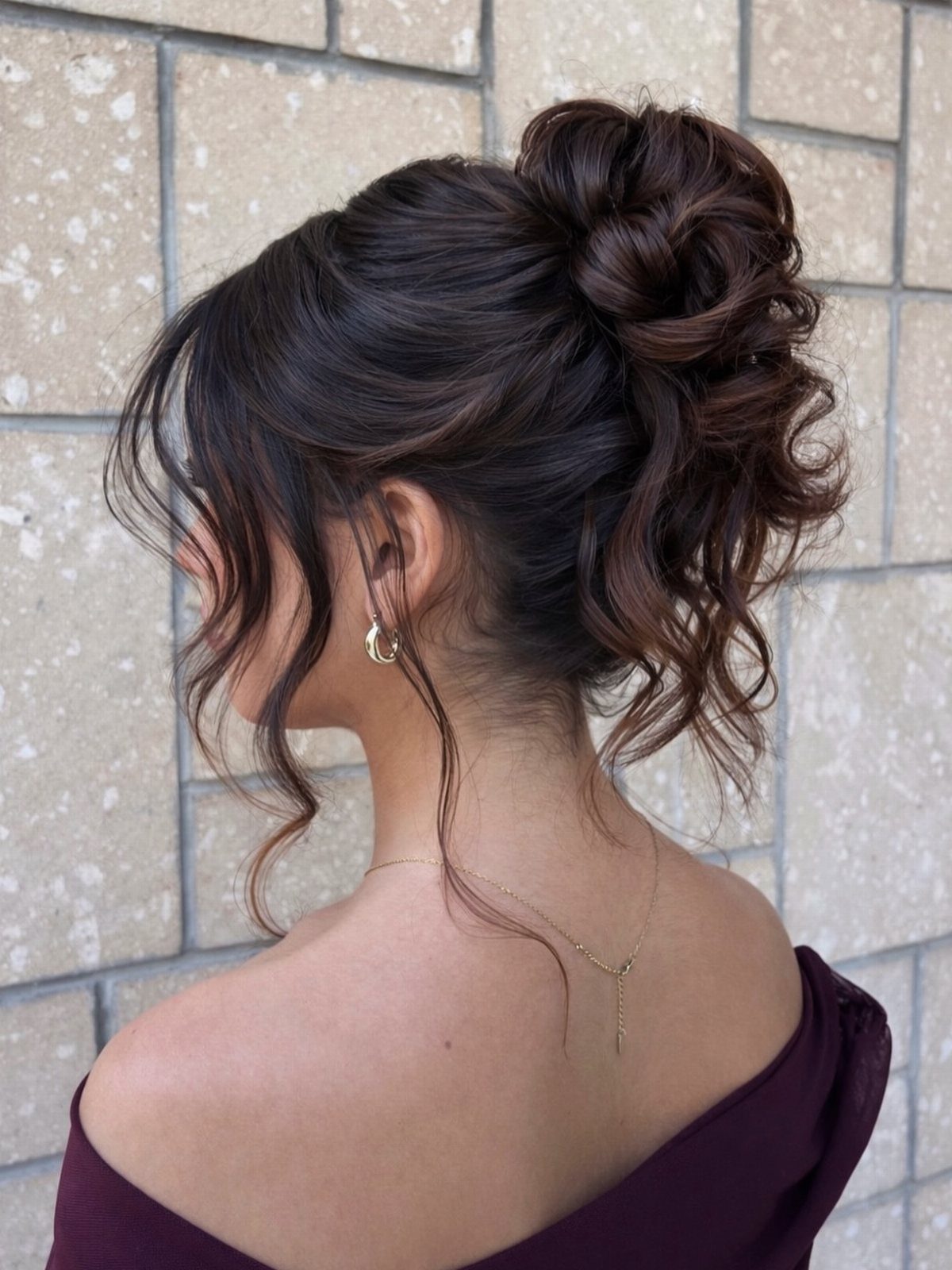
Gathering the hair loosely at the crown or just below it and securing it without smoothing the surface gives a relaxed shape that keeps the hair off the face.
A few pieces pulled out around the face soften the look and add movement.
The style takes under 2 minutes and works on second or third-day hair, when the texture gives the bun something to grip.
16. Face-framing Layers

Layers cut to fall around the cheekbones and jaw draw attention to the center of the face and emphasize symmetry, which an oval face already has.
The shortest pieces sit near the front, and the rest of the hair can stay long or layered further back.
Styling with a round brush bent away from the face takes around 10 minutes and keeps the layers from falling flat. The cut grows out without losing shape between trims.
17. Braided Headband
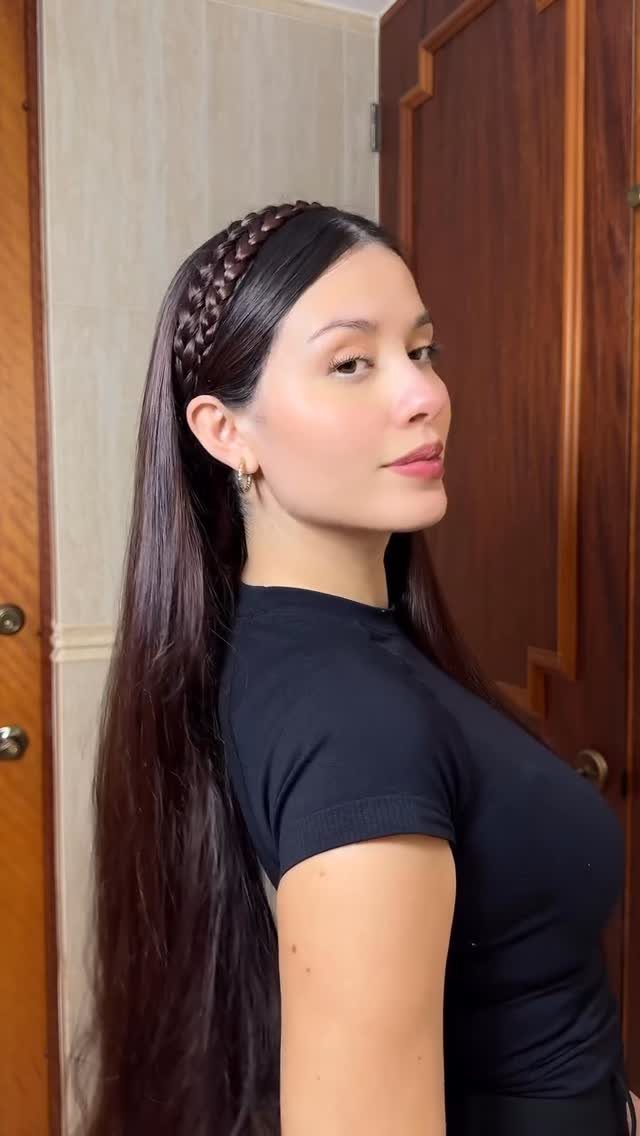
A thin braid taken from one side of the head and pinned across the top to the opposite side holds the hair back and adds detail without covering much of it.
The braid can start at the temple or further back, depending on how much hair you want out of your face.
Securing the end with a small elastic and tucking it behind the opposite ear hides the finish.
18. Pinned-Back Long Hair
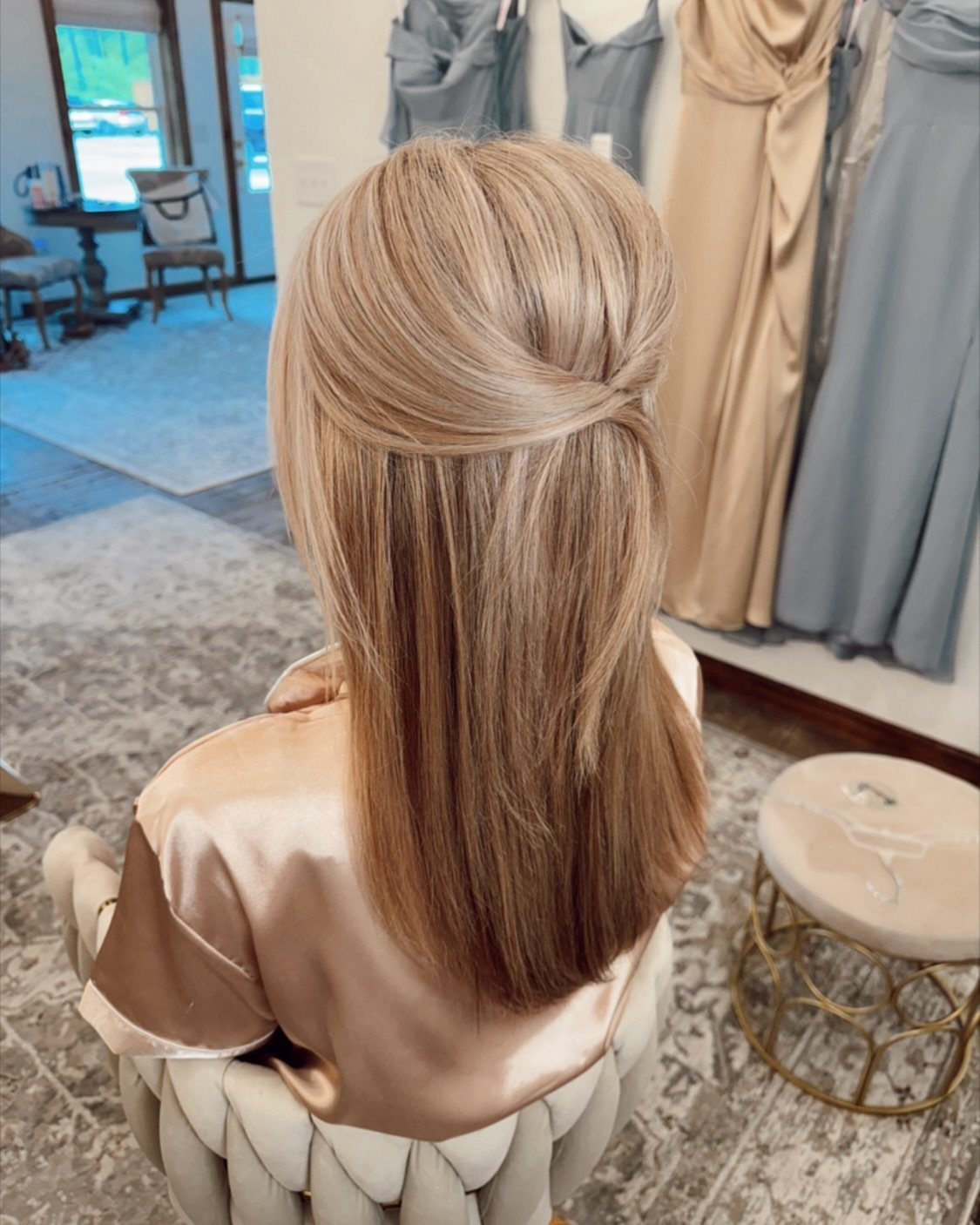
Taking sections from both sides and pinning them at the back of the head clears the hair away from the face while leaving the rest down.
The pins can sit at the crown or lower, depending on how much lift you want.
Bobby pins or a decorative clip hold the sections in place. An oval face looks balanced with the hair pulled back this way because the proportions don’t need softening or framing to work.
19. Blunt Chin-Length Bob
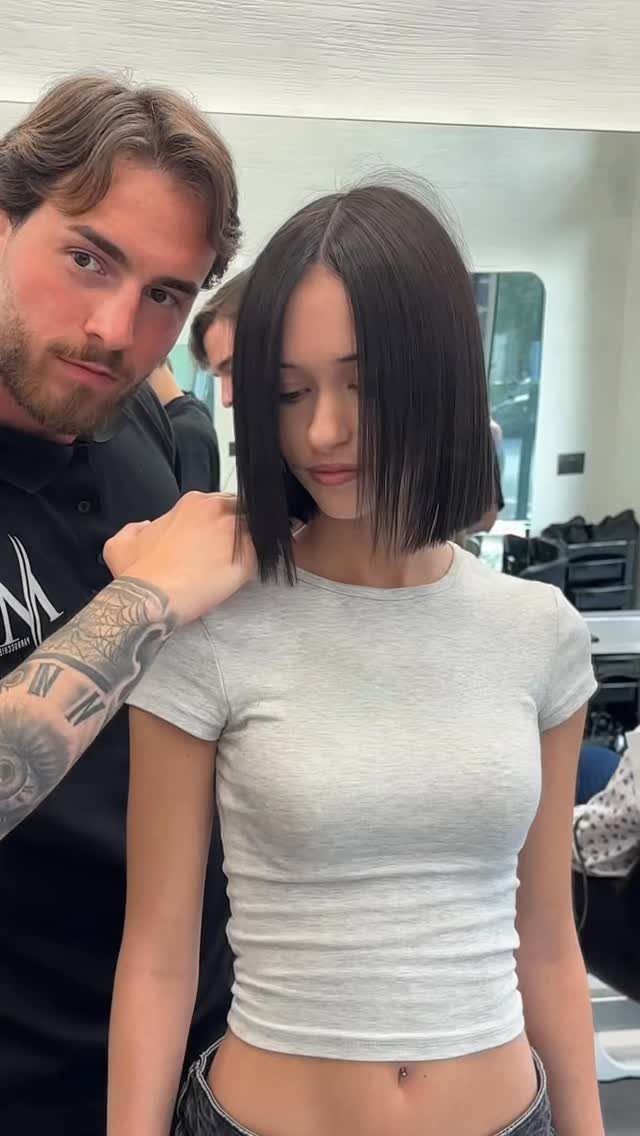
Cutting the hair to chin length with a straight, blunt edge creates a crisp line that draws attention to the jaw and cheekbones.
The lack of layers keeps the weight at the ends, which gives the hair a fuller appearance and a solid shape.
The cut suits an oval face because the strong horizontal line doesn’t disrupt proportions that already sit balanced. Styling with a flat iron keeps the ends sharp, and the blunt edge needs regular trimming to stay clean.
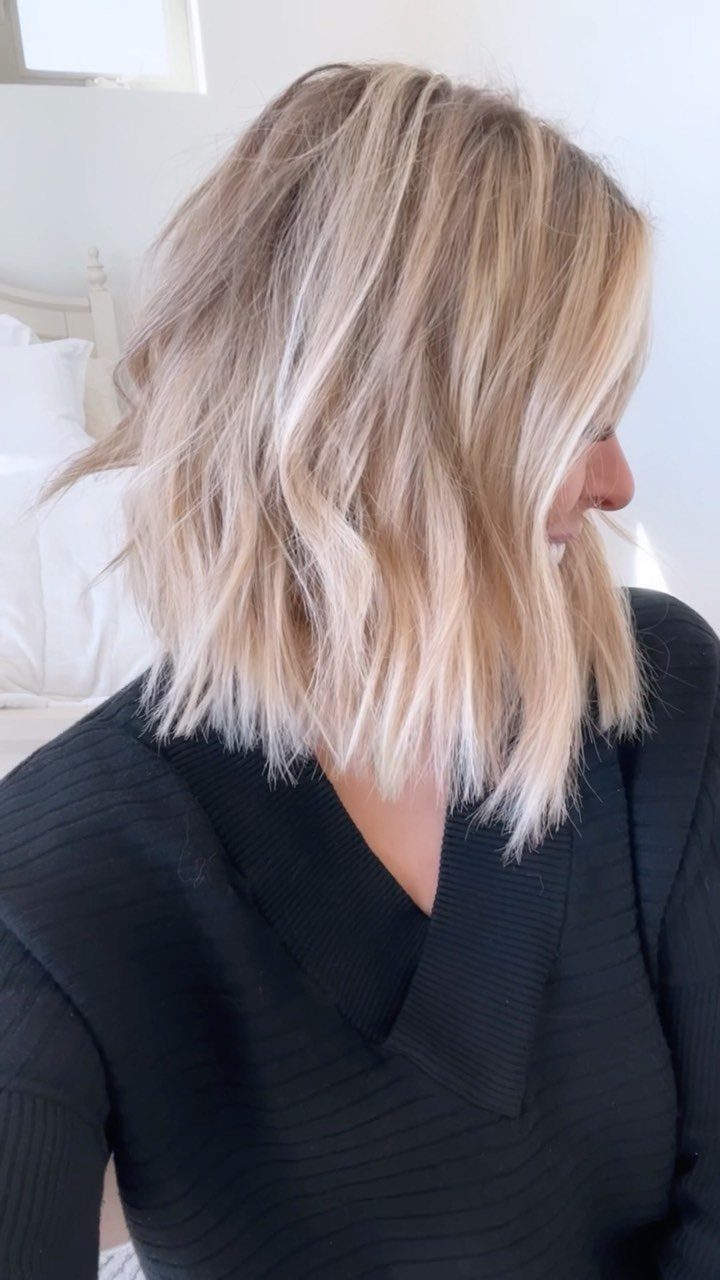
20. Highlighted Collarbone Lob
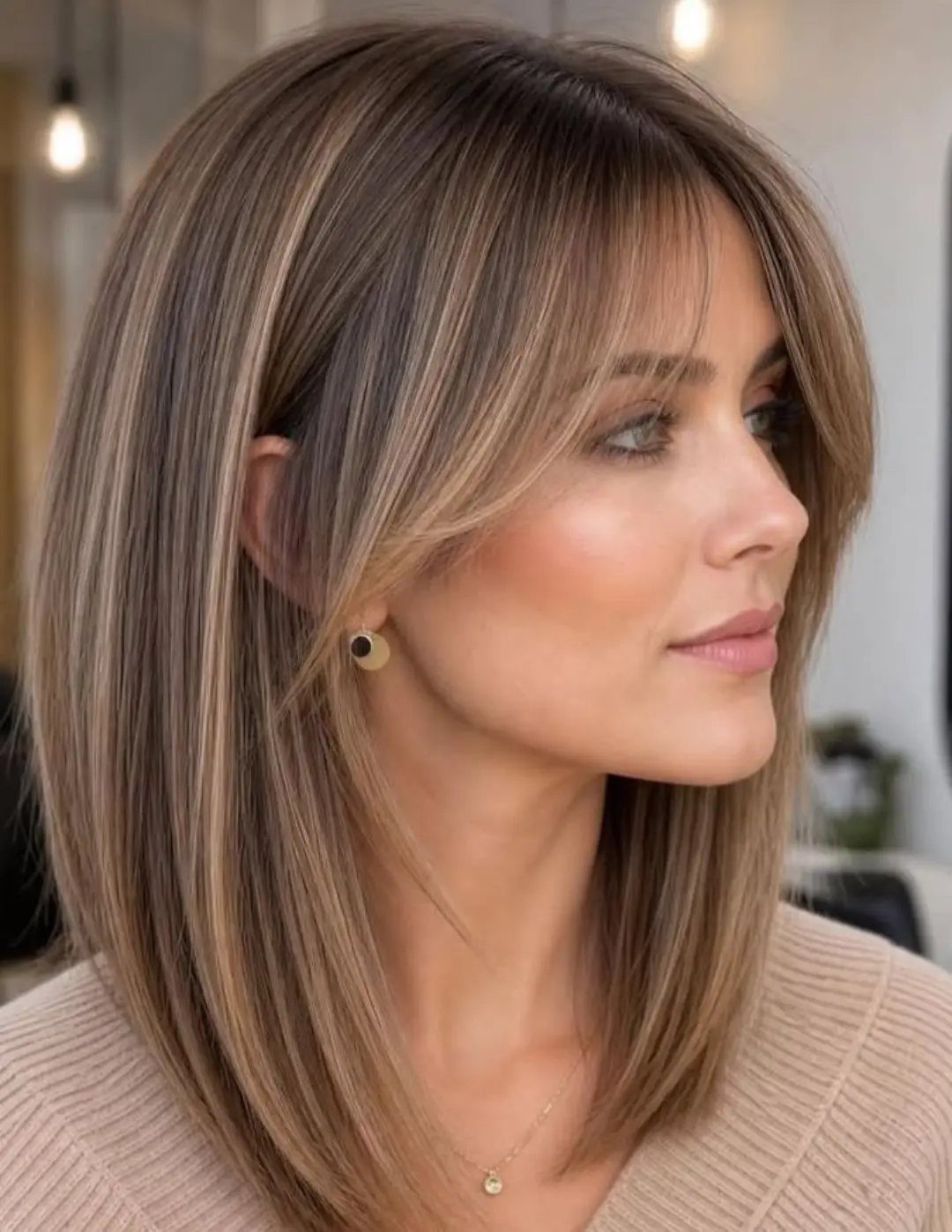
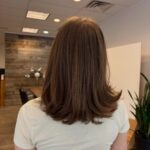
The length grazes the collarbone, long enough to pull back but short enough to feel lighter than hair past the shoulders. Highlights a few shades lighter than the base color add dimension and catch light as the hair moves.
Side-swept bangs frame one side of the face and soften the line from forehead to jaw.
The combination works on an oval face because the length and the highlights add interest without needing texture or volume to fill out the shape. A flat iron smooths the lengths and bends the bangs slightly away from the face.
Oval Face Proportions
The face measures roughly 1.5 times as long as it is wide, with cheekbones forming the widest line and forehead and jaw running close to equal. The jaw tapers or rounds softly rather than squaring off.
If the face feels distinctly stretched, it likely falls into oblong rather than oval.
Styles like curtain bangs and pixies sit well because the symmetry is already there.
Long layers add movement and show off texture without needing to correct anything. The versatility comes from the face itself, not from the cut doing extra work to fix proportions that don’t need fixing.
One of the reasons Nation loves styling an oval face is the versatility. He believes cuts of all lengths, from pixies to 22-inch extensions, favor oval shaped faces.
Choosing Texture and Upkeep
The cut still has to work with your texture, density, and how much time you’ll give it each morning. A style that looks sharp on someone else might need more product or heat than you want to use daily.
Check what the cut does with your own texture before you commit, since a photo shot on straight hair can read very different on waves or coils.
If you want something low-effort, choose a cut that holds its shape as it air-dries.
Styles to Approach Cautiously
Layers break up that vertical line and keep the proportions from reading too long.
Too much height at the crown without width through the sides stretches an oval into oblong range. Styles slicked tight to the scalp strip volume from the sides and can make the face appear narrower.
Frequently Asked Questions
What haircut looks best on an oval face?
There isn’t a single best cut, since oval faces can wear short, long, layered, blunt, or textured styles without throwing off proportions that already sit balanced.
The choice comes down to what you want the cut to do rather than what the face needs fixed. Long layers and lobs enhance the natural symmetry, while textured crops and pixies show off the bone structure.
Does an oval face suit short hair?
Yes. A pixie exposes the entire outline and pulls focus to the eyes and cheekbones, while a blunt bob adds crisp horizontal lines that give a softer face shape more definition.
The proportions don’t need hair to balance them, so short cuts work without looking severe.
Should I get bangs with an oval face?
Curtain bangs, side-swept pieces and wispy fringe all work.
The one to watch: blunt bangs cut straight across and sitting low, which can make the forehead disappear and shorten what you might prefer to keep. Wispy and curtain options flatter most oval faces.
How do I know if my face is oval or oblong?
An oval face measures about 1.5 times as long as it is wide, while an oblong face runs noticeably longer, sometimes close to twice the width.
An oblong usually runs wider at the forehead, cheek and jaw, all reading close to the same measurement.
Are there any hairstyles oval faces should avoid?
Use caution with extreme height at the crown combined with no volume through the sides, or with very long straight styles that add length without any width.
Heavy one-length hair with no break pulls the eye down and can read narrower than the face really is.