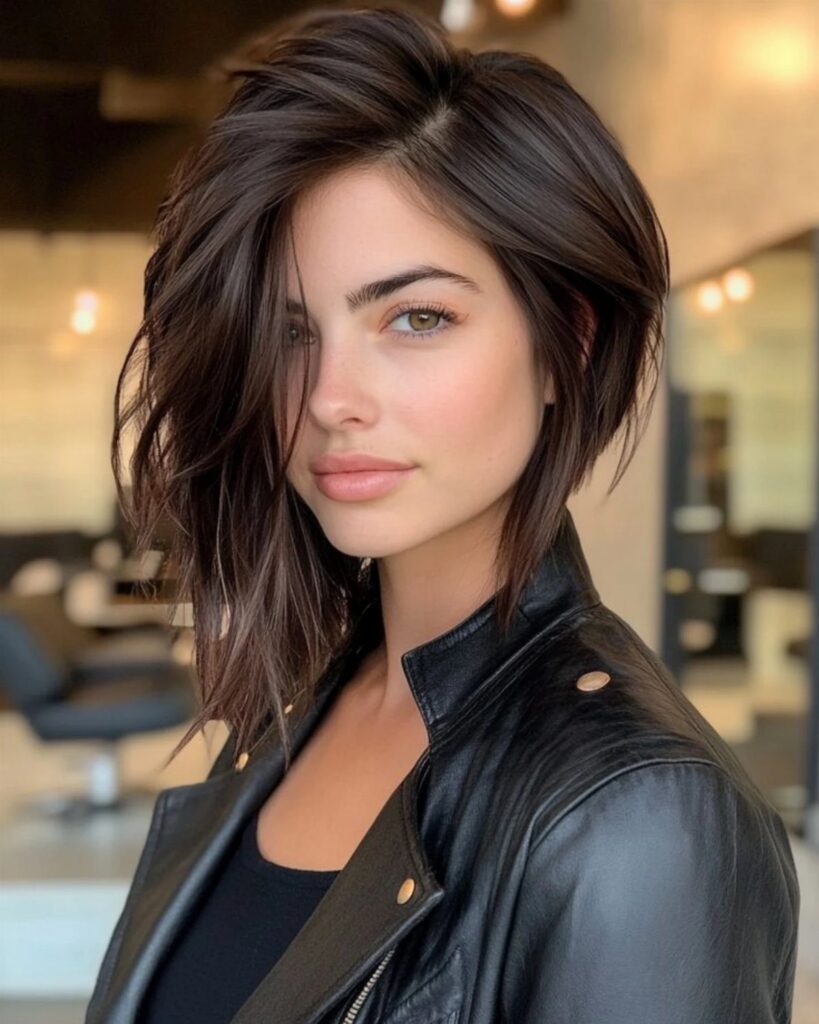
Layered cuts range from a pixie that sits close to the head to waist-length hair with cascading sections, and the right one depends on how much time you’ll spend styling each morning.
A shag or choppy bob air-dries into shape, while a graduated bob or sleek long layers need a blow dryer and tension on every section to look finished.
Face-framing pieces that start at chin length suit most face shapes and grow out without awkward in-between stages, but shaved sections on a pixie or pompadour show stubble quickly and need clippers to stay sharp.
1. Face-Framing Layers
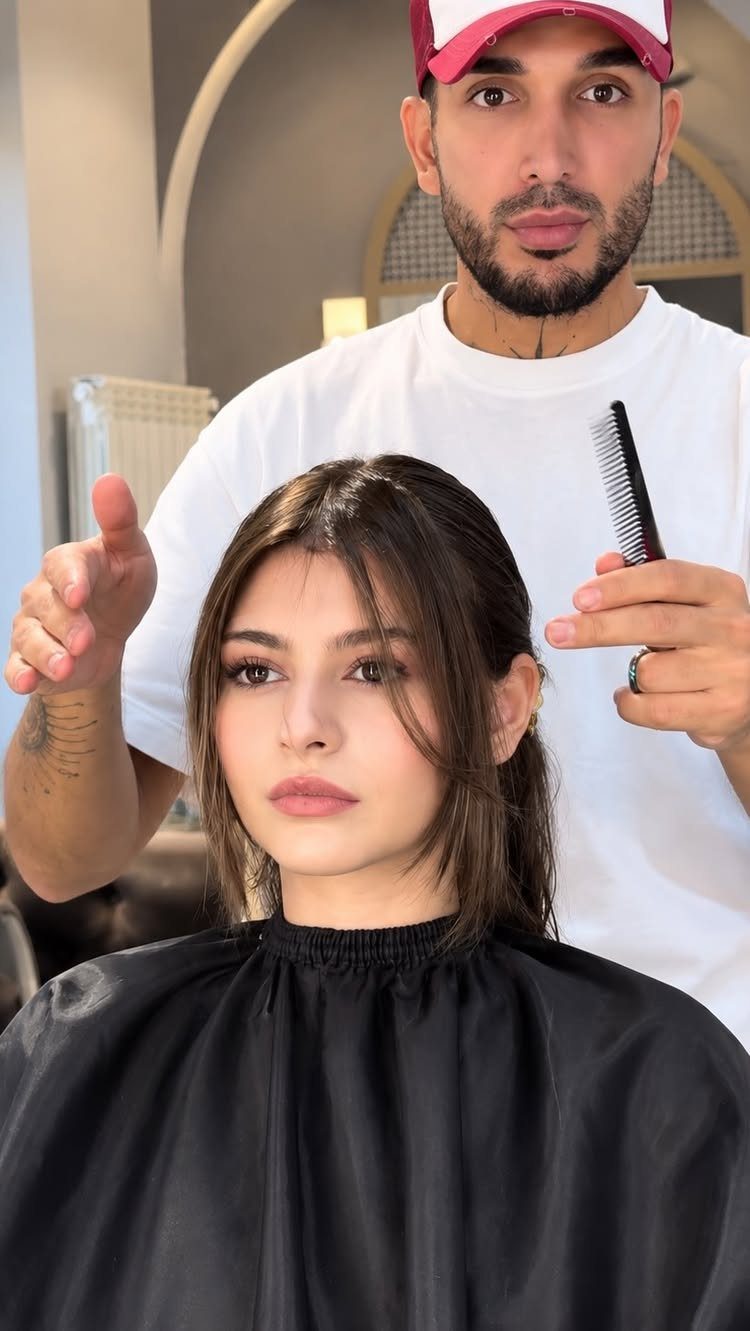
Shorter pieces at the front drop a few inches below the chin or sit near the collarbone, creating shape around the face while the back stays long. The contrast makes cheekbones stand out and softens a strong jawline.
Ask for graduated layers that start at chin length and blend into the rest of the hair. The cut works on straight and wavy textures; curly hair needs careful sectioning so the layers don’t spring too short.
Styling takes 5 minutes with a round brush to turn the ends under, or let them air-dry for a softer frame.
2. Butterfly Cut
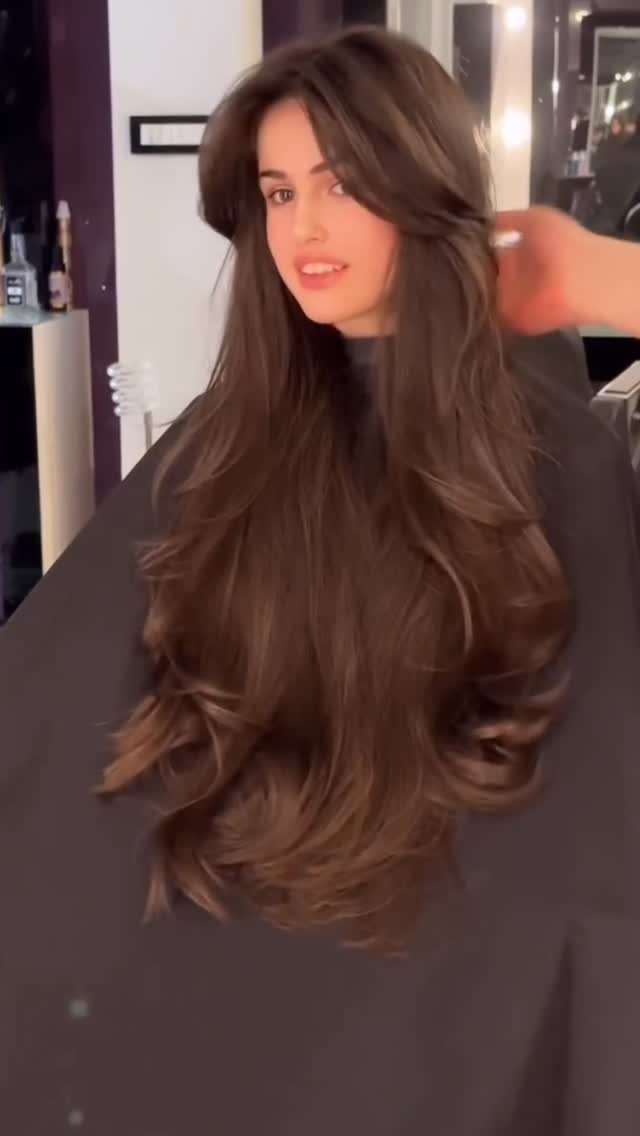
Voluminous layers concentrate at the crown and cheekbones, then taper into longer ends. The silhouette widens at the top and narrows toward the bottom, which suits oval and heart-shaped faces.
Medium to thick hair holds the volume better than fine strands.
Fine hair can look thin at the ends where the weight drops off. Expect to blow-dry the upper layers with a round brush to lift the roots; without heat styling, the shape flattens.
Growth is forgiving because the blend is gradual, so trims can stretch longer than blunt cuts.
3. Long Layered Pixie
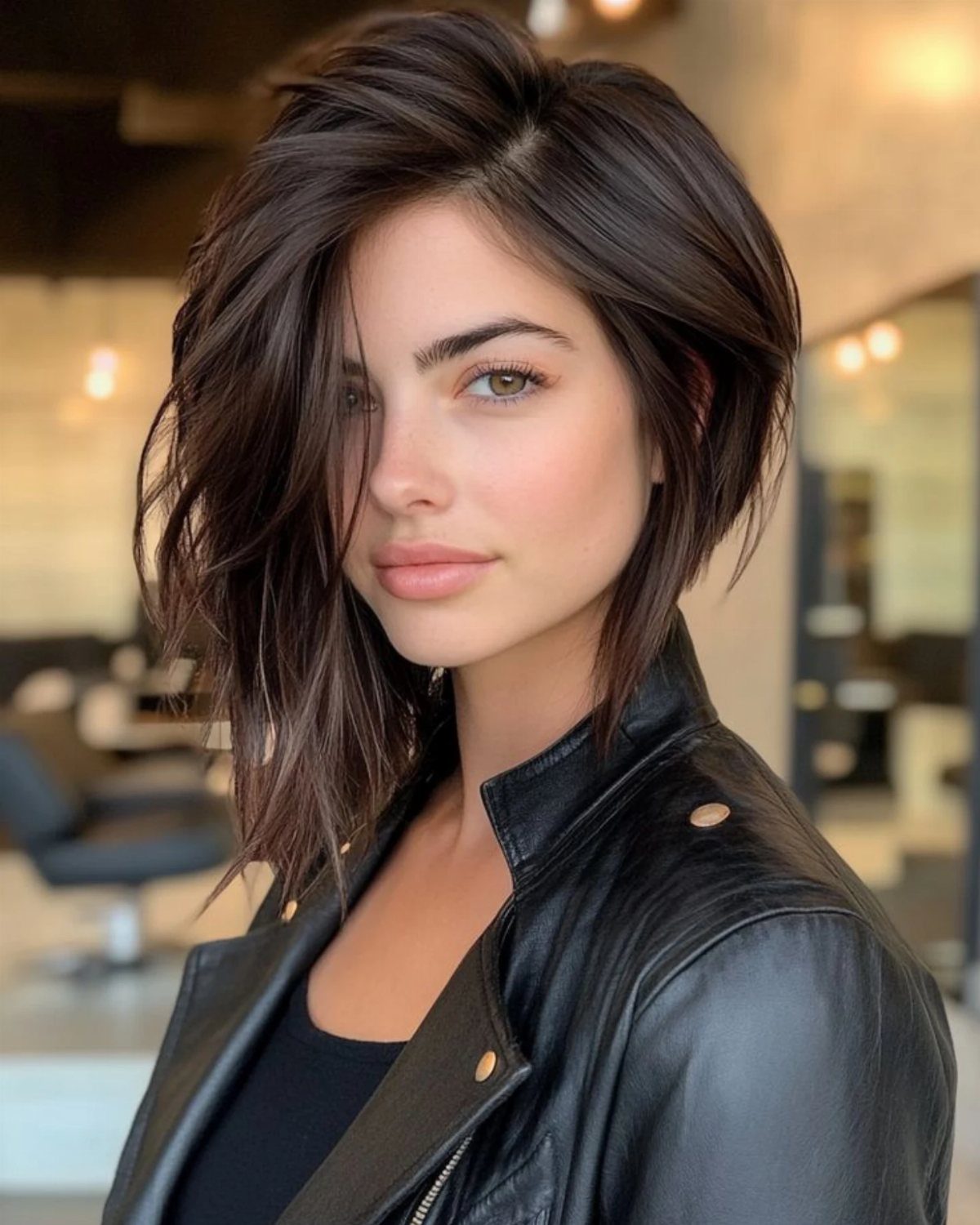
Layers add movement to a pixie that sits longer on top, with enough length at the front to sweep across the forehead or tuck behind an ear.
The texture breaks up a blunt silhouette and gives the cut a tousled, less polished finish.
Styling is fast with a small amount of pomade or wax worked through damp hair, then left to air-dry or rough-dried with fingers.
The cut needs regular trims to keep the shape from growing out into awkward lengths around the ears and nape.
4. Shag Cut
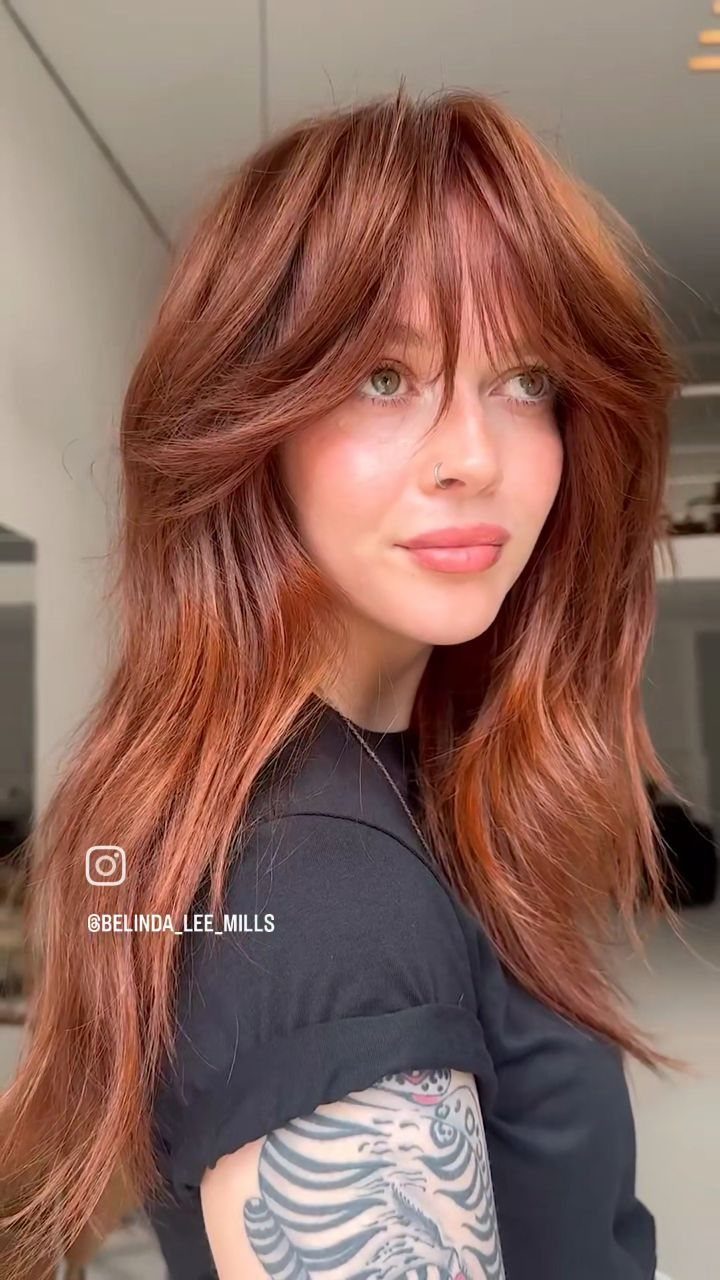
Heavy layers cut throughout create a choppy, textured finish that looks intentionally undone.
Bangs, when added, fall across the forehead in uneven pieces. The cut reads as casual and works on straight, wavy, and loosely curled hair.
Ask for layers that start at the crown and continue to the ends, with point cutting or a razor to soften the edges.
Styling is minimal: scrunch mousse or sea salt spray into damp hair and air-dry, or blow-dry with your head upside down for more lift. The messier it looks, the better it reads.
“The lines are sharp and unblended for a choppy layered effect that is best worn on long, thick straight hair to show off the strong angled shapes.”
— Glamour
5. Graduated Bob
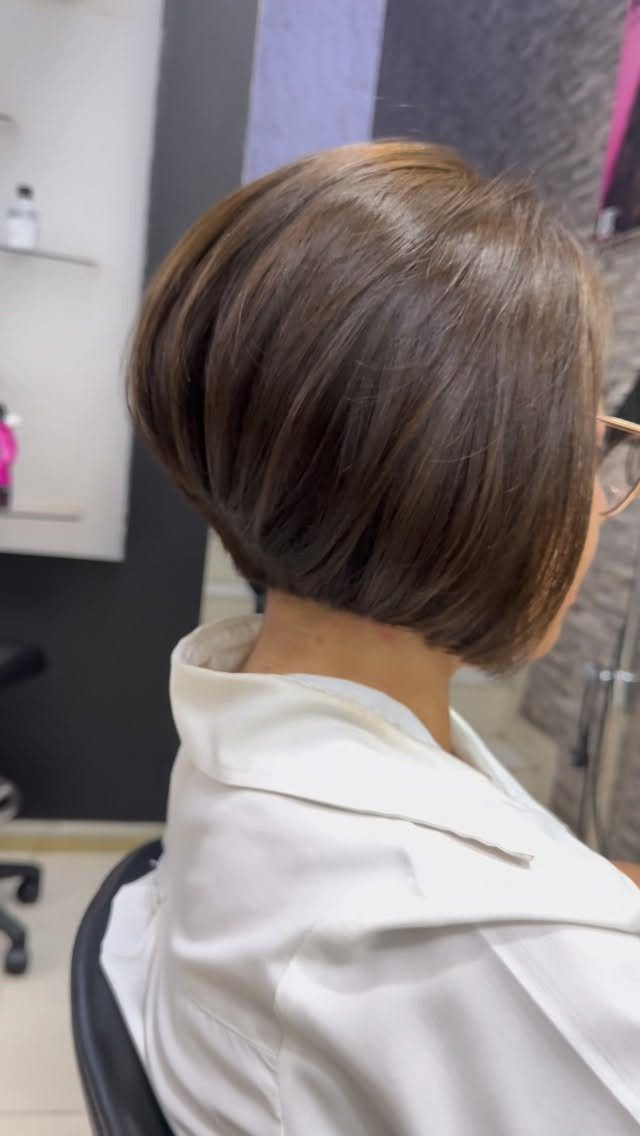
The back sits shorter than the front, sometimes by several inches, and the angle creates a clean line when styled smooth.
The cut works best on straight or slightly wavy hair that can be blown out flat; curly or coarse textures fight the sleek finish.
Blow-dry with tension using a paddle brush, pulling each section taut from root to tip.
A flat iron seals the shine. The cut grows out quickly because the angle softens as the back catches up to the front, so regular trims keep the shape sharp.
6. Shag Lob
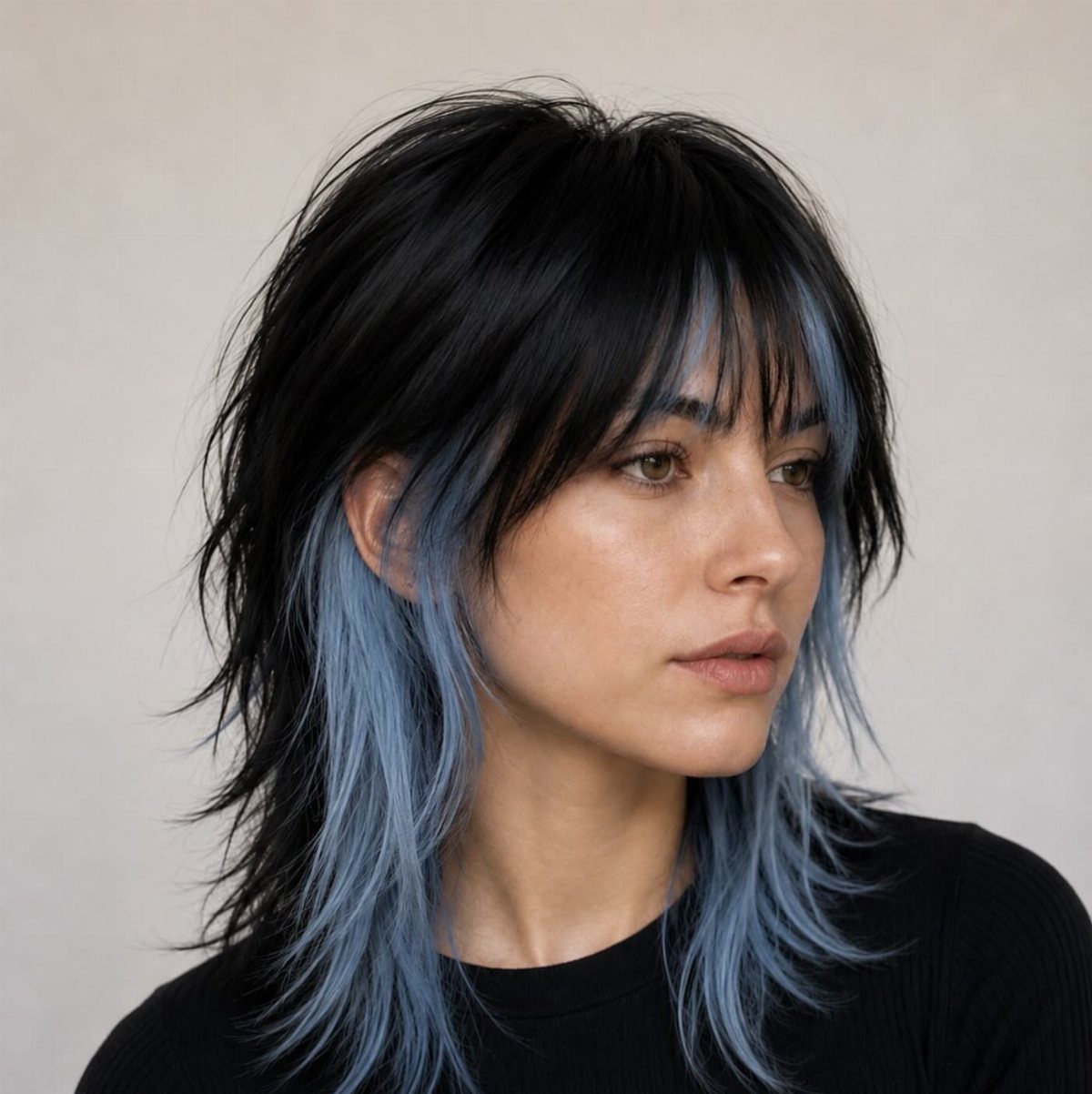
Choppy layers and razored ends give a lob a lived-in, rock-and-roll texture. Bangs sit heavy and uneven across the forehead.
Styling is low-effort: work texturizing spray through towel-dried hair and scrunch as it dries, or rough-dry with a diffuser. The finish should look slept-in, not polished.
7. Long Layers
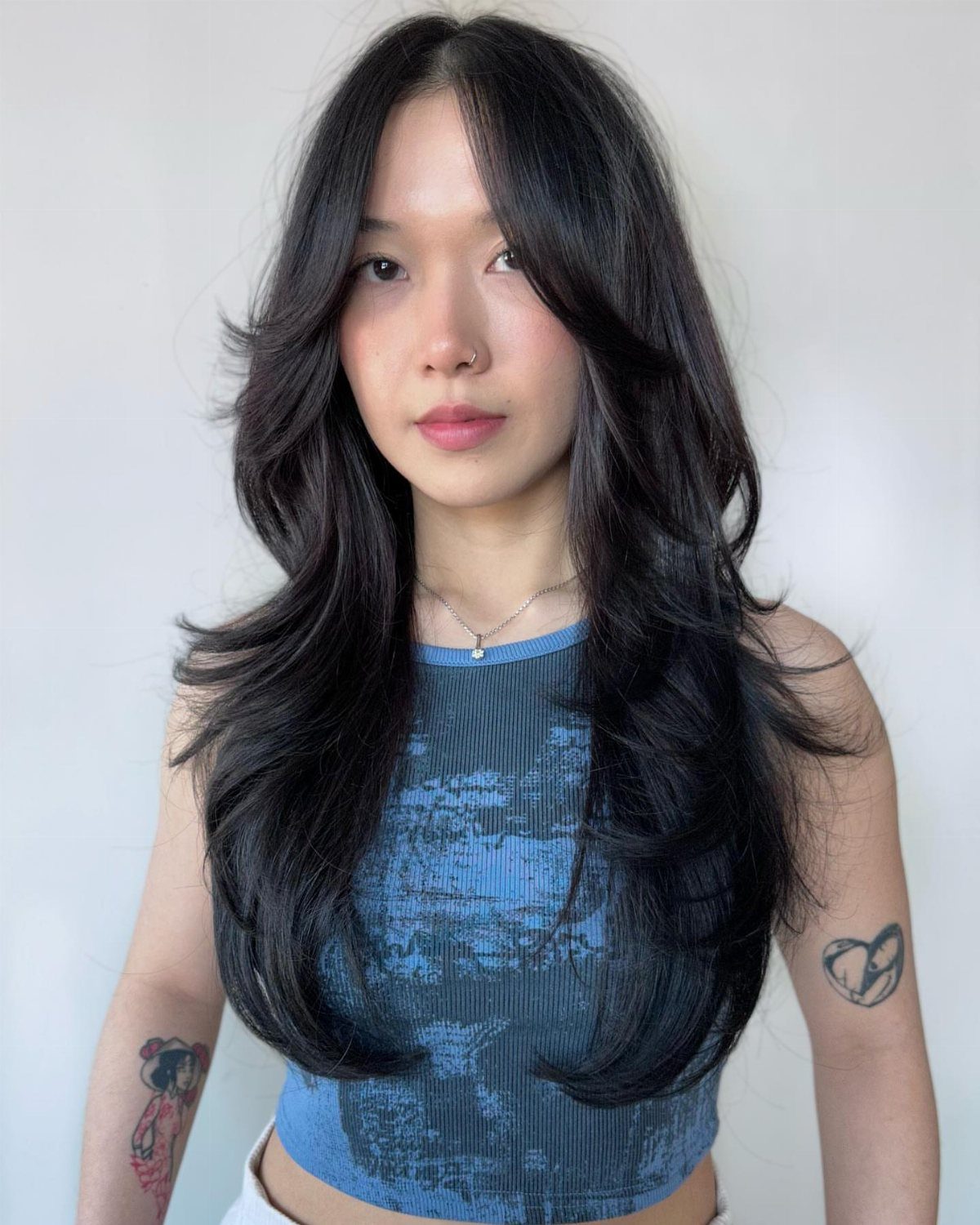
Layers cut throughout the length add movement without shortening the hair at the bottom. The longest pieces stay at the original length, while shorter sections start a few inches higher and blend down.
The cut suits most textures and adds shape to hair that lies flat. Straight hair shows the layers most clearly; wavy hair gains volume.
8. Waterfall Layers
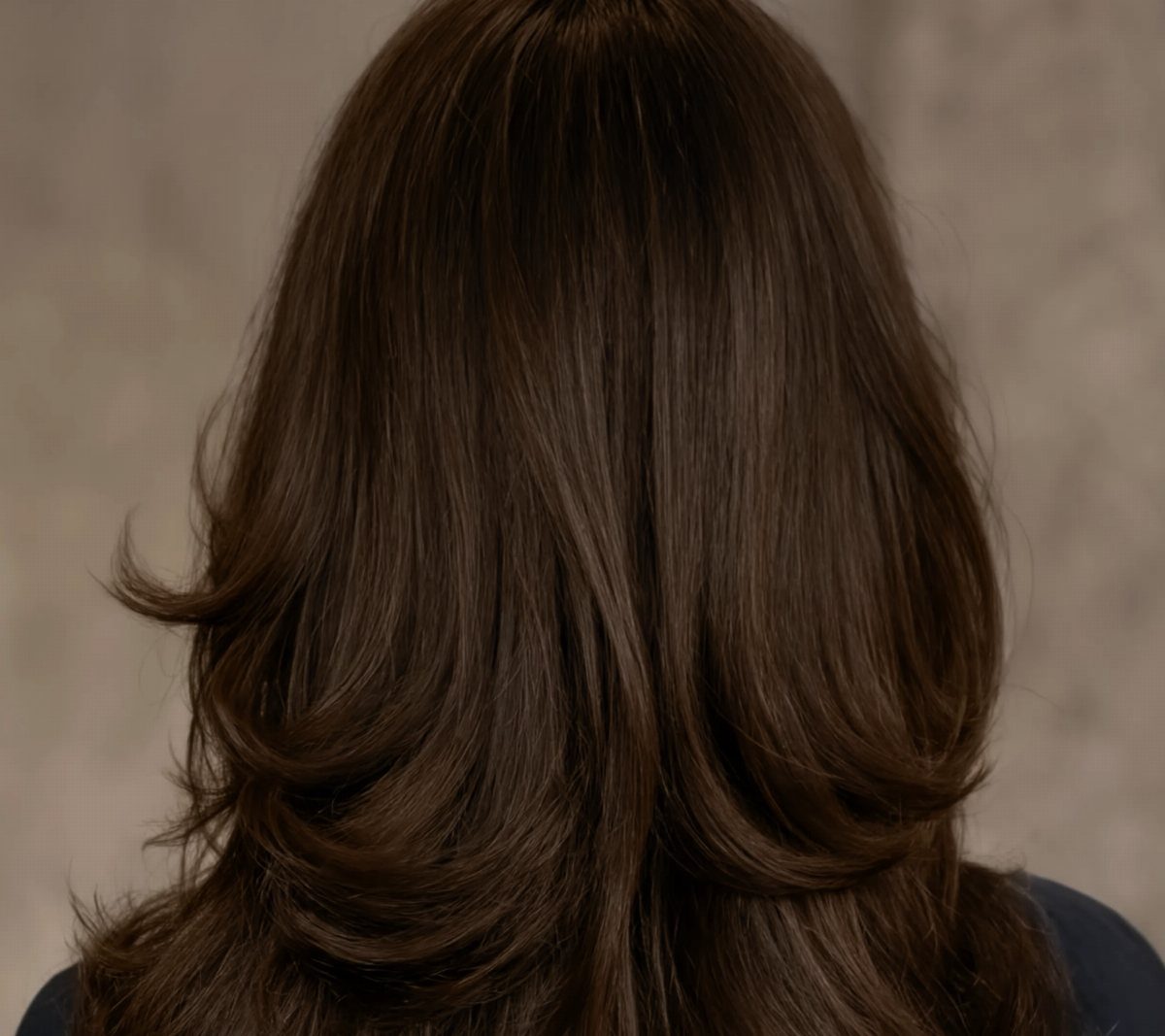
Layers cascade down the length in a flowing, stepped pattern, with each section starting slightly higher than the one below. The effect reads as soft and fluid rather than choppy.
The cut works on medium to long hair and suits wavy or straight textures. Thick hair benefits from the weight removal, while fine hair can look stringy at the ends if the layers are cut too thin.
Style with a curling iron or wave the sections loosely to highlight the cascading shape. Air-drying smooths the layers into a gentler flow.
9. U-Shape Layers
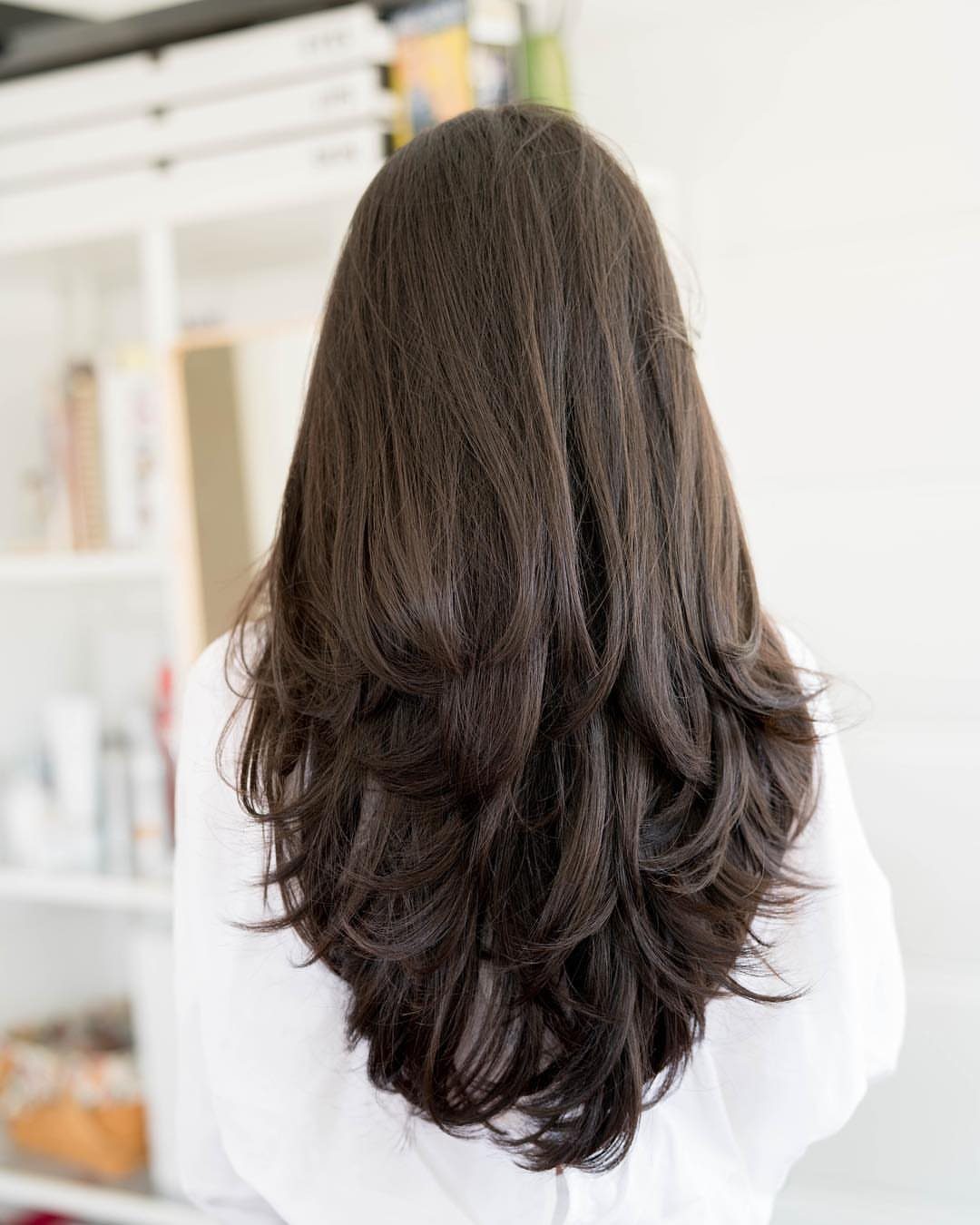
The perimeter curves into a rounded U when viewed from the back, with the shortest layers at the sides and the longest at the center.
The rounded perimeter keeps weight through the bottom while the graduated interior makes longer hair feel lighter.
Fine hair may lack the density to show the rounded shape clearly. Ask for layers that follow the curve rather than cutting straight across, with the center point sitting where you want the longest section to fall.
Blow-dry smooth or curl the ends to emphasize the rounded perimeter.
10. Blunt Bangs
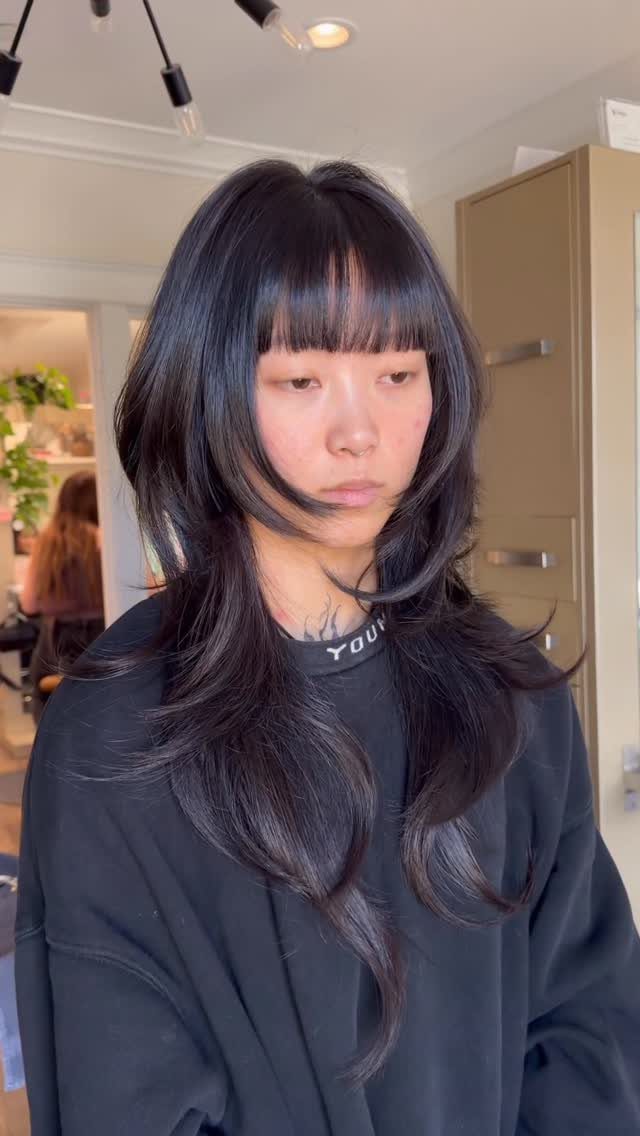
A fringe cut straight across the forehead sits at or just above the brows, creating a sharp horizontal line. Paired with layered hair, the contrast between the blunt fringe and textured lengths adds definition to the face.
The bangs work on straight hair that lies flat; wavy or curly textures push the fringe up or out, which softens the blunt edge.
Once the fringe starts to graze your lashes, book the trim.
11. Tapered Layers
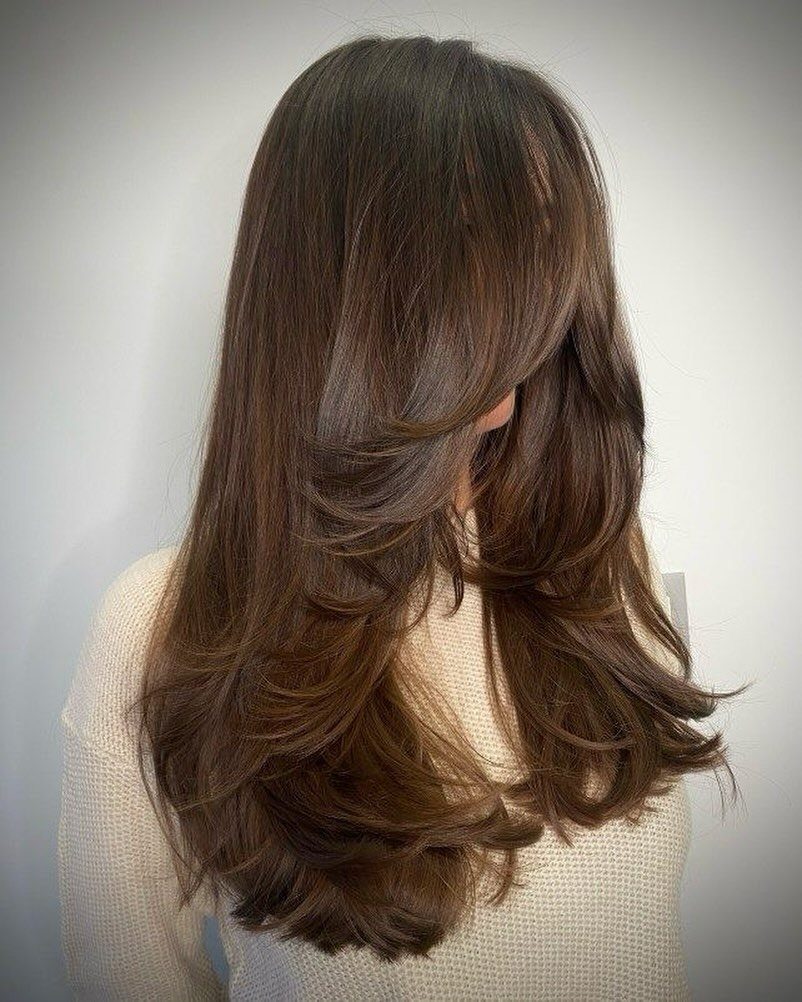
Layers graduate in length from shorter at the crown to longer at the ends, removing bulk while concentrating volume where it lifts the hair.
The shape narrows toward the bottom, which lightens thick or coarse textures without thinning the perimeter too much.
Ask for layers that taper gradually rather than cutting in distinct steps.
12. Face-Framing Bob
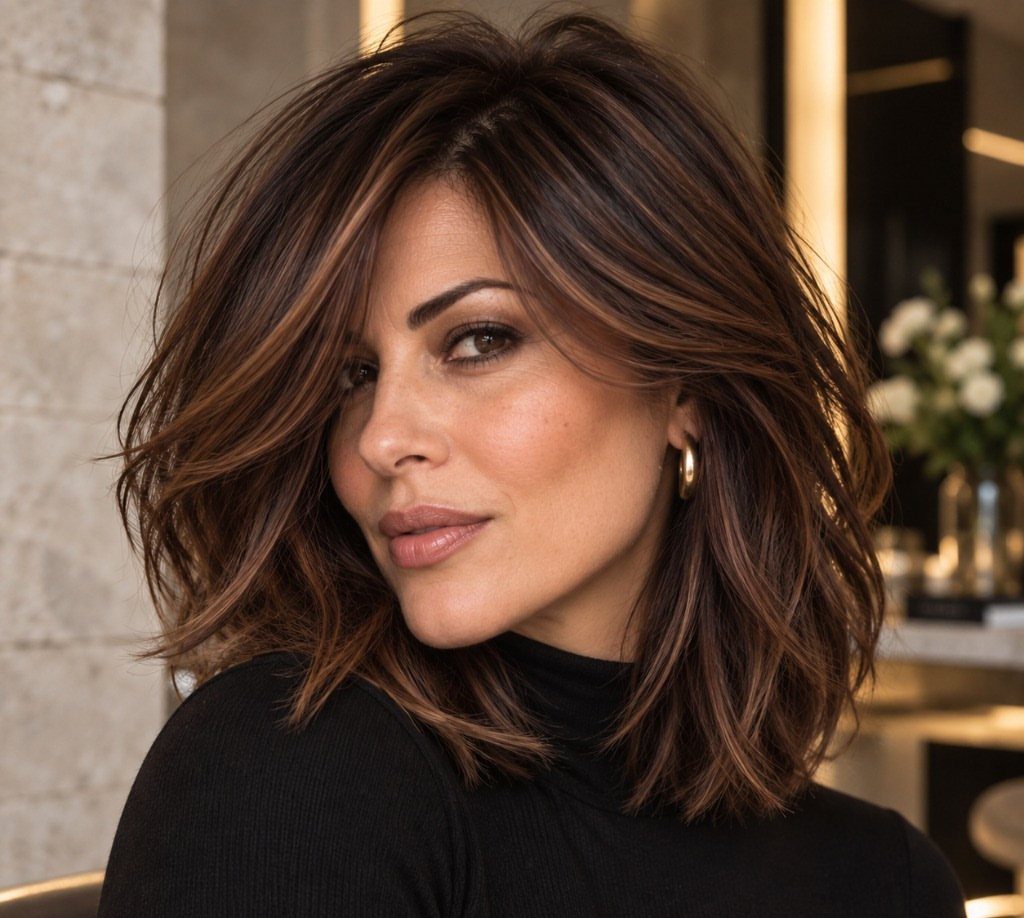
Shorter pieces at the front angle toward the face, drawing attention to the cheekbones and jaw. The rest of the bob maintains a balanced length, with the frame providing movement around the face.
The cut suits straight to wavy hair and works on most face shapes. Round faces benefit from the vertical line created by the angled pieces; square jaws soften with the inward curve.
The shape starts to blur into the rest of the cut as soon as it grows, so regular appointments matter.
13. Shaggy Bob
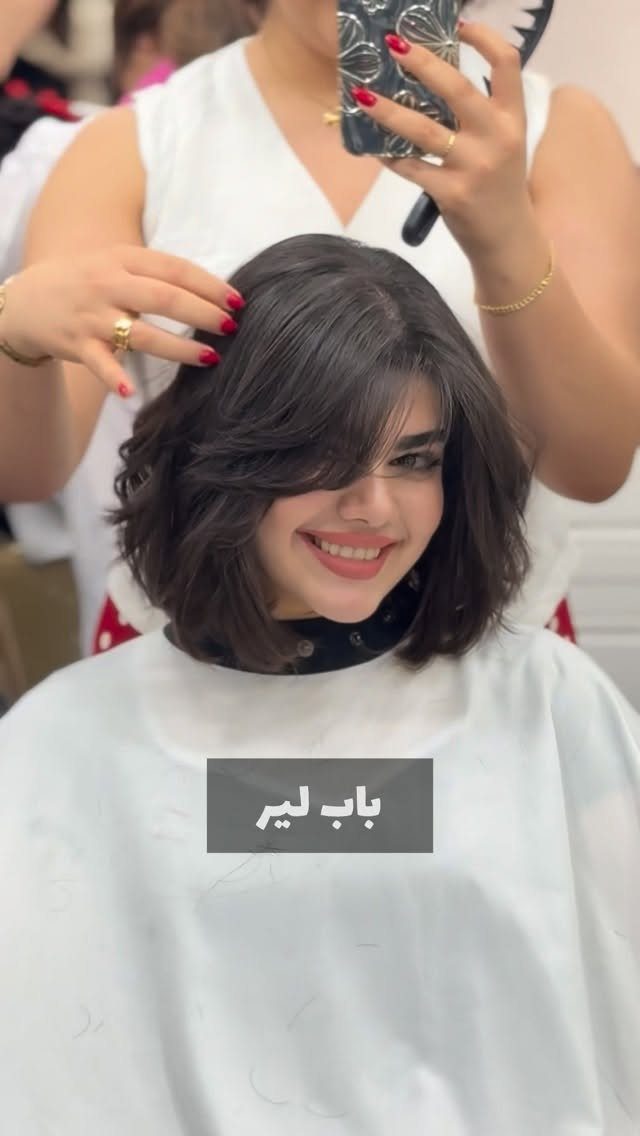
Choppy layers cut through a bob create a piece-y, disheveled texture that reads as casual. The cut works on fine to medium hair that needs volume; thick hair can look too heavy unless thinned at the ends.
Ask for layers concentrated through the crown and mid-lengths, with a razor or point-cutting to break up any solid lines.
The fringe sits long and moves with the rest of the cut.
14. Textured Bob
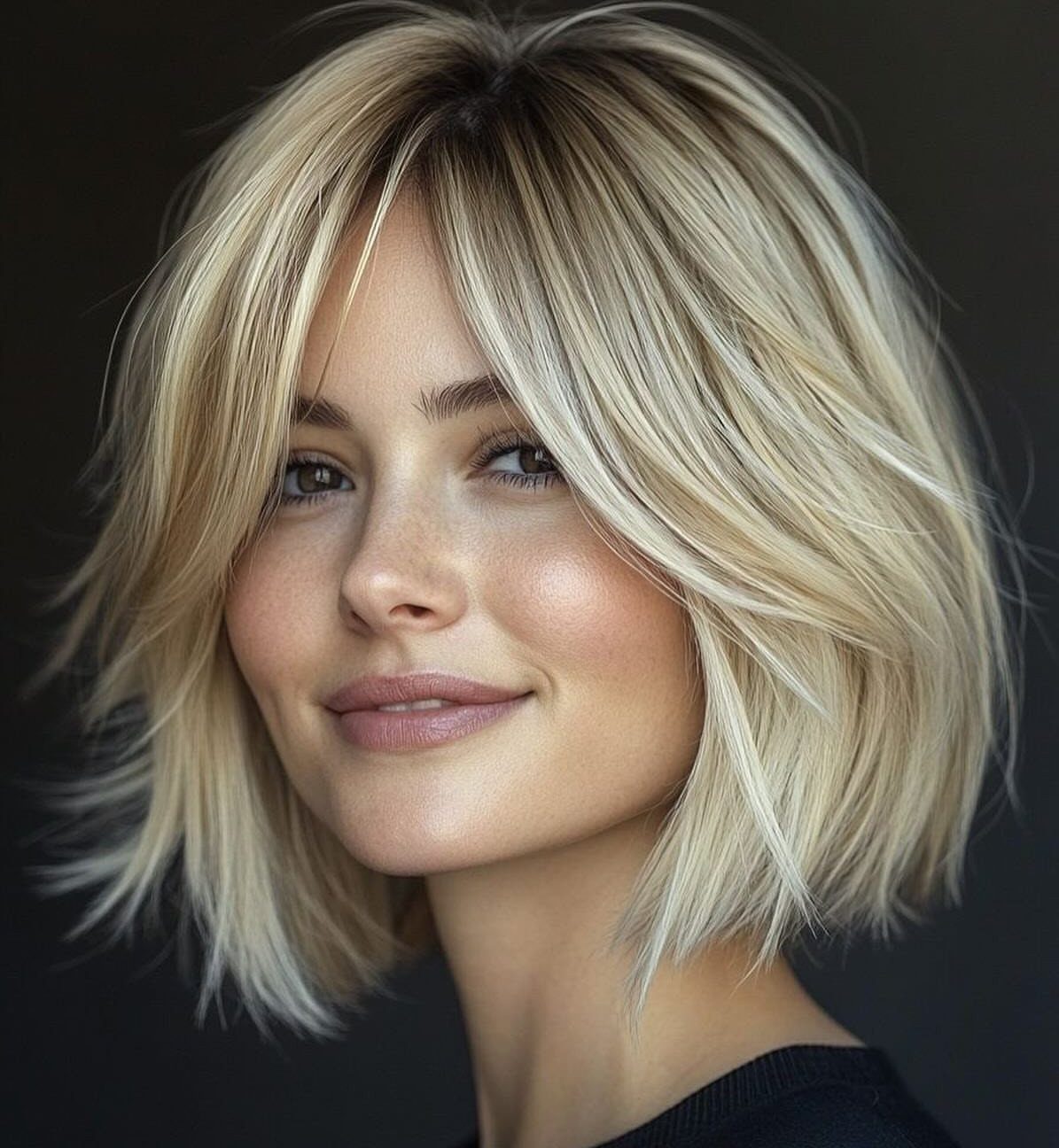
Tousled ends and separation through the lengths give a bob an undone, lived-in finish. The texture comes from point-cutting or slide-cutting, which removes weight without creating blunt edges.
Wavy hair holds the tousled look naturally; straight hair needs styling product to create separation.
Work a small amount of wave spray or dry texturizing spray through the hair and scrunch, or wrap random sections loosely around a curling iron for a few seconds and shake them out.
The fringe sweeps to one side and blends into the textured lengths.
15. Feathered Lob
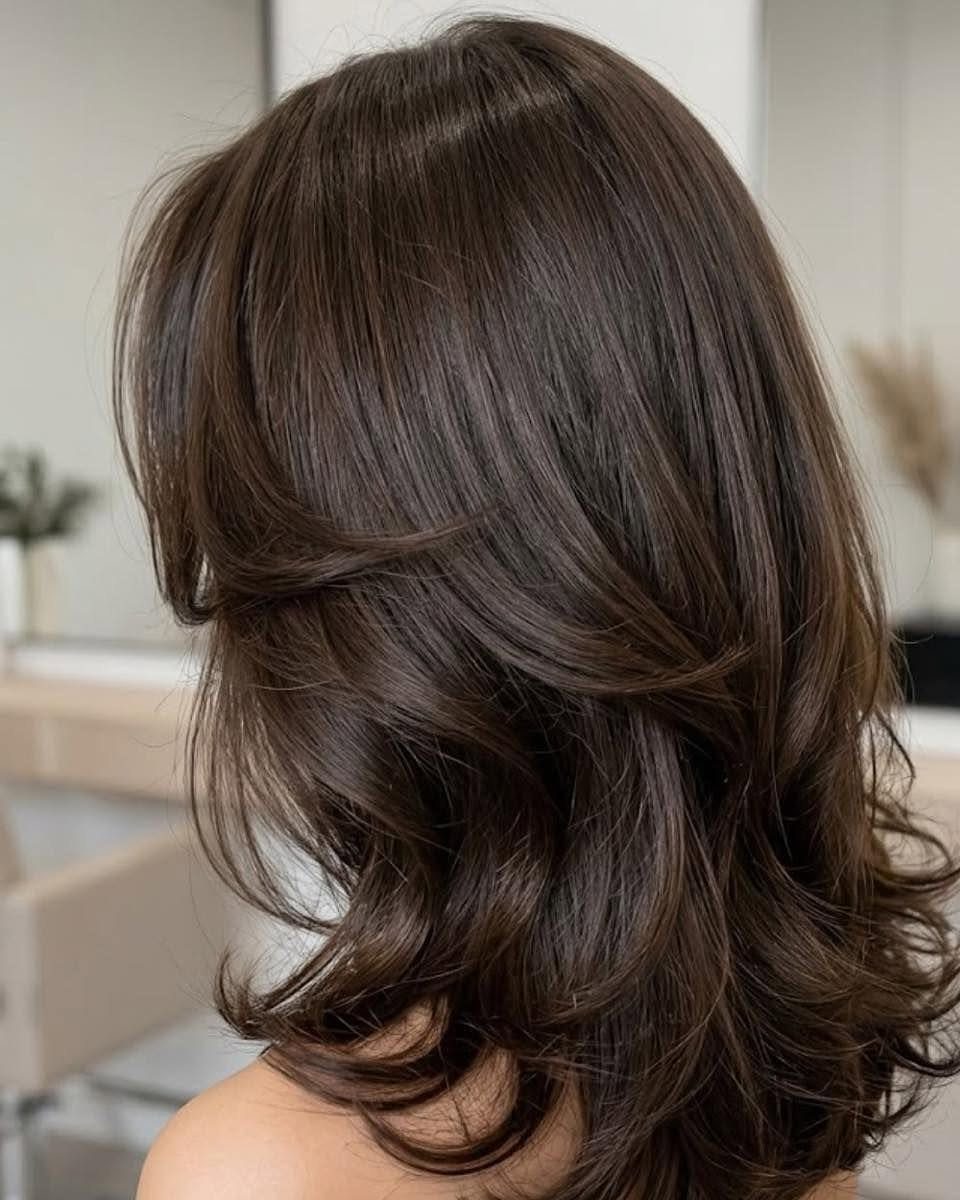
Wispy layers taper into soft, feather-like ends that curve inward or outward.
Blow-dry with a round brush, turning the ends under or out depending on the shape you want. The curled finish shows the feathering most clearly.
16. Swoopy Layers
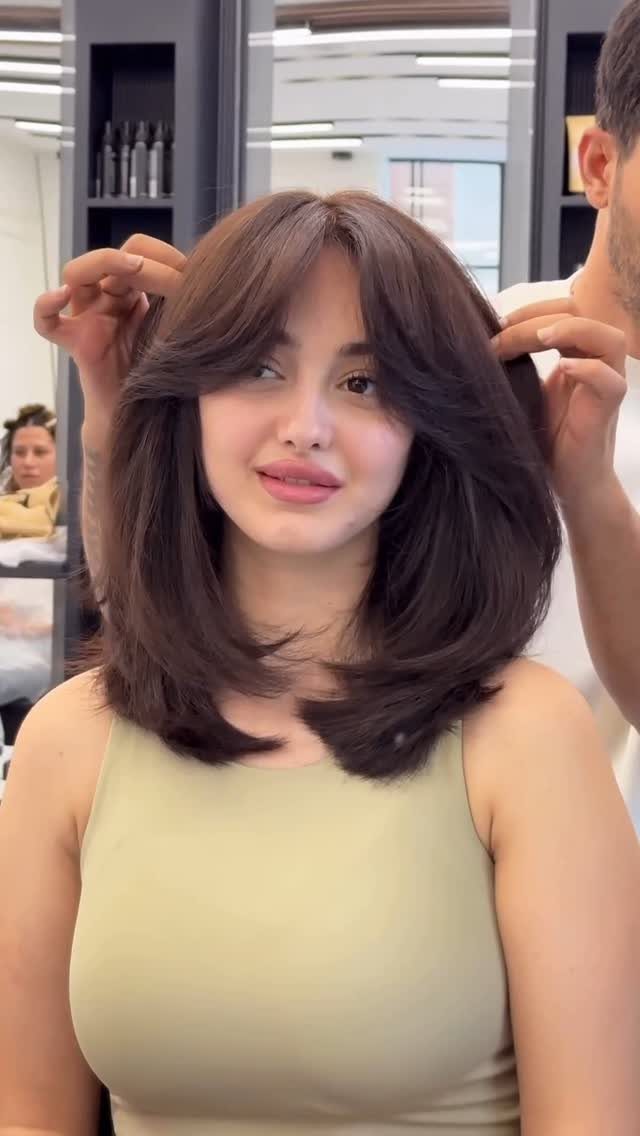
Long, curved layers sweep across the face and through the lengths, creating a soft, romantic shape. The cut adds movement without removing much length, and the layers curve inward or flip outward depending on how they dry.
Straight to wavy hair shows the swooping shape most clearly; tight curls shorten the effect.
Blow-dry with a round brush, wrapping the ends around the barrel as you pull the brush through, or use a large-barrel curling iron to set the curve.
The fringe sits long and blends into the front layers, keeping the flow unbroken.
17. Layered Bangs
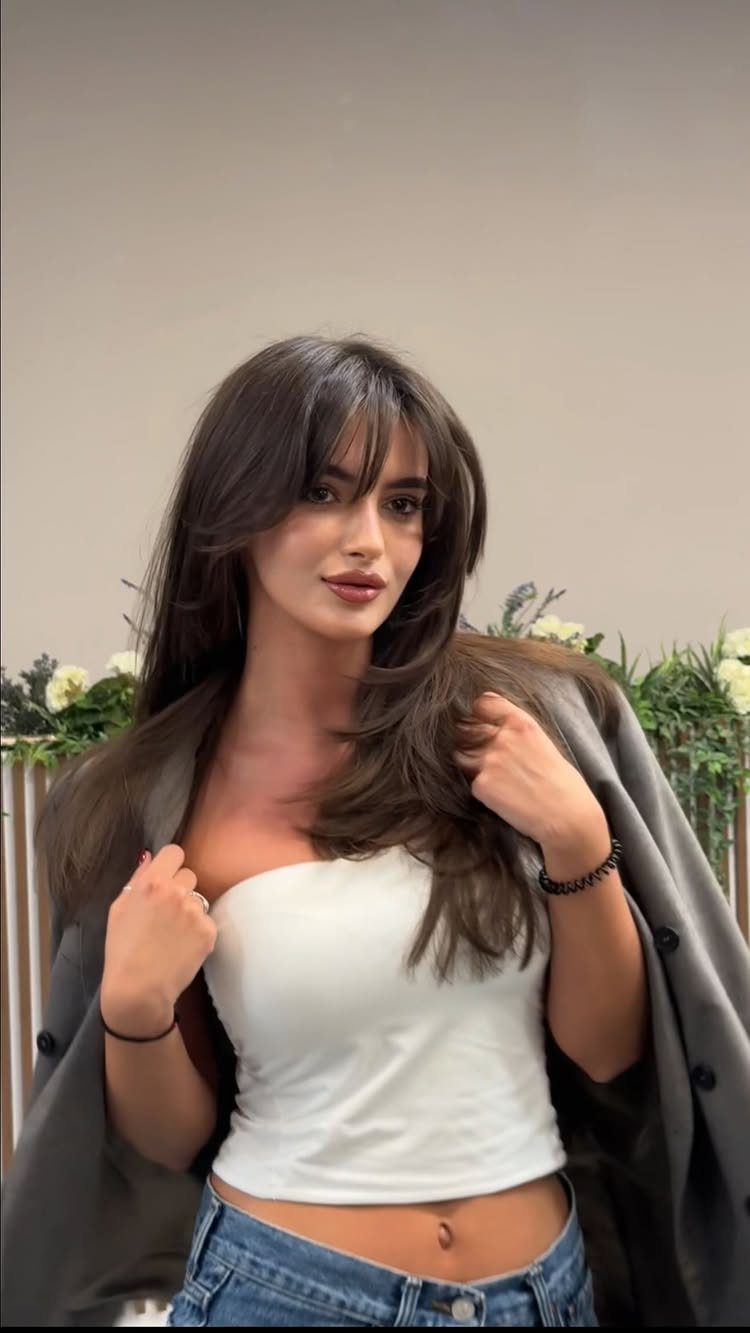
A fringe cut in graduated lengths creates a softer, less committed alternative to blunt bangs. The longest pieces sit at cheekbone level, with shorter sections layered above, so the fringe frames the face without covering the forehead completely.
Styling is minimal: blow-dry with a round brush to add a slight curve, or let the fringe air-dry and sweep it to one side.
The layered lengths grow out less noticeably than a blunt fringe, so trims can stretch a few extra weeks.
The cut works on most hair types and suits anyone hesitant to commit to a full fringe.
18. 90s Layers
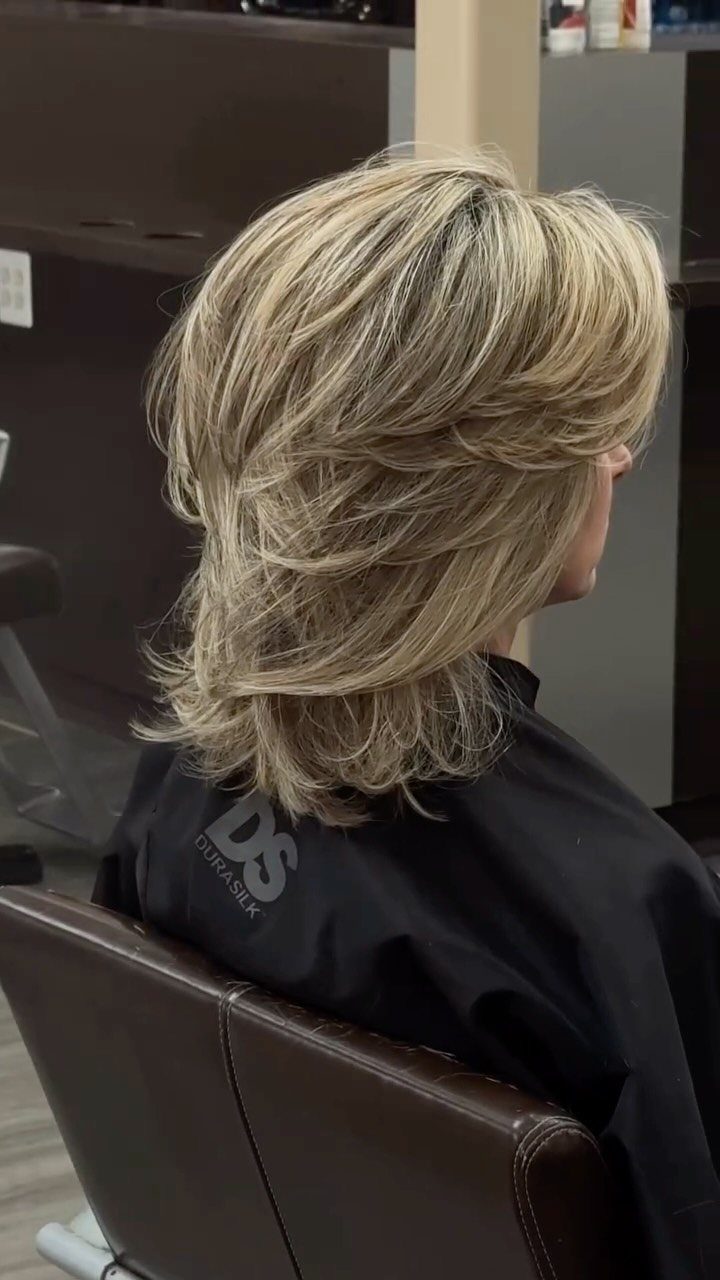
Layers cut in short, distinct sections throughout the hair create a stacked, voluminous shape that sits high at the crown and tapers toward the ends.
Styling takes time: round brush work in sections from the crown, lifting at the root and directing ends outward as you dry.
The shape flattens as it grows, so regular trims keep the volume stacked where it belongs.
19. Short Layers
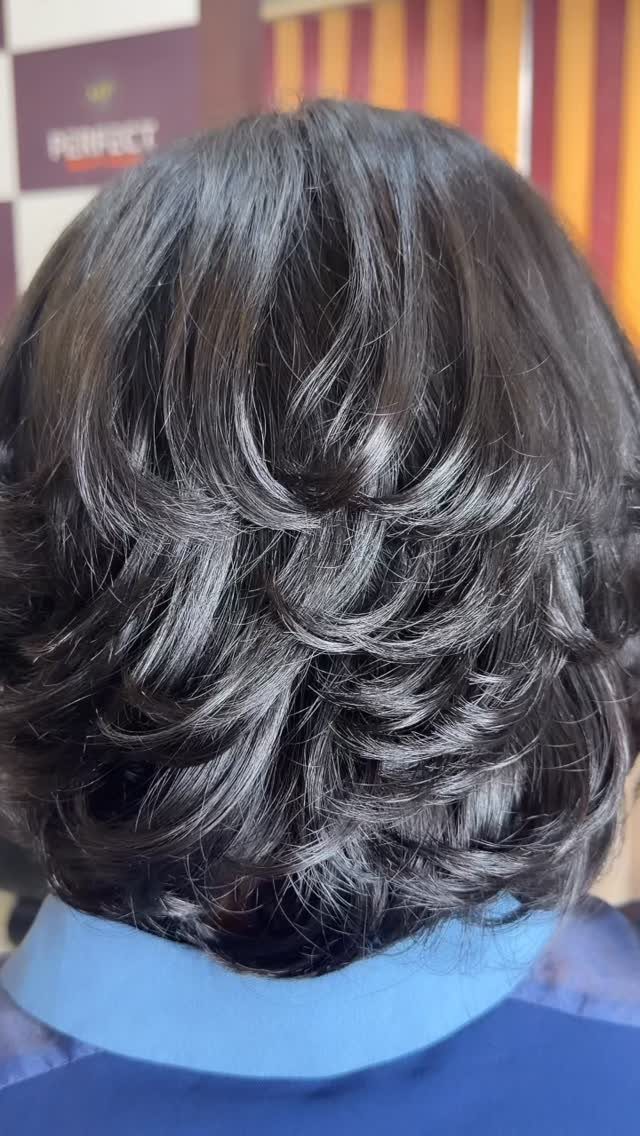
Layers that begin near the crown lift the hair at the root and create volume through the top and sides. The cut removes weight without adding much length variation, so the overall silhouette stays compact.
Fine to medium hair gains body; thick hair feels lighter without losing density. Trims keep the lift from collapsing as the layers grow out.
Flip your head upside down while blow-drying, or work a round brush through the roots for lift, then let the rest dry on its own.
20. Sleek Styles
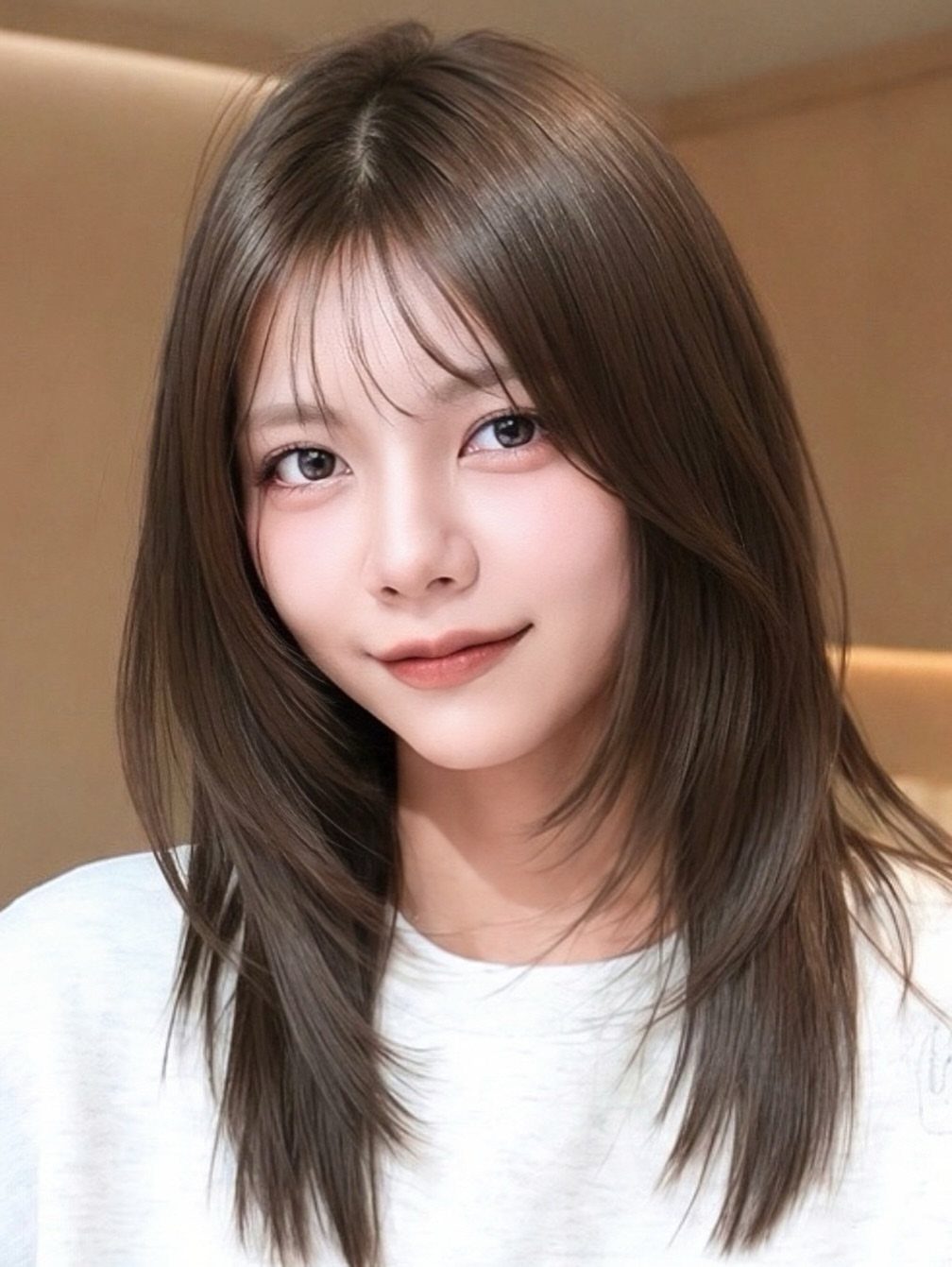
Layers cut into long, straight hair catch light differently at each level, creating dimension without curl or wave. The movement comes from the varied lengths rather than texture, and the finish stays polished.
A flat iron adds shine and sharpens the edge between layers.
Wavy textures need heat styling to achieve the same sleek finish.
21. Layered Bob
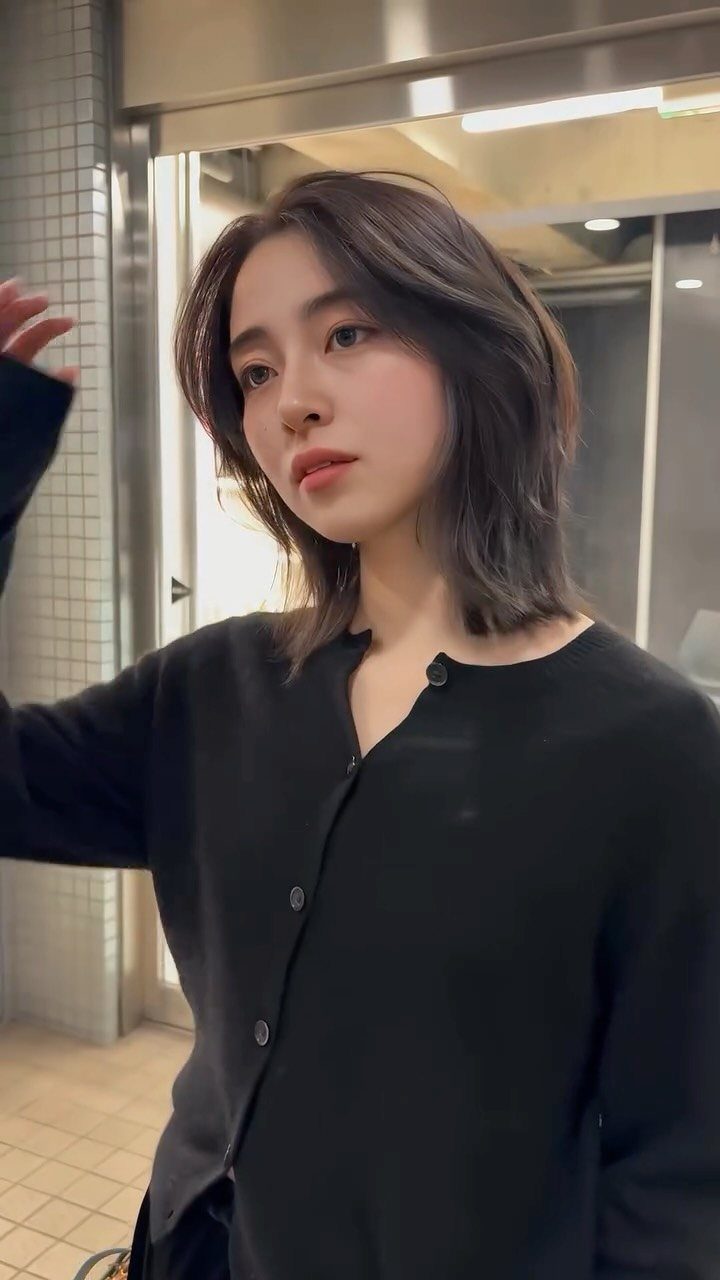
Layers cut through a bob add volume at the crown and taper toward the ends, creating a rounded shape that reads as fuller than a blunt cut.
The stacked layers lift the back while shorter pieces near the face keep the line balanced.
Thick hair can feel too heavy unless thinned through the interior.
22. Layered Lob
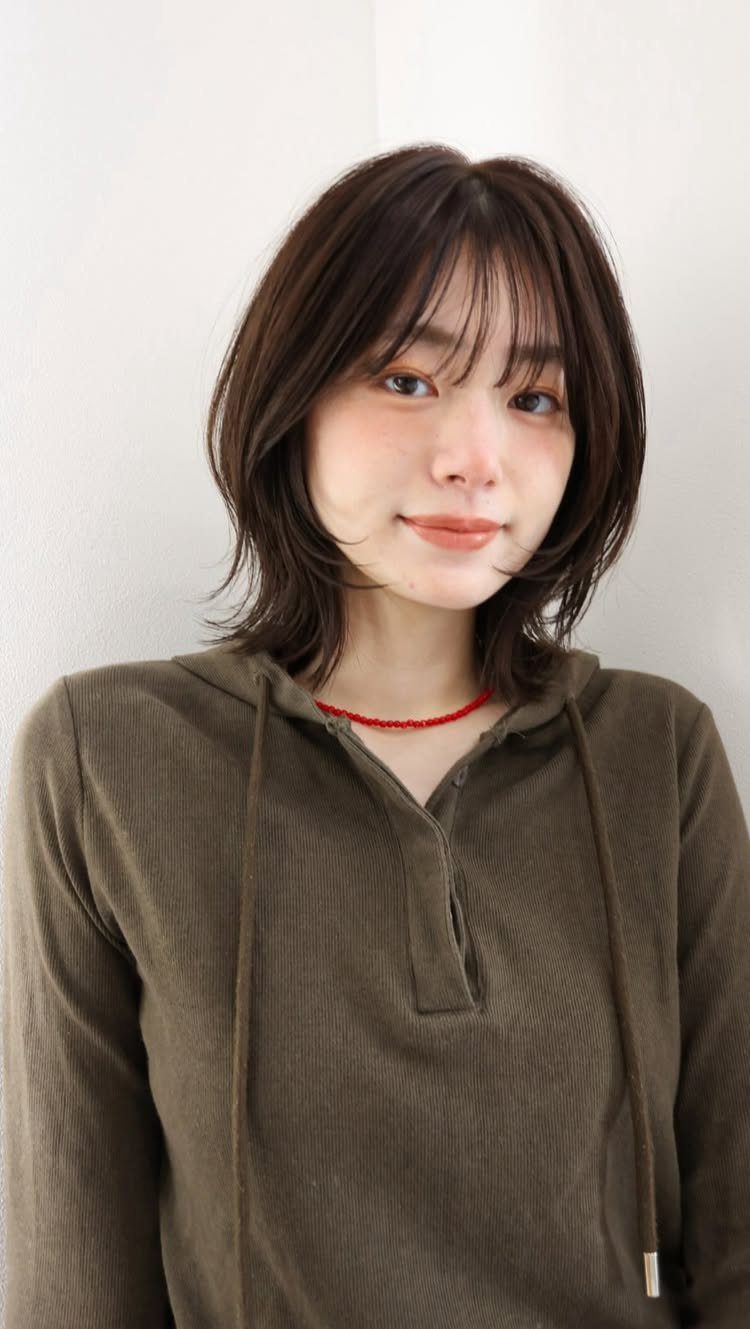
Layers added through a long bob keep the length near the collarbone while removing enough weight to create movement. The cut sits between a classic bob and shoulder-grazing lengths, offering shape without committing to a shorter style.
Ask for layers that start a few inches from the ends and blend upward.
Styling time is short: blow-dry smooth or scrunch with a texturizing spray for a tousled finish.
23. Bob with Side Bangs
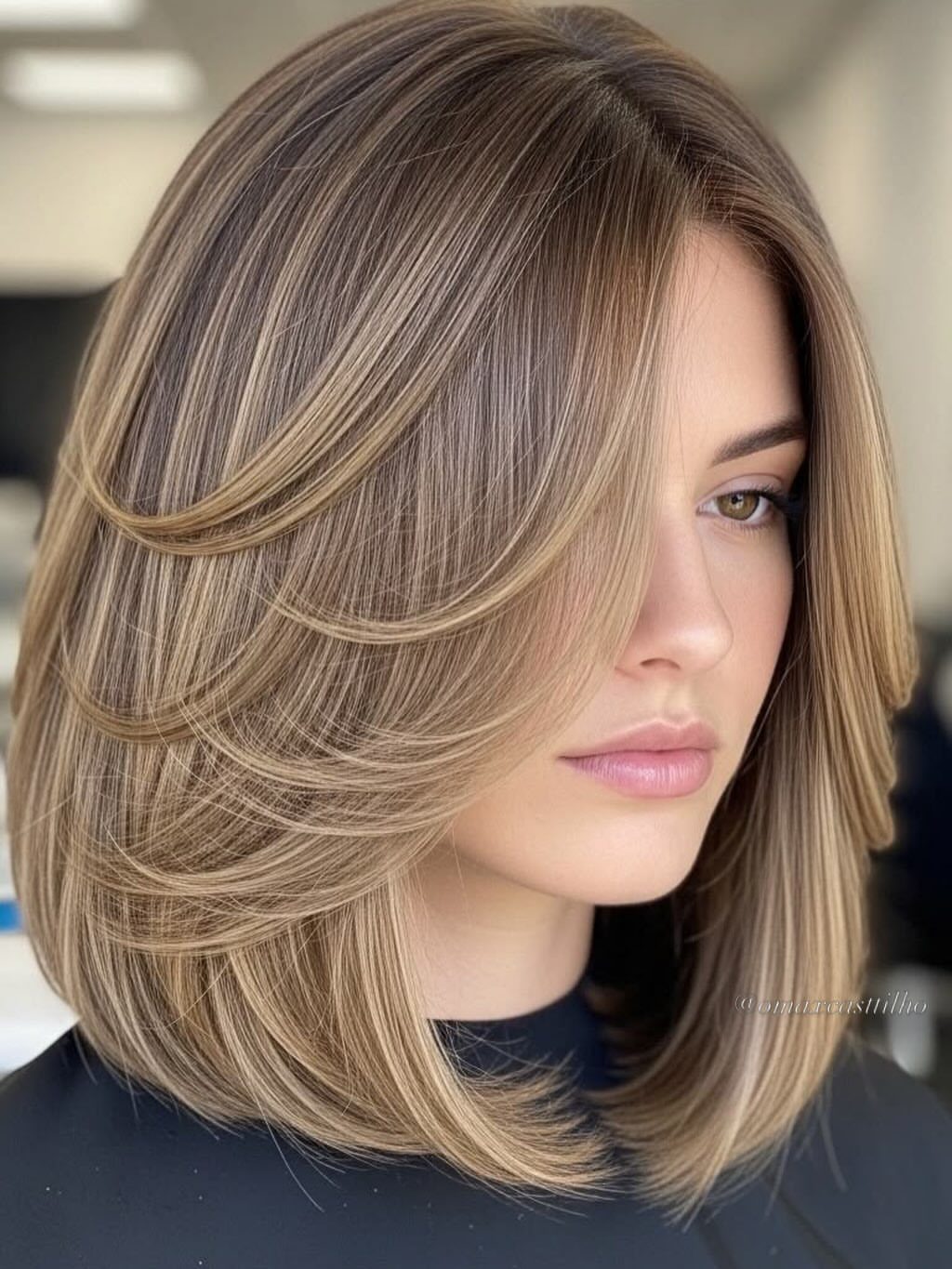
A fringe swept to one side softens the face and adds asymmetry to a layered bob. The bangs sit long enough to tuck behind an ear or blend into the front layers when styled forward.
Blow-dry the bangs with a round brush, directing them across the forehead rather than straight down. The style grows out gracefully because the length transitions into the rest of the cut.
24. Uneven Layered Bob
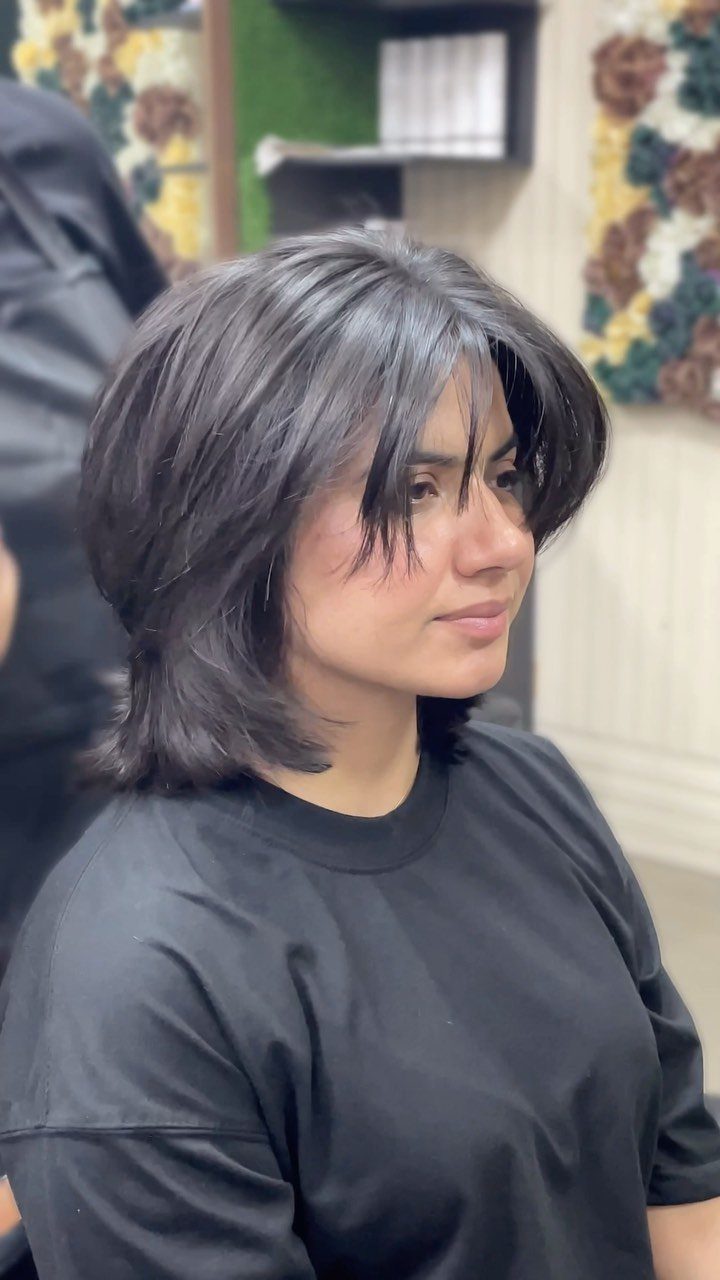
Layers cut at varied, asymmetrical lengths create a jagged, intentional imbalance. The pieces near the face sit longer on one side, and the back alternates between short and choppy sections that break up any uniform shape.
The cut reads as edgy and high-contrast. Ask for uneven sectioning with a razor or point-cutting to emphasize the choppy texture.
The more irregular the finish, the better the cut performs.
25. Face-Framing Lob
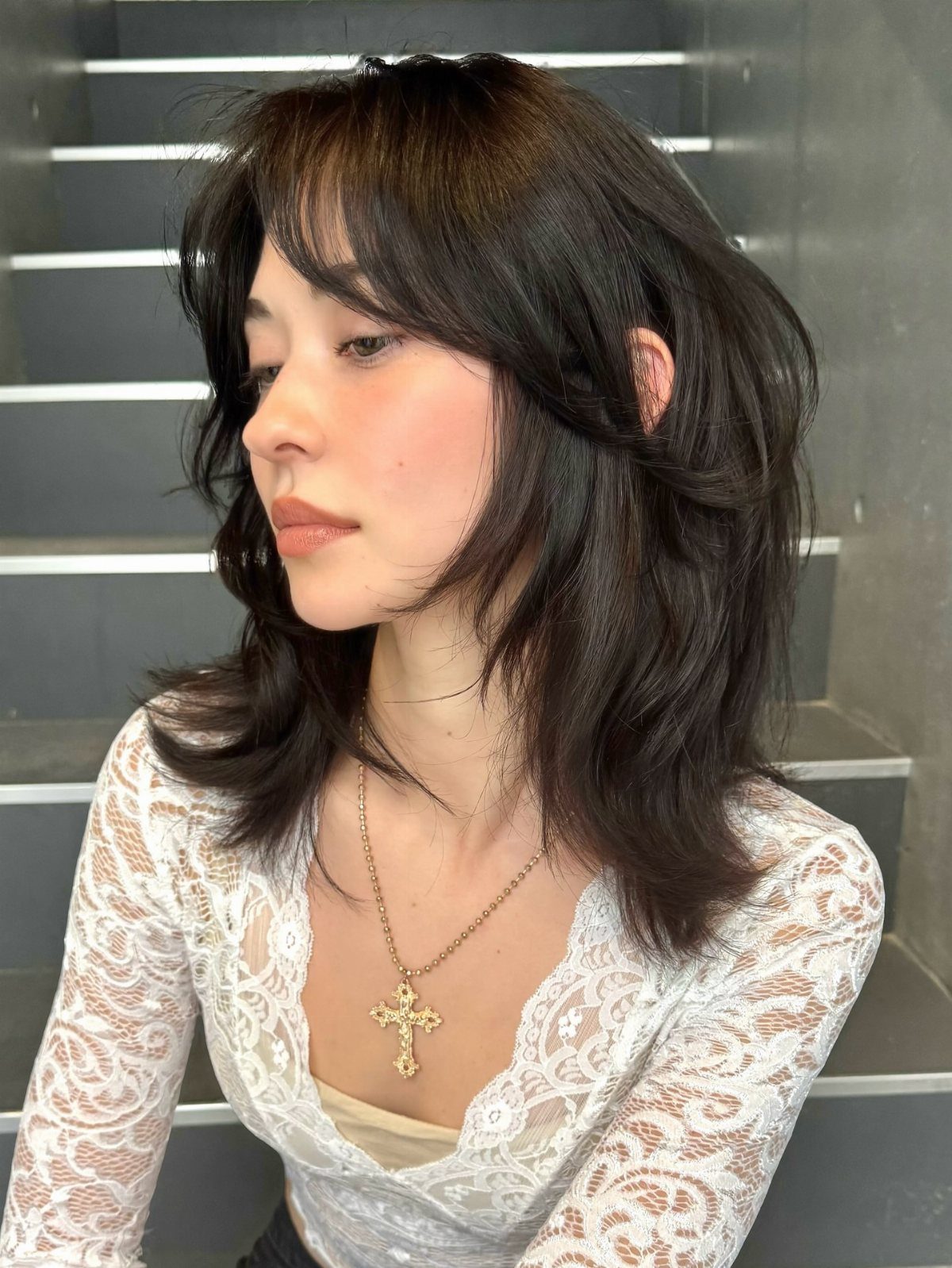
Shorter pieces at the front sweep toward the jawline, while the rest of the length stays near the collarbone. The shape draws attention inward and suits most face shapes, particularly long or narrow ones that benefit from horizontal emphasis.
Use a round brush to smooth the front while blow-drying, bending the ends gently toward the face. The back can air-dry or be smoothed flat.
The short front pieces catch up to the rest of the length faster than an all-over cut.
26. Long Two-Tier Layers
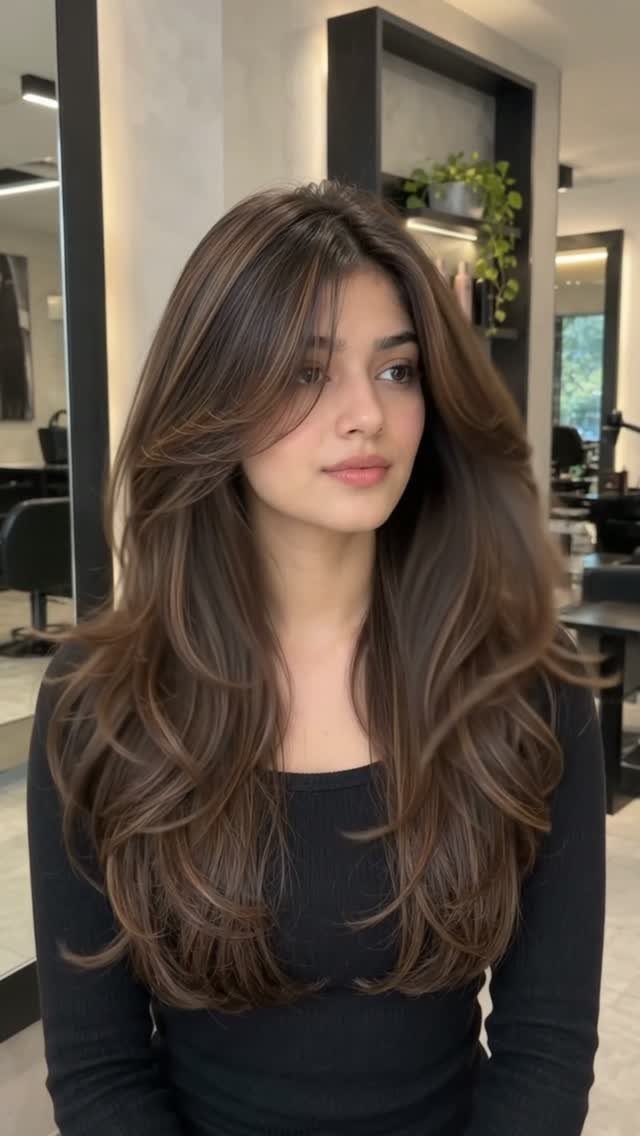
2 distinct tiers of length create visible separation through the hair, with shorter layers sitting several inches above the longest sections. The gap between the tiers adds volume at the crown and through the mid-lengths.
The cut works best on thick or dense hair that can support the weight difference between layers. Fine hair may show too much gap, making the tiers read as disconnected rather than dimensional.
Ask for the upper tier to start where you want the lift, with the lower tier maintaining the overall length.
27. Feathered Layers
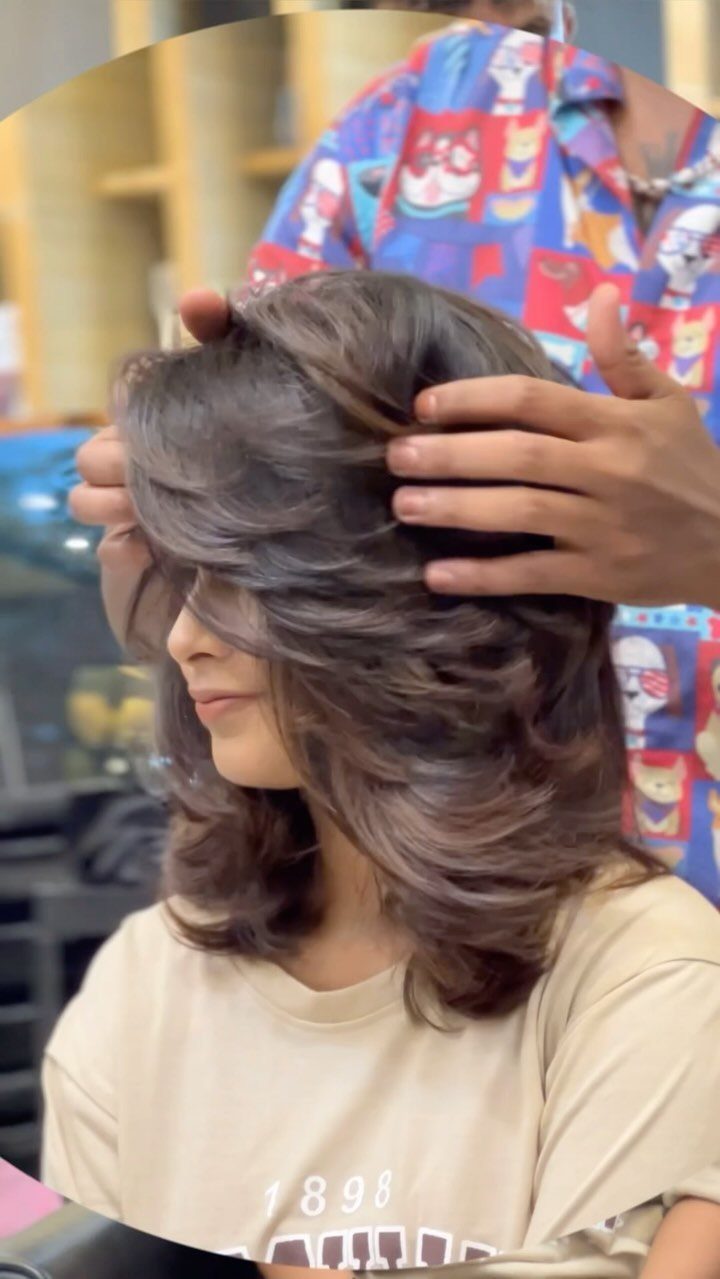
Wispy ends taper into fine, soft pieces that move easily and catch light at the tips. The feathering removes weight without creating blunt lines, so the hair feels lighter and more fluid.
Straight textures give the sharpest definition at the tips, wavy hair makes them shift and sway.
Blow-dry with a round brush or skip the heat and mist the ends with texturizing spray to pull them apart.
28. Face-Framing Bangs
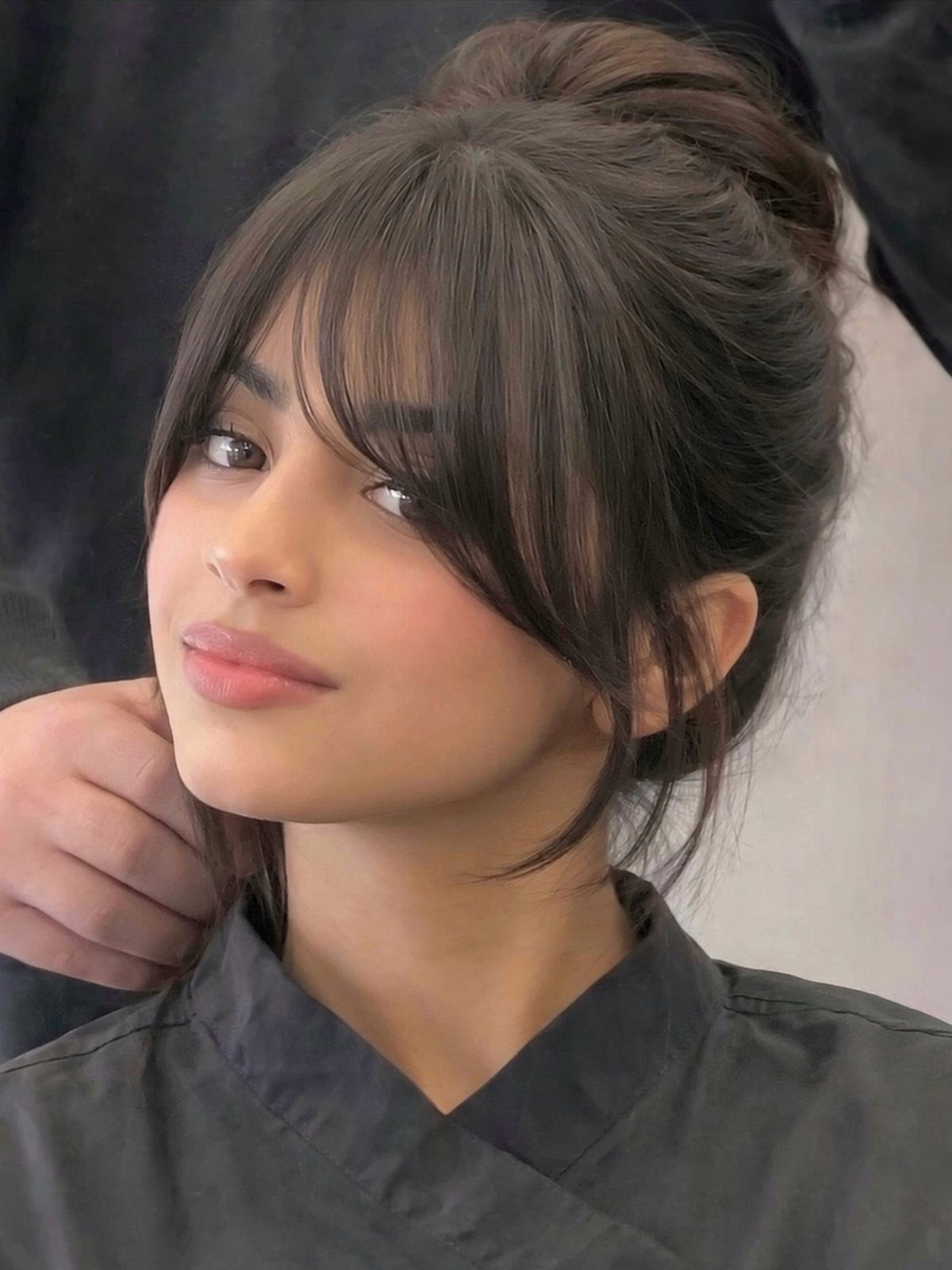
A fringe shaped to curve around the face softens the temples and cheekbones without sitting straight across the forehead. The bangs graduate in length, with shorter pieces near the center and longer sections angling toward the sides.
The style suits anyone wanting the definition of a fringe without the commitment of full coverage. Blow-dry with a round brush, pulling the bangs away from the center parting, or shake them into place after air-drying.
Trims keep the curved shape intact.
29. Eye-Skimming Bangs
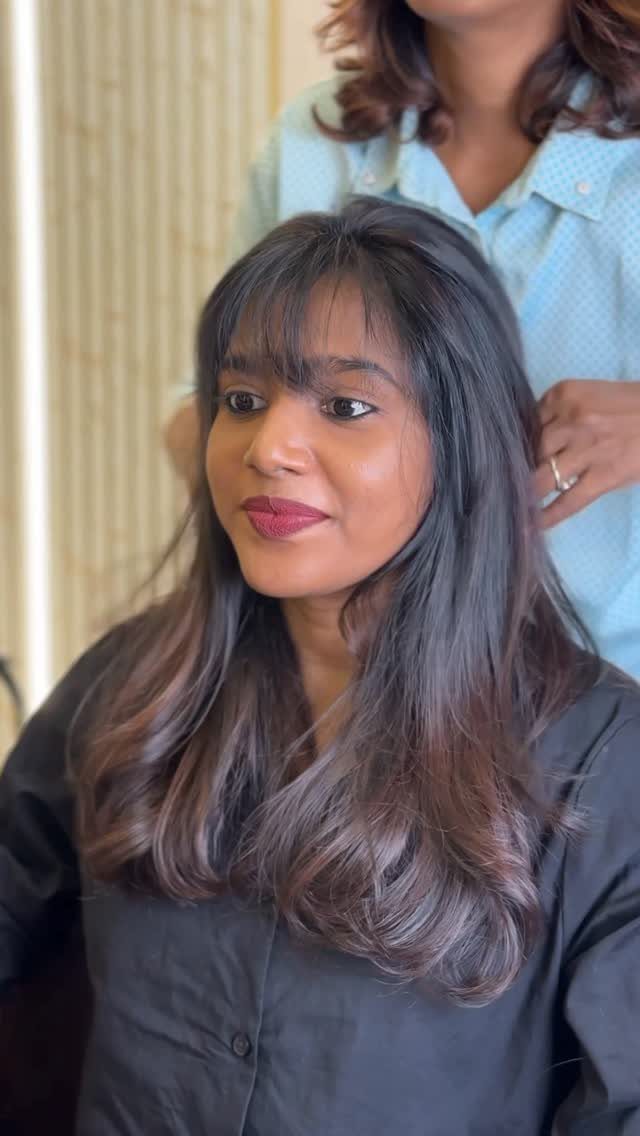
A fringe cut to graze the lash line sits just above or at eye level, creating soft coverage without blocking vision. The length allows for movement, and the bangs can be swept to one side or parted in the center.
The style sits flat and cooperative on hair that falls straight or holds a gentle wave. Curly textures push the fringe up, which shortens the effect.
Smooth the fringe with a round brush while drying, or let it dry on its own and finger it into position. Trims keep the fringe at eye level instead of past it.
30. Under-Shaved Pixie
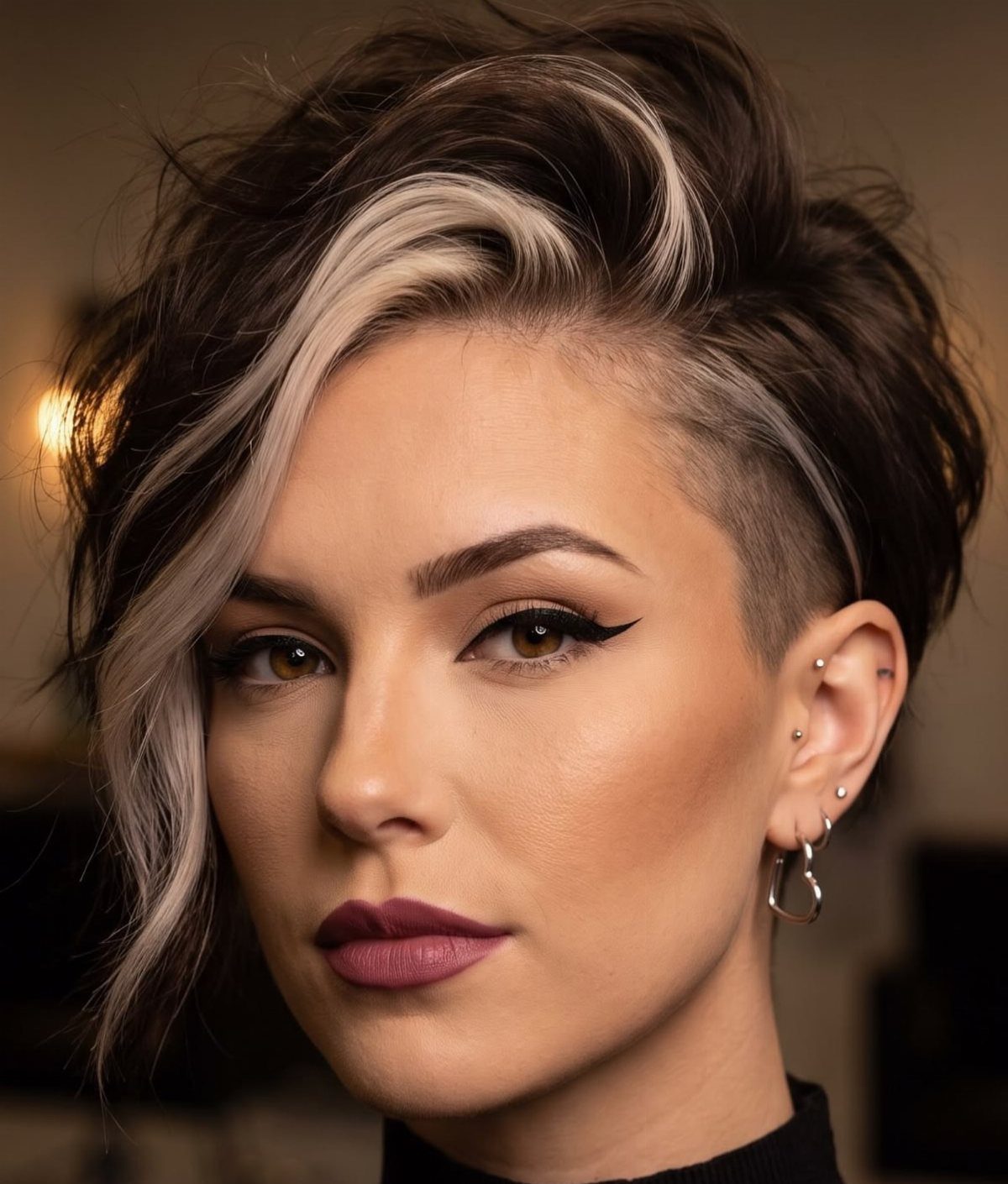
One side or the underside of a pixie is buzzed close, while the top and opposite side are left longer and layered. The contrast between the shaved section and the textured lengths creates asymmetry and removes bulk from thick hair.
The shaved portion grows back quickly, showing stubble within a week or two. Keep clippers handy to maintain the shaved section, or let the undercut grow and merge into the longer top.
Style the longer side with wax or pomade to emphasize the height difference.
31. Short Layered Pixie
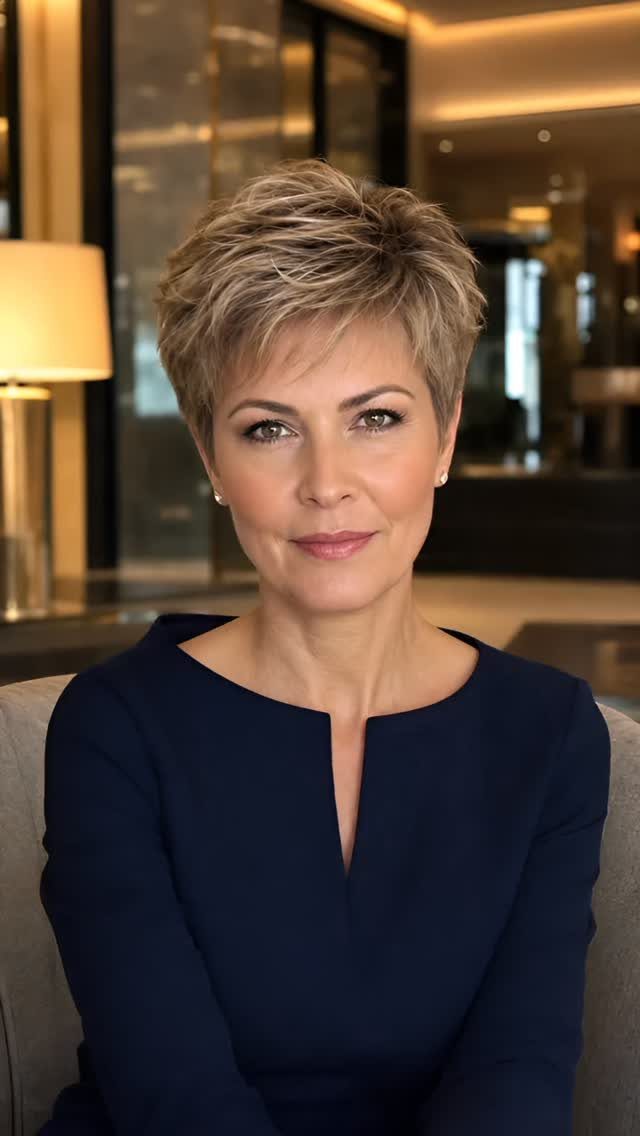
The cut keeps the overall shape close to the head while adding texture where it sits flat.
Blow-dry with your fingers, lifting at the root as you direct the airflow, then work a small amount of wax or pomade through the ends to define the choppy pieces. Styling is quick.
The layers blur together fast, so book trims regularly if the lifted shape matters.
32. Tapered Textured Short Cut
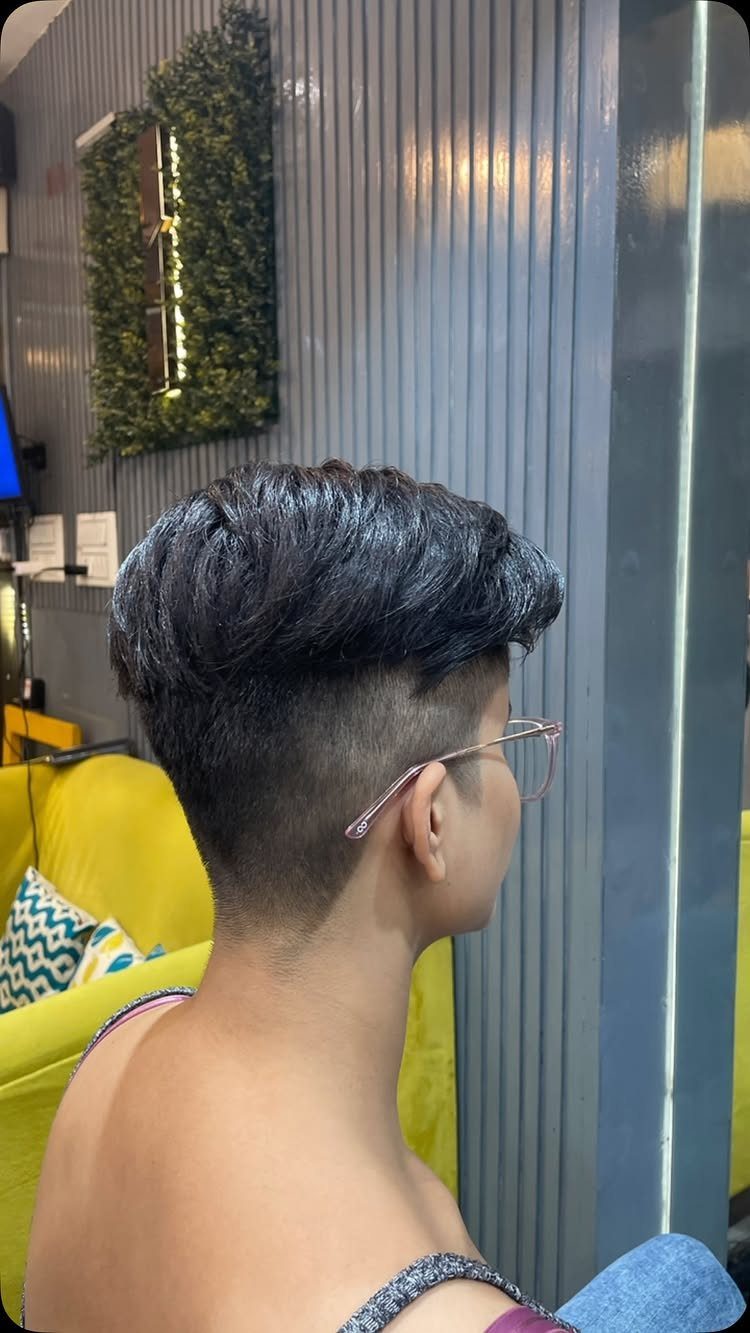
Layers cut into the top section create height and texture, while the sides taper close to the head. The contrast between the textured crown and the clean sides reads as sharp and deliberate.
Thick hair benefits most from the tapered sides, which remove bulk without sacrificing the volume on top. Fine hair can look sparse once the sides are cut short.
Blow-dry the top with a round brush or work pomade through damp hair and let it air-dry for a softer finish. The tapered sides need clippers often.
33. Asymmetrical Layered Crop
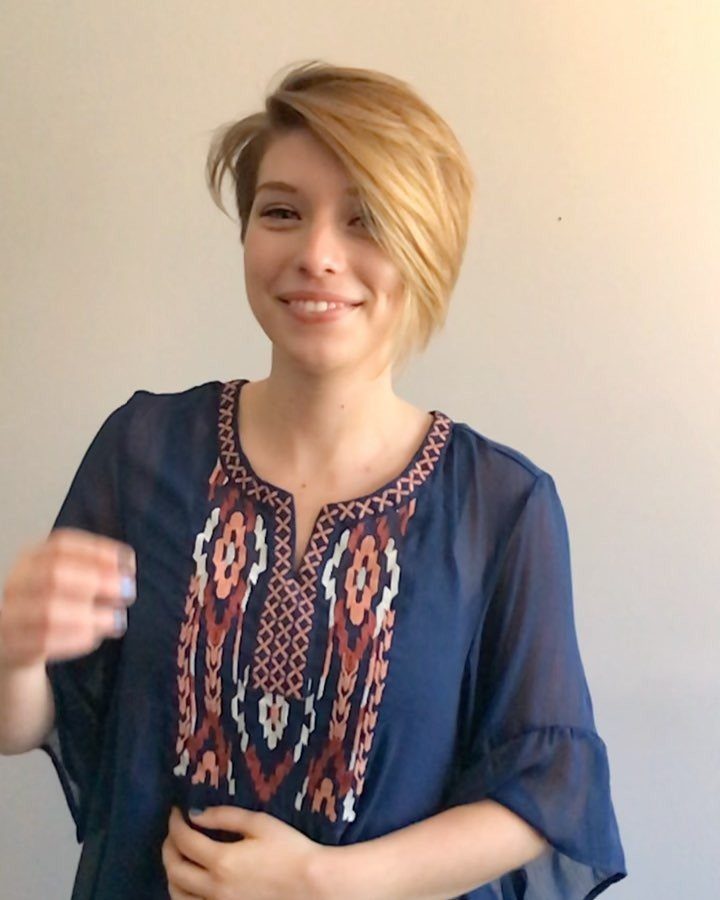
One side of the cut sits longer than the other, with layers angled across the head to create an uneven line. The shorter side shows the ear, while the longer side sweeps past the jaw.
Curly textures shorten the difference between sides, making the asymmetry less visible.
The longer side can be tucked behind the ear or left forward.
34. Layered Pompadour
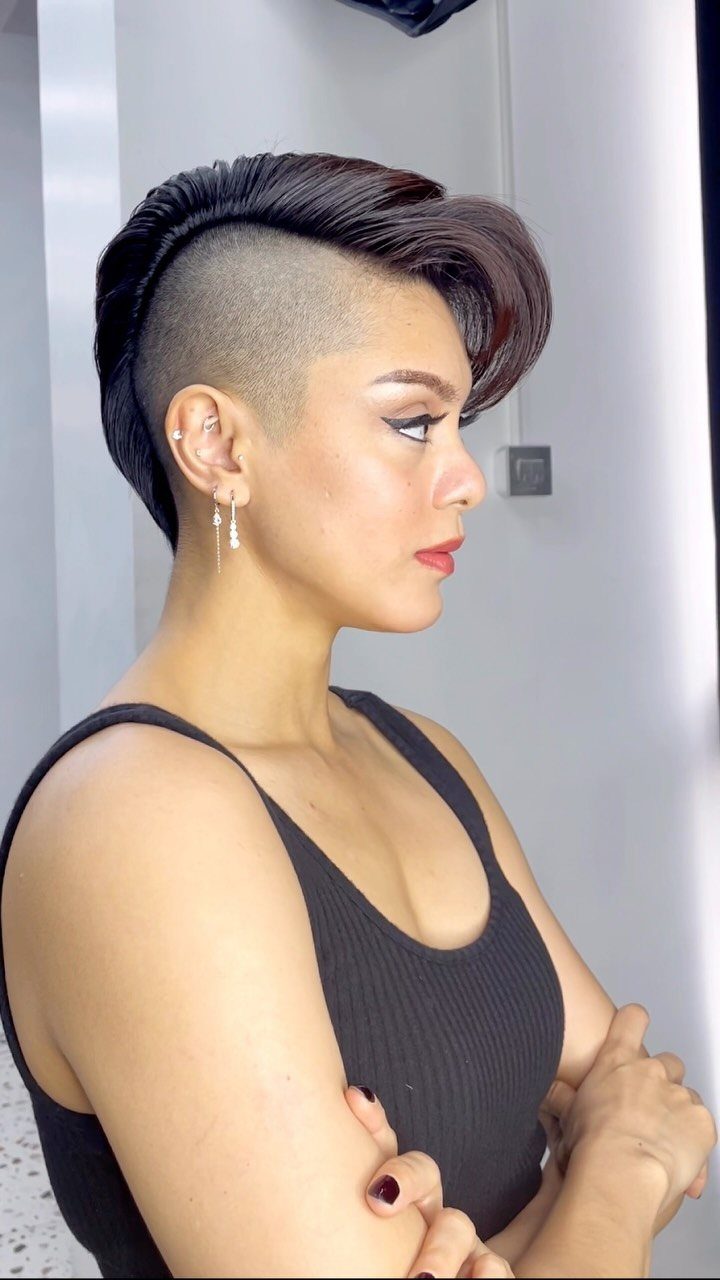
Height at the front comes from layered volume brushed upward and back, while one or both sides are shaved close. The lifted section holds its shape with product, and the shaved portion emphasizes the vertical lift.
Blow-dry the top forward and up with a round brush, then push it back into place with your fingers.
Apply pomade or styling cream to set the height. The shaved side needs clippers weekly.
The cut reads as bold and high-maintenance: the lifted front collapses without styling, and the shaved portion shows stubble quickly.
35. Layered Microbraids
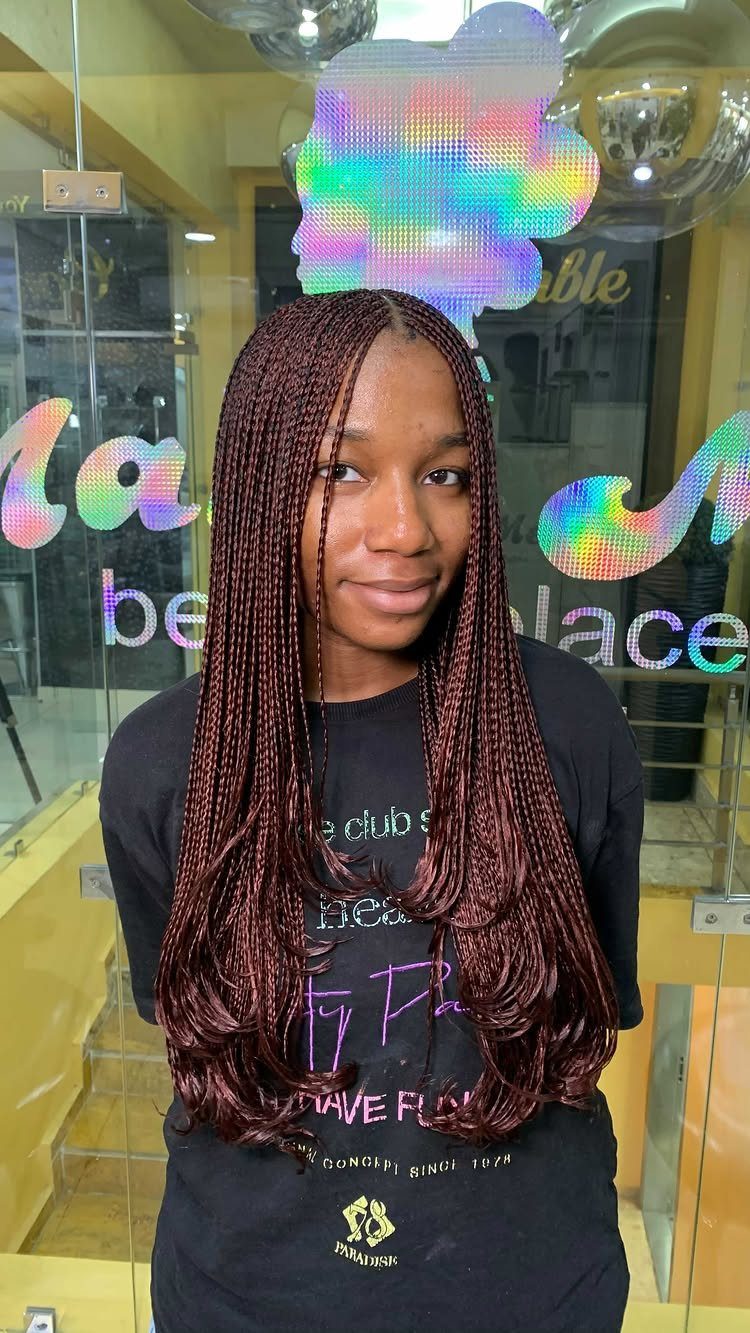
Microbraids installed at varied lengths create a layered effect without cutting the hair.
The shortest braids sit at shoulder level, and the longest reach mid-back or longer. Curling the ends adds movement and separates the layers visually.
The braids take hours to install, depending on the density and length. Maintenance includes moisturizing the scalp and re-braiding any sections that loosen.
The layered lengths can be worn down, pulled into a ponytail, or twisted into an updo. The style lasts several weeks before needing a full reinstall.
36. Shoulder-Length Wispy Layers
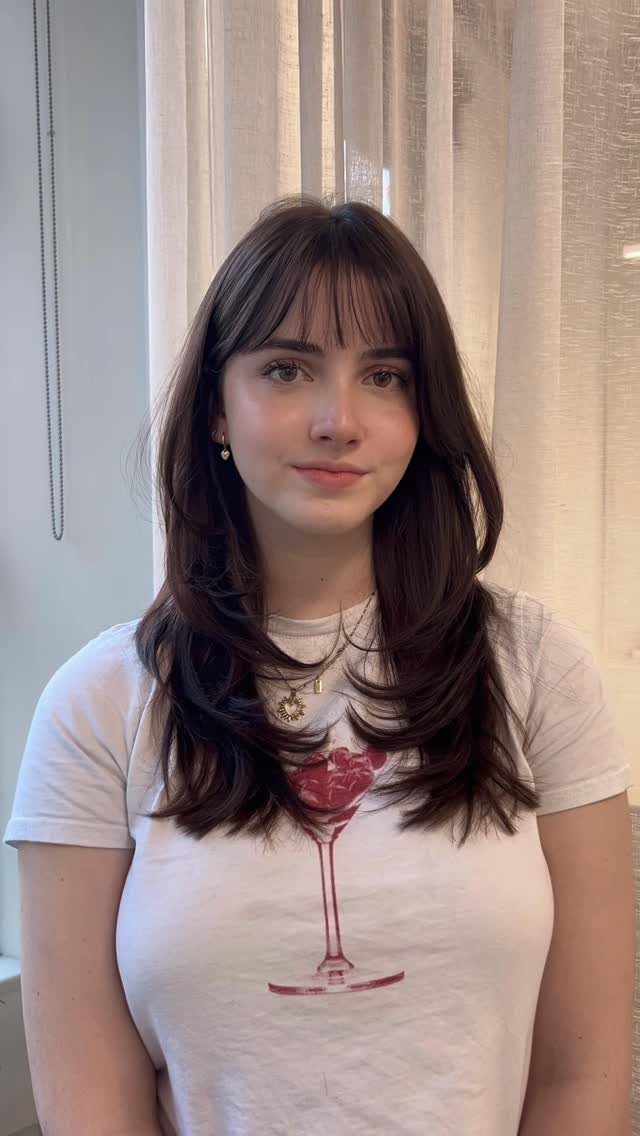
Soft layers through shoulder-length hair create movement without removing much weight, and a wispy fringe grazes the eyebrows or sits just above them. The layers taper gently from the fringe through the ends, keeping the overall shape light.
Regular trims keep the fringe at the right length.
37. Shoulder-Length Curtain Layers
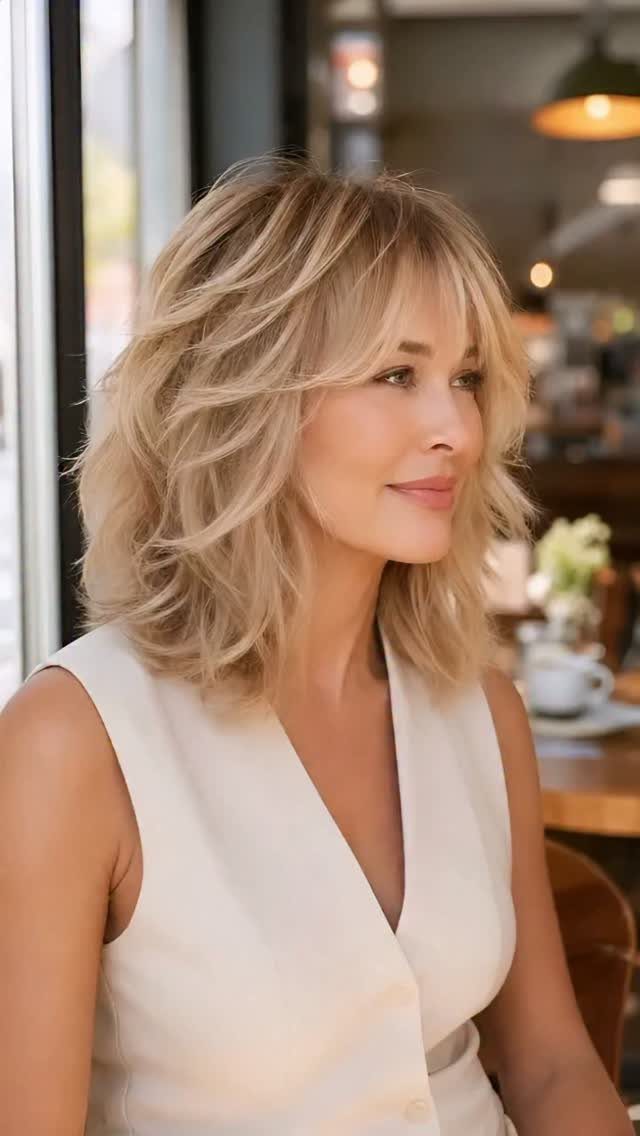
Curtain bangs part in the center and sweep to either side of the face, framing the cheekbones while the rest of the length sits at the shoulders with soft layers throughout.
The bangs blend into the layers rather than sitting as a separate piece, so the overall shape stays connected.
The bangs grow quickly past the right length, so plan on trims often.
38. Salon Layered Cut
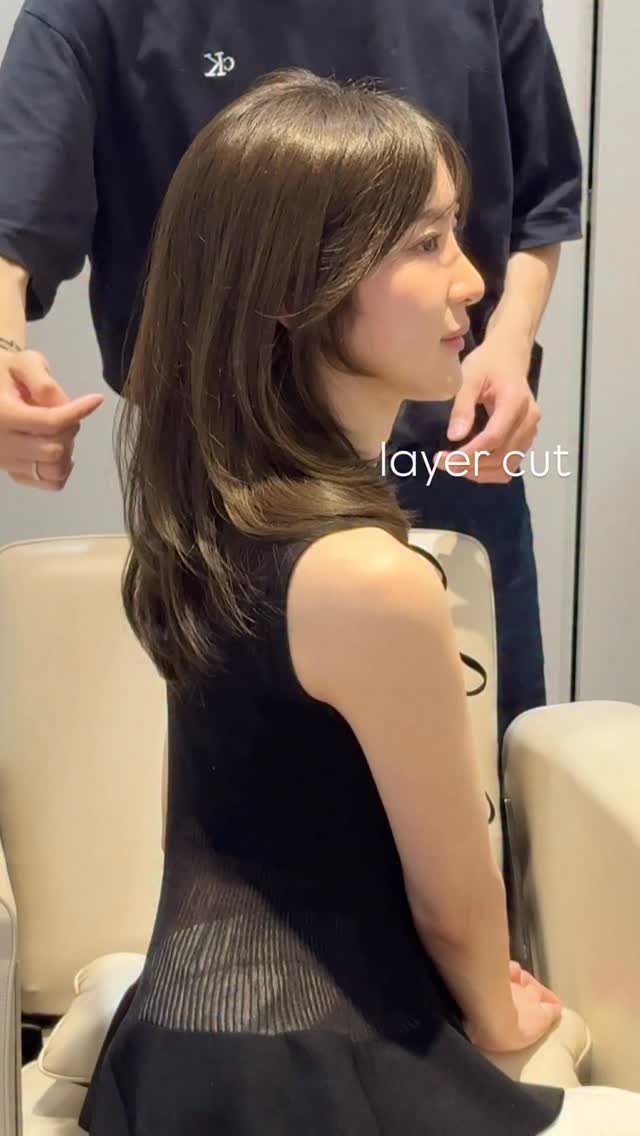
A stylist sections the hair and cuts layers to suit the client’s texture, face shape and styling habits. The result is a custom cut rather than a named style, tailored to what the client can manage at home.
Bring a photo of what you want, and say how much time you spend styling and what tools you use. A good stylist adjusts the layering to match your routine.
39. Layered Cut from Behind
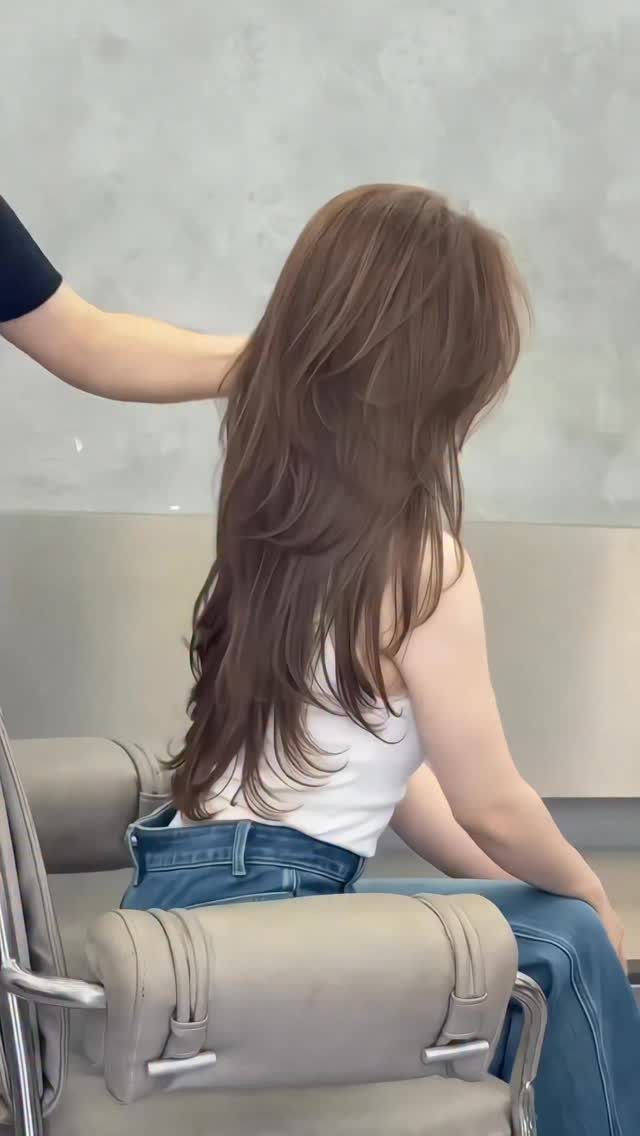
The back reveals the overall shape and whether the layers graduate smoothly or create distinct sections.
Ask for a mirror check from the back before leaving the salon, since this is the angle that shows whether the layers blend or stack too abruptly.
Explain Your Styling Routine
Say whether you blow-dry with a round brush, let it air-dry, or use a flat iron most mornings. The cut needs to work with the finish you actually use, not the one you might try on special occasions.
If you have 15 minutes, say so. If you want to towel-dry and leave, say that too.
If the layers felt too heavy, if the front pieces grew out awkwardly, if the shape disappeared after a week, the stylist can adjust the approach to avoid repeating it.
The more specific you are about your routine, the better the cut will fit it.
Bring Useful Inspiration Photos
Bring 2 or 3 photos showing the overall shape, where the shortest layer begins, how much face framing you want, the fullness at the ends, and a texture close to yours.
Terms like butterfly layers, shag, and long layers mean different things depending on who interprets them, so visuals clarify what you mean.
A photo of what you do not want also helps.
Layer Upkeep and Styling
Fine to medium hair benefits from lightweight volumizing shampoo and conditioner that lifts the roots without adding weight through the ends.
Styling time depends on the finish. Straight hair takes 15 minutes: towel off most of the water, work through a dime of styling cream, blow-dry with a paddle brush on medium heat, then smooth any flyaways with a dot of pomade.
Waves take 20 minutes. Curls take 30.
If air-drying is the plan, say so during the consultation. Layers meant to be blown smooth can look unfinished when left to dry on their own.
Frequently Asked Questions
What is a layer cut hairstyle?
A layer cut means the stylist cuts different sections to different lengths, so the top pieces fall shorter than the bottom. The varied lengths add movement, remove weight, and create shape without shortening the entire cut.
What face shape looks best with layers?
Longer layers work for round faces because they add vertical length, while shorter face-framing pieces suit oval faces by emphasizing width.
Any face shape can wear layers if the stylist adjusts where the shortest pieces fall and how much contrast appears between lengths.
Are layers good for fine hair?
If your hair is fine, a heavy perimeter and minimal layering usually give you more visible thickness than a heavily layered cut that thins out the ends. Face-framing pieces or minimal long layers can add shape without thinning the ends.
What layers are best for thick hair?
Thick hair does better with long layers that carve out weight from the inside, leaving the surface full but easier to dry and move.
Your texture matters here: curly hair can lose its shape if you take out too much weight, while straight hair usually handles more reduction without collapsing.
Who shouldn’t get layers?
Very fine hair can look thinner with too many layers, and extremely curly or coarse textures may become frizzy or harder to manage if the layers disrupt the natural pattern.
A consultation with a stylist who understands your texture helps determine whether layers will work.
What is the difference between long and short layers?
Long layers preserve more of the original length and create softer, more gradual movement. Short layers begin higher, closer to the crown, and add more volume, texture, and contrast between the shortest and longest pieces.





