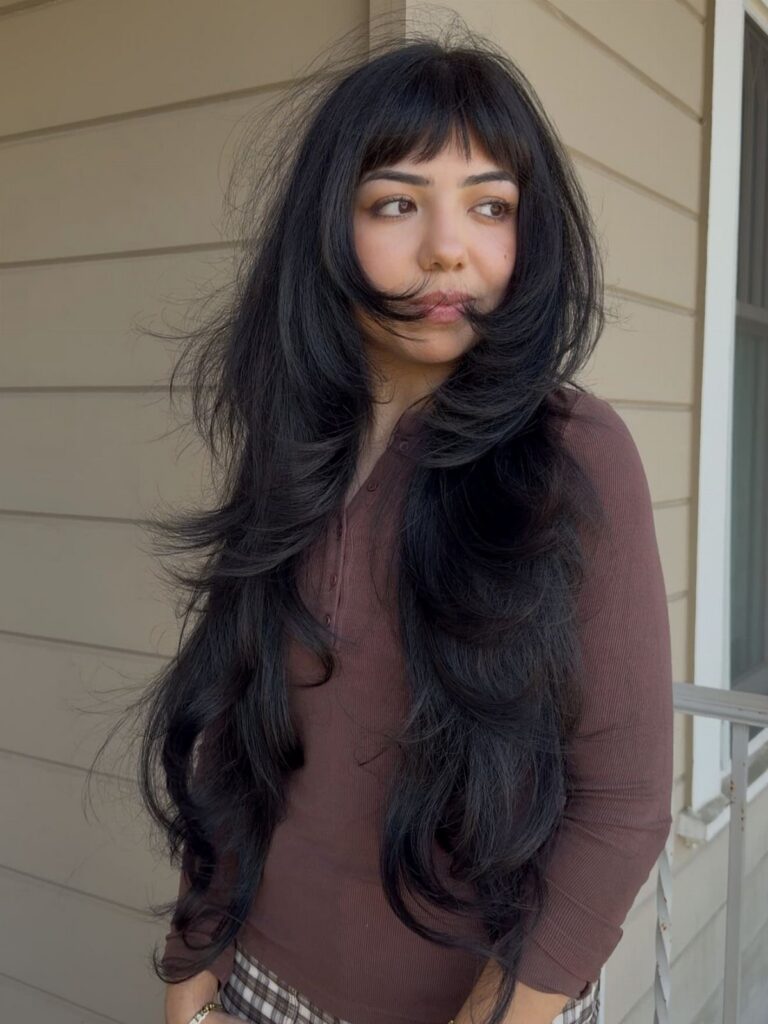
Face shape decides which fringe works.
Round faces need length and vertical breaks rather than horizontal weight, square faces soften with feathered or piecey texture instead of blunt edges, and long faces shorten with full bangs that add width across the forehead.
Some grow out gracefully and others lose their shape fast, so knowing what waits at month 3 matters as much as what you see in the chair.
Each one frames the face differently and asks for a different morning routine, so getting the names right means leaving with the cut you actually wanted.
1. Long Layered Bangs
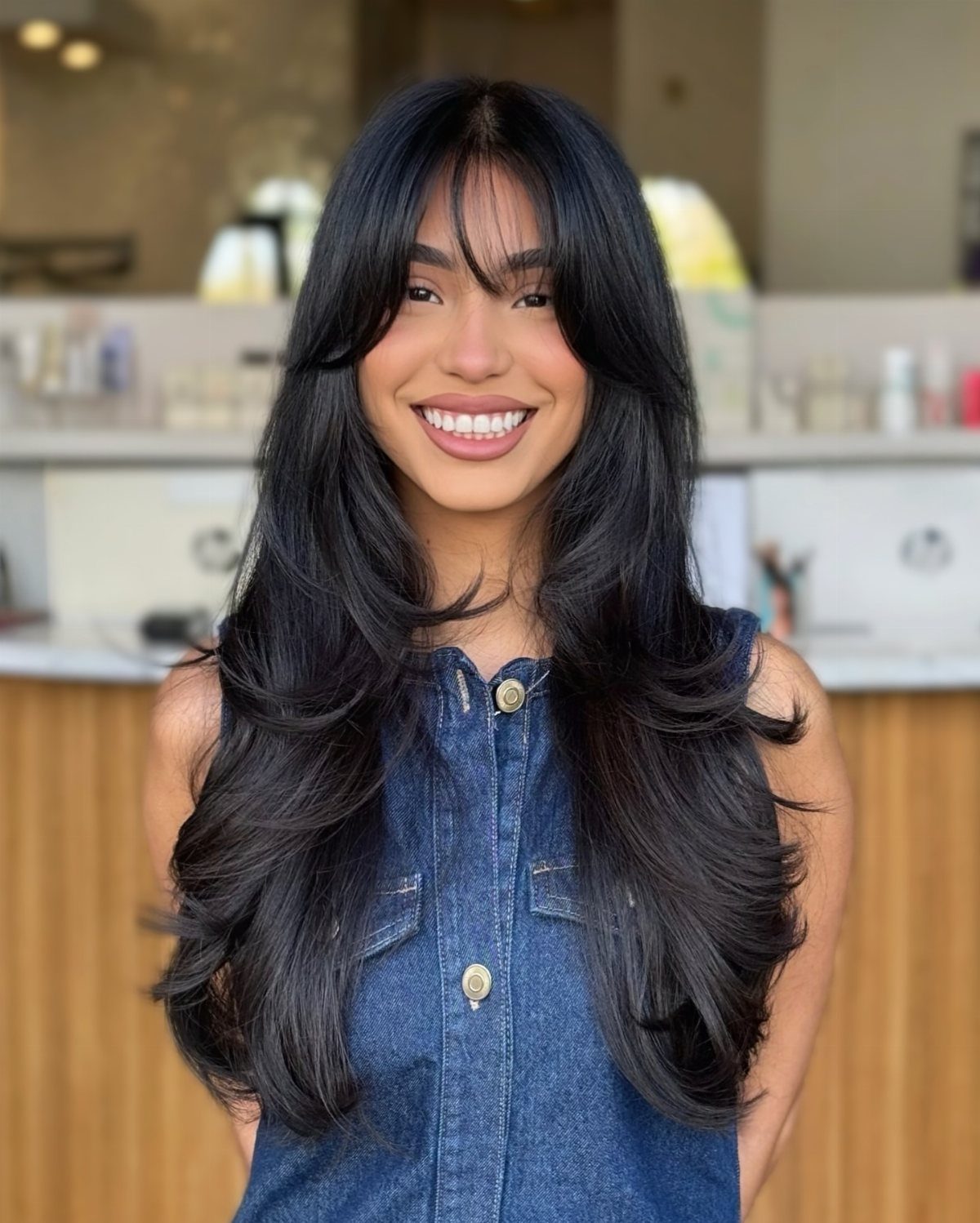
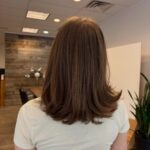
The fringe tapers gradually into the hair around it, so the weight comes off without the sharp contrast of a full blunt cut.
Most stylists cut this dry after establishing the main layers, taking the bangs to eyebrow length or just past it and then feathering the ends to match the layered pieces at the sides.
If your hair pulls heavy or flat at the crown, this removes bulk while keeping length.
The blend means you can grow the bangs out without an obvious line, and the layers let you pin or tuck sections back when you need them off your face.
2. Curtain Bangs
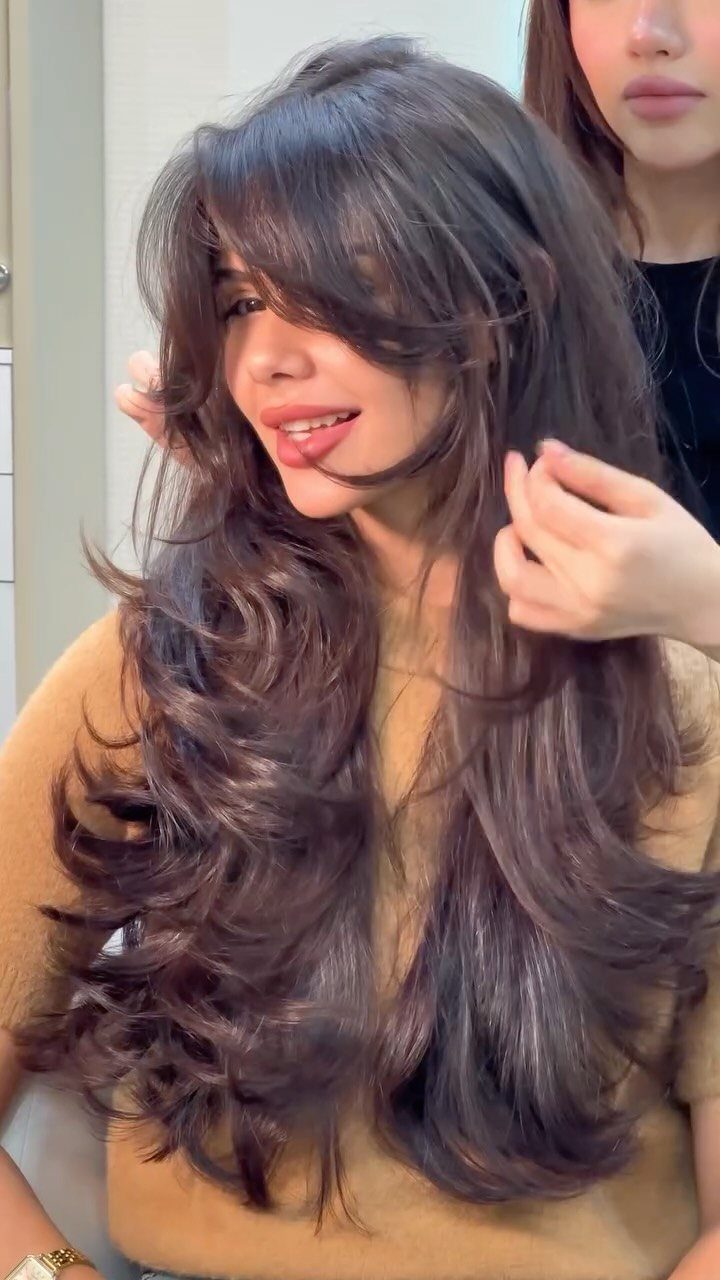
The shortest point sits at the bridge of the nose and falls longer on each side, creating a gap in the middle that reads as a soft frame rather than a solid band.
You ask for a center part with the fringe cut shorter toward the part and longer at the outer edges, usually ending at cheekbone level.
Round and heart-shaped faces gain definition from the vertical split, and the length on the sides keeps the proportion balanced if your forehead is wider.
Styling takes a round brush and a few seconds of heat to bend the ends away from the center, or you can let them air-dry and they’ll still break to the sides.
3. Blunt Bangs
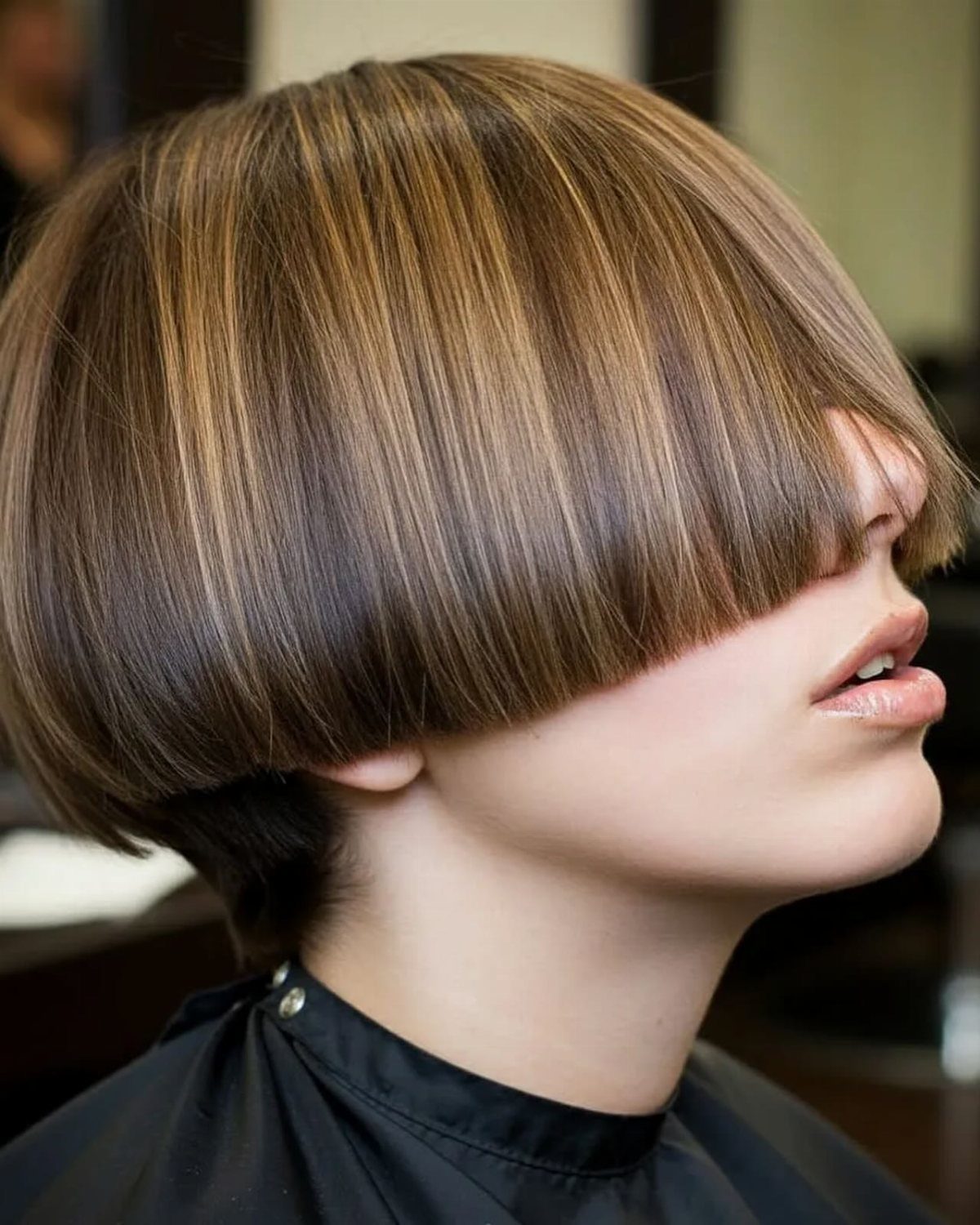
The cut runs straight across the forehead in one clean line, usually landing at or just above the brows. No taper, no feathering, just a flat edge that makes the statement the moment someone looks at you.
Fine to medium hair gives blunt bangs the clean line they need. Thick, coarse hair can push the fringe forward into a shelf, and very fine hair sometimes splits down the middle by afternoon.
Trim often enough that the fringe doesn’t grow past your lashes, or the look softens into something closer to curtain bangs.
4. Bardot Bangs
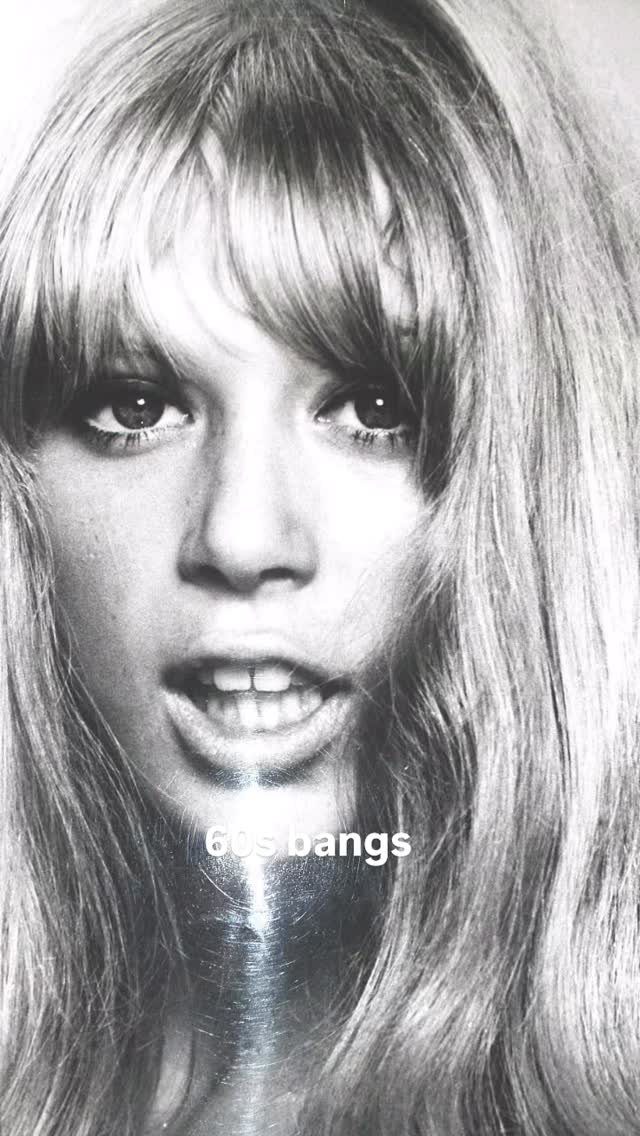
The fringe parts in the center and sweeps out to the sides in soft, full pieces that graze the cheekbones, recreating the voluminous look Bardot made famous.
Most versions sit shorter in the middle than curtain bangs and carry more body, often set with a round brush or large rollers to lift at the root.
If you have naturally thick or wavy hair, the volume comes easily. Finer textures need a bit of teasing or a styling product with hold to keep the lift from collapsing by midday.
5. Curly Bangs
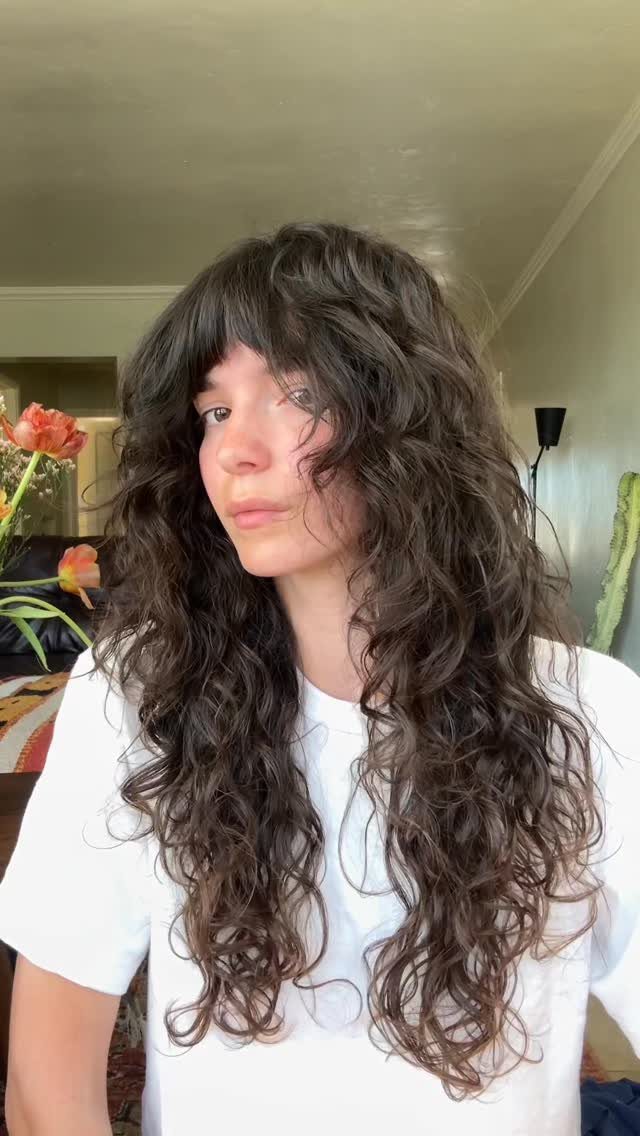
The fringe matches the curl pattern of the rest of the hair instead of being straightened or blown out, so the bangs spiral, coil or wave the same way the lengths do.
Stylists who specialize in curly cuts usually take this section dry and cut curl by curl, accounting for the spring-back that happens once each piece is released.
Curly bangs shrink shorter than straight ones, so what looks like nose length while pulled can dry above the brows.
If your curls tighten in humidity, expect the fringe to lift even more on damp days. The advantage is low styling time: wash, condition, scrunch and go.
6. Side-swept Bangs
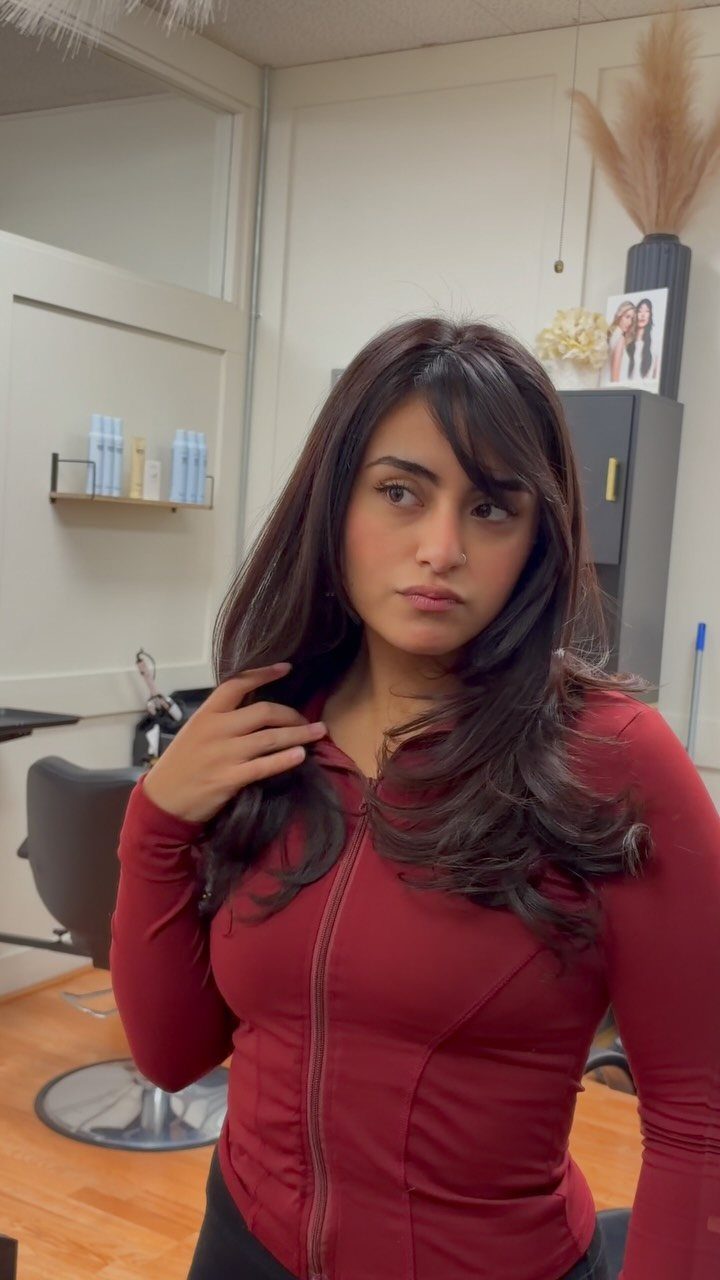
The fringe angles across the forehead from one side to the other, usually starting shorter near the part and ending longer at the opposite temple.
The diagonal softens a square jawline and balances asymmetry if one side of your face feels stronger than the other.
You can flat-iron the bangs for a sleek finish or let them follow the natural texture of your hair, and the angled length means you can tuck them behind your ear when they’re in the way.
Growing them out is straightforward: once they reach chin length they blend into the rest of a layered cut without an obvious gap.
7. Birkin Bangs
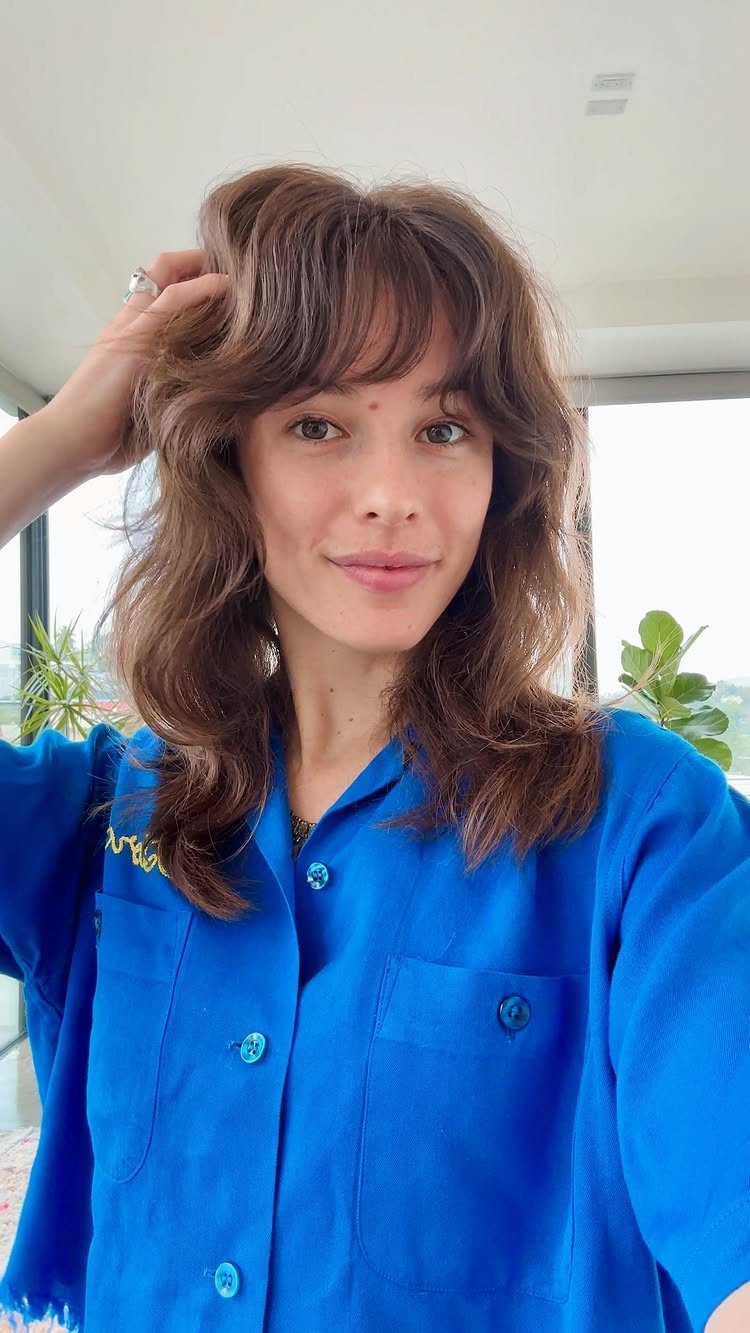
The fringe sits full and soft across the forehead, usually cut with some texture through the ends rather than a hard blunt line, and the length typically lands between the brows and the lashes.
The look depends on volume at the root and a slightly tousled finish, so hair that holds body naturally carries it better than fine, flat strands.
Pin-straight or gently wavy hair shows the shape most clearly.
If your hair is very thick, ask the stylist to thin the fringe so it doesn’t sit too heavy, and if it’s fine, a bit of dry shampoo at the root keeps the lift from falling by afternoon.
8. Wavy Bangs
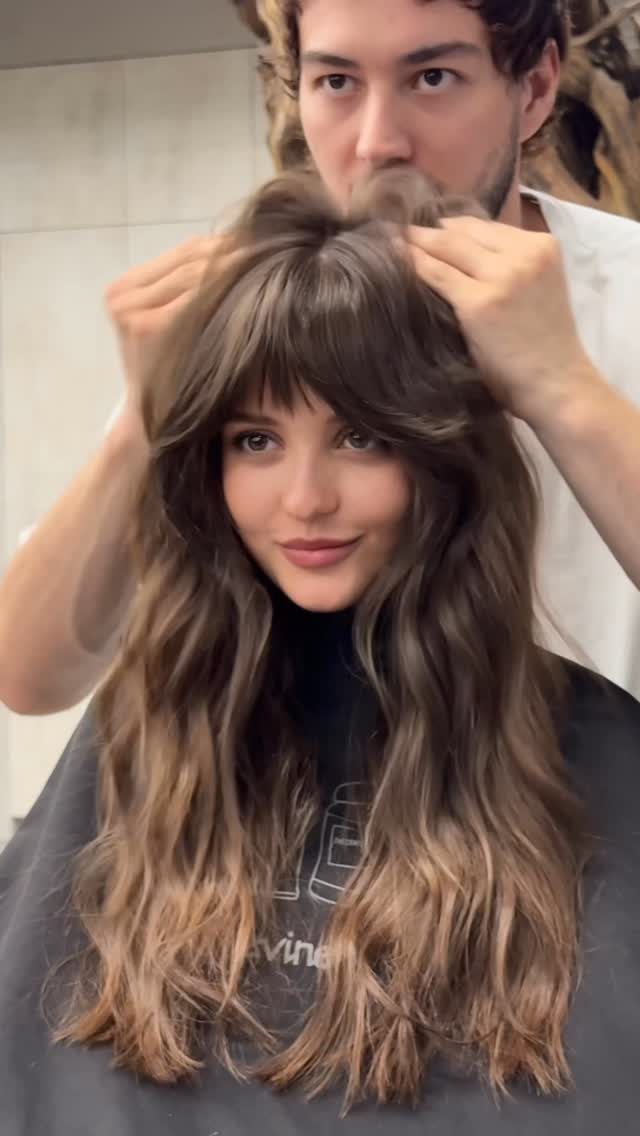
The bangs follow the same pattern as the rest, curling or bending naturally instead of fighting their own texture with heat.
Most stylists point-cut the ends to reduce bulk and let the waves separate naturally rather than clumping into one solid piece.
If your hair waves on its own, the bangs will follow that pattern with minimal styling.
I work a little mousse or curl cream through damp bangs, tilt my head forward and let them air-dry, or use a diffuser if I need them dry faster.
9. Hime Cut
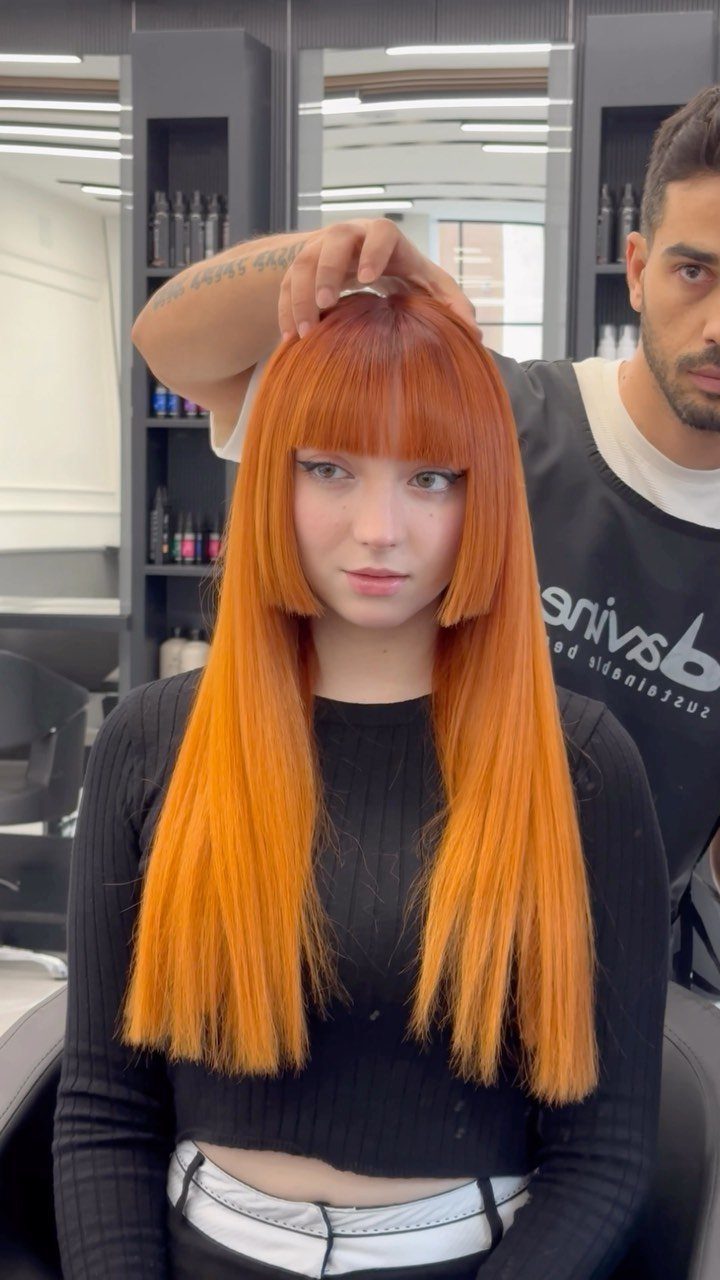
The cut features 3 distinct sections: blunt microbangs across the forehead, sharp side pieces that drop from the cheekbone to the collarbone, and long, heavy lengths in the back.
The side sections are cut disconnected from the rest, creating a clear geometric frame that doesn’t blend into the layers behind it.
This works best on straight or minimally wavy hair, since the lines need to stay crisp.
Thick hair carries the weight without the fringe or side pieces collapsing, but fine hair can struggle to keep the side sections from slipping behind the ear. Expect frequent trims to hold the sharpness.
10. Long Swoopy Bangs
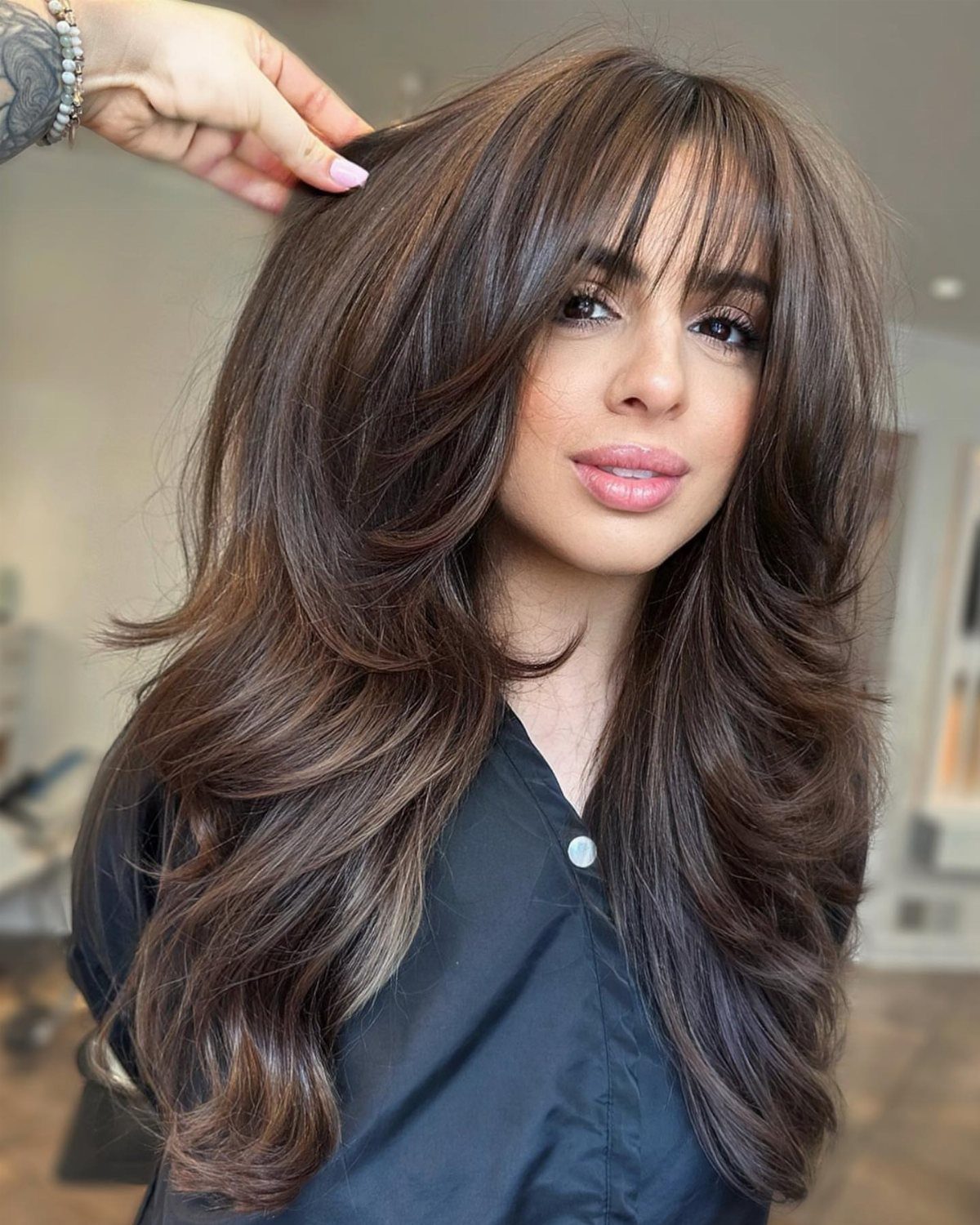
The fringe starts long, often past the nose, and curves across or away from the face in one smooth arc.
A round brush and a blow-dryer bent the hair into that swoop, or you can wrap the section around a large-barrel curling iron for a few seconds and let it cool in the bent shape.
Longer bangs give you options: wear them fully across the face for drama, sweep them to one side for a softer look, or pin them back when they’re in the way.
The length means you can grow them out without the awkward in-between stage that comes with shorter fringe.
11. Fairy Cut
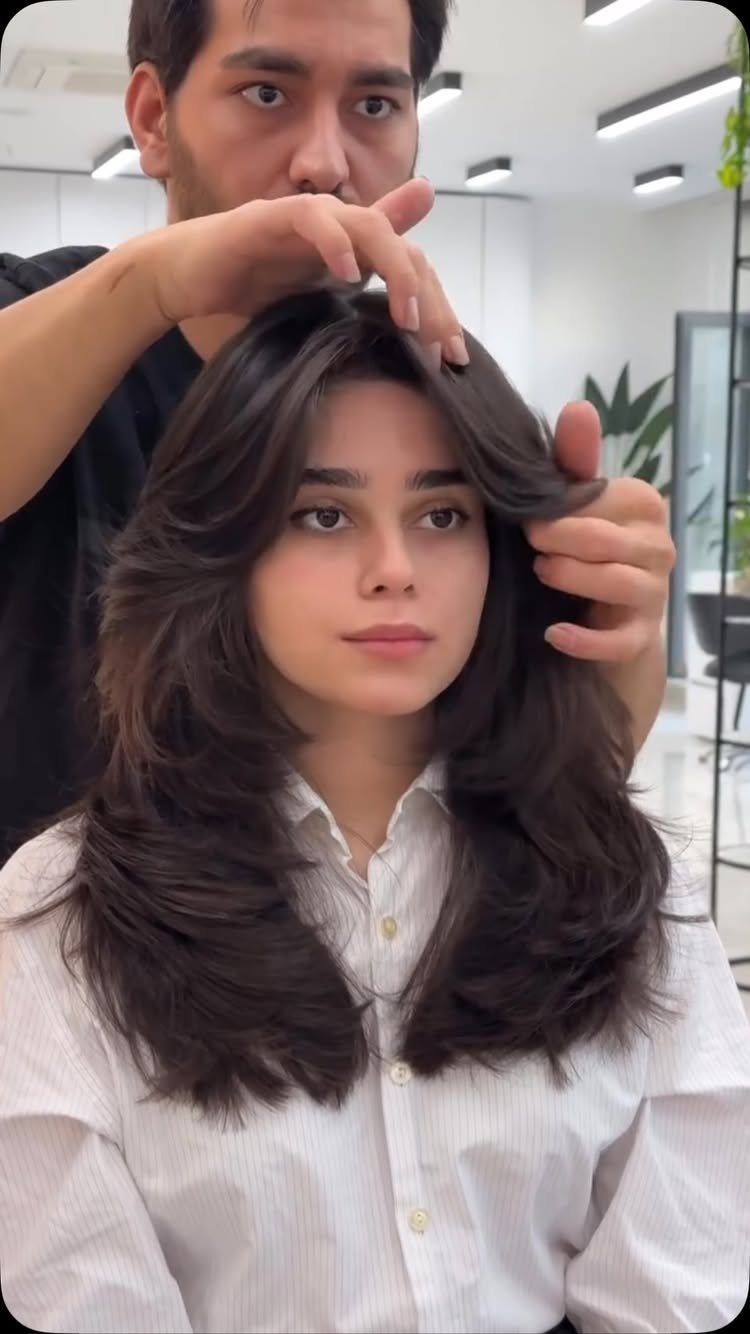
Layers start high, often at chin or nose length, and cascade down through midlength hair with enough texture that the ends separate instead of sitting in one blunt line.
The fringe is cut long and layered into the pieces that frame the face, so there’s no hard division between bangs and the rest of the cut.
If your hair is naturally wavy or holds a curl, the layers add movement without much effort.
Straight hair shows the individual pieces more clearly, and fine hair gains the appearance of volume from the stacked layers. Regular trims keep the layers from blending back into one length.
12. Textured Waves
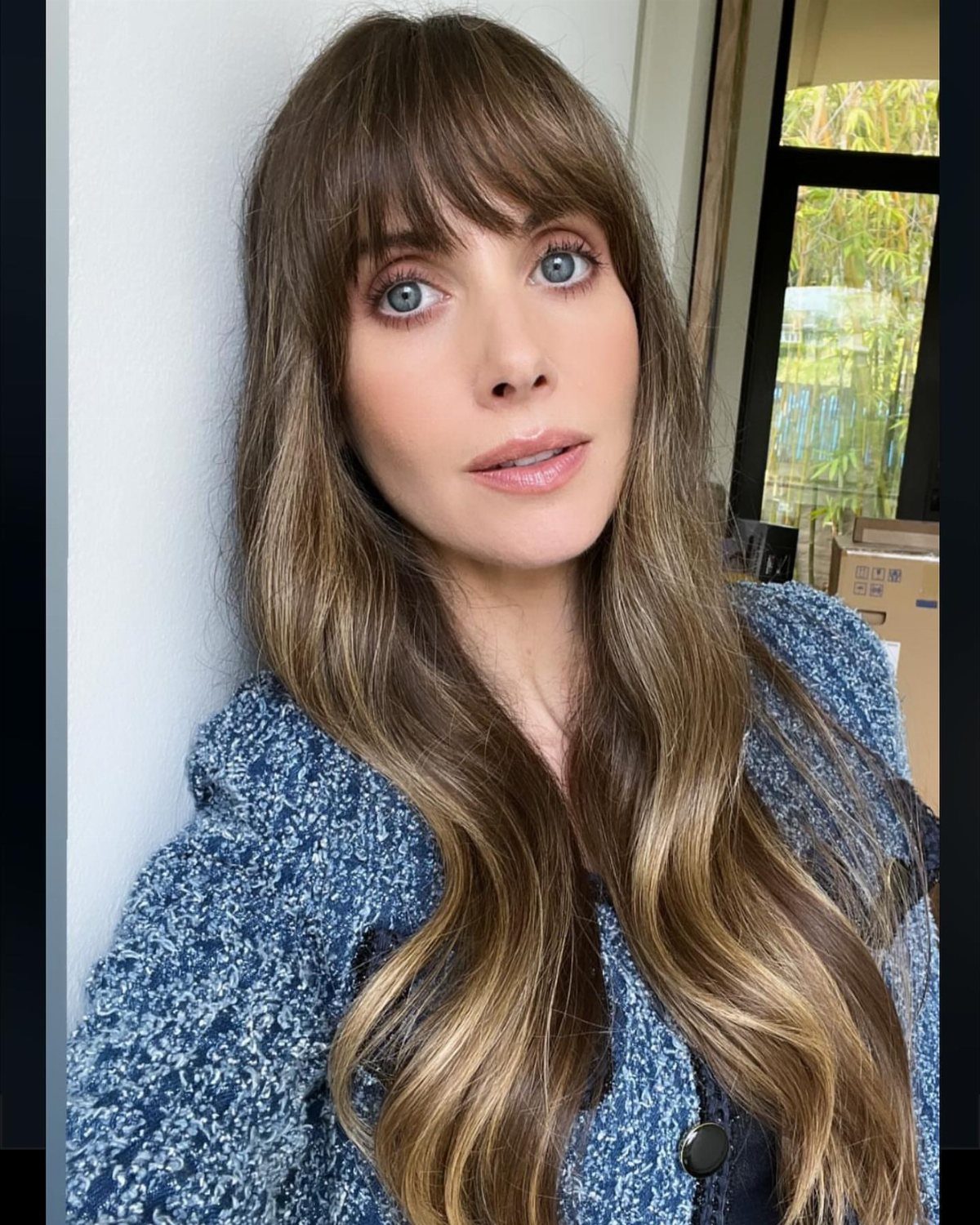
The hair falls in loose, flowing bends that look lived-in rather than freshly set, and the layers are cut long and soft so the wave moves without stiffness.
Most people either air-dry with a texturizing spray or use a large-barrel curling iron, wrapping sections loosely and leaving the ends out for a less polished finish.
If your hair is naturally wavy, this is low effort: scrunch in a light mousse or sea salt spray and let it dry.
Straight hair needs heat to create the bends, and very fine hair sometimes loses the wave by midday unless you use a holding spray.
13. Face-framing Bangs
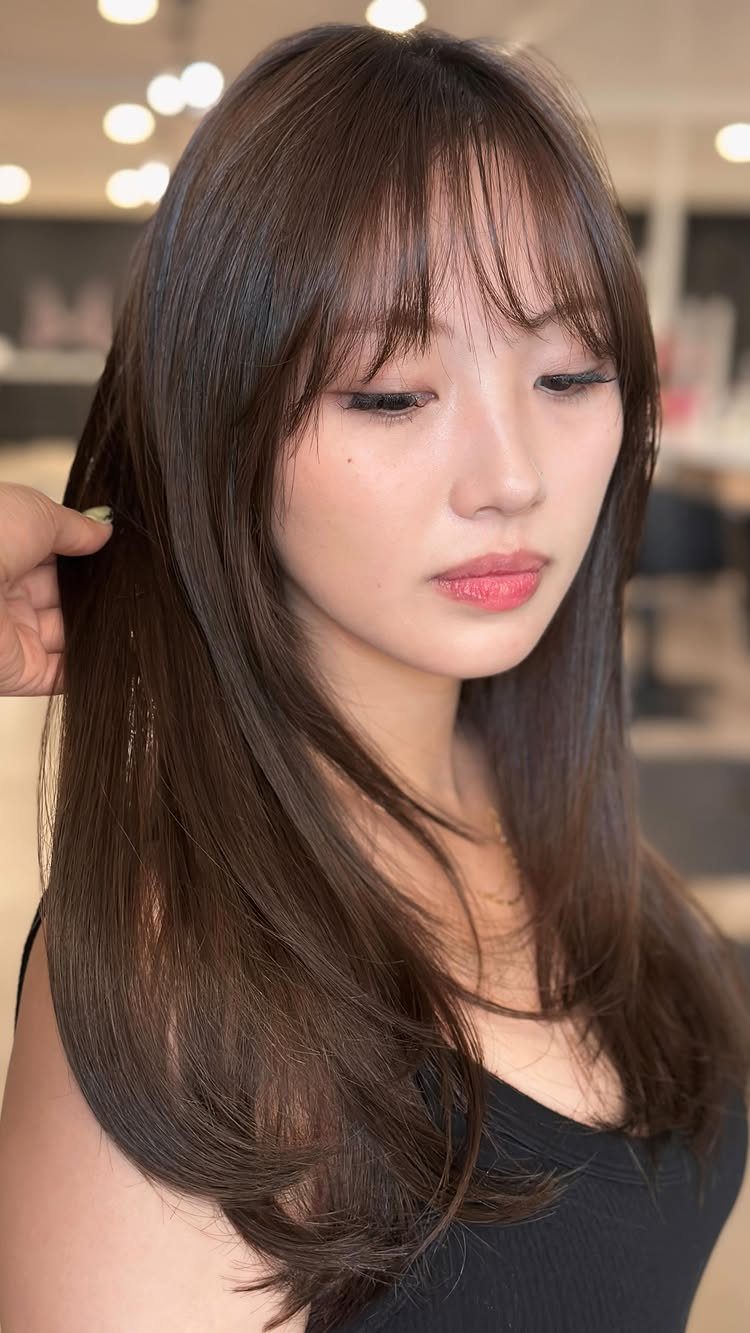
The fringe is cut to blend directly into layered pieces along the sides, creating a continuous line from the bangs down through the lengths that frame the cheeks and jaw.
Most stylists start with the fringe at brow level or slightly longer, then graduate the side pieces so they taper smoothly without a visible jump in length.
If you wear your hair long and want the bangs to feel like part of the shape rather than a separate add-on, this removes weight around your face while keeping the overall length intact.
The gradual taper also lets them grow out cleanly, with no hard line between fringe and the rest of the cut.
14. Shaggy Bangs
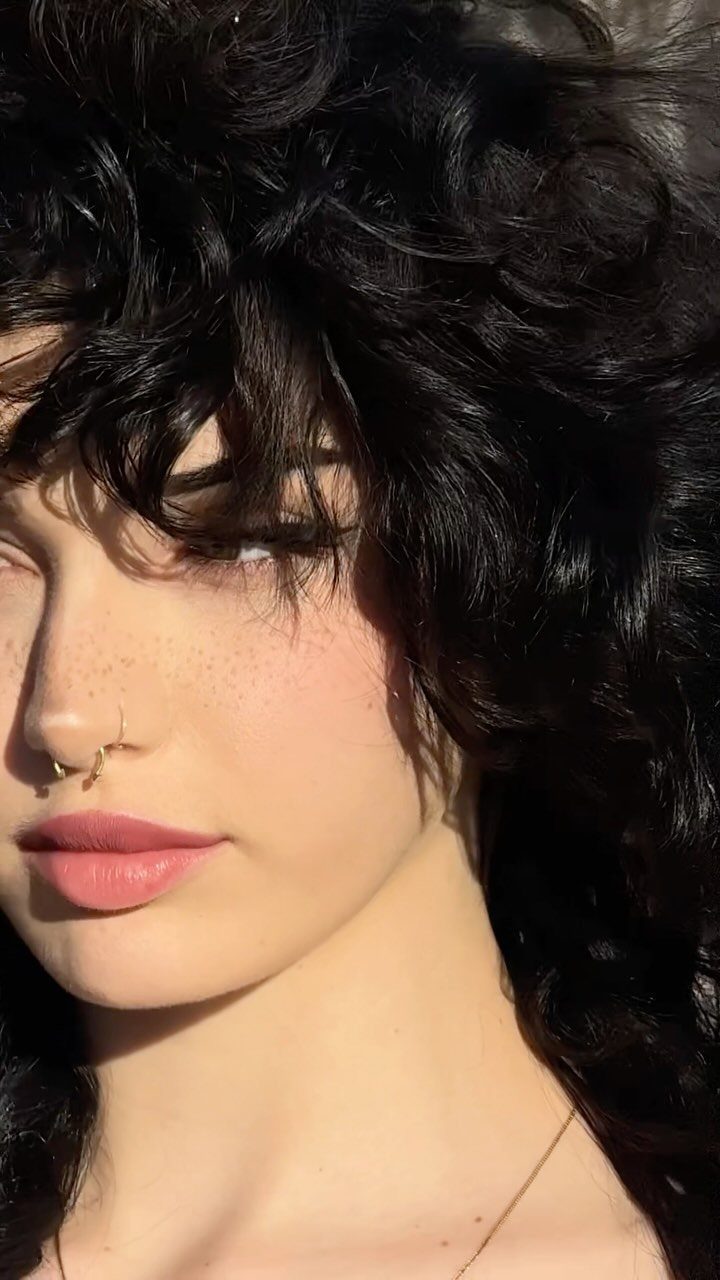
The fringe is cut with the same choppy, separated texture as the rest of the shag, so the bangs don’t sit as one solid piece.
Point-cutting or razor work breaks up the ends, and the pieces fall in different directions rather than lying flat across the forehead.
Texture this heavy works best on hair that already has some wave or curl to hold the separation.
Straight hair can look piecey if you add a texturizing spray or paste, but fine, straight hair sometimes clumps back together by midday.
15. Bottleneck Bangs
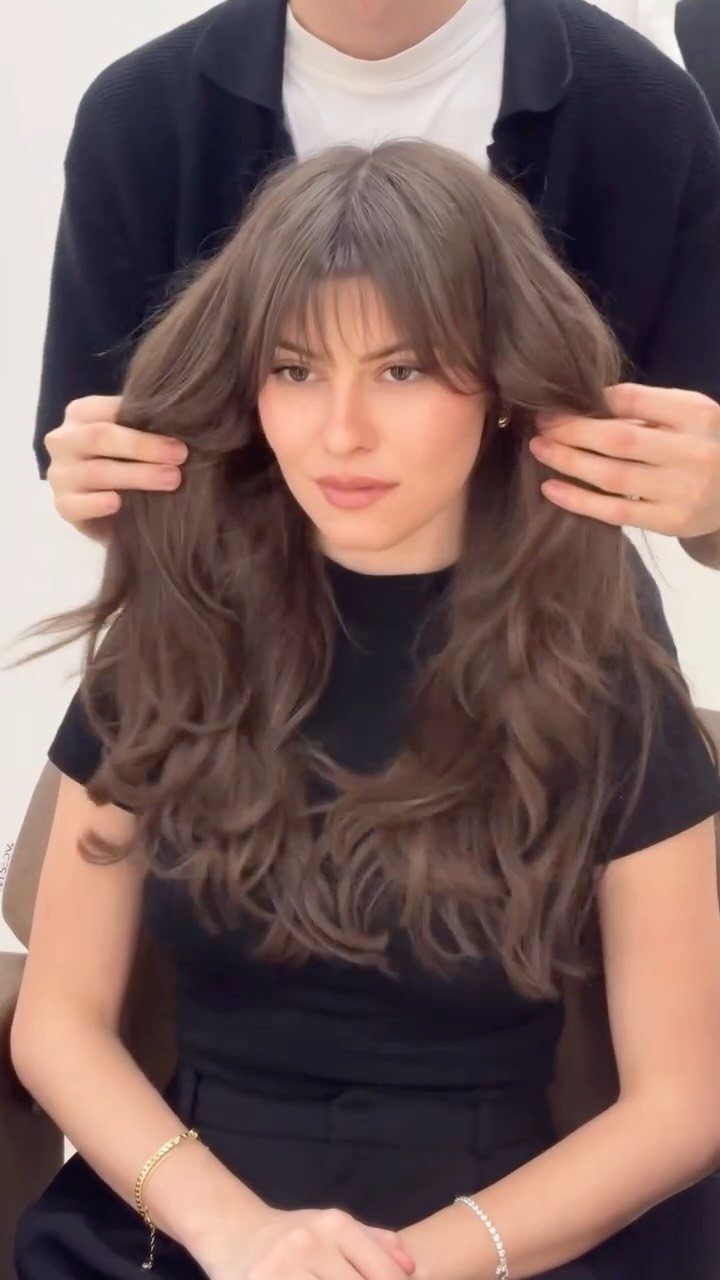
The fringe is cut narrowest at the center of the forehead and widens as it moves toward the cheekbones, creating a shape that flares outward.
The fullest part usually sits between the brows, and the outer edges blend into the hair at the sides.
This concentrates volume where round or square faces benefit from it and keeps the temples light.
Fine to medium hair holds the shape without weighing down the center, and the taper lets you tuck the outer pieces behind your ears when you need them out of the way.
“Bangs are really about framing,” adds Naeemah LaFond, celebrity hairstylist and Shark global ambassador. “They draw attention exactly where you want it…sometimes that small shift changes everything.”
— Vogue
16. Lash-grazing Bangs
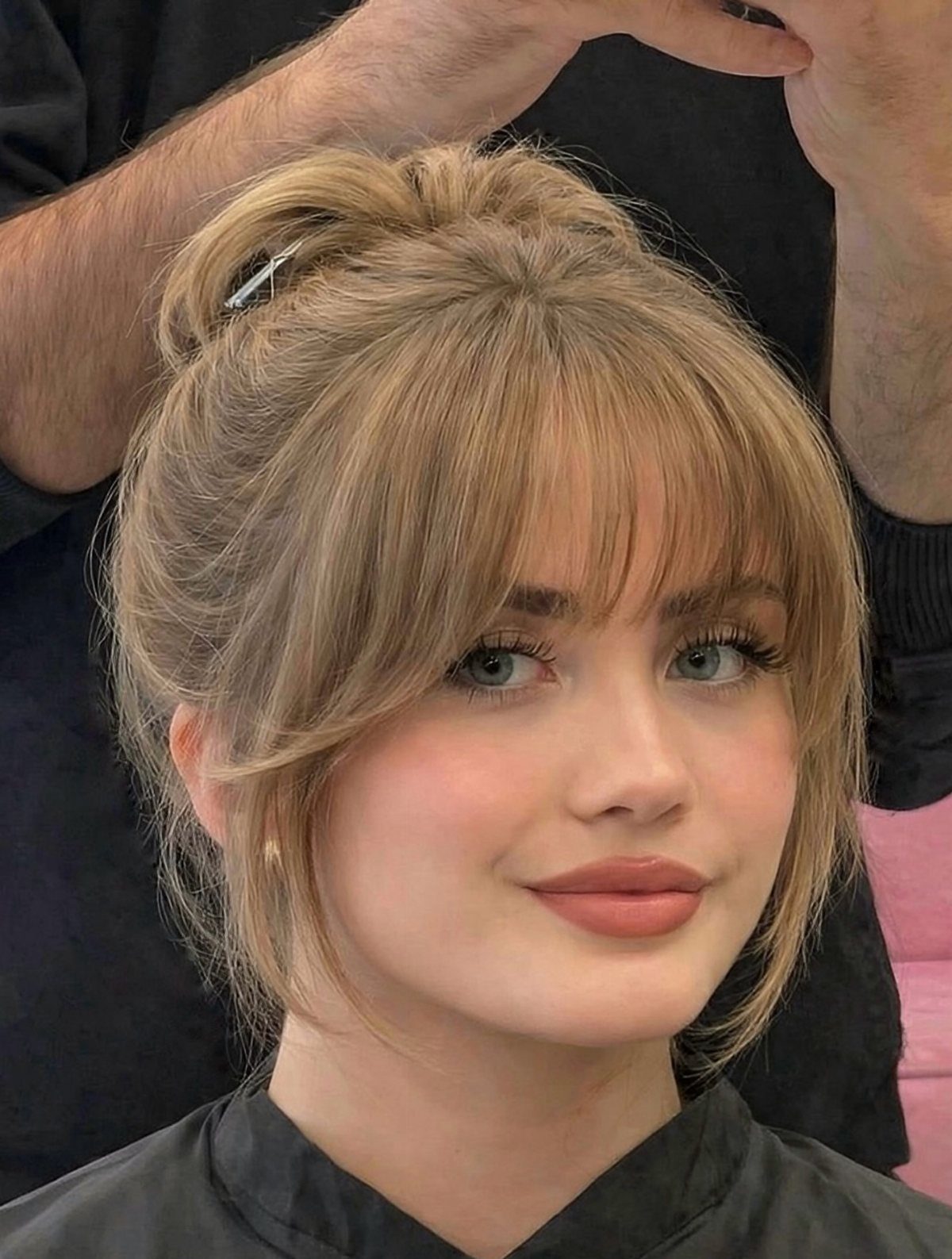
The bangs are cut dense and full, landing right at the lash line so they sit close to the eyes without blocking vision.
The cut is usually blunt or softly textured at the ends, and the density means the fringe reads as one intentional band rather than wispy or broken-up pieces.
If your hair is thick or medium-textured, the fringe will hold its weight without gaps. Fine hair needs a wider section to avoid looking thin at this length, and very fine strands sometimes separate down the center by midday.
17. Rounded Bangs
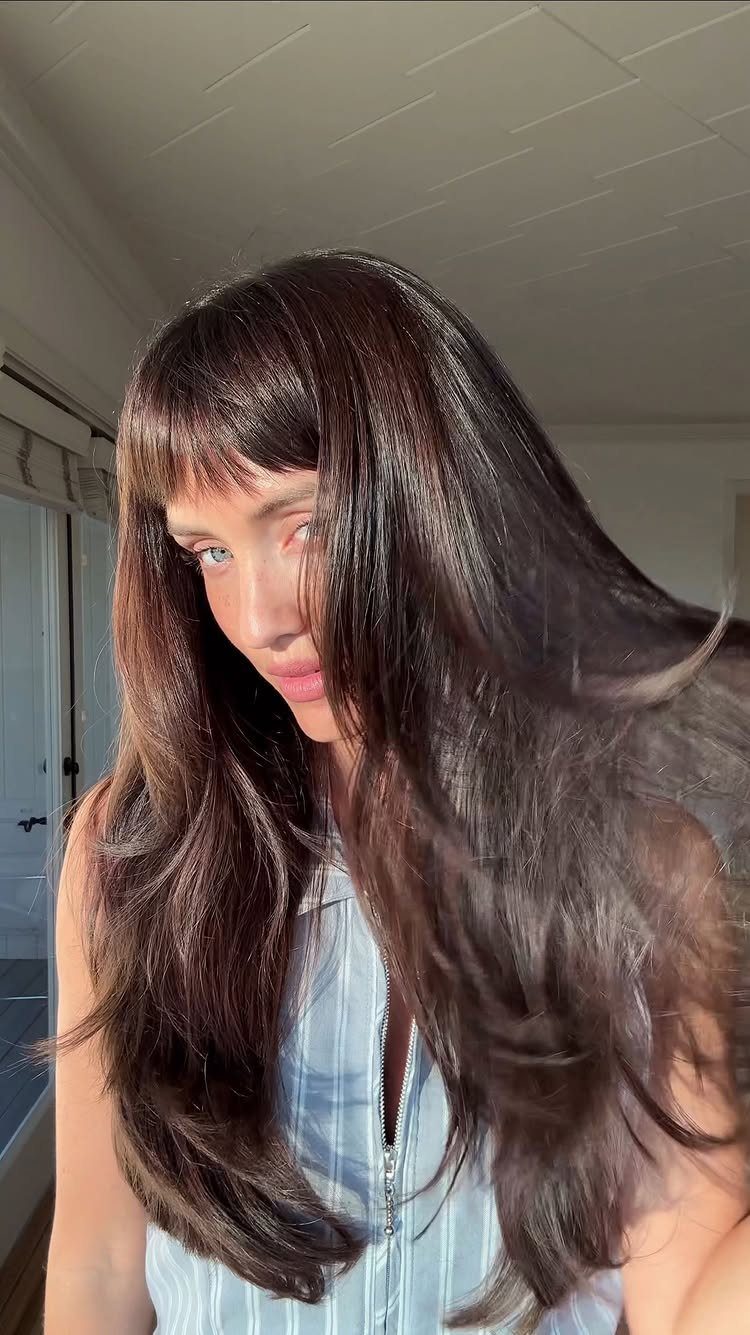
The fringe follows a curved line rather than a straight one, with the shortest point at the center of the forehead and the edges sitting slightly longer so the shape arcs gently across.
Most versions land at or just above the brows, and the curve softens the look compared to a hard blunt cut.
Round and oval faces suit the arc, which mirrors the natural curve of the face rather than cutting across it. If your forehead is wider, the rounded shape can emphasize that width, so curtain or side-swept bangs might balance better.
18. Feathered Bangs
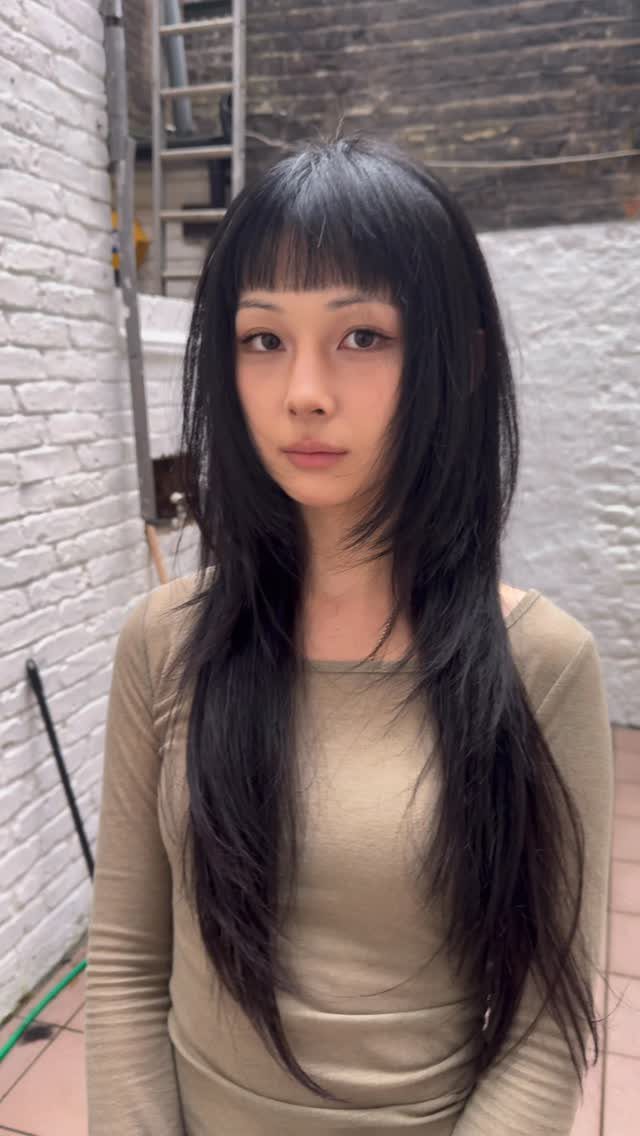
The ends are point-cut or razor-tapered so the fringe breaks into soft, feathered pieces rather than sitting in one blunt line.
Most land between brow and lash, and the feathered texture helps them taper into side layers instead of sitting as a separate piece.
Straight or barely wavy hair gets natural movement from the feathered edge with little help from a brush or iron.
A quick pass with a round brush bends the ends slightly outward, or you can let them air-dry and the texture will still read as soft rather than blocky.
19. Choppy Bangs
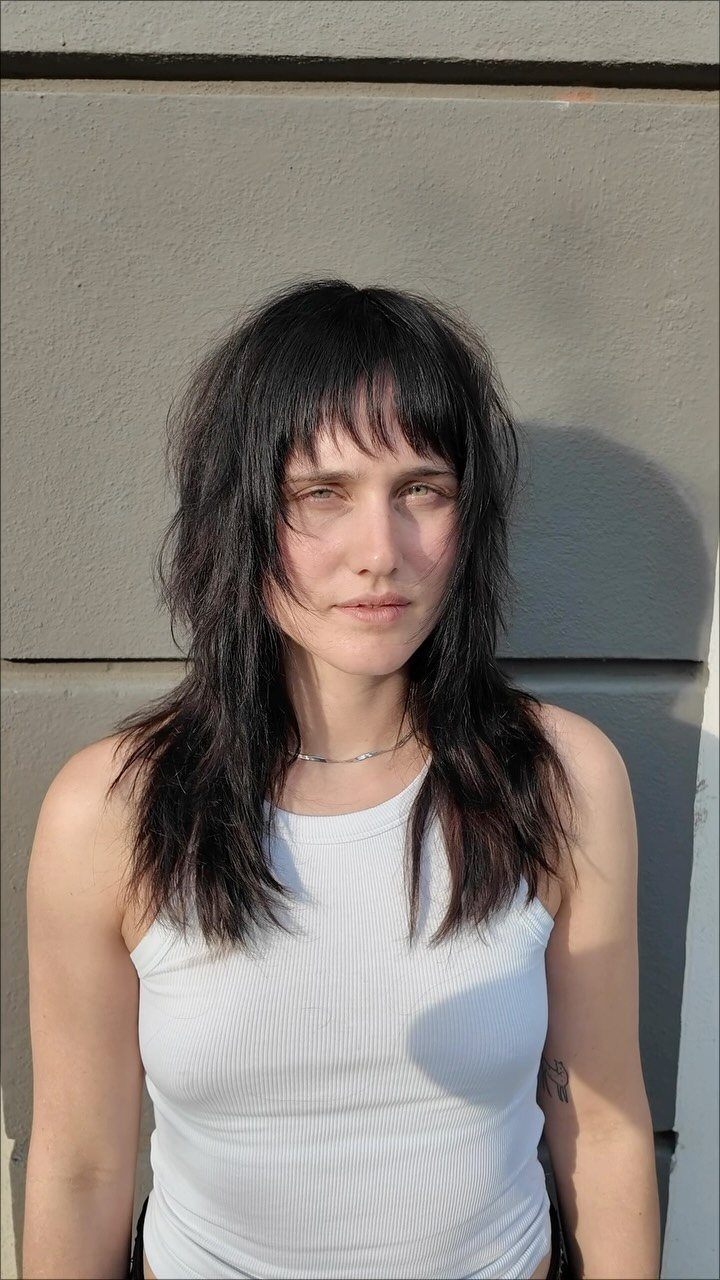
The pieces are cut to intentionally different lengths, creating a broken-up edge rather than one clean line.
Most stylists use point-cutting or a razor to stagger the ends, and the result reads as more textured and less polished than a blunt or feathered fringe.
If you want bangs that don’t look precious, this gives you that.
The uneven lengths mean they separate naturally and don’t need much styling to look deliberate. Straight hair shows the choppiness most clearly, while wavy hair softens the effect slightly but still keeps the edgy finish.
20. French-girl Fringe
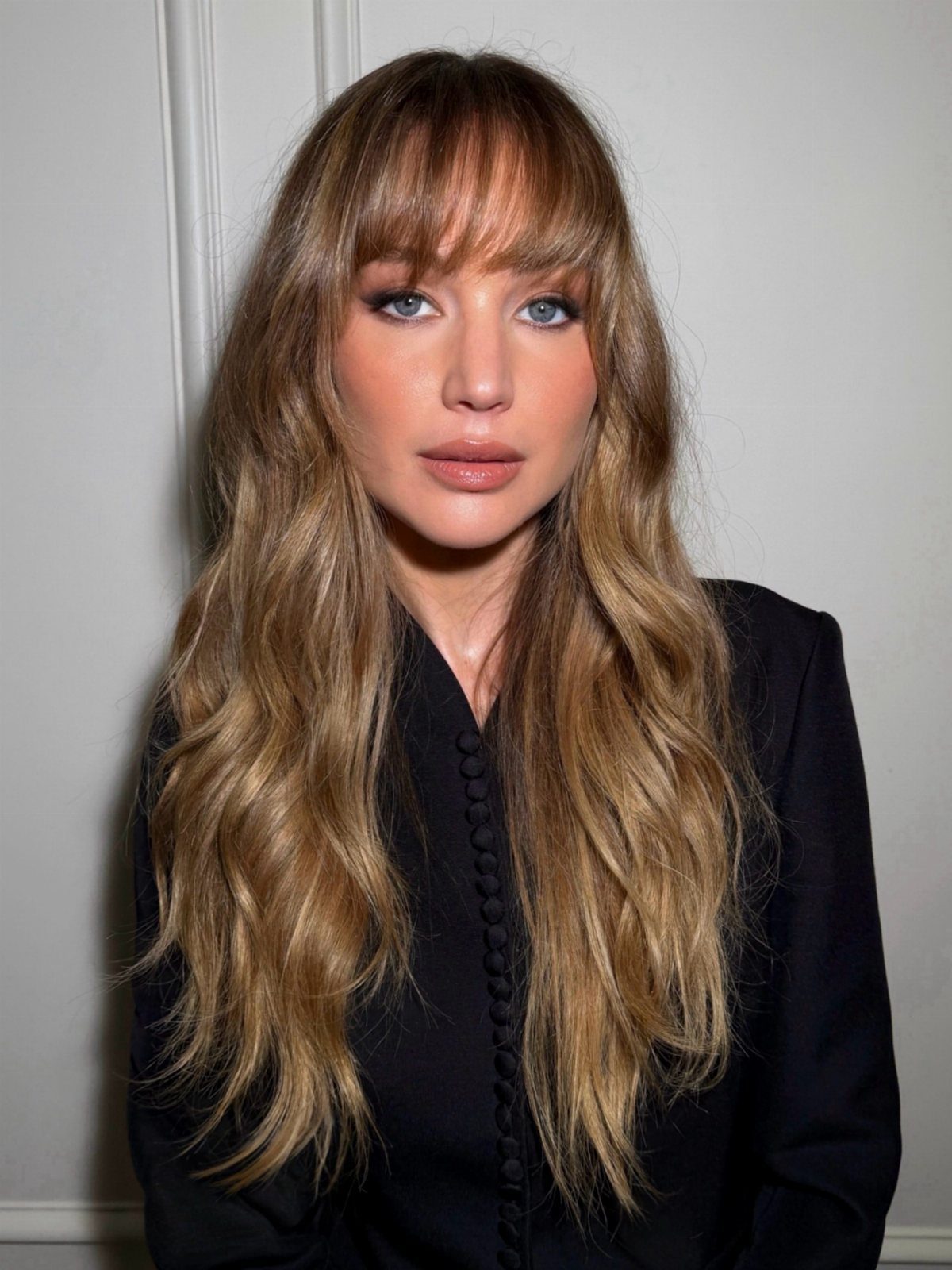
The bangs sit full and slightly longer than brow-skimming, usually just past the brows, with enough texture through the ends that they don’t read as one heavy block.
The cut keeps weight in the fringe without making it look too styled or rigid, and the overall effect is casual rather than precise.
I find this works best on hair that already has a bit of wave or natural movement, since the undone look depends on the bangs falling slightly differently each day.
Straight hair can carry it if you add a texturizing spray or let them air-dry instead of blow-drying flat.
21. Butterfly Cut
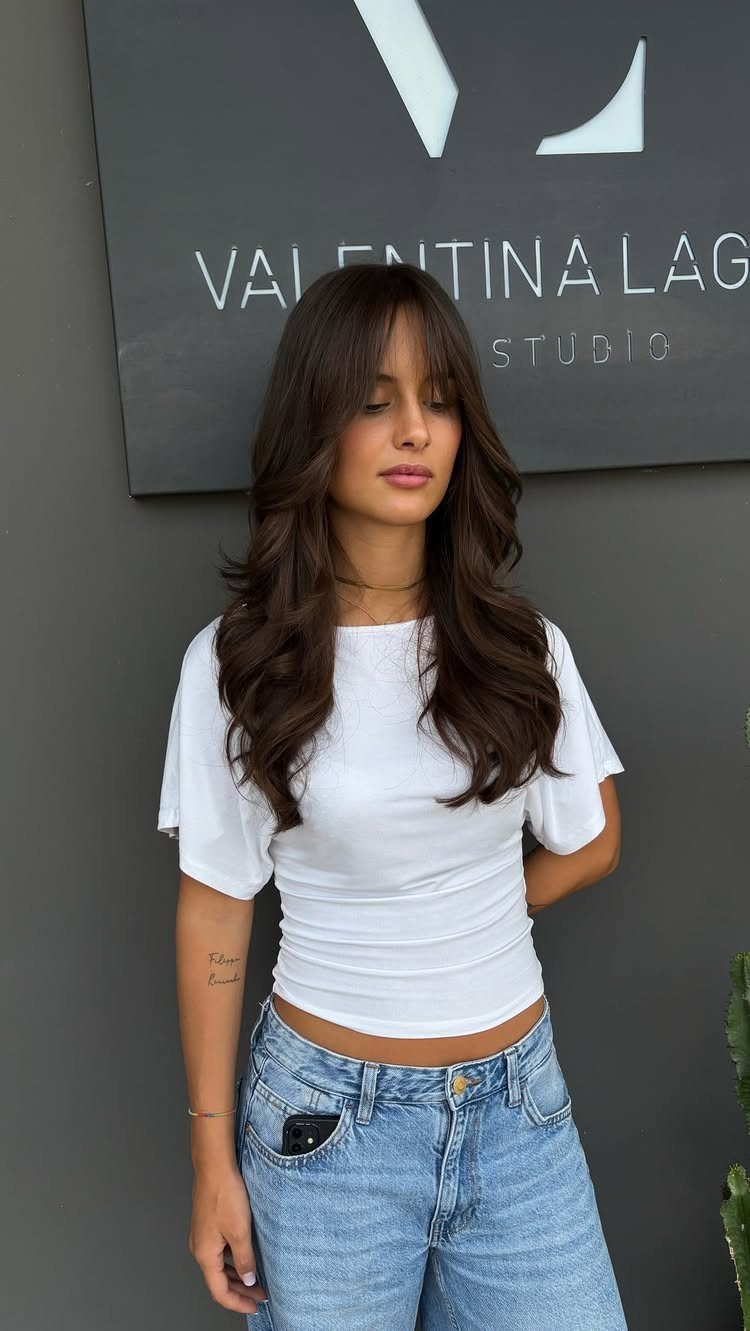
Shorter layers are cut through the crown and midlengths, then blended into longer pieces at the bottom, so the hair fans out with volume through the top half and tapers to thinner ends.
The bangs are layered into the shorter sections at the front, creating a face-framing effect that connects directly to the rest of the cut.
The shape depends on the contrast between the shorter and longer layers, so if your hair is very fine, the bottom lengths may look thin compared to the volume on top.
Hair with natural texture or body makes the stacked layers readable as 2 distinct tiers.
22. Octopus Haircut
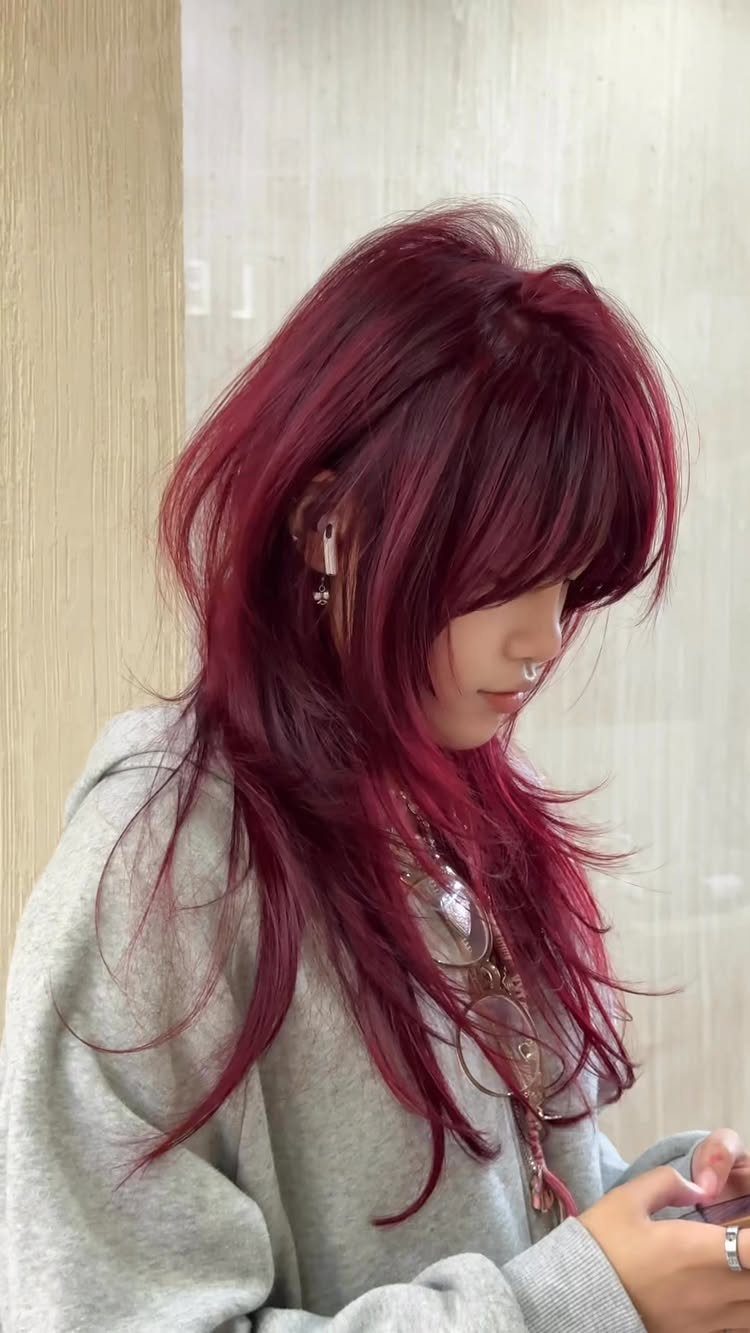
The cut combines shorter, choppy layers around the face and crown with longer, more separated lengths underneath, creating a silhouette that’s fuller on top and tapers into thinner, tentacle-like pieces at the ends.
This is a high-texture cut that needs regular trims to hold its shape.
23. Wolf Cut
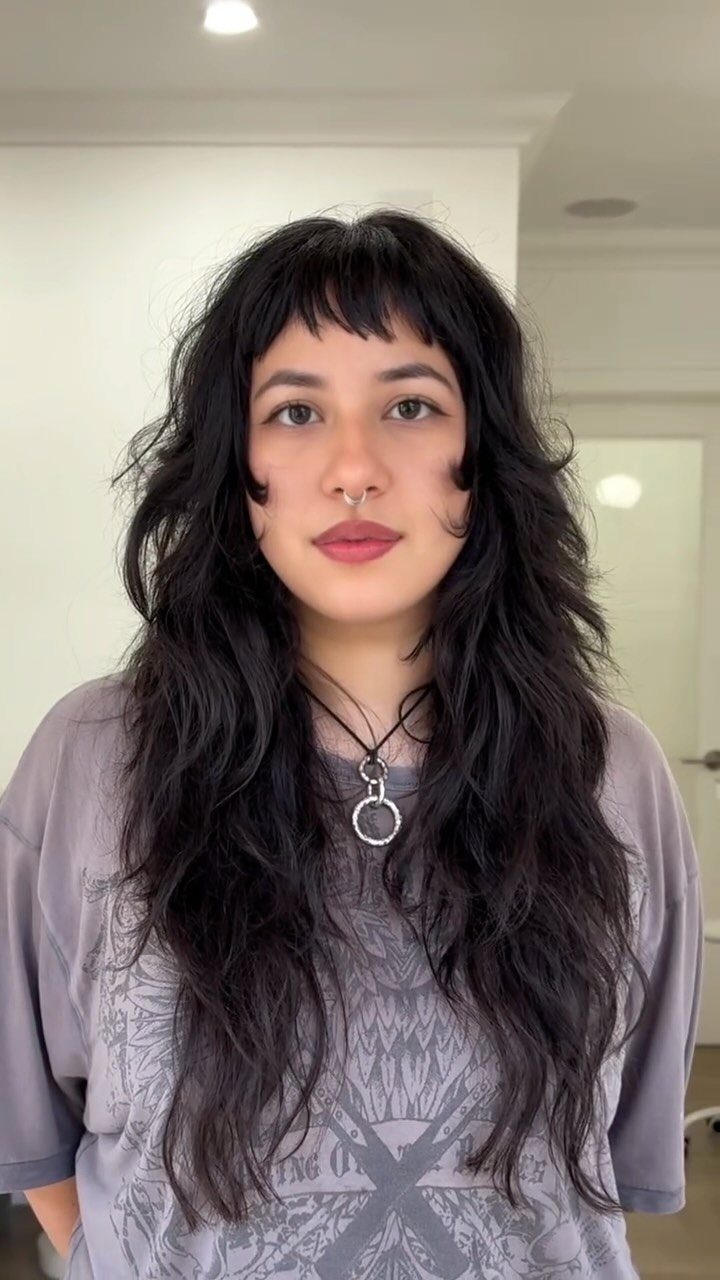
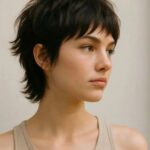
Heavy layers are cut through the top and crown, creating volume and separation there, while the lengths stay long and the bangs sit lightweight and choppy.
The overall shape is textured and undone, with the top layers lifted away from the head rather than blending smoothly into the rest.
If your hair is thick, the wolf cut removes weight where it tends to sit heaviest.
Fine hair can struggle with the shape, since the short top layers sometimes collapse without enough body to hold the lift. Most versions need a texturizing spray or mousse to keep the separation visible.
24. ’90s Layers
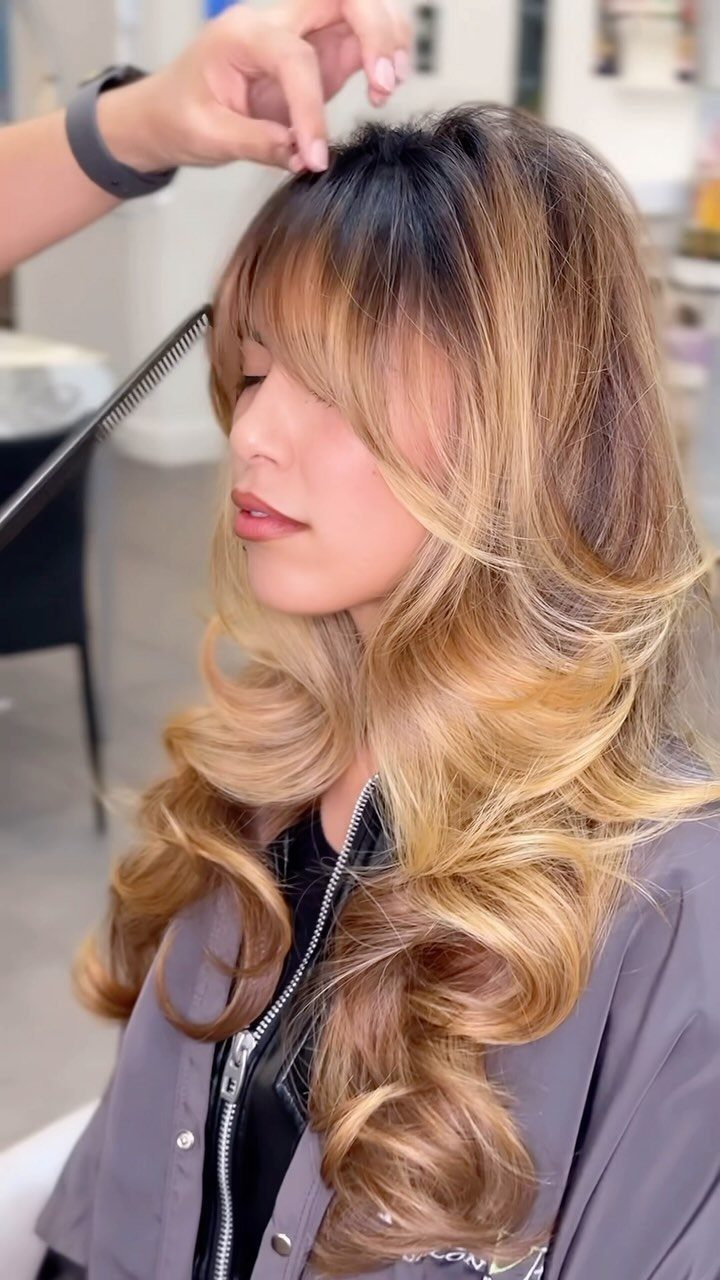
Layers are cut starting high, often at chin or cheekbone level, and stacked all the way down through long lengths, creating volume and movement that fans out rather than lying flat.
The bangs are layered into the front sections, and the overall effect is full-bodied and intentionally voluminous.
This cut adds visible volume if your hair is thick or naturally wavy, but it also works on finer textures if you blow-dry with a round brush to lift the layers.
25. Bombshell Blowout
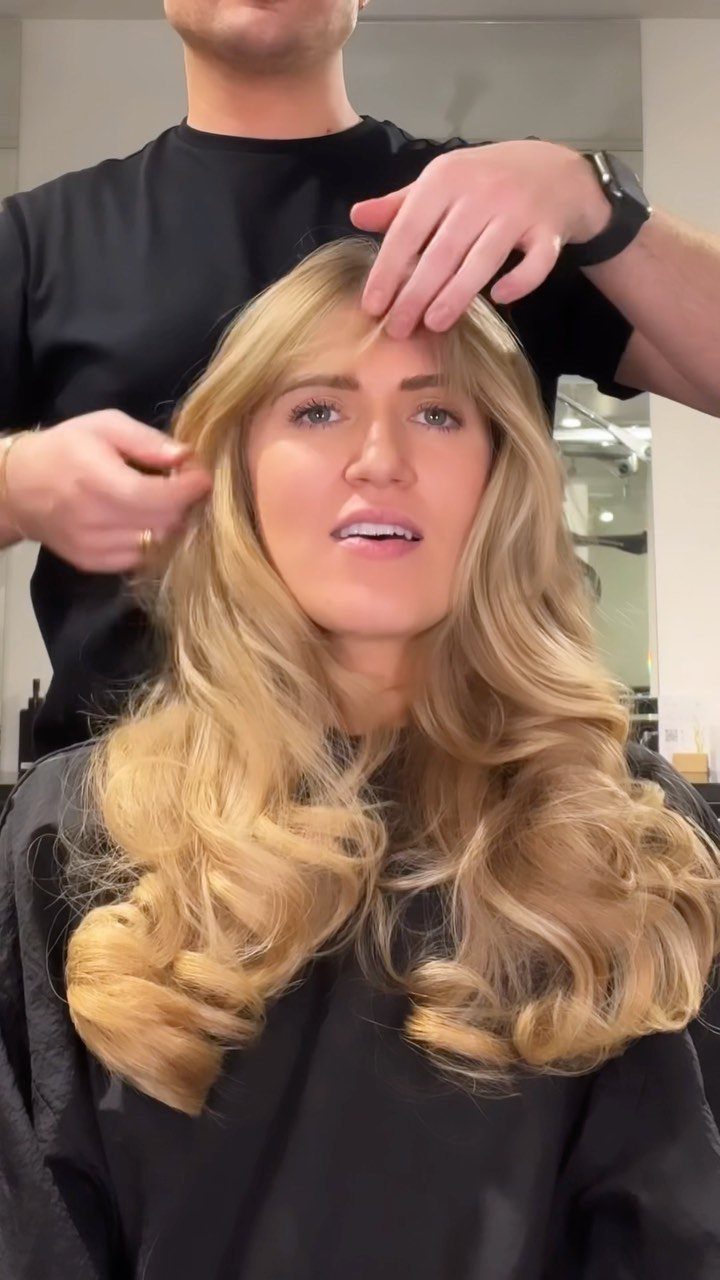
Long layers are blow-dried with a large round brush to create body at the roots and soft curls through the lengths, finishing with bangs that sweep across or to the side rather than sitting flat.
The shape depends on lifting sections away from the scalp as you dry them, then wrapping the ends around the brush to set the curl.
If you have the time, a blowout like this gives polish for events or occasions when the hair needs to look intentionally styled.
Expect time with a dryer and brush, and plan to refresh it with a curling iron the next day if you want the volume to last.
Choosing Bangs by Face Shape
Oval faces can wear most styles because the proportions already balance. Texture matters more than face shape when you pick bangs.
A round face needs bangs that lengthen rather than widen.
Square faces soften with anything piecey, feathered, or face-framing.
Softening a square jaw takes movement, not weight. Blunt, heavy bangs repeat the angles instead of softening them.
Long faces need horizontal weight. Blunt bangs and full bangs shorten the face visually.
Connecting Bangs to Lengths
Curtain bangs already build that bridge into the cut, which is why they sit so easily on long hair.
One-length hair needs more bridging. Long layers already connect to the bangs because the shortest pieces meet them naturally.
Bang Upkeep and Styling
Blunt bangs take about 2 minutes but need daily styling and trims every 3 to 4 weeks.
Side bangs need almost no styling and tuck behind your ear once they grow long enough.
Wispy bangs take about 2 minutes and grow out without much drama.
Hime cuts need salon visits every few weeks to hold the sharp lines at the sides and the blunt microbangs across the forehead.
If you have never had a fringe, start with curtain or side bangs.
Frequently Asked Questions
Are bangs in or out for 2026?
Curtain bangs, face-framing bangs and textured styles like shaggy or choppy bangs remain popular, while blunt bangs and longer swoopy fringes continue as strong options for anyone wanting definition or drama.
The shift is toward styles that blend into layers rather than sitting as one heavy block, which makes them easier to grow out and style day to day.
What are some good bangs options for women over 50 with thin hair?
Curtain bangs, side-swept bangs and wispy bangs work well because they add density at the front without requiring a thick section that fine hair may not support.
Cut from a wider section at the crown to keep coverage even, and leave the shears alone so each strand holds its full thickness.
A fringe pulls focus to the eyes and cheekbones, and because longer styles grow into face-framing layers, the grow-out is gentler than with blunt bangs.
What are some different types of haircuts for long hair?
Long layered cuts, wolf cuts, butterfly cuts, shags, fairy cuts and bombshell blowouts all sit past the shoulders with varying amounts of texture and volume through the crown and midlengths.
The difference between them is where the shortest layers start and how much weight stays at the ends, which changes how the cut frames the face and how much daily styling it needs.
Should a woman over 40 wear bangs?
A fringe can rebalance proportions and bring attention back to the eyes, and curtain or side-swept bangs do that work without the daily styling that heavier, blunt cuts demand.
Longer, piecier bangs read as part of the haircut rather than something separate you have to fix every morning, which is why they work for more people than short, blunt fringe.
Why do bangs on long hair need a bridge?
Tapered face-framing strands that graduate from the fringe down to the cheekbone or jaw keep the bangs from looking like a separate piece floating above the rest of the hair.
Blunt bangs or other styles with a hard edge need a few graduated pieces cut at the corners to avoid the disconnected line.