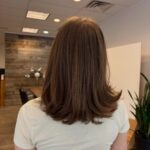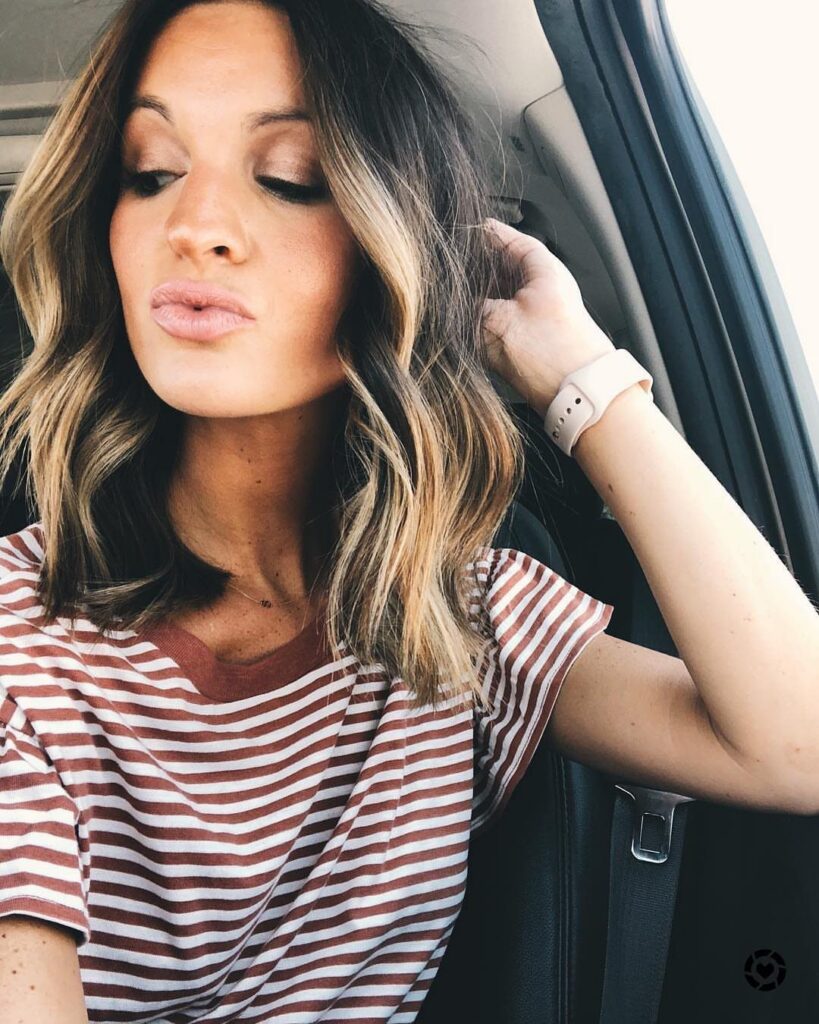
A bob ends above the shoulders, a lob reaches them or falls just past, and dozens of small decisions inside that range (the angle of the baseline, where layers start, how much weight sits at the ends) change which faces and textures the cut flatters most.
The line falls between your jaw and collarbone, a range that softens a strong jaw, balances a round chin and leaves most cheekbones visible without framing them too tightly.
Texture decides how much work the cut needs each morning: straight hair holds a bend or flick with heat, wavy hair often air-dries into the shape the cut gives it, and curly hair shrinks up enough that what looks shoulder length wet lands closer to the chin dry.
1. Asymmetrical Bob
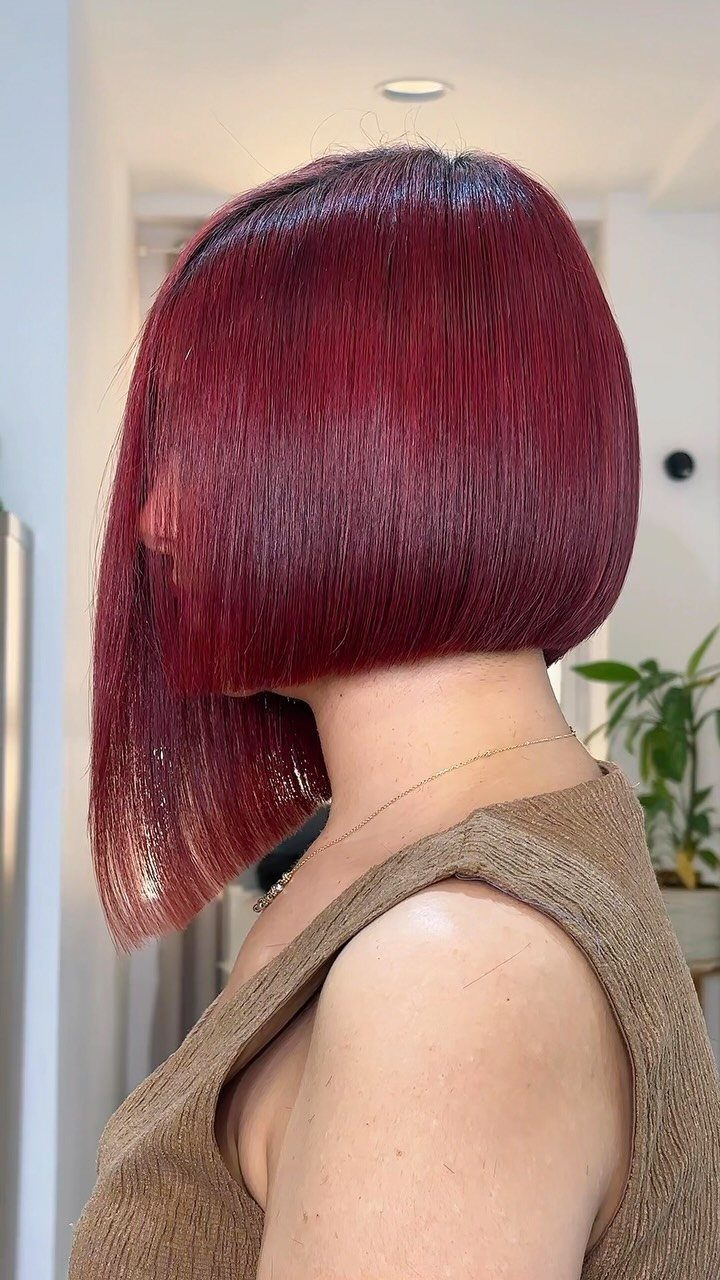
One side falls longer than the other, often by an inch or more. The difference reads clearly when hair is worn straight and tucked behind one ear.
Anything less softens into something closer to a side part within a few weeks.
Straight hair shows the angle best, though a slight wave still reads clearly. Curls compress the length difference and make the unevenness harder to spot.
2. White Lotus Bob
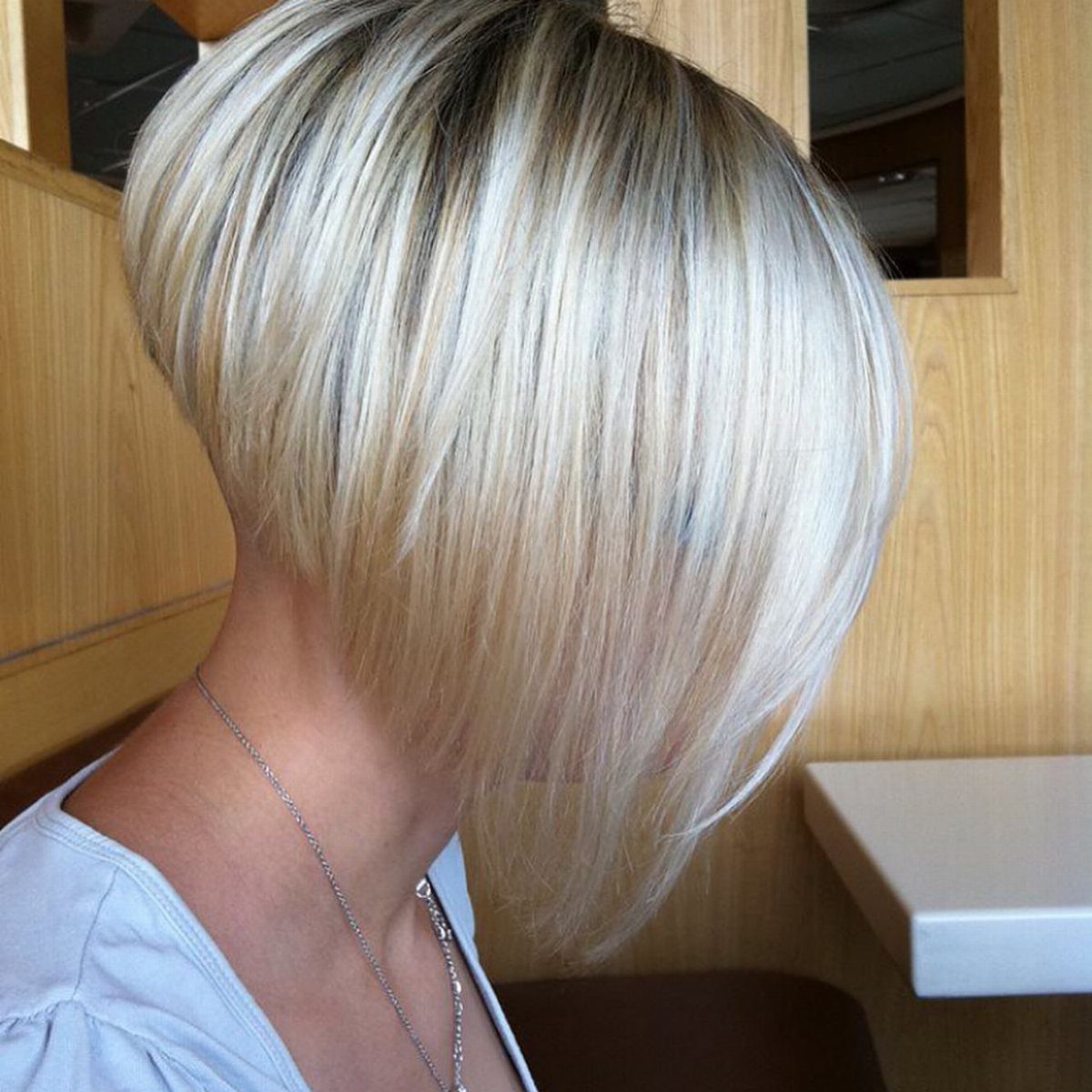
Side-swept fringe meets a length that skims the collarbone. The long piece at the front usually starts at cheekbone level and angles back toward the rest of the cut.
Blonde tones lift the contrast between the sweep and the rest of the shape. A darker root keeps the cut from looking too high-maintenance as it grows.
Hair needs enough weight to hold a curve. Fine or very straight textures may need a round brush and a few minutes with a dryer to get the sweep to stay put through the day.
3. Sleek Middle-parted Bob
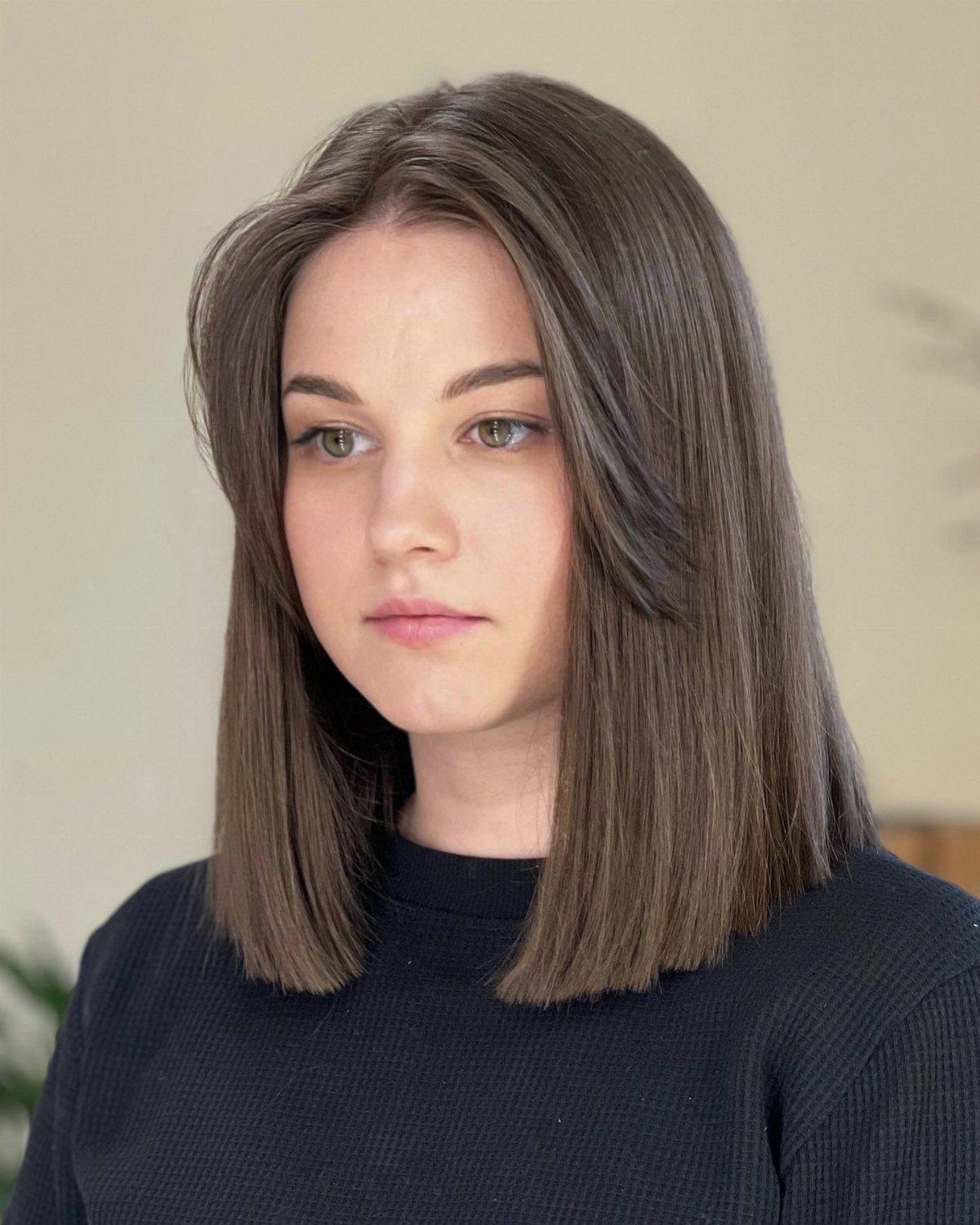
Length lands between the collarbone and shoulder, with ends cut straight across. The part runs exactly down the center, and hair is usually ironed flat or blown smooth.
This cut shows every irregularity. If one side of your hair grows thicker or sits fuller than the other, the middle part will make that visible.
Skipping appointments lets the ends feather out, and the whole shape softens into something closer to a layered lob.
4. Side-swept Bleached Bob
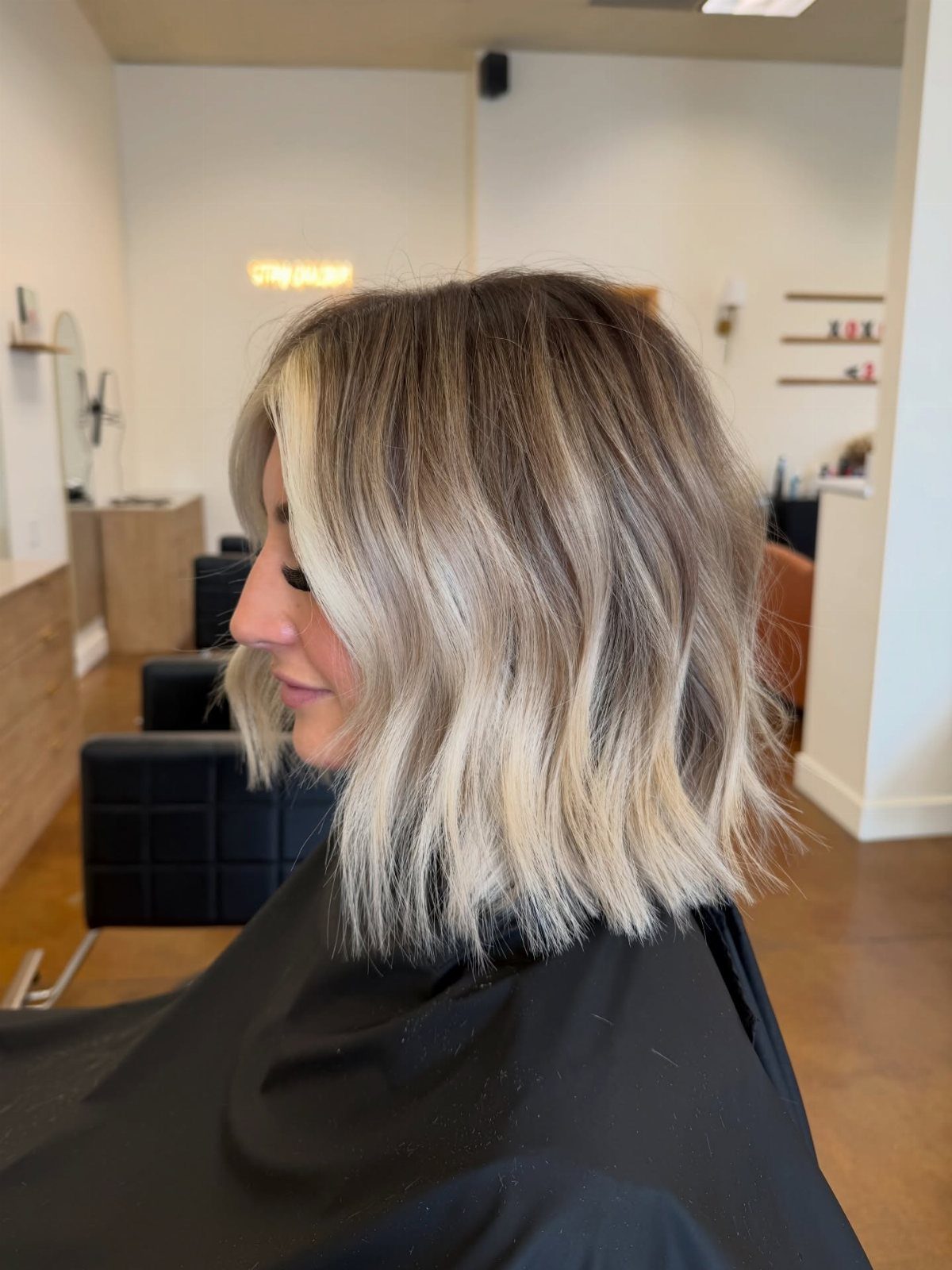
Bleach lifts hair to pale blonde, and the cut sits just above shoulder length with shorter pieces framing the face. A wave iron or large-barrel curler bends the ends into soft, loose curves that move as you turn your head.
Bleached hair needs more conditioner than virgin color. I’d add a leave-in after every wash and a mask once a week to keep the texture from turning straw-like.
The side sweep works best on hair with some natural body. Completely straight strands may need a texturizing spray to hold the shape without looking stiff.
5. Mob with Blowout Curls
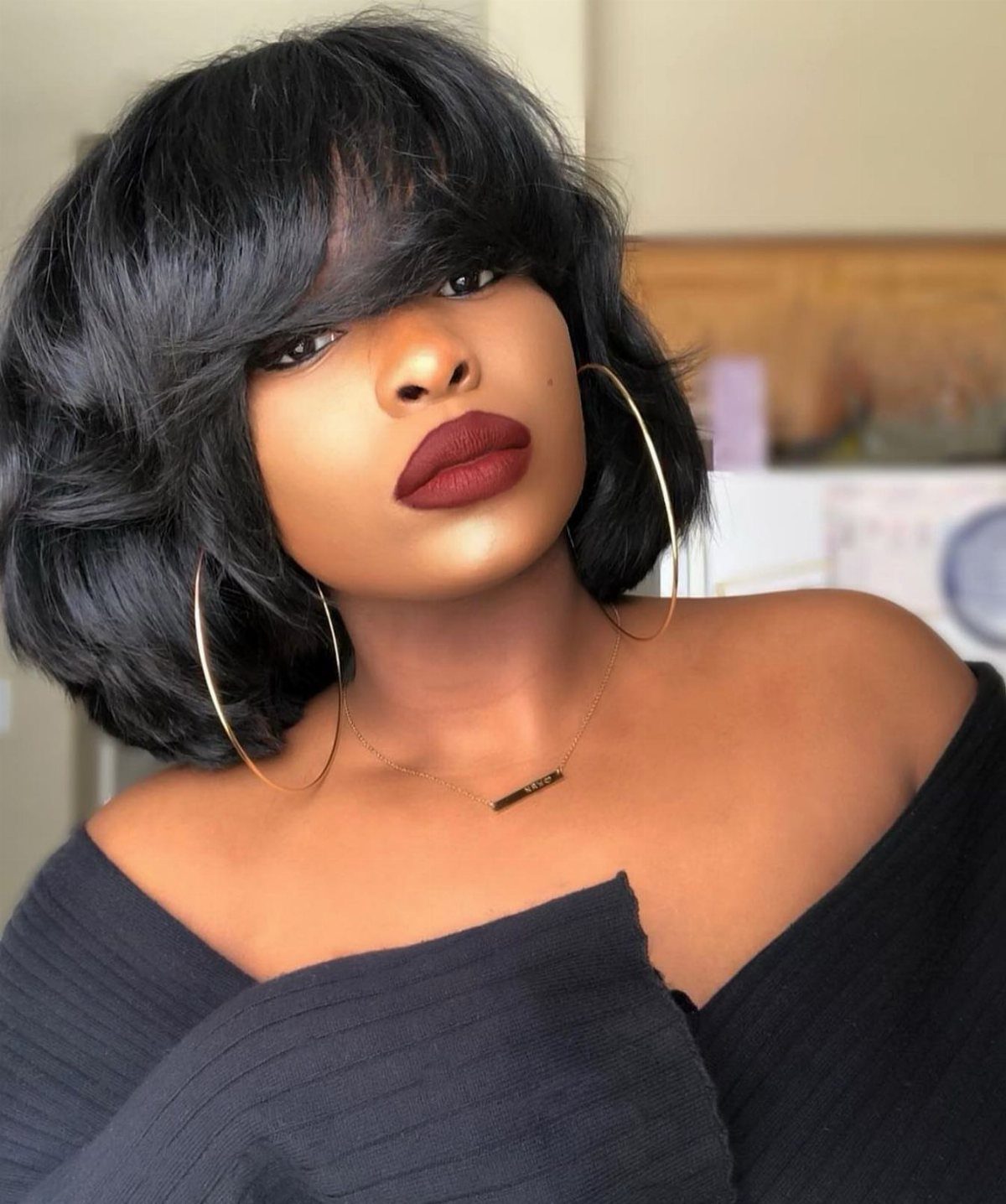
Big, rounded curls with a glossy finish. The length hovers just above the shoulders, and the volume makes the hair look thicker than it is.
A round brush and a blow-dryer are the usual tools.
Start at the roots, pull the brush through each section slowly, and roll the ends under as you dry. The slower you move the brush, the more bend you get.
6. Pixie Bob with Rounded Back
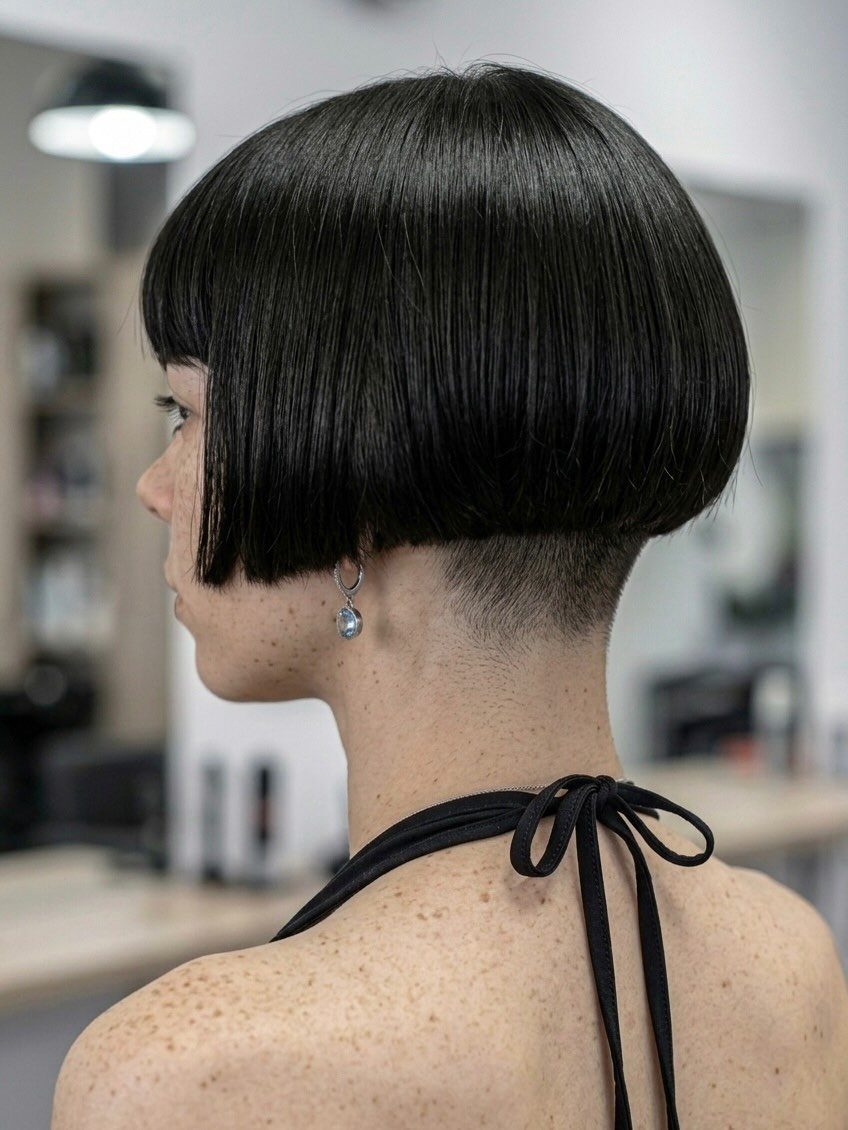
The back is clipped close to the head, rounded at the crown, and longer through the top and sides.
The nape is buzzed short or shaved clean, and the transition from short to long curves smoothly rather than stacking in steps.
This cut needs frequent trims to keep the rounded shape. Let it grow past that and the silhouette flattens out.
If you’re growing out a pixie but want something besides awkward in-between length, this offers a middle step with a cleaner line than most.
7. French Bob
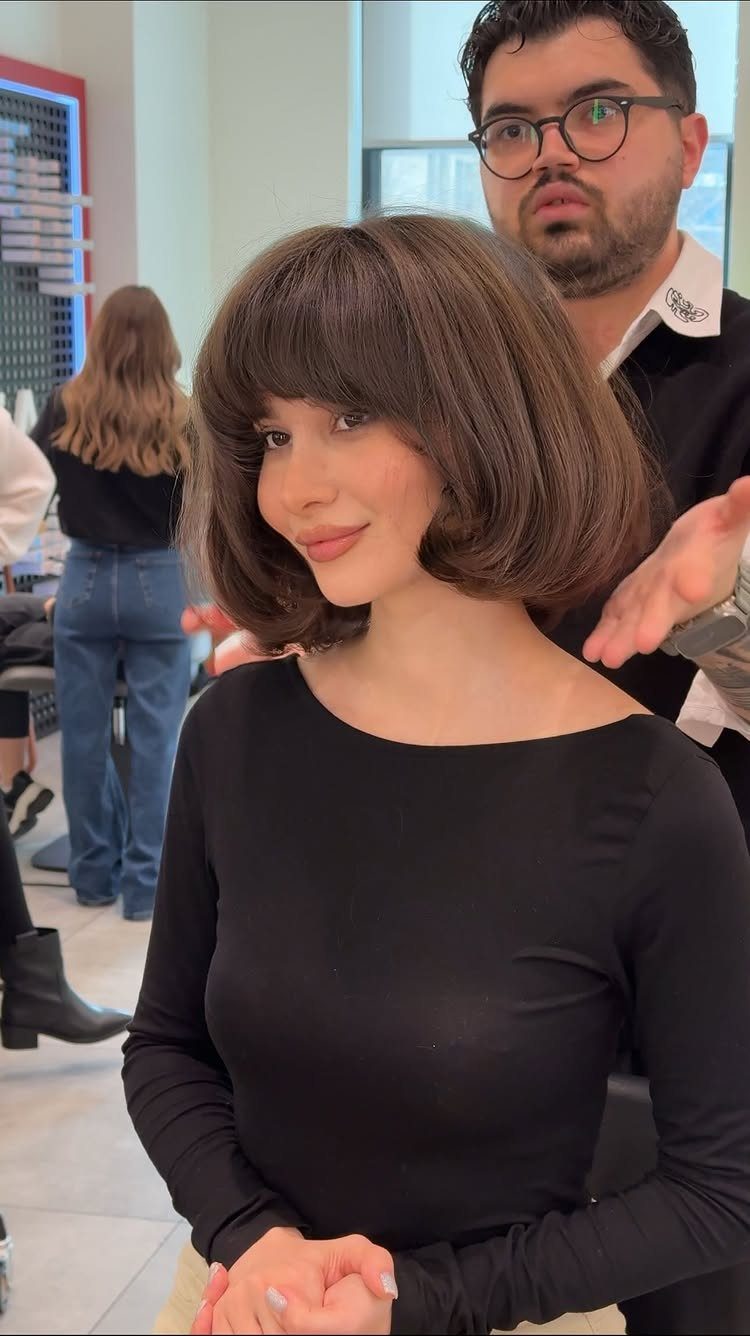
The cut ends at the jaw and kicks out slightly at the ends. Bangs sit thick and straight across the forehead, usually landing just above the brows.
This reads most clearly on straight hair. Texture softens the blunt line and shortens the apparent length, so if your hair has wave or curl, ask for an extra half-inch.
The shape grows out fast. The ends lose their flare and the bangs start to fall into your eyes as the cut grows out.
8. Wavy Bob
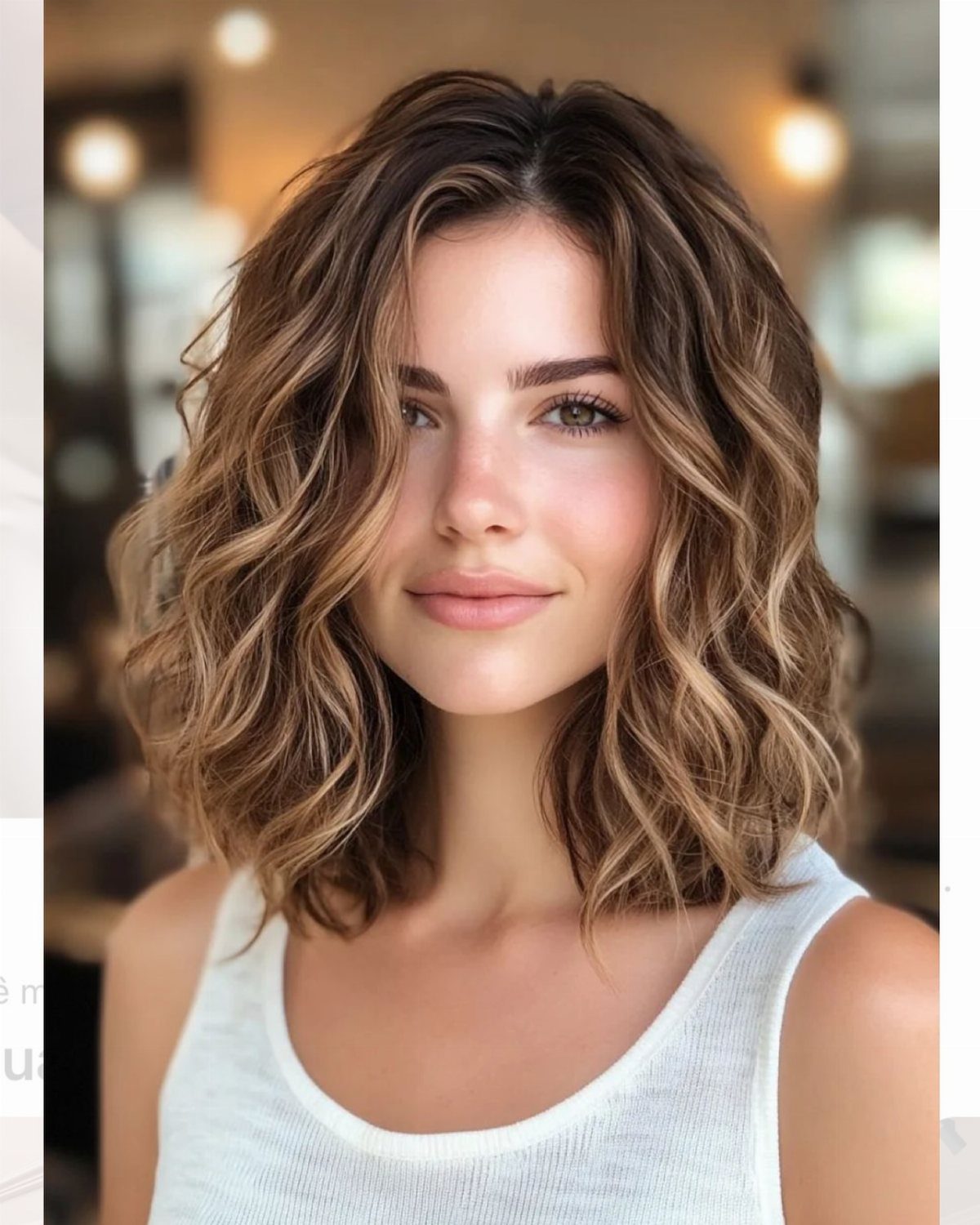
Shoulder-length hair bent into loose, irregular waves. The texture looks like second-day beach hair, not fresh-from-the-salon curls.
A flat iron or wand works better than a curling iron. Wrap random sections around the barrel, skip a few pieces entirely, and leave the ends straight on some.
Salt spray adds grip if your hair is fine or slippery. Without it, the waves may drop out by midday.
9. Layered Lob
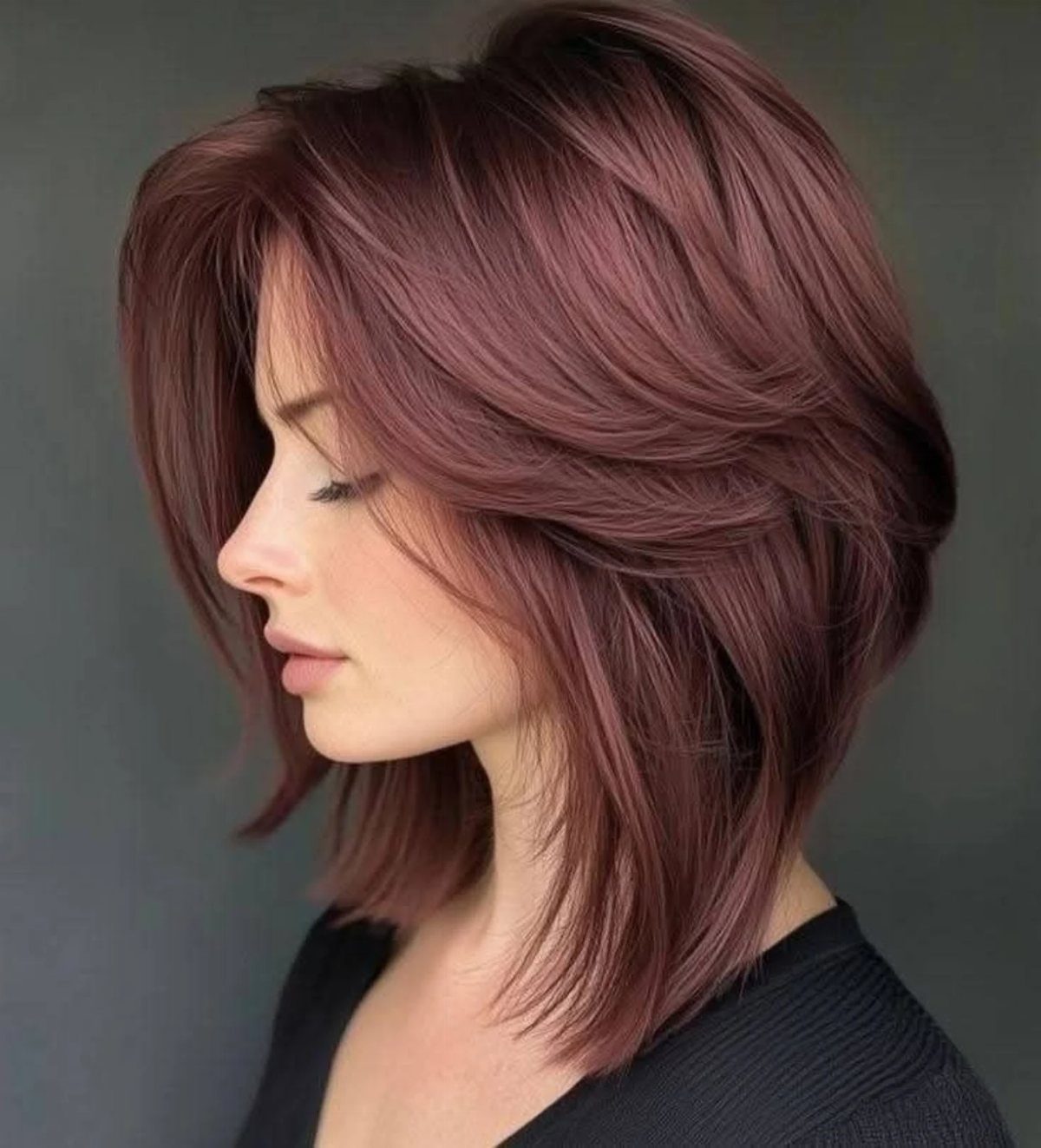
Layers cut through shoulder-length hair to lift the weight and add movement. The shortest pieces usually start around the chin, and the longest fall just past the collarbone.
Completely straight hair may need a round brush or a curling iron to keep the layers from lying flat.
The more layers you add, the more often you’ll need a trim to stop the ends from looking stringy.
10. Blunt Bob
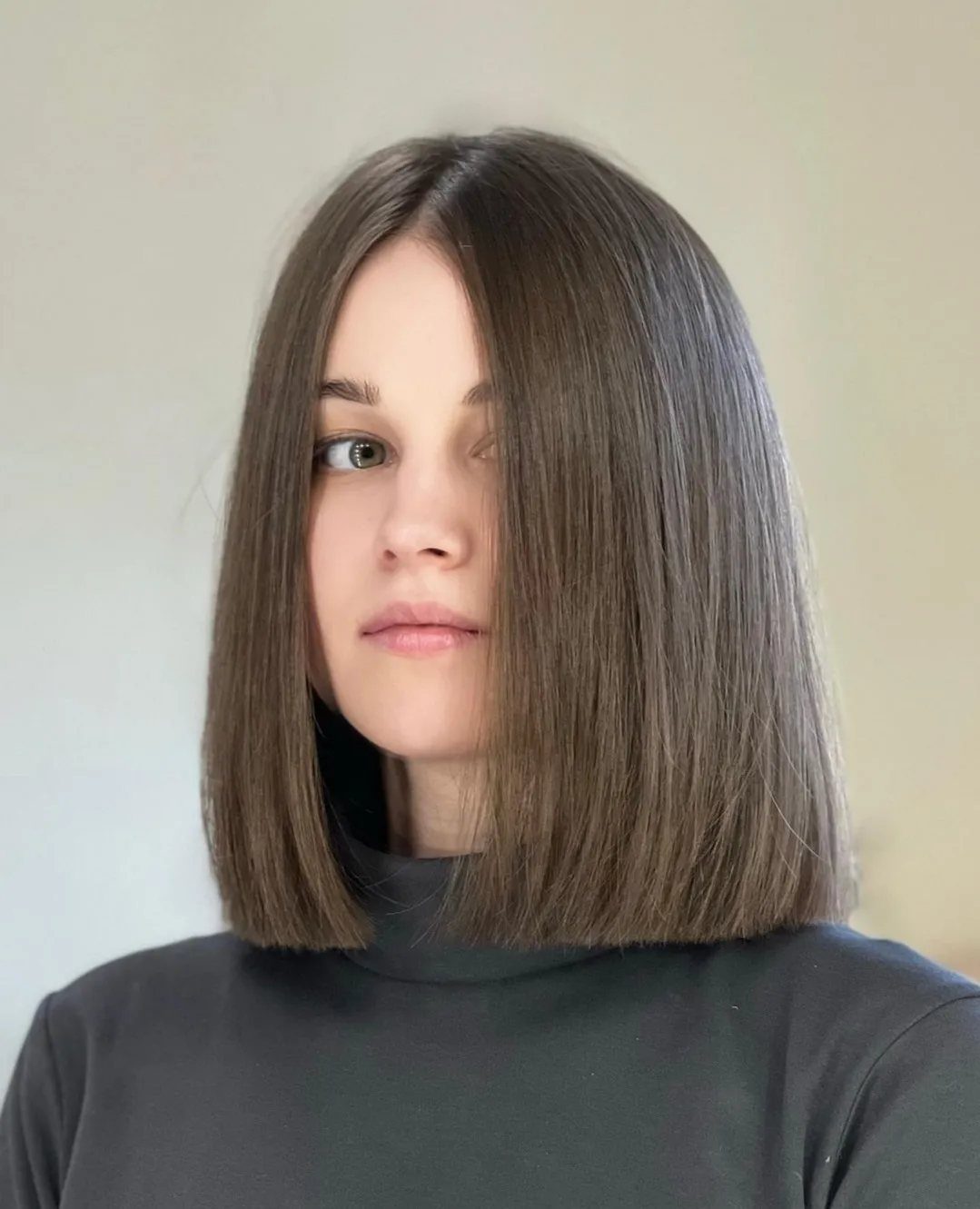
Ends cut in a straight line across, with no layers and no graduation. The perimeter stays thick all the way through, and every strand falls to the same point.
Fine hair looks fuller with this cut because nothing thins out the ends. Thick hair, on the other hand, can feel heavy and swing like a curtain.
If you want any bend or curl, you’ll have to add it yourself. The weight pulls most natural texture straight.
11. Curly Bob
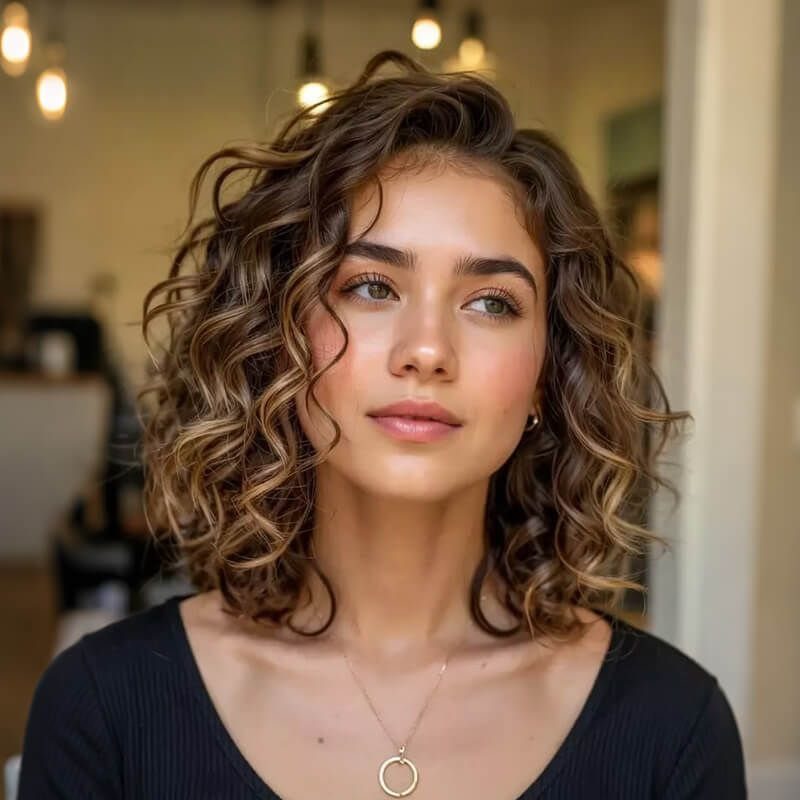
Curls stack on themselves between chin and shoulder length, and the volume spreads outward instead of hanging down. The cut removes enough weight that each curl can spring up without dragging.
Longer curls pull themselves straighter under their own weight, so cutting them shorter brings back the bounce. If your curls are tight, the dry length will sit an inch or two above where the wet hair falls.
A diffuser helps lift the roots without frizzing the ends. Skip the brush entirely.
12. Long Wavy Bob
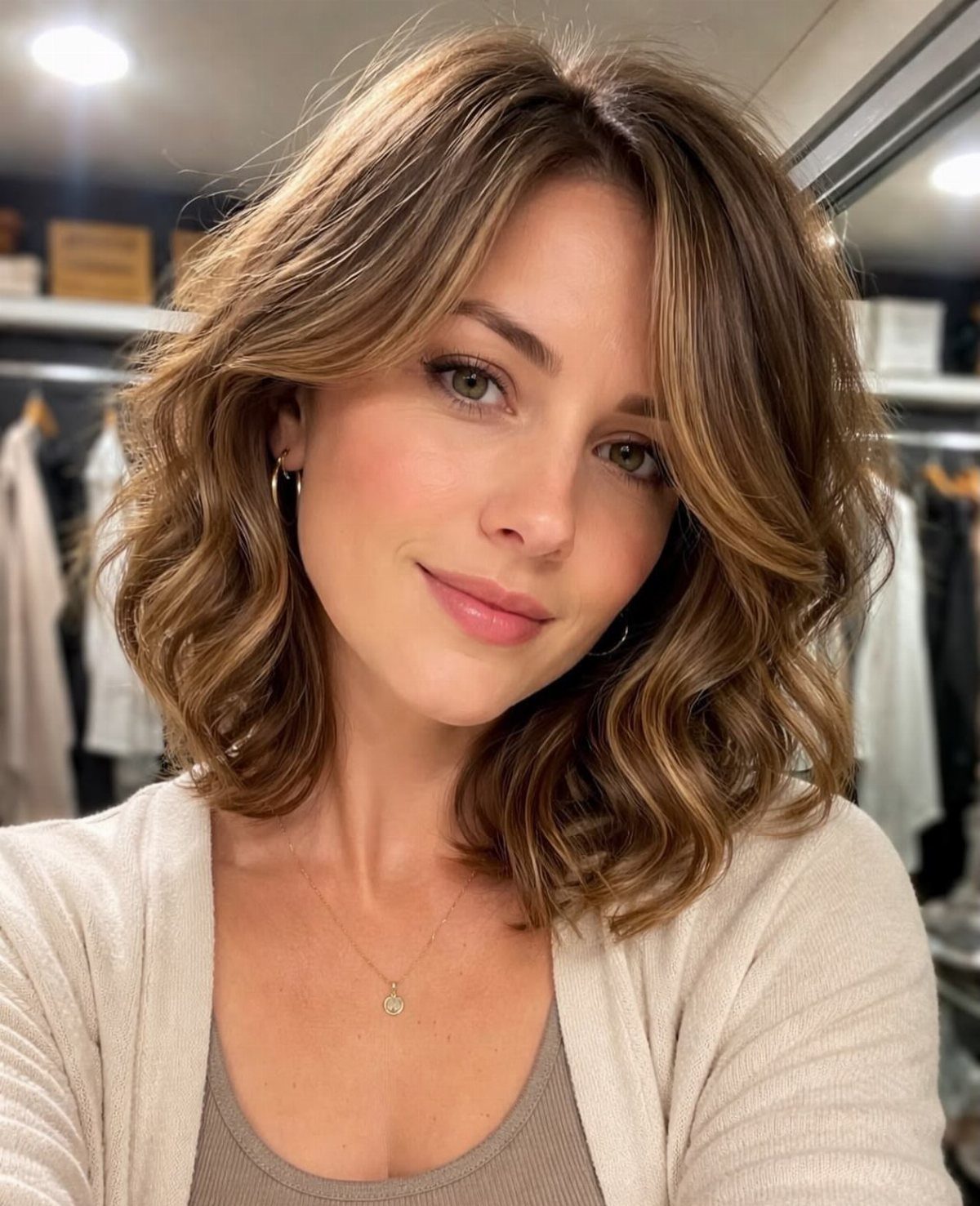
Hair falls to the collarbone or just past it, with soft bends rather than tight curls. The waves start midway down the length, and the roots stay close to the head.
A large-barrel curling iron gives the right kind of wave without too much spring. Hold each section on the iron briefly, then cup it in your palm while it cools so the wave sets without dropping.
This cut works on most textures, but very fine hair may need a texturizing spray to keep the waves from slipping out.
13. Cocktail Bob

Hair falls just below the chin and bends into loose, S-shaped waves. The side part opens up one side of the face and lets the longer piece swing forward.
Wind each piece around the barrel without pulling it tight, wait a moment, then cup it in your palm while it cools.
The wave softens a blunt cut without losing the weight at the ends.
14. Laidback Bob
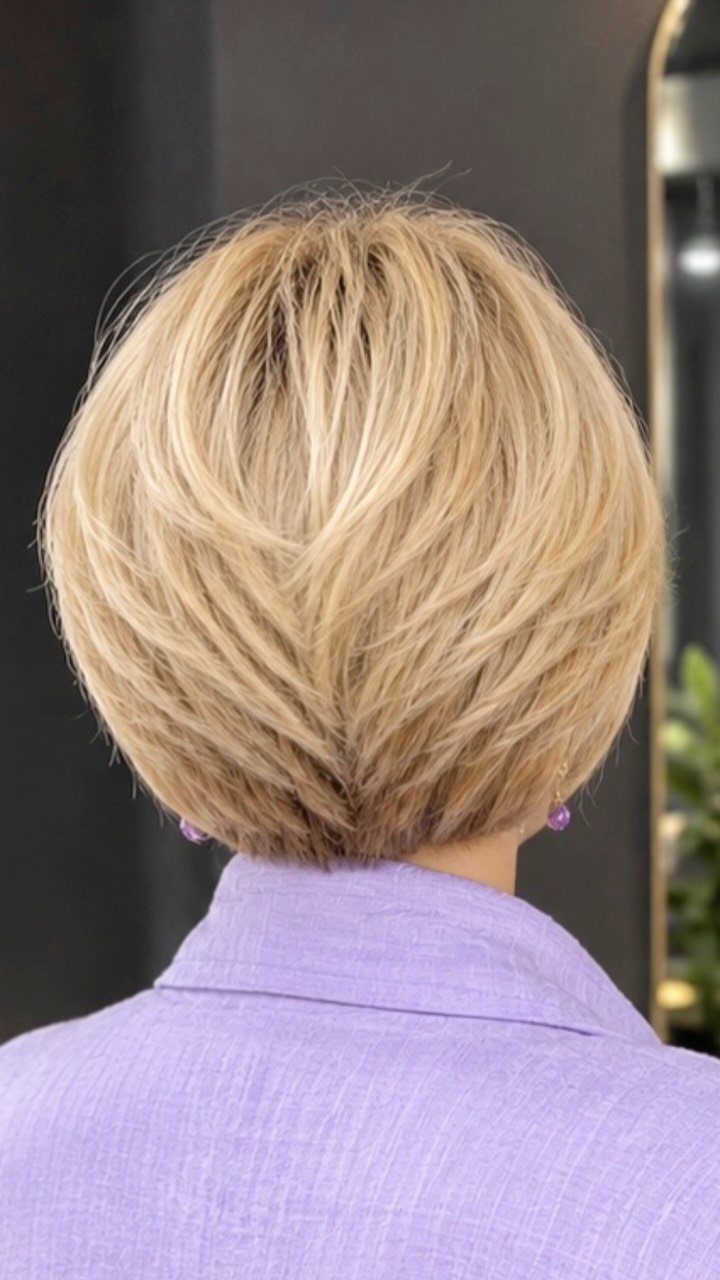
Feathered layers lift the ends away from the head and add texture through the back.
Fine hair reads fuller with this approach because the layers break up the blunt line and let each strand catch light differently.
A quick shake after toweling off usually gives enough separation, and too much heat flattens what the layers added.
15. Soft Bob
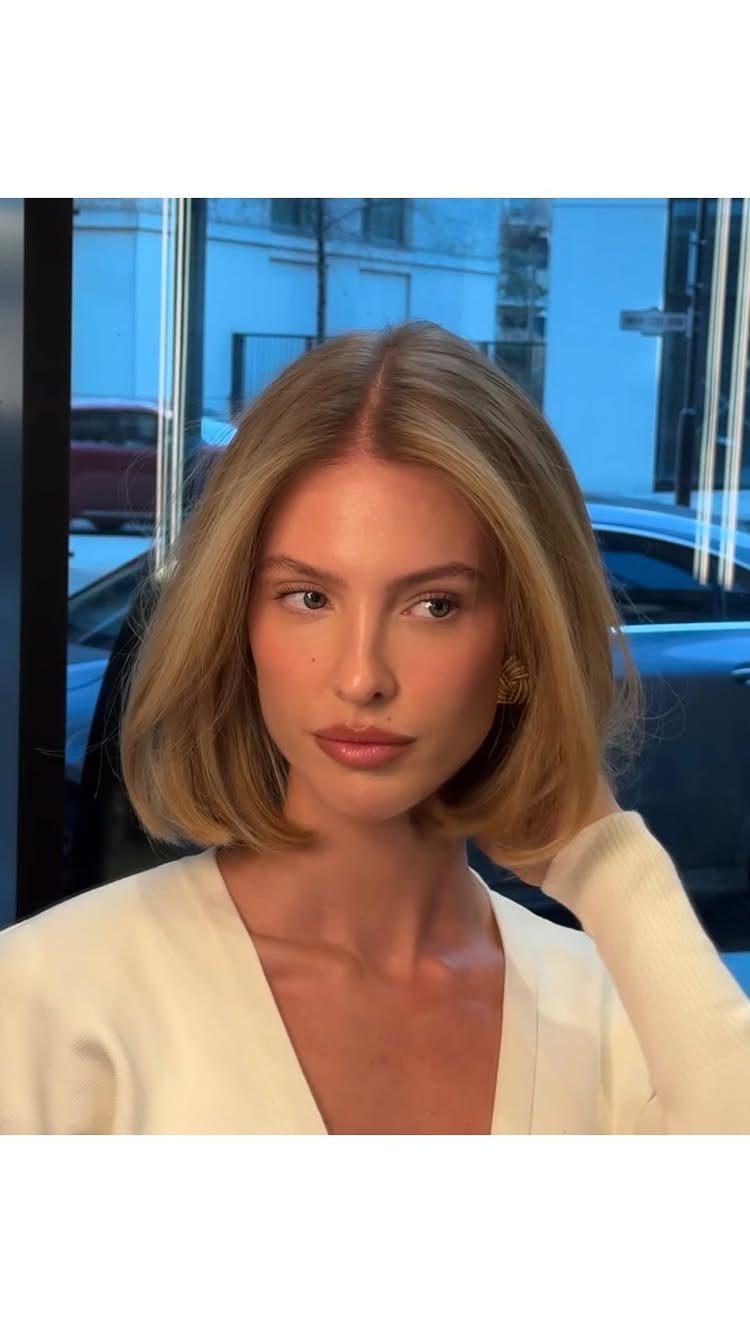
The ends curve inward toward the neck, and the volume sits higher at the crown than at the ears. A round brush pulled slowly through each section while blow-drying builds the curve and lifts the roots.
If your strands are fine, a volumizing mousse applied to damp roots before drying helps the lift last past lunch.
The inward curve keeps hair from flipping out as it dries, so mornings take less effort than a cut that fights its own direction.
16. Flicked-out Bob
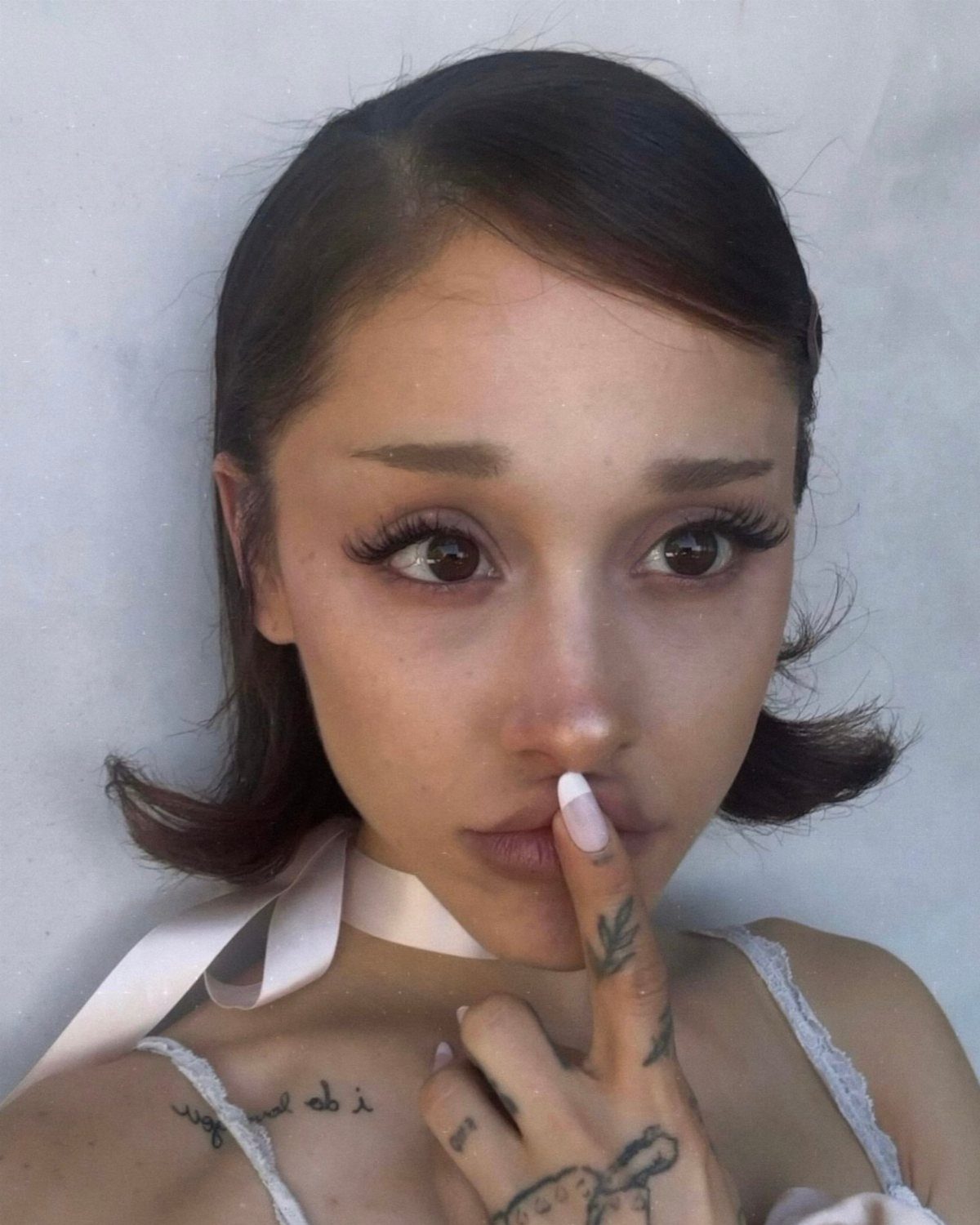
Ends flip away from the face instead of curling under. The cut usually lands between the chin and collarbone, and the outward bend adds width at the bottom.
A flat iron turned outward at the last inch gives the cleanest flick. Curling irons work too, but the bend tends to start higher up the shaft and look more deliberate.
This suits narrow faces better than round ones, since the flare widens the jawline.
17. Glamour Bob
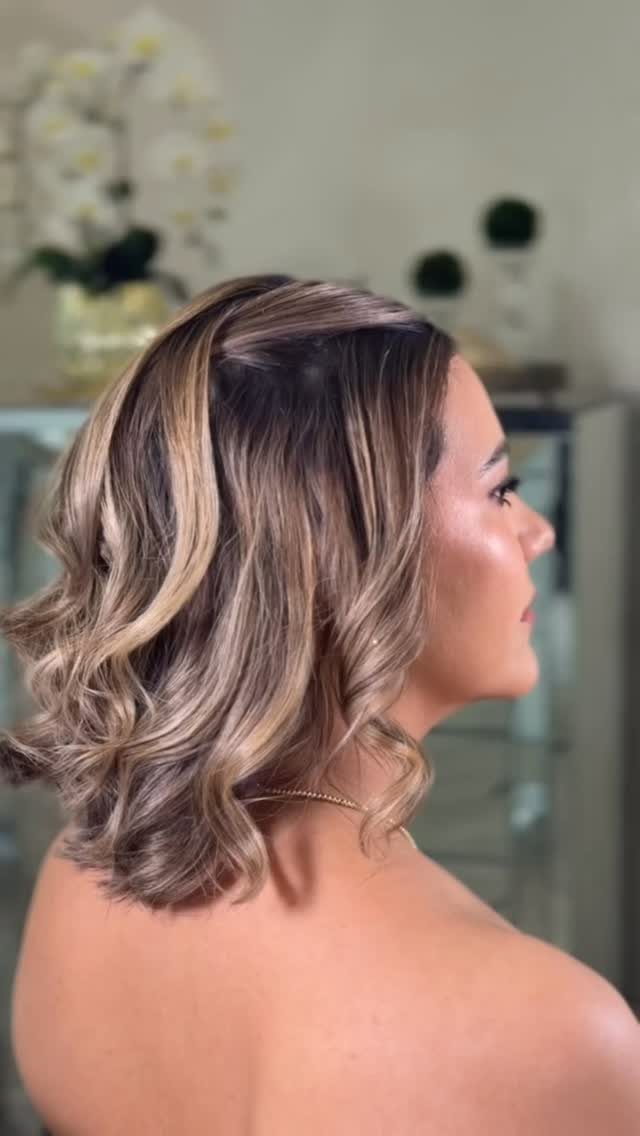
Hair bends into loose waves that start at the roots and build outward. The side part lets one side fall heavier, and the volume makes the cut look twice as full as it is.
A wide barrel and strong-hold spray keep the curl in place through the night. Roll each section away from the face, pin it while it cools, then shake it out once every curl has set.
Straight hair takes this styling more easily than wavy. If you have natural texture, the waves may stack unevenly unless you straighten first.
18. Old Money Bob
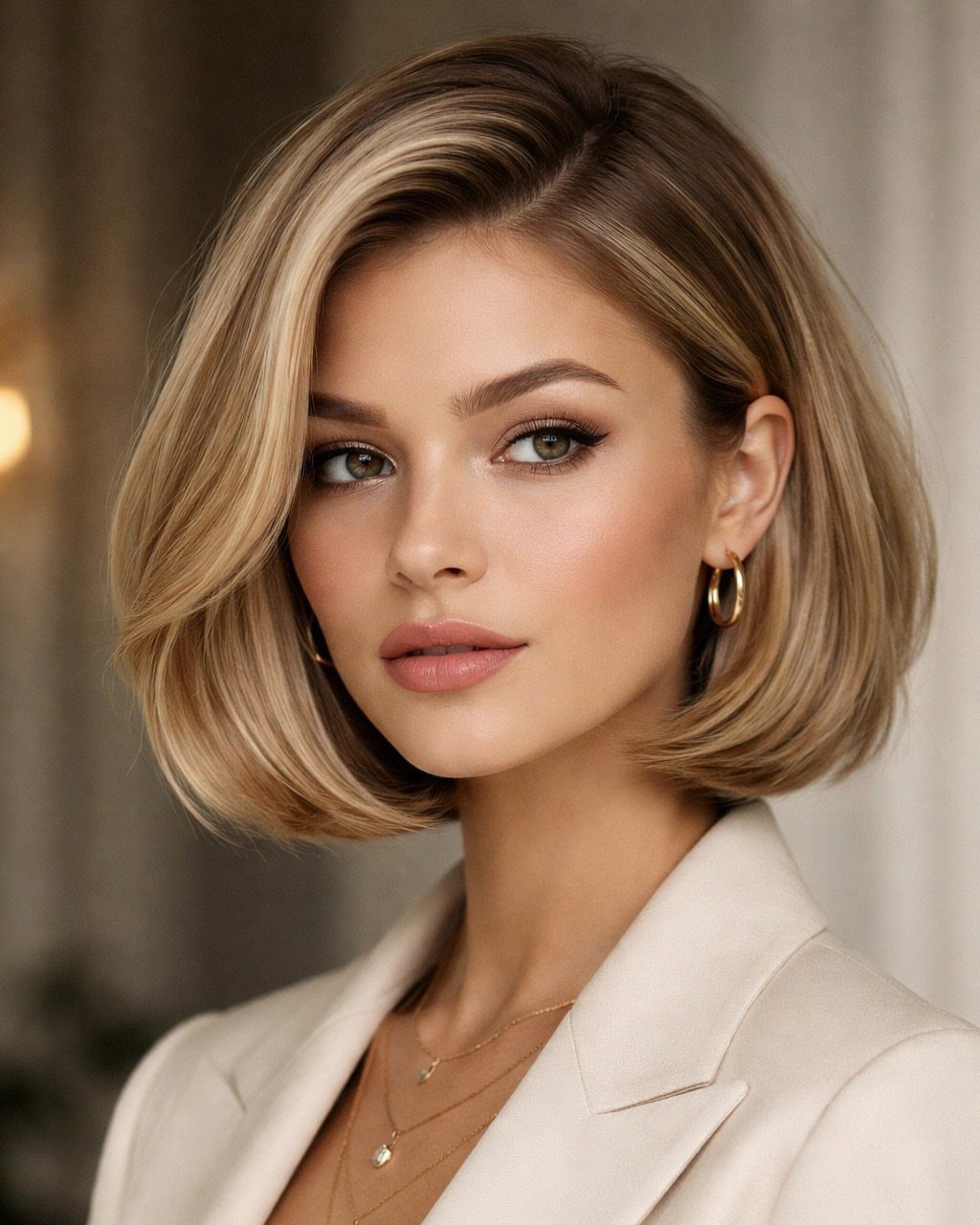
Rounded at the bottom with ends that tuck under and volume concentrated through the crown. A blow-dryer and a round brush are the usual tools, and the result looks polished without reading as formal.
Pull the brush down and under at the same time, rolling the ends inward as the section dries.
This cut suits thick hair better than fine. Thin strands may need a setting spray and a few extra minutes with the dryer to keep the shape from dropping.
19. Classic Chin-length Bob
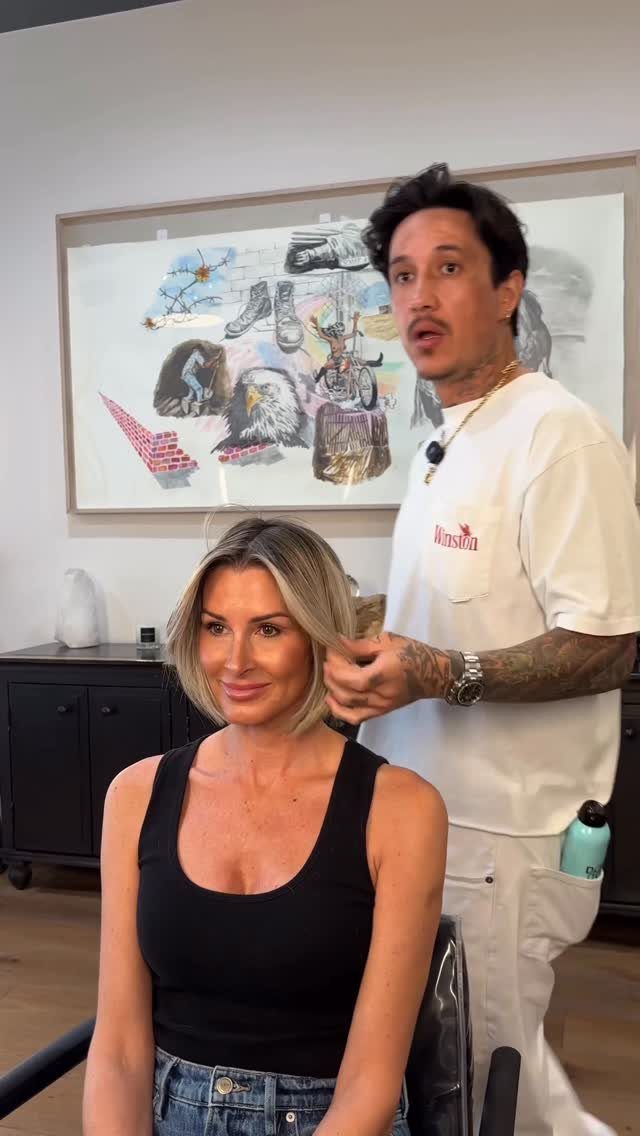
Ends cut straight across at chin level, with little or no layering. The shape stays clean and close to the face, and the perimeter holds its line longer than a layered cut.
This length suits most face shapes because it opens up the neck without exposing too much of the jawline. If your jaw is wider than you’d like, letting a few longer pieces frame the front softens the effect.
The cut grows out slower than a shorter bob, and the first few weeks of growth usually just add weight without changing the shape.
20. Old Hollywood Long Bob
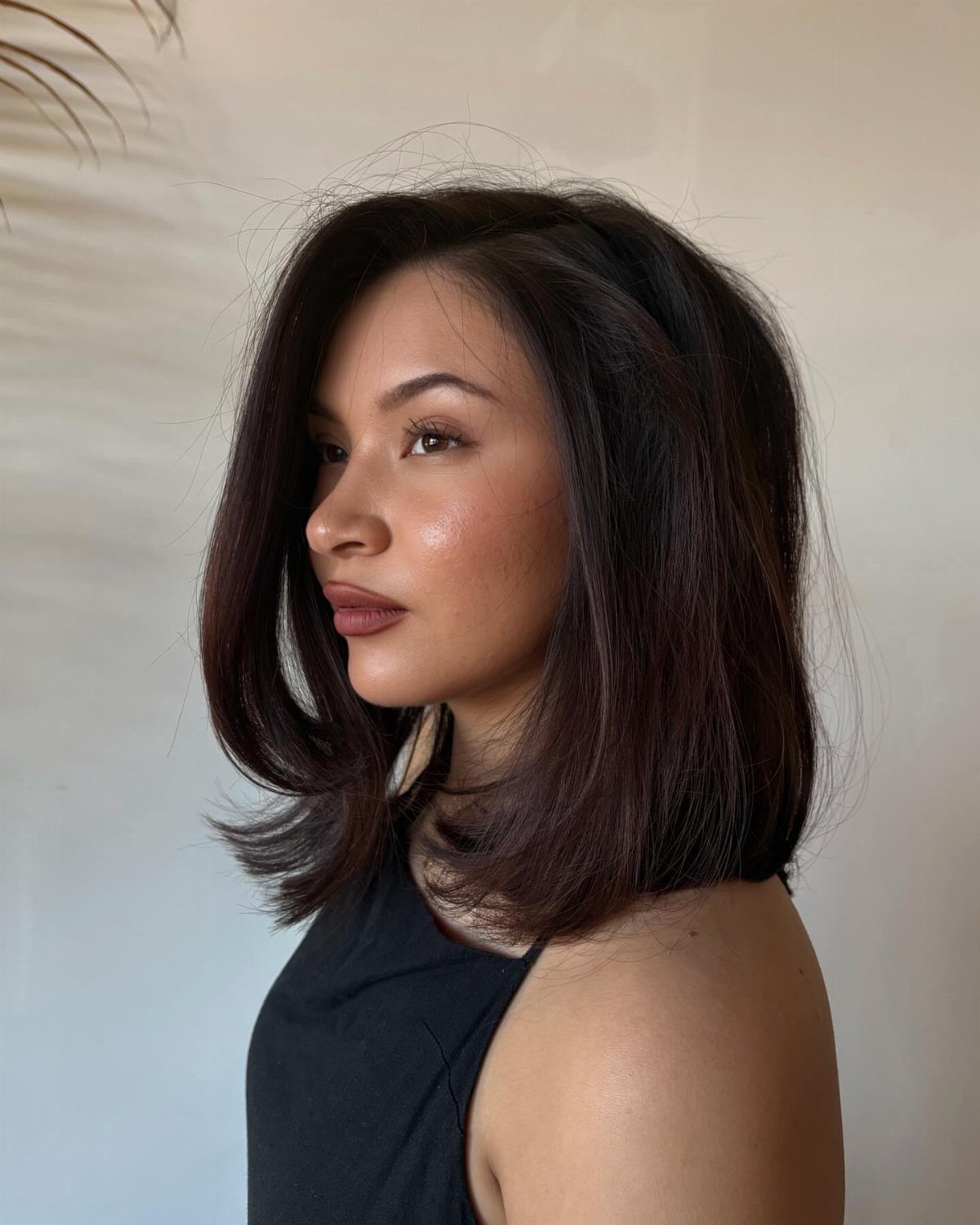
Shoulder-length hair styled with a deep side part and ends curled outward. The flick starts at the bottom inch and bends away from the face, and the volume stays low through the crown.
A flat iron bent outward at the ends makes a crisper flip than you get with a round barrel. Pin each section while it cools if you need the flick to last through an event.
The outward curl adds width at the bottom, so this suits narrow or oval faces better than round ones.
While Zendaya has been experimenting with shorter styles, the Euphoria star’s grown-out bob has been making waves on the red carpet of late. For the Oscars 96th Annual Academy Awards, she opted for a chic Hollywood spin, with a side parting and curled out flick.
— ELLE
21. Soft-layered Style
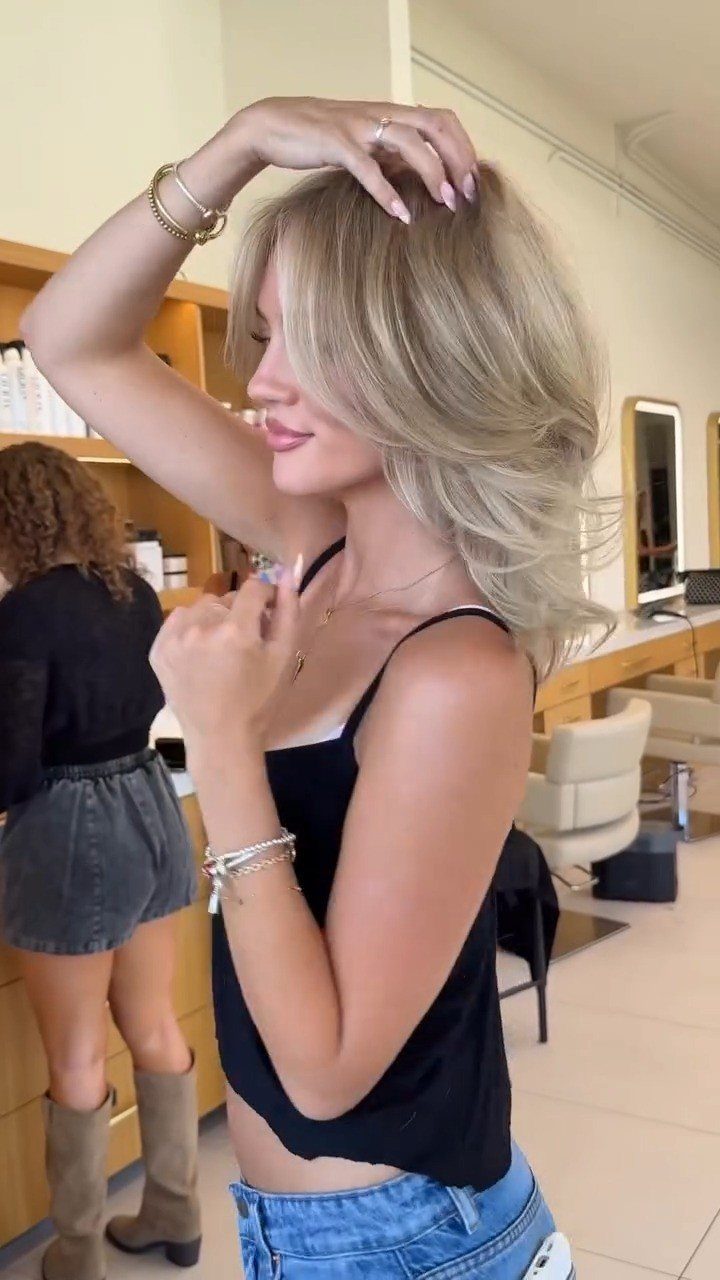
Layers cut through neck-length hair to soften the ends and lift the weight. The shortest pieces usually start around the chin, and the longest fall just past the nape.
Fine hair looks fuller with this approach because the layers break up the solid line and let each strand catch light on its own. Thick hair loses some bulk without feeling chopped.
A quick shake after toweling off usually gives enough separation. Too much heat flattens what the layers added.
22. Shag with Razored Layers
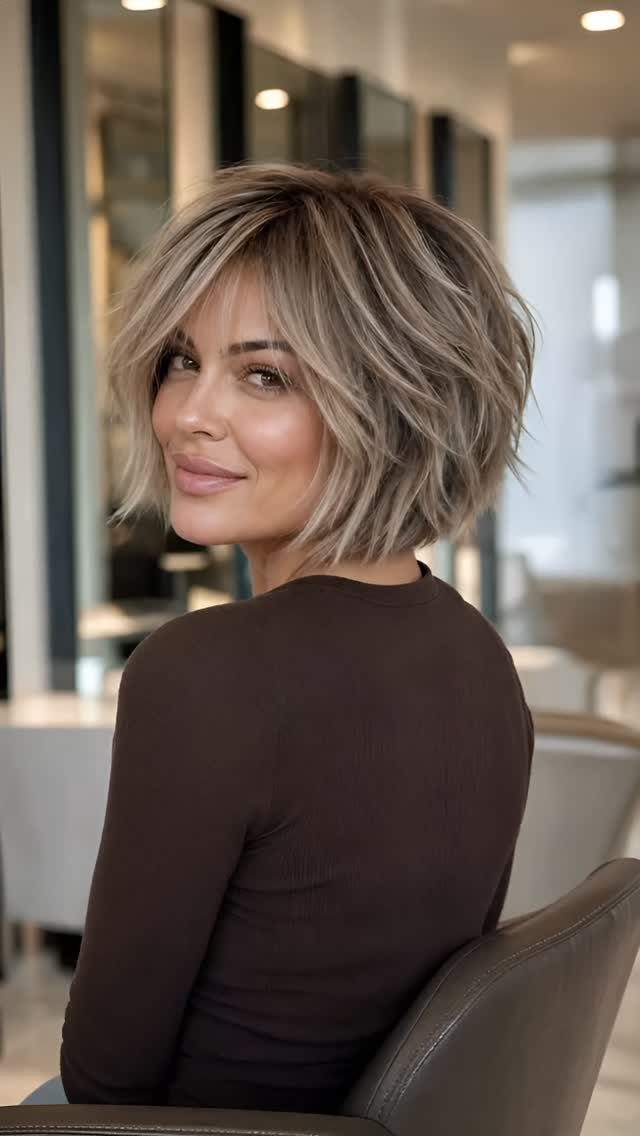
Layers cut with a razor instead of shears, so the ends taper to a point rather than stopping blunt. The texture looks deliberately undone, and the pieces separate instead of clumping together.
The texture hides the unevenness, and the layers let each wave move on its own.
A razor cuts faster than scissors and leaves the ends softer, but they also split sooner. Razored ends lose their shape as they grow, so this cut needs regular appointments.
23. Neck-length Banged Bob

Layers through the bottom lighten the ends and keep the cut from looking too heavy.
If your hair is thick, the bangs will need thinning or they’ll sit like a shelf. Fine hair can skip that step and keep the weight.
Bangs grow fast enough that you will need to trim them between salon visits. Either trim them yourself or accept that you’ll be brushing them aside constantly.
24. Swoopy Bangs Bob
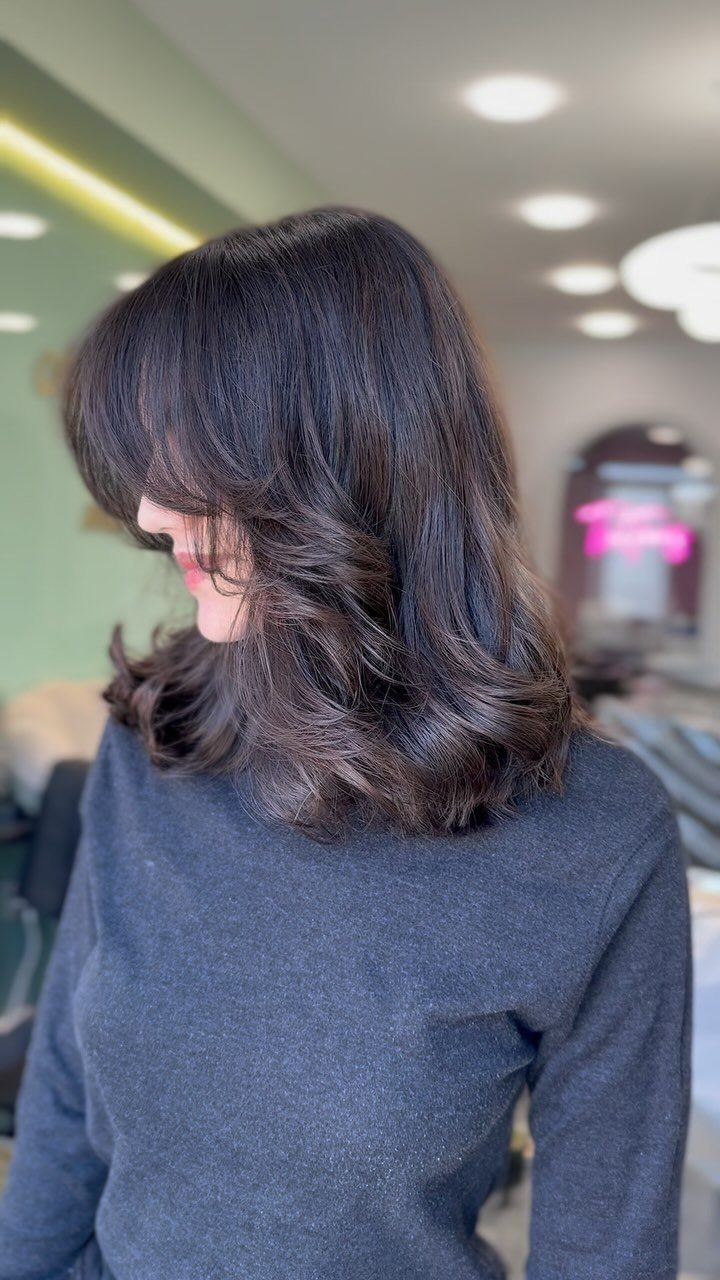
Bangs swept to one side, falling just past the cheekbone, with the rest of the hair cut to shoulder length. The ends curve under slightly, and the side part opens up the face.
The bangs need enough length to tuck behind your ear when you want them out of the way. Anything shorter will stick straight out.
A round brush and a few seconds of heat bend the bangs into place. If your hair is fine, a light texturizing spray keeps them from falling flat by midday.
25. Angled Cut with Crown Layers
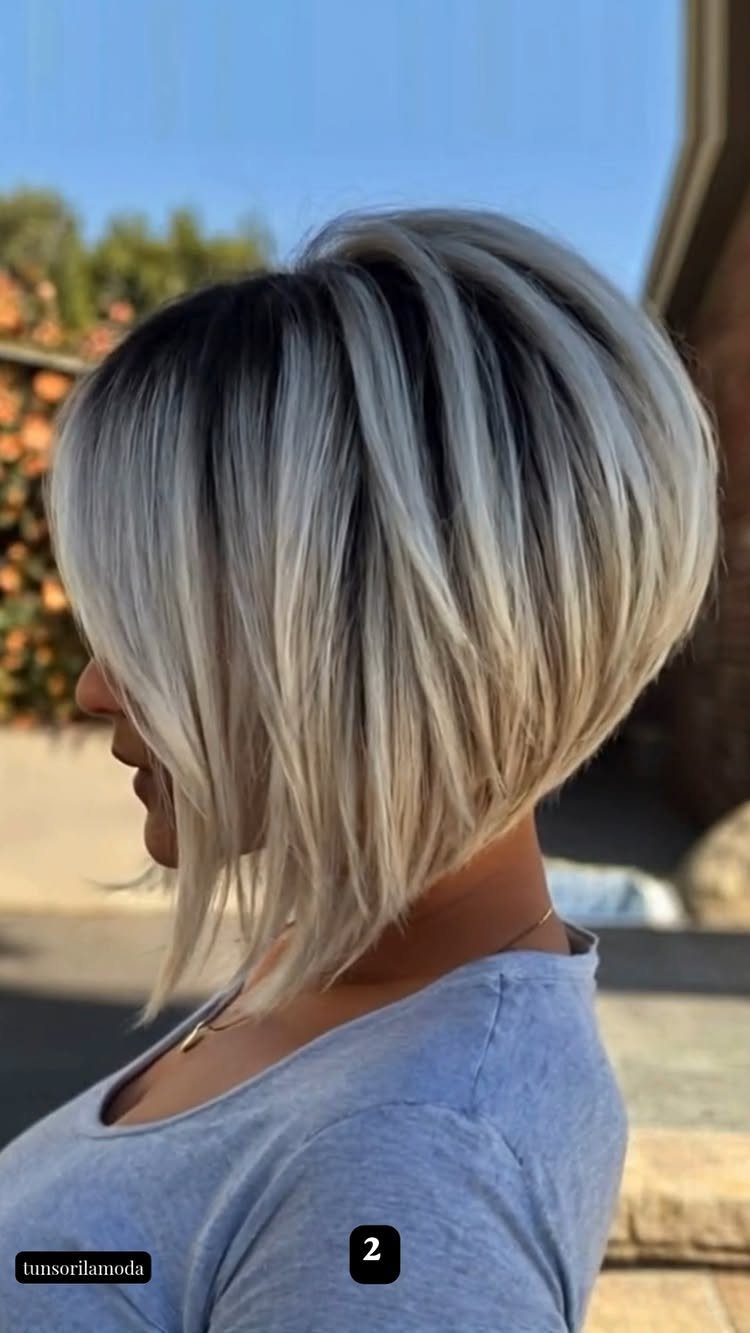
The back is cut shorter than the front, and layers through the crown lift the top without adding bulk at the ends. The angle pulls the eye forward, and the layering keeps the crown from sitting flat.
If your hair is fine, the crown layers add height where it tends to collapse. Thick hair benefits less, since the volume is already there.
The front pieces need to stay long enough to tuck behind your ear, or they’ll stick out at an awkward length as the cut grows.
26. Wispy Shadow Root Style
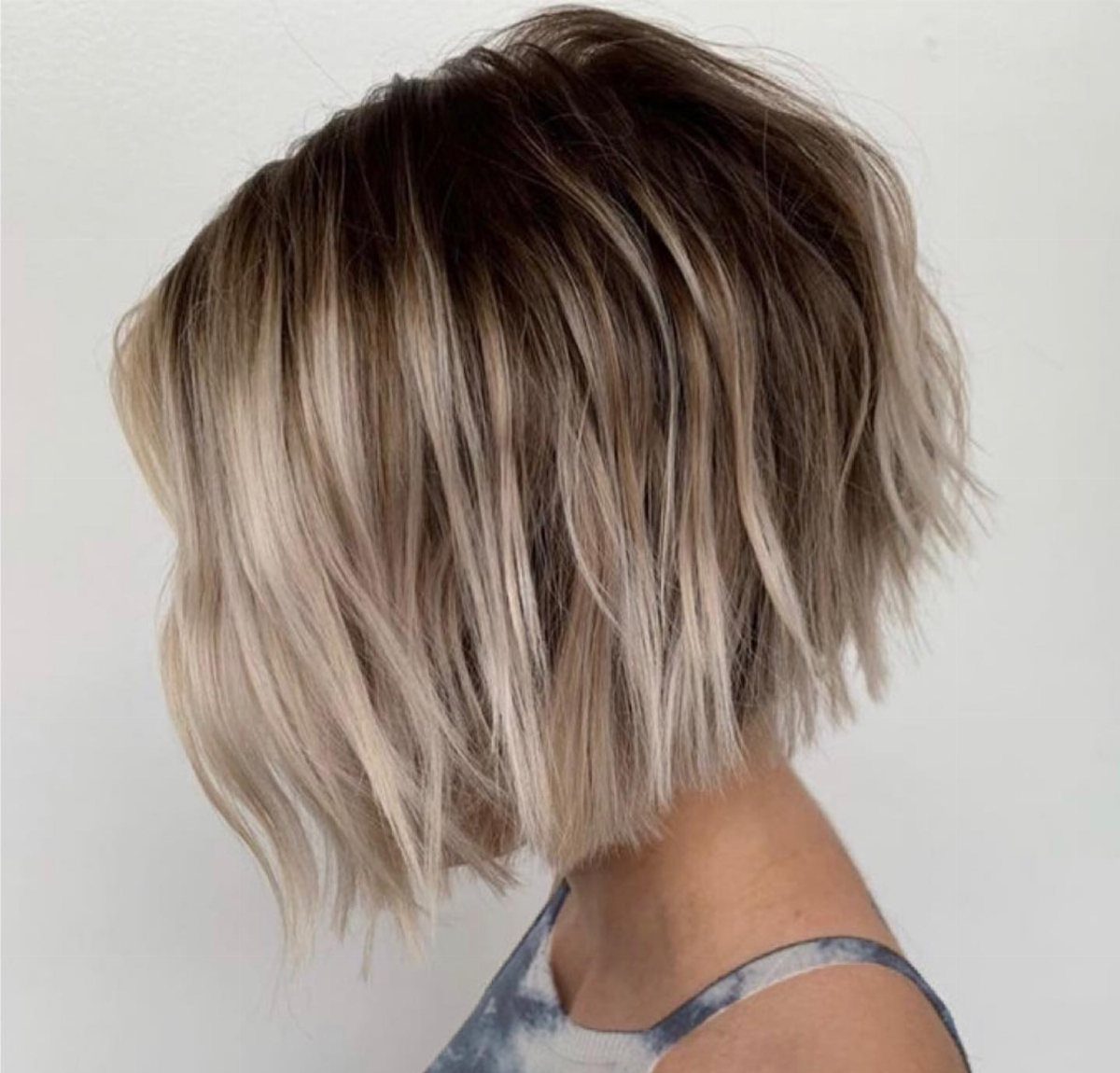
Roots left dark for several inches before blending into platinum ends. The contrast adds depth without a hard line, and the wispy texture keeps the transition from reading too stark.
Fine hair suits this better than thick. The lightness at the ends makes each strand visible, and heavy hair can look patchy if the blend isn’t gradual enough.
Platinum requires regular toning to stay cool. Without it, the ends turn yellow within a few weeks.
27. Shoulder-grazing Style
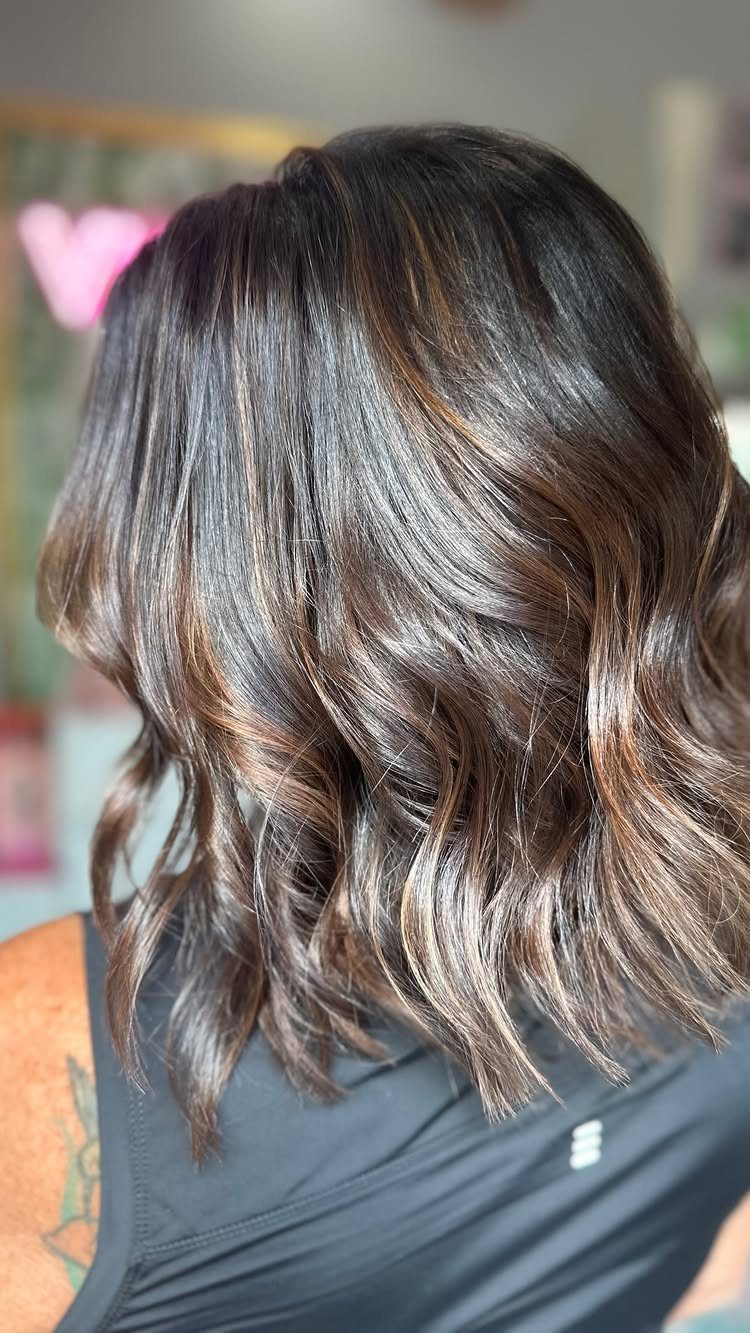
The cut lands just above the shoulders, long enough to tie back but short enough to feel like a bob. Layers through the length keep it from hanging heavy, and the wave adds texture without tight curls.
Highlights placed through the mid-lengths catch light and make the layers more visible. Without them, the cut can look flat in low light.
28. Angled Bob
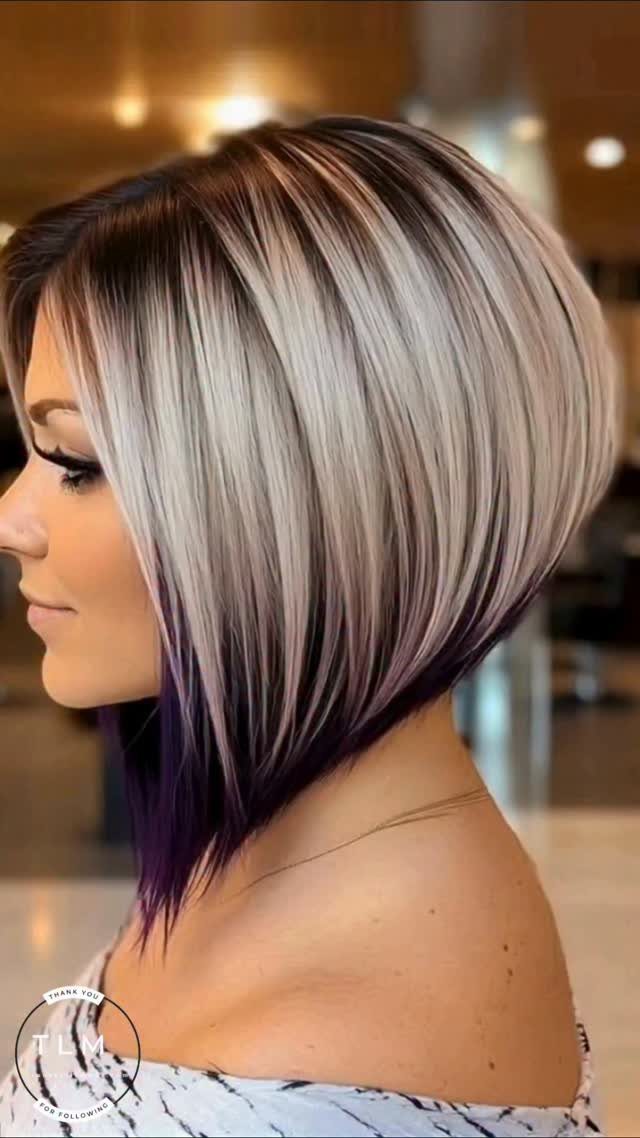
Longer at the front, shorter at the back, with the difference sharp enough to see in profile. The line angles down from the nape to the chin, and the weight sits forward.
Once the back catches up to the front, the cut loses its shape and needs a trim to restore the line.
29. Rooted Blonde Lob
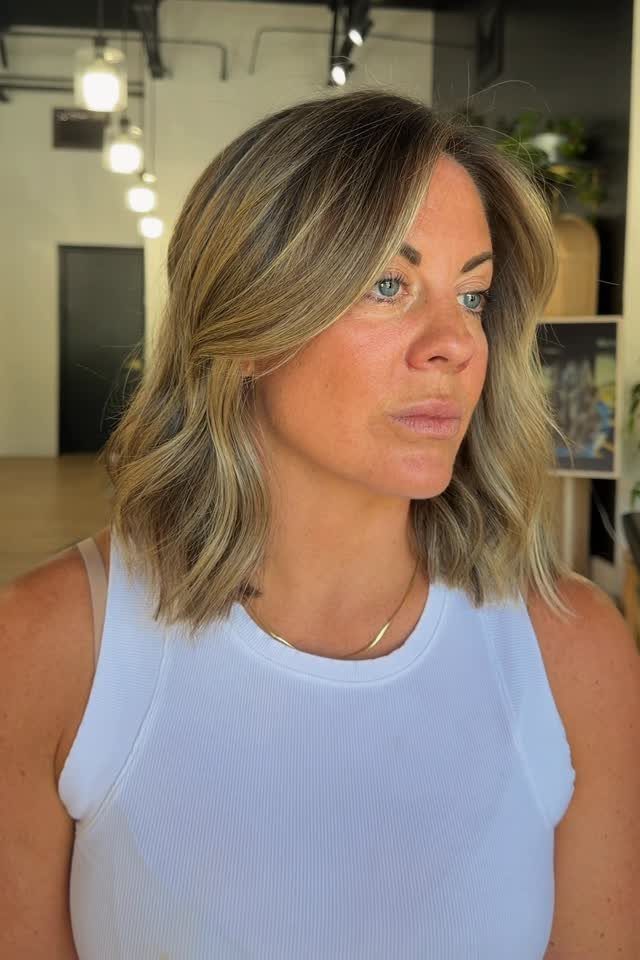
Shoulder-length blonde hair with roots left a few shades darker. The contrast adds dimension, and the lighter pieces through the front brighten the face without bleaching the whole head.
Darker roots mean fewer salon visits. The grow-out looks intentional instead of neglected, and you can stretch touch-ups longer than most blonde work.
If your natural color is more than 3 shades darker than the blonde, the line between the two can look abrupt. A balayage blend softens the transition.
30. Bob Tucked Behind Ear
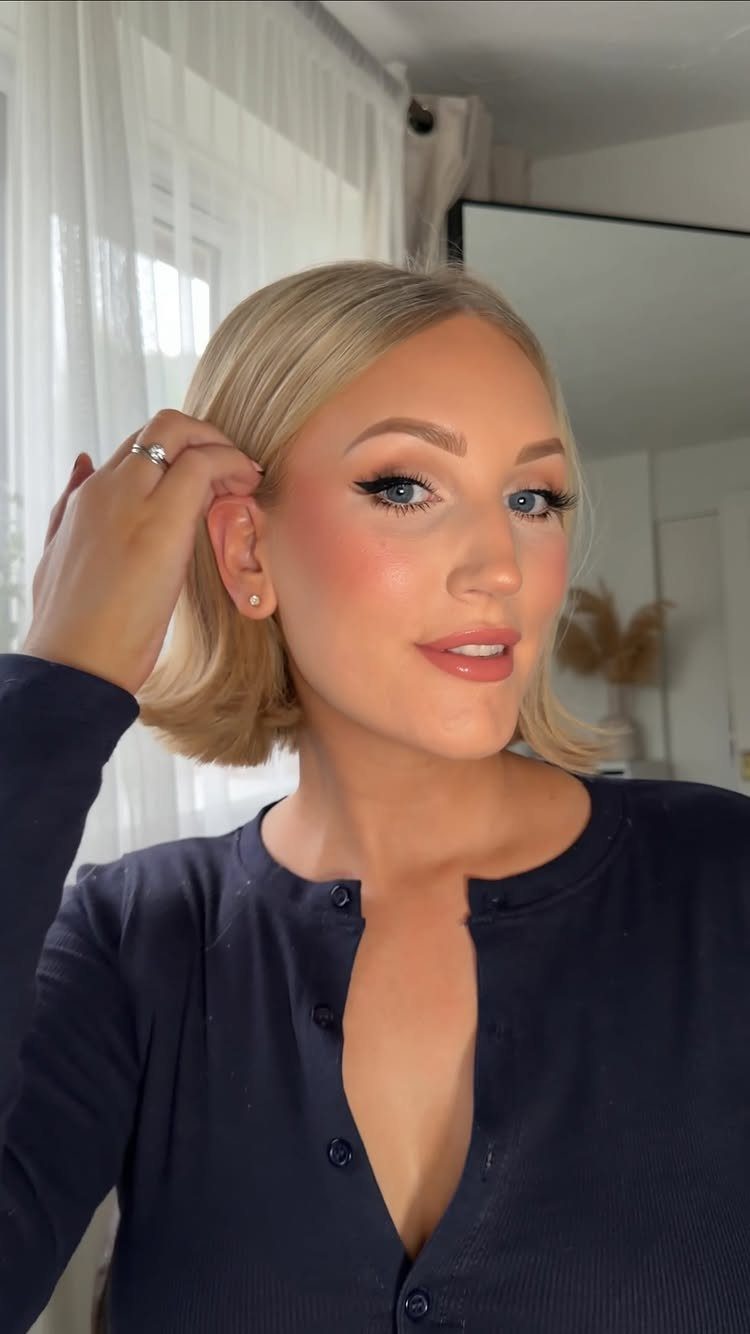
One side tucked behind the ear, the other left to swing forward. The cut is chin-length and smooth, and the asymmetry opens up the face without changing the actual shape of the hair.
If your hair is slippery or fine, it may not stay tucked for long. A small bobby pin behind the ear holds it in place without showing.
Curls push back out from behind the ear and lose the clean line.
31. Center-parted Bob
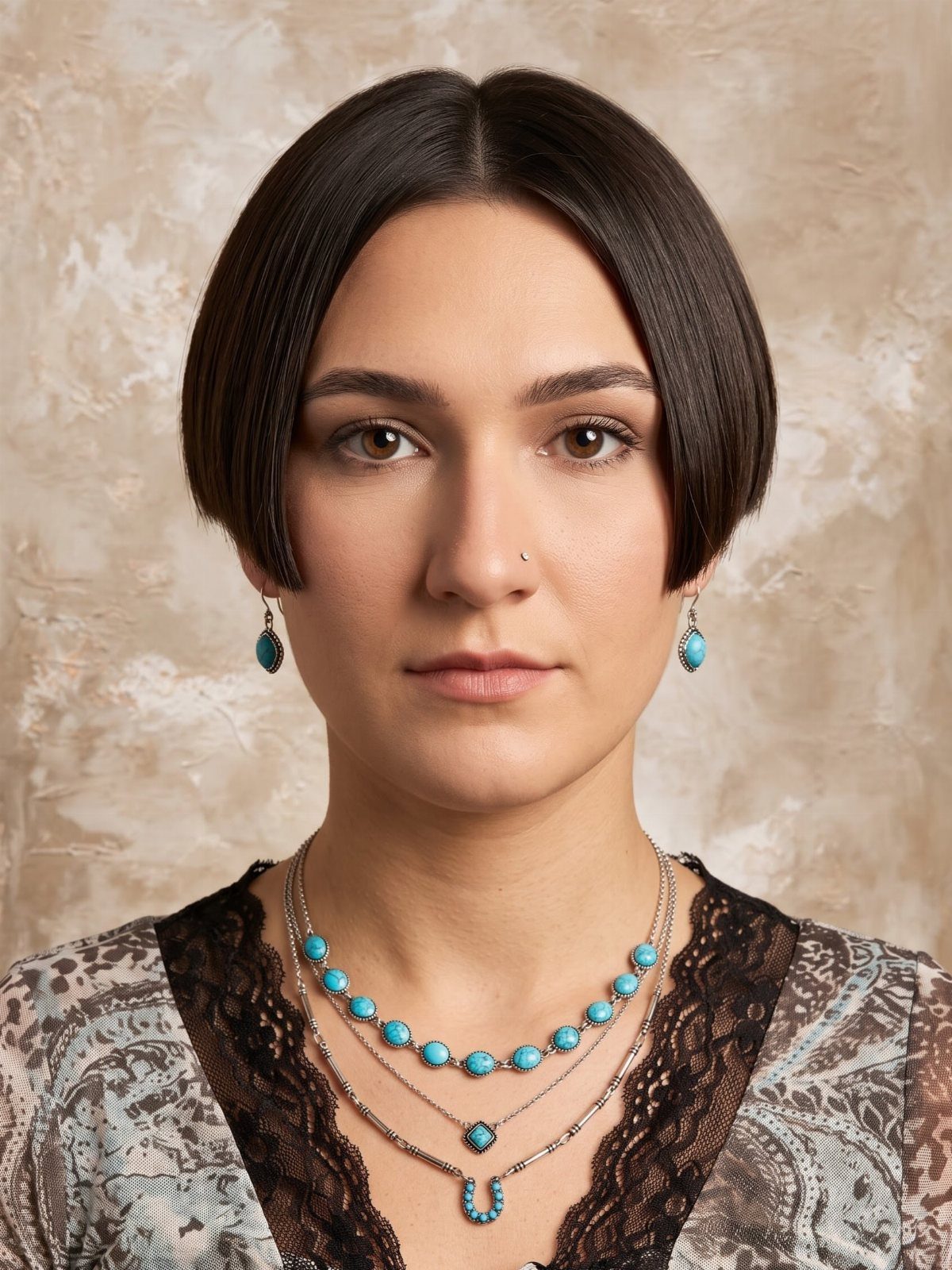
Hair split down the middle falls straight to the chin, with both sides cut to match. The part runs in a clean line from the forehead back, and the symmetry frames the face evenly.
A center part suits oval and heart-shaped faces best. Round faces may find the part draws attention to width, and a side part often works better.
Flat-ironing each section from root to tip keeps the line sharp. If your hair has any wave, the part will blur by afternoon unless you set it with heat.
32. Highlighted Layered Bob
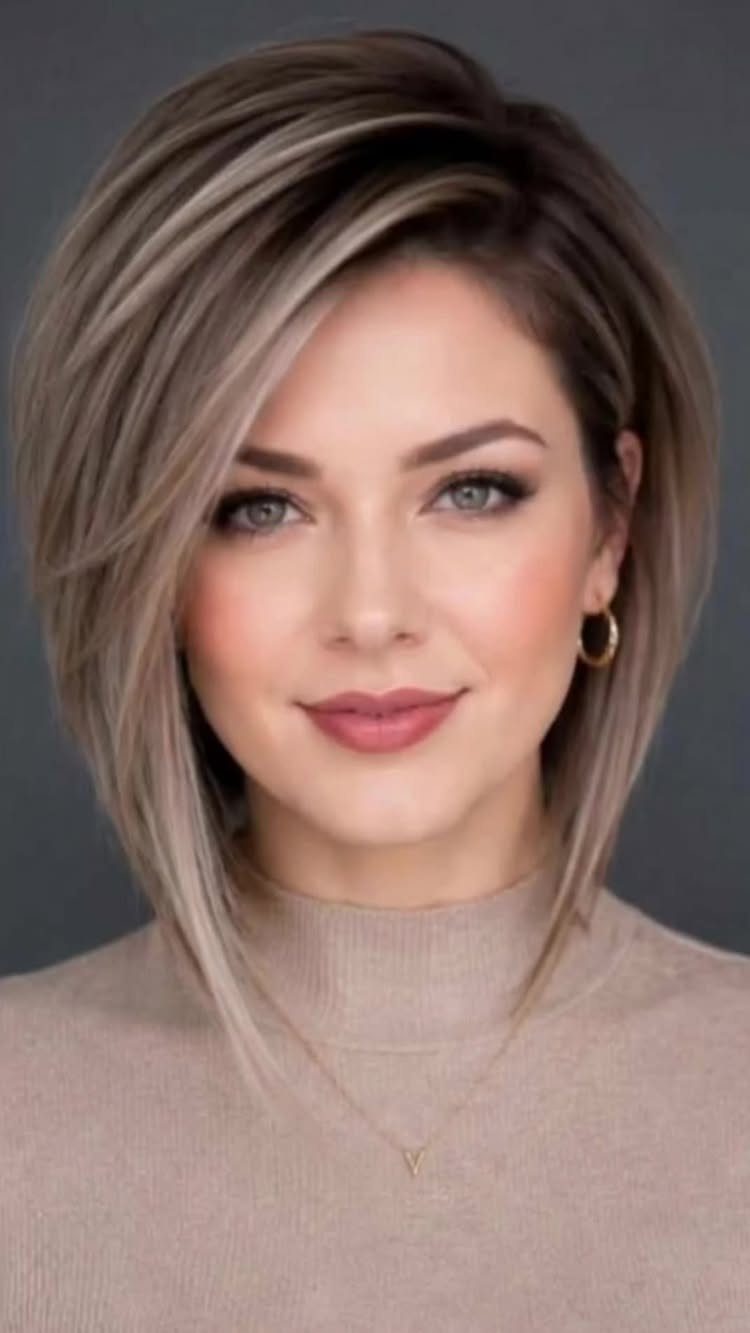
Blonde pieces woven through brown hair at shoulder length, with layers cut through the bottom and bangs swept to one side. The highlights sit through the front and crown, where they catch the most light.
Layers keep thick hair from sitting heavy, and the color contrast makes the texture easier to see. Fine hair can look patchy with too much blonde, so fewer pieces placed carefully usually read better.
The bangs need regular trims or they grow past the cheekbone and lose the sweep.
Choosing Length for Face Shape
A bob sits around the chin, a lob around the shoulders. That extra length changes how the cut frames your face.
Heart-shaped, square and round faces tend to work well with a classic one-length bob.
If your face is round, the longer line of a lob can help. If your face is square, a micro-bob sits high enough to take some visual weight off the jaw.
Shoulder-length cuts flatter most people. That length softens cheekbones and makes a rounded chin look longer.
No single rule fits everyone. Your own preferences matter more than any guideline, and a good stylist will adjust the cut to what suits you rather than following a formula.
Choosing for Hair Texture
Bobs work on hair from Afro texture to thin strands.
Lobs suit thin, thick or wavy hair. A medium bob handles both fine and thick textures.
A stylist evaluating your hair texture, density and face structure can recommend a version that fits. Options include a textured bob, layered lob, asymmetrical bob or soft wavy lob.
Fine hair may need layers or an angled cut to add movement. Wavy hair can skip some of the styling steps that straight hair requires to hold a curve or flick.
What you do every morning matters as much as texture when you pick one of these.
Frequently Asked Questions
What is a bob?
A bob sits at or around the chin, with hair cut to a single length or with minimal layering.
The cut became popular in the 1920s and now includes dozens of variations, from blunt perimeters to angled shapes and textured ends.
What is a lob?
A lob is a long bob that falls around shoulder length, usually landing at or just past the collarbone. The extra length makes it easier to tie back and gives more styling options than a shorter bob.
What kinds of bob haircuts are there?
Bobs range from blunt cuts with straight-across ends to angled shapes with longer fronts, French bobs with thick bangs, asymmetrical bobs with one side longer, and curly or wavy versions that add texture.
Layering, styling direction, and whether the ends flip in or out all create different looks from the same base length.
What are the differences between a lob haircut with layers and a bob haircut with layers?
A layered lob falls at or past the collarbone and offers enough length to tie back, while a layered bob ends between the chin and jaw and stays too short to pull into a ponytail.
Both use layers to lift weight and add movement, but the lob’s extra length makes it easier to style multiple ways.
Which bob hairstyle suits best for my face shape?
The cut falls at a length that flatters without drawing attention to features most people would rather not emphasize. Front pieces that graze past the chin narrow a wider jaw, while extra side length creates vertical lines that counter roundness.
Which haircut should you choose, bob or lob?
A bob works if you want a bold, shorter shape and don’t mind frequent trims to keep the line sharp.
A lob suits you better if you want the option to tie your hair back, prefer less maintenance as it grows, or need more styling flexibility.
Does bob cut suit round faces?
A bob can suit a round face if you choose a longer version or an angled cut with extra length at the front.
The added length slims the face, while a middle-parted chin-length bob may emphasize width instead of balancing it.
Is lob cut good for thin hair?
A lob works well for thin hair because the length adds weight and makes the texture look fuller. Layers cut through the length lift the volume at the crown without thinning out the ends too much.
Which haircut is easier to maintain?
A lob is easier to maintain because the longer length grows out more gracefully and needs fewer trims to keep its shape. Most bobs lose their line within a few weeks and require appointments every 6 to 8 weeks to stay sharp.