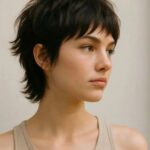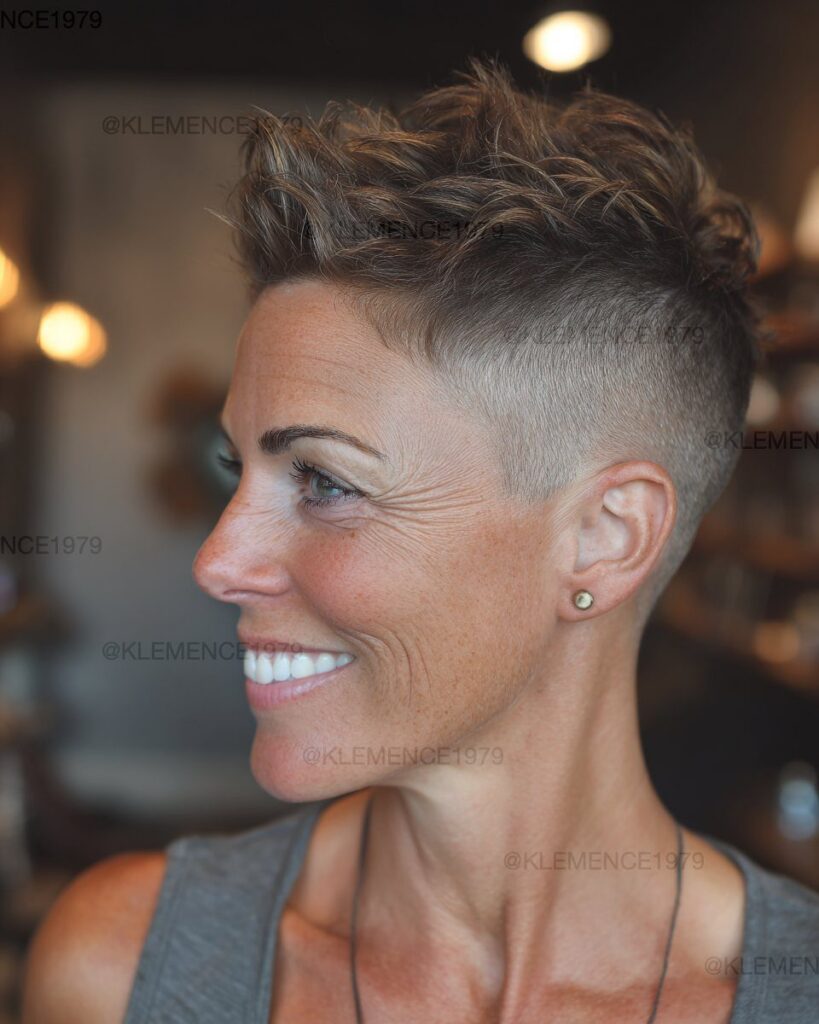
The crop ranges from very short and tight to longer, shaggier versions that fall forward past the eyebrows, and the sides can be tapered, faded low or high, or shaved clean with an undercut.
Your choice turns on how much time you want to spend styling and how often you’re willing to trim: fades need touch-ups every 1 to 2 weeks to stay sharp, tapers and undercuts stretch closer to 4 weeks, and longer crops with softer edges can go 4 to 6 weeks between cuts.
1. Curly Textured Crop
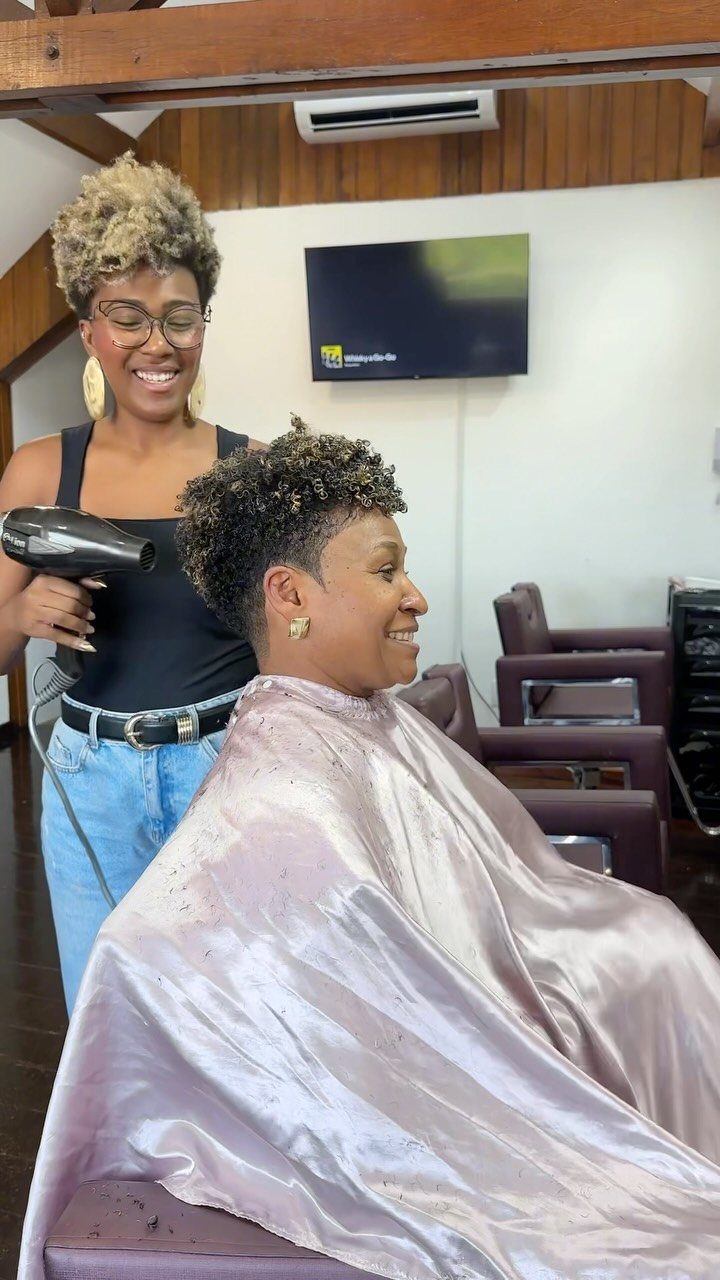
The crop shape holds its structure on curly hair without forcing curls into something else. Sides stay short and tapered, cleaning up the silhouette while the top holds all its natural volume and movement.
This version asks less of you in the morning than most curly cuts.
No flat iron, no round brush work. Curls dry into shape on their own, and finger styling is usually enough to direct them where you want them.
The taper means regular trims every 3 to 4 weeks if you want that contrast to stay sharp.
2. Textured Crop Undercut
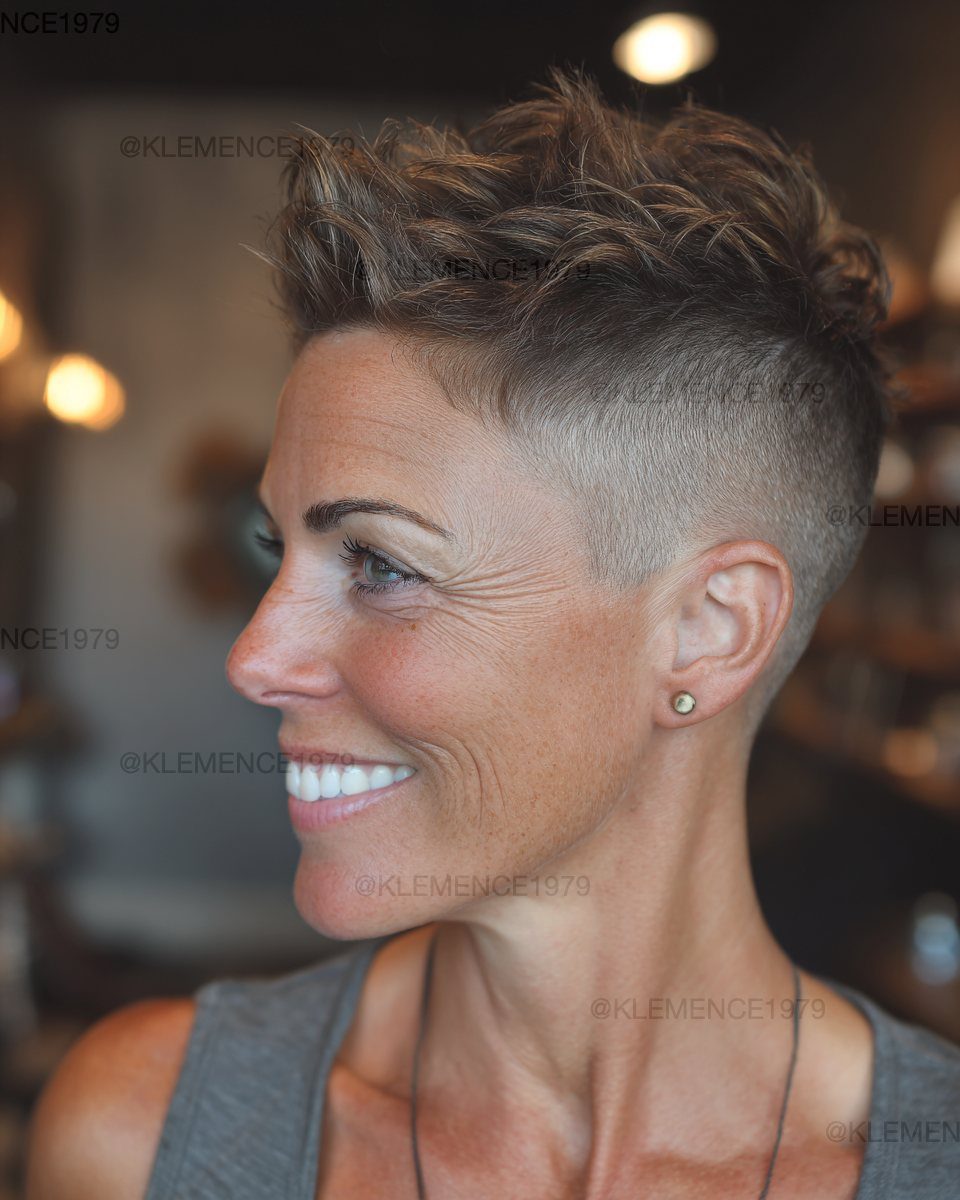
An undercut gives the crop its most dramatic contrast: the top stays full and textured while the sides and back are clipped very short or shaved clean.
That separation makes the textured portion read as its own shape rather than blending gradually into shorter lengths.
The styling effort lives entirely on top.
Sides need no product, no brushing, no thought. You work texture into the longer section and the undercut handles the rest.
Shaved sections grow back fast. Plan on regular cleanup, or let it grow into a different cut entirely.
3. Messy Textured Crop
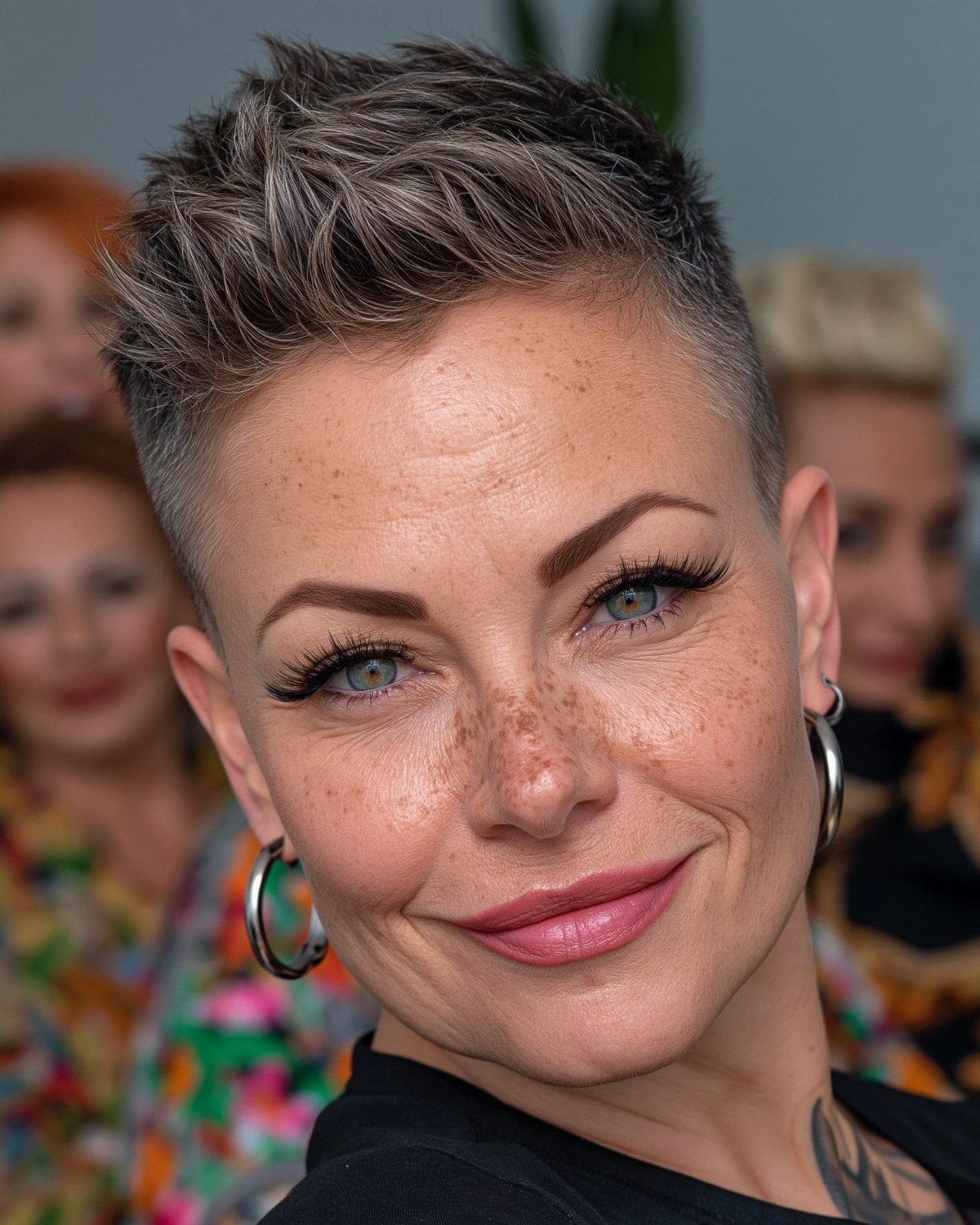
Layers cut at varying lengths across the top let each section sit at a different angle, and styling them forward rather than up or back gives the cut its tousled, lived-in look.
The sides stay close to the head, which keeps the mess intentional rather than shapeless.
This version suits someone who wants short hair without the structure of a polished crop. A small amount of paste or cream worked through damp hair and pushed forward is usually enough.
The finish looks casual, but the layers need precision. A messy crop cut poorly reads as unfinished rather than styled.
4. Textured Crop for Thin Hair
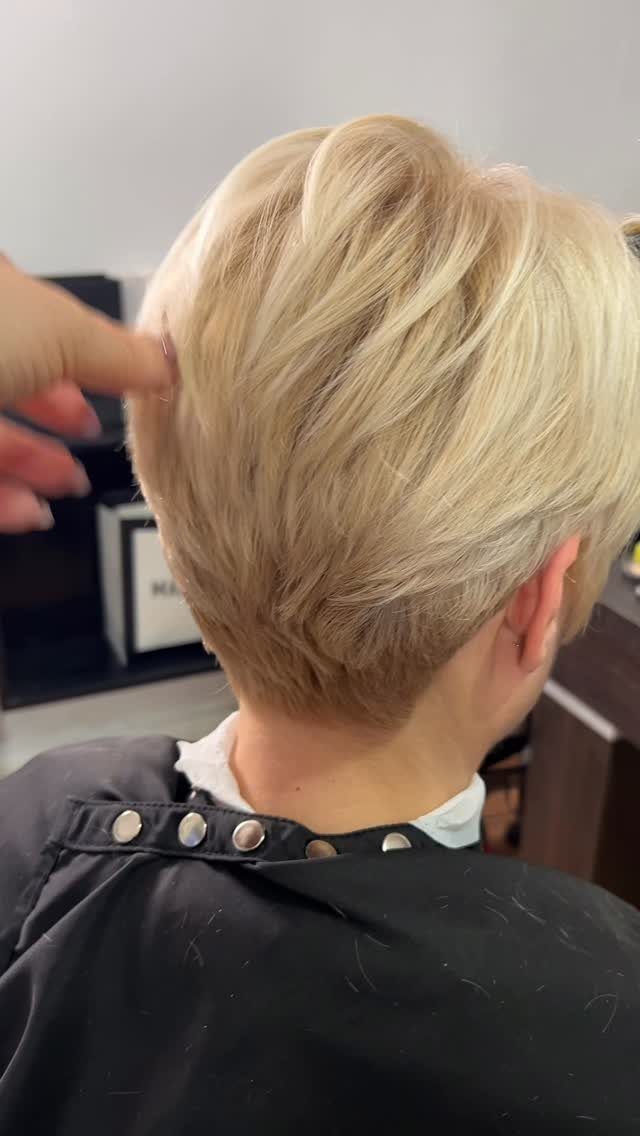
Fine hair benefits from shorter lengths on top, which hold volume better than longer, heavier sections. Small layers stacked at slightly different heights give the illusion of more hair, building body even where the hair lies flat.
Blow-drying with a round brush or your fingers lifting at the roots adds lift that lasts. A texturizing spray before drying helps, and a light product after keeps the shape without weighing it down.
The tapered nape keeps the cut from looking bottom-heavy, which matters more with fine hair than thick.
5. Textured Crop with Fringe
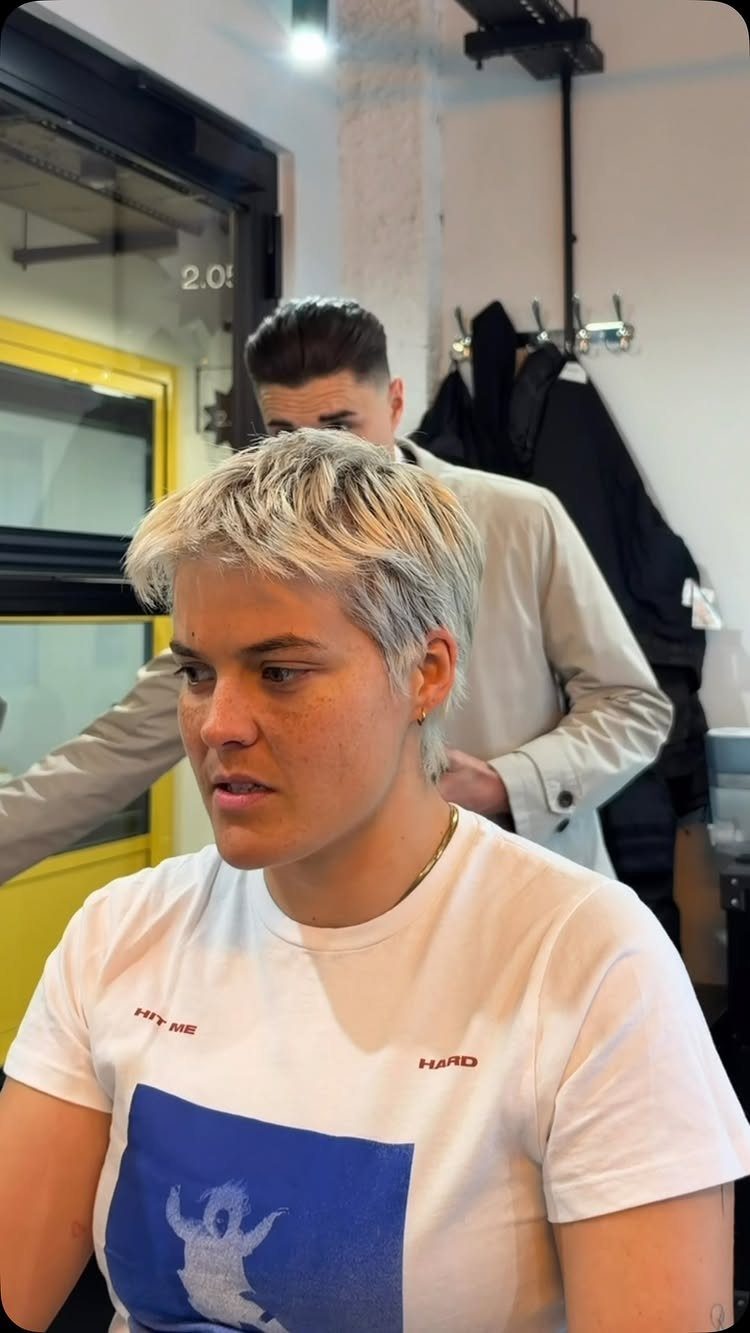
A forward fringe gives the crop a different line than versions that sweep everything up or to the side.
The fringe can sit blunt and neat or choppy and textured, depending on how it’s cut and how much product you use.
The textured crop with fringe requires minimal upkeep between salon visits, making it a practical option if you don’t want to be in the chair every few weeks.
The fringe works on straight or wavy hair. Curly hair can wear a version of this, but the fringe will lift and separate rather than lying flat.
6. Short Textured Crop
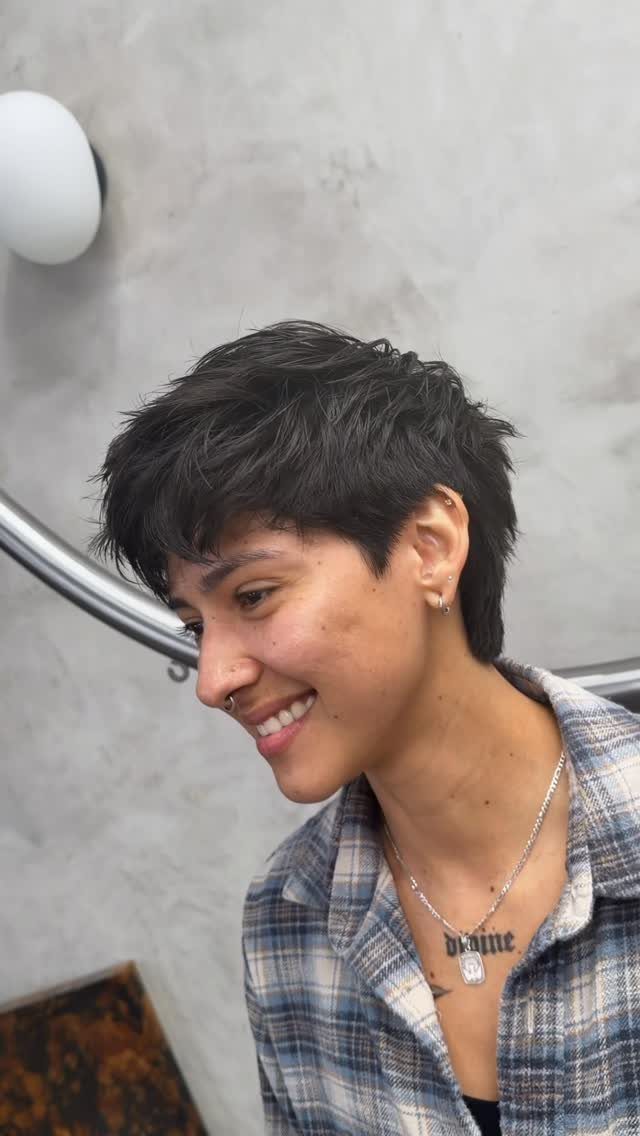
A shorter crop keeps the top compact, closer to the head than longer versions, and the fringe stays choppy and short rather than sweeping forward in a defined line.
The result is a cut that reads as intentionally minimal rather than simply trimmed down.
This length dries fast and needs very little product. A small amount of paste or clay worked through with your fingers gives enough separation to show the texture without adding bulk.
The short top means less styling range. You can push it forward or rough it up, but there’s not enough length to change directions or try a slicked-back look.
Cropped styles have been trending for quite some time, but they’re having a renaissance some might call a recession indicator. “People are leaning into shorter hair these days for less hassle and more volume,” celebrity hairstylist Dimitris Giannetos tells Teen Vogue.
7. Textured Crop Fade
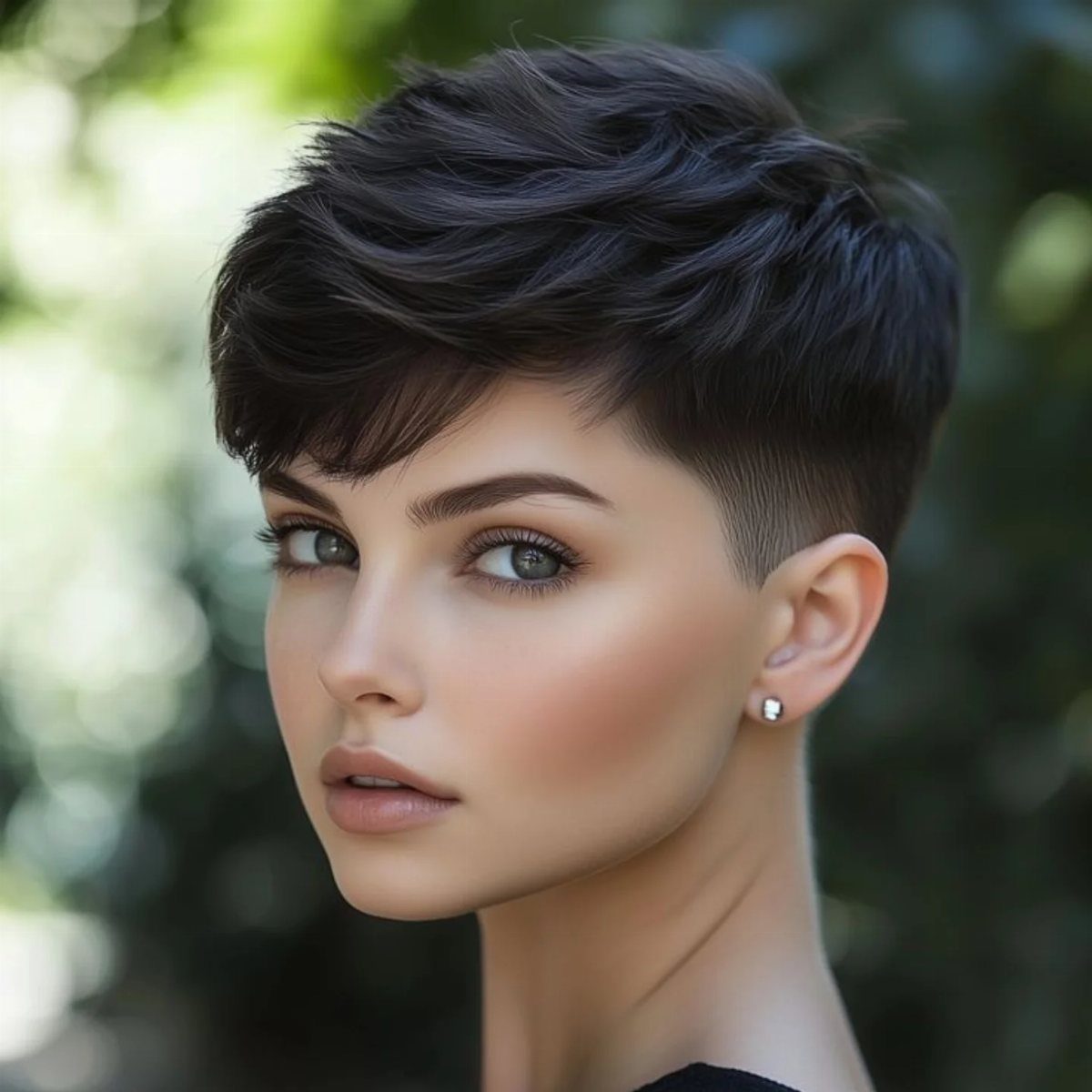
A fade blends the sides gradually from skin or near-skin at the bottom up into the longer, textured top. The fade blends gradually from skin to length, keeping the sides clean while the textured top provides all the contrast.
The fade takes more time in the chair than a simple taper, and it grows out faster. Fades grow out fast and the line blurs quickly, so expect regular trips back to keep it sharp.
The choppy top layers give you room to style forward, to the side, or straight up, depending on the product and how much lift you add at the roots.
8. Textured Crop Taper Fade
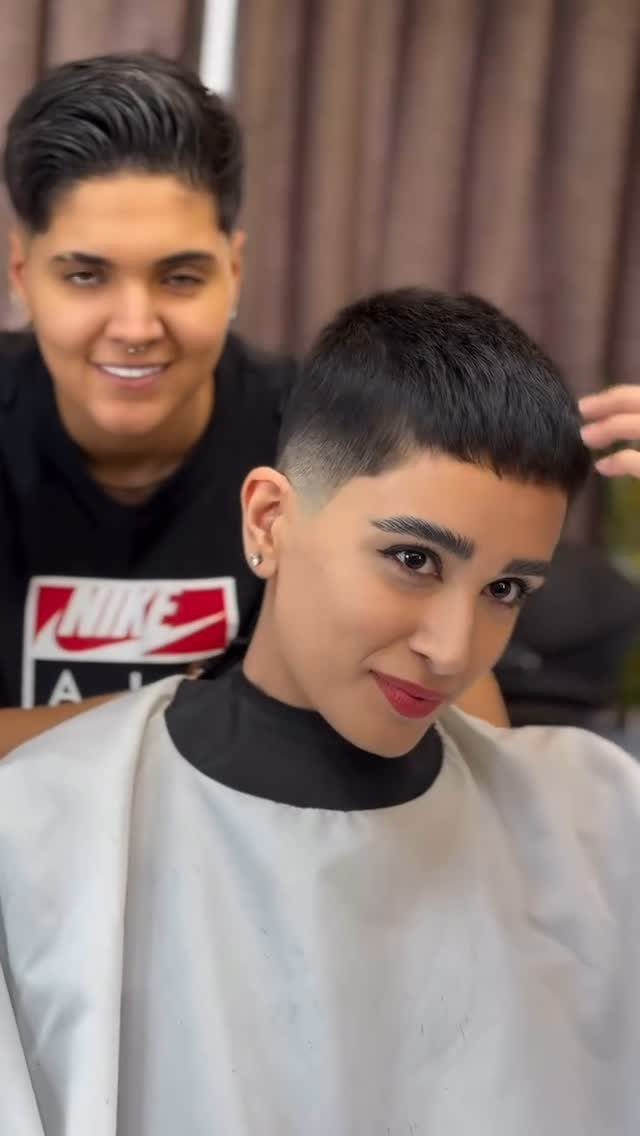
The taper fade keeps the transition smooth and low-key, starting the blend higher than a skin fade and leaving slightly more length at the neckline.
Styling takes very little time, and the shorter top means less product and less brushing.
The taper grows out more gracefully than sharper fades, so you can stretch appointments a week or two longer if needed.
9. Short Pixie Cut with Texture
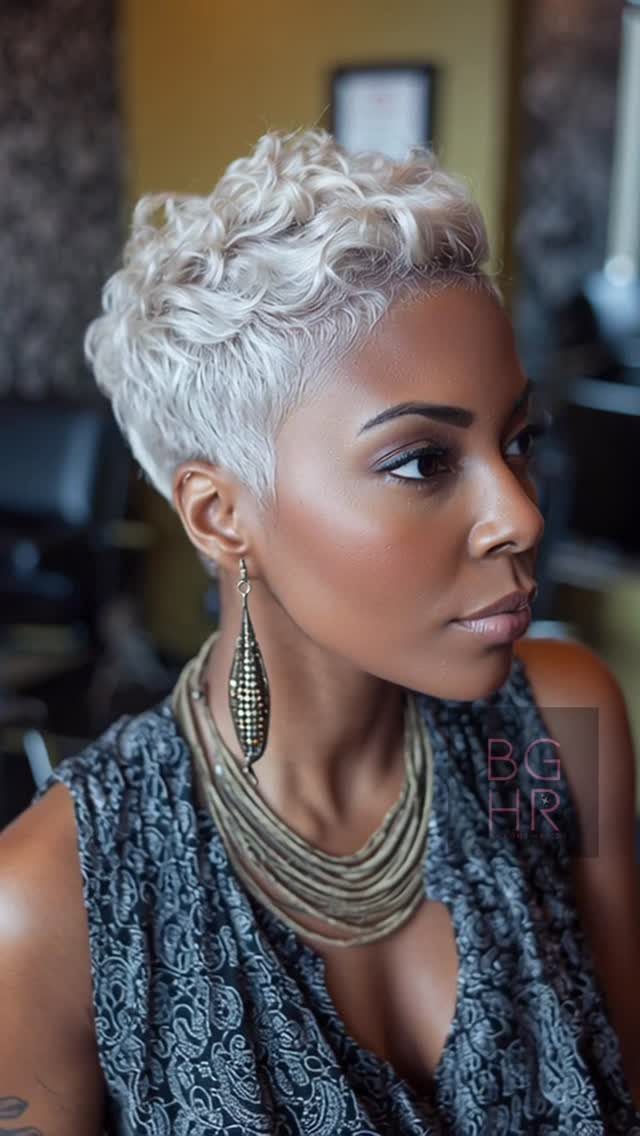
Platinum blonde adds contrast to the texture, making each choppy piece stand out against the scalp. The sides are trimmed very close, and the top is left longer and deliberately roughed up rather than smoothed down.
Platinum requires maintenance: regular toning to keep the color from yellowing, and trims to keep the shape from growing shaggy. The color lifts the style, but it also adds time and cost.
The textured curls on top hold their shape with minimal styling.
10. Choppy Pixie
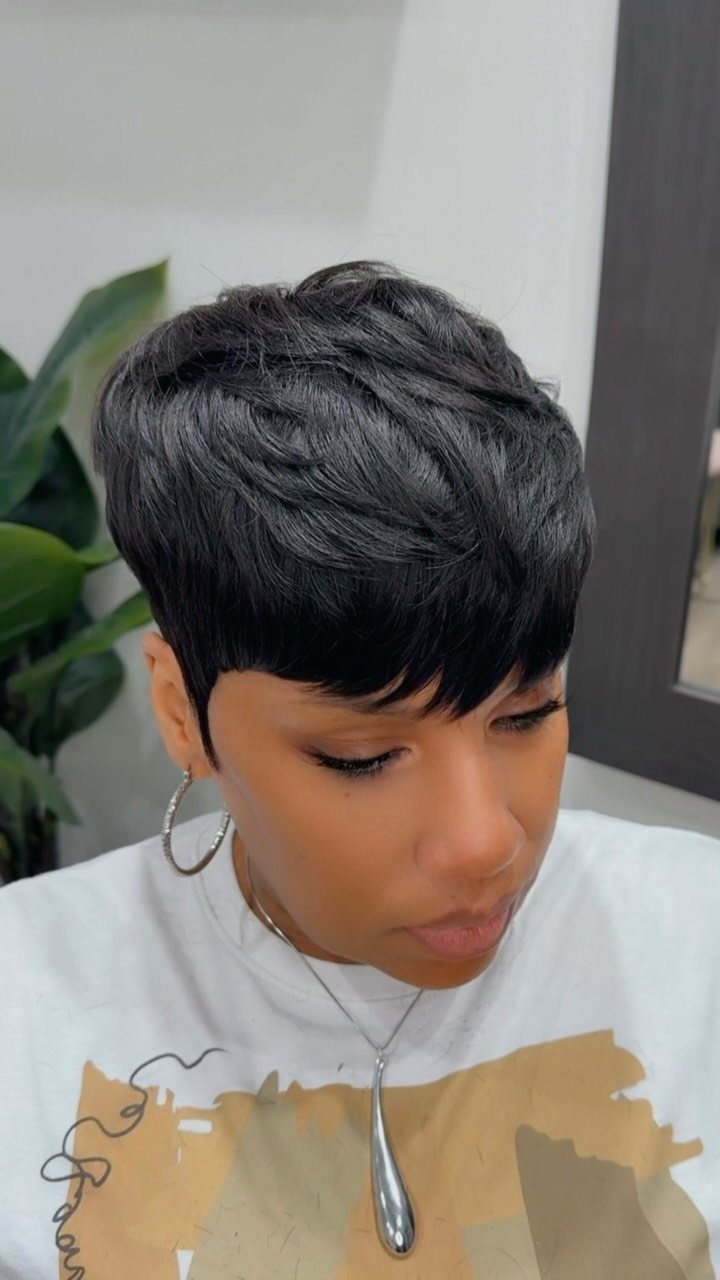
Choppy layers across the top give the pixie its ragged, broken-up texture rather than sitting smooth. The fringe falls forward across the forehead, cut at varying lengths so it separates rather than forming a blunt line.
This cut reads as relaxed without looking undone. The tightly trimmed sides and back keep the shape contained, and the choppy top adds interest without requiring much work in the morning.
The shape collapses as it grows, so plan on frequent trims to keep the layers from losing their edge. Between trims, the fringe grows into your eyes before the rest of the cut loses its shape.
11. Textured Crop
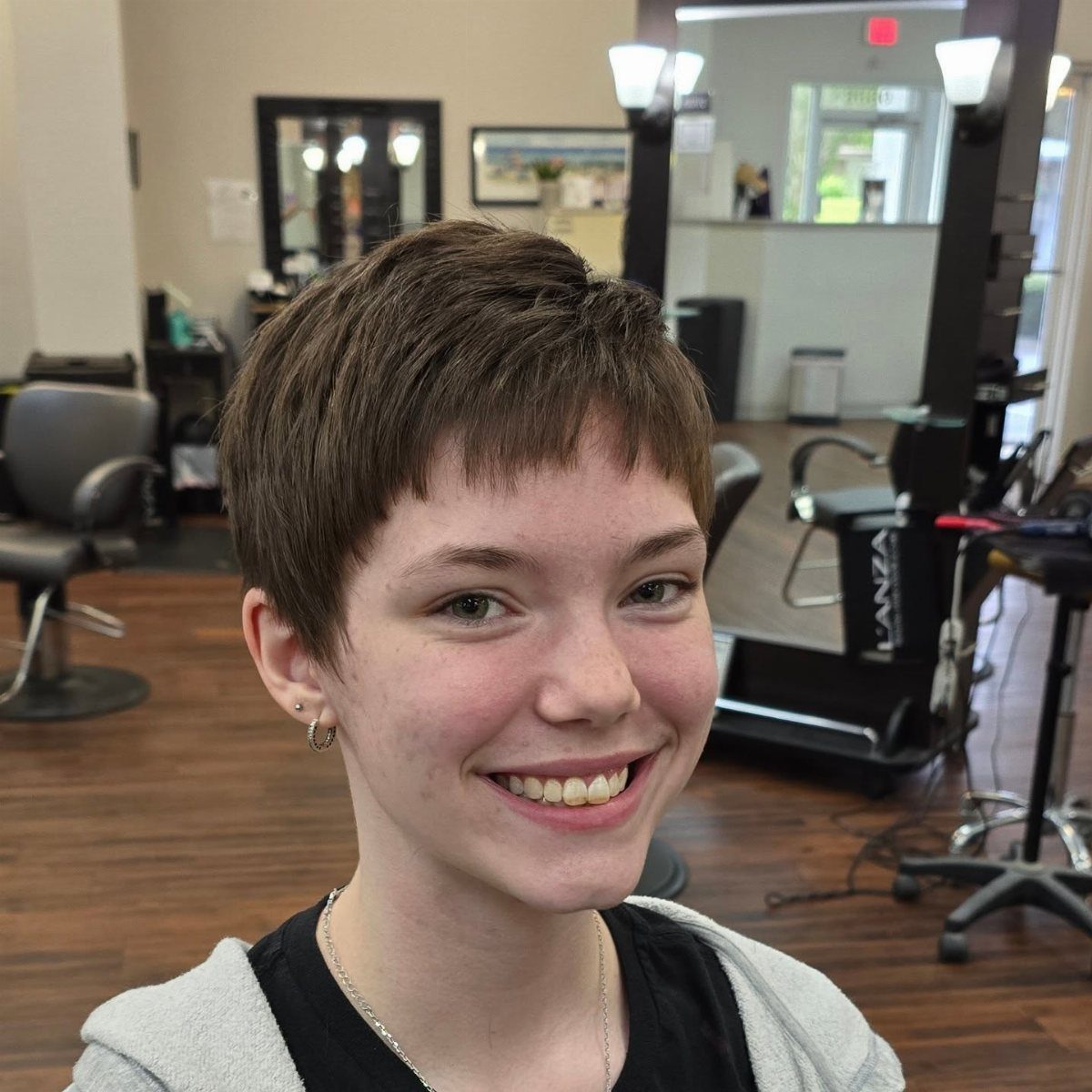
Longer layers on top sit at different heights, creating texture through length variation rather than product alone. The fringe can be styled forward or swept to the side, and the shorter sides keep the focus on the textured top.
This is the foundational crop shape. The others here start with this cut and then adjust the sides or the styling to shift the effect.
The cut works on straight, wavy, or loosely curly hair. Tighter curls need more length on top to avoid looking too round.
12. Wavy Textured Crop
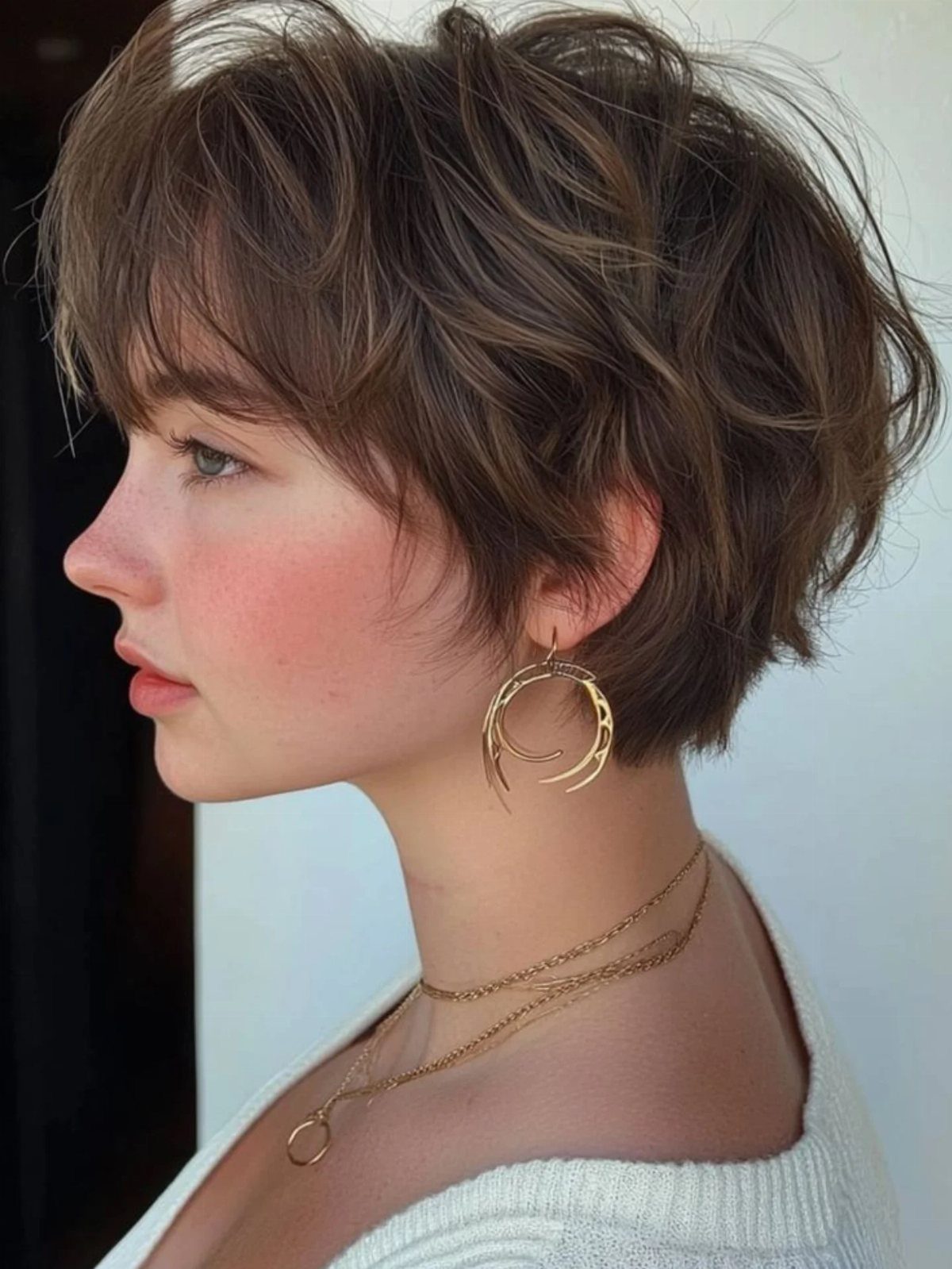
Natural waves do most of the work here.
The layers follow the wave pattern, so each section moves in its own direction without needing heat styling or heavy product. The longer fringe sweeps across the forehead and tucks behind the ear on one side.
This version suits someone whose hair already has some wave and who wants a cut that works with it rather than fighting it. Air-drying is enough, and a light cream or mousse helps define the waves without weighing them down.
The wavy top softens the crop’s usual sharp edges, making it read as less structured than straight-haired versions.
13. Textured Crop Low Fade
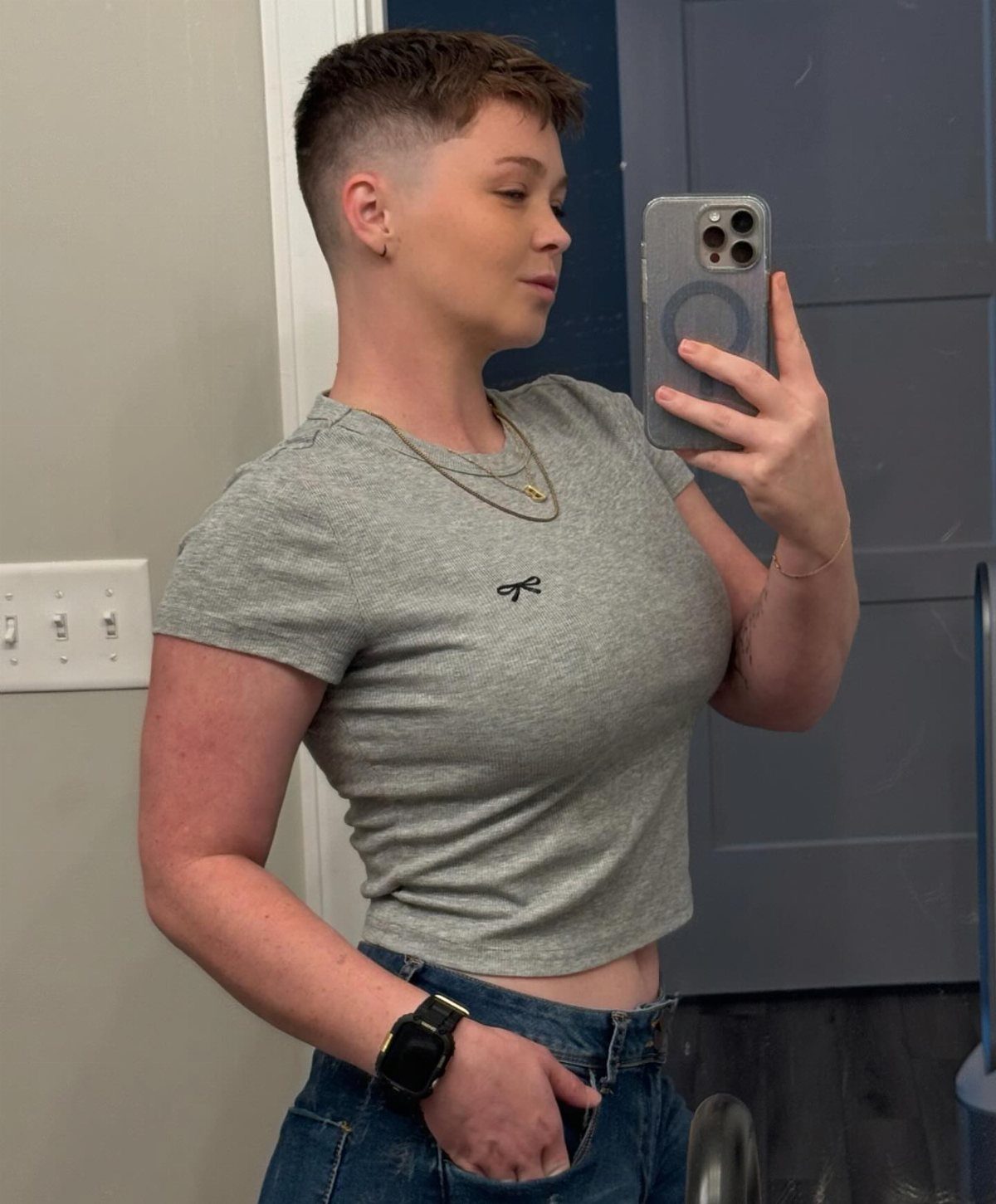
The fade starts low, just above the ear line, leaving more length on the sides than a mid or high fade would. That placement keeps the cut subtle while still giving the textured top a clean base to sit on.
Styling time is short. The longer top takes a small amount of product, and the low fade needs no attention until it grows out enough to blur the line.
Low fades grow out slower than high fades, which means you can wait longer between trims without losing the shape entirely.
14. Textured Crop High Fade
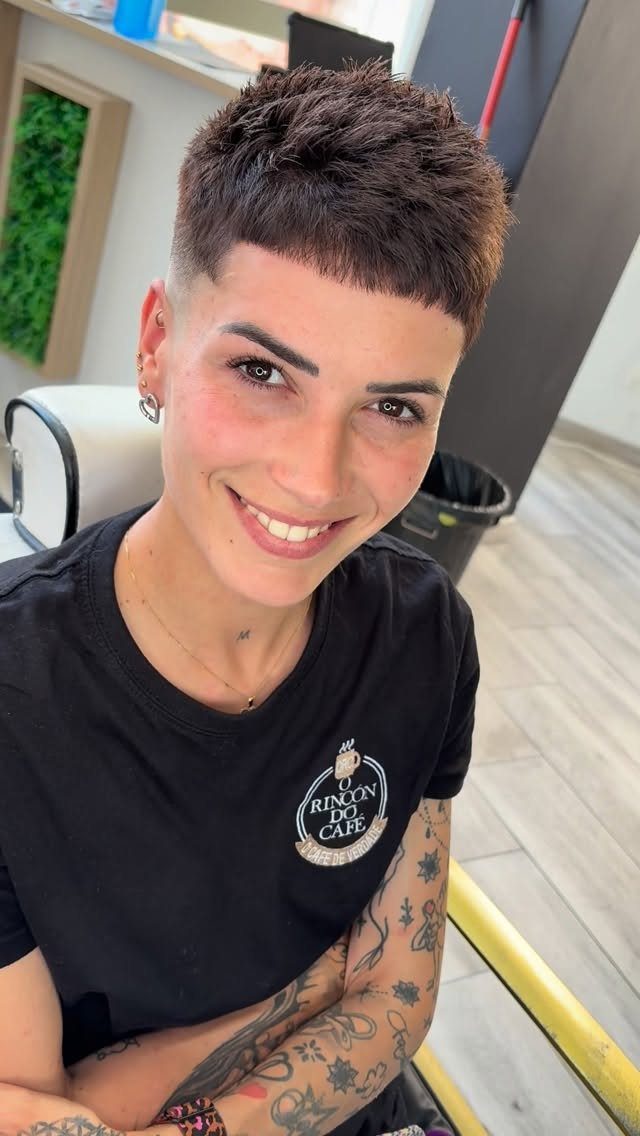
The fade begins high on the sides, often above the temple, leaving a sharp line between the cropped top and the closely shaved sections below. That high placement makes the contrast immediate and gives the cut its bold, graphic look.
The choppy top keeps the style from reading as too severe. Texture softens what would otherwise be a very structured cut.
High fades blur quickly as the hair grows back, so maintenance keeps the line crisp. Miss that window and the fade loses its edge.
15. Longer Pixie Over 40
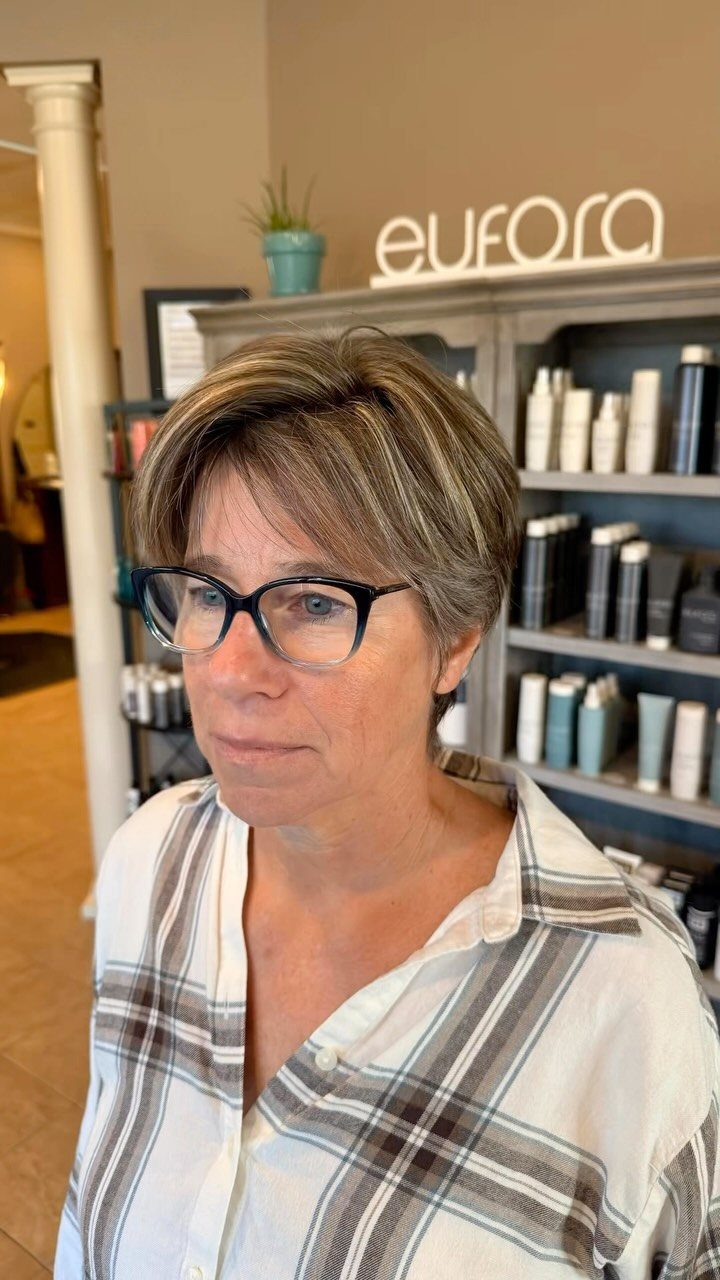
Length at the fringe and along the sides gives this pixie a softer line than sharply cropped versions. The layers are textured rather than heavily choppy, so the cut reads as polished without looking stiff.
The longer sections give more styling range, and the cut holds its shape between trims better than very short crops.
The side-swept fringe frames the face without covering it, and the highlights add dimension that shows the layers.
16. Blonde Textured Pixie
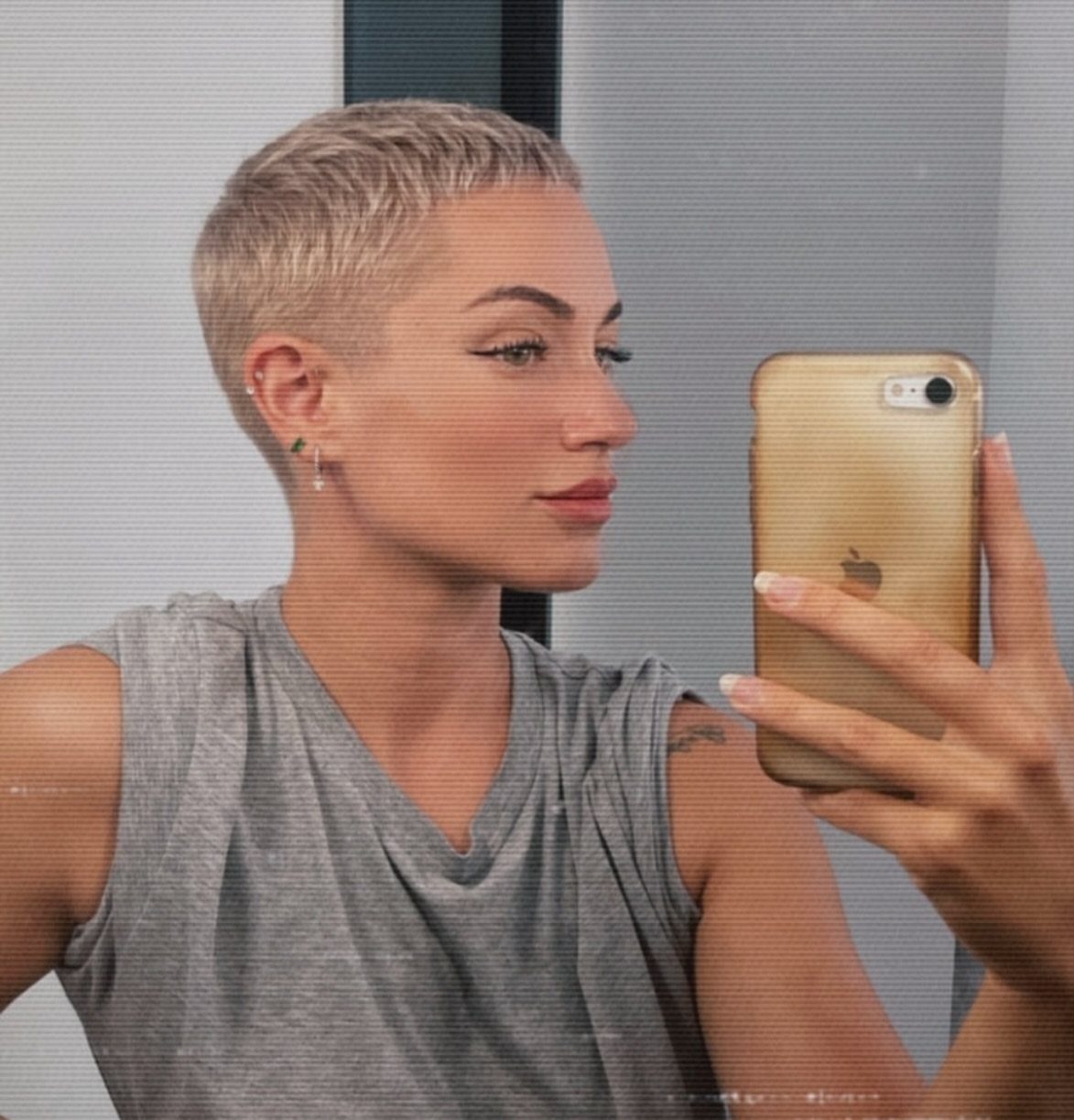
Blonde lifts the texture, making each piece visible where darker tones might blend together. The cut itself is short and choppy, with the sides trimmed close and the top left textured.
Blonde on short hair requires regular toning to keep the color from shifting warm or brassy, and root maintenance depending on your natural color.
The textured top gives you room to style it forward, rough it up, or slick it back, and the blonde makes whichever direction you choose more visible.
17. Side-Swept Pixie Layers
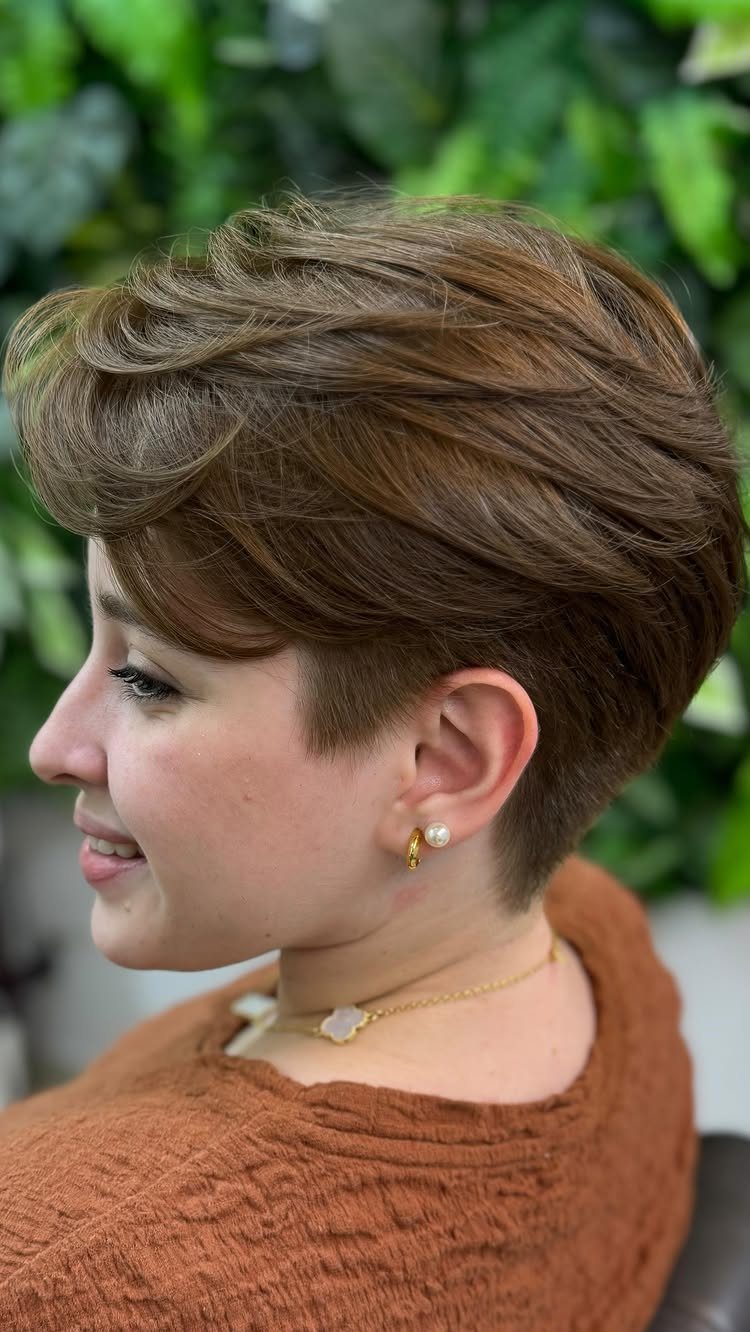
Layers are cut longer at the front and progressively shorter toward the back, creating a wedge shape that directs the hair forward and to one side.
The long side-swept fringe is the focal point, and the shorter back keeps the cut from looking heavy.
This shape suits someone who wants a pixie that doesn’t expose the nape fully. The length at the front offers styling flexibility, and the sweep across the forehead softens the overall look.
18. Textured Crop with Design Lines
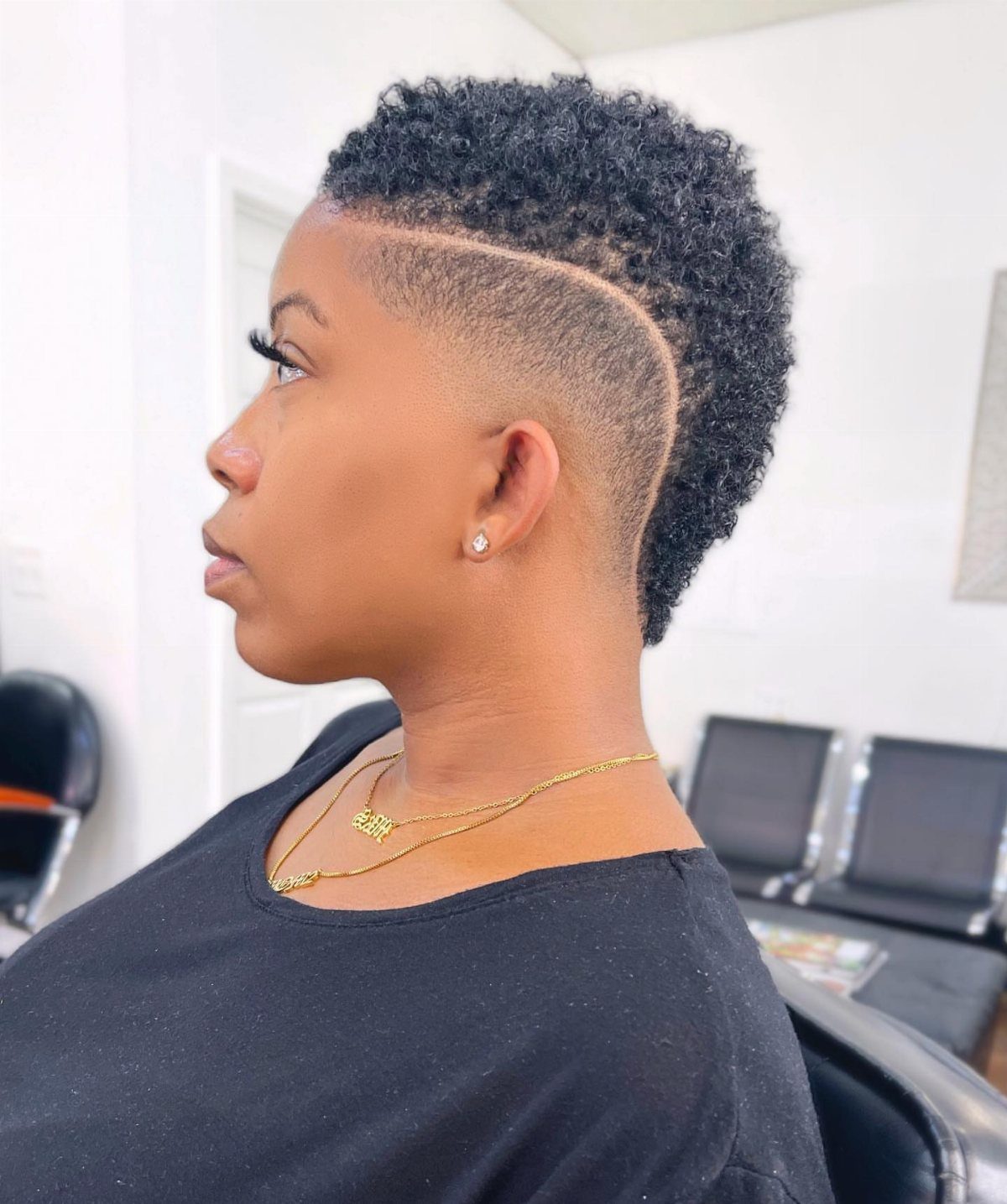
Shaved lines carved into the fade add a geometric element that changes the cut from clean to intentionally edgy.
The lines can be simple or complex, and they’re usually placed low on the side or at the nape where they’re visible in profile.
The design grows out as the fade blurs, so keeping it sharp means frequent touch-ups. Most designs last 1 to 2 weeks before they need to be recut.
19. Long Layered Textured Crop
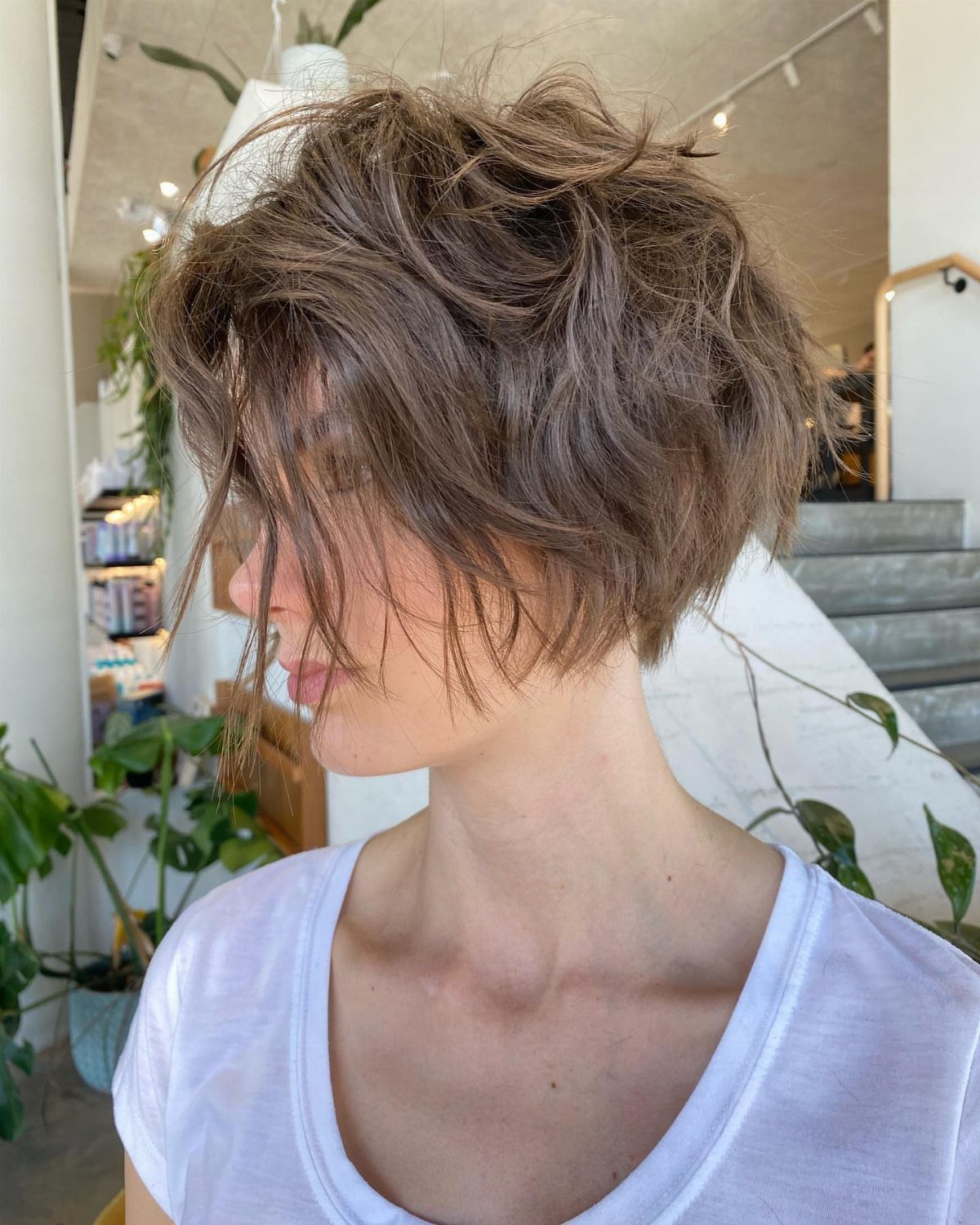
Length at the top pushes this past a standard crop into a longer, shaggier shape. The layers are cut long enough to fall forward rather than standing upright, and the fringe reaches past the eyebrows.
The longer length gives more styling options. You can push it forward for a tousled look, tuck it behind your ears, or let it air-dry and move on.
More length means more weight, so the texture shows best on hair with some natural wave or thickness. Fine, straight hair tends to flatten unless you add product and lift at the roots.
20. Textured Crop with Blunt Bangs
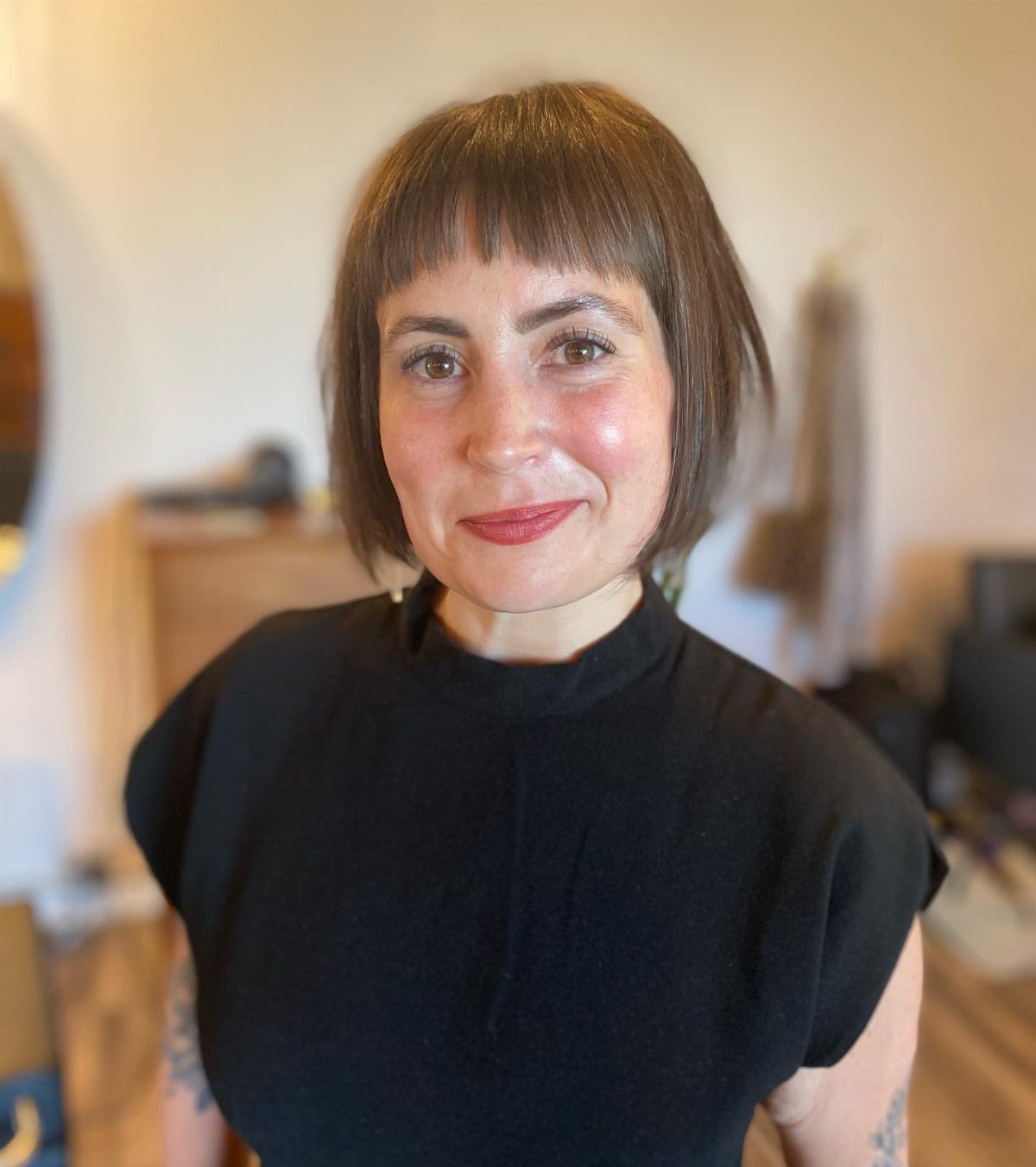
The blunt fringe sits in a straight line across the forehead, while the top remains textured and choppy. That pairing gives the cut a clean, graphic edge that other textured crops, with their roughed-up fringes, don’t have.
The blunt line needs regular trims to stay crisp. Once it grows past your eyebrows, the contrast between the structured fringe and the messy top starts to blur.
Styling the top takes minimal effort, but the fringe either sits flat or it doesn’t. If your hair has a strong cowlick at the hairline, a blunt fringe fights it daily.
21. Textured Crop with Side Fringe
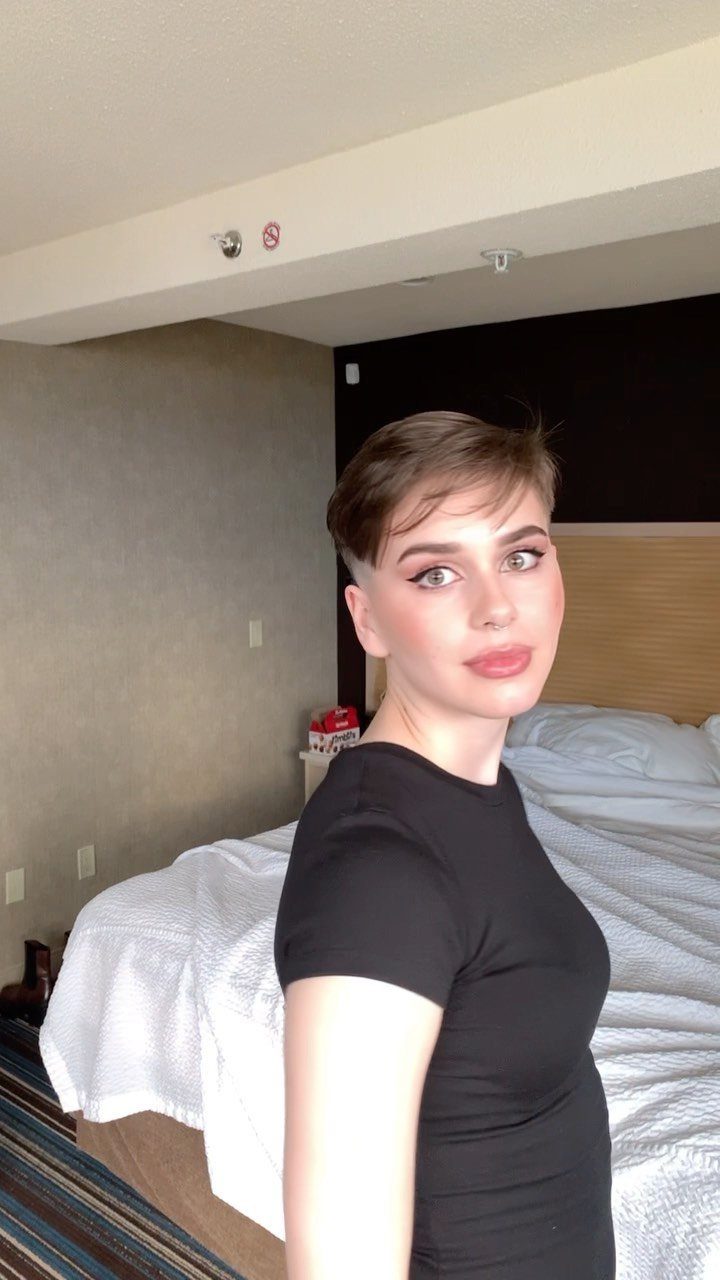
Sweeping the fringe to one side changes the balance of the cut, making it asymmetrical rather than centered. The textured layers are still choppy and short, but the side fringe softens the overall look.
The side sweep works well if you part your hair naturally to one side already. Fighting your natural part means more time with a blow dryer and more product to hold it in place.
This version grows out more gracefully than centered fringes. As the fringe lengthens, it tucks behind your ear rather than hanging straight into your eyes.
Styling and Upkeep
Most crops need very little work.
Damp hair takes texture spray better and holds the shape longer through the day.
Blow-dry while directing the hair forward, then scrunch as it dries to build separation. A pea-sized amount of matte clay rubbed between your hands and worked through every strand holds the shape through the day.
Pixies hold their structure for 4 to 6 weeks before the shape starts to soften. Plan trims around that window.
Daily shampooing isn’t necessary and can dry out your scalp. Most people find every other day or every 3 days keeps the hair clean without stripping it.
Choosing a Crop for Hair
The crop adapts to most hair types, but medium-textured hair that’s straight to slightly wavy is the easiest to style. The texture shows up clearly and the hair holds its shape without much product.
Wavier hair suits a messier fringe because the natural movement keeps the cut from looking too stiff.
Straight, coarse hair benefits from an extra inch or 2 on top, giving you enough length to work with and preventing the cut from sitting too flat.
Very tight curls may need a different approach entirely if you want the crop silhouette to read clearly.
Showing a Stylist References
Bring a reference photo when you ask for a crop. Most barbers know the cut, but a photo makes sure you’re both working toward the same version.
Talk through overall length, fade height if you want one, and how long the fringe should sit. The barber looks at your hairline, how your hair sits naturally, and whether you want a 2-minute or 10-minute morning.
A look that works on someone else might not suit your hair or your routine, and your barber will tell you that before cutting.
If you’re cutting it yourself, choppy texture helps hide uneven lines. The broken-up finish makes small mistakes less obvious than a blunt, smooth cut would.
Frequently Asked Questions
What is a textured crop haircut?
A textured crop is a short cut with layered, choppy sections on top and a fringe that falls forward, while the sides and back stay close to the head through a taper or fade.
The layers create visible separation and movement instead of sitting smooth. Straight, wavy, and loosely curly textures all hold the shape well, and most mornings you’re looking at 2 minutes or less to finish it.
What face shape for textured crop?
The crop adapts to most face shapes without much adjustment.
The short sides and textured top create balance that works across different proportions. If you want the cut, your stylist can adjust the fringe length and fade height to suit your specific features.