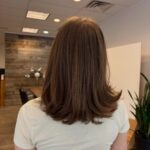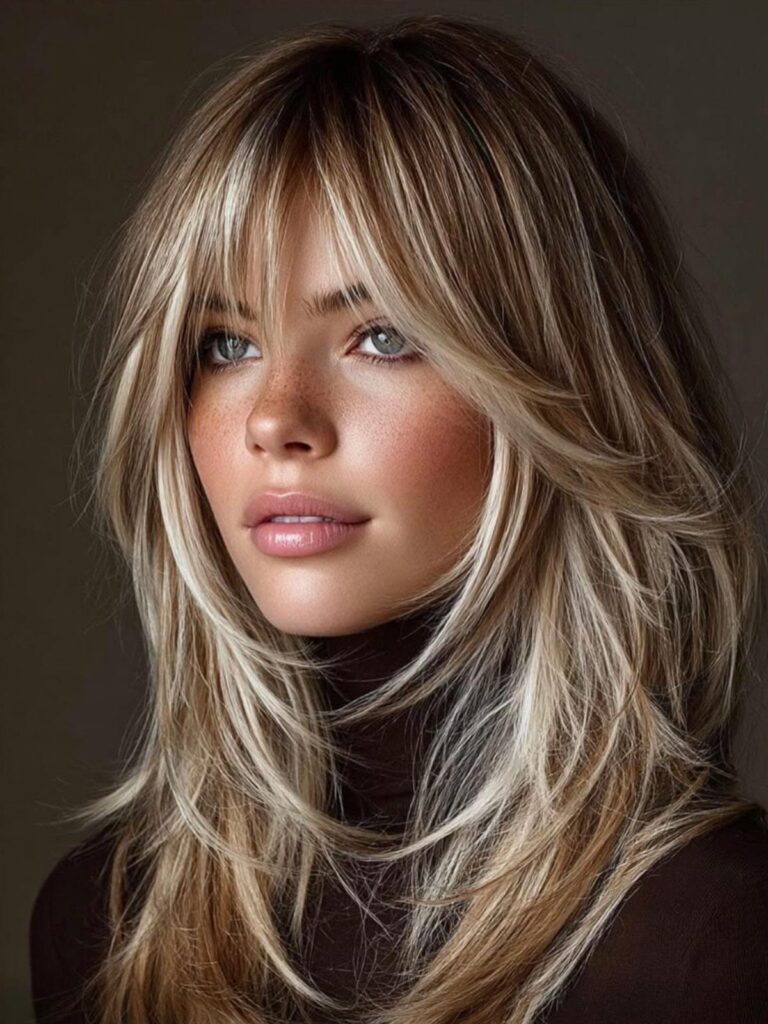
Mid-length hair cut with long layers gives you movement without losing the ability to pull everything back, and the cut grows out gradually enough that trims can stretch 6 to 12 weeks for most styles, closer to 3 months if the layers taper gently.
The list covers shags, textured lobs, feathered layers and a variety of wave patterns, plus one option with a fringe and a section on how layers behave across different hair types.
1. Shaggy Layers
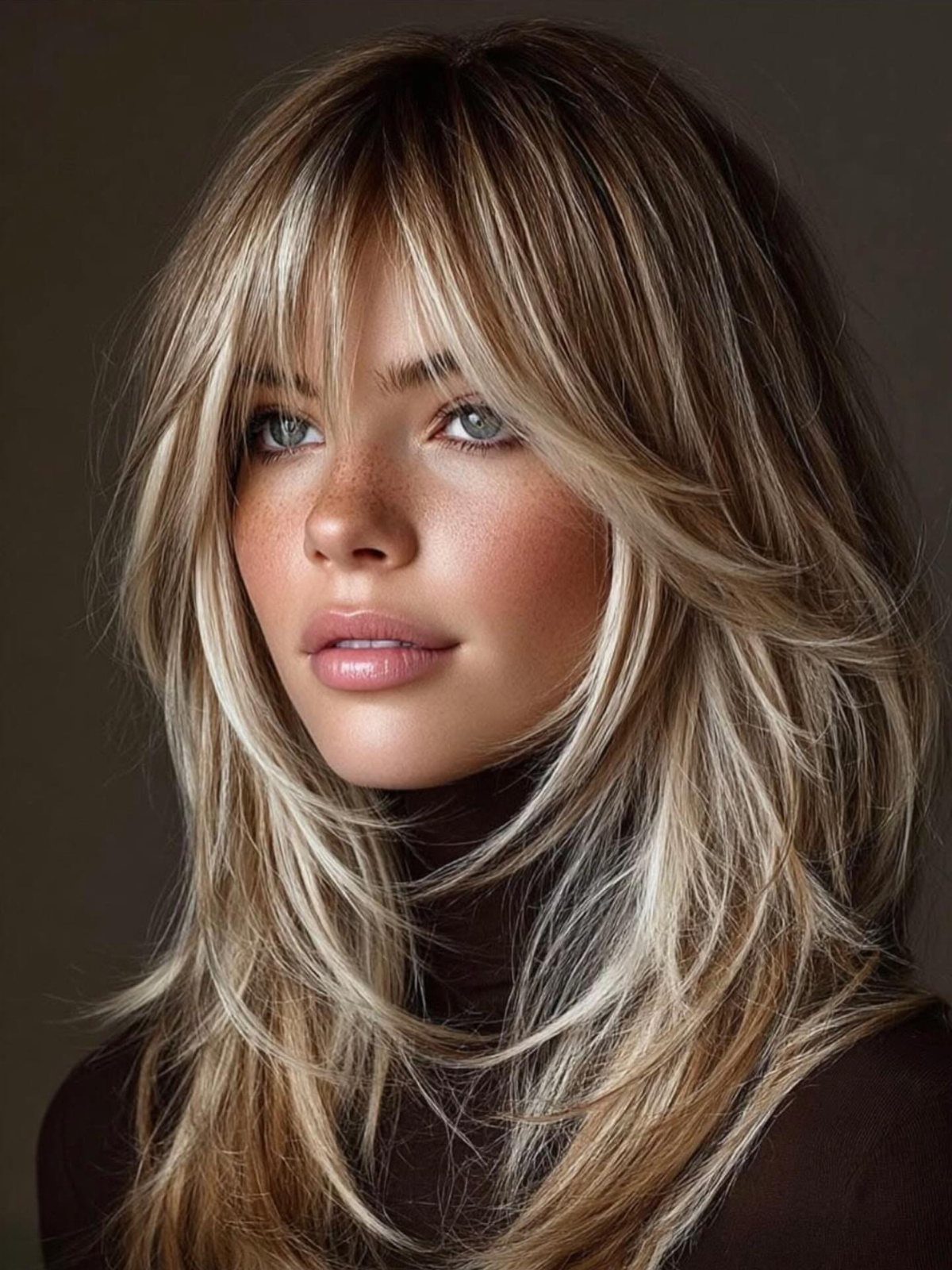
A shag cuts choppy, feathered layers through mid-length hair for a shape that looks lived-in rather than salon-fresh.
The layers fall unevenly, lifting at the crown and around the face, which gives fine hair more volume and thick hair a lighter feel.
Styling takes a round brush or your fingers and a texturizing spray. Most shags need regular trims to keep the feathered ends from growing blunt, but the shape itself is forgiving if you miss one.
Wispy bangs soften the cut without adding upkeep. If you skip bangs, face-framing layers do the same work.
2. Choppy Textured Lob
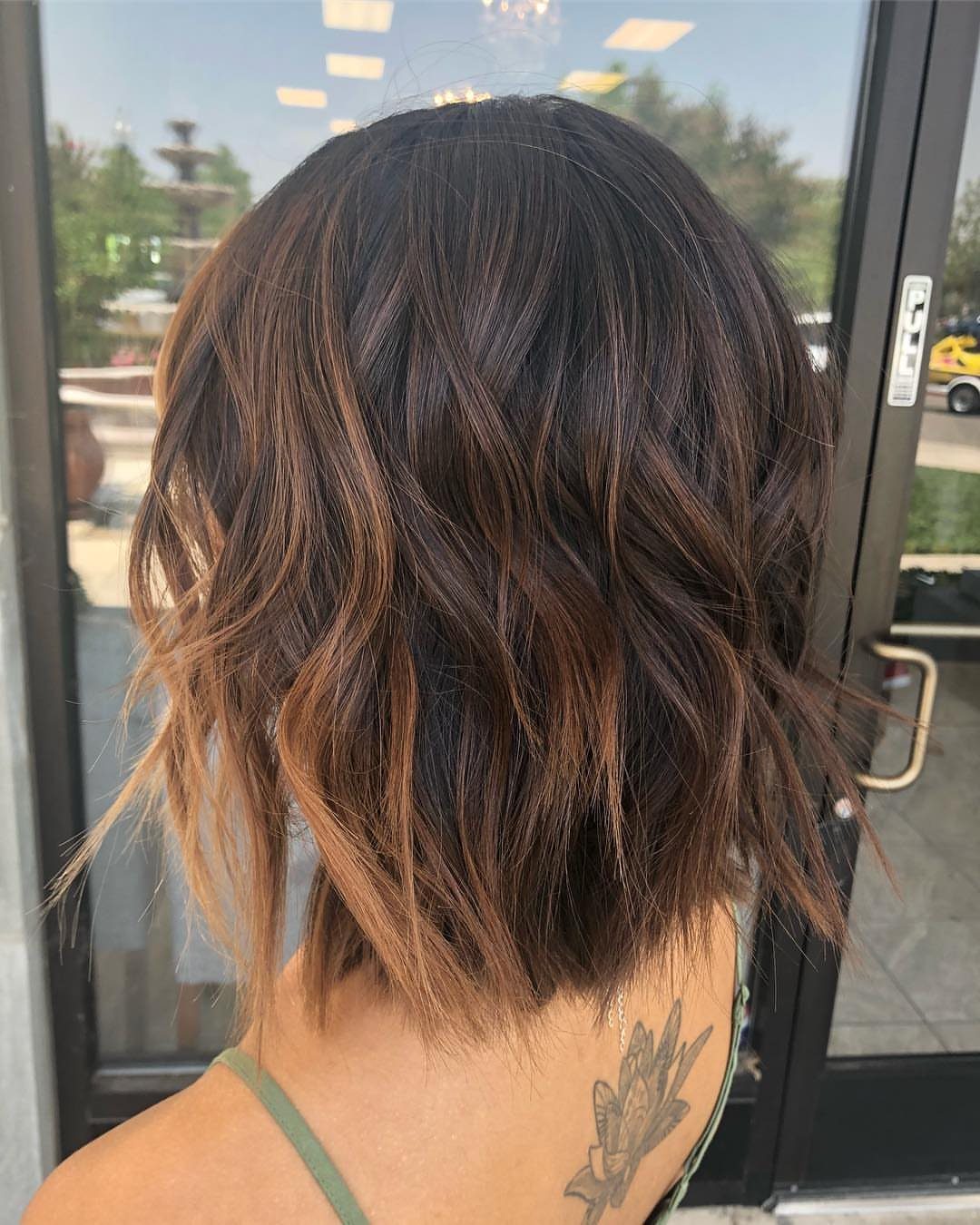
A lob lands between the collarbone and shoulders, and choppy layers give it texture instead of a smooth, one-length line. The cut works on straight or wavy hair, and the uneven ends make it look intentionally undone.
Lighter ends, like the caramel tones visible here, lift the color and make the layers stand out more. Point-cutting or razor-cutting creates the choppy finish; ask for whichever your stylist prefers.
Air-drying works if your hair holds a wave. For a smoother finish, blow-dry with a paddle brush and twist sections with a flat iron.
3. Layered Curls
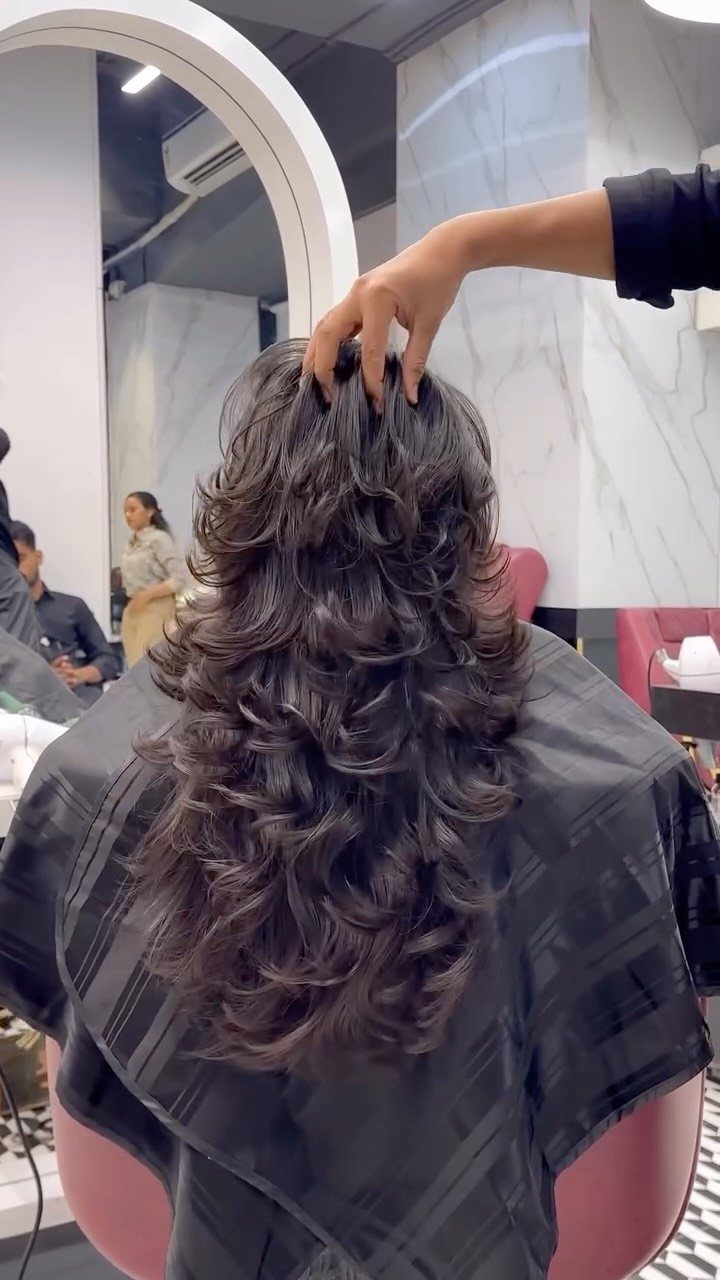
Curls get heavy and triangular when they grow past the shoulders without layers. Cutting layers into them removes weight and lets each curl spring up instead of pulling down.
The layers should follow the curl pattern, cut when the hair is dry so the stylist can see where each curl sits. Shorter layers at the crown add lift, longer ones underneath keep length.
Styling is easier after a layered cut because the curls move on their own. Most curl types need a leave-in conditioner and a gel or cream to define the shape, then air-dry or diffuse.
4. Long Layers
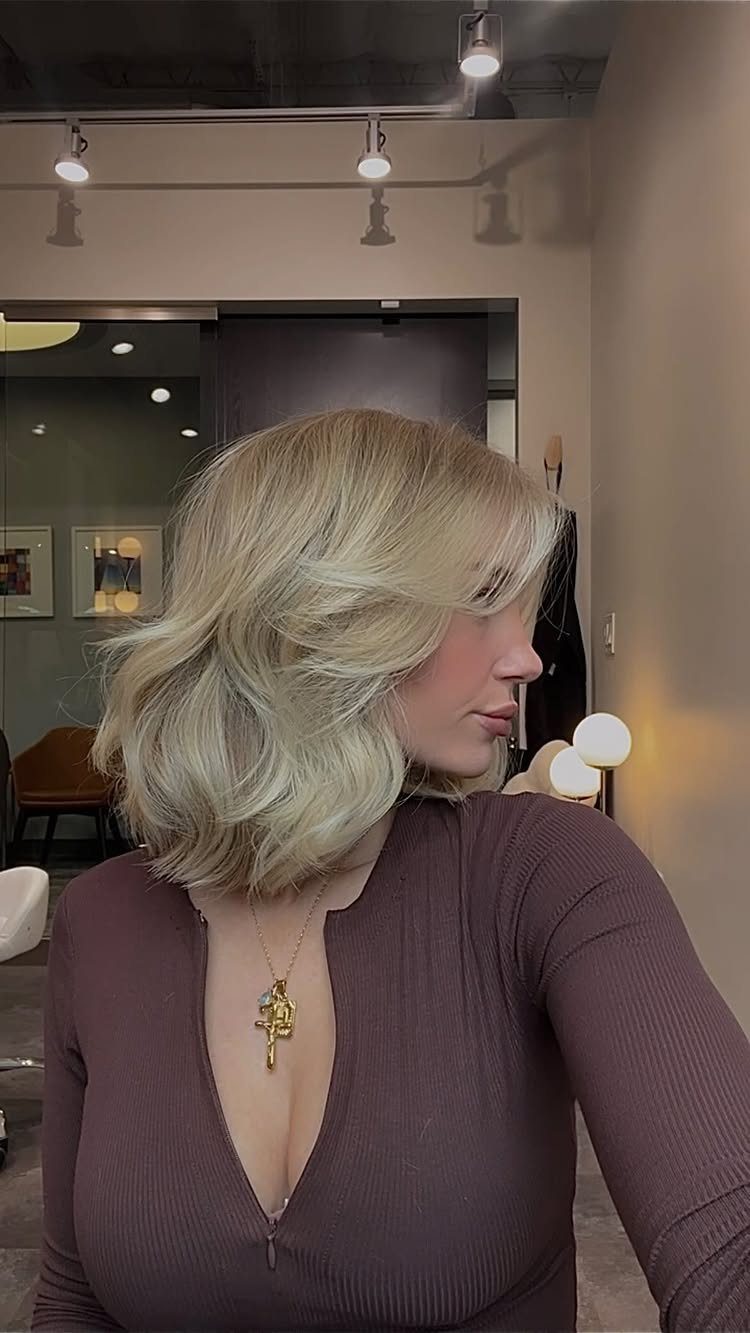
Long layers start 2 to 3 inches below the shortest point and taper gradually, so the cut keeps most of its length while adding movement. The top layers lift at the crown, which balances a mid-length cut that would otherwise sit flat.
This cut suits most hair types. Fine hair gets more volume, thick hair loses weight without losing the ability to pull into a ponytail or bun.
Blow-dry with a round brush for lift at the roots, or let it air-dry for a softer shape. Long layers grow out gradually, so you can stretch time between trims.
5. Birkin Boho with Relaxed Fringe
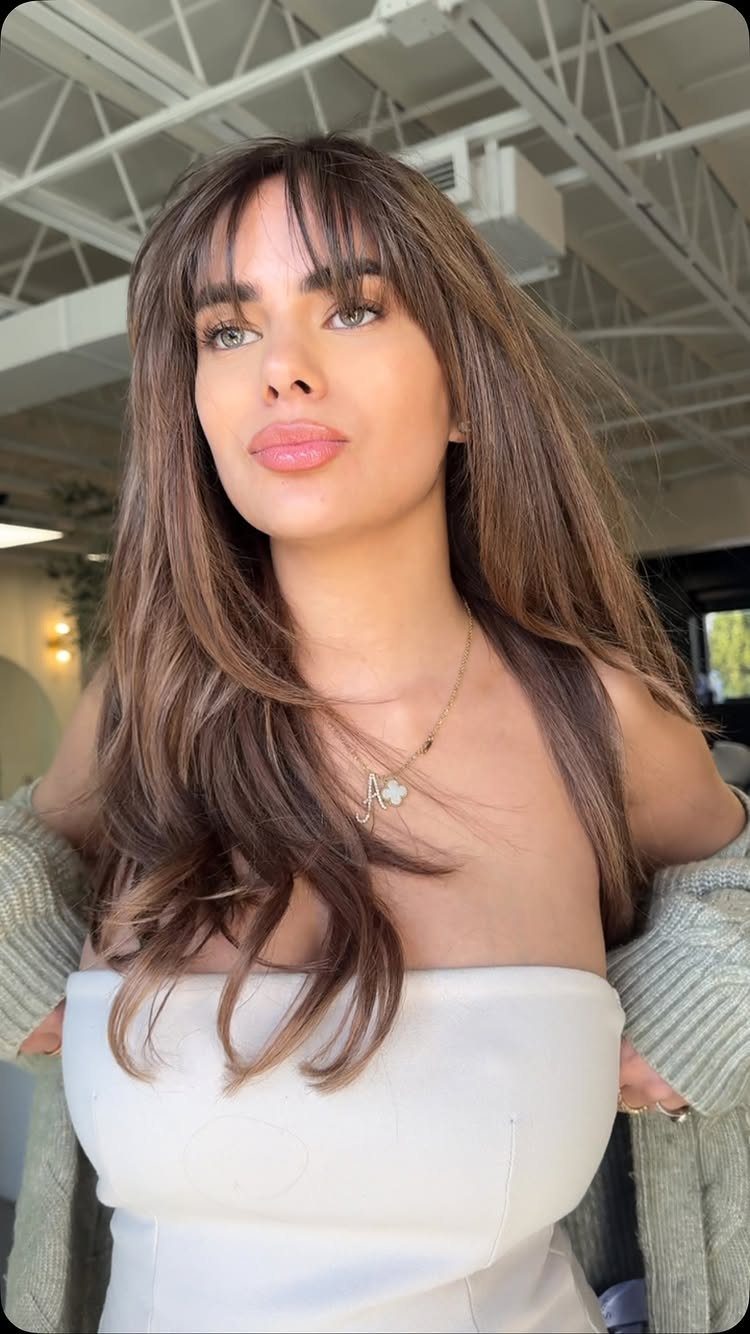
Soft, blended layers run through the length without any obvious break, and a relaxed fringe sits just above or at the brows.
The fringe can be trimmed thicker or thinner depending on how much forehead you want covered, and it blends into the layers on either side.
The cut suits straight or slightly wavy hair. Curly hair can pull it off, but the fringe will need more frequent trims to keep it from shrinking above the brows.
Styling the fringe takes a round brush and a few seconds with a blow-dryer, or you can let it air-dry and sweep it to the side. The layers need little more than a brush or your fingers.
6. Classic Mid-Length Layers
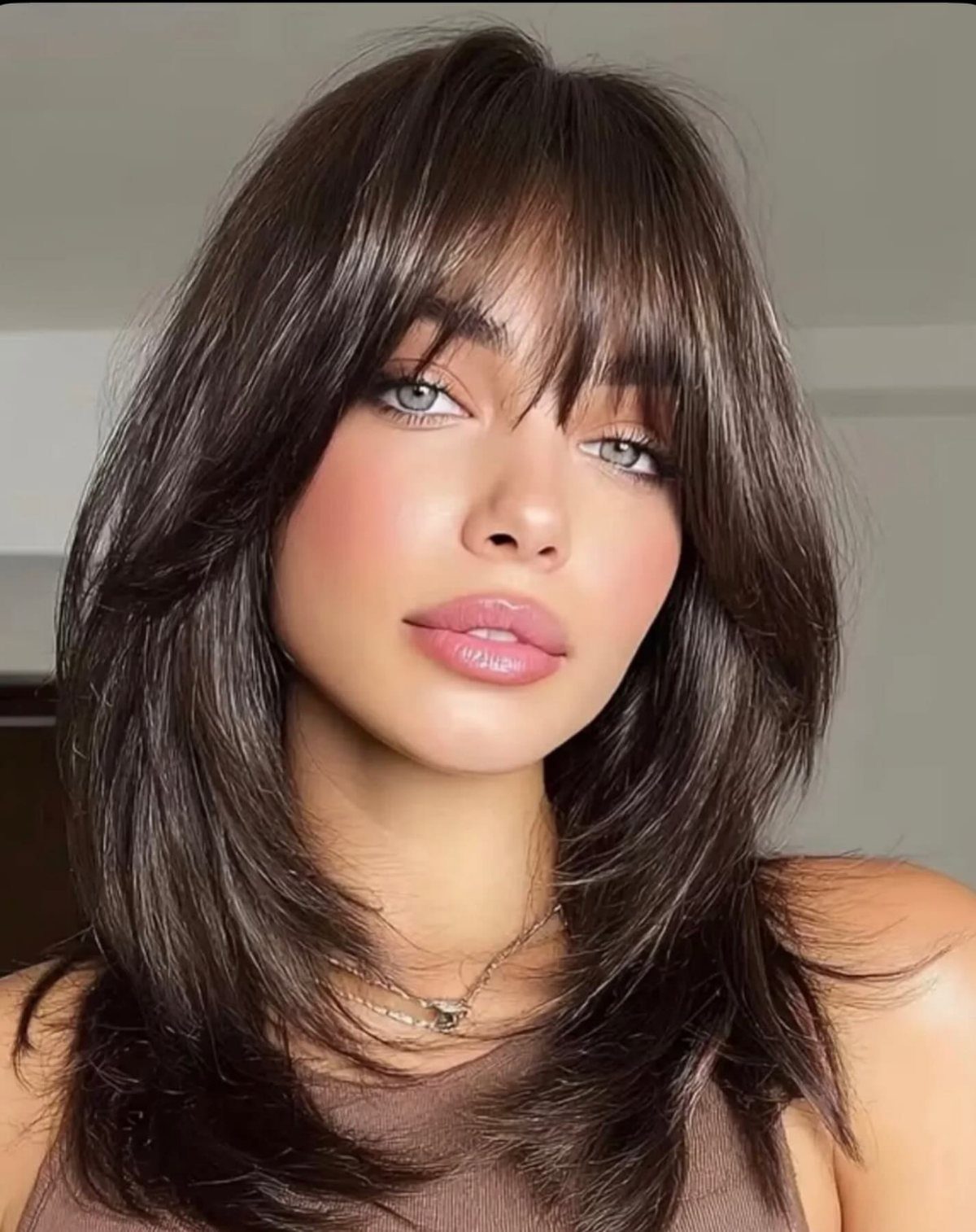
A classic mid-length layer cuts subtle texture into hair that falls between the collarbone and shoulders, without any dramatic angle or choppy finish. The layers taper gently, so the cut looks polished rather than edgy.
A paddle brush gives you smooth volume, or add a loose wave with a curling iron for texture. The cut stays versatile, so you can dress it up or leave it casual.
7. Feathered Face-Framing Layers
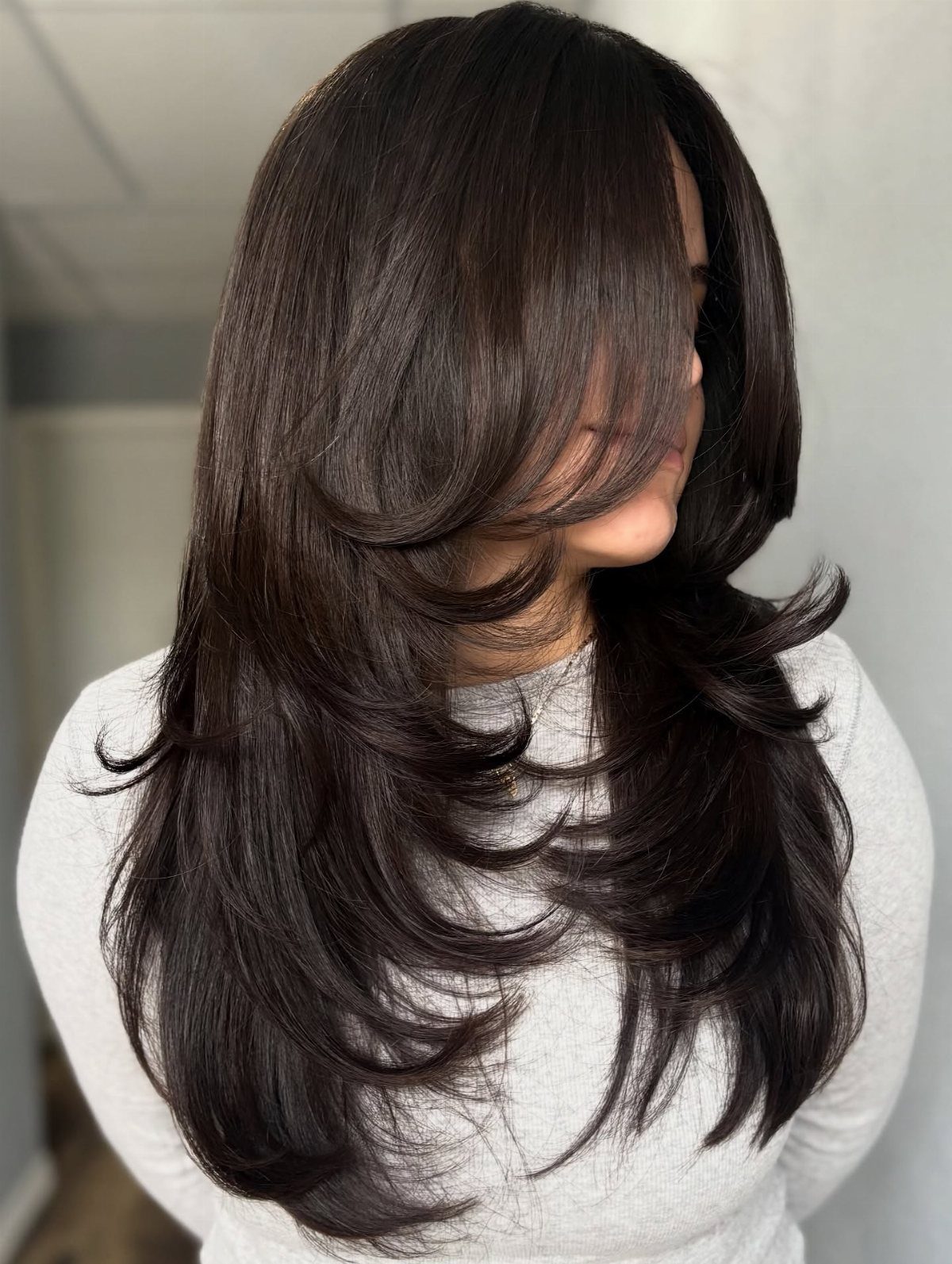
Face-framing layers start short near the chin or cheekbones and taper toward the length, drawing attention inward and softening a square or round face. The feathered ends keep the cut from looking heavy.
A round brush and a blow-dryer add lift at the roots and sweep the layers back. If you let it air-dry, the layers still frame the face, just with less volume.
Skip one and the layers start to look blunt.
8. Rounded Highlighted Layers
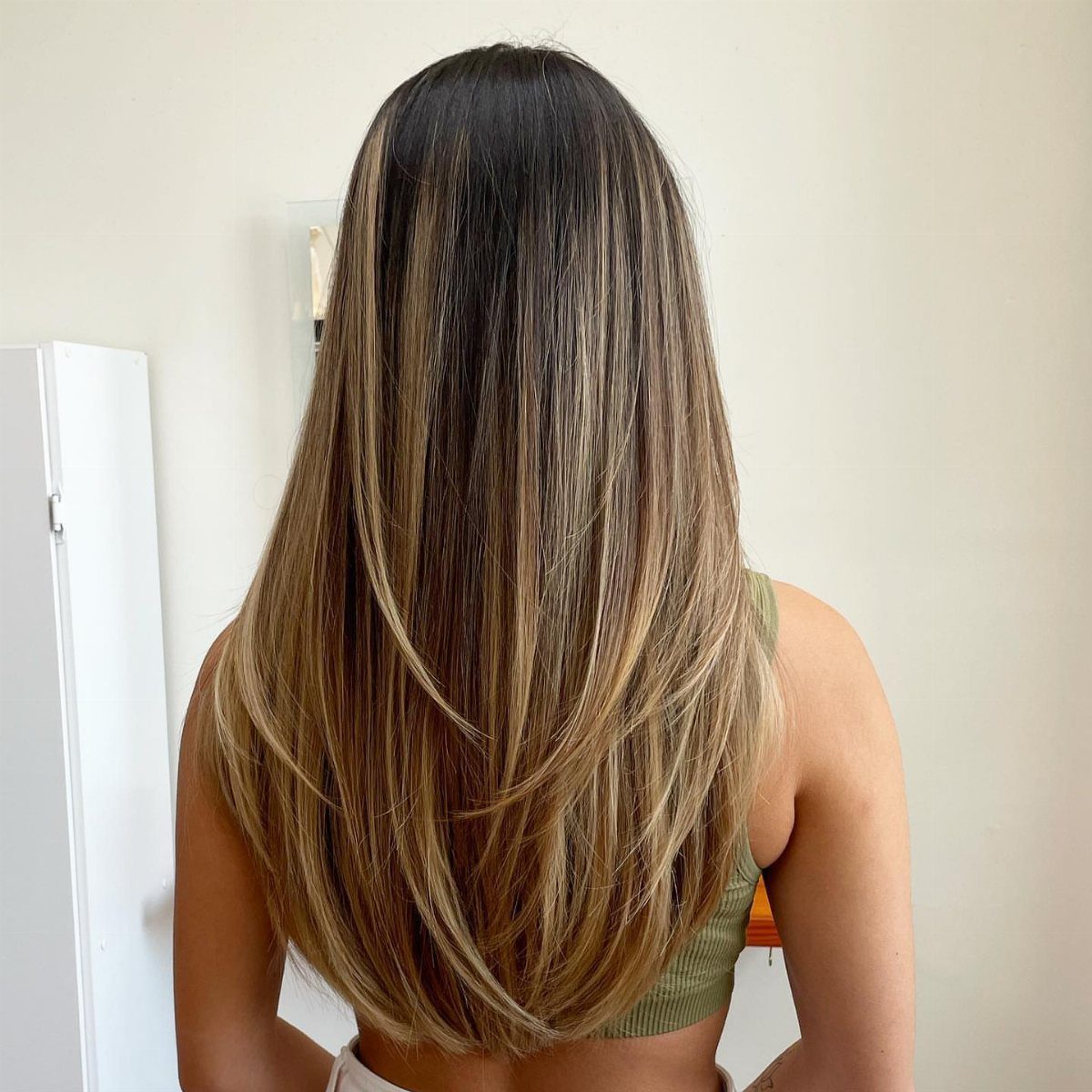
Rounded layers cut the hair into a smooth, curved shape rather than choppy or feathered ends. The layers follow the curve of the head, so the cut looks polished from the back and sides.
Highlights placed through the layers make the shape more visible. Warm blonde on brown picks up light and separates the layers without a strong contrast.
The cut holds its shape as it grows, so trims can stretch longer than most layered styles.
9. Shoulder-Length Wavy Layers
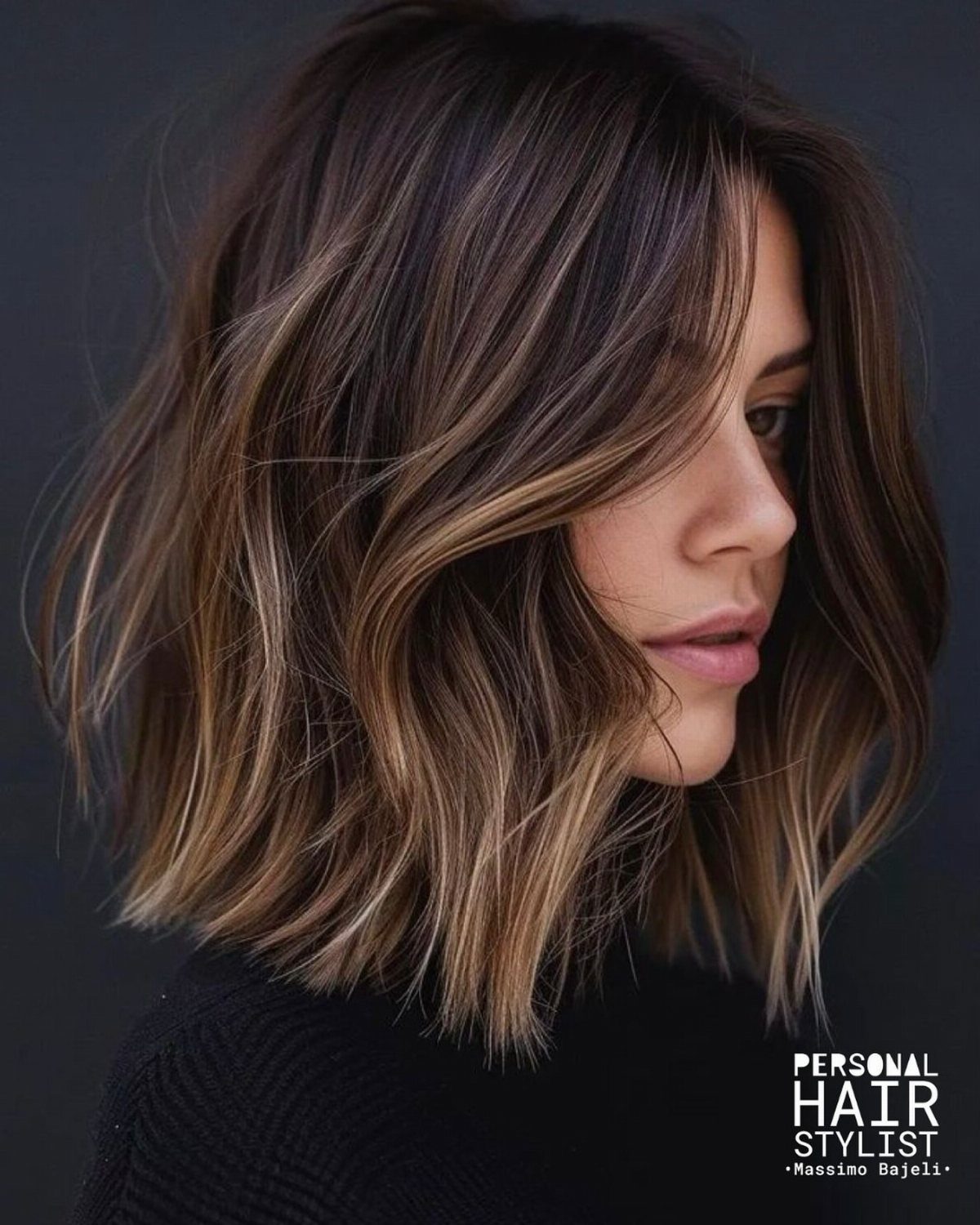
Layers cut into a shoulder-length bob add texture without losing the clean line of the cut. Highlights placed through the layers give the waves more dimension, and face-framing pieces soften the shape around the jawline.
A curling wand or flat iron twisted through sections creates the wave. Start the curl below the ear so the top stays smooth.
10. Long Layered Waves
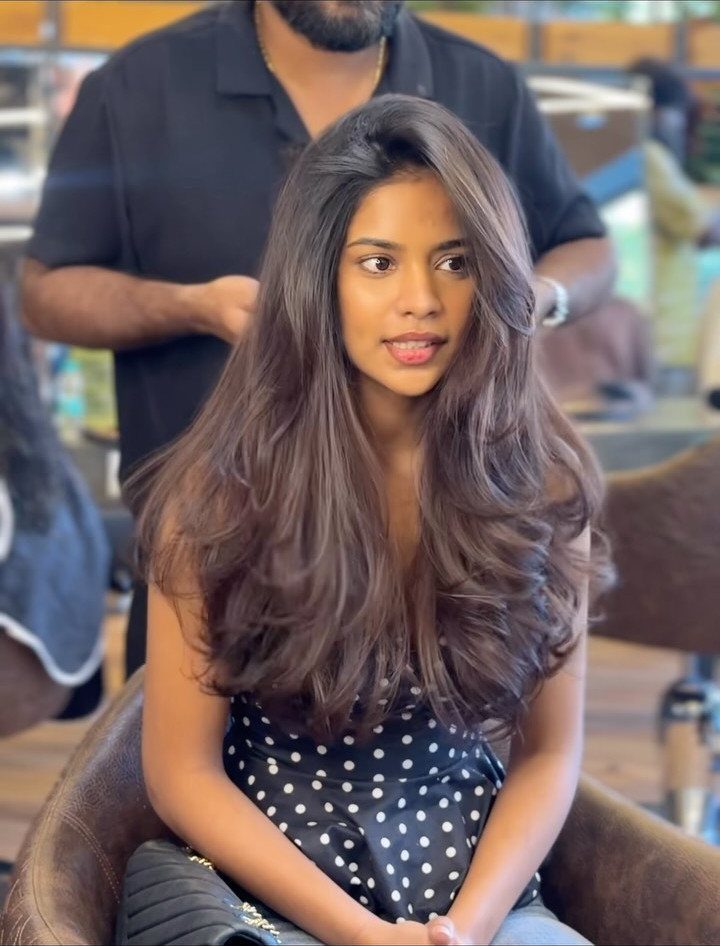
Layers cut through medium-to-long hair let waves or curls move without tangling at the ends. The layers remove weight, so the hair lifts at the crown and falls with more shape.
A texturizing spray adds hold without stiffness.
Thick hair benefits most because the layers thin the bulk, but fine hair can handle it if the layers stay long and gradual.
11. Long Layers with Bangs
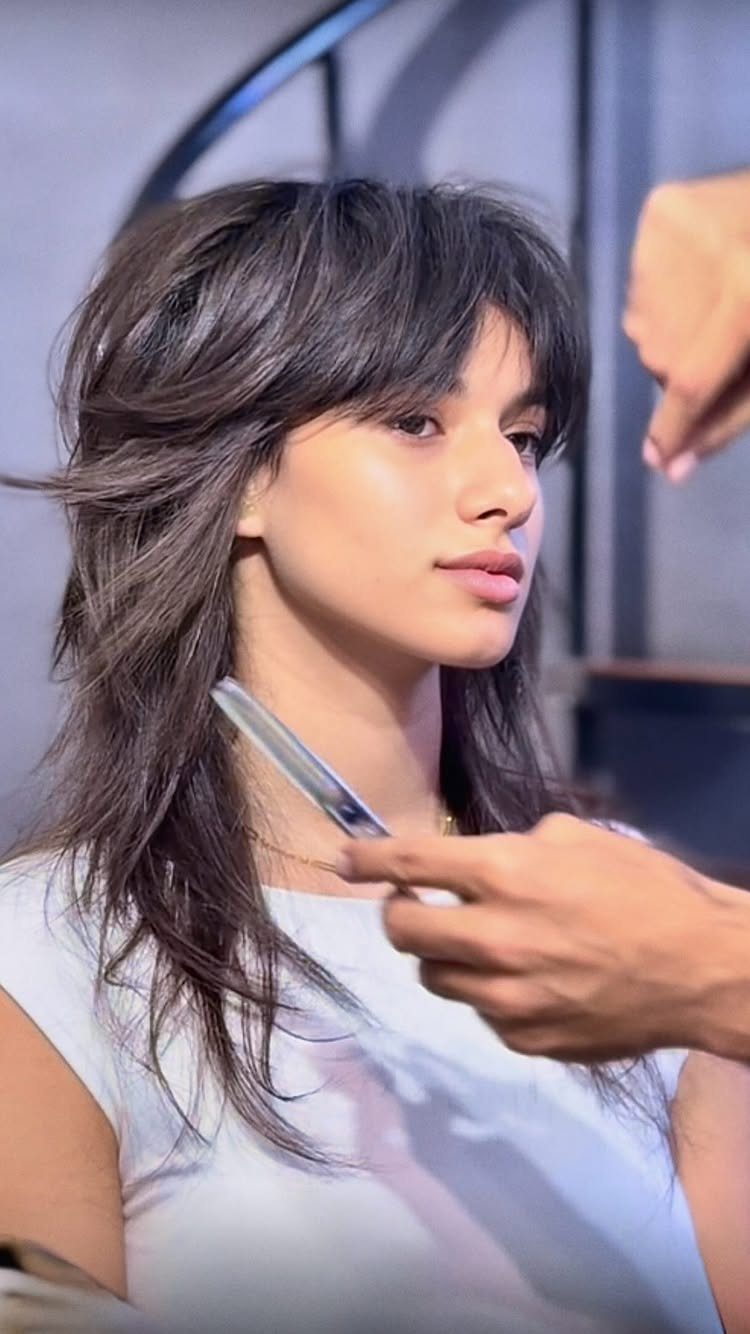
Bangs paired with long layers shorten the visual length of the face and add a focal point at eye level.
Full bangs sit at the brows, curtain bangs part in the middle and sweep to the sides, and side-swept bangs angle across the forehead.
The layers behind them can stretch longer between cuts.
The layers style the same way as any long cut.
12. Voluminous Shoulder Layers
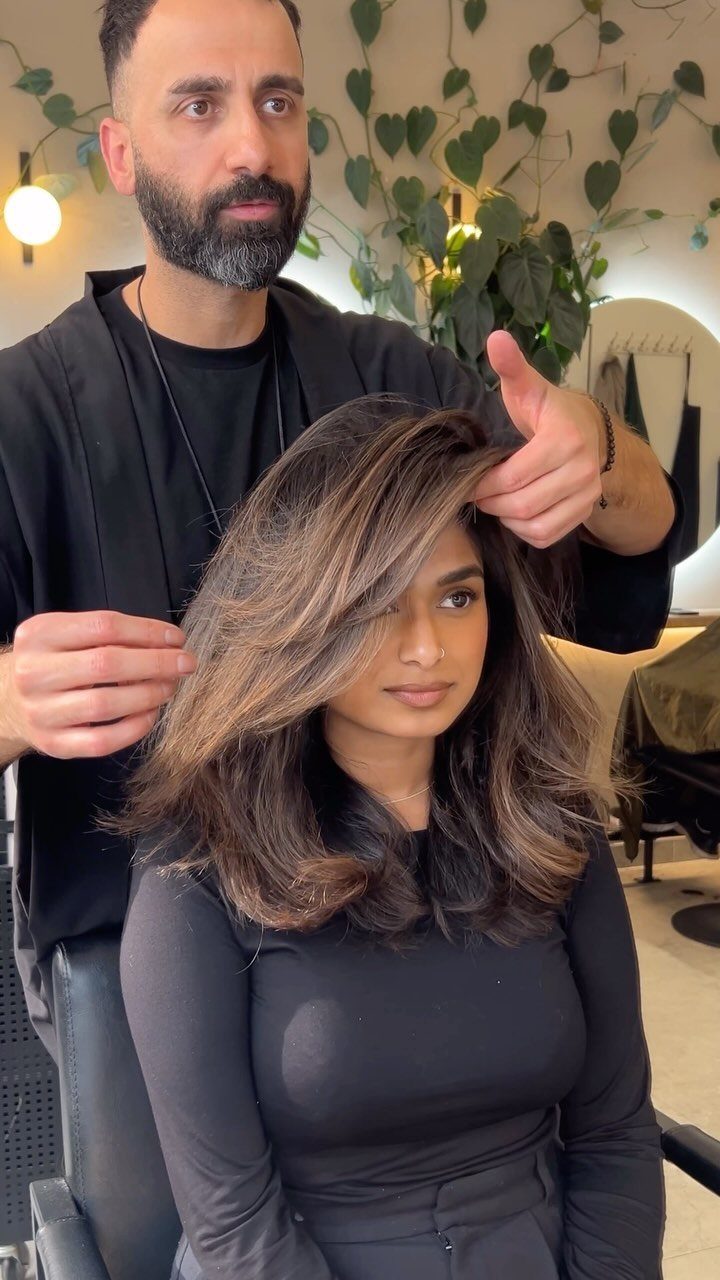
Shoulder-length layers cut with highlights add dimension and make the hair look fuller when styled with volume. The layers taper gradually, so the cut keeps enough weight to hold a wave or a curl.
For more texture, curl sections with a curling iron or wand, then brush through the curls to soften them.
Highlights placed through the layers catch light and separate the pieces, which makes the volume look intentional rather than puffy.
Layering for Different Hair Types
Fine hair needs subtlety. Layers that are too short or too heavily cut will make the ends look thinner, not fuller.
A medium-length layer adds texture without removing too much weight, so the hair still holds body when you lift it with a round brush or texturizing spray.
Styling and Upkeep
Trims keep the shape intact. Most mid-length layered cuts need one every 6 to 12 weeks, though gradual layers can stretch closer to 3 months.
Scrunch damp hair with a light mousse or texturing spray for an undone look, or diffuse curls on low heat to lift them at the roots.
Heat styling needs a protectant applied to damp hair before you pick up a round brush, flat iron, or curling wand.
The protectant coats the hair and keeps direct heat from drying the ends, which is where layered cuts show damage first.
Frequently Asked Questions
What are some types of medium-length haircuts?
Choppy shags help fine hair stand up and take weight off thick strands without sacrificing length.
Choppy textured lobs land between the collarbone and shoulders with uneven ends that look intentionally undone. Layered curls remove weight so each curl springs up instead of pulling down, and classic mid-length layers taper gently for a polished look.
How often should you get a trim?
Trimming every 8 to 10 weeks keeps the layers looking deliberate instead of grown out.