A hair care routine for long hair is a sequence of washing, conditioning, detangling and protective steps designed to keep length without breakage.
The challenge is that long hair dries out faster than short because natural oils take longer to reach the ends, and damage accumulates over more surface area.
This routine calls for washing two to three times a week, conditioning from mid-lengths down, and trimming every 8 to 12 weeks to stop split ends before they travel upward.
1. Choose Products Around Hair and Scalp Needs
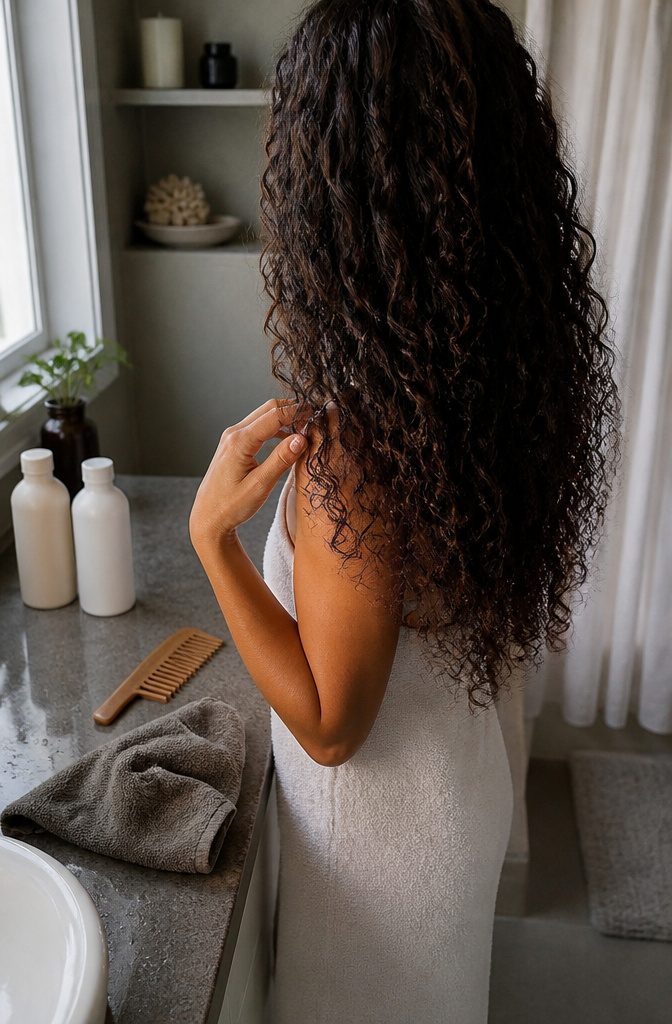
Straight hair tolerates frequent washing and lighter formulas; curly and coily textures need richer moisture because their natural oils take longer to travel down the spiral. If you have curls, pick a hydrating shampoo built around that dryness.
The L’Oréal Paris Elvive Dream Lengths Curls Moisture Push Shampoo loads moisture into each coil with hyaluronic acid and castor oil, fights humidity, and defines the curl pattern without weighing it down.
Wavy hair sits between the two and responds best to sulfate-free formulas that clean without stripping.
Scalp condition decides how often you wash. An oily scalp benefits from a balancing shampoo or dry shampoo between washes; a dry scalp calls for gentler hydrating formulas and longer intervals.
The Elvive EverPure line is sulfate-free and keeps both scalp and lengths from drying out. I match the shampoo to the scalp’s oil level first, then adjust the conditioner and masks to whatever the ends need.
2. Wash Two to Three Times a Week

Your scalp produces natural oils that long hair genuinely needs.
Wash two to three times per week and no more. Any session beyond that strips away the sebum that travels down the shaft to keep ends from drying out.
If you work out daily or sweat through a shift, rinse with water instead of shampooing.
The rinse clears salt and dirt without pulling oil. Between full wash days, a co-wash refresh gives you clean roots without resetting the oil clock.
The every-third-day schedule works for most textures and scalp types.
Hair that looks greasy by day two usually adjusts within a few weeks once you stop washing it into panic mode. I have seen schedules stretch to twice a week once the scalp stops overproducing to compensate for constant stripping.
3. Condition From Mid-Lengths to Ends
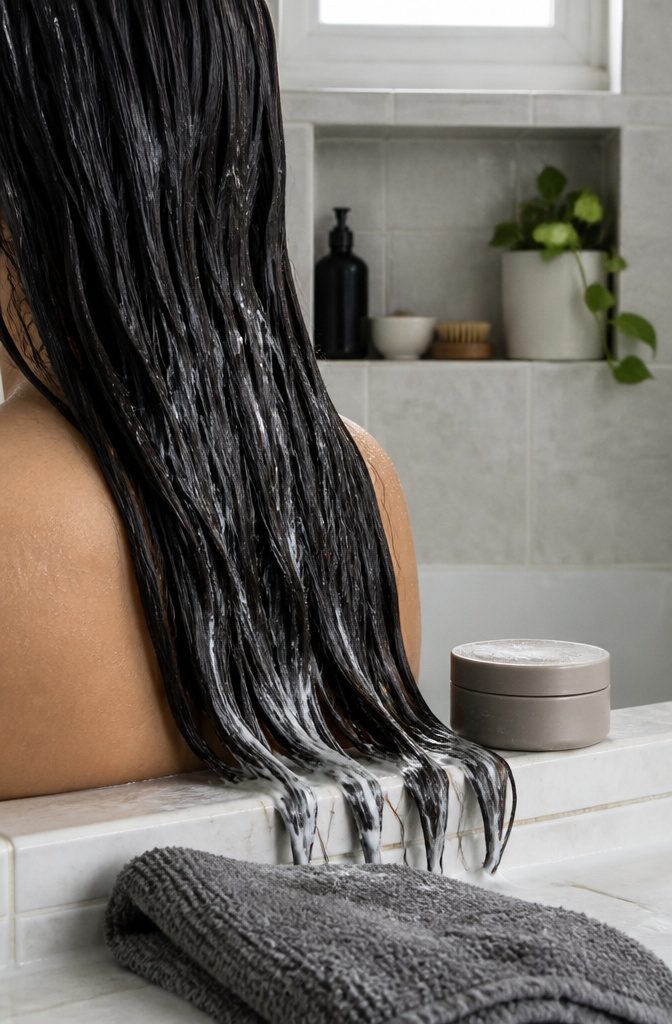
Conditioner goes on after every wash, mid-length to ends only. The scalp produces its own oil and adding conditioner there weighs hair down or leaves it looking greasy.
The older sections of hair, from about ear level down, need the moisture because they have been through more washing, brushing and sun exposure.
I focus the product where the strand starts to feel different.
On wet hair that is usually a few inches below the root, where the texture goes from slick to slightly rougher. Work it through to the tips, leave it for the time the bottle recommends, then rinse completely.
L’Oréal Paris Elvive Dream Lengths Curls Moisture Seal Conditioner is paraben-free with hyaluronic acid and castor oil.
It hydrates without the heavy feel some richer formulas leave behind, which matters when you are conditioning several feet of hair at once.
4. Deep Condition Weekly for 10 to 30 Minutes
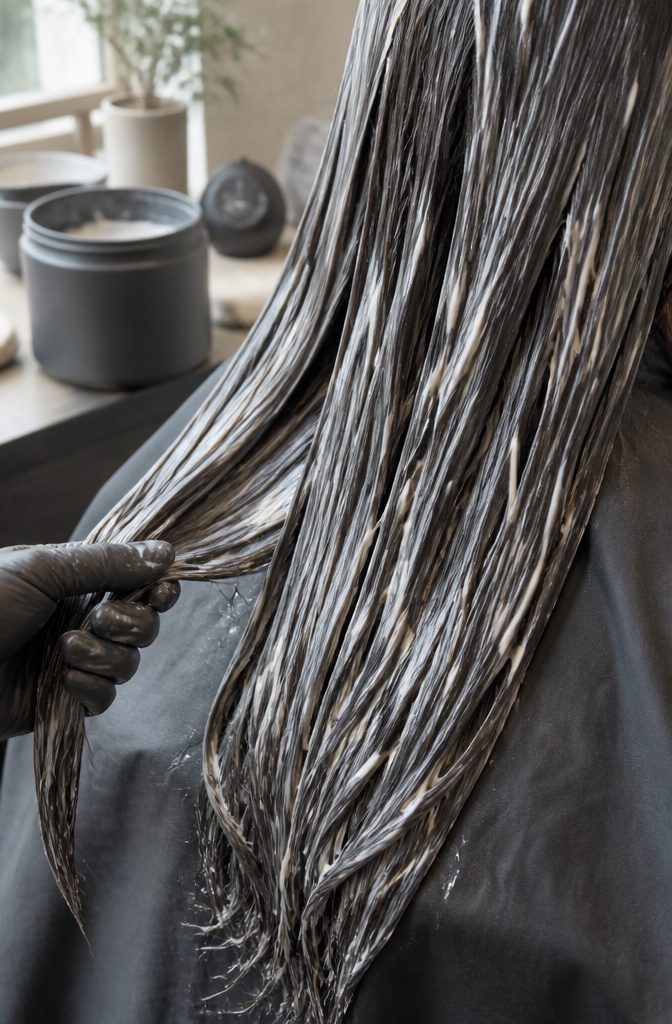
A weekly mask counters what washing and heat styling leave behind.
Most people apply it for 10 to 30 minutes, adjusting for how dry their hair is and what the product label says. Argan oil, shea butter, and coconut oil all add moisture without focusing on damage repair.
The L’Oréal Paris Elvive Total Repair 5 Damage Erasing Balm works in three to five minutes, which matters if you wash your hair in the morning and cannot afford half an hour under a shower cap.
For hair that sees flat irons or curling wands multiple times a week, I schedule the mask after shampooing, leave it while I handle everything else in the shower, then rinse.
The difference shows up in how the ends behave by midweek.
5. Add Leave-In Products
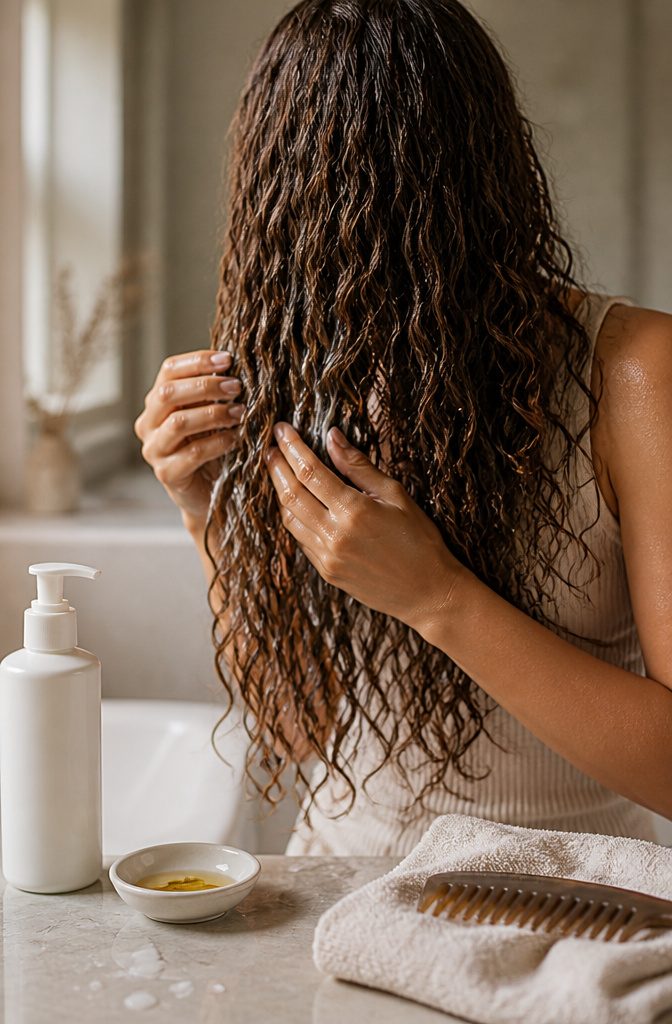
Leave-in conditioner gives long hair a protective layer that works all day, locking in moisture and helping mid-lengths and ends stay soft between washes.
I use it on wet hair after every wash, focusing on mid-length to ends rather than the scalp.
The older sections of your hair need the extra hydration, and a leave-in keeps them from looking dry or feeling brittle by the afternoon.
The L’Oréal Paris Elvive Dream Lengths Curls Non-Stop Dreamy Curls Leave-in Conditioner can be applied to wet or dry hair, whichever works better for your routine.
It defines curls, wards off frizz, and has nourishing oils to strengthen strands and help preserve length. For an extra hydration boost, add a few drops of hair oil to your leave-in product before applying it.
6. Detangle From Ends Upward
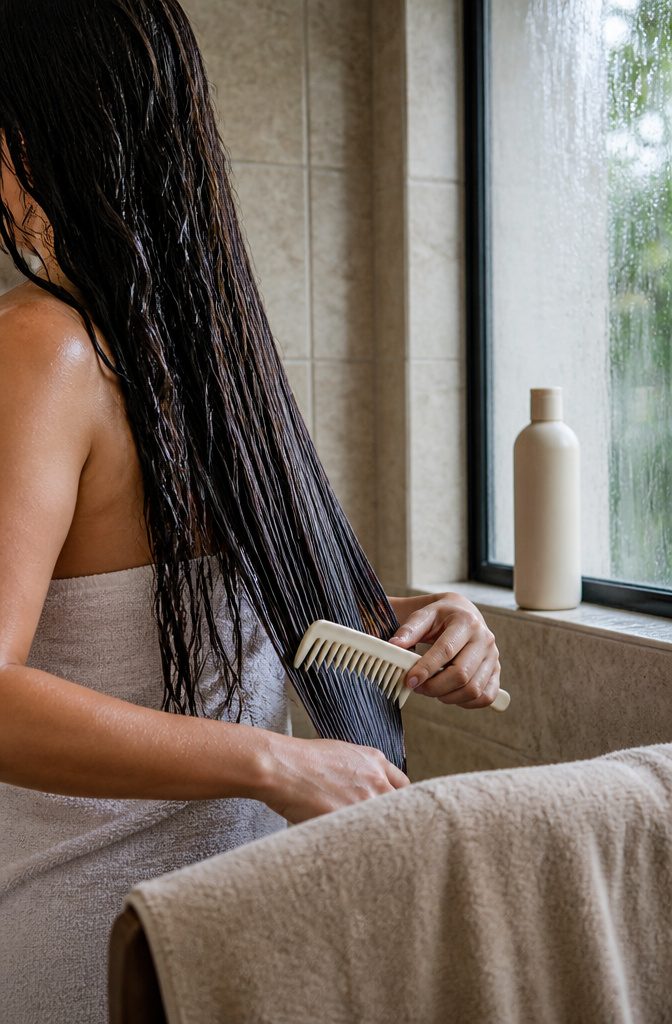
Start at the ends and work your way up in short sections.
Long hair tangles more than short, and trying to pull a comb straight through from the scalp is how you snap strands. Move up a few inches at a time, clearing each section before you tackle the next.
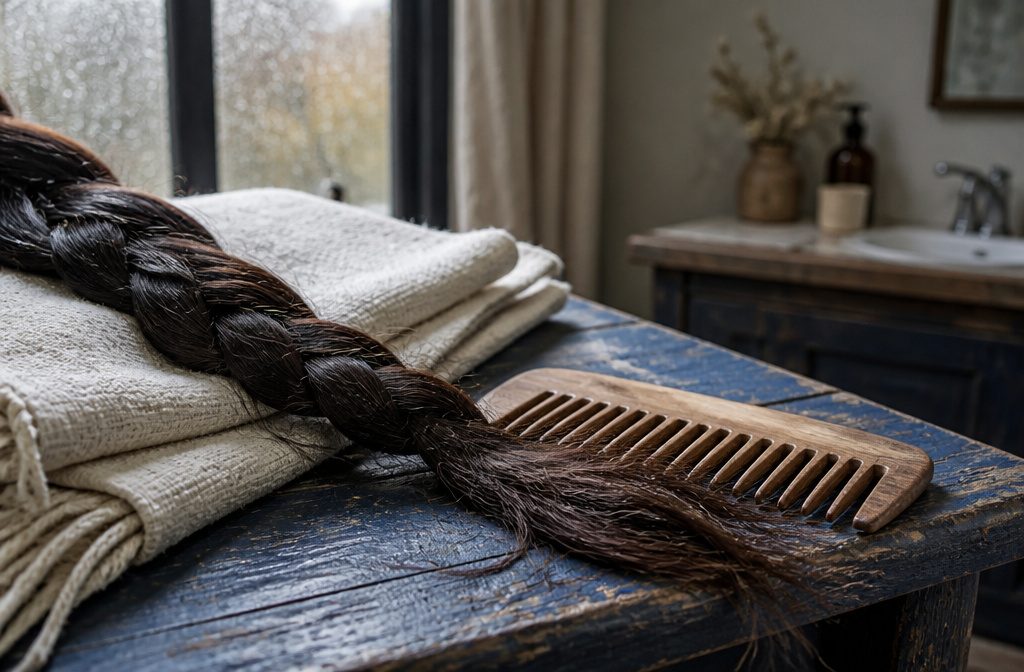
A wide-tooth comb or a boar bristle brush handles the job without the friction that fine bristles bring. Fine-bristled brushes tug too hard and pull out individual strands, especially when hair is wet and easier to damage.
If you have curls or textured hair, finger-detangling can be gentler than any tool. Work through small sections with your fingers before you reach for a comb.
The gentlest moment to detangle is while conditioner is still on. Hair has slip, the comb moves through it cleanly, and breakage drops.
7. Protect From Heat Before Styling
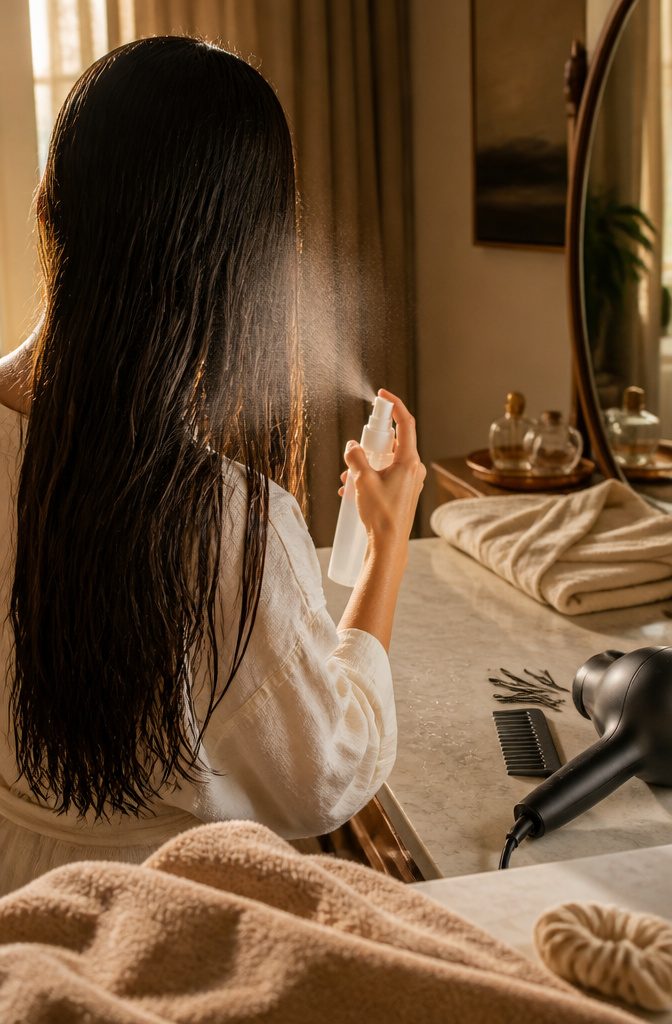
Heat damage starts above 300°F, and long hair spends more time under the tool than a bob does. That extra exposure makes heat protectant on damp hair before blow drying non-negotiable if you want length without breakage.
The protectant creates a barrier between the barrel and your hair shaft, distributing heat more evenly so keratin proteins stay intact.
Silicones, ceramides, and natural oils do the work. I look for products that list a temperature threshold, not just vague claims about protection.
The L’Oréal Paris EverPure Sulfate-Free Weightless Blow Dry Primer protects up to 450 degrees, which covers most flat irons and curling wands you would use at home.
Apply it mid-lengths to ends on damp hair before the dryer. If you are adding a flat iron or wand after, layer on another pass of protectant before the second tool touches your hair.
8. Arrange Hair Gently at Night
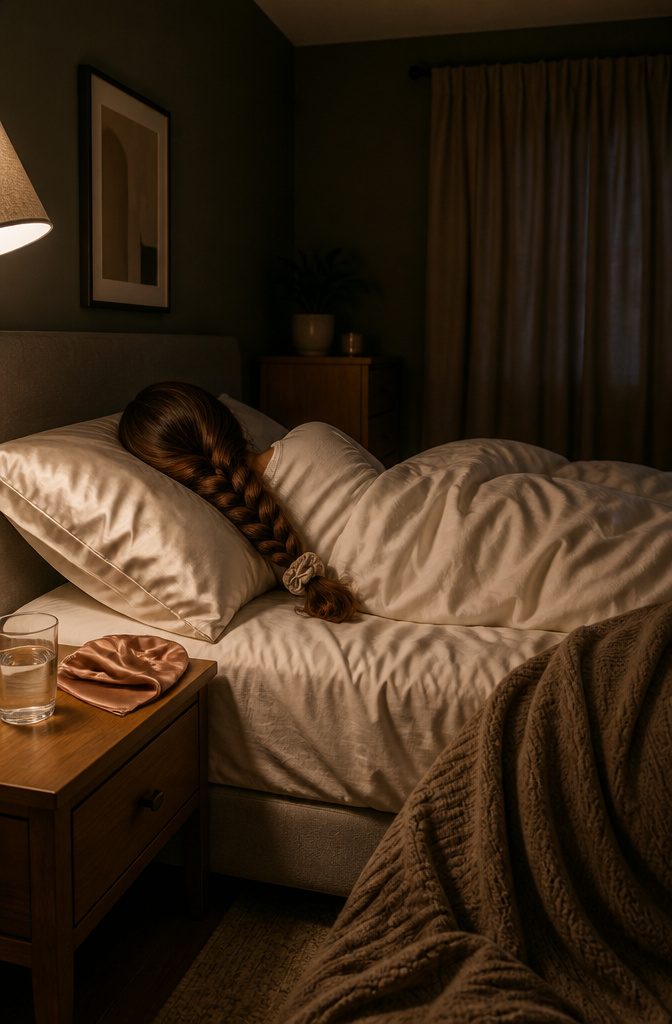
Cotton pillowcases grab at hair all night, creating friction that shows up as frizz and breakage by morning.
Silk or satin pillowcases let hair slide instead of catching, and the difference is measurable when you run a brush through it the next day.
A silk cap works the same way if you move around a lot while you sleep.
Wet hair is fragile hair. Going to bed with damp lengths, even braided, risks breakage.
Either dry it first or time your wash days so hair is fully dry before bed. If you must sleep on damp hair occasionally, expect to see more snags.
A loose braid or low bun keeps long hair from tangling overnight without putting tension on the scalp. Nothing tight.
Fabric-covered ties or scrunchies hold without pulling; elastic bands can cause breakage over time. You want to keep it in place, not styled tight.
9. Trim Every 8 to 12 Weeks
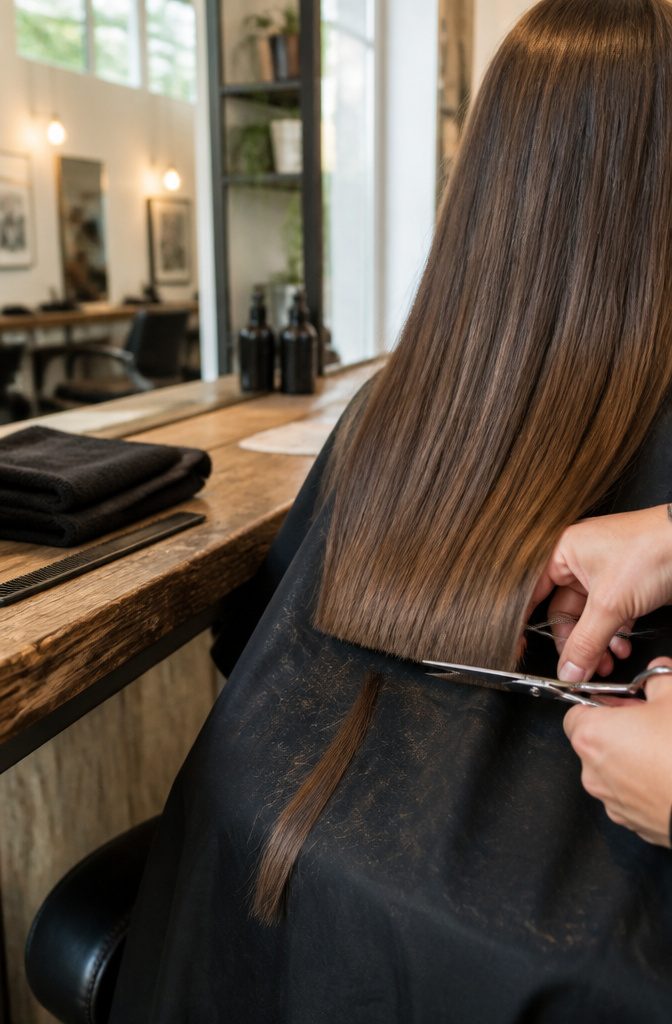
Split ends travel up the hair shaft if you leave them, which is why I schedule a trim every 8 to 12 weeks even when growing length.
The interval matters more than the amount: a quarter inch is enough to remove damaged ends before they create weak points in the fiber.
Skipping trims means split ends continue moving upward through mechanical stress from brushing and styling, and you lose more length fixing the damage later than you would have lost maintaining it on schedule.
Some stylists call this dusting, a technique that takes only the very tips.
You’re stopping splits before they start, not changing your length. You keep the length you grew while cutting off the part that would have forced a bigger cut three months from now.
Regular trimming does not speed growth, but it does stop breakage from making hair look thinner or preventing it from reaching the length you want.
Diet and Hydration for Hair Health
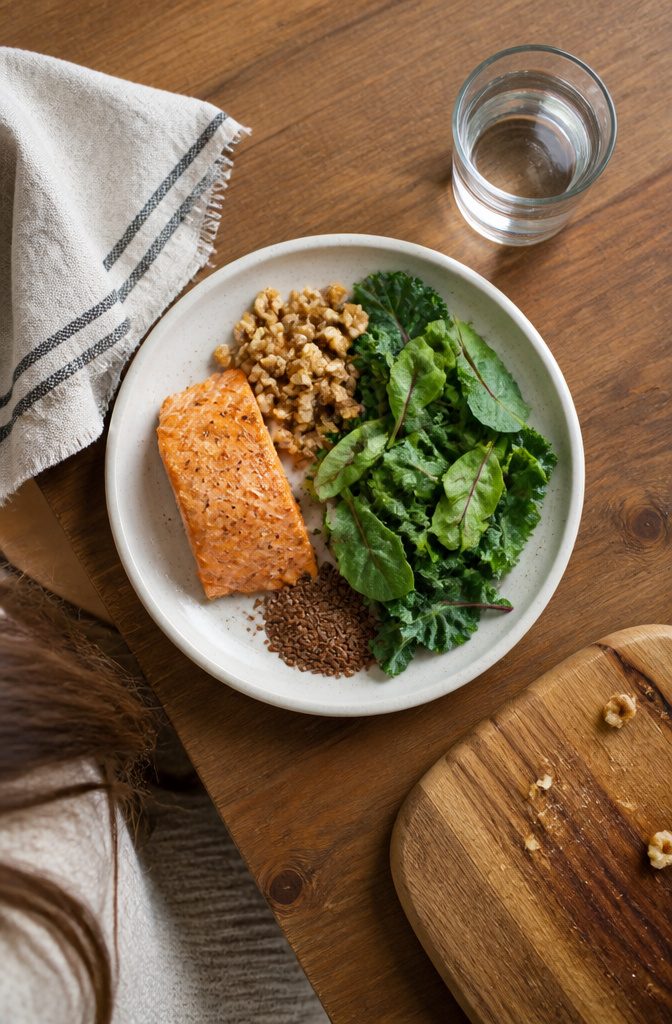
What you eat lands in your hair. Hair is mostly keratin, a protein, so getting enough protein matters more than most people expect.
Omega-3 fatty acids keep your scalp healthy and add natural shine; think salmon, walnuts, and flaxseeds. Vitamins B and D plus iron all show up in studies on hair fall when deficiency runs long enough.
Water matters just as much. A few glasses daily keeps hair from looking dull, and a well-hydrated body supports growth.
I treat my plate like part of the routine now, not separate from it. The better you eat, the less you have to fix with products later.
Sun and Seasonal Protection

Long hair gets more exposure to sun than short cuts do, and UV rays dry out ends and fade color the same way they burn skin.
A leave-in conditioner with UV protection covers daily wear, but extended outdoor time calls for a wide-brimmed hat or a silk or satin scarf wrapped over the hair.
Silk and satin reduce friction compared to cotton, which lowers the chance of breakage while you’re keeping the sun off.
Winter flips the problem.
Cold air holds less moisture, and indoor heating pulls what’s left out of the hair. I add a weekly mask during the coldest months to compensate.
Summer brings humidity alongside the UV exposure, and frizz follows. An anti-humidity serum or cream smooths things back down without weighing the hair down the way heavier products can.
When to Seek Professional Treatment
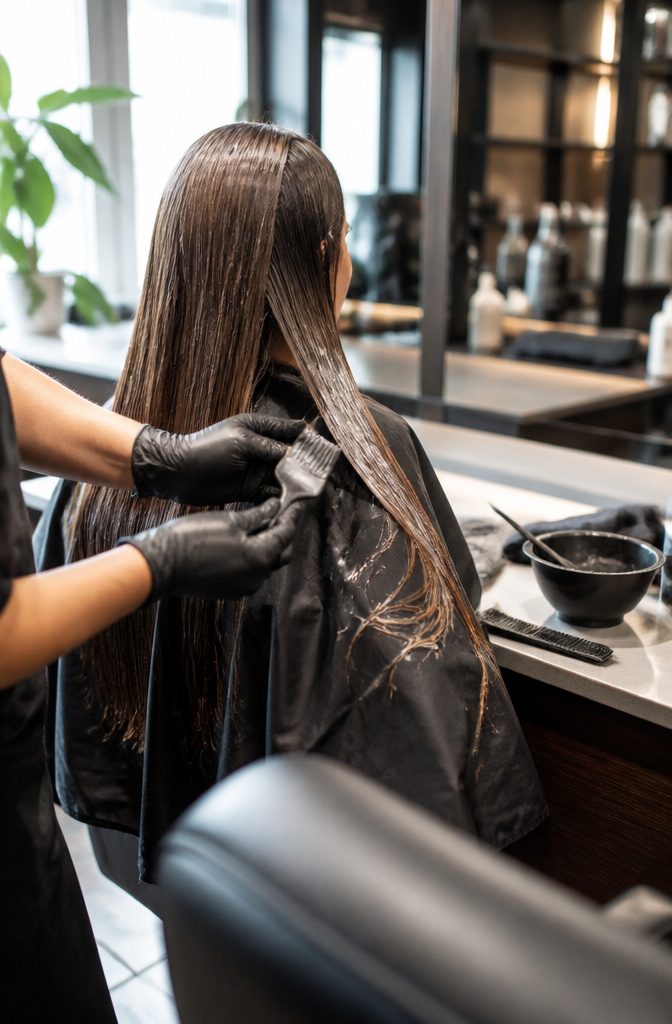
Sometimes a routine stalls.
Hair stays dry and brittle no matter how carefully you condition, or damage from heat or color refuses to budge. That threshold is when professional treatment makes more sense than working through another round of at-home masks.
Keratin treatments smooth the cuticle and cut frizz for three to four months, glossing services add shine without the commitment of dye, and deep repair protocols address breakage at the bond level.
If you have used bond-repair products at home (Olaplex 3, Redken’s Acidic Bond Treatment) and still see splitting or snapping, a salon’s higher-strength formulas can reset the baseline.
These treatments cost more than drugstore conditioner, but they also buy months of manageability that daily care alone cannot deliver.
Frequently Asked Questions
What’s the ideal weekly wash schedule for keeping long hair healthy and manageable?
Wash 2 to 3 times per week at most. Your scalp produces natural oils that long hair needs to stay healthy, and washing more often strips those oils away before they can travel down the shaft.
If you work out daily or sweat heavily, rinse with water instead of shampooing between full wash days.
Does brushing long hair 100 times a day actually improve its health?
No.
That old advice can actually cause damage through excessive friction and pulling. Brush when you need to detangle or style, but quality matters more than quantity.
Is it safe to go to bed with damp long hair braided, or can it cause damage?
Wet hair is fragile, and sleeping on damp lengths risks breakage even when braided. Dry your hair completely before bed, or time your wash days so hair is fully dry by the time you sleep.
What’s the best way to prevent tangling during the day?
Keep hair off your shoulders when possible using a loose braid or low bun. Scarves, collars, and purse straps all create friction that causes tangles throughout the day.
What are the signs that my long hair is truly healthy and well-maintained?
Healthy hair feels smooth, has natural shine, and doesn’t break easily when you brush it. The ends should look neat rather than frayed or split, and the hair should move naturally without excessive frizz or dryness.