
A corporate flow haircut is medium-to-long hair, typically 3–5 inches, cut with layers and styled to sweep back or to the side with deliberate direction rather than hanging straight down.
The version that works in most offices depends on side treatment: a soft taper starting around the ear reads as groomed, while an undercut or disconnected sides push into creative territory.
Most people quit during months 2–3 of growth when the hair wings out at the ears, right before the layers start cooperating.
1. What Corporate Flow Actually Means
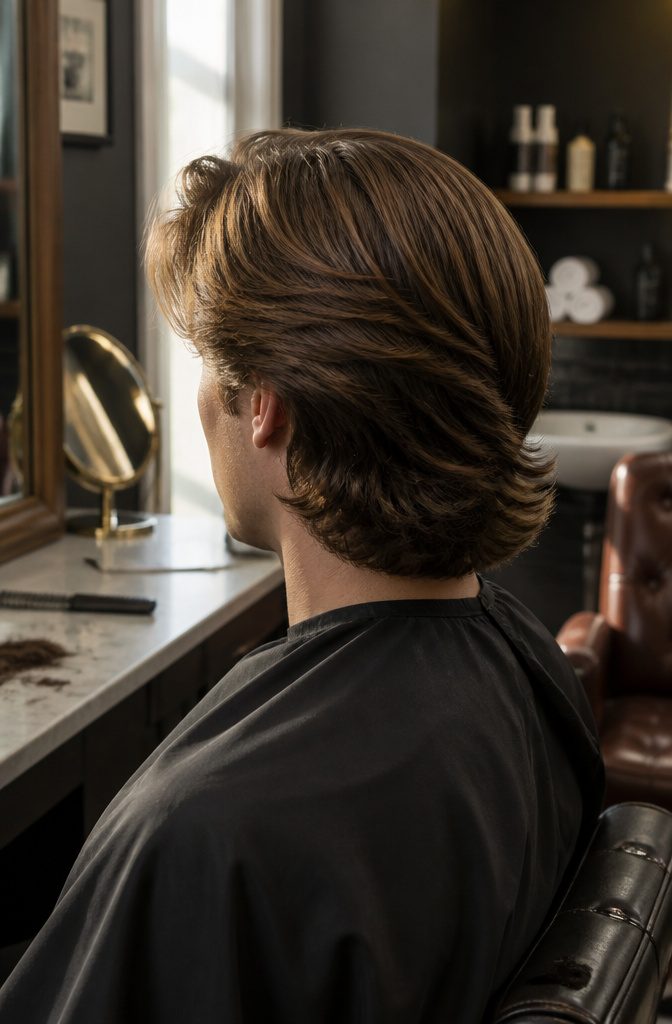
A flow haircut runs medium to long, usually starting around three inches and often growing past the ears or neckline.
The defining feature is hair that sweeps back or to the side with intentional direction, not hair that simply hangs where gravity puts it.
Layers built through the length create movement and prevent the hair from sitting in one solid block. Without those layers and a trained direction, you have grown out a cut rather than built a style.
The corporate version keeps that movement but adds control. The hair still flows, but the shape stays cleaner around the sides and the styling holds a more polished line.
It works for professional settings because the length and texture remain, but the overall look reads as groomed rather than windswept.
The direction stays deliberate, the layers still allow the hair to move, and regular trims keep the shape from looking overgrown.
2. Short, Medium, and Long Versions
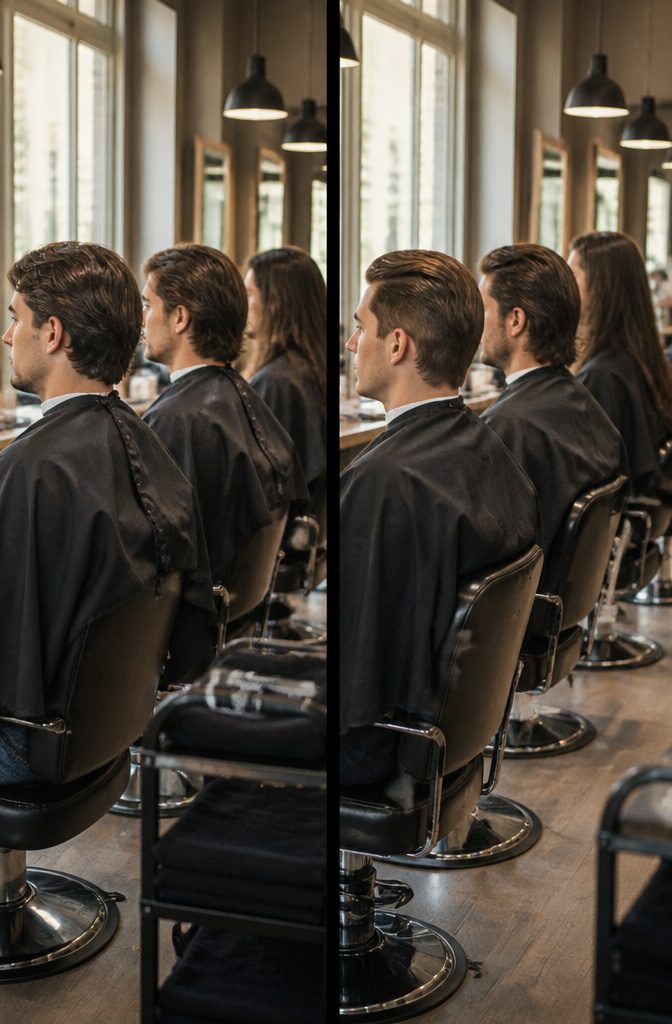
The flow haircut breaks into three lengths, and each one changes how formal the cut reads and how much work it takes each morning. Short flow sits around 2–3 inches, usually with slightly shorter sides.
It lands just above or around the ears and gives you enough movement to keep the swept-back shape without the commitment of longer hair. This is the version that works in conservative workplaces where collar-length hair would stand out.
You get less dramatic movement, but you also get lower daily effort and an easier path if you are testing the style for the first time.
Medium flow runs about 3–5 inches, the classic version of the cut.
It delivers the full flowing look without going past the collar. Most corporate environments read this length as groomed rather than statement-making, and it strikes the best balance between visible movement and manageable styling time.
Long flow goes past the chin or down to the shoulders. The extra length makes the hair fall with more weight and drama, but it also means more time conditioning and more sensitivity to humidity.
This is for someone fully committed to the routine that comes with longer hair, and it pushes the edge of what reads as workplace-appropriate in most offices.
3. How Side Treatment Changes the Look
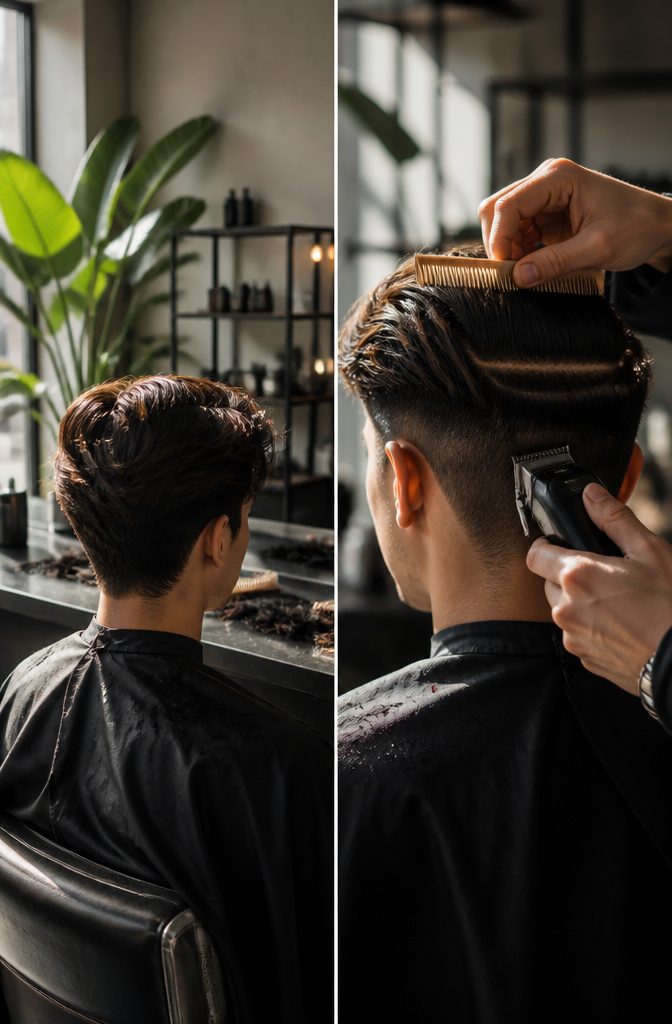
The difference between sides that pass in an office and sides that draw comment sits at ear level. A taper starting around the ear and graduating softly down toward the neckline reads as intentional grooming rather than a statement cut.
That soft taper is what most barbers reach for when someone asks for the flow to stay corporate-appropriate, and it keeps the volume on top without the hard line an undercut brings.
An undercut or disconnected sides create sharper contrast. The top length stays, the movement stays, but the sides sit short enough that the transition becomes visible.
That bolder look works in creative offices and tech, less so in finance or law. The trade is simple: more contrast means more regular touch-ups, because the disconnect only reads clean when the sides stay trimmed.
Parting changes how the flow sits across the forehead. A side part directs the sweep and softens the face, while no defined part lets the hair move where it wants.
Most people styling a flow at home find the side part easier to control each morning, and it photographs better in the kinds of reference images you’d take to a barber.
4. Matching the Cut to Your Hair Type
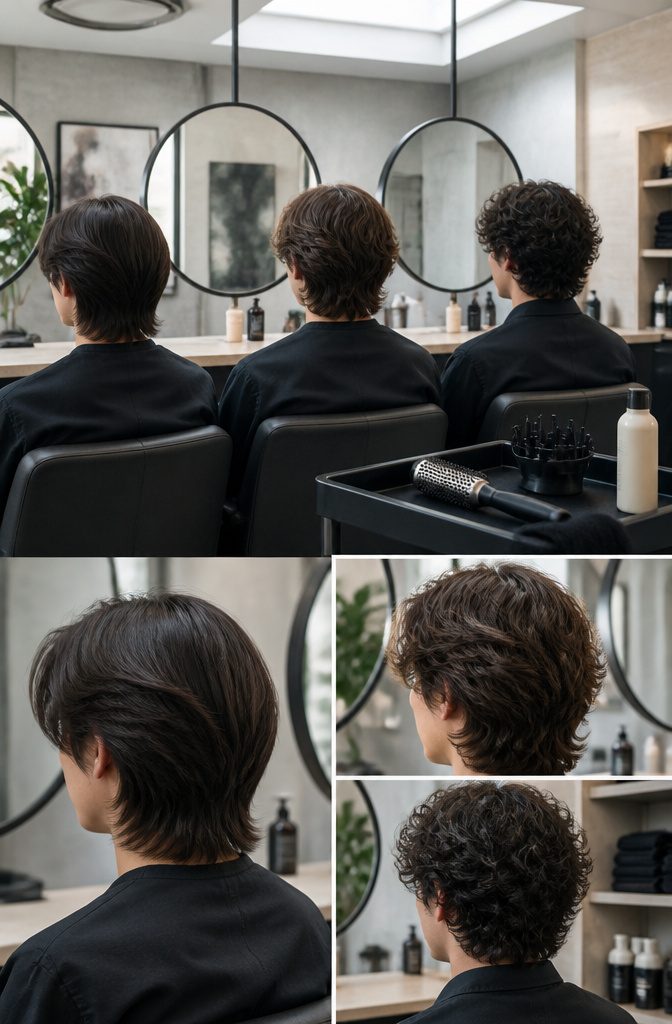
Straight hair usually needs soft, feathered layers to keep the flow from falling flat against the head.
Without them, the length sits lifeless and the style reads more like neglect than intention. Wavy hair supplies its own movement and tends to look the way the cut is supposed to without much coaxing.
Curly hair benefits most from deliberate shape: volume arrives naturally, but structure at the neckline and sides keeps the silhouette from becoming a cloud.
Extremely straight or very fine hair can struggle with this cut. The flow depends on volume and movement, and fine hair often lacks both unless you blow-dry with a round brush and use light texturizing product.
If your hair dries flat no matter what you do, this probably isn’t the cut that will suddenly cooperate.
5. Asking for the Cut at the Barber
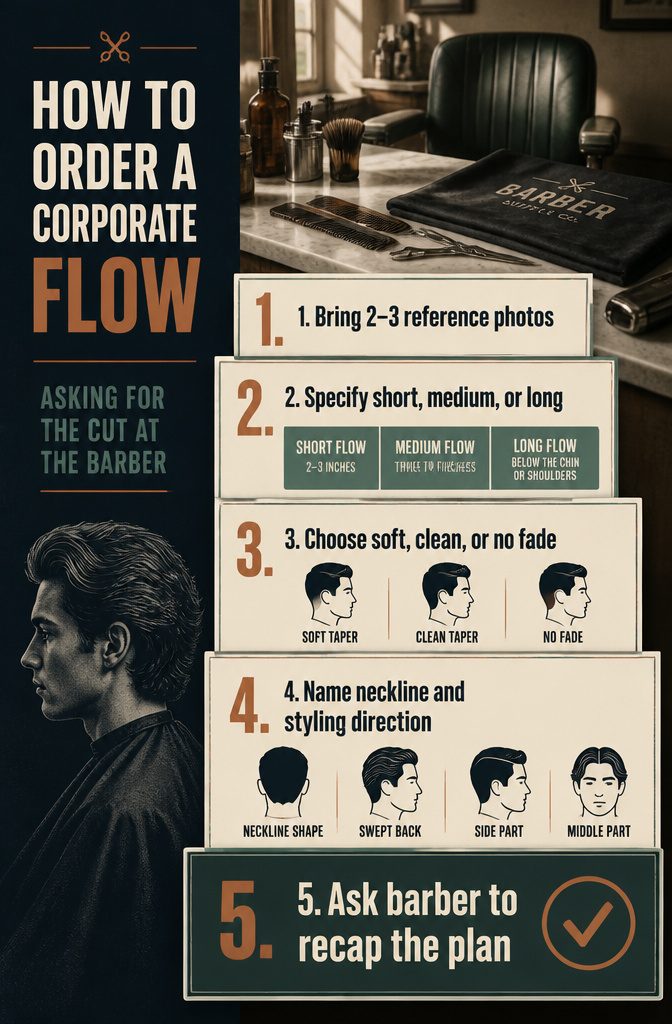
Asking for the Cut at the Barber
- Bring 2–3 reference photos that match your hair type and face shape. Straight, wavy, and curly flow look different on every head, and a visual reference prevents the miscommunication that comes from saying "give me a flow" and hoping for the best.
- Specify your target length: short flow runs around 2–3 inches, medium flow sits at three to five inches, and long flow drops below the chin or shoulders.
- Tell your barber the side treatment you want: soft taper, clean taper, or no fade.
- Describe the neckline shape and your preferred styling direction, whether that’s swept back, side part, or middle part.
- Use terms like layered, movement, textured ends, and soft taper. Skip vague requests like "do whatever you think."
- Ask your barber to recap the plan before cutting starts. That single step prevents most flow regrets.
6. Styling for Movement Without Weight
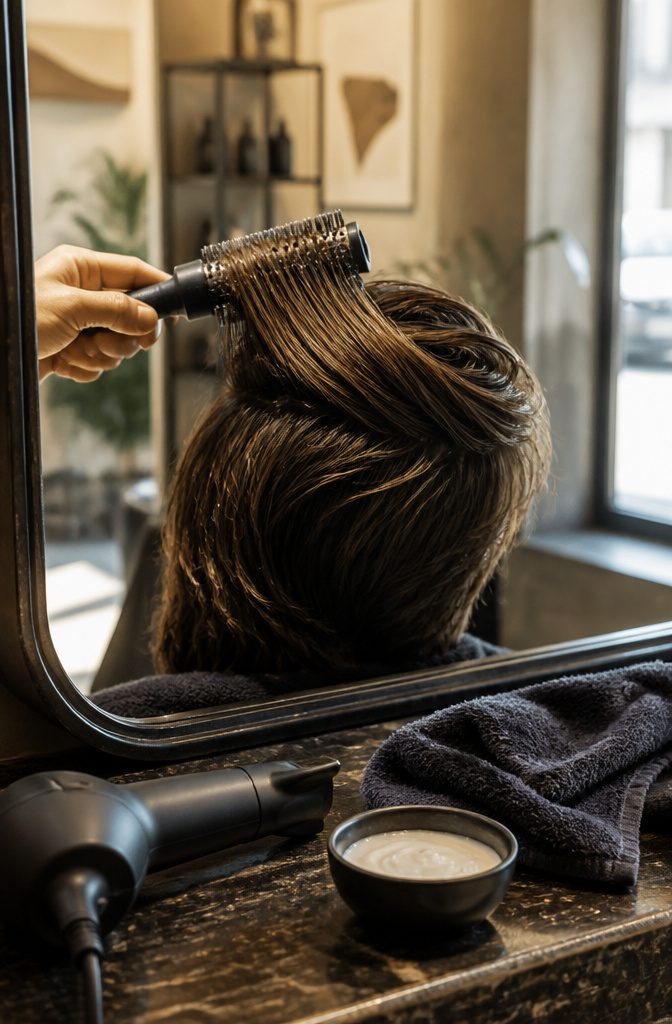
Product choice matters as much as technique, since the right formula supports movement instead of weighing hair down.
Start with damp hair and direct it back from the forehead or angle it to the side, whichever way the cut naturally wants to fall.
You can air-dry for the most relaxed finish or blow-dry with your fingers or a round brush to add volume and set the direction.
Light creams and pomades give control without stiffness.
American Crew Forming Cream works across straight, wavy, and curly hair with medium hold and a hint of shine. STMNT Grooming Matte Paste and Layrite Natural Matte Cream both dry down matte for definition that stays flexible.
For texture without much hold, L3 Texturizing Sea Salt Spray adds grit and lift on damp hair, then you blow-dry or let it air-dry depending on how defined you want the wave pattern.
Mousse lifts fine hair that would otherwise collapse. Clay gives matte definition but can feel heavy if you use too much, so keep the amount light.
7. Growing It Out and Getting Through the Awkward Phase

The timeline from starting length to real flow runs longer than most people expect. Hair grows about ½ inch per month, and the full commitment typically takes four to six months before the look reads as intentional rather than just long.
Month one, the hair simply looks longer.
No styling decisions to make yet, no trims. Months two and three are the awkward phase: hair hits the ears, wings form at the sides, and the whole thing feels messy rather than styled.
This is where most people bail. Blow-drying becomes necessary, and patience is the only real tool.
Months four and five show early progress. The flow starts to appear, layers begin to move, and styling gets easier.
This is when a maintenance trim makes sense. Month six and beyond, the hair cooperates and styles easily.
Light styling and strategic trims are what separate successful flow journeys from abandoned ones.
8. Trim Schedule to Keep the Shape
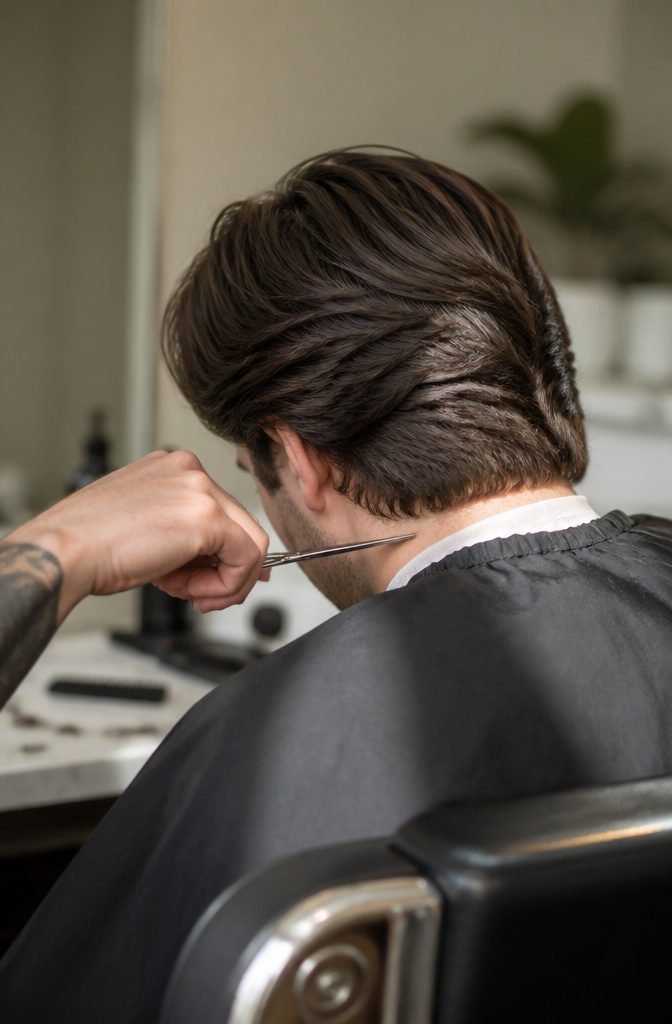
During the growth phase, you will need a trim every 4–6 weeks to keep the cut looking deliberate rather than grown-out.
These are not full haircuts. The barber takes split ends, cleans up the neckline, and refreshes the layers without pulling length.
Once the flow has reached the length you want, you can stretch appointments to every 6–8 weeks. Skipping trims entirely is the fastest way to end up with wispy, uneven ends and a shape that reads as neglect instead of style.
Regular maintenance protects the progress you made growing it out, and the flow moves better and styles faster when the ends are healthy.
Face Shape and Flow Length
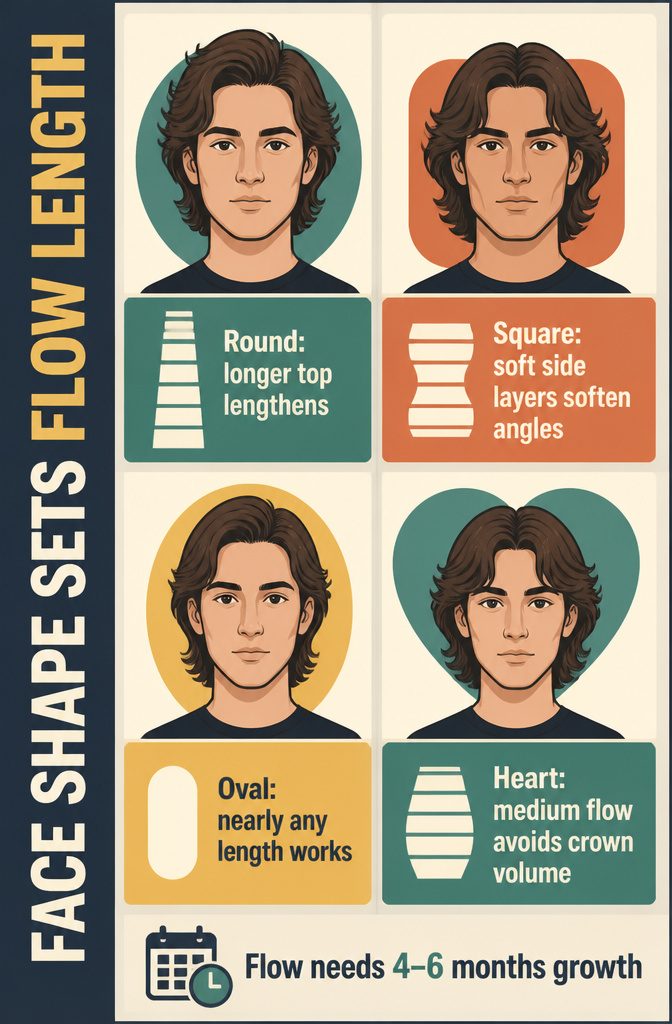
Flow length matters most at the extremes of face shape, where the wrong proportion makes an already strong feature harder to work with.
- Round faces: longer flow on top creates vertical movement that lengthens what reads as circular. The added height pulls the eye upward rather than across.
- Square faces: soft layers through the sides and back break up the angles of a strong jawline. Blunt, heavy flow can echo the width you’re trying to balance.
- Oval faces: nearly any flow length works. The proportions are already balanced, so you can choose based on hair type and how much styling time you want to spend.
- Heart-shaped faces: medium flow with volume that doesn’t concentrate at the crown keeps the wider forehead from dominating. Too much length without layering tips the balance.
If you’re not willing to grow for four to six months or style most mornings, flow of any length becomes harder to justify.
Named Variations You Will See

The flow has enough range that you will see it under several names, each one calling out a different detail in how it is cut or worn.
- Bro flow: The general term for medium-length hair swept back off the face, typically grown to nose or chin length with long layers and natural movement.
- Hockey flow: Structured and blow-dried, pushed back from the face with volume and intention. This is the polished version, always styled with product and heat.
- Surfer flow: Looser and air-dried, relying on natural waves with minimal product, usually just sea salt spray. The texture looks sun-worn rather than sharp.
- Slicked-back flow: Combed back with lightweight pomade or styling cream for a more formal finish, keeping the length but adding control.
- Middle-part flow: Hair split evenly down the center and falling to both sides, best on straight or lightly wavy hair. Creates balance without looking stiff.
- Side-part flow: A defined part on one side with the hair swept across, adding structure while keeping casual movement.
- Taper flow: Tapered or faded sides and neckline paired with full length on top, keeping the flow neat without losing volume.
- Undercut flow: Clipped or buzzed sides with all the length left on top, creating the sharpest contrast and the most dramatic sweep.
What Not to Do
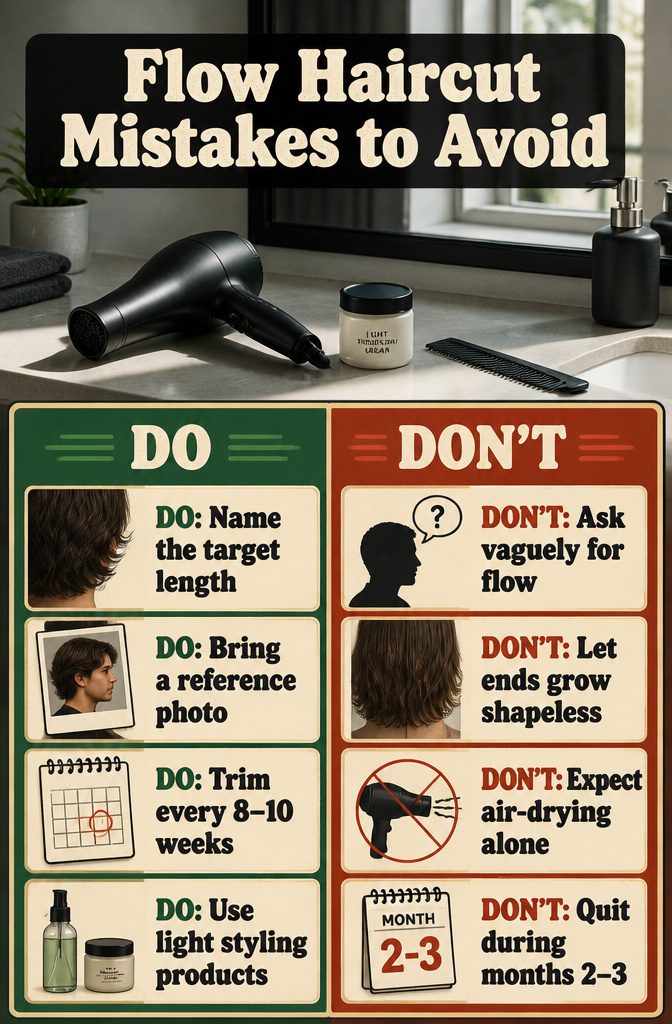
Most flow haircuts fail before they start, and the mistake shows up in the first sentence you say to the barber.
Asking for "flow" without specifying length leaves too much open: you might want hair that grazes the collar or hair past the shoulders, and those are different cuts with different awkward phases.
Name the target length and bring a reference photo.
Other common mistakes:
- Skipping trims during the growth phase. You need shape even while growing it out. Plan on a trim every 8–10 weeks to clean up the ends and maintain the layers that make flow move instead of sitting heavy.
- Using heavy, greasy products. Flow depends on movement, and thick pomades or oils weigh it down. Stick with light creams, sea salt spray, or a matte paste.
- Expecting zero styling effort. Even a natural-looking flow needs a blow-dryer and a minute of shaping most mornings. Air-drying alone usually reads flat or shapeless.
- Giving up during months 2–3. The awkward phase hits when hair reaches the ears and wings out. This is when most guys quit, right before the layers start cooperating. Push through it.
Frequently Asked Questions
How long does it take to grow a flow haircut?
Hair grows about ½ inch per month, so expect four to six months before the look reads as intentional rather than just long.
Months two and three are the awkward phase when hair hits the ears and feels messy, and this is where most people quit. By month six and beyond, the hair cooperates and styles easily.
How often should I trim my flow haircut?
During the growth phase, trim every 4–6 weeks to keep the cut looking deliberate rather than grown out.
Once the flow has reached the length you want, stretch appointments to every 6–8 weeks. These trims take split ends and refresh layers without pulling length.
Can thin hair be cut into a flow haircut?
Fine hair can struggle with this cut because flow depends on volume and movement.
You will need to blow-dry with a round brush and use light texturizing product, since fine hair often dries flat. Short to medium flow gives you the best chance of success if your hair lacks natural body.
What should I tell my barber when asking for a flow haircut?
Bring 2–3 reference photos that match your hair type and face shape, then specify your target length (2–3 inches for short, 3–5 inches for medium, or below the chin for long).
Tell your barber the side treatment you want, describe the neckline shape and your preferred styling direction, and ask them to recap the plan before cutting starts.
What’s the difference between hockey flow and surfer flow?
Hockey flow is structured and blow-dried, pushed back from the face with volume and intention, always styled with product and heat.
Surfer flow is looser and air-dried, relying on natural waves with minimal product like sea salt spray. The texture looks sun-worn rather than sharp.
What products work best for a flow haircut?
Light creams and pomades give control without stiffness: American Crew Forming Cream, STMNT Grooming Matte Paste, and Layrite Natural Matte Cream all work well.
L3 Texturizing Sea Salt Spray adds grit and lift on damp hair, mousse lifts fine hair that would otherwise collapse, and clay gives matte definition but can feel heavy if you use too much.
How do I style a flow haircut?
Start with damp hair and direct it back from the forehead or angle it to the side, whichever way the cut naturally wants to fall.
You can air-dry for the most relaxed finish or blow-dry with your fingers or a round brush to add volume and set the direction. Use light creams, pomades, or sea salt spray to support movement without weighing the hair down.
What are some good flow haircuts for men with curly hair?
Curly hair supplies its own movement and volume naturally, so the cut benefits most from deliberate shape at the neckline and sides to keep the silhouette from becoming a cloud.
Soft layers through the back break up the angles of a strong jawline, and any flow length works as long as the structure stays clean.