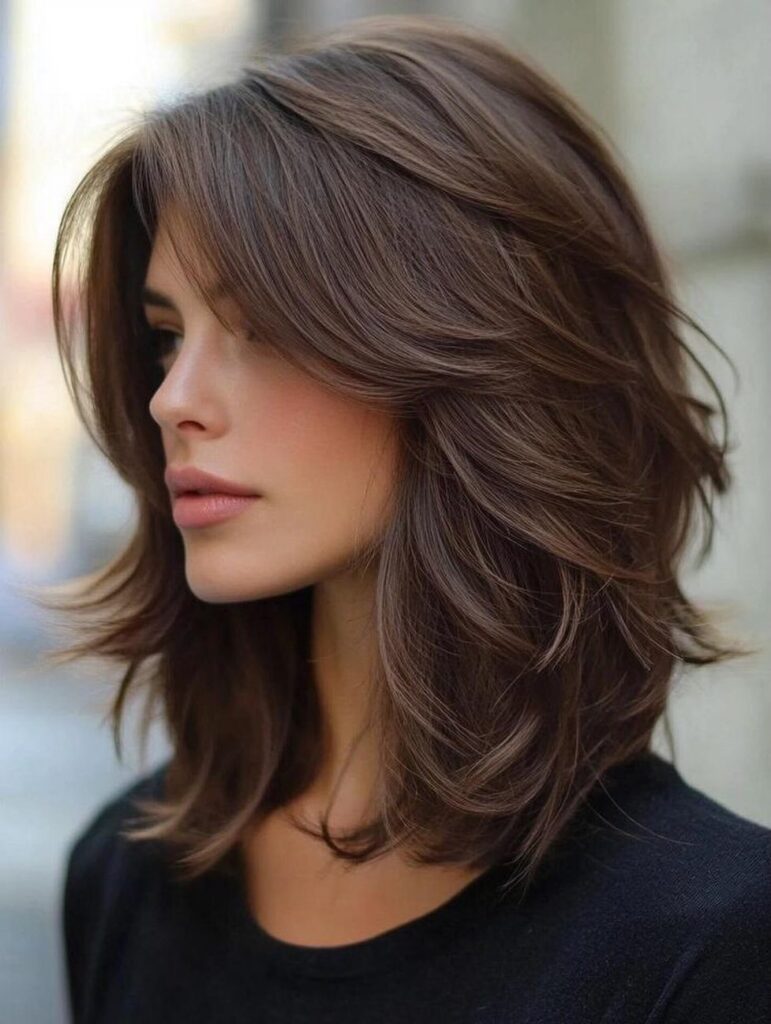
Density sets how much layering the hair can take. Fine strands look thin fast if the layers are too short or too many, and thick hair needs the weight removed from the ends so it doesn’t stack up.
The list runs from ghost layers hidden inside a full, blunt-looking length to disconnected wolf cut pieces that show on purpose, so the effort ranges from almost no styling to a round brush and a blow dryer every morning.
1. Choppy Layers
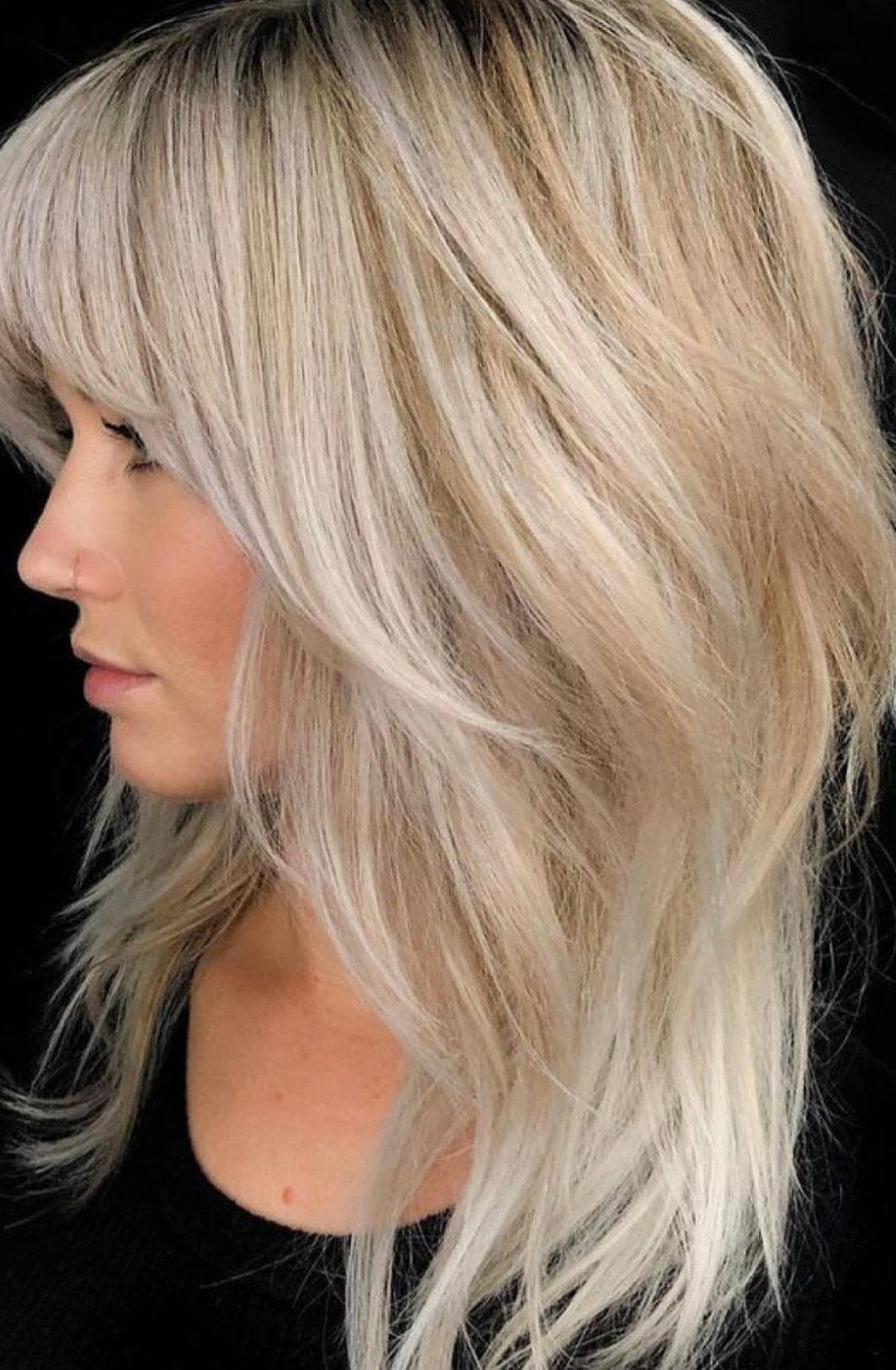
Choppy layers work best when the ends are cut at uneven lengths, so the hair looks tousled instead of smoothed into one clean line. On long blonde hair with bangs, that texture is what keeps the length from looking heavy.
Ask your stylist for point-cut or razored ends and say you want the finish visibly undone. Texture spray at the mid-lengths helps the pieces separate, and I’d skip a flat iron, which smooths out the very unevenness you paid for.
2. Choppy Curtain Bangs
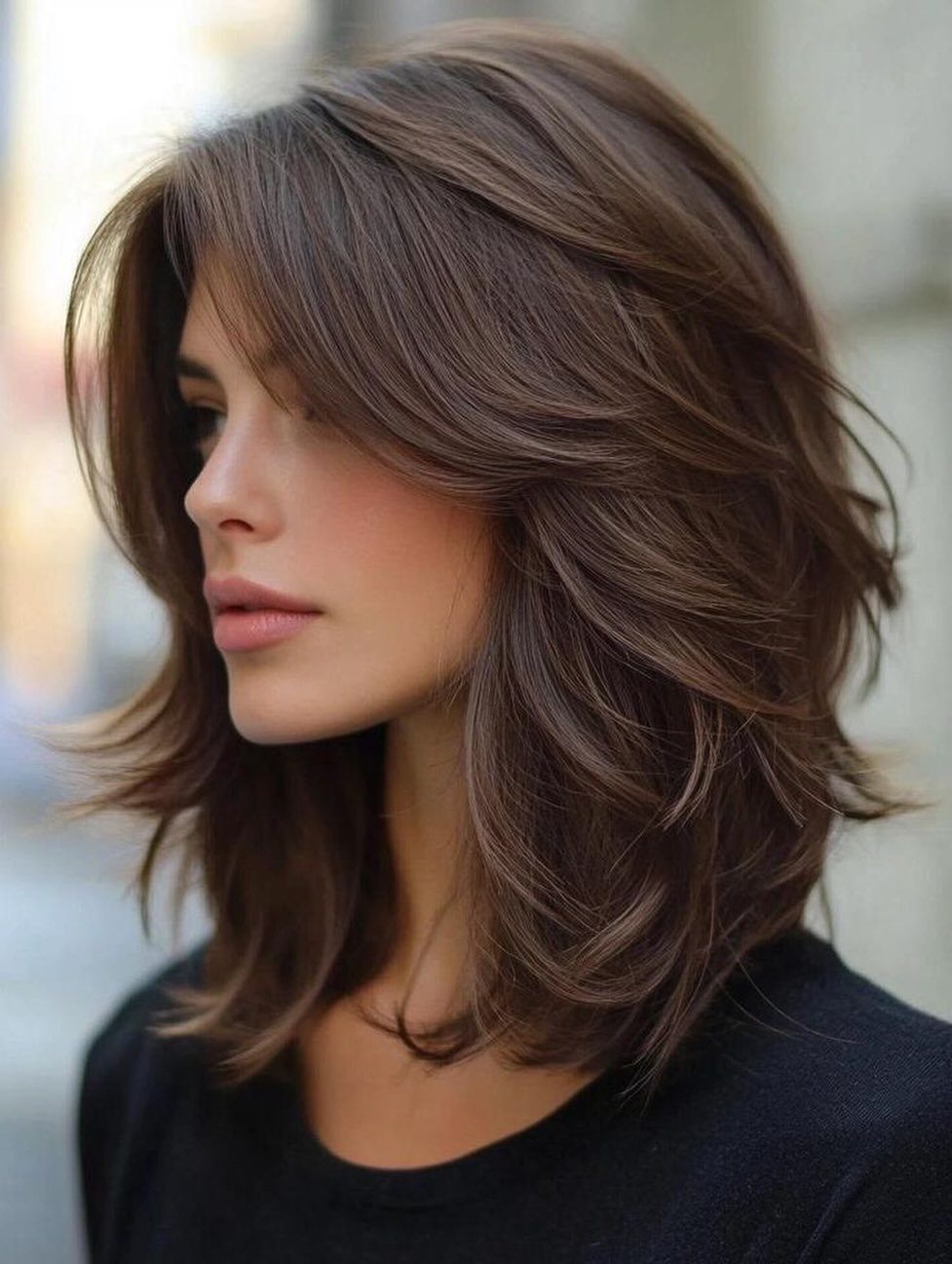
Curtain bangs that start inside the layers, not apart from them, are what make this cut hang together. The choppy pieces carry the eye from the part down through the sides, so the whole front reads as one shape.
Choppy curtain bangs add volume around the face and leave nearly all of your length alone, which is why I point people with long hair toward them.
Ask for the bangs to be cut into the layers, and mention that you want them to sweep to each side. Expect to blow-dry them over a round brush each morning.
3. Face-Framing Layers
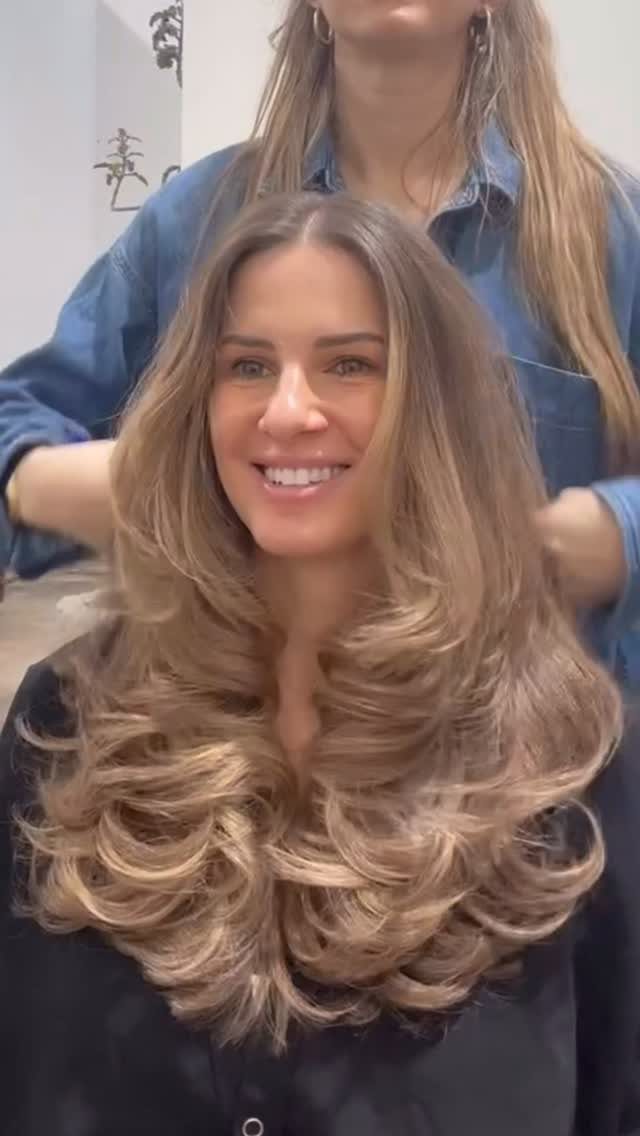
Shorter pieces around the face, with everything else left long, are the easiest way to add layers without giving up length. Only the front gets cut, so the back stays as it is.
A 1.25 inch curling iron works well on face-framing layers: curl the ends in one direction, let the curl cool completely, and then brush it out. That inward curl softens the face-framing pieces and keeps them from flipping out.
I’d pick this if you’re nervous about a big change. This is a small cut that changes how your whole face looks, and it grows out gently because the shortest pieces blend into the rest as they lengthen.
4. Chestnut Brown Layers
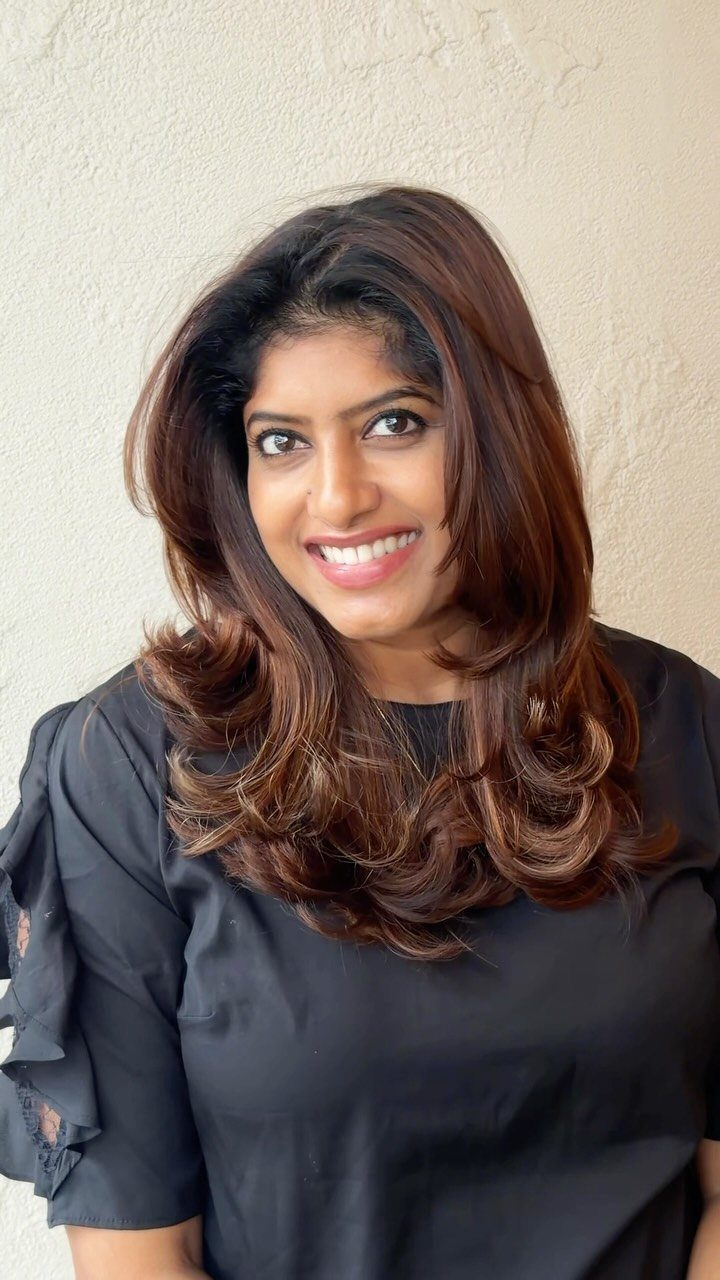
Gloss is half of this look. Long layers concentrated around the face give the shape, but the glossy chestnut brown is what makes the curled ends catch light.
The maker describes it as bouncy layers paired with high-gloss dimension.
To bring a photo like this to a stylist, ask for the face-framing layers and the color as 2 separate requests. A shine treatment at the end of the appointment helps the finish read as polished.
5. Blended Long Layers
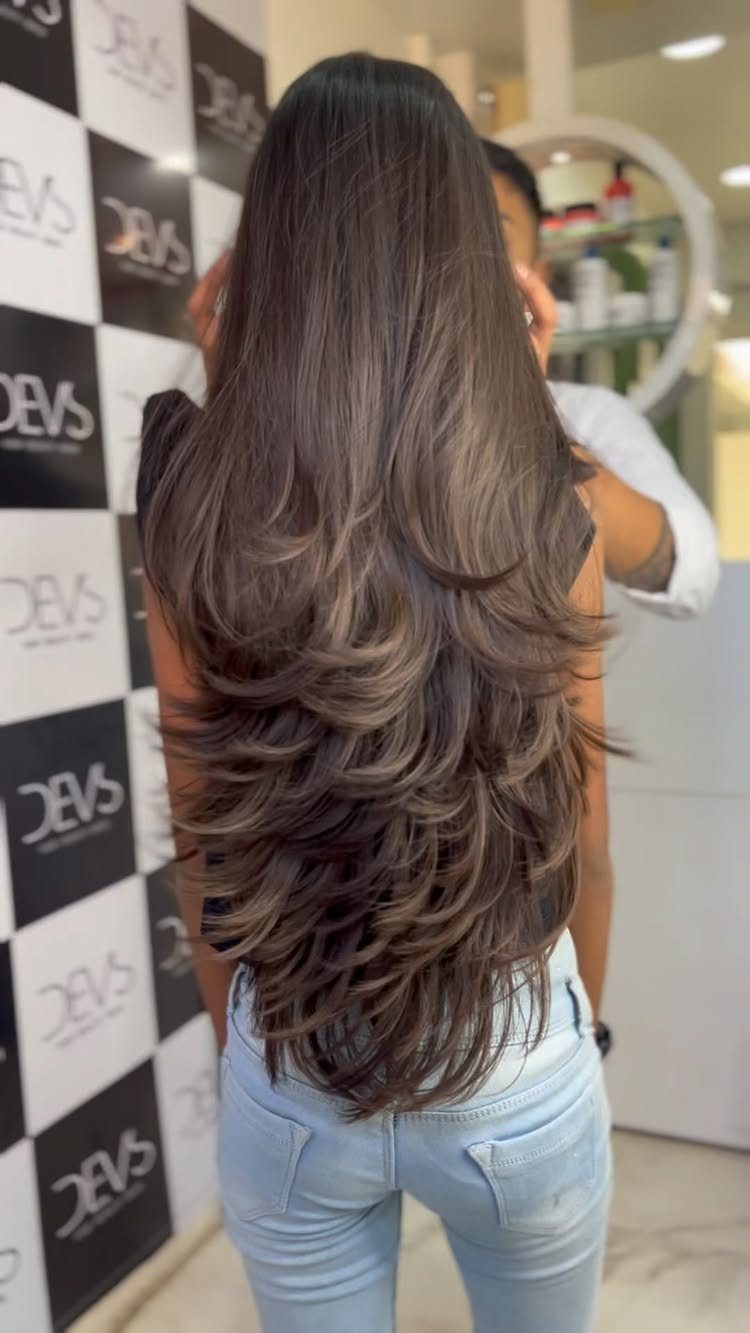
Blended layers are cut so you can’t find where one length ends and the next begins. That smooth transition is the point, and it’s why this version keeps its full length while still moving.
Ask for the layers to be blended or softened, not cut in obvious steps.
On long dark hair with curled ends, a loose curl through the bottom few inches shows the movement best. I’d choose this when you want subtle shape, not a statement.
6. Butterfly Haircut
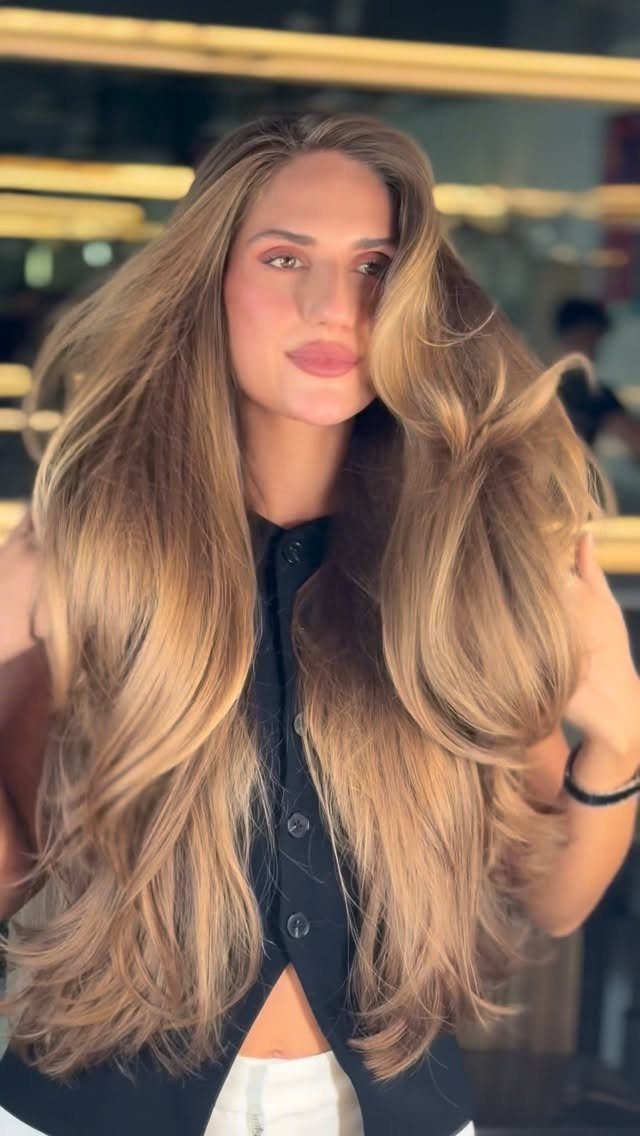
Two layers in one: short pieces near the face that sweep outward, sitting over longer layers that keep the length. That contrast gives the butterfly its wide, open shape.
Show a stylist the photo and ask for the shorter layers to start around the face, with the long length left alone underneath.
A round brush, blow-drying the front sections away from your face, makes the outward sweep happen. It takes more effort than a one-length cut, so I’d only pick it if you’ll blow-dry.
7. Feathered Layers
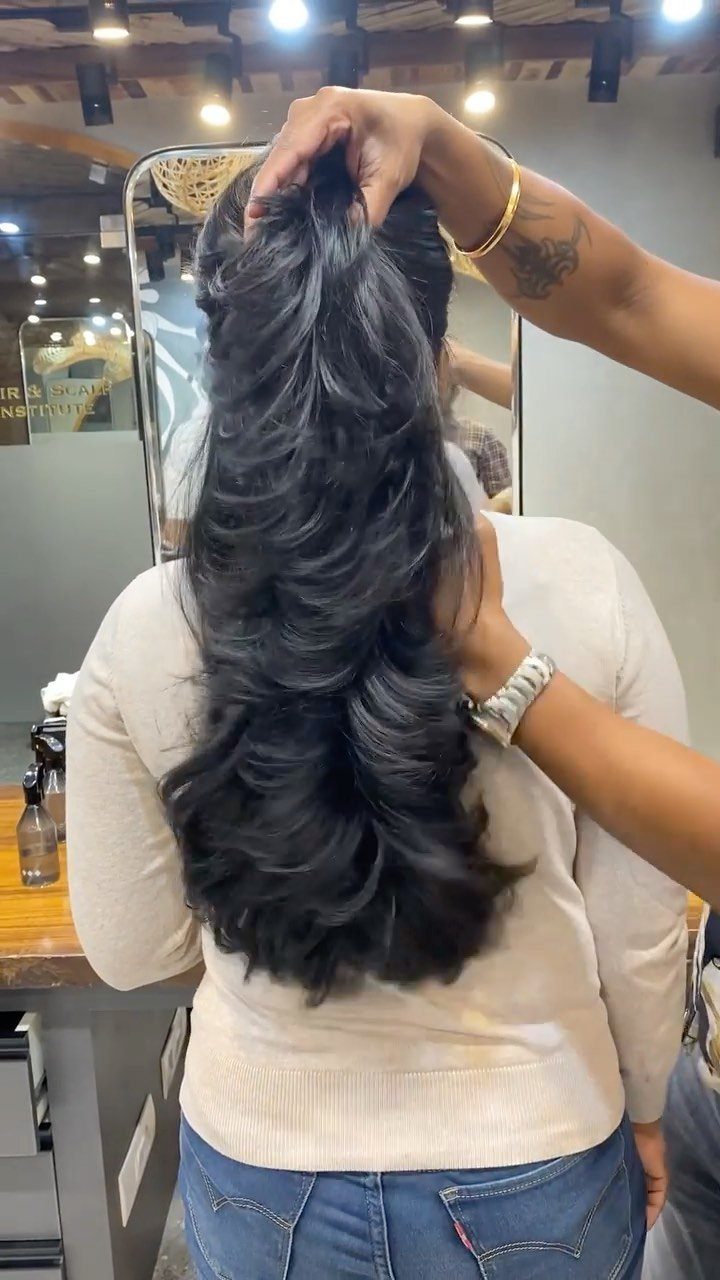
Feathered layers are cut so the pieces taper into thin, airy ends, which gives long dark hair movement without taking away length. Dark hair shows the shape well, because the lighter, wispier ends separate from the denser hair above them.
Request soft, feathered graduation through the back and sides rather than blunt sectioning. I’d pick this if you want lift and swing but plan to keep your length.
8. Side-Parted Fringe Layers
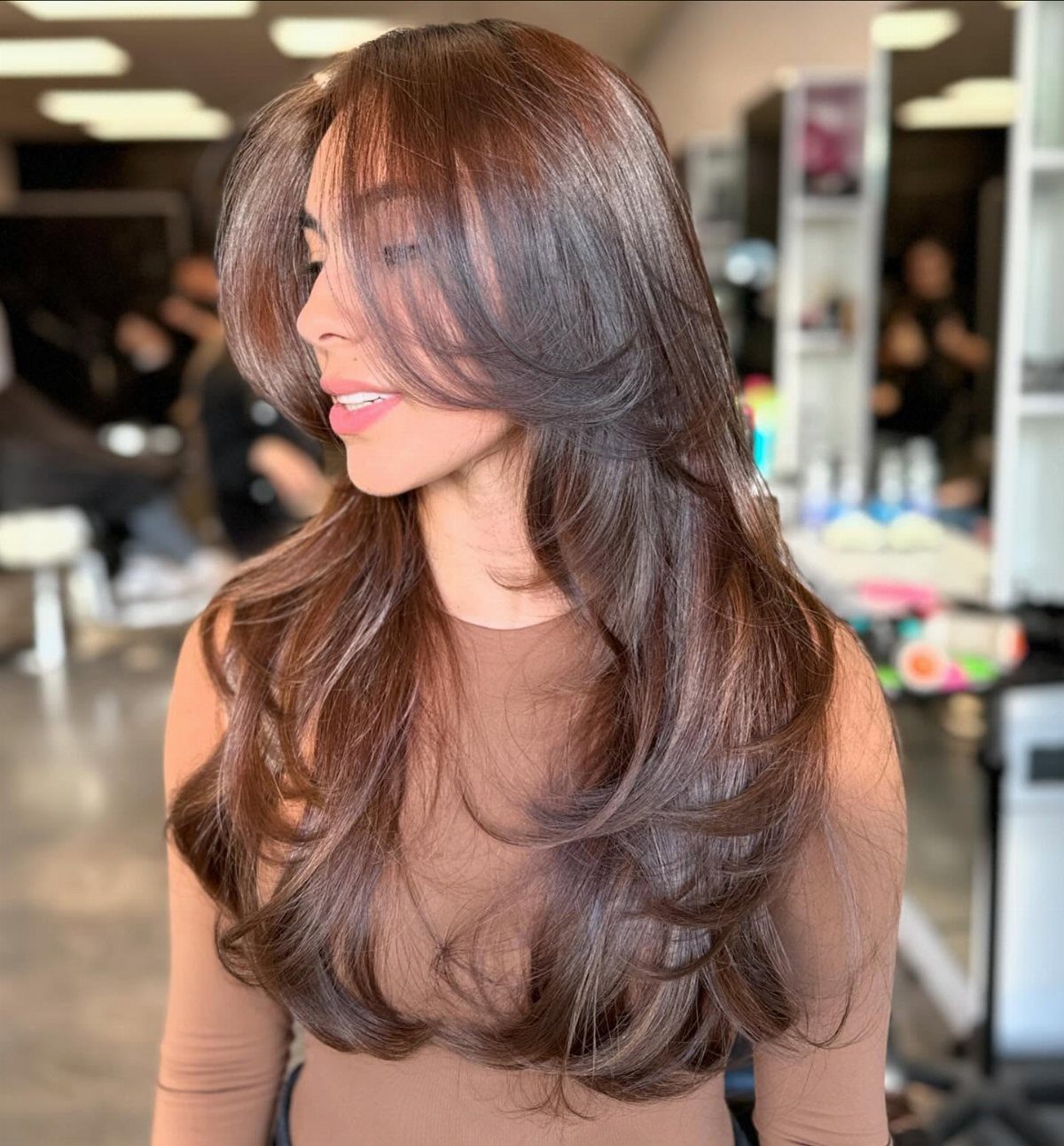
A side-parted fringe lets the front blend into the layers on one side, so the bangs feel like part of the cut and not a separate piece.
The fringe gains movement when the layers underneath carry enough body to lift it.
For the rounded, bouncy shape, blow-dry over a round brush and let the fringe sweep across the part.
I’d ask the stylist to cut the fringe long enough to tuck behind your ear, since that gives you a way to wear it out of your face.
9. Layered Curls
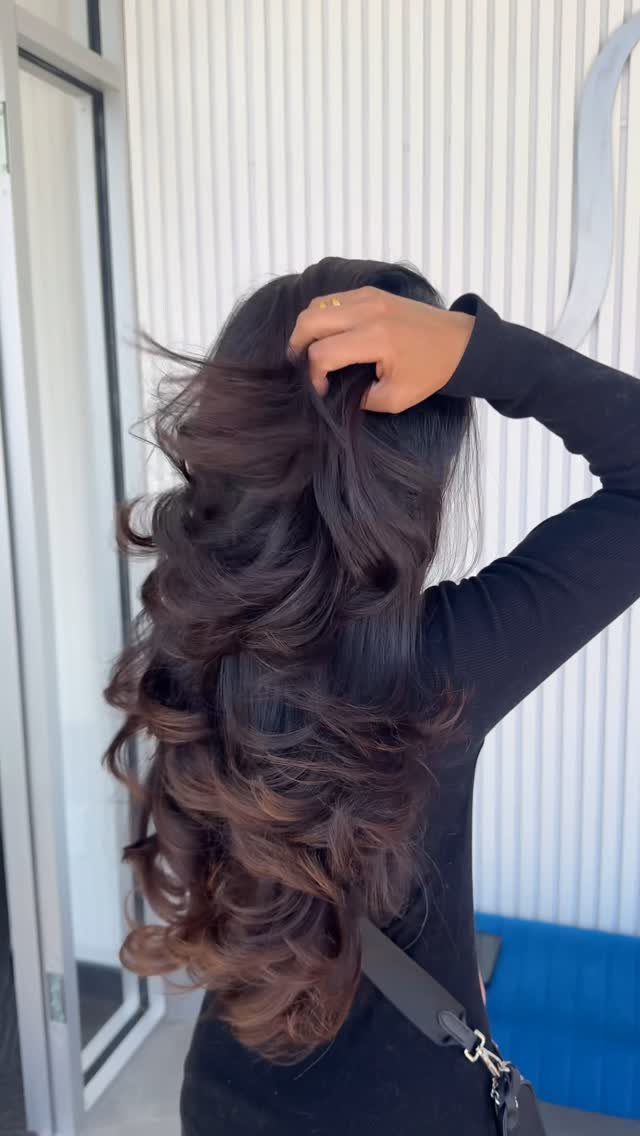
Curls hold a lot of weight at the ends, and light layers take some of it off. Once the hair is lighter, the curls look more defined and bounce up instead of hanging in one heavy shape.
Ask for the layers to be kept light, so you keep your length and lose bulk.
10. Long Shag with a Fringe
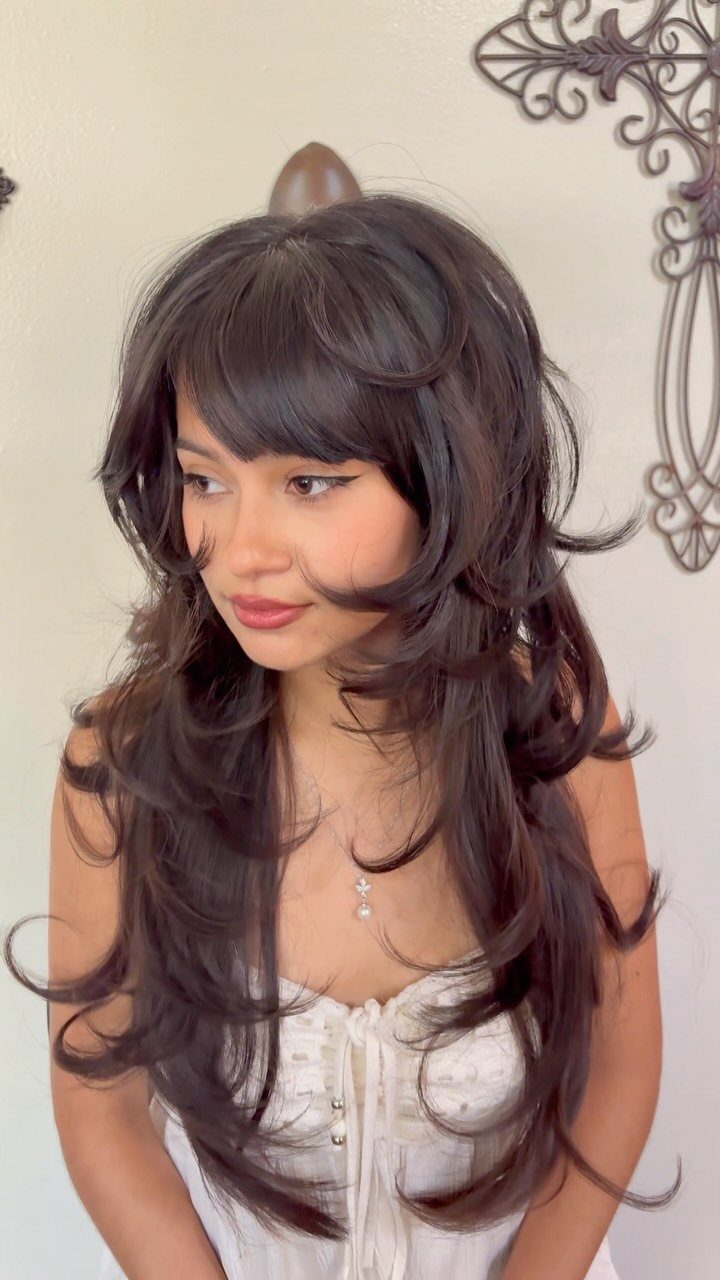
A long shag takes a full, sweeping fringe and chops the layers around it so the whole cut looks textured. The fringe and layers work as one shape, which is what separates a shag from plain long layers.
Ask for choppy, textured layers that connect to the fringe.
I like this on dark hair, where the broken-up ends show clearly. It does ask for regular fringe trims to keep the sweep.
11. Layered Loose Waves
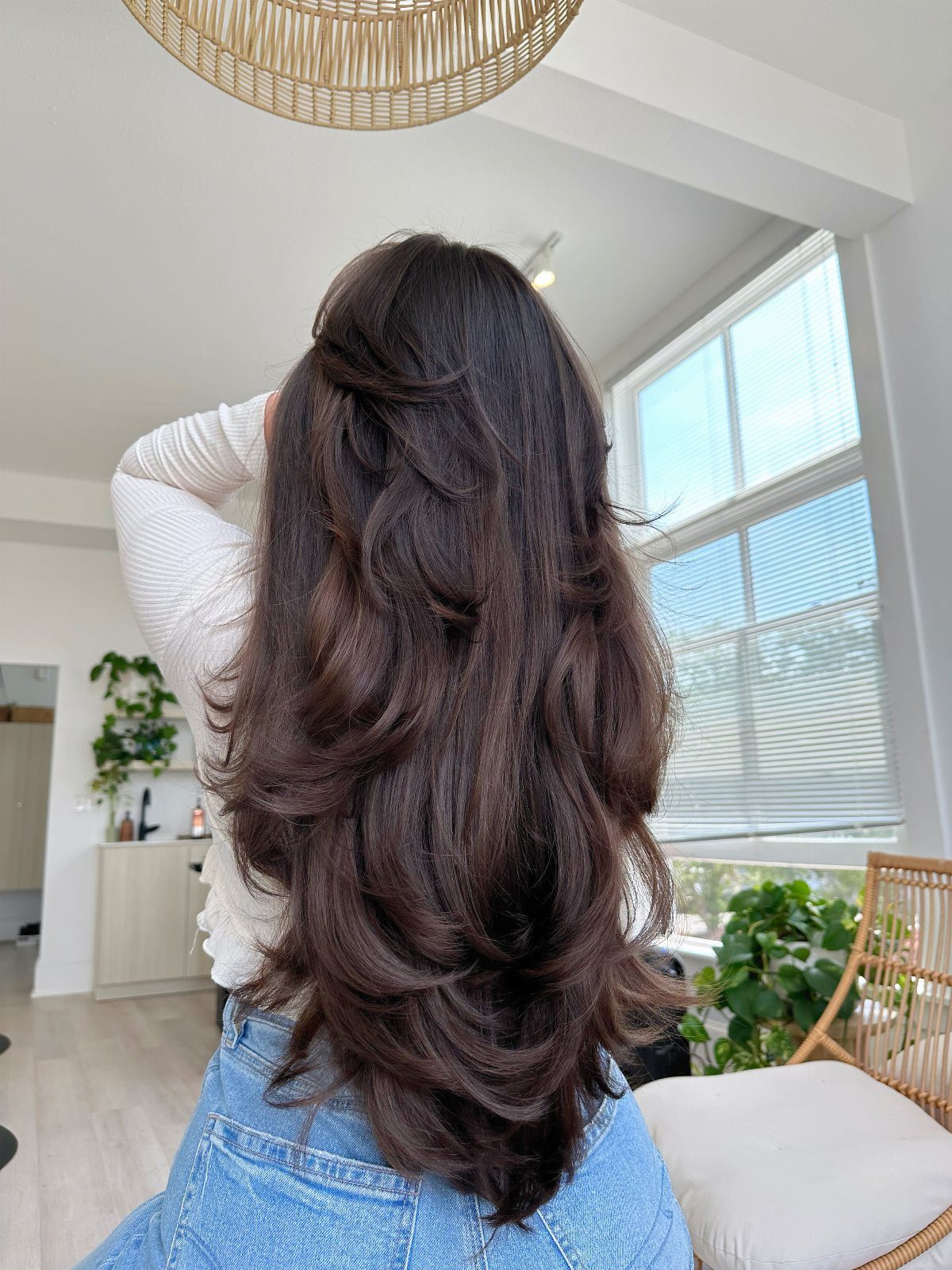
A round-brush blowout gives you loose, voluminous waves through layered hair without curling the whole head. Dry each section around the brush, then let the ends bend under or out.
This works best on layers that are already cut to move. I’d choose it over a curling iron if you want a softer, less set finish, and you can skip the iron entirely on most mornings.
12. Brunette Highlight Layers
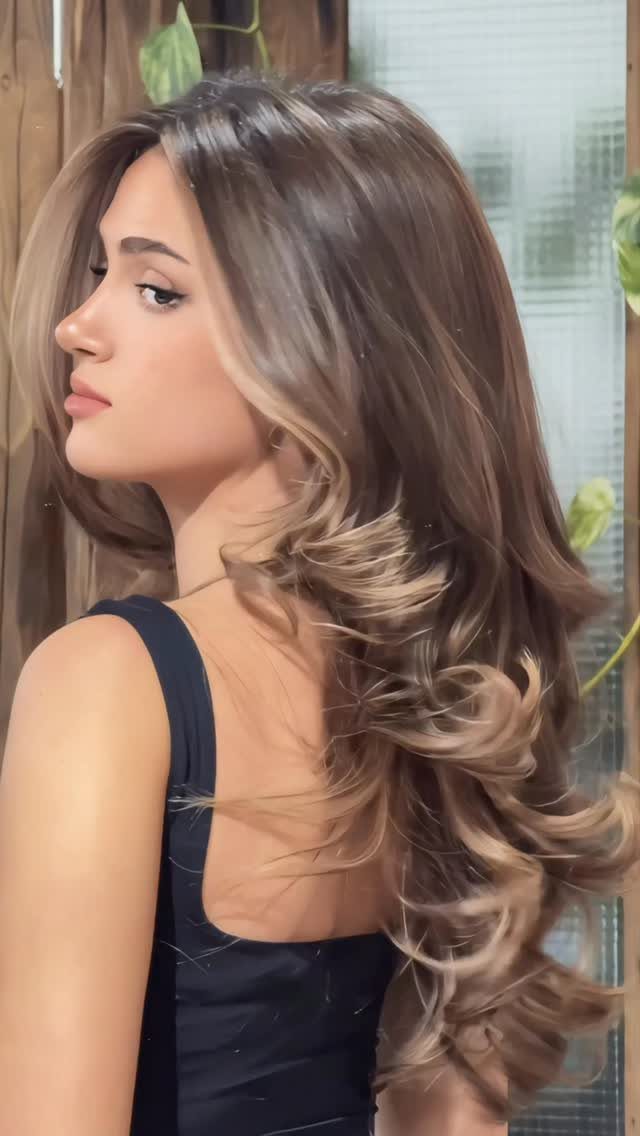
Brunette highlights sit on top of textured layers, so the lighter pieces get picked up wherever the cut breaks the hair into sections. The layers supply movement, and the highlights make that movement visible.
Voluminous curls show the blonde pieces best. I’d keep the highlights fairly fine so they read as dimension, not stripes.
13. Curved Long Layers
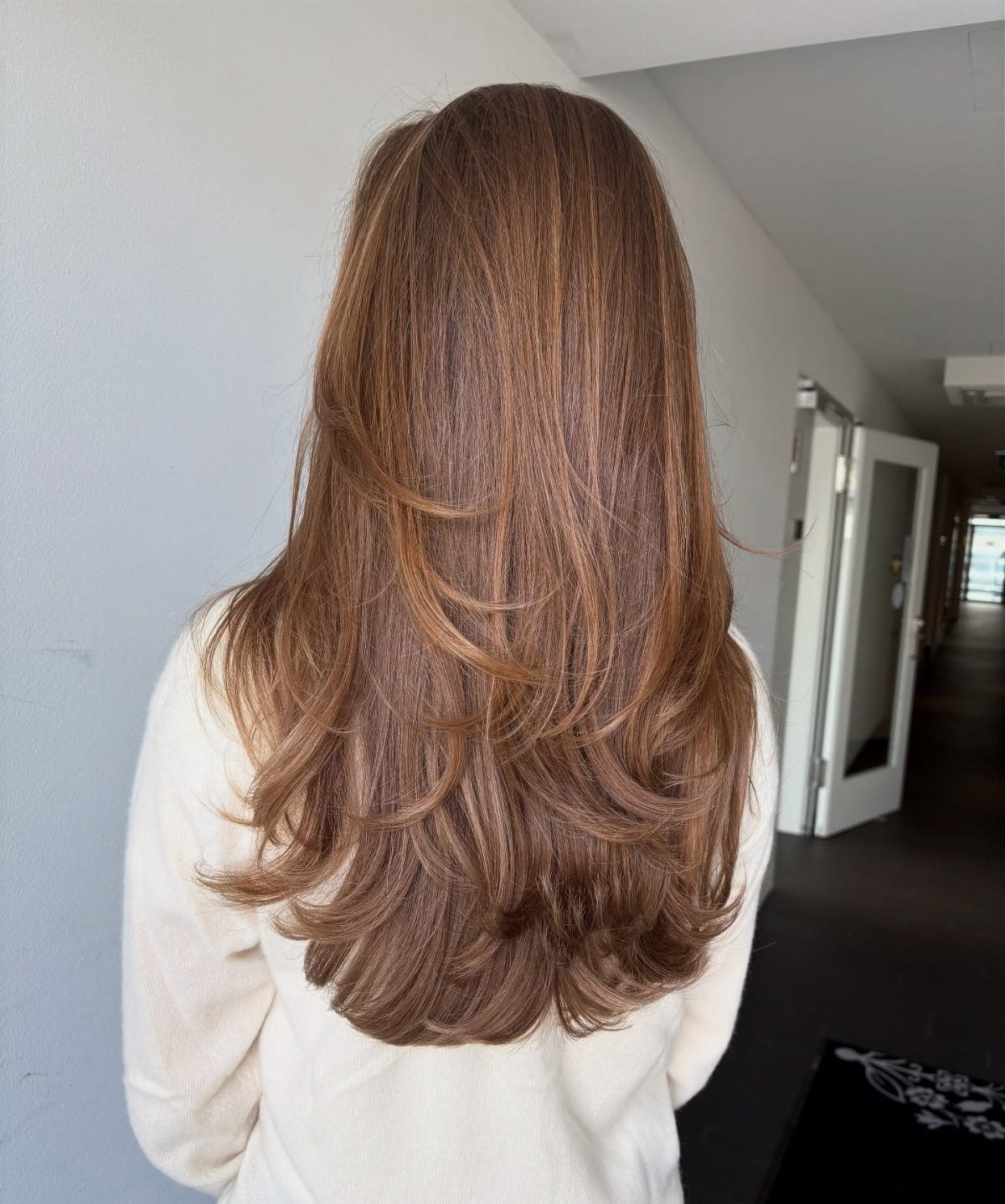
Curved layers follow a rounded line through the length, so the ends bend under or out in one smooth arc instead of stepping. That shape suits a sleek blowout.
Ask the stylist for rounded, connected layers and say you want to keep your length.
A round brush and a blow dryer do most of the work here: roll the ends under as you dry, then curl just the last few inches loosely so the curve at the bottom looks soft and not stiff.
I’d pick this if you like polish more than mess.
14. Fine Hair Layers
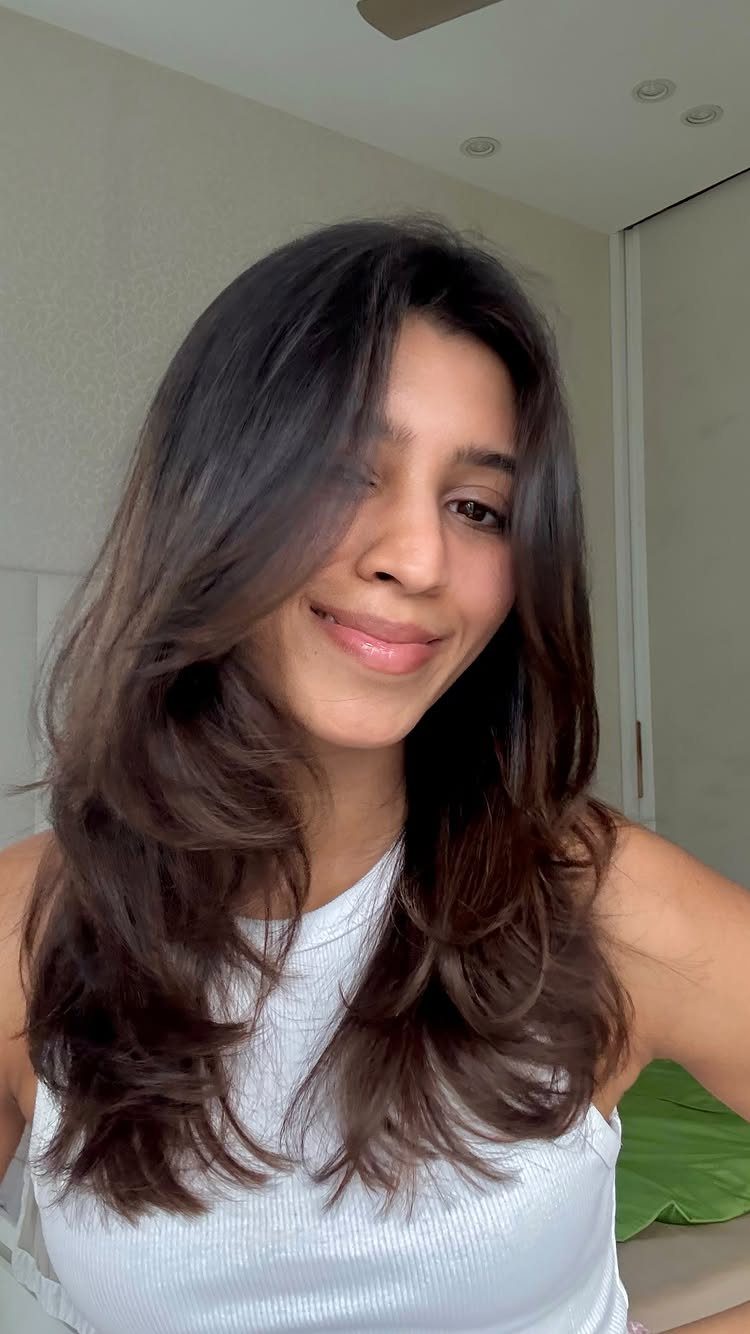
Fine hair loses fullness fast when layers are cut too short or too many, so light layers are the safer route. They add some texture while the ends stay dense enough to look full.
Ask for a few soft layers and tell the stylist you want to keep weight at the bottom.
I’d avoid heavy thinning or razoring on hair this fine. Volumizing the roots at blow-dry does more for body than extra layers will.
15. Cascading Waterfall Layers
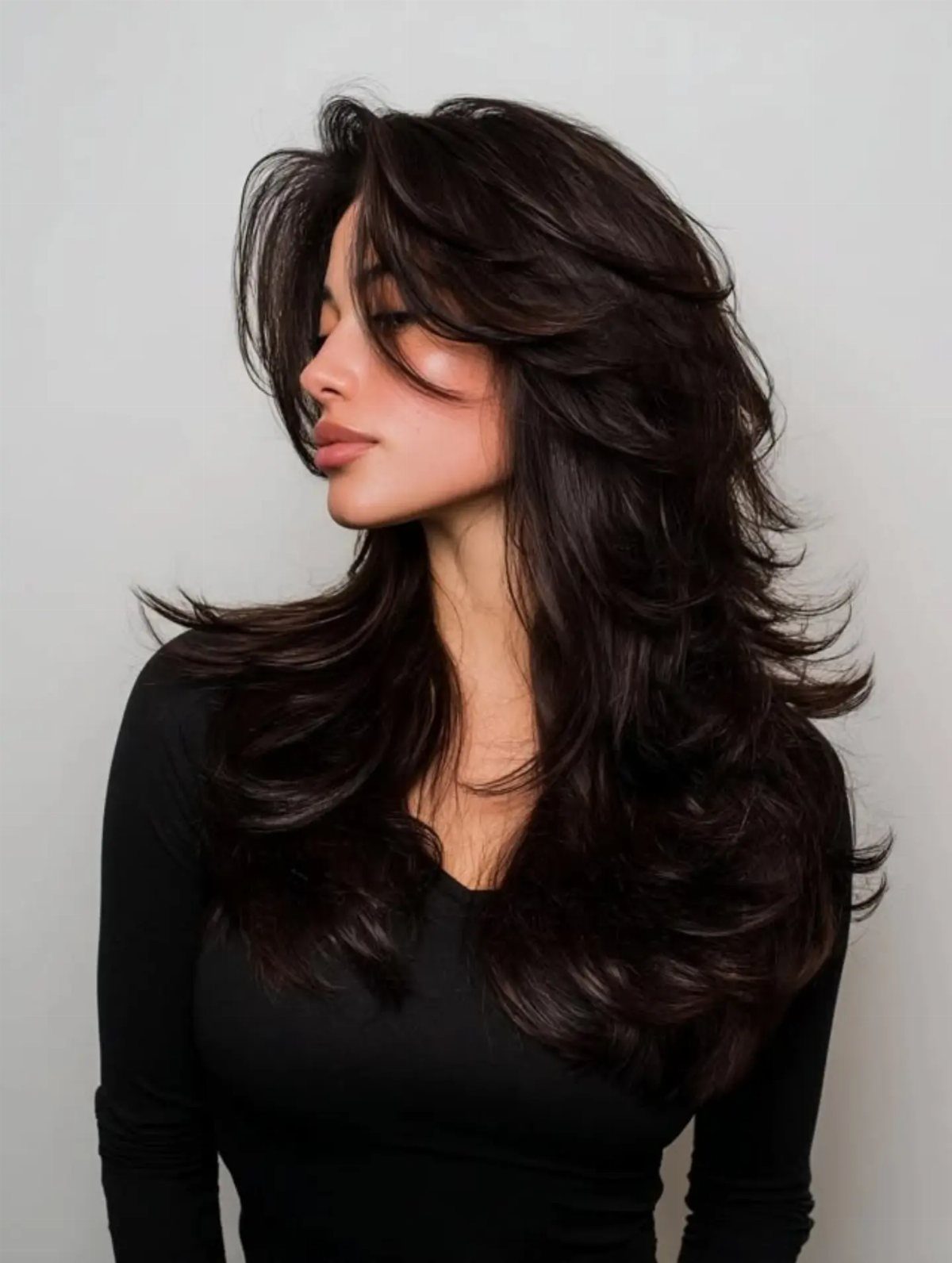
Thick hair carries its weight at the ends, and cascading layers cut that bulk while building movement from the crown down. The hair falls in stacked steps that read as flow, not as a block.
Ask for long layers that start higher and run the full length, plus a side-sweeping fringe if you want one.
Curling the ends away from the face shows the cascade best. I’d choose this over blunt cutting if your hair feels heavy by midday.
16. V-Shaped Flicky Layers
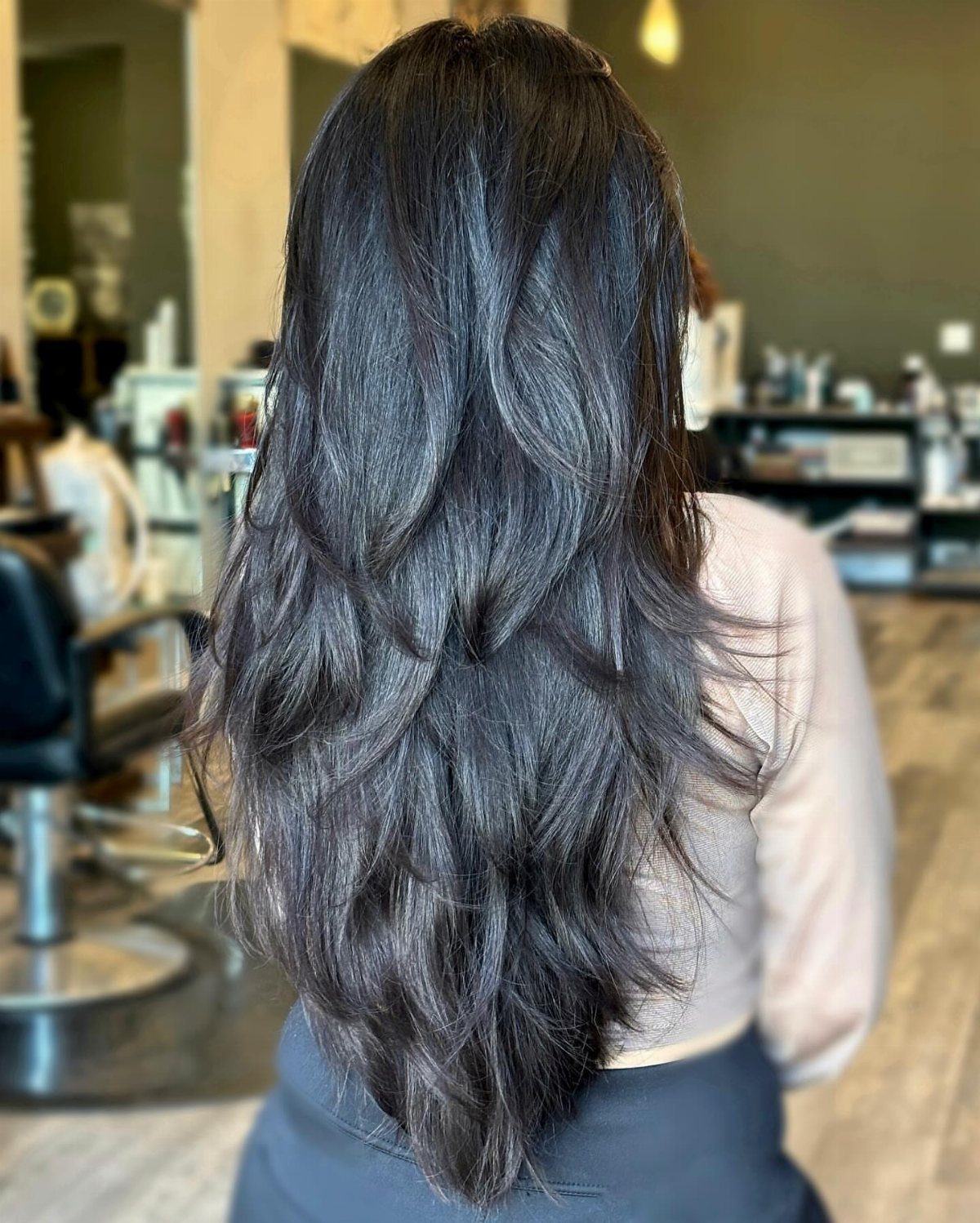
Swoopy layers that end in a sharp V at the back give long hair a pointed, tapered line. From behind, the hair narrows toward a center point, and the front layers flick outward.
Ask for a V-shaped hemline by name, and bring a photo so your stylist can see how steep you want the point, since a shallow V and a deep one read very differently.
A deeper V removes more length at the sides, so ask where the shortest pieces will land. I’d flat-iron the ends lightly to keep the flick crisp.
17. Long Blunt Haircut
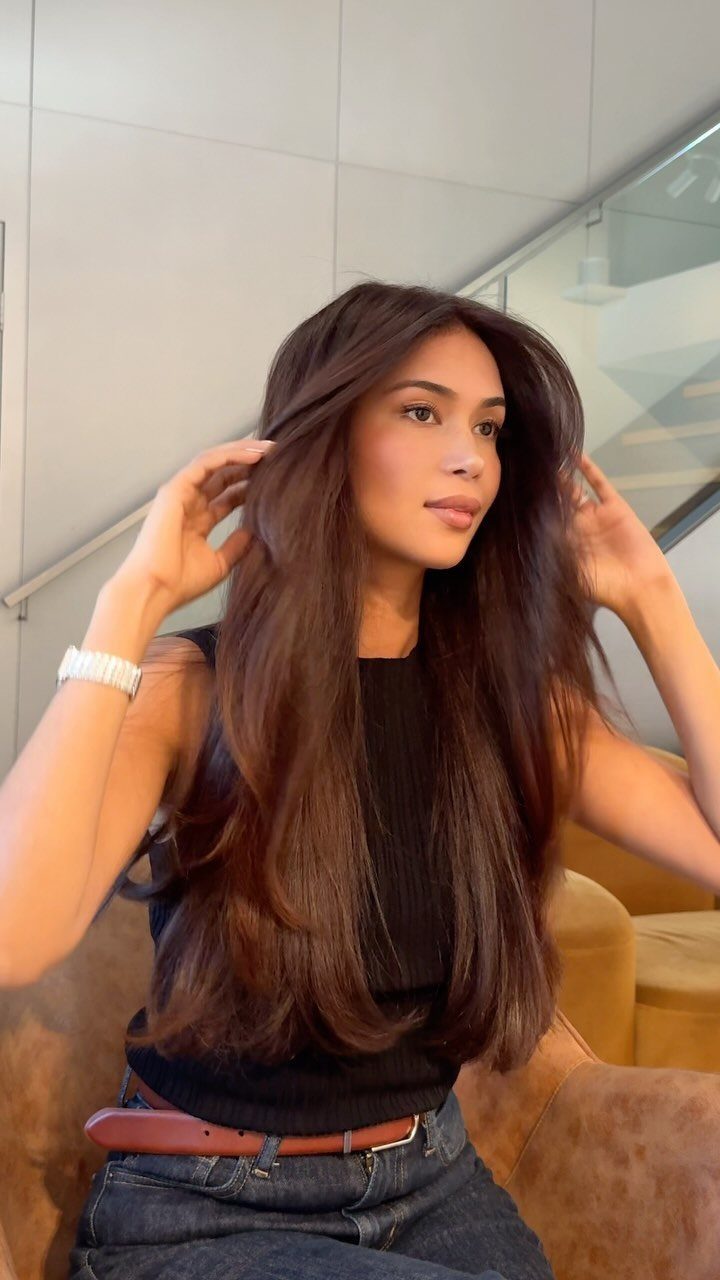
A mostly blunt cut keeps the ends heavy and straight, with layers set in so quietly that you notice movement and not steps. Smooth, dark hair shows this off best.
Ask for a blunt perimeter with subtle layers inside, and be clear you don’t want visible layering. Long blunt haircuts show split ends quickly, so plan on regular trims.
18. Wispy Layers
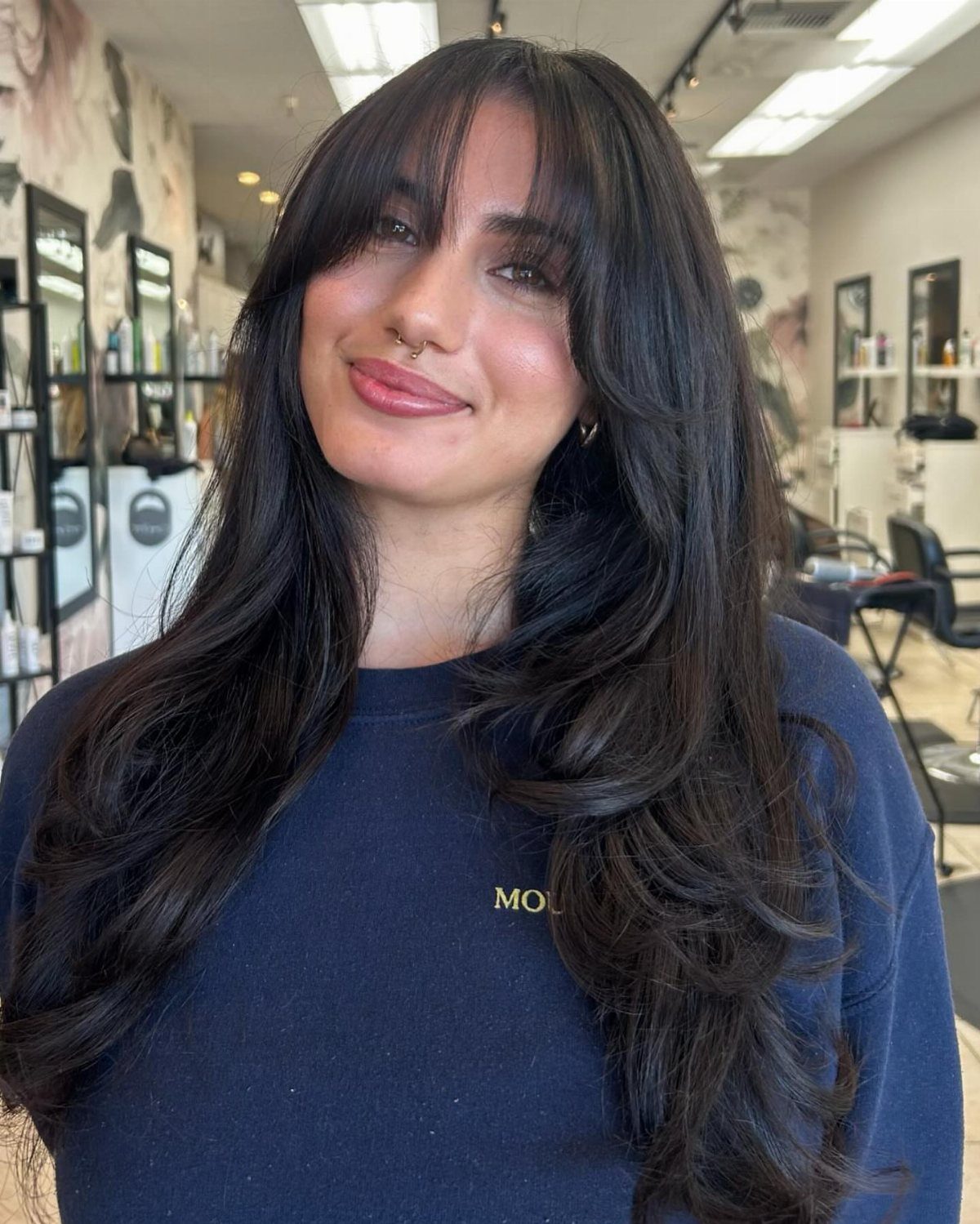
Wispy layers are cut thin and light, so the ends float instead of sitting in a solid line. Around the face they pair well with curtain bangs that part and fall to each side.
Ask for soft, feathery layers and have the bangs cut into them.
A little texture spray at the mid-lengths keeps the pieces separate. I’d choose this if you like an airy finish, though the bangs need a quick blow-dry each morning to keep their shape.
19. Golden Copper Layers
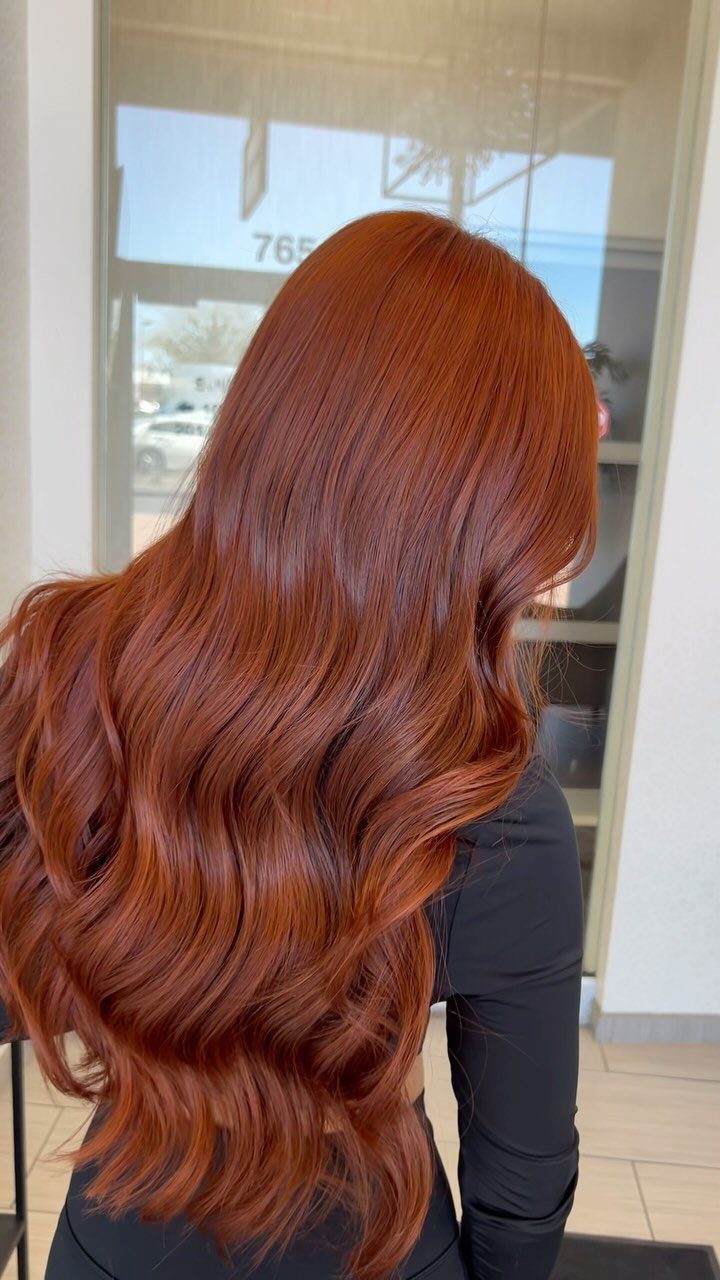
Light, wispy layers keep golden copper hair from looking weighed down, and the color gives those soft ends something to catch. On long waves, the glossy finish is half the effect.
Ask for light layers through the ends and book the copper as its own request. I’d keep a shine treatment or gloss in mind, since copper tones read best when the hair looks smooth and reflective.
20. 90s Supermodel Layers
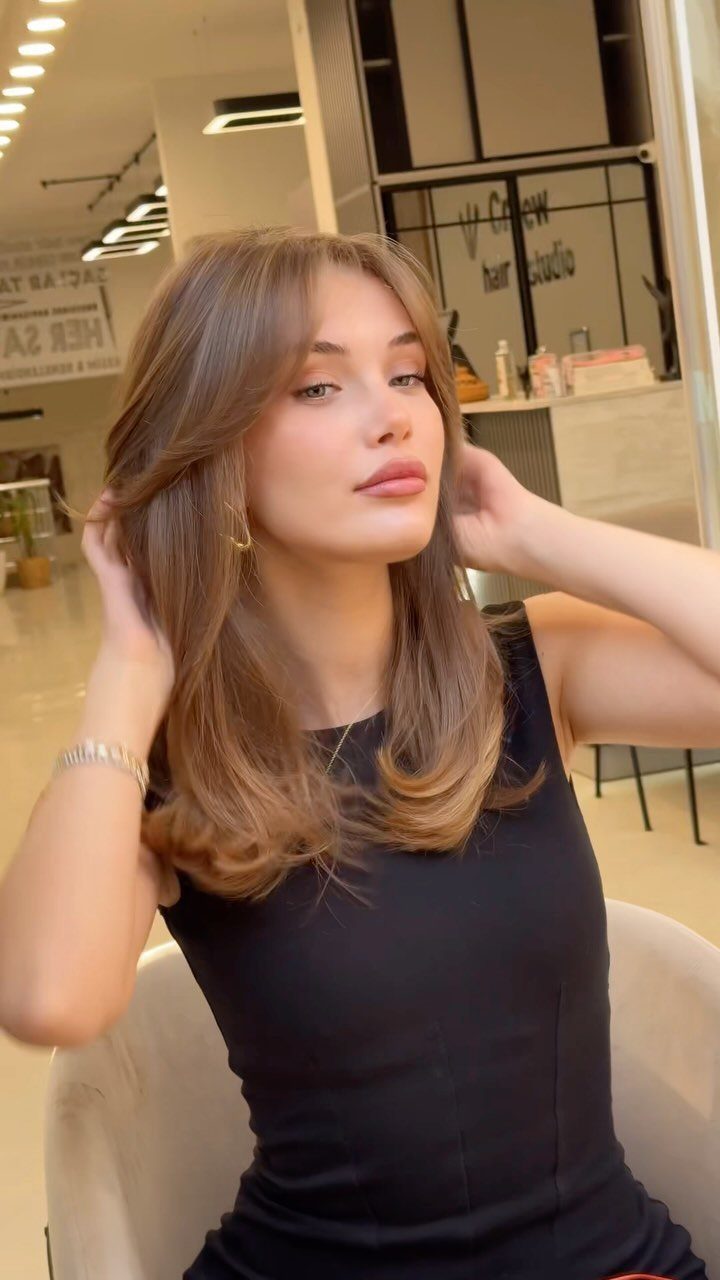
A fresh blowout is what gives 90s layers their glamour: long, soft pieces that move around the face while the ends stay full. Keeping the ends healthy matters here, because a thin, ragged bottom edge ruins the effect.
Ask for long, soft layers with face-framing movement and say you want the ends left full. I’d choose this if you enjoy a styled finish and don’t mind the dryer.
Martin’s next recommendation is another luxurious-looking style inspired by the supermodels of decades gone by. “For women who want to keep their length, long invisible layers are much more flattering than heavy, choppy layers,” he says.
21. U-Shaped Layers
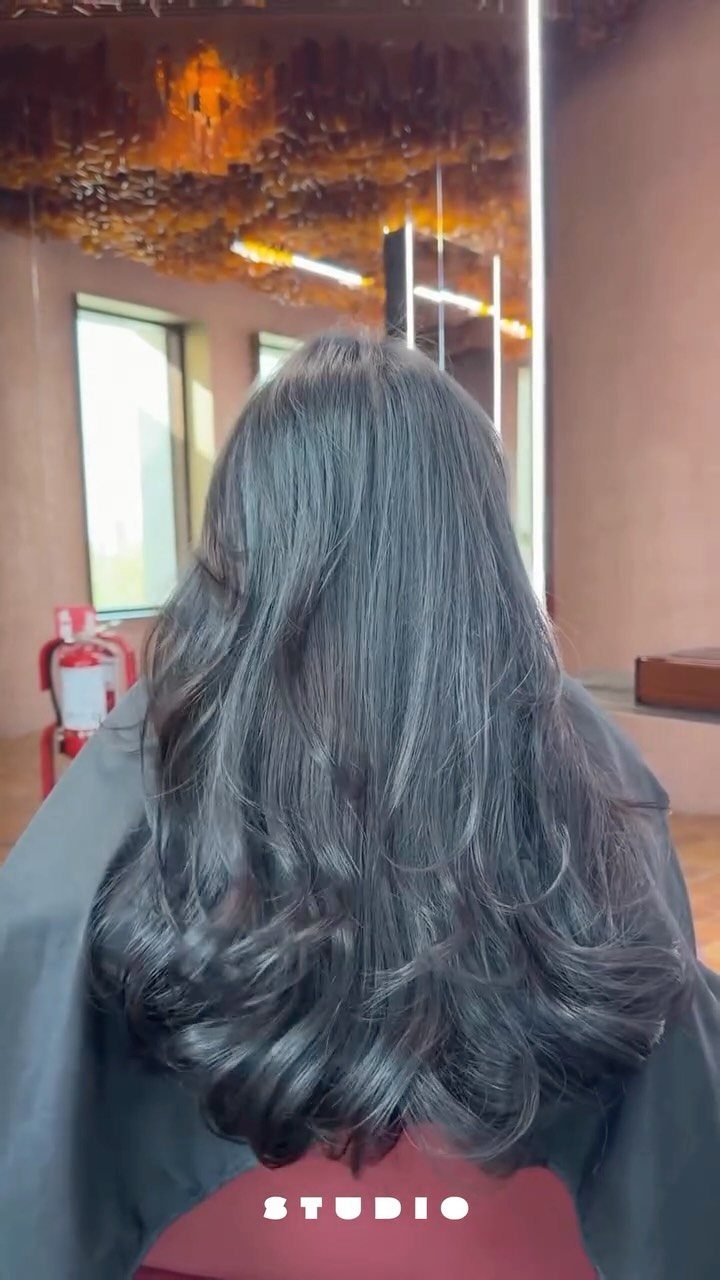
A U-shaped hemline curves the back of long hair into a soft rounded arc, so the length stays thick instead of tapering to a point. Layered curls sit well inside that shape.
A photo helps more than the name alone, because "U-shaped" can mean a shallow curve or a deep one, and the stylist needs to see which you want.
I’d pick it over a V if you want to keep as much weight at the ends as you can.
22. Long Swoopy Layers
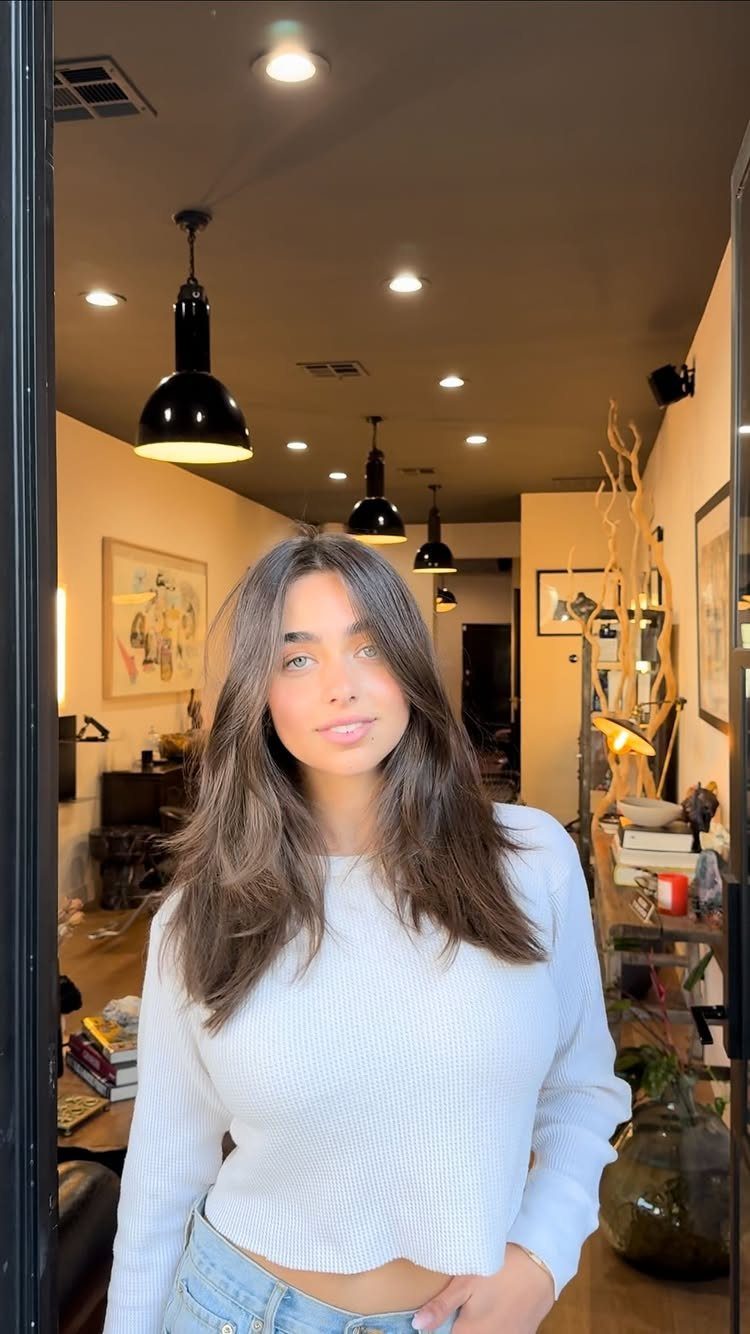
Swoopy layers that begin midway down the hair add texture while the thickness stays where it is. Because the top is left alone, the length still looks full.
Ask for layers to start around the middle of your length and to sweep in one direction.
Curving the ends takes a round brush and a few passes of heat; without it, these layers tend to hang straight. I’d choose this if you want movement but don’t want a visibly layered cut.
23. Volume-Boosting Layers
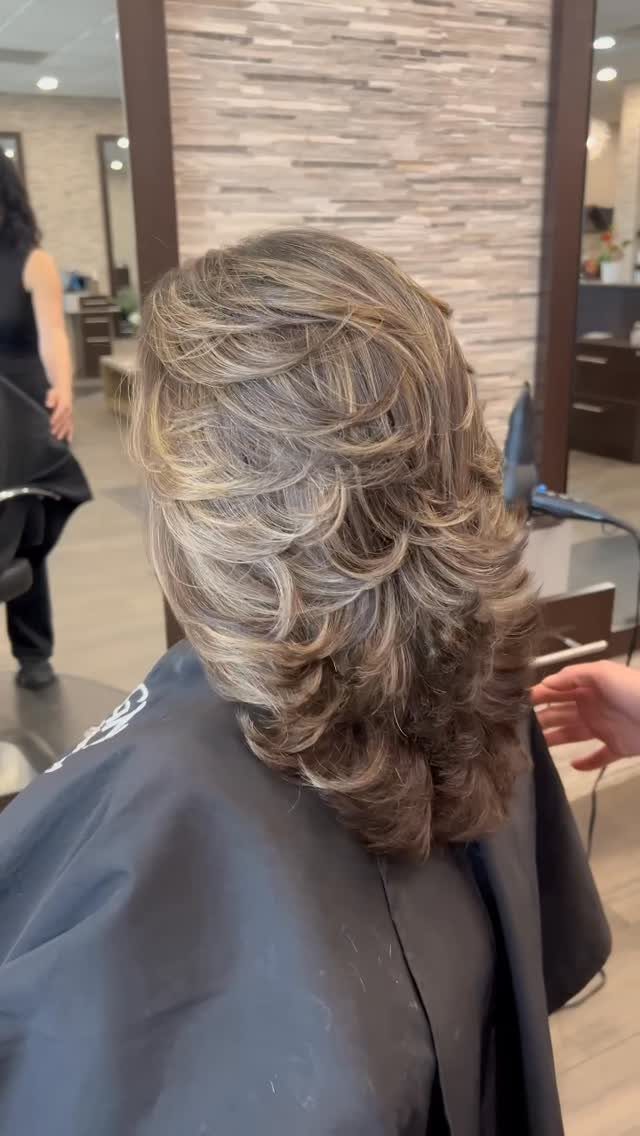
Layers placed only around the face and at the ends give volume without cutting through all of the hair. The rest stays long and dense, so the shape looks full instead of thinned out.
Keep the layering to those 2 zones only, and say clearly that you want the middle left uncut.
Highlights help the feathered ends show up. I’d pick this for fuller hair that you want to lift, not lighten.
24. Concave Layers
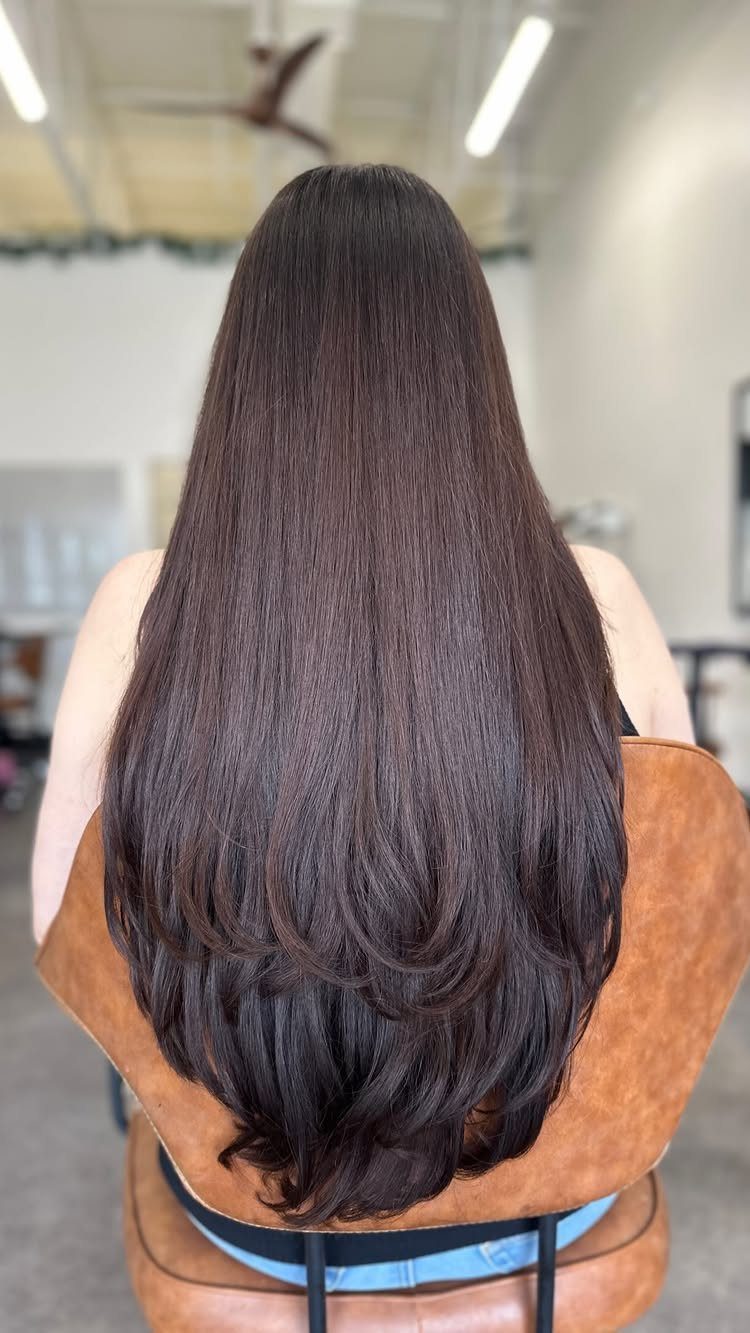
Concave layers curve inward, so the ends dip into a gentle scoop and the hair moves without much effort.
Say "concave layers" and add that the length stays, since a stylist may otherwise take off more than you planned.
A bit of blow-drying to turn the ends under keeps the curve neat. This is my pick for anyone who wants natural movement without restyling the hair each morning.
25. Ghost Layers and Wispy Bangs
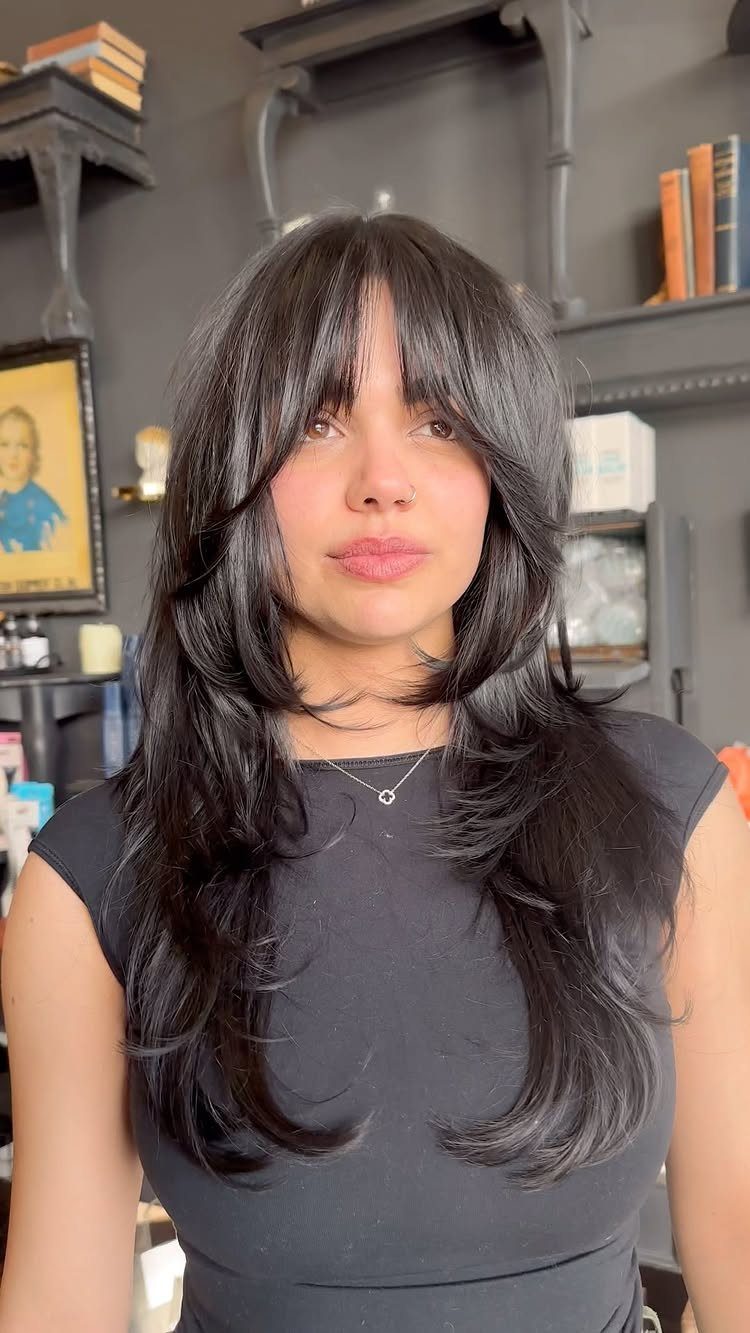
Ghost layers are cut so they hide inside the length: the hair reads as one long, full line, with only a little lift and movement underneath.
Wispy bangs add the airy part, falling thin across the forehead so they don’t weigh the look down.
Ask for ghost layers by name, then say you want the bottom edge to stay full.
Tell the stylist you want the fringe wispy and see-through, with the weight taken out of it. I’d choose this on dark hair if you want a cut that looks fuller without looking layered.
26. Long Wolf Haircut
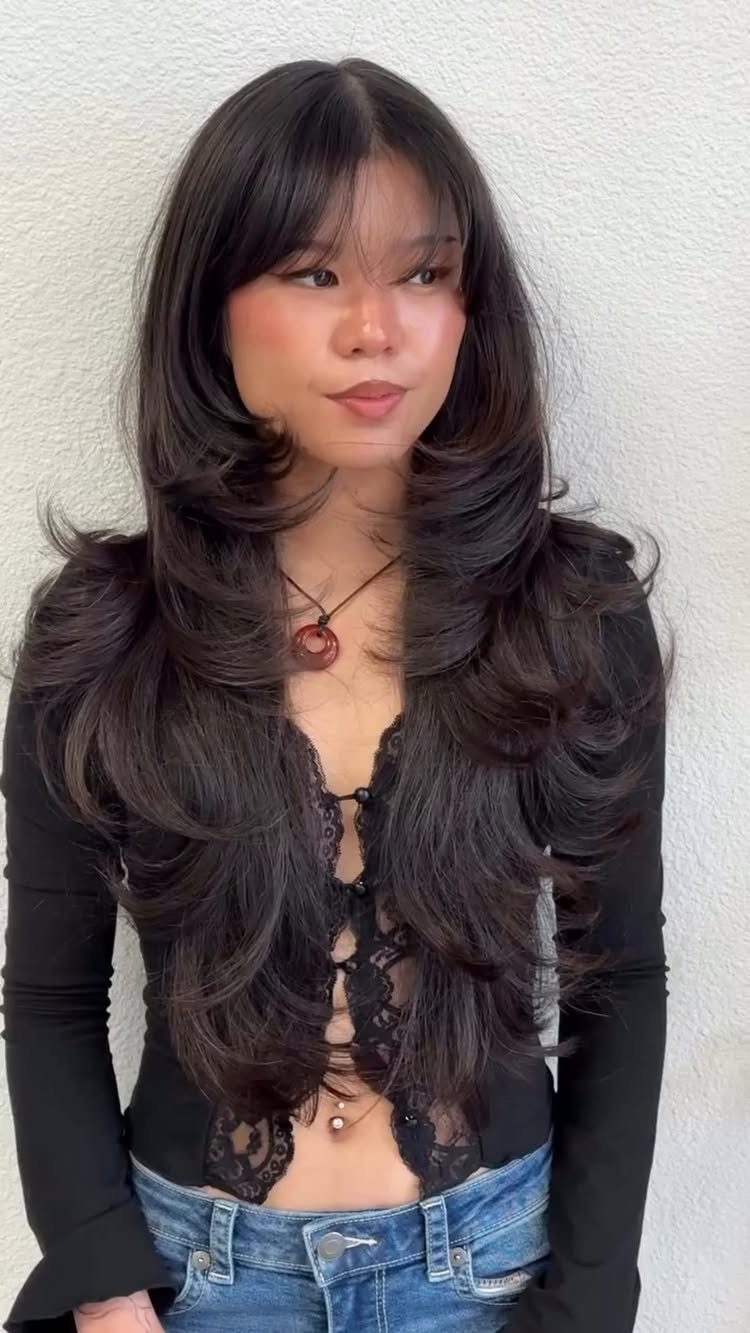
A wolf cut stacks short, disconnected layers on top of longer lengths, then takes weight out of the bottom. That is why the ends look lighter and the crown and curls look bigger.
Ask for disconnected layers and wispy bangs, and say you want the length kept, since a long wolf cut is a different request from a short one.
Curls show the shape best, because the layers break into separate ribbons. I’d choose this if you like a lot of texture, though the disconnected pieces mean regular trims to keep the shape.
27. Sandy Beige Balayage Layers
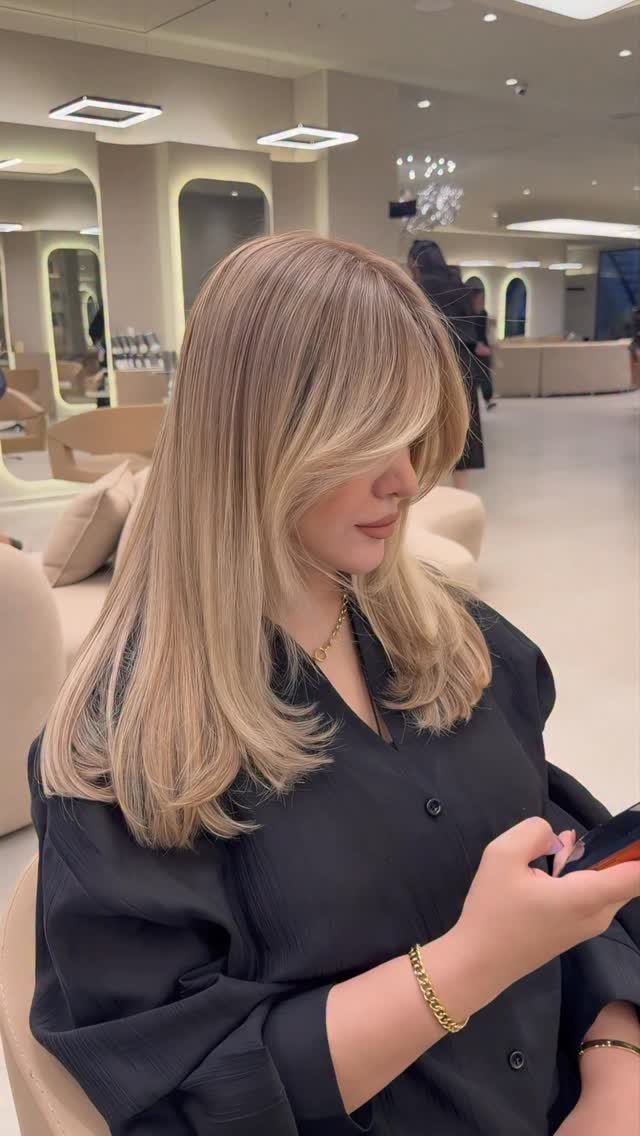
Sandy beige balayage is painted on by hand, so the color melts from darker roots into soft, light ends. Gentle blended layers keep that gradient moving, and the combined effect reads as beach-inspired.
I’d keep the beige close to sandy, not stark, so it looks natural against the length. Of the 3 entries here, this one asks the least of your morning routine.
Choose Layers by Hair Density
Density decides how deep the layers should go.
Texture, lifestyle and routine count too. If you want low effort, ask for layers that blend into each other; they’re easy to style and look good with little work.
Tighter, more distinct layers let you switch between straight and smooth one day and bouncy curls the next.
Done correctly, they can make it look fuller, and you can keep nearly all of your length.
Match the Cut to Face Shape
Face shape should guide where the layers begin. Round faces benefit when the shortest layer sits below the jawline, pulling the eye down instead of widening at the cheeks.
Face-framing pieces soften features and can balance a round face. Because they don’t require layering the whole head, you keep your length.
The first layer can fall anywhere from chin level down, so name the exact spot you want it to hit.
Ask for and Maintain the Cut
A simple script works well: keep my hair long, add long layers, and keep the bottom even all the way around. Then say whether you want face-framing pieces or bangs, since both suit this cut.
Plan on a trim every 8–10 weeks. Regular trims prevent split ends and keep the shape looking fresh.
If your hair is curly, ask for a custom dry cut. Cutting it dry lets the stylist work with your curl pattern and avoid surprise shrinkage once the curls spring back.
Frequently Asked Questions
Which layer cut is best for long hair?
The cut that works depends on density and texture, then face shape and whether you style daily or want something you can leave alone.
Thick hair handles more pronounced layers that remove bulk, while fine hair does better with a few soft, graduated layers that keep the ends dense.
What are face framing layers for women?
Face-framing layers are shorter pieces cut around the face while the rest of the hair stays long. Only the front gets cut, so you add shape and softness without losing length.
What are some different types of haircuts for long hair?
The main long-hair options are choppy layers, face-framing layers, blended long layers, feathered layers, the butterfly cut, a long shag, a long wolf cut, V-shaped or U-shaped hemlines, and a mostly blunt cut with quiet layers.
Pick by effect: blended or ghost layers for subtle shape, choppy layers, shags and wolf cuts for lots of texture. A blunt cut keeps the heaviest, smoothest line.
How do I ask my stylist for long layers?
Say you want to keep your length, add long layers, and keep the bottom even all the way around. Bring a photo too, because terms like U-shaped or V-shaped can mean a shallow or a deep version.
Is the butterfly haircut right for me?
It suits long hair when you want to keep your length and add movement, and you’re willing to blow-dry.
What layers work best for fine hair?
A few soft, light layers work best on fine hair, with weight kept at the bottom. Cutting too many layers or going too short makes fine hair lose fullness fast.