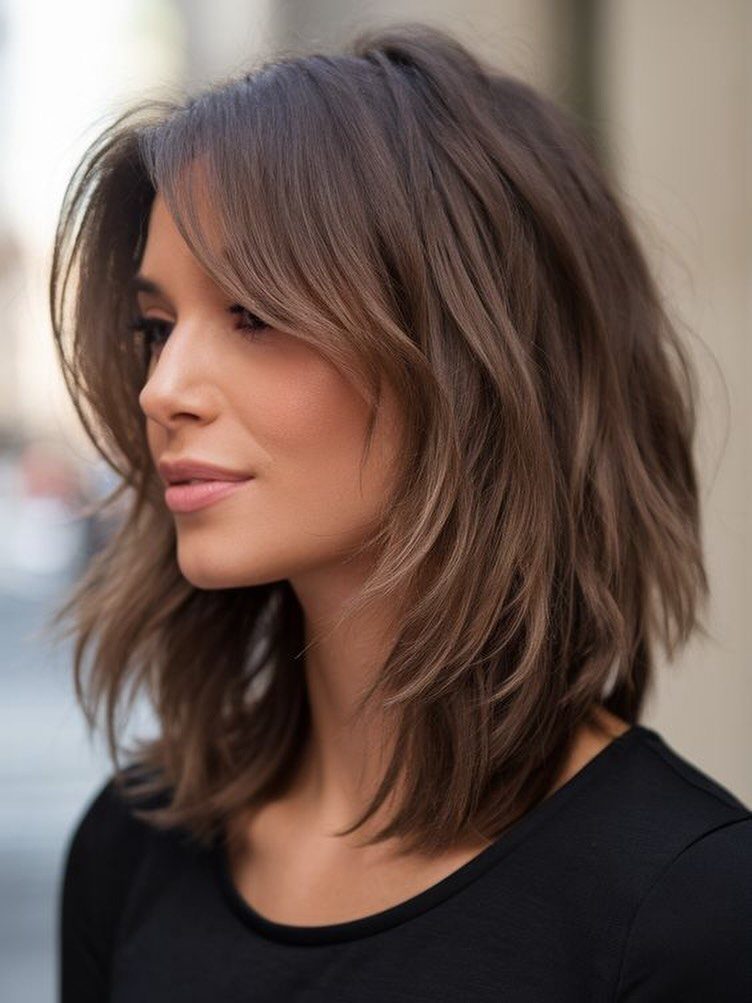
Layers cut into medium-length hair create movement that sits somewhere between a blunt lob and a fully layered long cut, whether the texture is curly, wavy, straight, or something in between.
If your hair is thick, the cut removes bulk without shortening the overall length.
1. Curly Shag
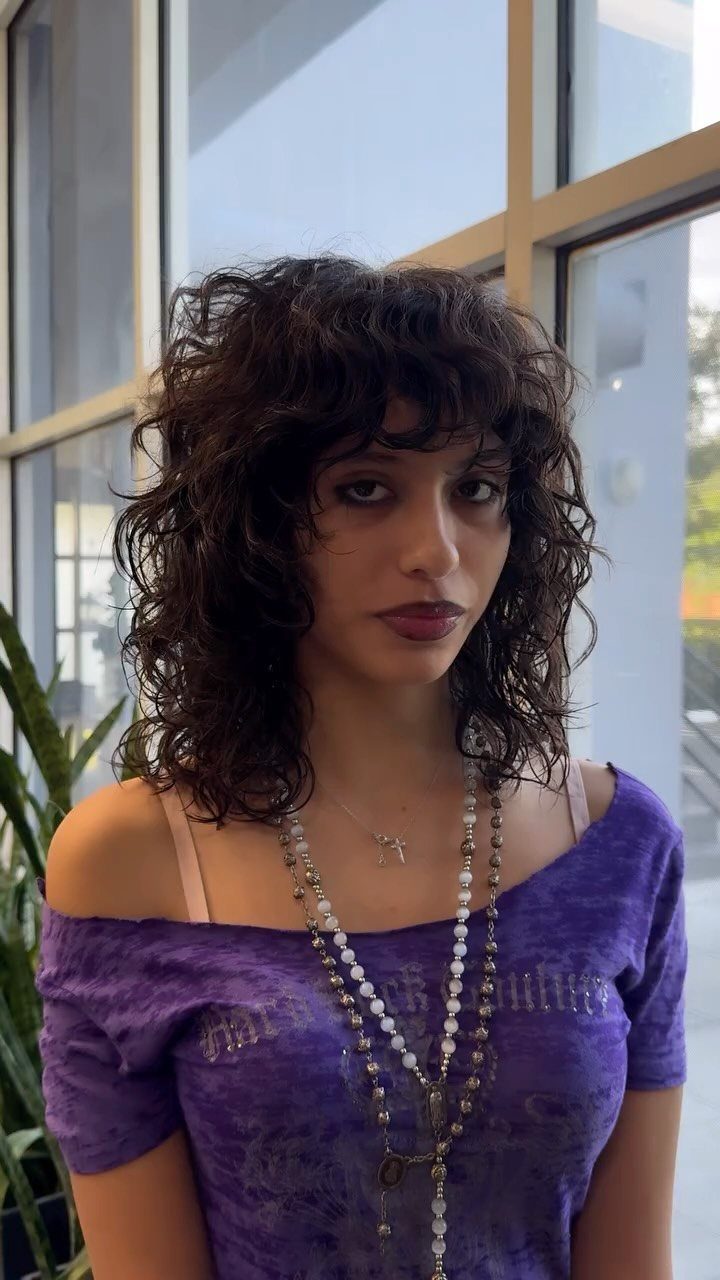
Layers cut into natural curls create a shag that brings out movement without losing length. The cut works midlength or longer, with shorter pieces framing the face and longer curls falling past the shoulders.
Curly hair benefits from layers that remove bulk while keeping enough weight to avoid a triangle shape.
Ask for layers that follow the curl pattern rather than cutting straight across, and avoid thinning shears if your curls are already fine or prone to frizz.
The style air-dries well, especially if you scrunch in a leave-in conditioner or curl cream while the hair is still wet.
2. Wavy Shag
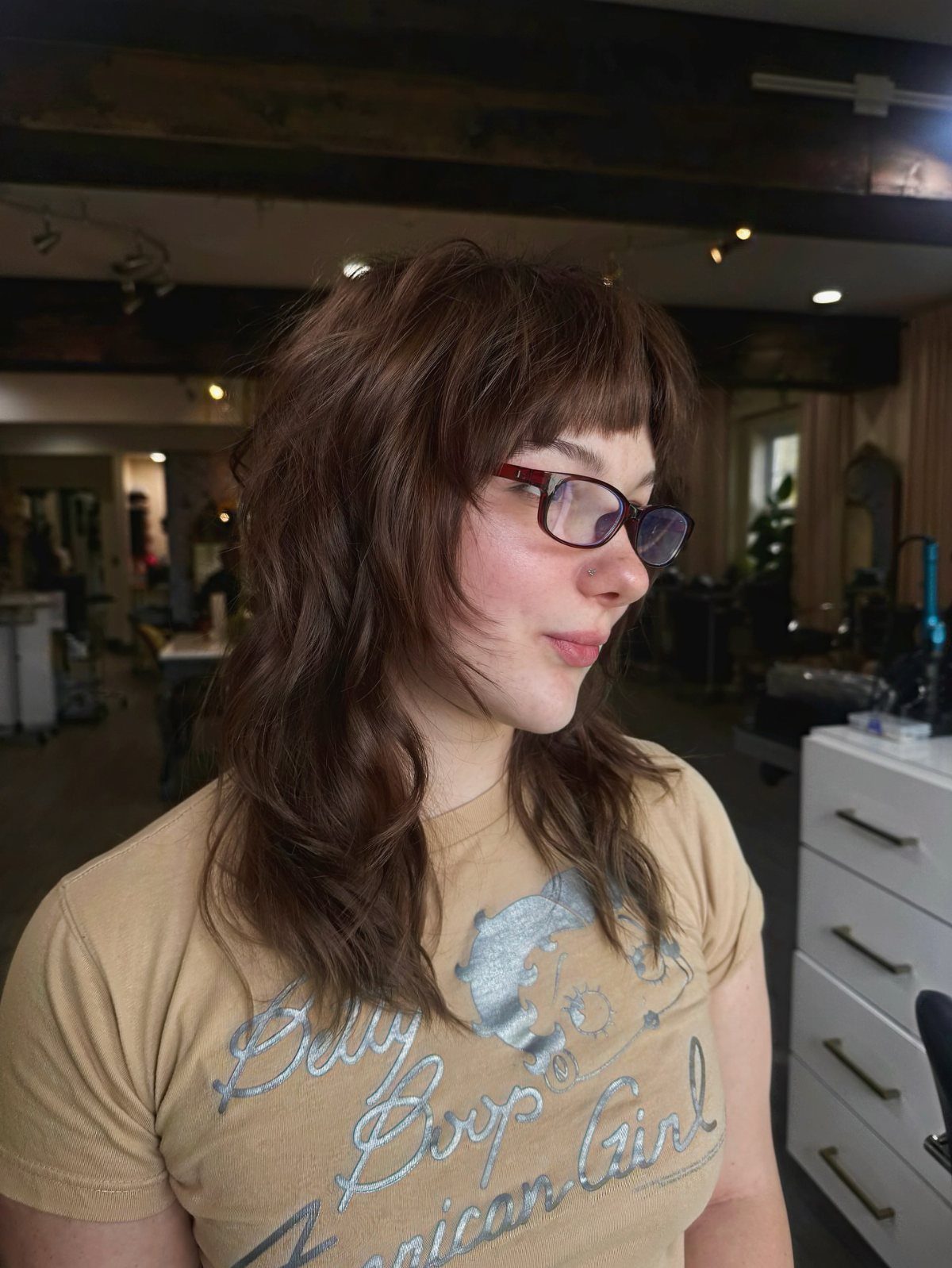
Waves show the texture of a shag better than straight hair does. The layered ends catch light differently, and each piece moves on its own when you turn your head.
If your hair is naturally wavy, a shag amplifies what you already have.
For straighter hair, the cut still works, but you may want to add waves with a curling iron or sea salt spray to get the full effect. The bangs sit above the brows and blend into the shorter face-framing layers.
This cut grows out gracefully. The layers soften rather than creating a harsh line as length comes back.
3. Mullet Shag
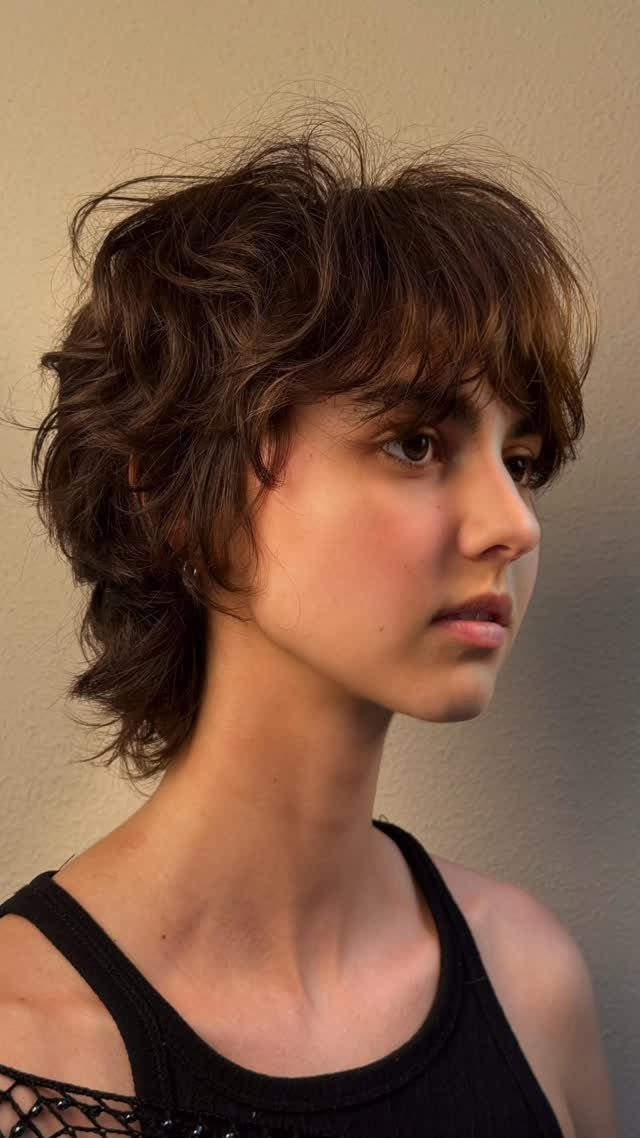
The mullet shag cuts the front and sides close while the back reaches past the shoulders. The result is more dramatic than a standard shag but still wearable for daily styling.
The cut works best if you already like wearing your hair down, since pulling it into a ponytail leaves only the shorter front pieces visible. The fringe sits short and choppy, blending into the layered sides.
If you style with a flat iron or blow dryer, the back section takes longer to work through than a uniform-length cut would.
4. Wavy Shag with Micro Bangs
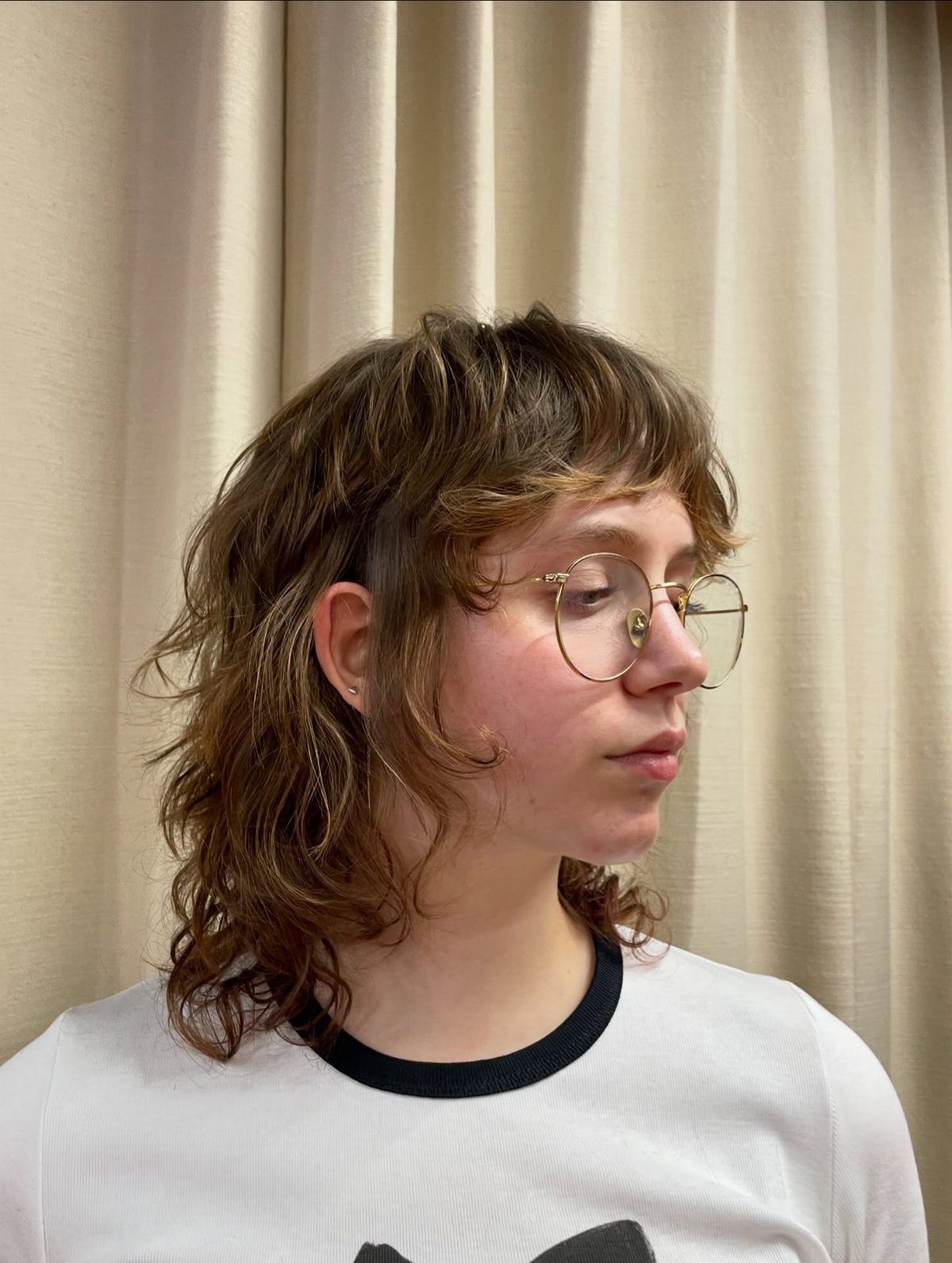
Micro bangs sit well above the brows, creating a stark contrast with the longer, wavier layers below. The look is bold, and the bangs need frequent trims to stay short.
Micro bangs suit oval and heart-shaped faces best.
If your face is round or square, the short fringe can make the forehead look wider. The wavy layers soften the sharpness of the bangs, making the combination more approachable than micro bangs with sleek, straight hair.
If you decide you do not like the bangs, growing them out takes patience.
5. Shaggy Bob Haircut
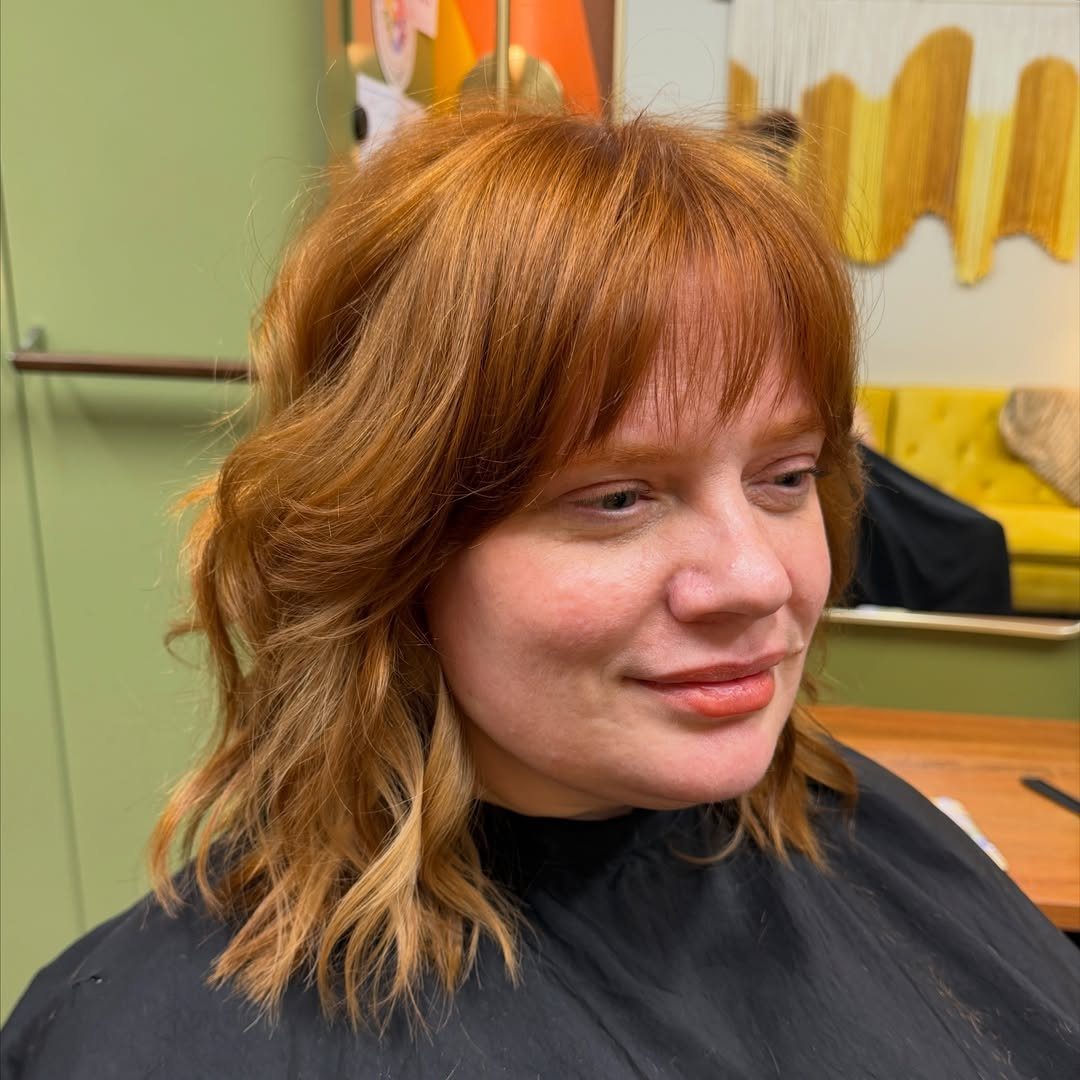
Coppery ginger tones catch the light and make the layers of a shaggy bob more visible. The cut sits around chin to collarbone length, with wispy bangs and choppy ends that move when you walk.
The color lifts warm tones in the skin, but it fades faster than most brunette shades. Refresh the color often if you want to keep the brightness, or let it fade to a softer copper if low maintenance matters more.
The bob length keeps styling time short. Most people can blow dry this cut quickly.
6. Shoulder-Grazing Shag

This shag lands right at the shoulders, long enough to tie back but still sitting in the medium range rather than long. The layers start higher up, creating volume at the crown and movement through the ends.
This length suits most face shapes and works with straight, wavy, or curly textures.
If your hair is thick, the layers remove weight without making the cut look too short. If it is fine, the shorter pieces around the face add fullness.
You can style them forward or sweep them to the side depending on your preference.
7. Shoulder-Length Blonde Shag
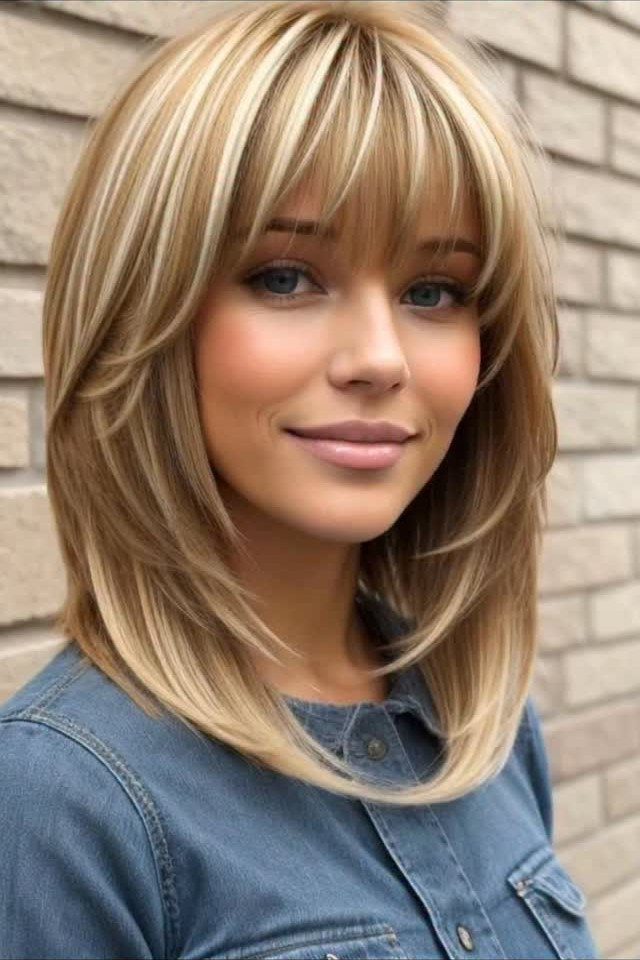
Blonde tones make layers stand out, and the lighter color shows the separation between each piece more clearly than darker shades do. The cut sits at shoulder length, with bangs that graze the brows and shorter layers around the face.
If you already have blonde hair, this cut highlights the dimension you have. If you are starting from darker hair, getting to this level of blonde takes multiple sessions and regular toning to avoid brassiness.
The length ties back easily but still moves when worn down.
8. Side-Curtain Curly Shag

Side curtain bangs parted in the middle soften the face and blend into the first layer of curls without a hard line. The bangs sit long enough to tuck behind the ears but short enough to frame the cheeks.
Curly hair holds this shape well without much styling. The bangs will need a trim between full cuts to keep them from falling into your eyes as they grow.
If your curls are tight, the bangs will spring shorter than they look when wet, so ask your stylist to cut them dry.
9. Brunette Textured Shag
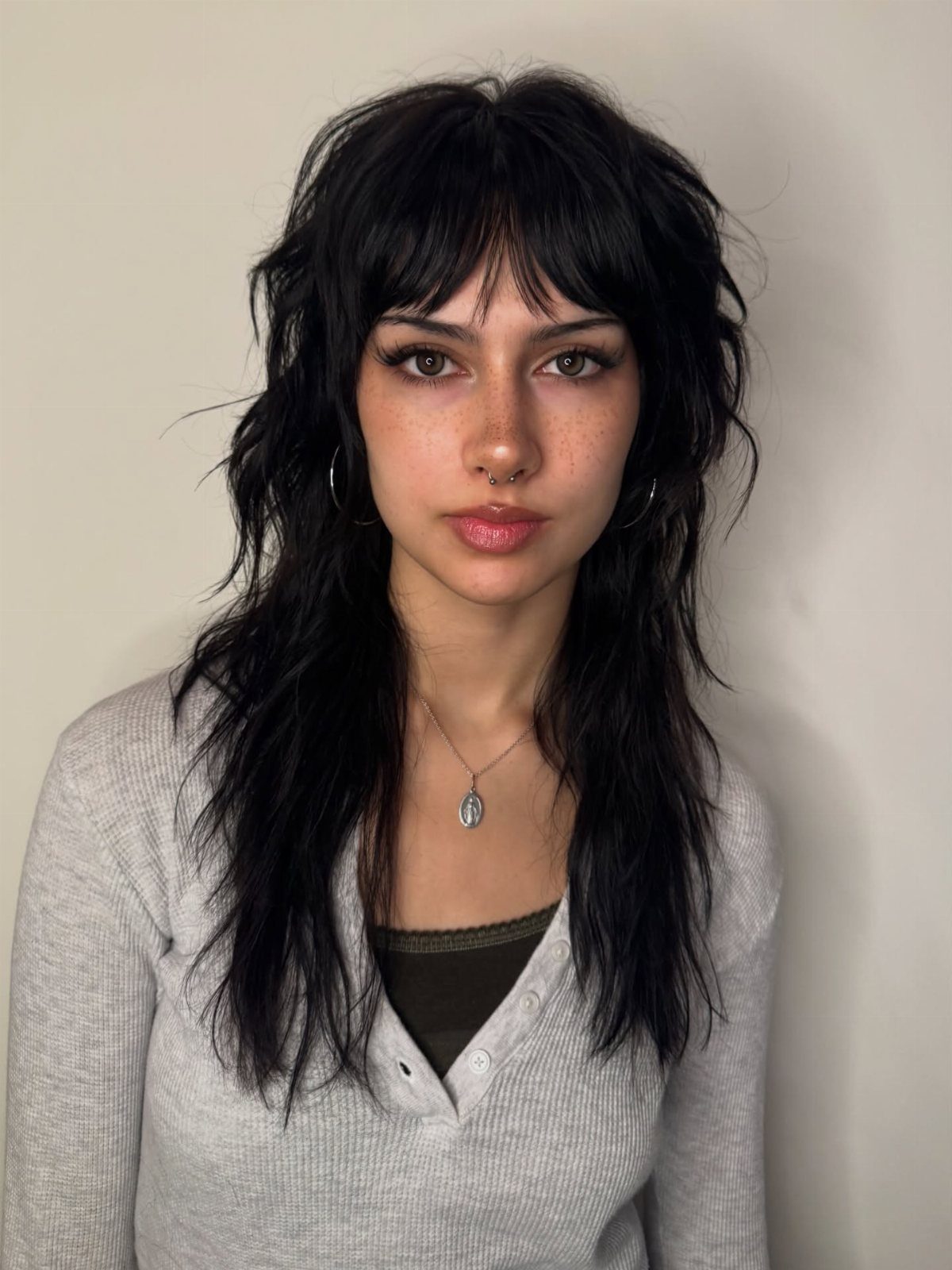
Brunette shades show texture and layer definition without needing color contrast. The cut relies on choppy ends and varied lengths to create movement, with wispy bangs that sit just above the brows.
This version suits hair that is naturally straight or slightly wavy. Fine hair gets more fullness from the textured ends, and thick hair loses weight without looking too blunt.
The bangs need trims between full cuts, or they start to fall forward into your line of sight.
10. Copper Shag with Curtain Bangs

Copper hair reflects warm light and makes the curtain bangs and feathered layers more visible than a flat brunette would. The bangs part in the middle and sweep to each side, blending into the layers without a gap.
The color fades over time, so plan for touch-ups if you want to keep the brightness. Semi-permanent dyes work if you prefer less commitment, but they wash out faster and may turn orange as they fade.
The feathered ends air-dry well if you let your hair dry naturally with some texture.
11. Soft Blonde Razor Shag
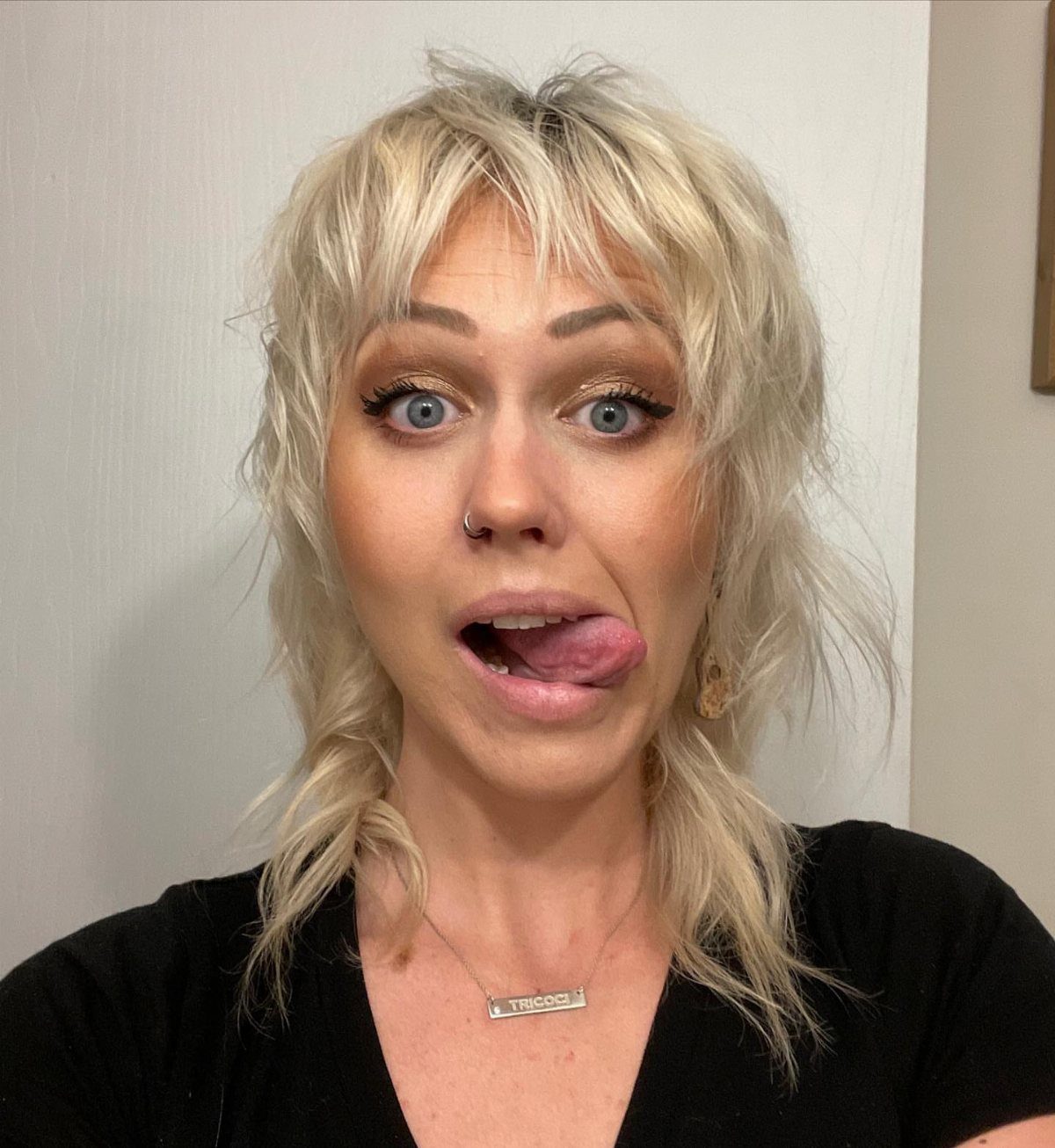
Razor-cut layers create softer, thinner ends than scissors do. The blade tapers each piece, so the layers blend without a blunt edge.
Blonde hair shows the wispy texture more clearly than darker shades.
If your hair is fine, razor cutting can make the ends look too thin or sparse, so ask your stylist to use the razor sparingly. Thick hair handles this technique better and benefits from the weight removal.
The cut dries with more movement than a blunt cut would, and it sits well without much styling.
12. Burgundy Highlight Shag
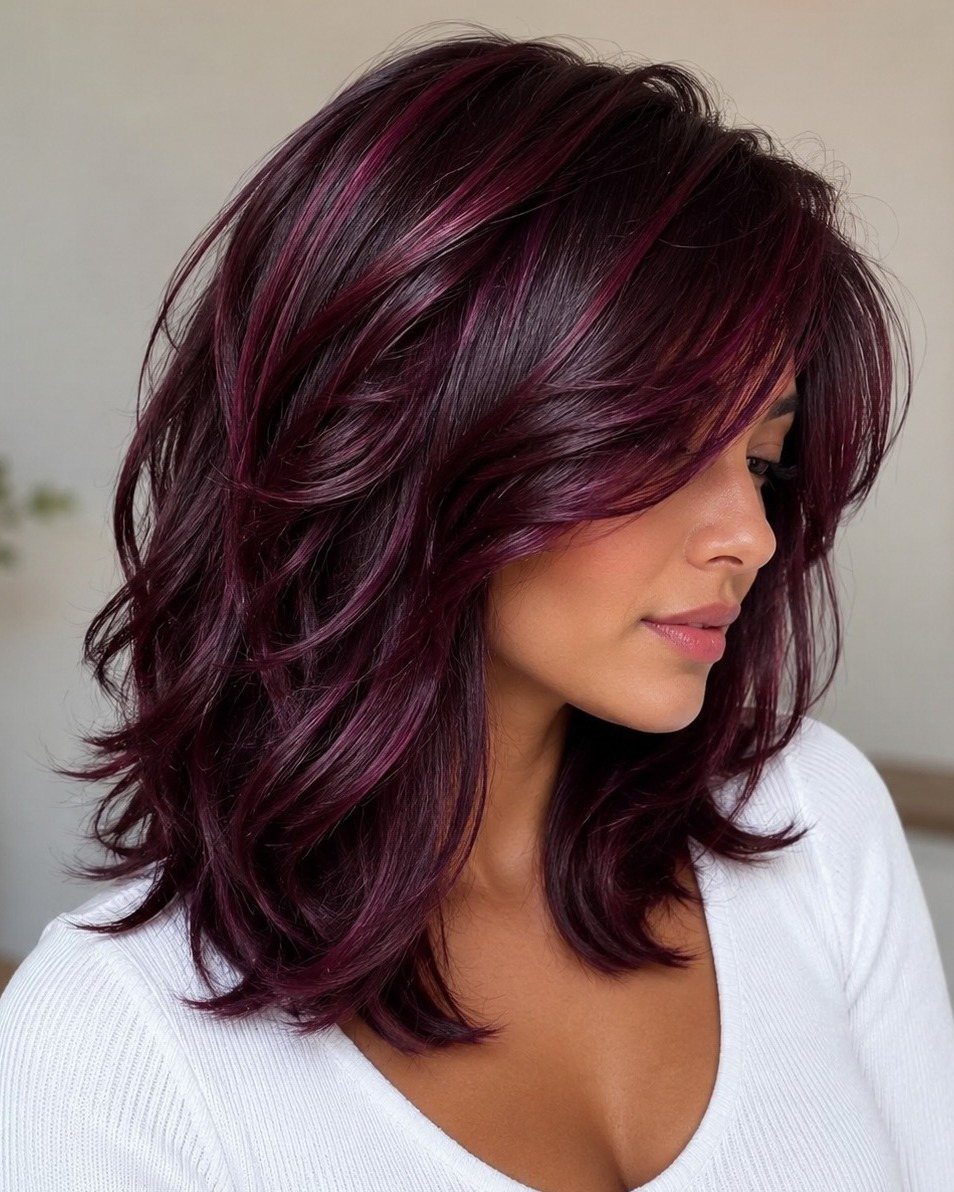
Burgundy highlights sit in the mid-lengths and ends, adding depth to dark brunette hair without covering the base color. The highlights catch light when you move and show the layers more clearly than solid brunette would.
The color stays close to your natural shade, so roots grow out less noticeably than they would with blonde highlights. Burgundy fades to a softer red over several weeks, so refresh the color if you want to keep the richness.
The shag layers distribute the color through the hair, so each piece shows some of the highlight tone.
13. Classic Shag
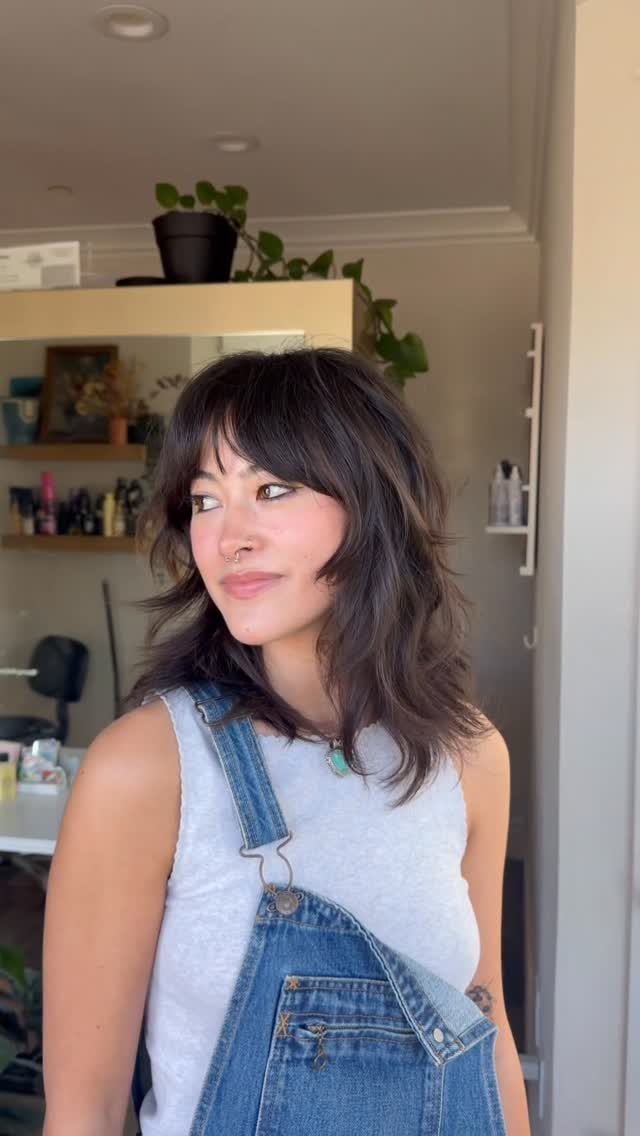
The shag cut that most people picture when they hear the term: layers that start at the cheekbones, wispy bangs that graze the brows, and ends that sit somewhere between the collarbone and shoulders.
This version suits most hair types and face shapes. The layers add volume to fine hair and remove weight from thick hair without shortening the overall length too much.
If your hair is naturally straight, you may need to add texture with a blow dryer or styling product to get the separated, piecey look. Wavy or textured hair falls into this shape more easily.
The beauty of the shag is all about embracing its imperfections. ‘The best way to style a shaggy haircut is to embrace the dishevelled look,’ Sahin adds.
— ELLE
14. Modern Choppy Medium Shag
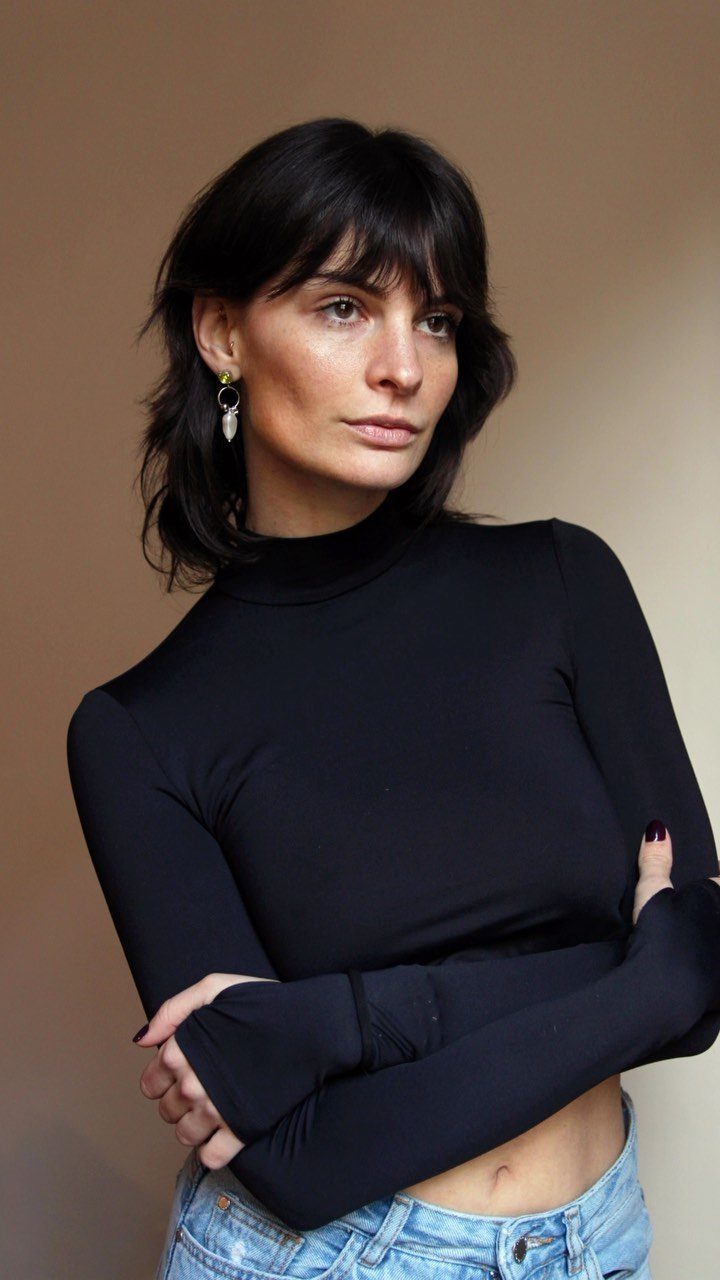
The layers hit at different lengths and the ends stay textured, so the cut looks lived-in the moment you walk out of the salon.
The pieces do not match in length, and the bangs sit wispy and broken rather than cut in a straight line.
The texture works well if you prefer low-maintenance styling. Air-drying looks intentional rather than unfinished, and the cut holds its shape as it grows out.
Thick hair benefits most from this technique. Fine hair can look too sparse at the ends if the stylist cuts too much texture into it.
15. Copper Curly Shag
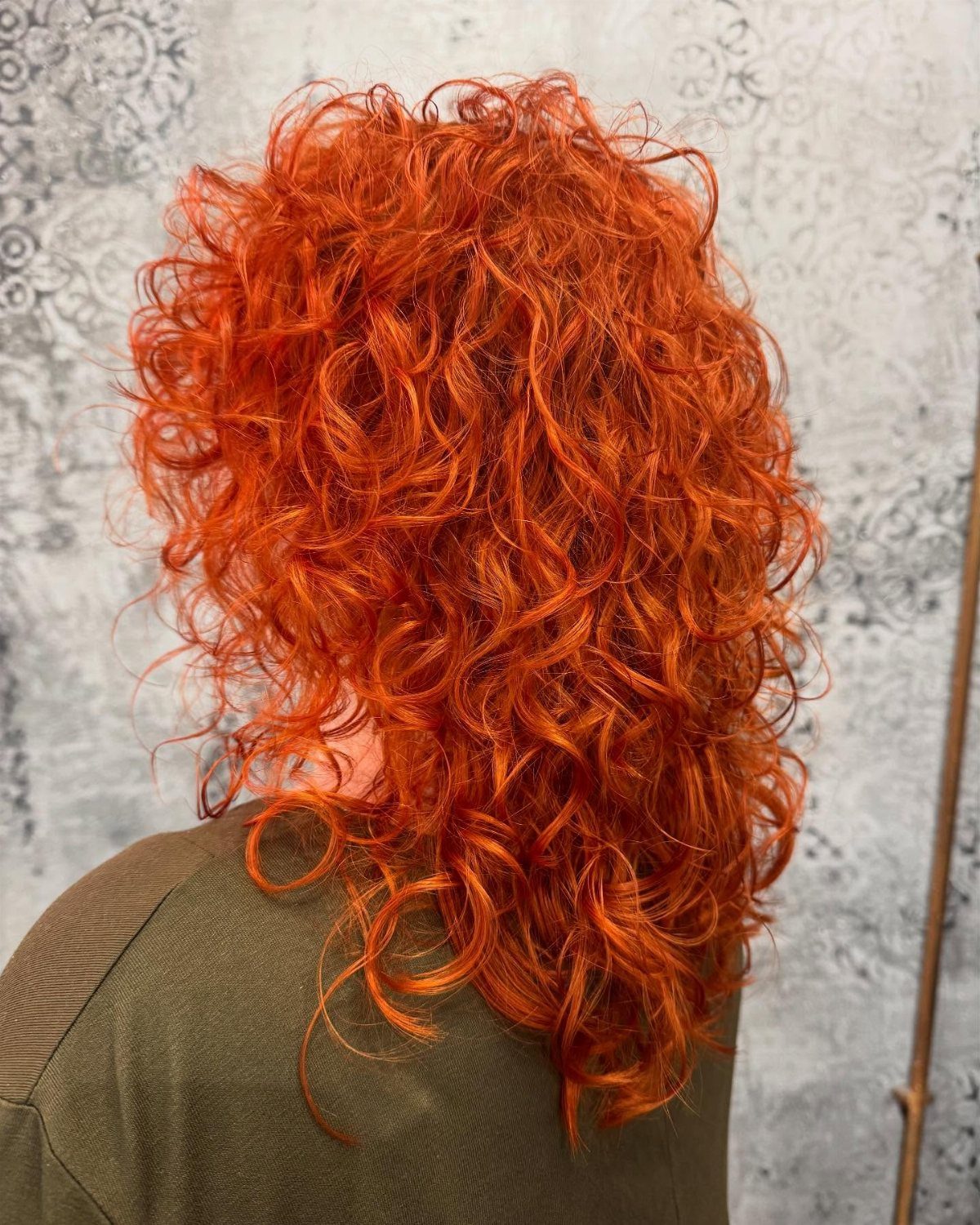
Copper tones pull warm light and make each curl stand out on its own. The layers cut into the curls create bounce and lift without losing the fullness that curly hair needs.
If you are starting from a darker base, lifting to copper can take more than one session. The color fades over time, shifting toward a softer peachy red before it needs a refresh.
Curls cut into layers dry faster than one-length curls do, since the shorter pieces lose water more quickly.
16. Ash Brown Highlight Shag
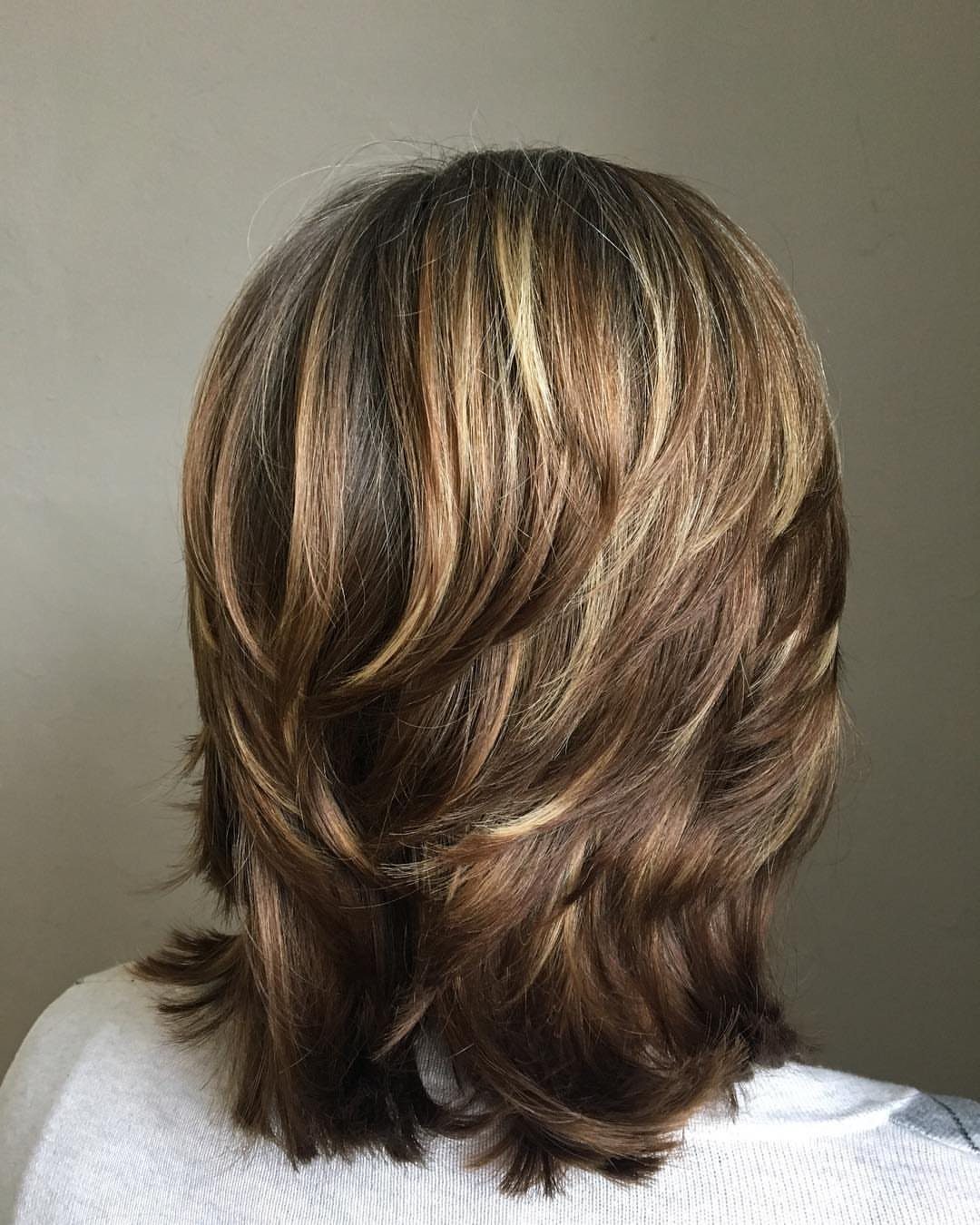
Ash tones cool down natural brown and keep highlights from looking brassy. The color blends through the layers, so each piece catches light differently without creating harsh lines between the base and the highlights.
If your hair is warm-toned to start, reaching true ash brown takes toning at every color appointment. Skip the toner and the highlights will pull warmer as they fade.
The blended color makes roots less obvious as they grow in, so you can stretch the time between touch-ups if you prefer.
17. Smoky Balayage Shag
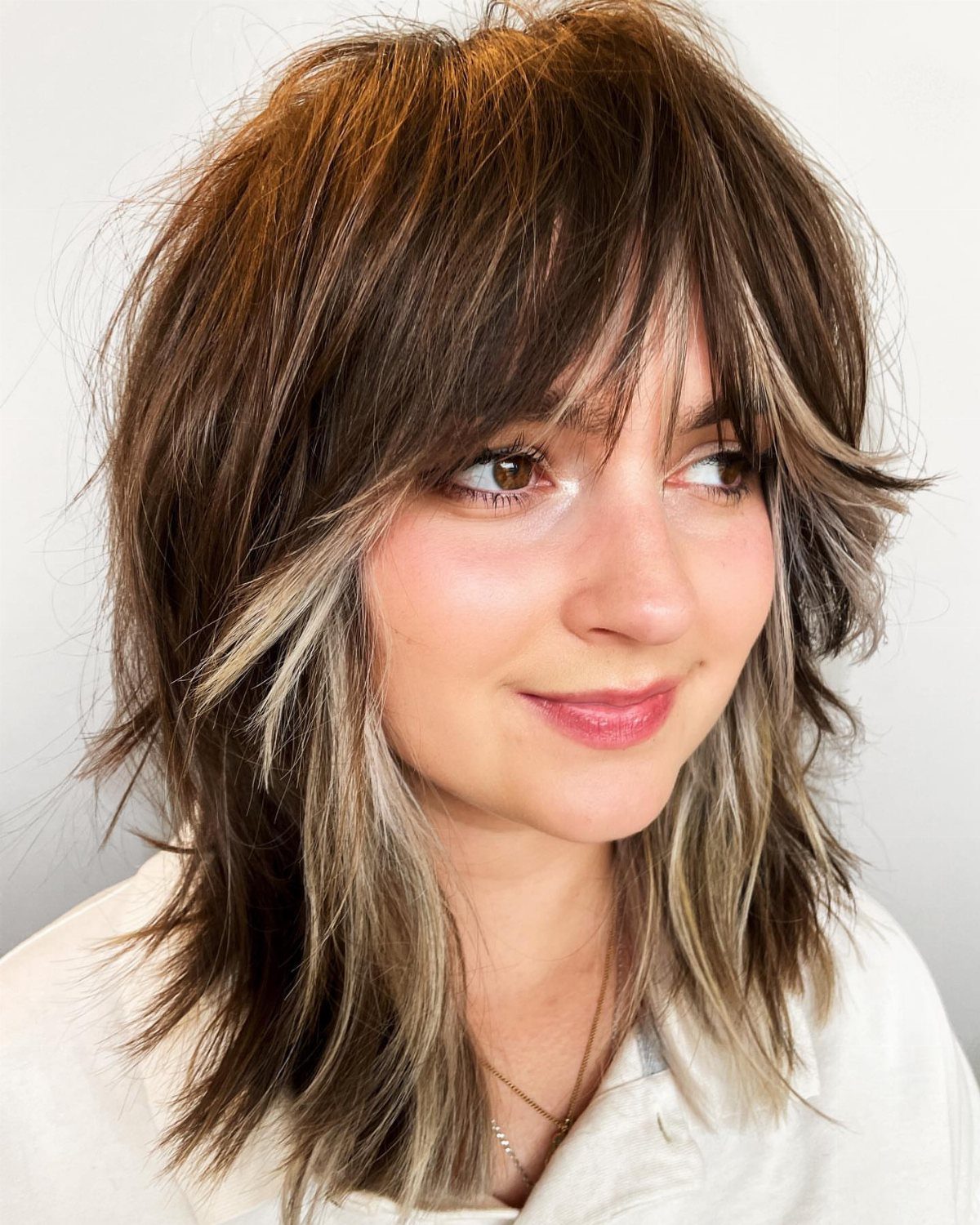
Gray tones mixed into brown create a smoky finish that shows up best in the mid-lengths and ends. The balayage technique places the color where the layers separate, so the texture of the cut stays visible.
The gray fades to silver or lavender over time, depending on the formula your colorist uses. Purple-toning shampoo keeps the smoky tone from turning brassy, but it also darkens the gray as it deposits color.
If your natural hair is dark, the stylist will need to lighten it before applying the gray tone.
18. Platinum Shadow-Root Shag
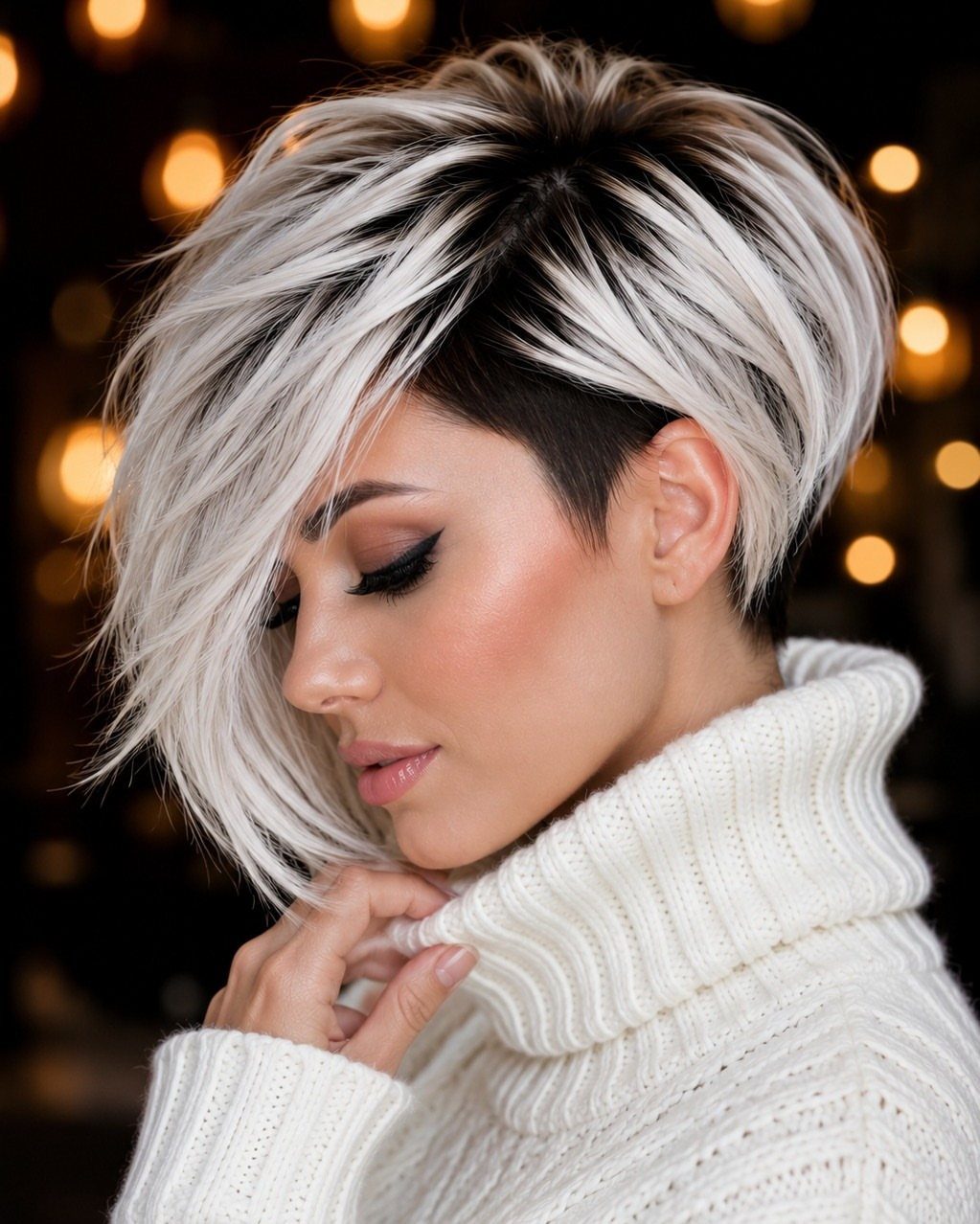
Dark roots left intentionally soften the contrast between platinum hair and your natural color. The shadow sits an inch or two from the scalp, then blends into the bright blonde through the rest of the cut.
This technique stretches the time between root touch-ups, since new growth matches the shadow rather than standing out against platinum. The blonde still needs regular toning to avoid turning yellow.
Platinum takes multiple sessions if you are starting from dark hair, and the lightening process can weaken the ends if your hair is fine or previously colored.
19. 70s Rock Star Shag

Thick, straight-across bangs anchor this cut and give it a retro edge that lighter, wispy bangs do not carry. The fringe sits heavy across the forehead, contrasting with the lighter, feathered layers below.
Oval and heart shapes carry this cut most easily. The weight of the bangs shortens the appearance of a long face, but on round or square faces, the horizontal line can make the face look wider.
The bangs need frequent trims to stay above the brows. Between cuts, they will grow into your eyes and lose the clean line that makes the look work.
20. Side-Parted Tousled Shag
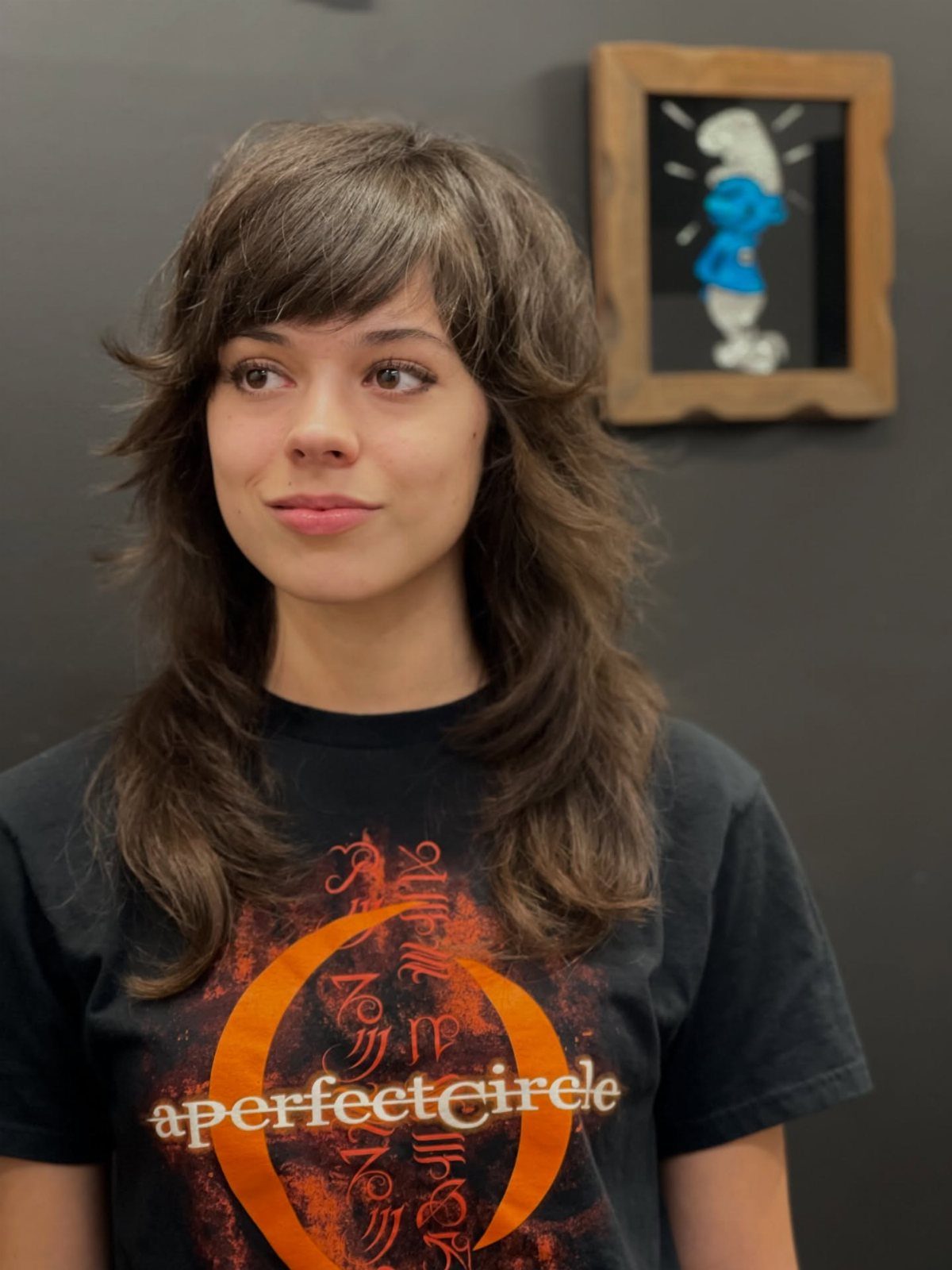
A deep side part shifts volume to one side, balancing a round or square face by creating asymmetry. The layers fall across the forehead and cheek, drawing the eye diagonally rather than horizontally.
Tousled texture softens the part and keeps the look from reading too severe. If your hair is straight, add texture with sea salt spray or a texturizing product before drying.
21. Layered Crimson Red Shag
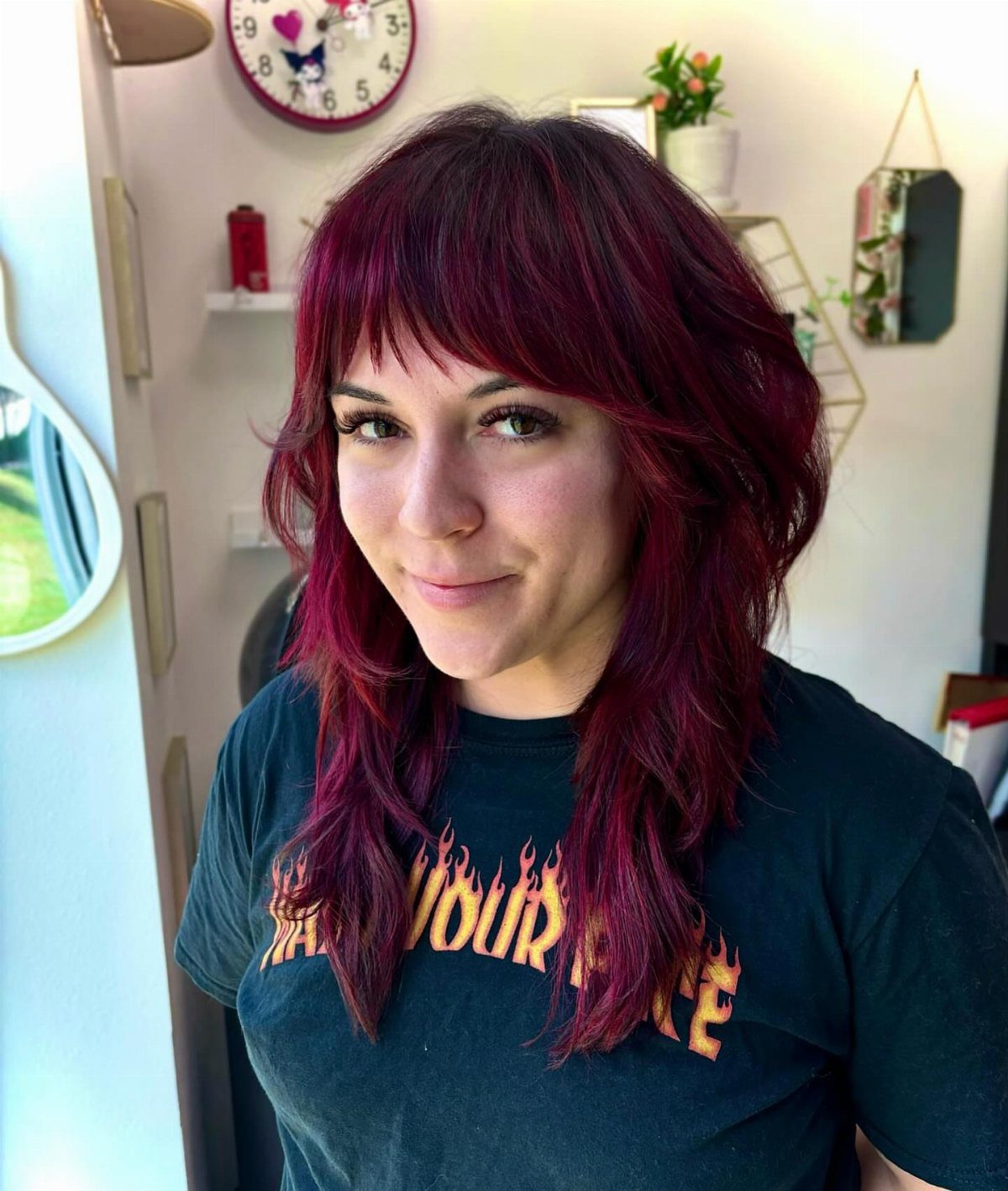
Crimson pulls more blue than orange-red does, and the cooler tone makes each choppy layer visible against the next. The color sits bold enough that the cut needs no additional styling to show its structure.
The red washes to coral pink by week 3 or 4, so plan for touch-ups if the depth matters. Dark roots grow out less noticeably with crimson than with lighter colors.
22. Silver Layered Shag
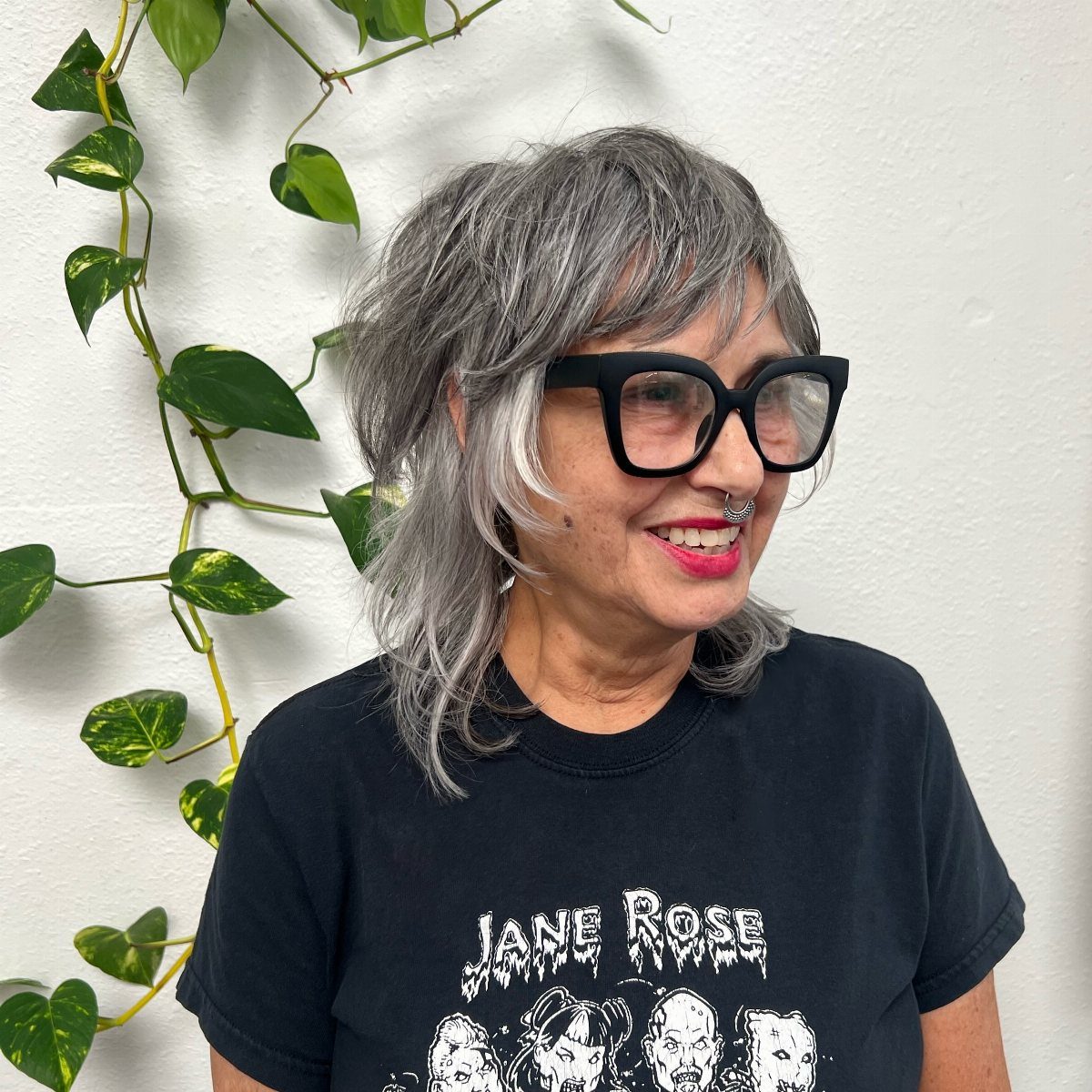
Silver sits light enough to show separation between each layer without needing blonde. The color reflects more light than brunette does, so the wispy ends and choppy pieces stand out clearly.
If your natural hair is dark, reaching silver takes multiple lightening sessions and regular toning to keep the gray from turning brassy. Purple-toning shampoo maintains the cool tone between salon visits.
23. Medium Shag for Thick Hair
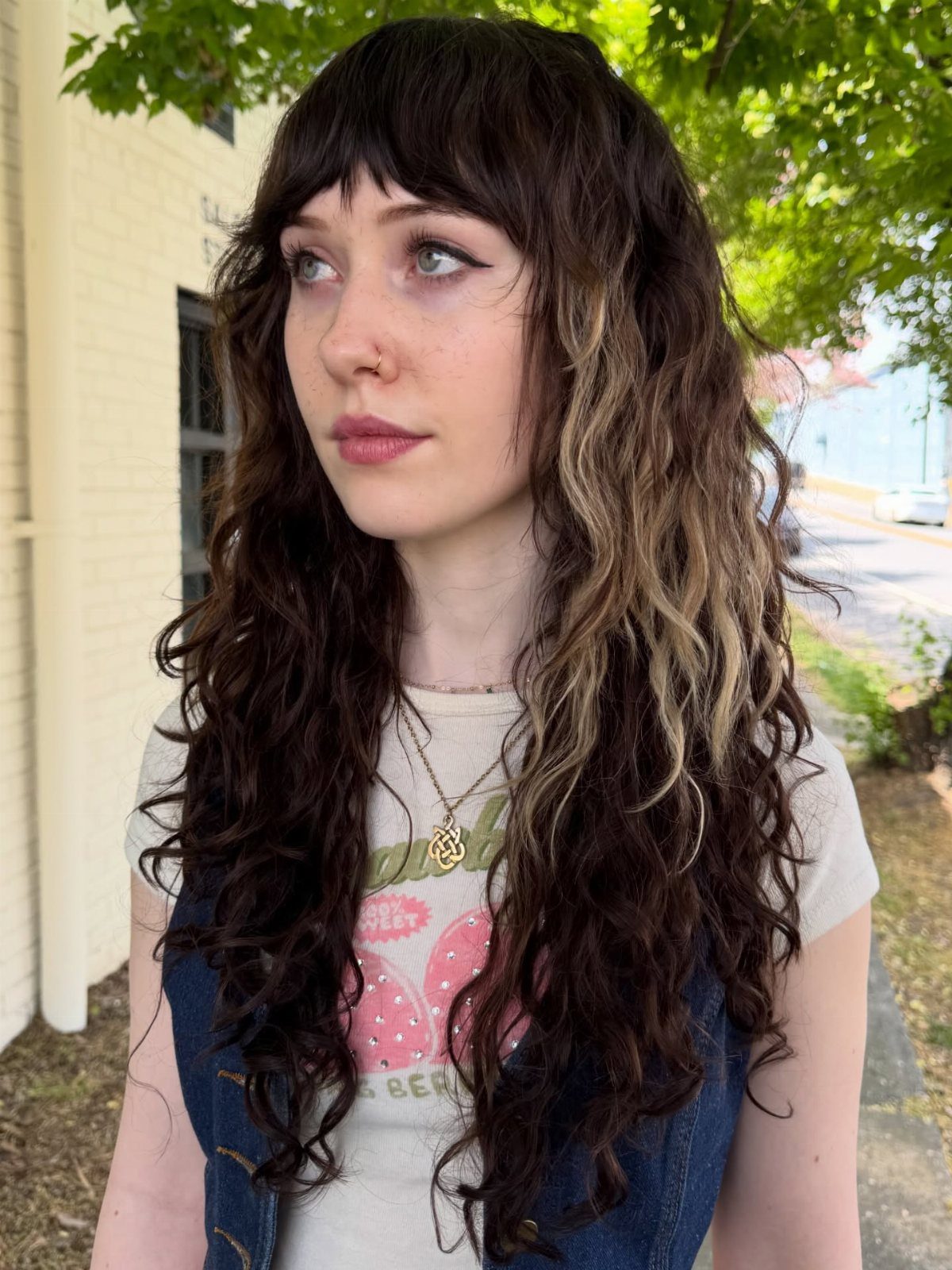
Layers carved through the bulk thin the weight but leave the length alone. The layers start higher up, so the cut does not sit heavy at the bottom.
Highlights placed through the mid-lengths and ends make the texture more visible. The lighter pieces catch light and show where one layer ends and the next begins.
If your hair is thick and straight, the layers add movement that a blunt cut would not give.
24. Vibrant Teal Shag
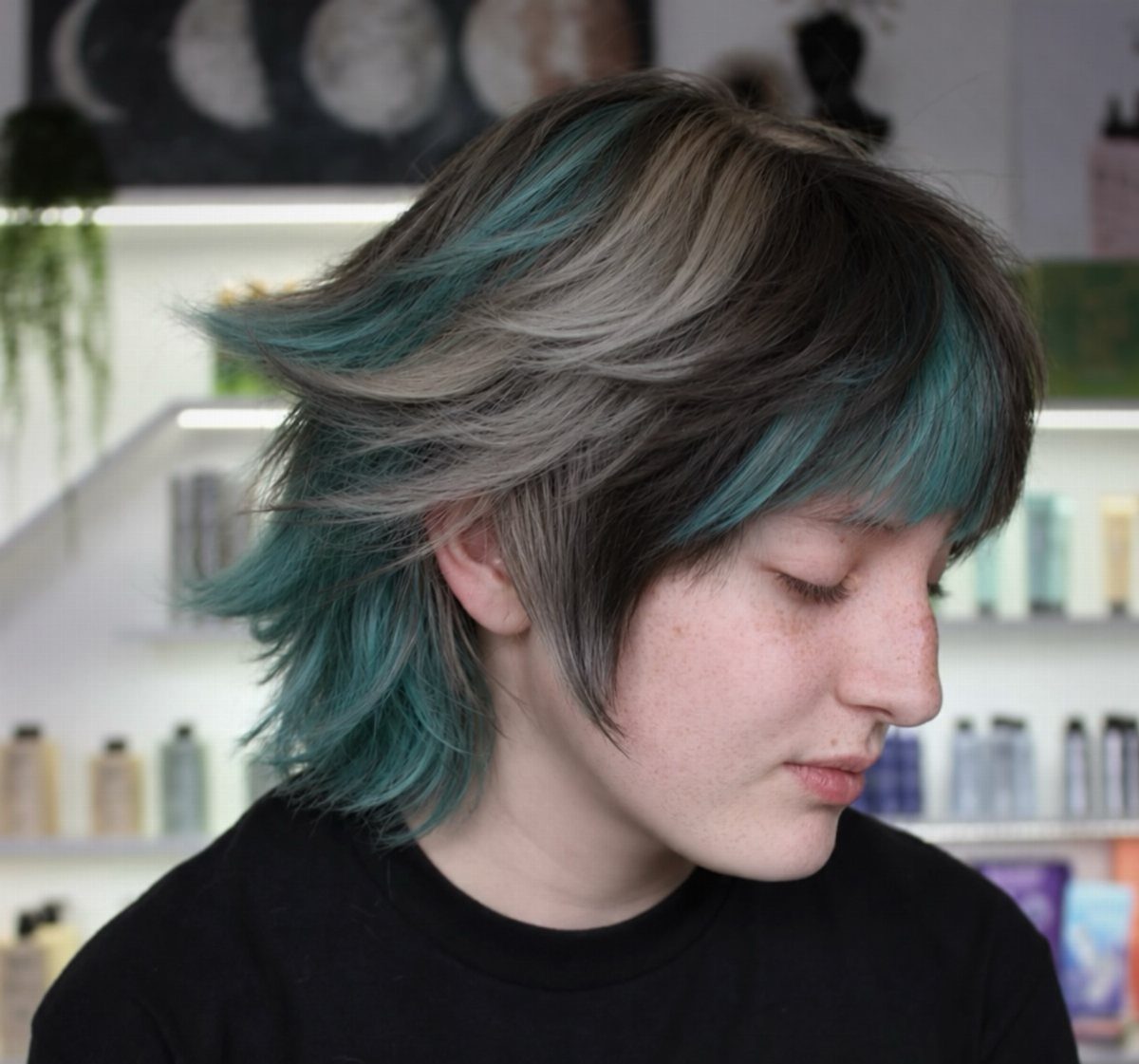
Teal leans cooler and greener than straight blue, and the hue reads differently under fluorescent versus natural light. The tone makes the layered pieces stand out and gives the cut more visual interest than a natural shade would.
Teal works best over pre-lightened hair, since the color needs a pale base to show up true.
25. Wavy Navy Blue Shag
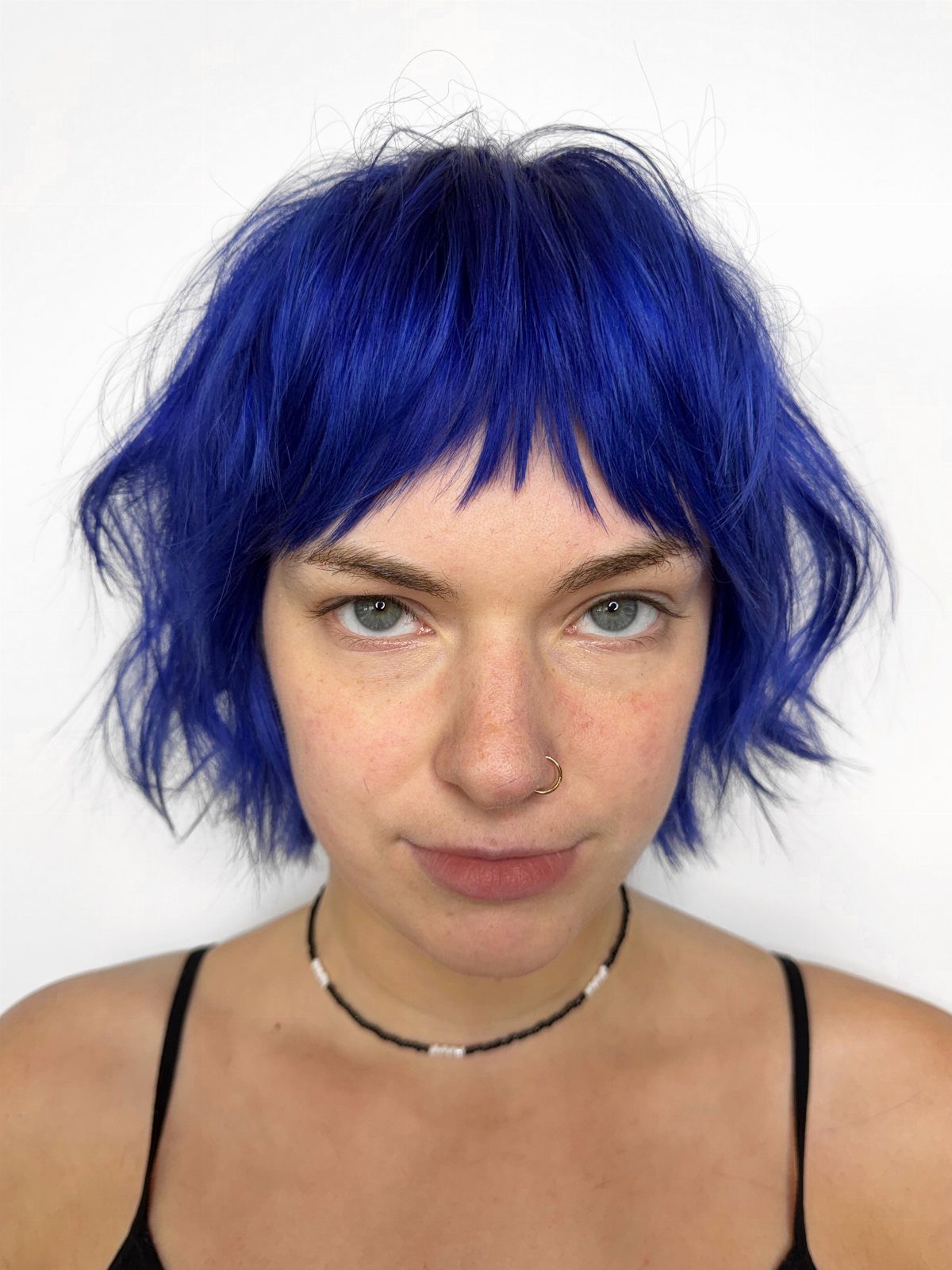
Navy sits darker and less electric than bright blue, so the color reads more wearable in daylight while keeping the unnatural edge. The waves soften the intensity and keep the look from feeling too costume.
The color sits best over pre-lightened hair, since dark bases muddy the navy tone.
26. Straight Brunette Shag
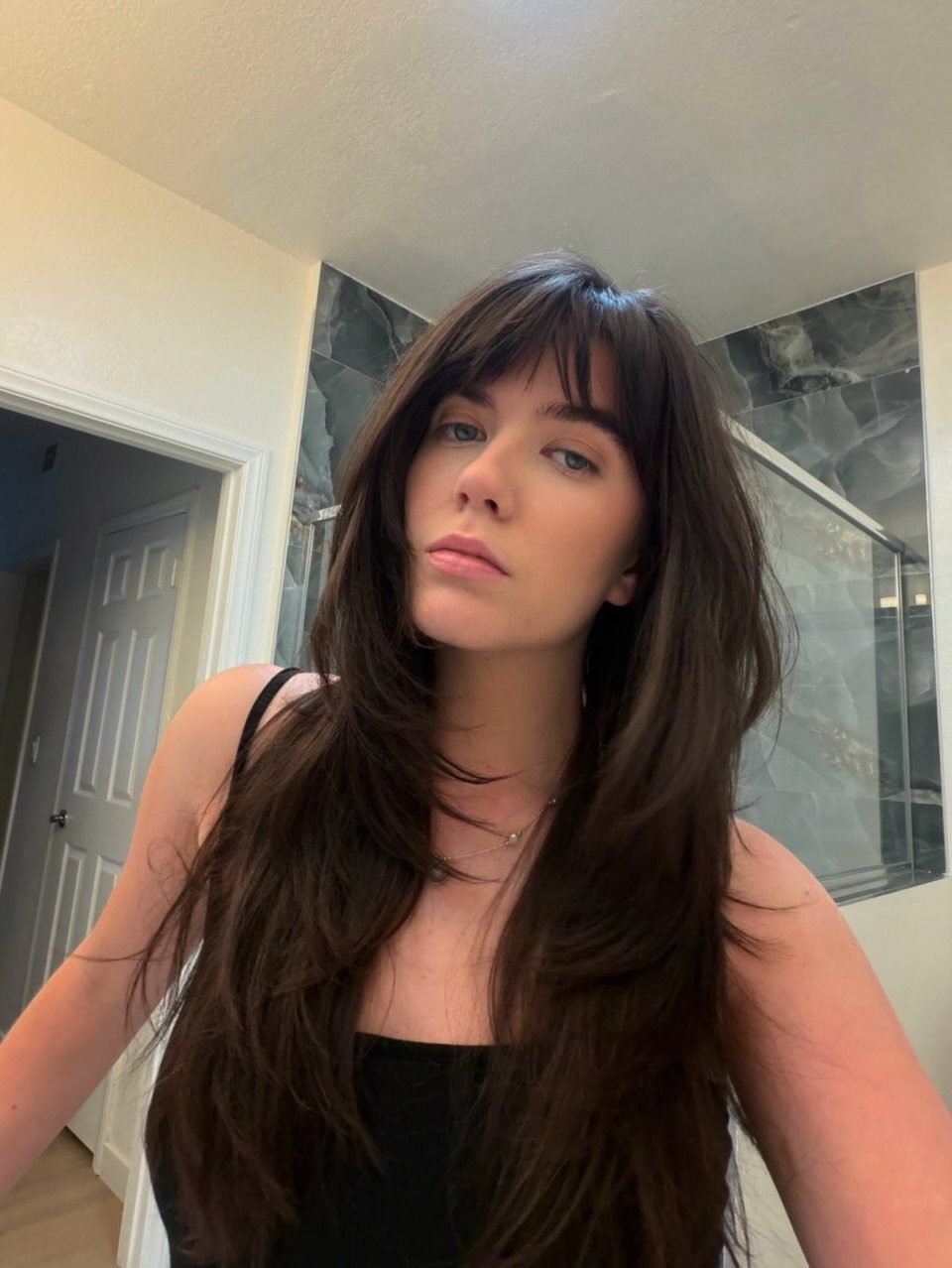
Straight hair shows blunt edges more than wavy hair does, so soft layers prevent the cut from looking too heavy or severe.
Blunt bangs sit heavier than wispy ones and anchor the face.
If your hair is fine, the layers give movement without thinning the ends too much. Thick hair loses bulk through the layers but keeps its fullness at the roots.
27. Chocolate Brown Wavy Shag
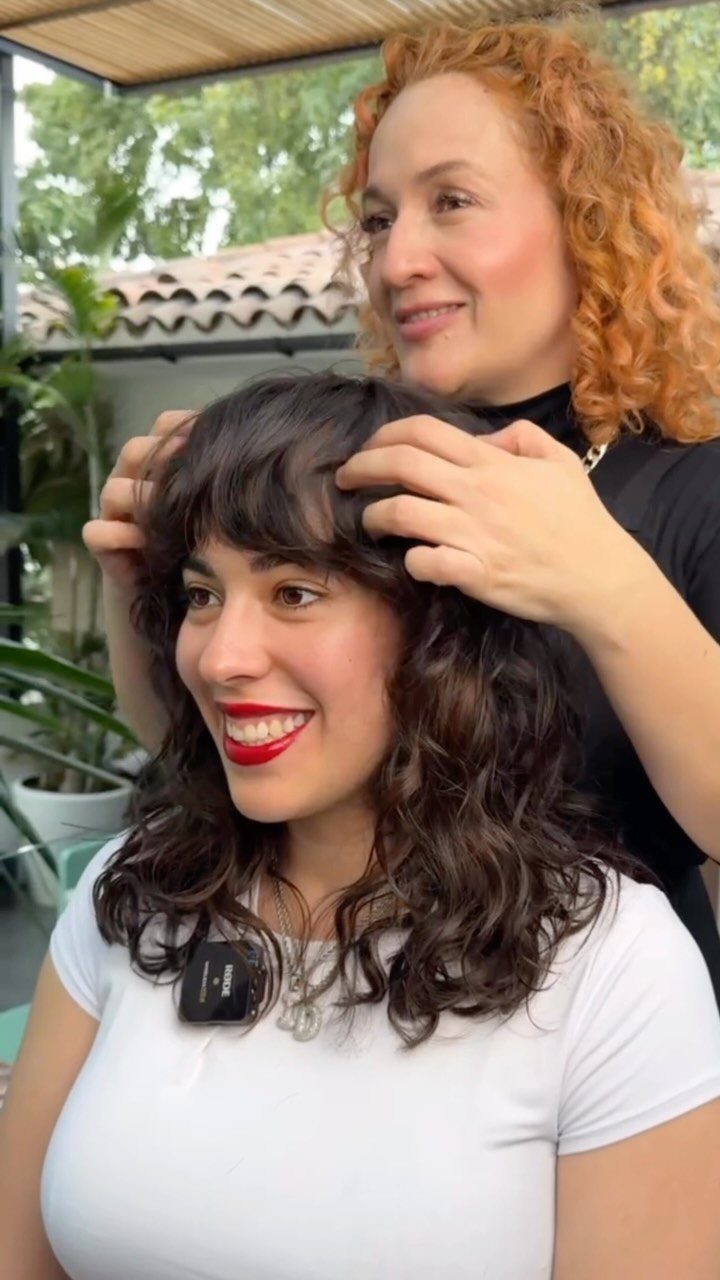
Chocolate brown reflects warm undertones that make wavy texture more visible than cooler browns do. The depth keeps the cut from needing highlights to show dimension, and the waves separate naturally without product.
If your hair is naturally wavy, this color sits close to most people’s base shade and grows out with little contrast at the roots. Straight hair will need texture added to match the wave pattern in the visible version.
28. Shoulder-Length Wavy Shag
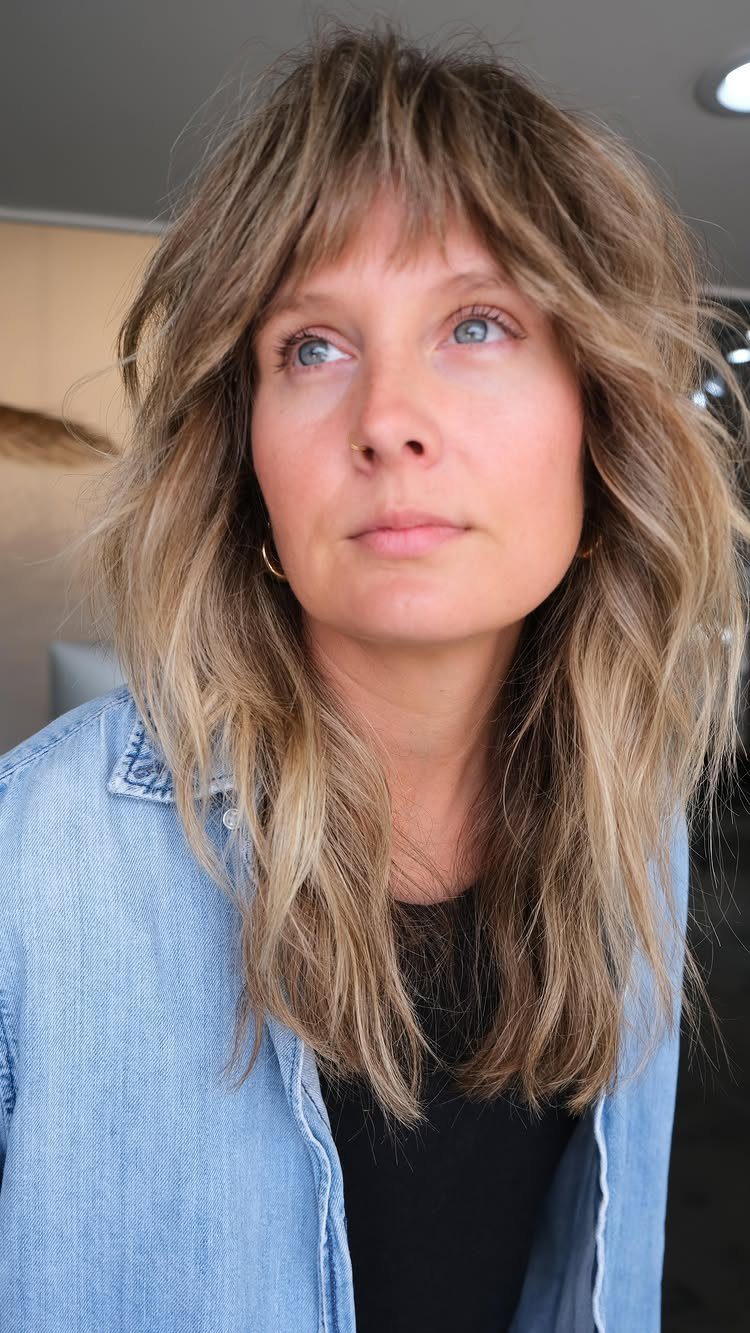
Shoulder length sits long enough to pull back but short enough to dry quickly. The layers lift the waves at the crown and remove weight from the ends, so the cut does not fall flat.
Bangs cut straight across give the face a clear frame and stop the volume from looking scattered.
If your waves are loose, the layers will encourage more movement. Tighter waves may spring shorter than expected, so ask your stylist to cut dry if your curl pattern is strong.
29. Caramel Latte Wavy Shag
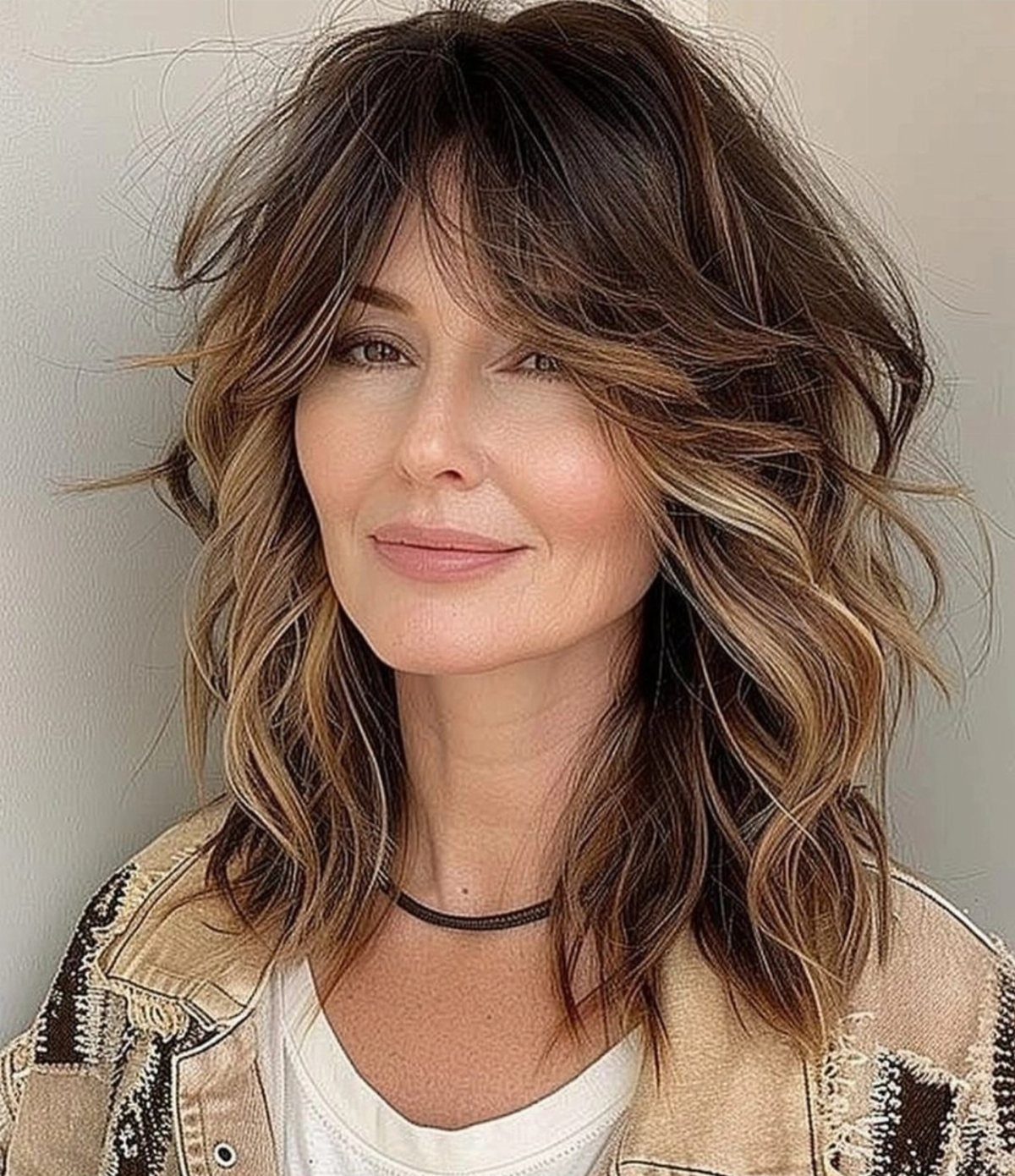
Caramel highlights warm up brunette without going full blonde. The lighter pieces sit through the mid-lengths and blend with the base, so the color adds dimension without creating harsh lines.
Caramel stays closer to natural tones than ash or platinum does, so roots grow out less noticeably and you can stretch time between touch-ups.
Texture-specific Styling
Fine or medium hair needs root lift first, or the layers flatten and the texture disappears.
Spray texturizer on damp hair, then blow-dry with a round brush and pull each section straight up from the scalp to lift the roots. The angle matters more than the product.
Flat-iron the lowest layer smooth, then run the iron through the rest at a right angle to the head.
Add a few random bends through the mid-lengths with a flat iron, spacing them unevenly so the texture looks accidental rather than uniform.
Curly hair handles a shag best when you work with the curl pattern.
Moisturize before styling, squeeze out water with a cotton T-shirt or microfiber towel instead of a terry-cloth one, and apply styling products while the hair is still soaking wet. Air-dry or diffuse on low heat to keep the curls intact.
Shag Cut and Styling Basics
A traditional shag relies on choppy layers cut close to the head, bangs, and a center part.
Modern versions shift that formula, concentrating shorter layers around the face and hairline while leaving more length through the back. The cut creates movement without layering every section heavily.
Blow-dry the roots first, tousling as you go, to get the volume and separation the cut needs.
Once the hair is dry, add random kinks with a flat iron or curling iron, working through individual strands rather than curling every piece in the same direction. The goal is a disheveled finish that looks intentional, not polished.
Run a styling cream through damp hair before drying to give the texture something to hold onto. A styling clay applied to damp hair and blown dry creates softer separation through the layers without making them look stiff or overworked.
Frequently Asked Questions
What is a shag haircut?
A shag is a layered cut with choppy pieces, shorter at the crown and face, longer at the back.
The layers create volume and texture, and modern versions vary from subtle to dramatic depending on how much contrast sits between the shortest and longest pieces.
The cut suits straight, wavy, and curly textures, though modern versions vary in how much layering they use.
Does shaggy hair need to be styled?
Shaggy hair looks intentional even when air-dried, especially if your hair has natural texture.
Straight hair may need product or heat to add separation and keep the layers from falling flat, but wavy or curly hair falls into the shape on its own.
The cut is designed to look disheveled, so minimal effort still reads as finished.
How do you maintain a shag haircut?
Get trims every 6 to 8 weeks to keep the layers from losing their shape, or stretch to 10 weeks if you like watching the cut change as it grows.
How do you prepare for a shag haircut appointment?
Arrive with clean, air-dried hair worn down so your stylist can see how it sits naturally, and bring photos that show the layer placement and bang style you want.
Ask how often the cut needs trimming, what styling you’ll do at home, and whether your hair’s density can carry the layers. Because the shag takes more skill than a straight trim, plan to pay more.
How do you make a shag haircut work for you?
Adjust the amount and placement of layers based on your hair thickness and how much time you want to spend styling.
Fine hair looks sparse if the stylist cuts too much texture into the ends, so ask for layers that add movement without thinning the hair too much, or stick to shag elements like curtain bangs instead of heavy layering.





