How much styling you will actually do each morning decides which of these long shags is yours.
The range runs from air-dry-and-leave cuts like the curly, wavy and lived-in versions to the voluminous and flipped-tip ones, which need a round brush or flat iron and real blow-dry time.
A shag in a bold color asks more of you than the cut itself: silver and split-dye versions need toner or root work between appointments, while the layers can wait 10–12 weeks for a trim.
1. Curly Long Shag
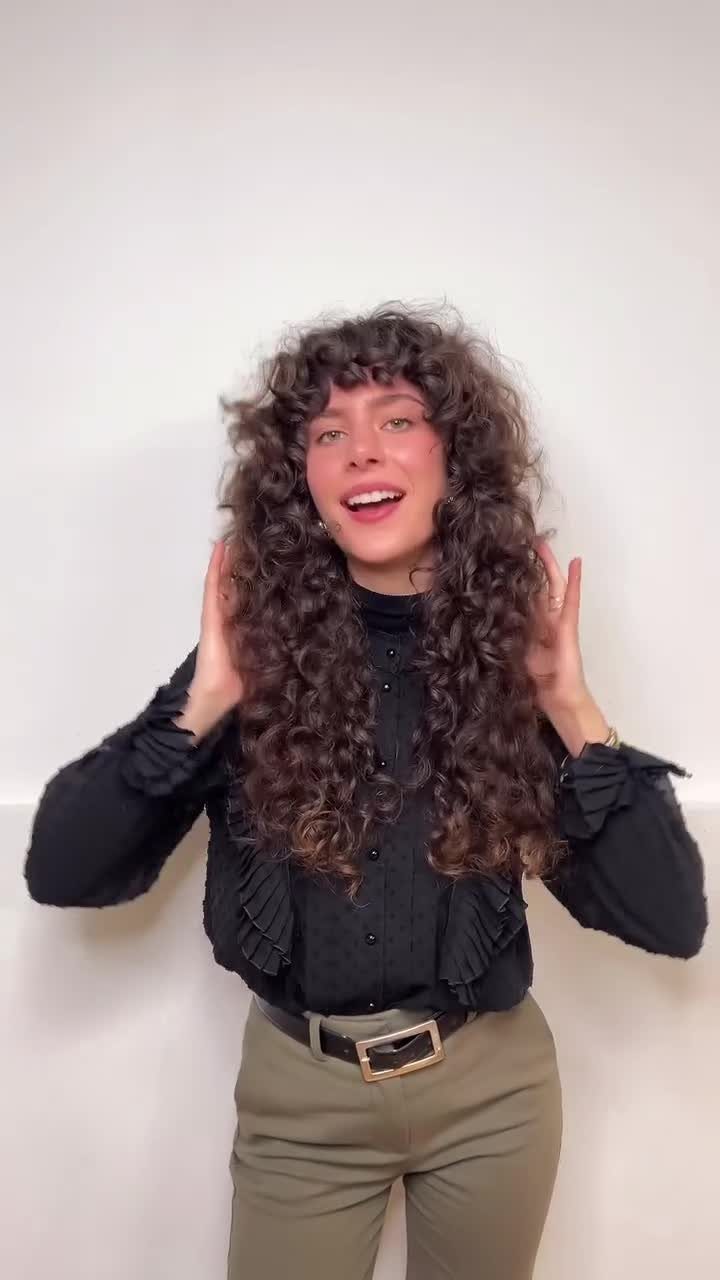
Curls do the work in this cut, so the layers are shaped around them instead of against them. Removing weight lets each curl spring up rather than hang in a heavy triangle.
Ask for a long shag cut for curly hair, and say you want weight taken out without losing length. Air-drying with your usual curl product keeps it low-effort, and a diffuser adds lift at the crown if you want it.
I like the bangs here blended into the curls, since they curl up with everything else and need no separate styling.
2. Face-Framing Long Shag
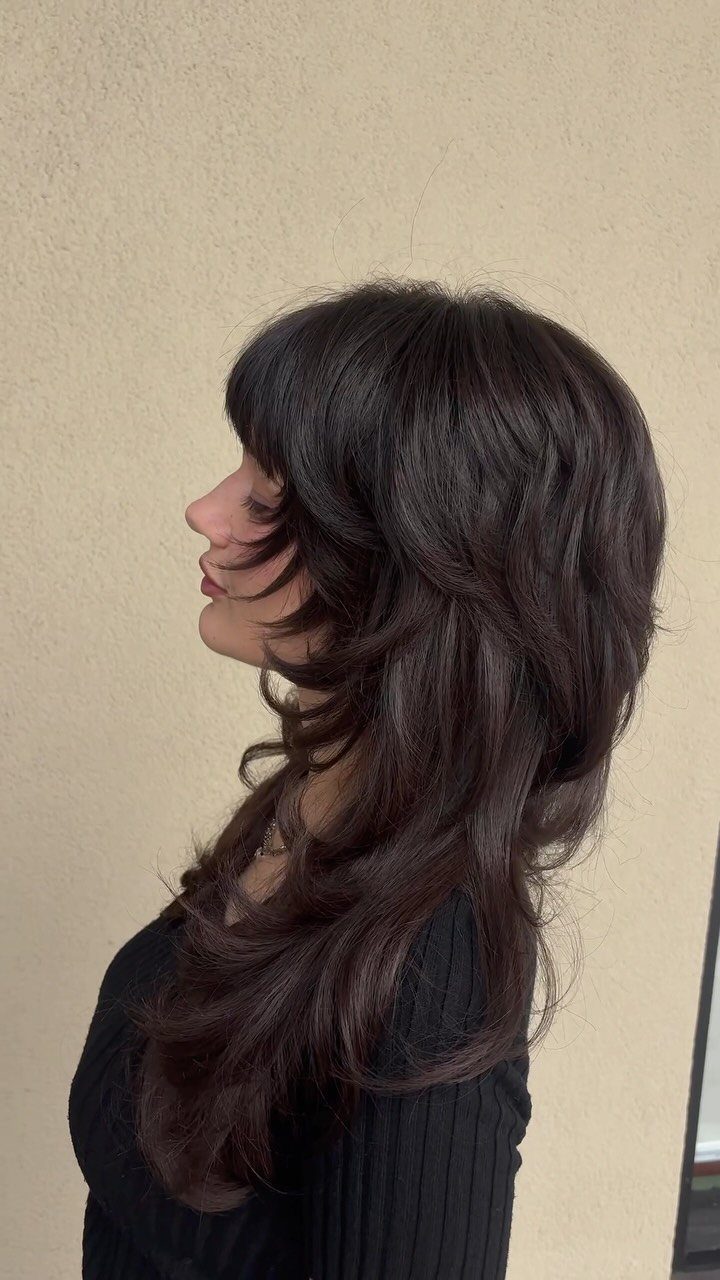
Layers that start near the cheekbones and curve past the jaw are what make this version. They soften a strong jawline and pull attention toward the eyes and mouth, and the length behind stays long.
For the stylist, ask for face-framing layers within a long shag, and point to where you want the shortest piece to land. Chin or collarbone are easy reference points.
Straight or lightly bent hair shows the curve best. A quick blow-dry with a round brush turns the ends away from the face.
3. Wavy Long Shag
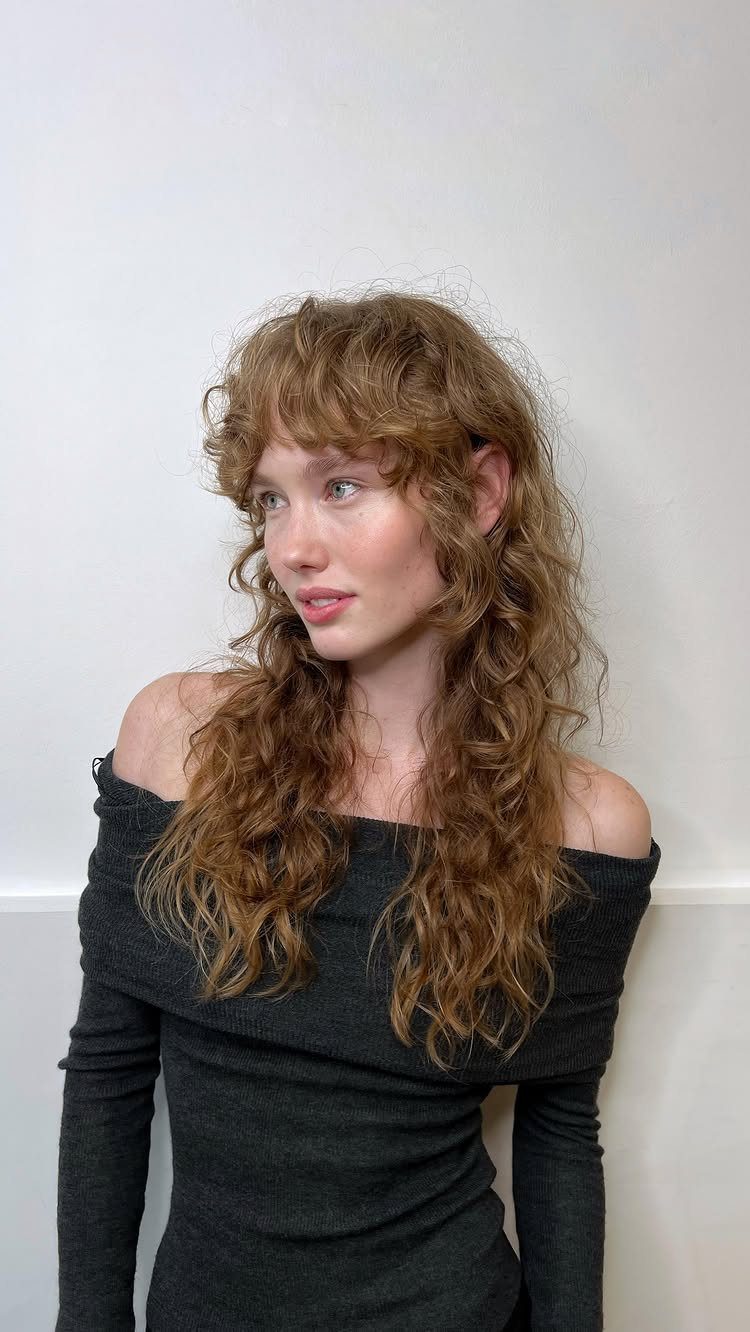
Natural waves are the whole styling plan here. Textured layers give them room to bend, and wispy bangs keep the front light instead of heavy.
Scrunch in a bit of product on damp hair, then leave it alone until it dries. Touching it while it dries is what causes frizz.
Wavy hair suits a shag well because the layers do the shaping for you. I would skip heavy creams, which flatten the movement the cut is built to show.
4. Curtain Bangs Shag
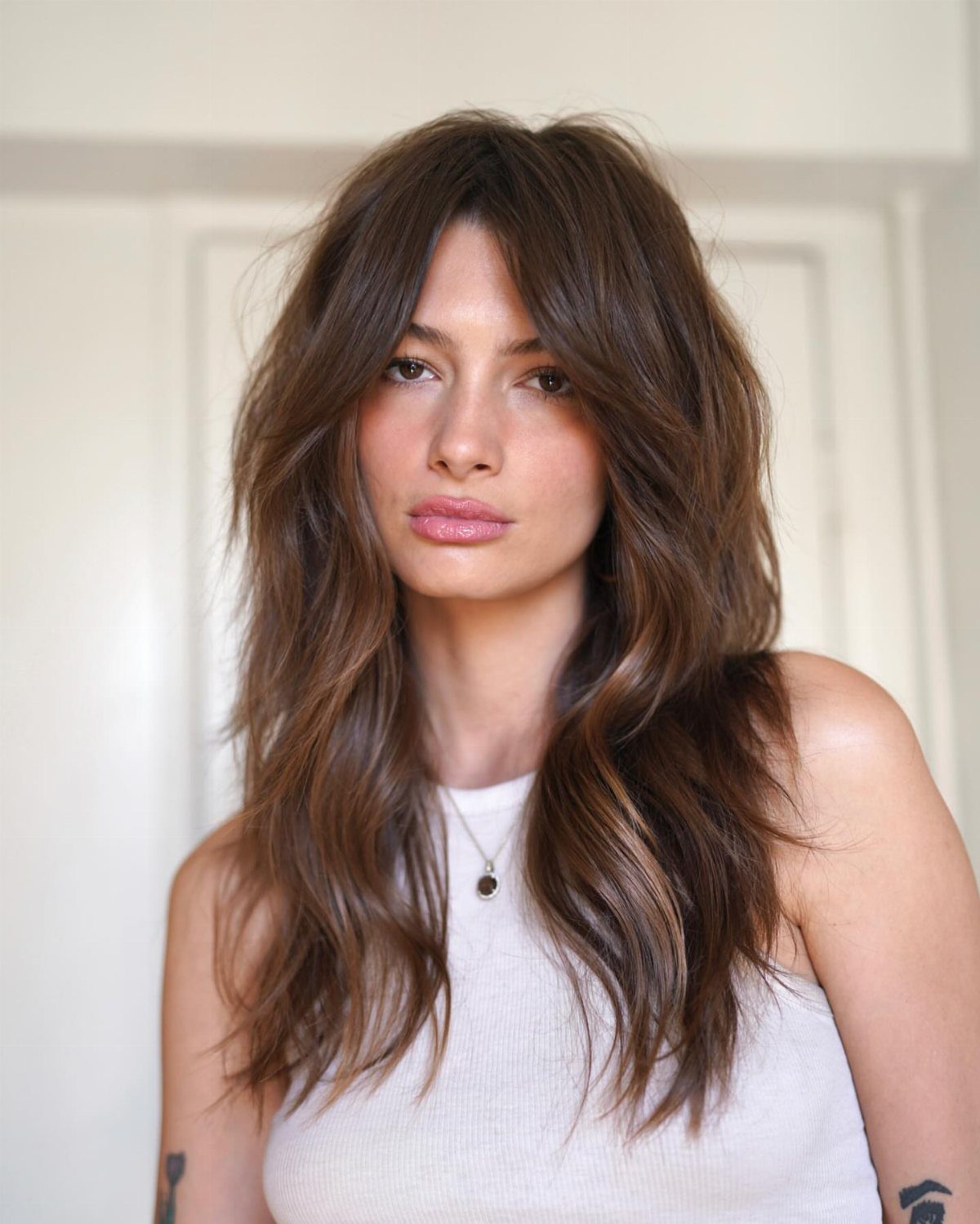
Center-parted curtain bangs sweep to each side and run straight into the first layers, so the front never looks like a separate cut. That opens the face without a hard line across the forehead.
Ask for curtain bangs blended into the shag layers, not cut as a standalone fringe. Blending is what keeps the grow-out gentle.
A round brush and a little heat will set them, and plenty of people simply let them air-dry.
5. Voluminous Long Shag
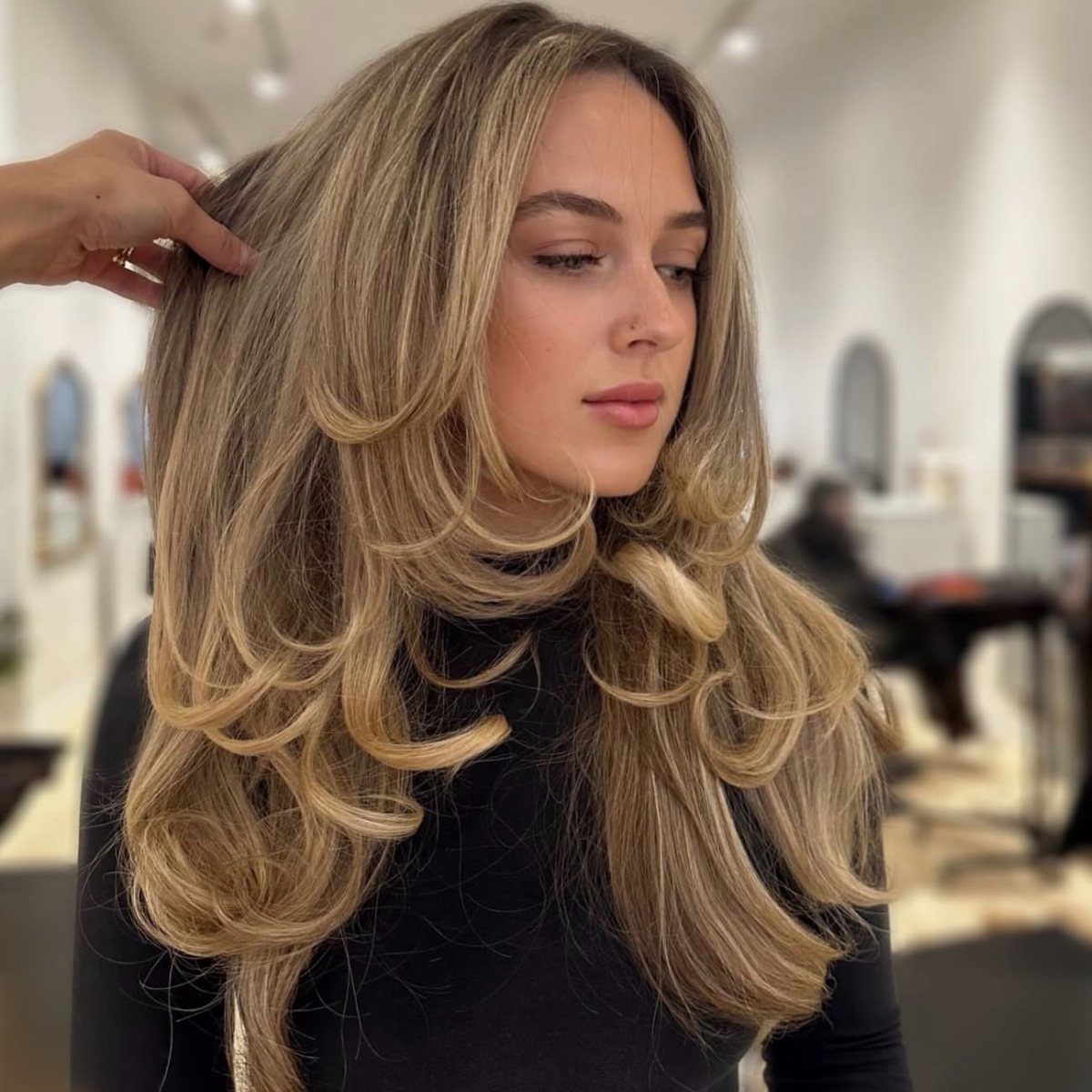
Height at the crown and long, feathered ends make this the most dramatic of the shags. The layers cascade rather than stack, which keeps the volume moving instead of puffy.
Blow-dry the roots upward, ideally with your head tipped over, then finish the lengths with a round brush. This one takes more effort than a wash-and-go.
I would choose it if you enjoy styling, and pass if you want to air-dry and leave.
6. Lived-In Long Shag

A cut like this looks better a few weeks in than on day one.
That makes it a good pick if you dislike frequent salon visits, since grow-out only adds to the broken-in look. Ask for a lived-in long shag with soft, undone layers.
Black hair shows the shape of the layers clearly, so even a casual finish reads as a deliberate cut.
7. Black Long Shag
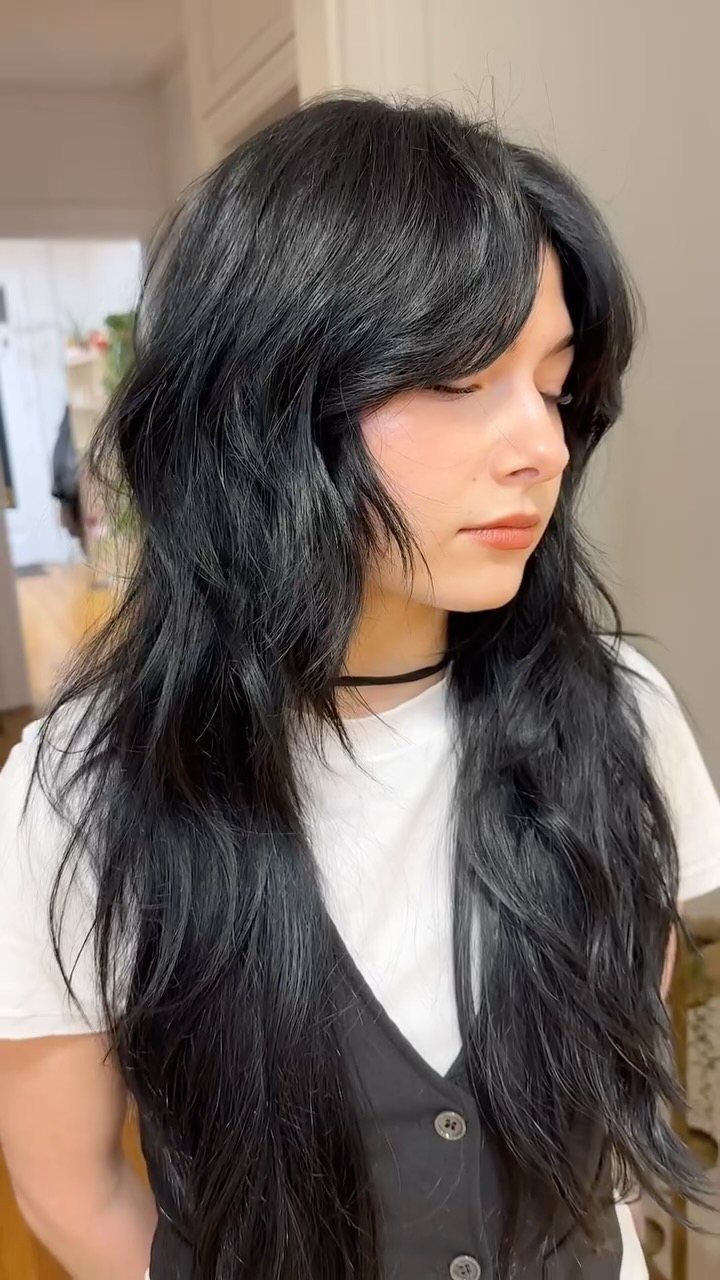
Black hair gives a long shag its sharpest edges. The shine makes every layer read as a clean line, and structured bangs add a firm frame at the front.
Ask for precision layering with bangs cut to sit just above the eyes, and say you want the layers visible, not blended away. Dark color hides nothing, so a trim keeps the shape crisp.
I like this version for anyone who wants polish more than mess.
8. Long Copper Waves
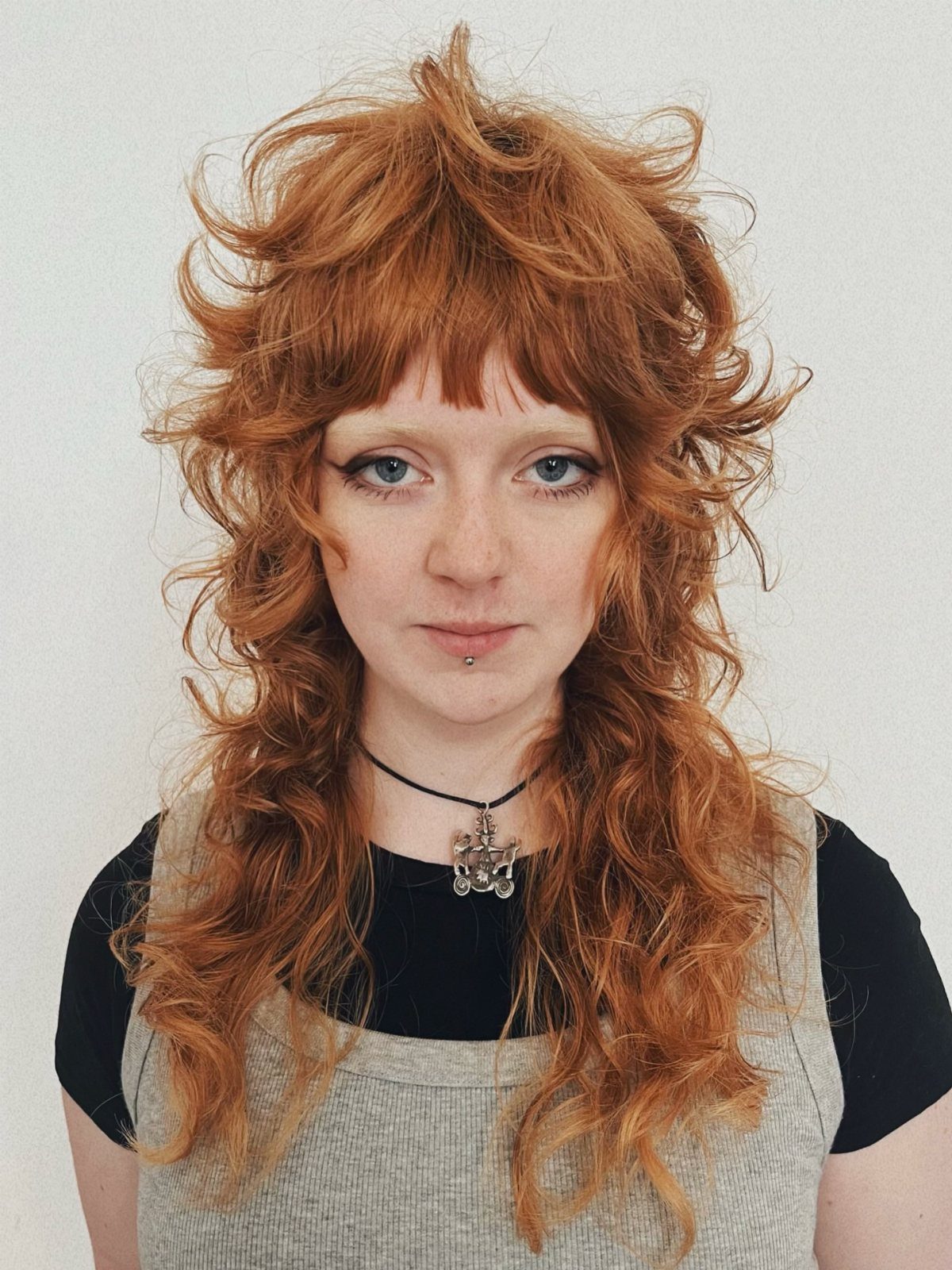
Copper looks warmest when waves are left alone, and this cut is built around that. Layers follow the natural bend of the hair, so the tousled finish comes mostly from drying, not styling.
Ask for a long shag shaped to your waves, with short bangs. On damp hair, work in a small amount of mousse or cream with scrunching motions, then leave the waves alone while they dry.
If your hair is straight, expect to use a curling iron to get this look.
9. Long Shag
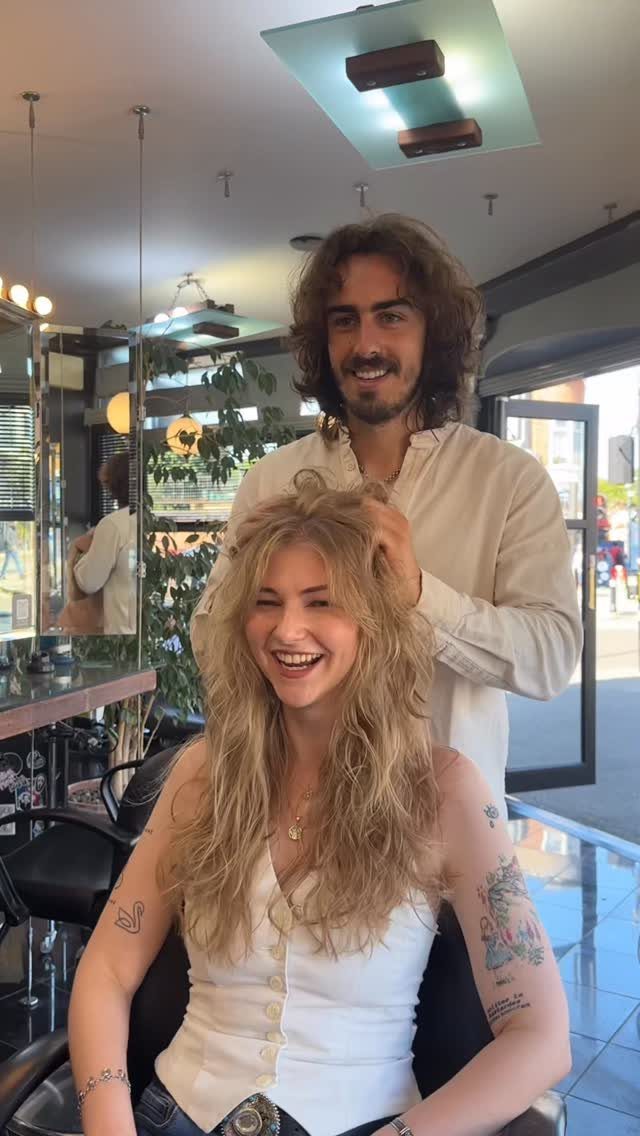
Plain "long shag" is the name to give a stylist, and it means heavy layering with softened mid-lengths and ends. The result moves when you do, and the length stays.
Because the texture is built in, it suits a lived-in finish: air-dry, shake it out, go. I would ask for the layers to be softened through the middle so nothing looks stacked.
This is the broadest starting point on the list. Narrow it down with a photo.
10. Feathered Long Shag
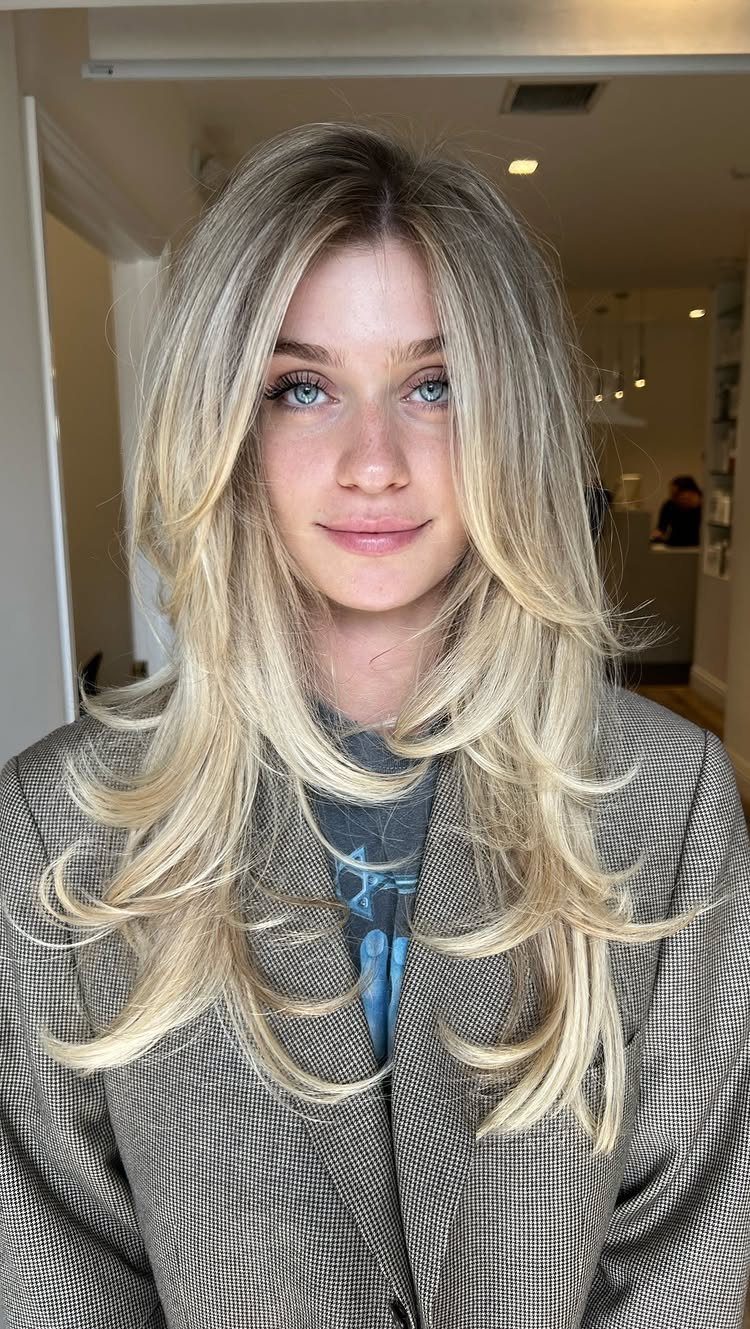
Feathered layers cascade down the length and taper to soft ends, so this shag looks smooth and flowing, not choppy. That makes it a gentler pick if sharp, piecey texture feels like too much.
Tell your stylist you want long layers with feathery, softly cut ends rather than blunt ones. A round brush and a blow-dryer turn the layers outward and give the cascade its shape.
It takes a few more minutes than air-drying. I think the polished movement is worth it.
11. Thick Hair Long Shag
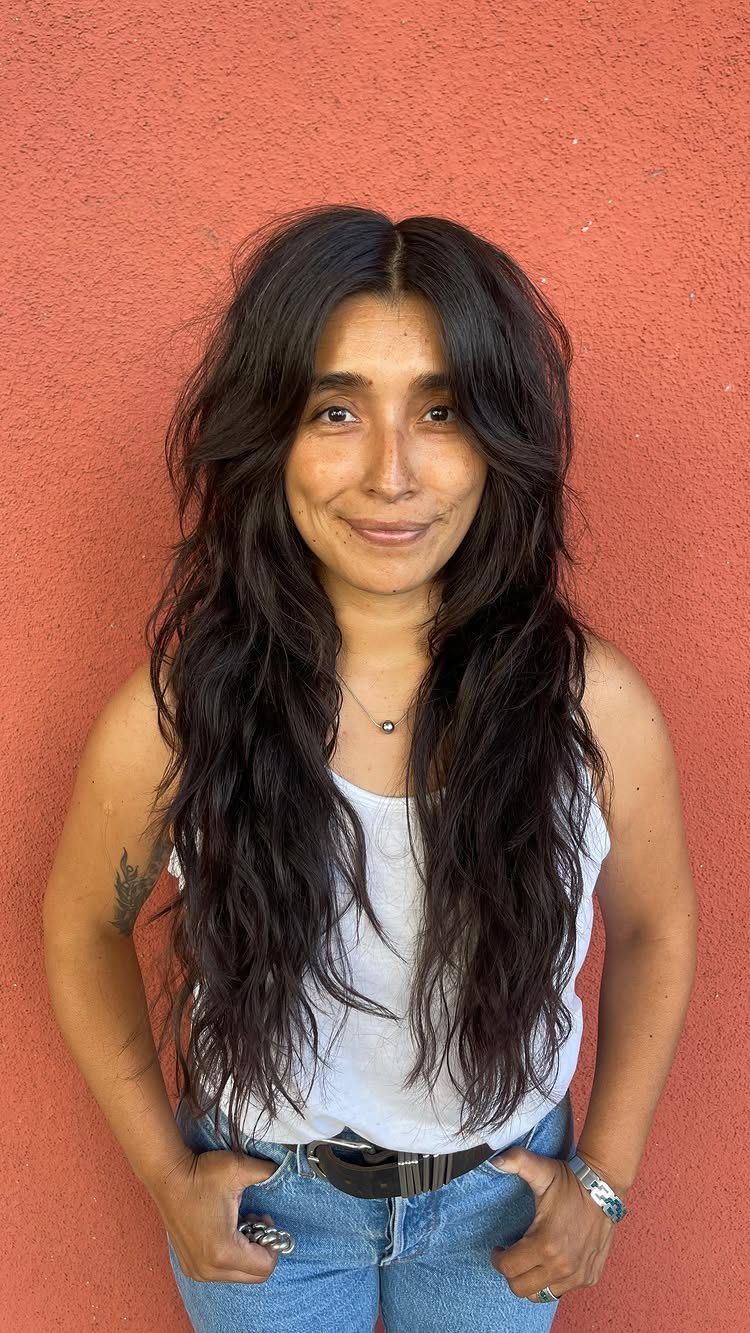
Thick hair is where a long shag earns its keep. Layers remove bulk from the inside, so the hair stops sitting in a heavy block while the length stays.
Tell the stylist you want weight removed and length kept, and ask for movement through the layers. A center part works well with it.
Without that thinning, thick hair tends to puff out at the ends. Regular trims keep the shape from going heavy again.
12. Long Shag with Highlights

Highlights make the layers easier to see. Lighter pieces catch on the tips and show where one layer ends and the next begins, which adds depth to a cut that already has plenty of texture.
Ask for highlights or balayage placed through the layers, plus wispy bangs if you want a soft front. Balayage grows out more gently than foil highlights, which suits a low-visit routine.
I would choose it over a flat all-over color.
13. Classic Long Shag
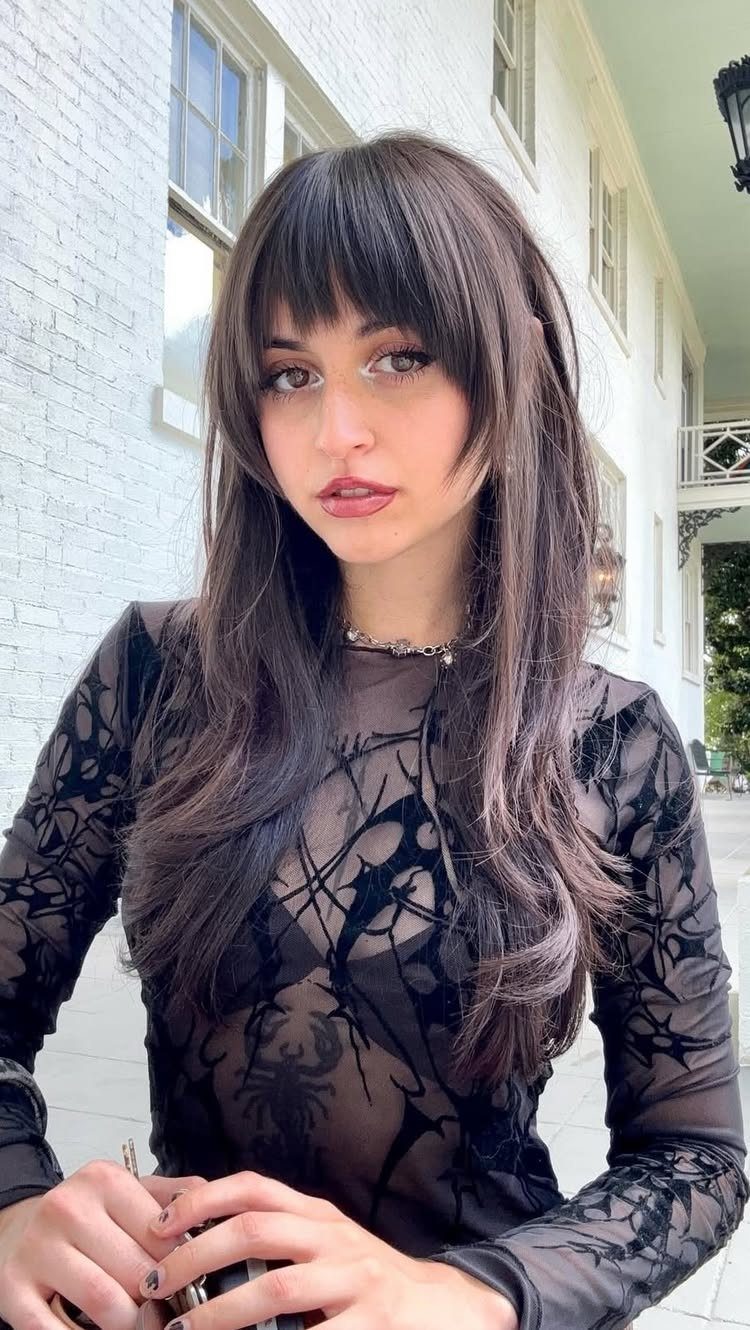
Soft fringe and long, wispy layers make this the quietest version of a shag. The layers stay gentle, the bangs sit just below the brows, and the whole cut leans toward ease rather than drama.
Air-drying works, and a quick blow-dry smooths the bangs if you want them.
I like it for anyone who wants the movement of a shag without the heavier texture. The look stays timeless.
14. Edgy Long Shag
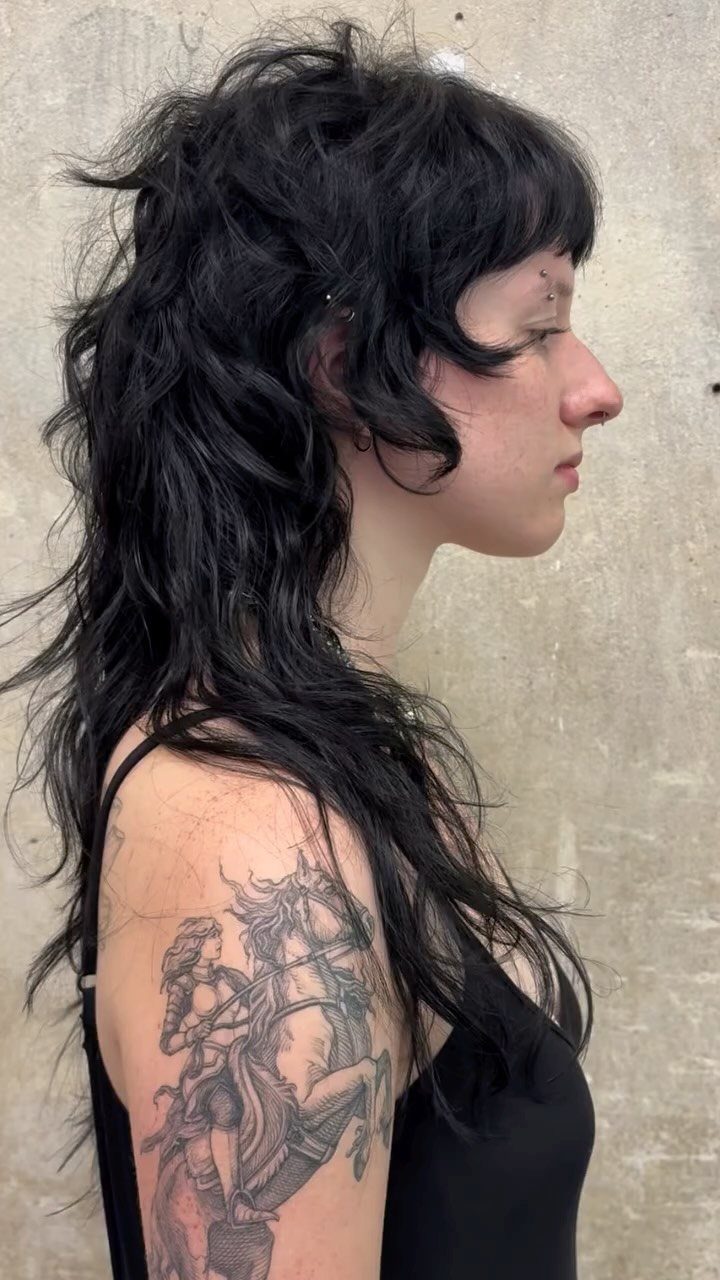
Chopped, uneven pieces through the mid-lengths plus bangs that have grown past the brow give this shag a loose, lived-in shape with plenty of air in it.
The texture reads as imperfect on purpose, which suits anyone who wants a shag that looks less polished.
Tell your stylist you want choppy, disconnected layers with a fringe left to grow past the brows. The cut benefits from air-drying with nothing added.
Frequent trims undo the grown-in look, so this one fits a low-visit routine.
15. Romantic Long Shag
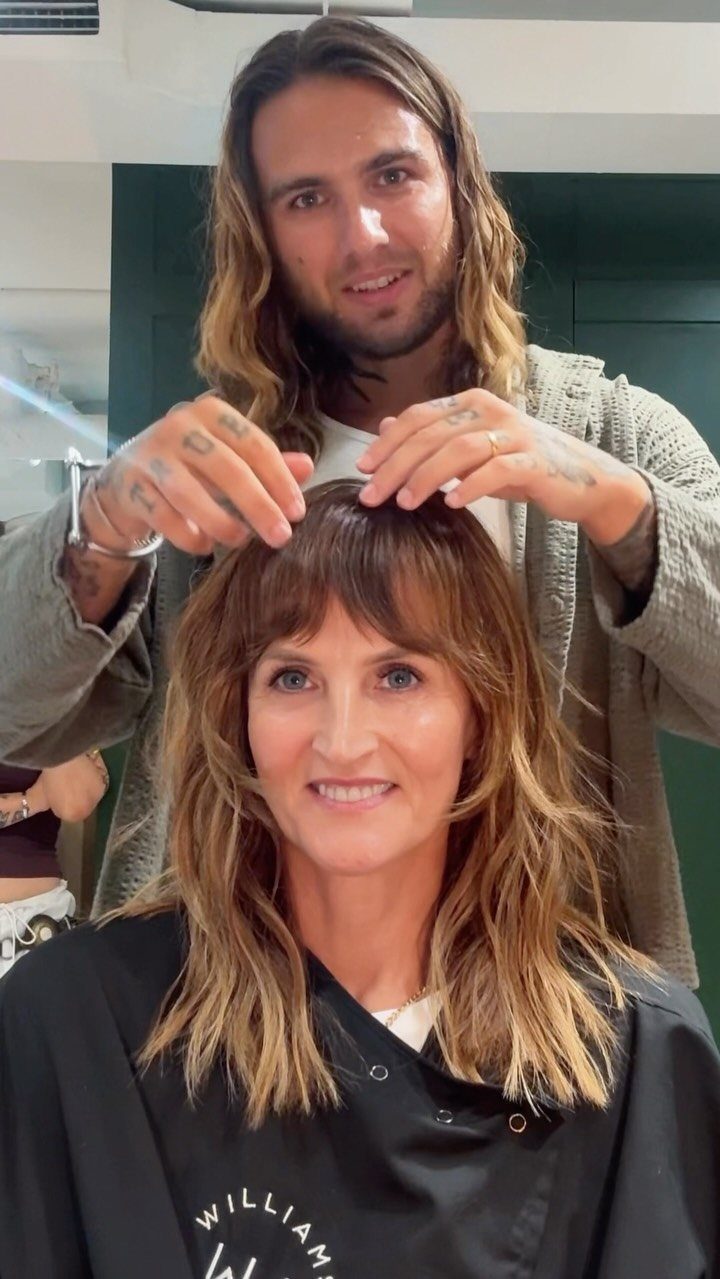
Soft waves and bangs that curve rather than hang straight pull this shag toward a gentler finish. The layers stay full, not piecey, and the overall shape feels more classic than rough.
For this one, I’d bring the photo and say "long shag, rounded layers, bangs that sweep around the cheekbones." A blow-dry with a round brush gives the curve, though air-drying with a wave product works too.
Choose this if you prefer polish over an undone texture.
16. Rebellious Shag with Length
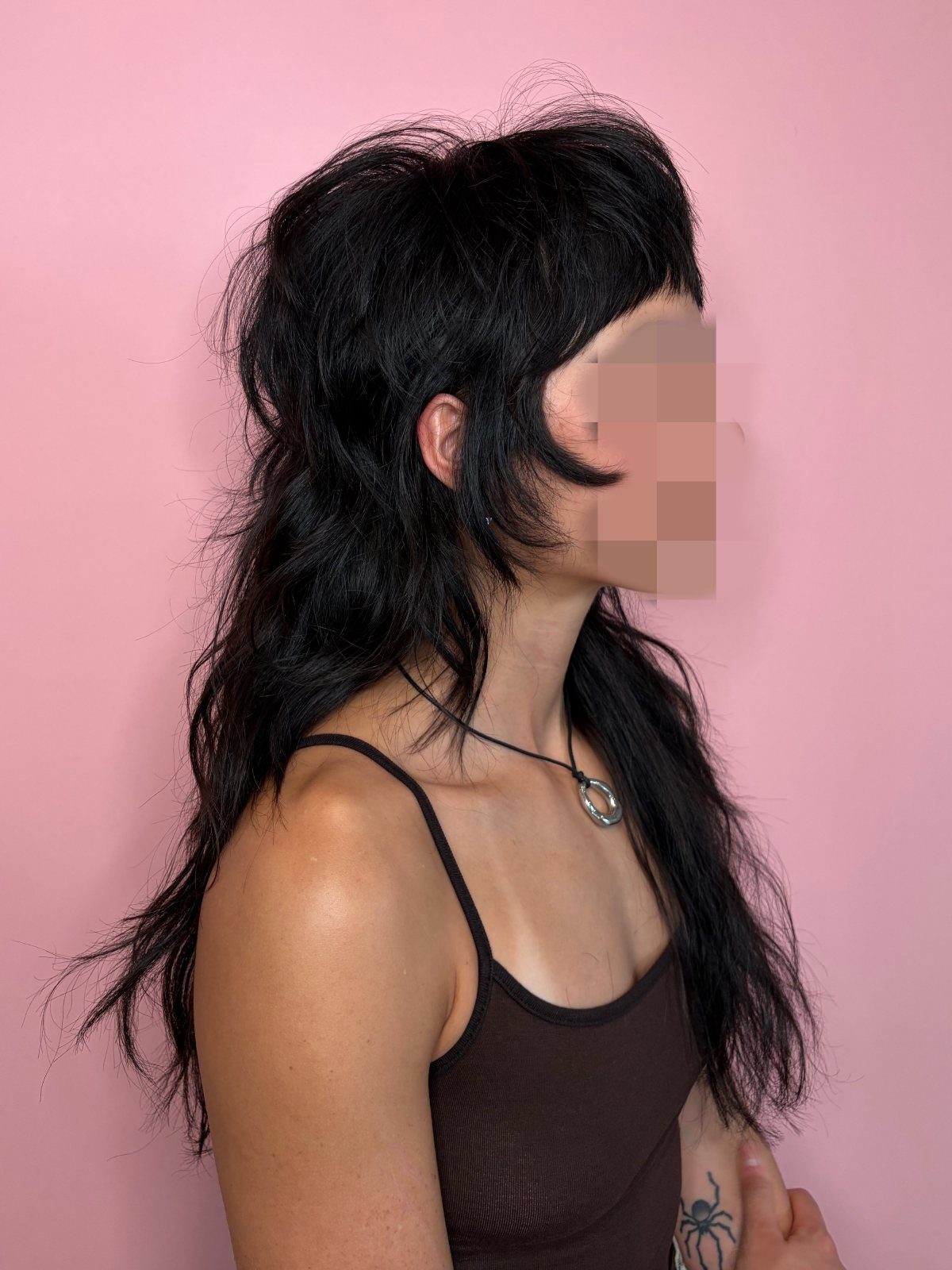
Choppy bangs and tousled layers give this shag its rougher character while the length stays long. The bangs are cut short and blunt, and the layers sit heavier than a feathered finish.
Ask for a long shag with choppy, straight-across bangs and layered ends that keep some weight.
A little sea salt spray on damp hair, then hands only, is all it takes; skip the brush and let it dry on its own.
I would pick this for a bolder front without giving up length.
17. Silver Long Shag
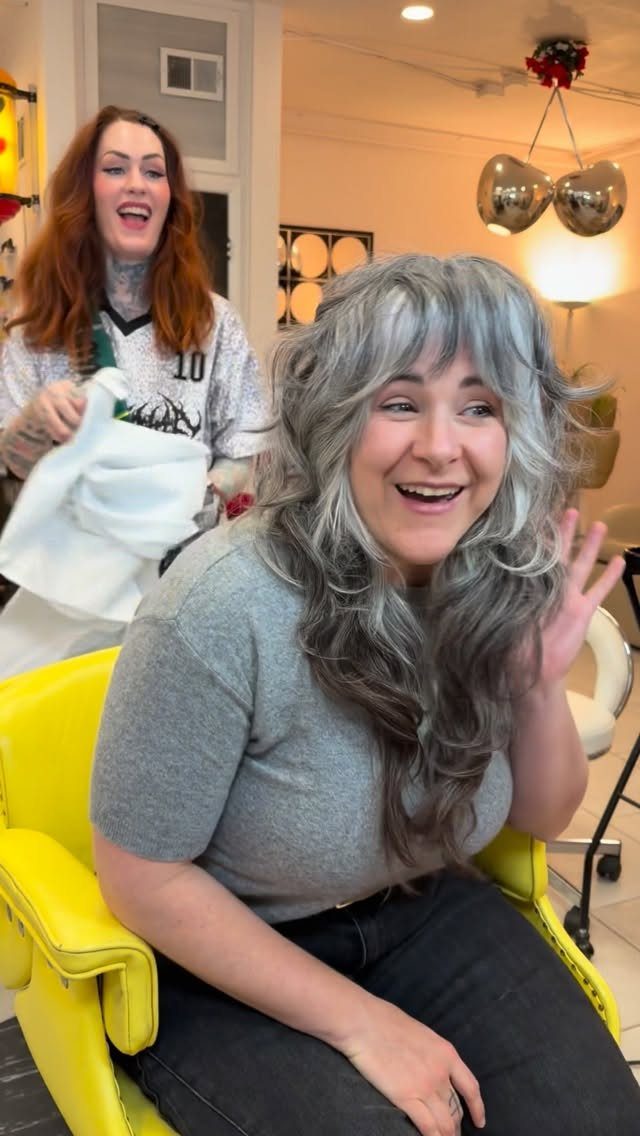
Silver shows every layer clearly, so texture becomes the main feature. Light, piecey bangs keep the front soft, and the color itself does most of the work.
Ask for a textured long shag with wispy bangs, and bring a photo of the silver tone you want. Toner keeps the color from yellowing, which means regular salon visits for the shade, not the cut.
The cut grows out gently. The color requires upkeep.
18. Piecey Long Shag
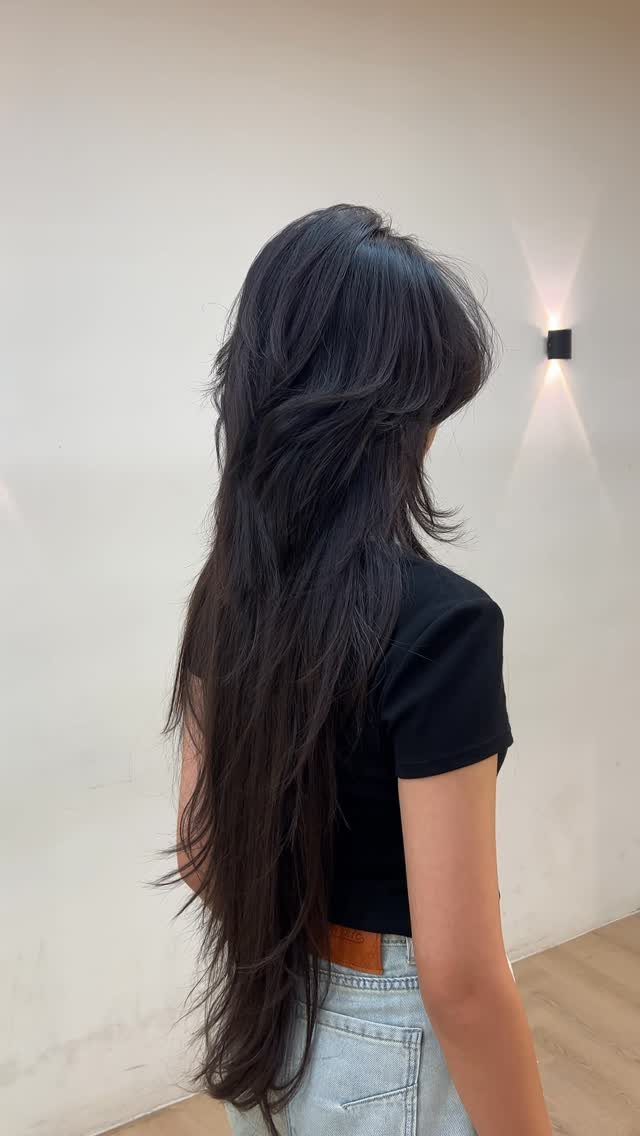
Separated ends and lightweight texture define this version. The layers are cut to break apart rather than blend, so each piece moves on its own.
Ask for a long shag with point-cut or razor-cut ends for a piecey finish. A texturizing spray on damp hair brings out the separation, and air-drying keeps it casual.
I like this for fine or medium hair, where the separated ends add the appearance of more movement.
19. Long Ginger Shag
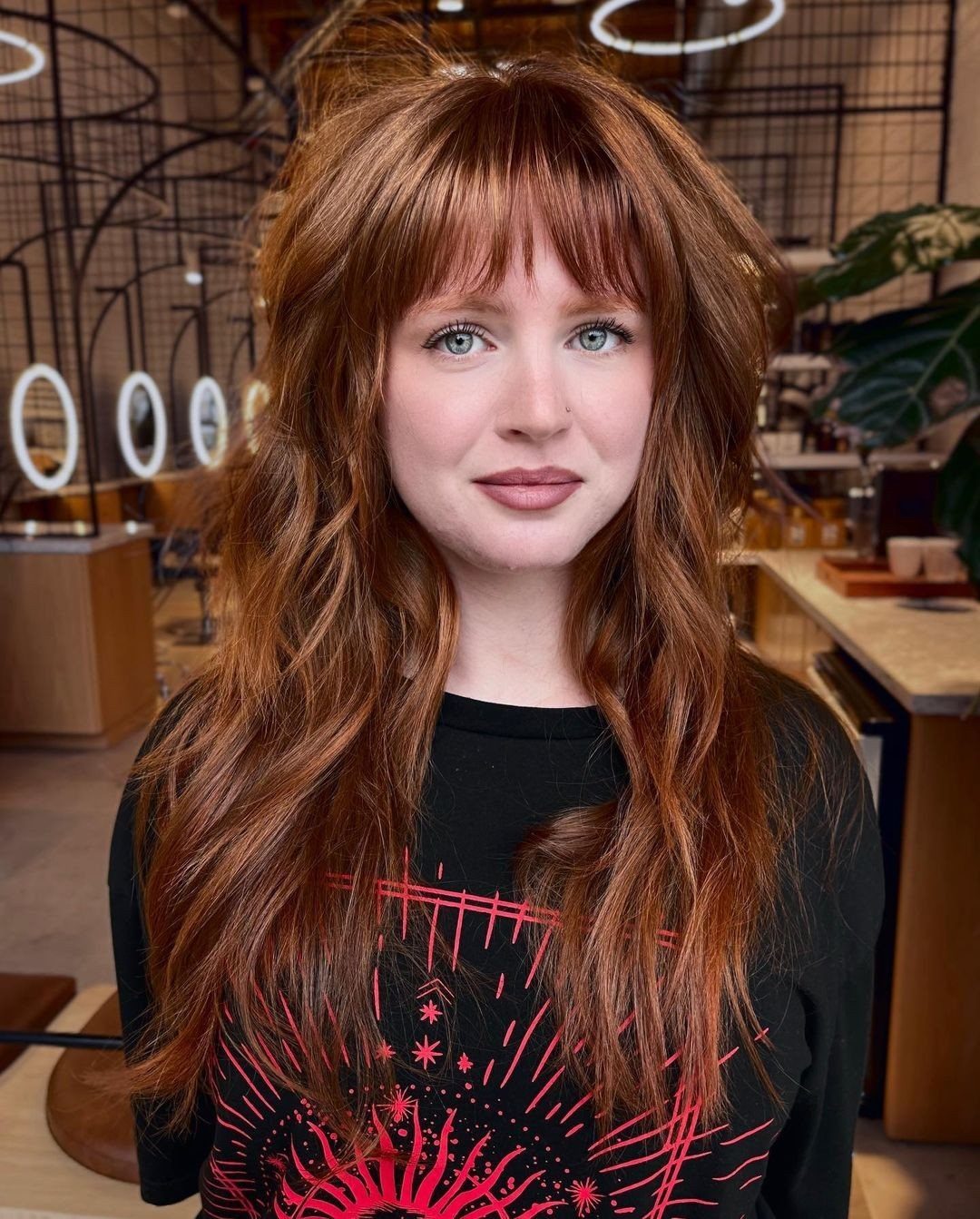
Ginger shows warmth better than most colors, and soft layers around the face keep the front gentle while the length stays. Wispy bangs sit just above the brows and blend into the first layers.
Air-drying works fine, and a little smoothing cream on damp hair keeps frizz down without weighing it flat.
The color does most of the work here. Layers give it shape.
20. Split-Dyed Shag
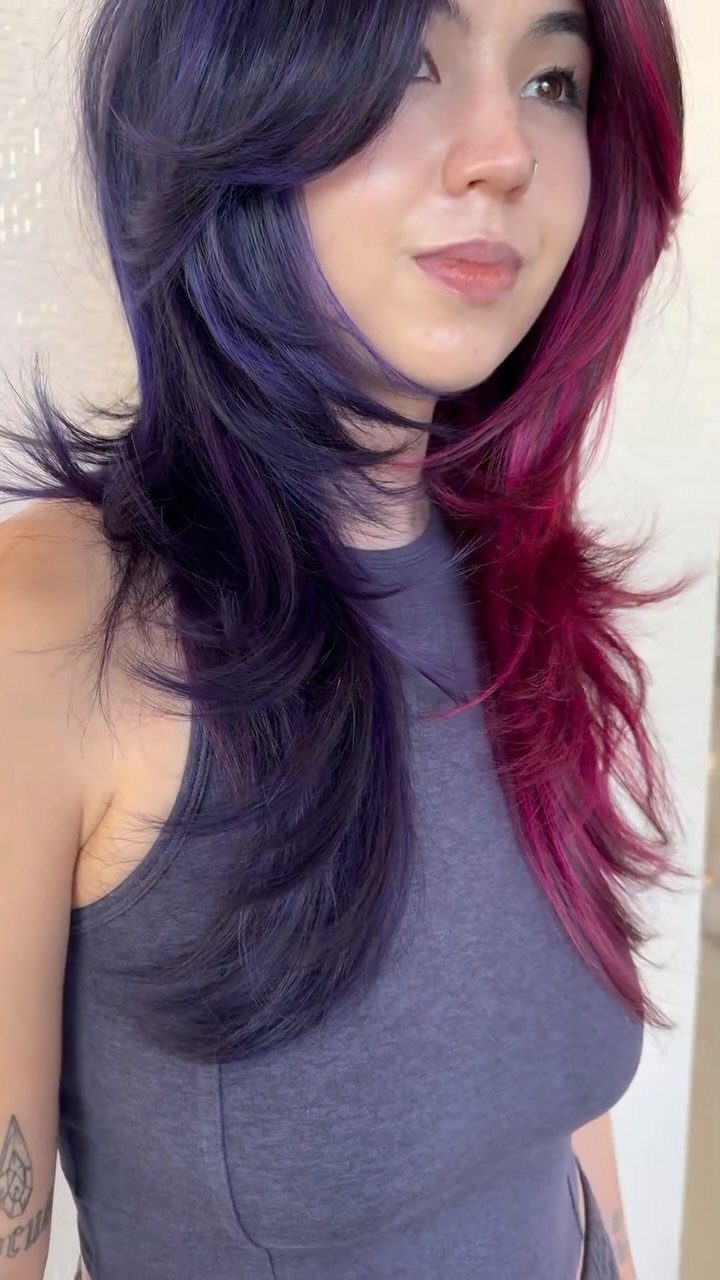
2 colors divided down the middle give a long shag maximum contrast. Layers keep the texture visible on both sides, and the split line becomes part of the cut.
Ask for a long layered shag, then bring photos of both colors to your colorist. Keeping the split line crisp means regular root touch-ups, since regrowth shows fast against a contrast this sharp.
I would choose this if you want bold color and are prepared for the upkeep it takes.
21. Chocolate Brown Shag
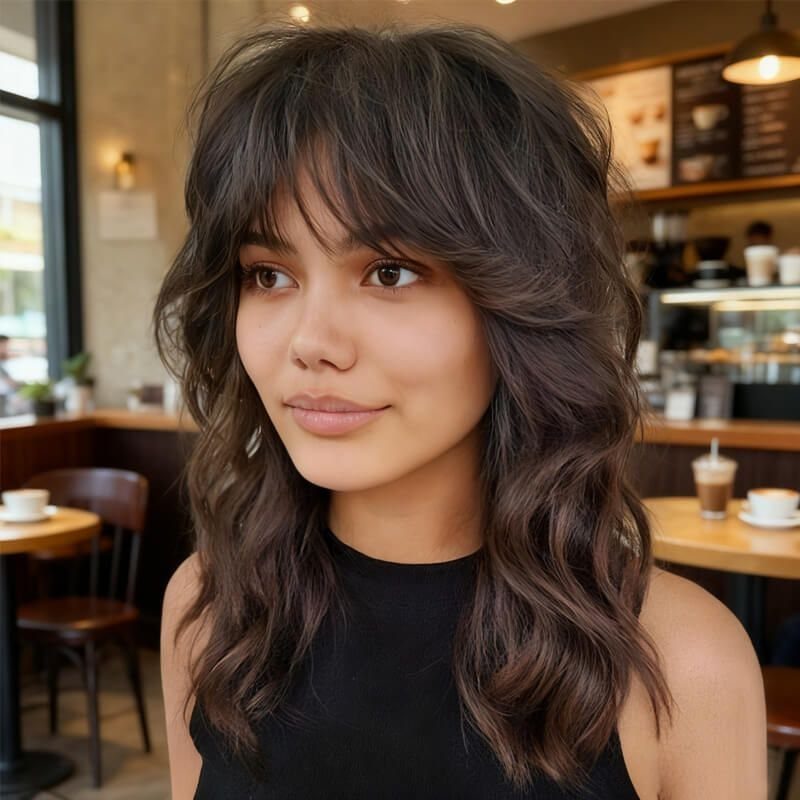
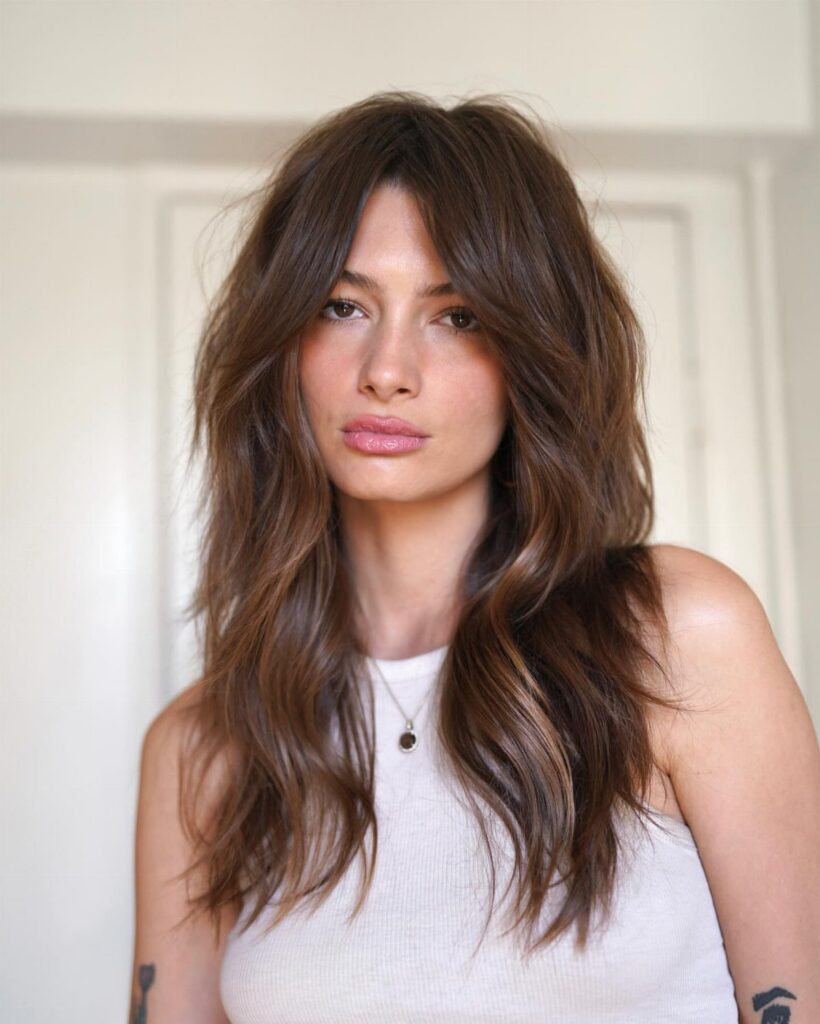
Rich chocolate brown makes a long shag feel classic. Soft layers and wispy bangs keep the front light, and the depth of the color shows off the cut without needing highlights.
The color suits most skin tones and requires less maintenance than lighter shades.
A flat iron smooths the ends if you want polish, though air-drying keeps it casual.
22. Long Razored Shag
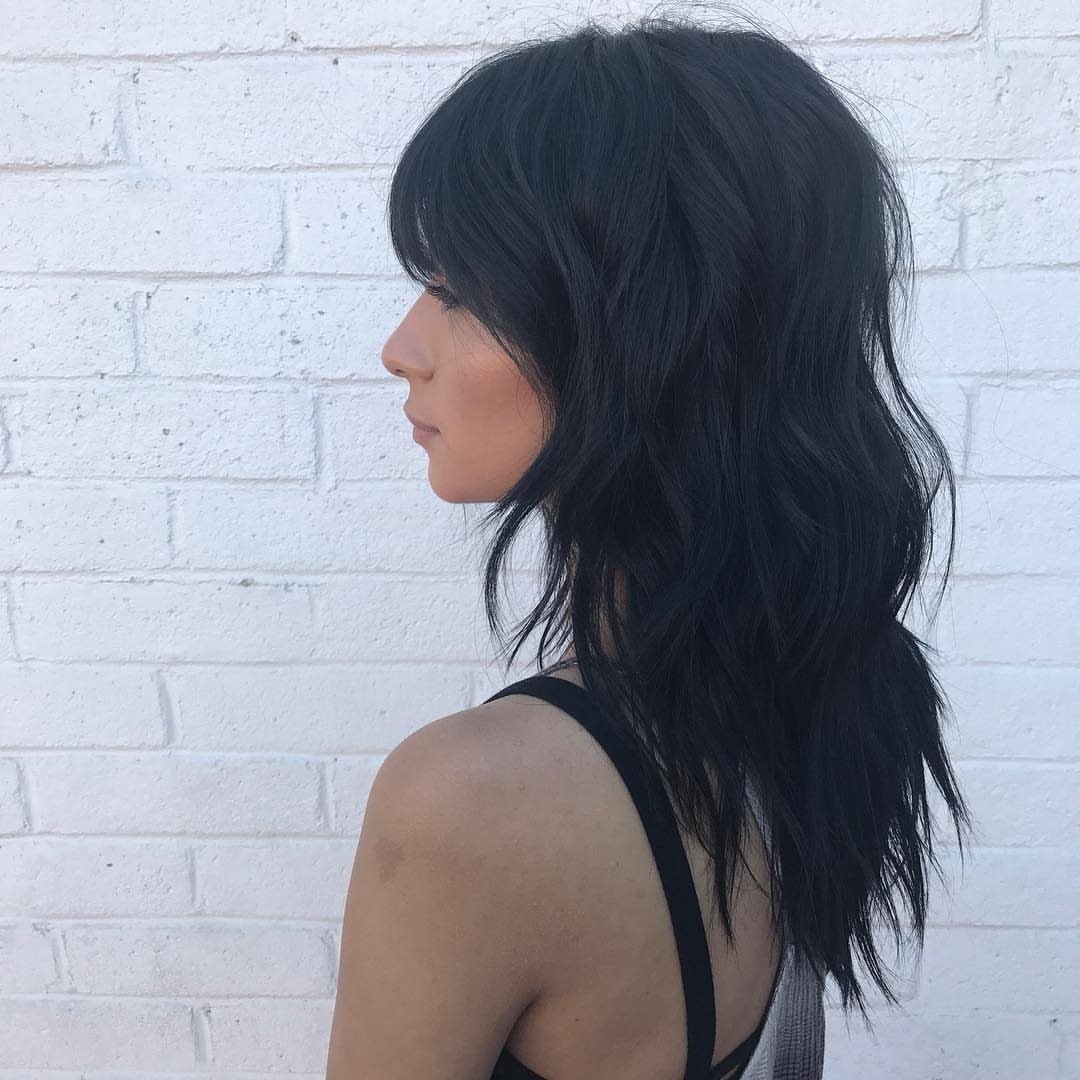
Razor-cut ends create wispy, separated tips that give a shag its roughest texture.
Tell your stylist you want a long shag cut with a razor, not shears, for a lived-in finish. The texture shows best on straight or slightly wavy hair.
This cut looks intentionally undone. If you prefer clean lines, ask for shears instead.
23. Long Shag Flipped Tips
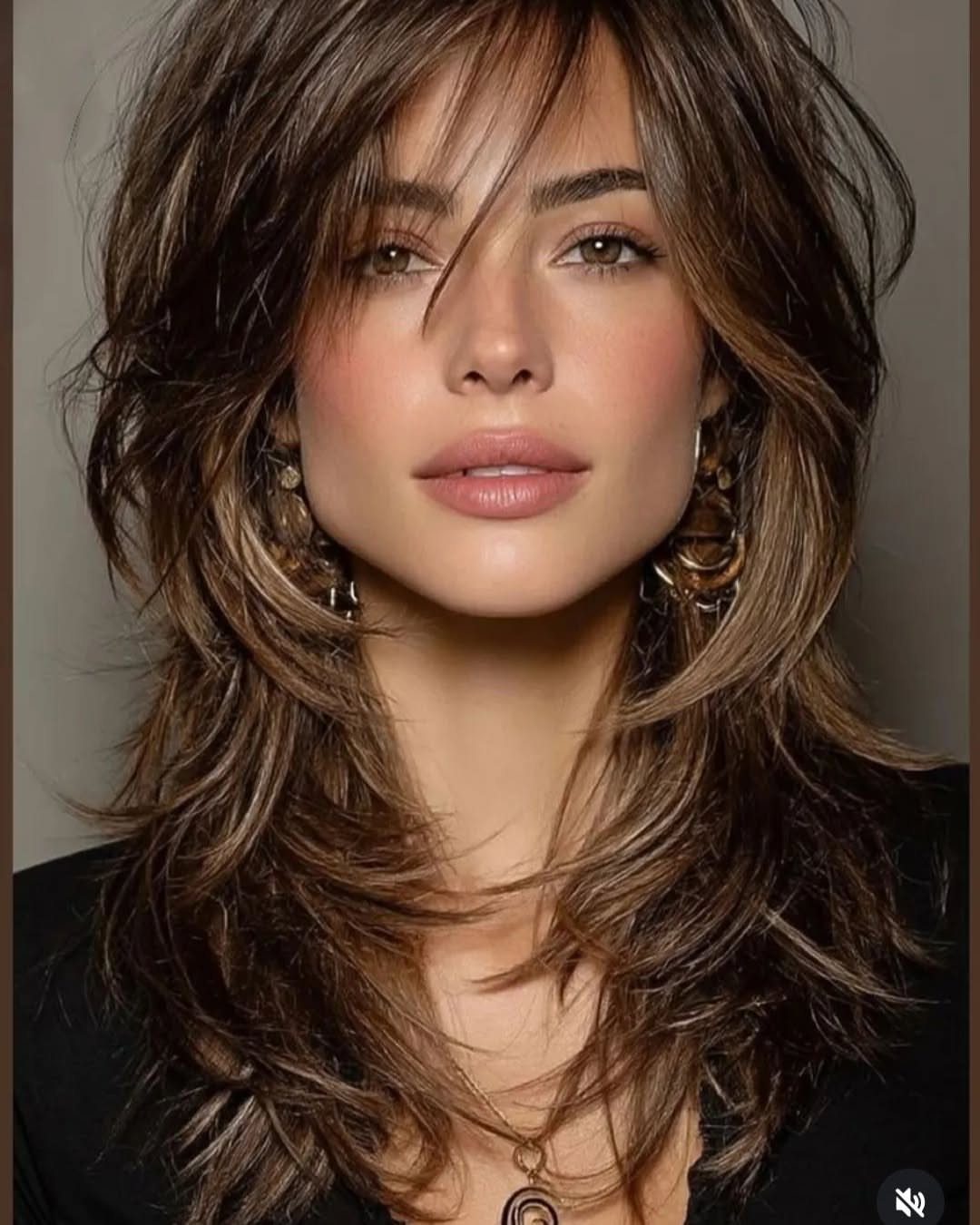
Flipped ends turn a long shag into something closer to a 70s throwback. The tips curve outward instead of hanging straight, and the layers show best when styled with heat.
A flat iron works too, wrapped around the tips and pulled outward.
The flip takes effort. Air-drying and walking out the door won’t give you the flip, so this one isn’t for you.
Styling and Maintenance
A long shag works best when you treat it as a cut that styles itself.
If your hair waves or curls, scrunch it gently and let it air-dry, or use a diffuser on low heat. Straight hair looks best with a soft blow-dry using your fingers, which keeps the movement in.
To pull the pieces apart, a few spritzes of dry texture spray or a dab of light pomade on the ends and fringe does the job. Roots should stay breezy, because volume that looks effortless beats volume that looks built.
Plan on a trim every 10 to 12 weeks. Between visits, the layers soften and the bangs get a little broken-in, which is part of the appeal.
Stylist Consultation
Showing a photo and the cut’s name is a start, but the consultation does the real work. A good shag is adjusted for your face shape, bone structure, density, natural texture, and how much fringe you want.
Talk through the details instead of leaning on the label. Give a bang length too, such as brow-grazing or grown past the brows.
If your hair is fine, mention it. Broken, moving layers keep thin spots from standing out, so you can ask for that texture on purpose.
Back layers cut long, with ends that flip out a little, give the finished shag a glossier, healthier look. Wispy bangs framing the face also leave you room to pull the length back into a ponytail.
Styling Tools and Products
A small kit covers most shags. For lift at the crown or a soft bend in the bangs, reach for a round brush; 2 clips will hold curtain bangs in place while they air-dry.
Clip them in a curve away from your face, two per side, and walk away.
Want a fuller, bouncier fringe?
One Velcro roller on each side will give it that pouf. Dry the bangs with a blow dryer first, then roll them back, away from your face, while they cool.
In the shower, a volume shampoo and conditioner help flat roots. A bond-repairing mask helps if heat or color has left the ends dry.
On styling days, choose by texture.
Salt spray at the roots adds grit and lift, texture spray gives separation, and a curl cream defines waves and curls. Pick one or two, not all of them, so the layers stay light.
Frequently Asked Questions
How do you do a long shaggy cut?
Ask your stylist for a long shag with heavy layering that softens the mid-lengths and ends, so the length stays but the hair moves.
Aim for feathered layers, not choppy ones. A saved photo helps, but say out loud where the shortest layer should fall, whether that’s the chin or the collarbone, because a photo alone leaves that spot up to your stylist’s guess.
Do long shag haircuts work for all face shapes?
Yes, as long as the layers and fringe are adjusted to your face.
Round faces do well with elongated layers and an airy fringe, oval faces can handle a heavier fringe or bolder layering, and square faces benefit from wispy layers that break up strong angles.
If your face is heart-shaped, start the framing pieces below the cheekbones and let them run longer, since shorter layers higher up add width where you already have it.