Straight hair shows every line and layer exactly as cut, which means blunt bobs stay graphic, angled perimeters read sharp, and tapered ends separate cleanly without springing up the way curls do.
The choice turns on how much weight you want at the ends: blunt cuts and one-length finishes make fine hair look denser, while feathered layers, shags and butterfly cuts lighten thick hair by removing bulk without shortening the whole length.
1. Blunt Bob
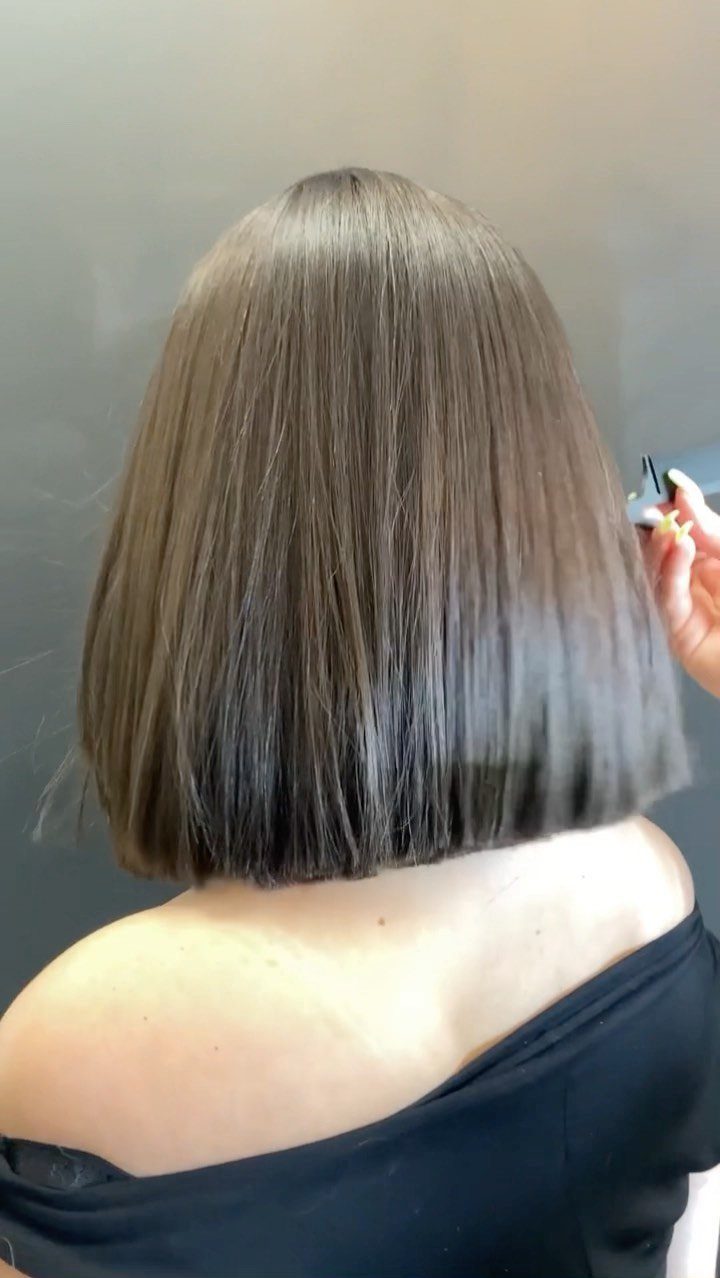
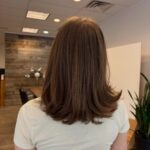
A one-length bob cut at a uniform level, with no layering or shaping inside, just one clean line at the ends.
The blunt edge sits sharp and graphic when hair is straight, and it holds its shape whether you blow it smooth or air-dry.
The line holds only if you book a trim before it starts to soften. The weight of the bob keeps fine hair from looking thin at the ends, and on thicker hair the solid perimeter reads bold.
2. Shag
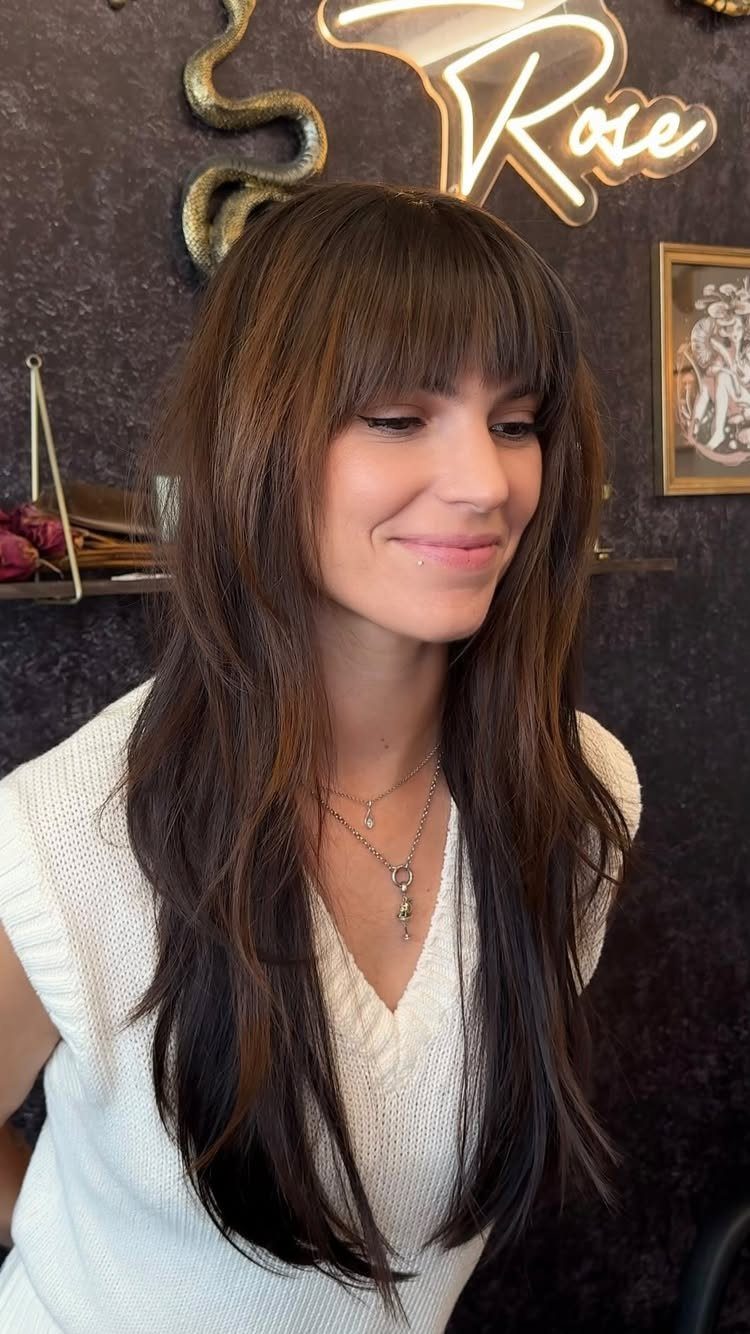
Layers are cut at several lengths throughout, with shorter pieces starting around the crown and longer ones below, so the hair builds up in a tousled, piecey shape.
Straight hair takes this cut well because each layer shows its full length instead of springing up.
Let it dry on its own for loose, separated texture, or work through it with a round brush if you want the roots standing away from the scalp.
The ends should taper rather than land at the same weight, and the shape opens up as the layers grow past the point where they were cut.
3. Angled Bob
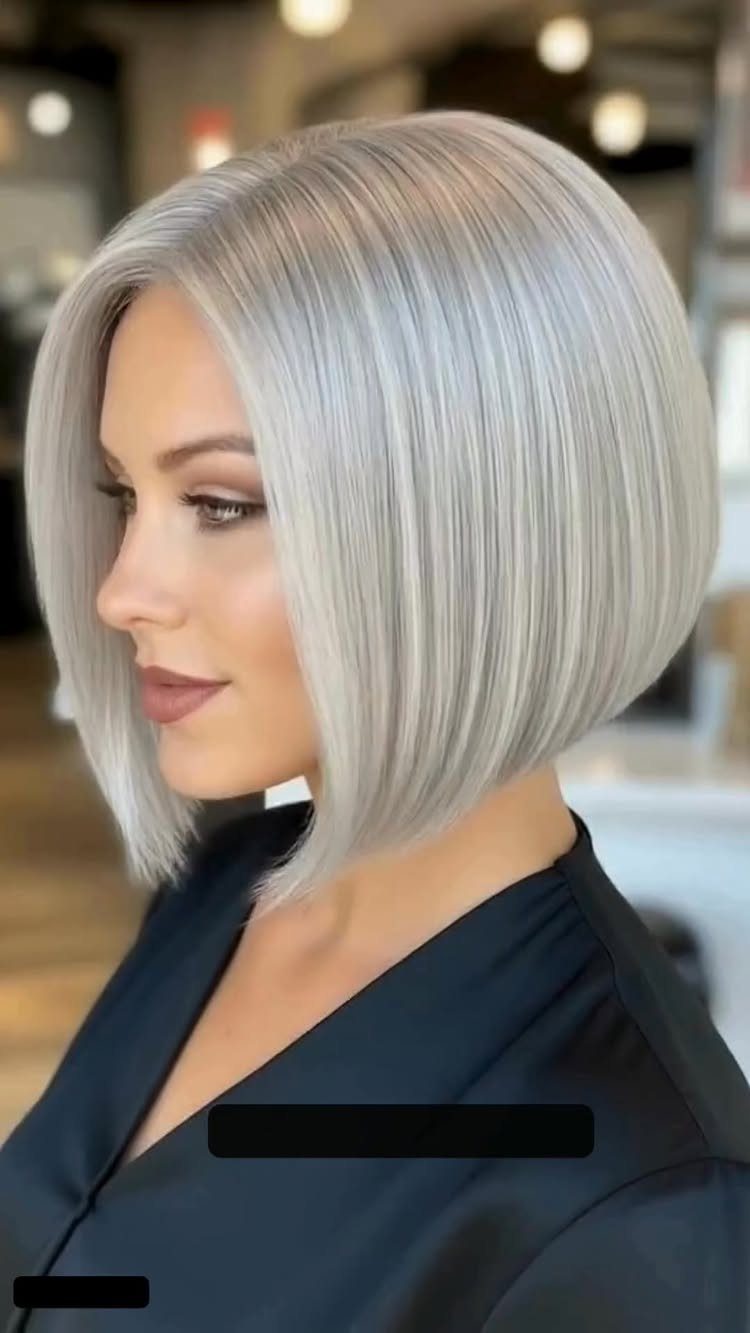
The perimeter of the bob is cut at a diagonal rather than level, often shorter in back and longer toward the front.
Some versions slope only an inch or two, others sweep several inches down. Straight hair shows the angle cleanly, and you can part it on the side or in the center.
A sleek blow-dry or flat iron keeps the line sharp. The angled outline suits most face shapes because the longer front pieces soften the jawline.
4. Blunt Ends
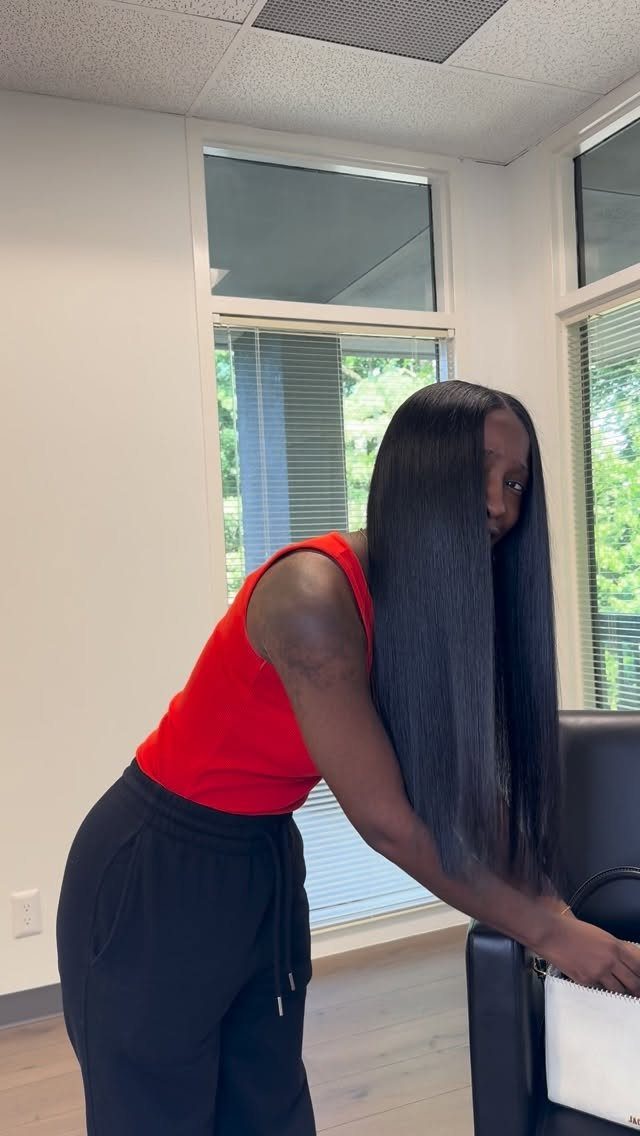
Long hair cut to one flat, even bottom edge instead of layers or feathering. The solid line makes hair look denser at the ends, and straight hair shows it best.
A blunt finish works across textures, but on very thick hair the weight can pull heavy, and on fine hair it sometimes splits before the next trim.
No matter the texture, hair is a canvas. This rings true particularly for straight hair, which, because of its smooth surface and flexibility, can be pinned, curled, slicked, and more without much visible damage.
— Elle
5. Middle-Part Bob
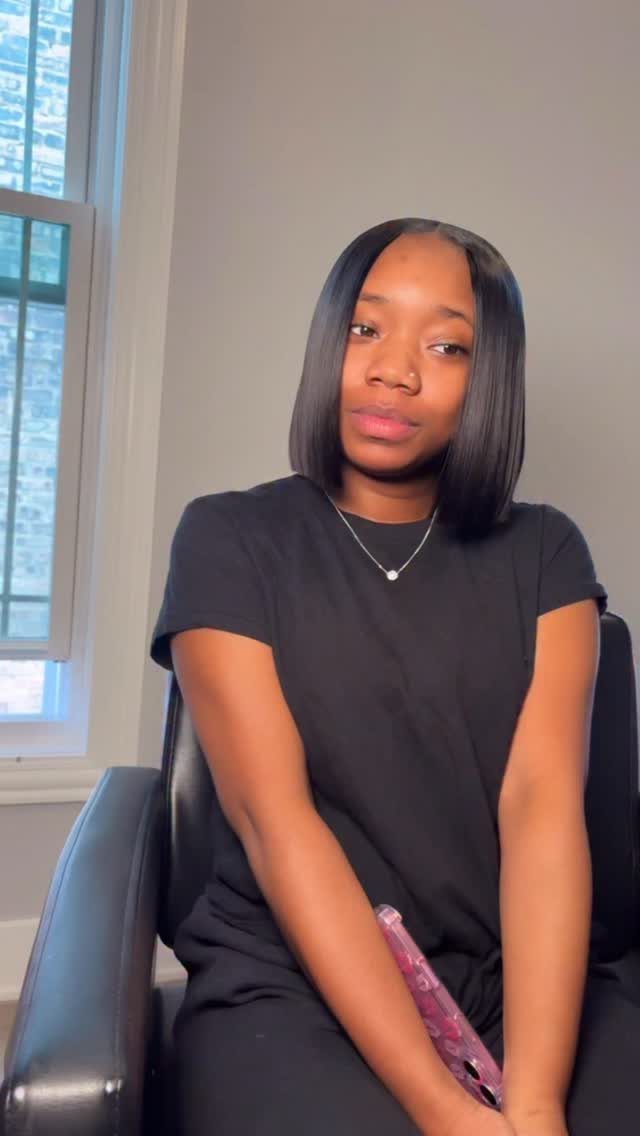
A bob divided with a part straight down the middle, from forehead to crown.
The center part emphasizes symmetry and works best on oval or heart-shaped faces; on round or square faces it can highlight width, so a slight side part often reads better.
You can keep the bob blunt or add a few light layers inside. Blow-dry with a paddle brush for a sleek finish, or air-dry and let the part settle naturally.
6. Long Face-Framing Layers
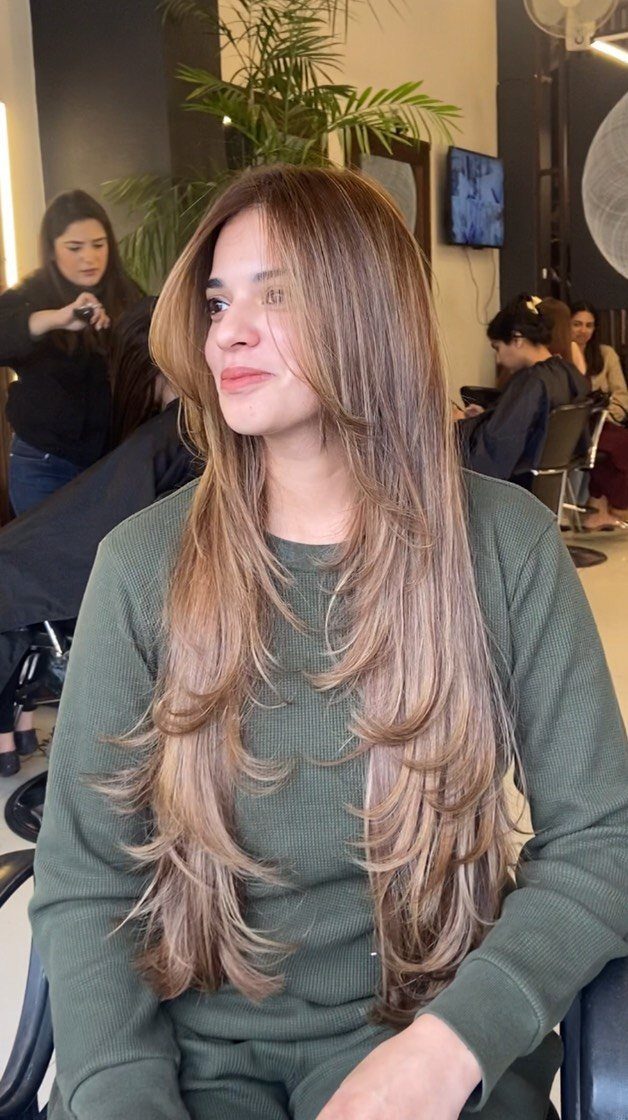
Shorter layers are cut starting at chin or cheekbone level, framing the face, while the rest of the hair stays long. The shorter pieces can be angled back or blended into the length, depending on how much contrast you want.
Straight hair takes this cut easily because the layers fall flat and frame cleanly. You blow-dry with a round brush to turn the layers slightly under or out, or air-dry for less shape.
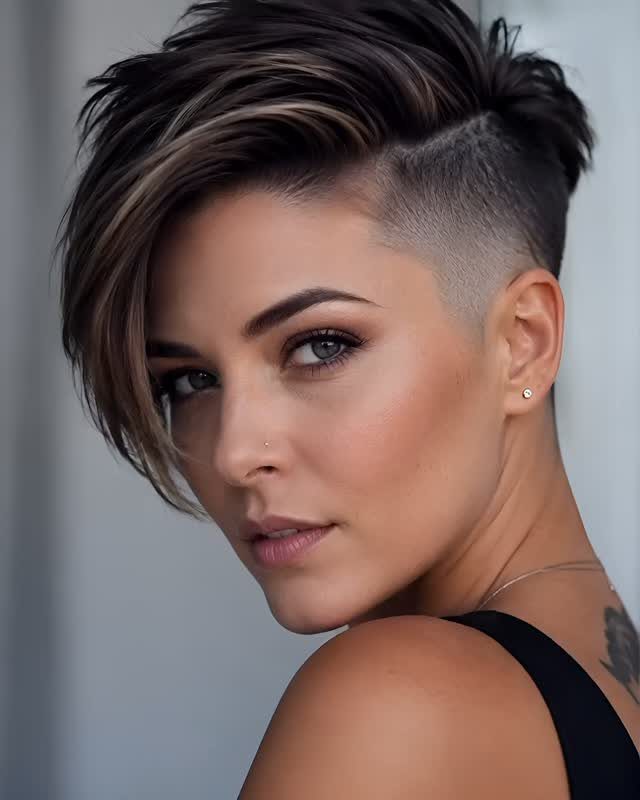
7. Asymmetrical Pixie
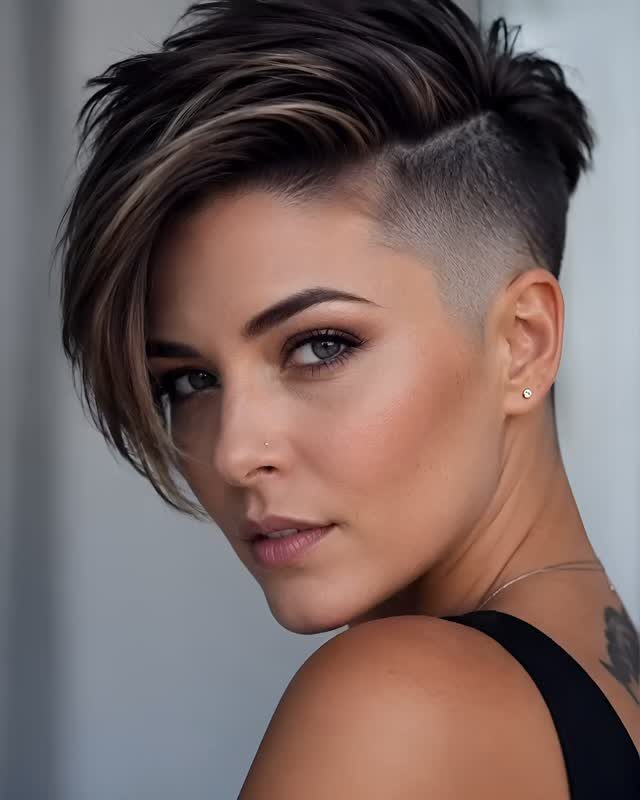
One side is cut longer than the other, usually swept across the top or brushed to the side, while the shorter side or back is cropped close or shaved.
The contrast gives this cut its shape, and straight hair shows the difference in length cleanly.
You style it by combing the longer section in one direction, adding texture paste or pomade if you want it to hold. The short sections need regular trims to keep the asymmetry readable.
8. Curtain Bangs
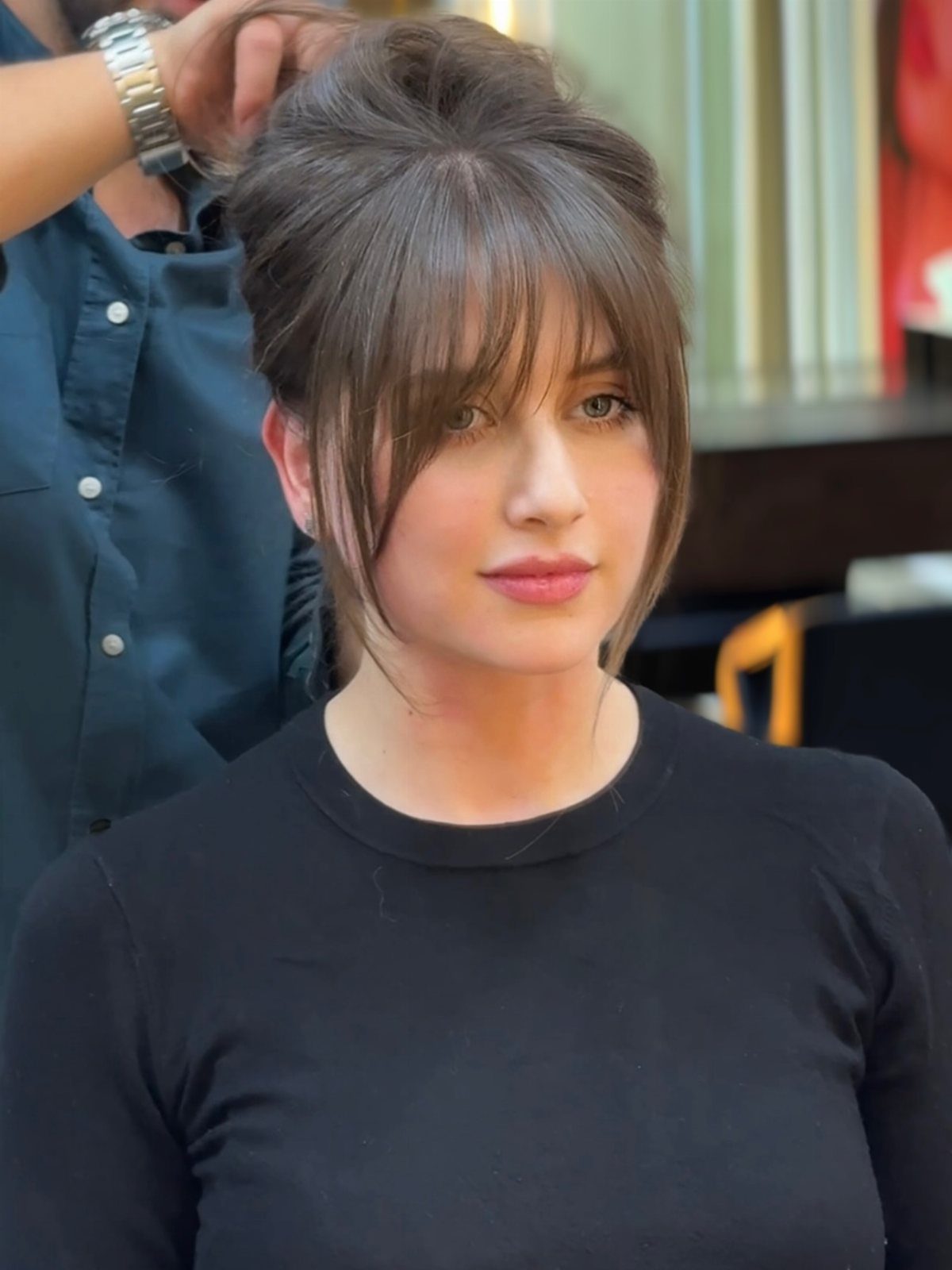
Bangs parted in the middle and cut longer at the sides so they sweep open like curtains, framing the face rather than sitting straight across.
The center is usually shorter, around eyebrow length or slightly below, and the sides taper longer to blend into the rest.
Straight hair lets the shape fall cleanly without much styling, though a round brush and quick blow-dry will turn the ends slightly out. They soften most face shapes and grow out without a hard line.
9. Butterfly Cut
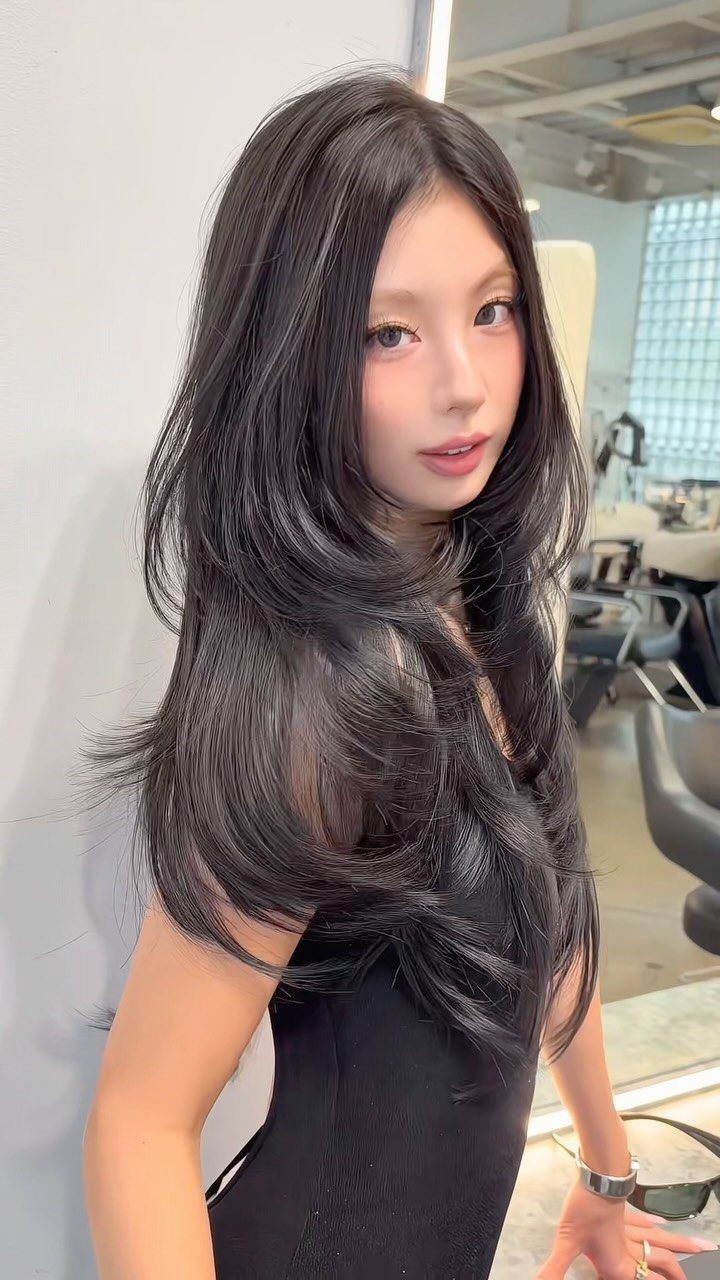
Layers are cut shorter at the crown and longer through the ends, creating a stacked, voluminous shape that flares outward. The shortest layers lift away from the head, and the longest pieces stay full and flowing.
Straight hair takes this cut well because the layers fall in distinct, separated sections rather than blending into one mass. The shape reads best on long hair.
10. Side Bangs
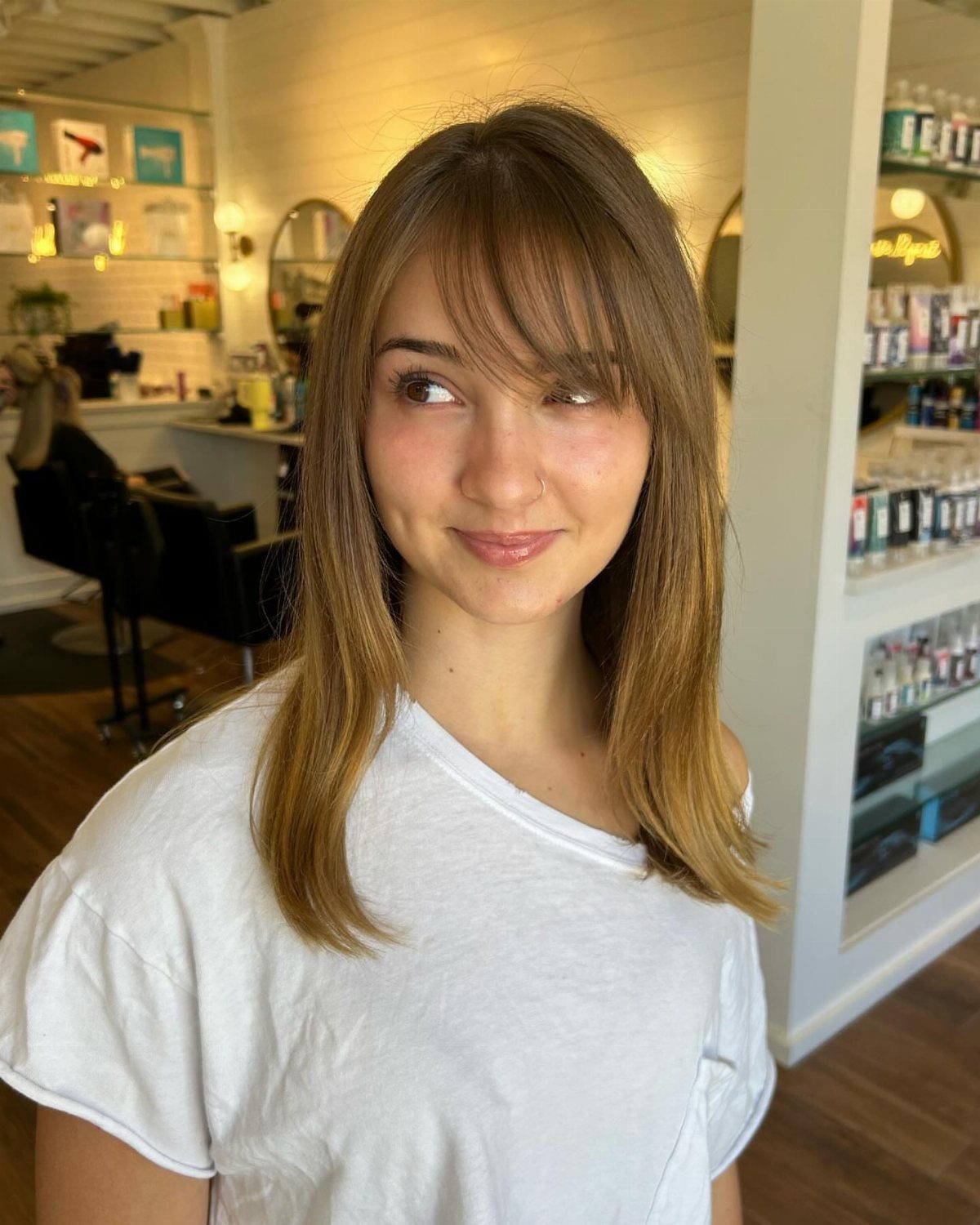
Bangs cut to sweep across the forehead from a side part, usually angled longer as they move toward the opposite side.
The length can stop at the brow or extend past the cheekbone, depending on how much face you want covered.
Straight hair holds this shape easily, and it works on most face shapes because the diagonal line softens angles. You blow-dry them in the direction they fall, or pin them back when you want them out of the way.
11. Blunt Bangs
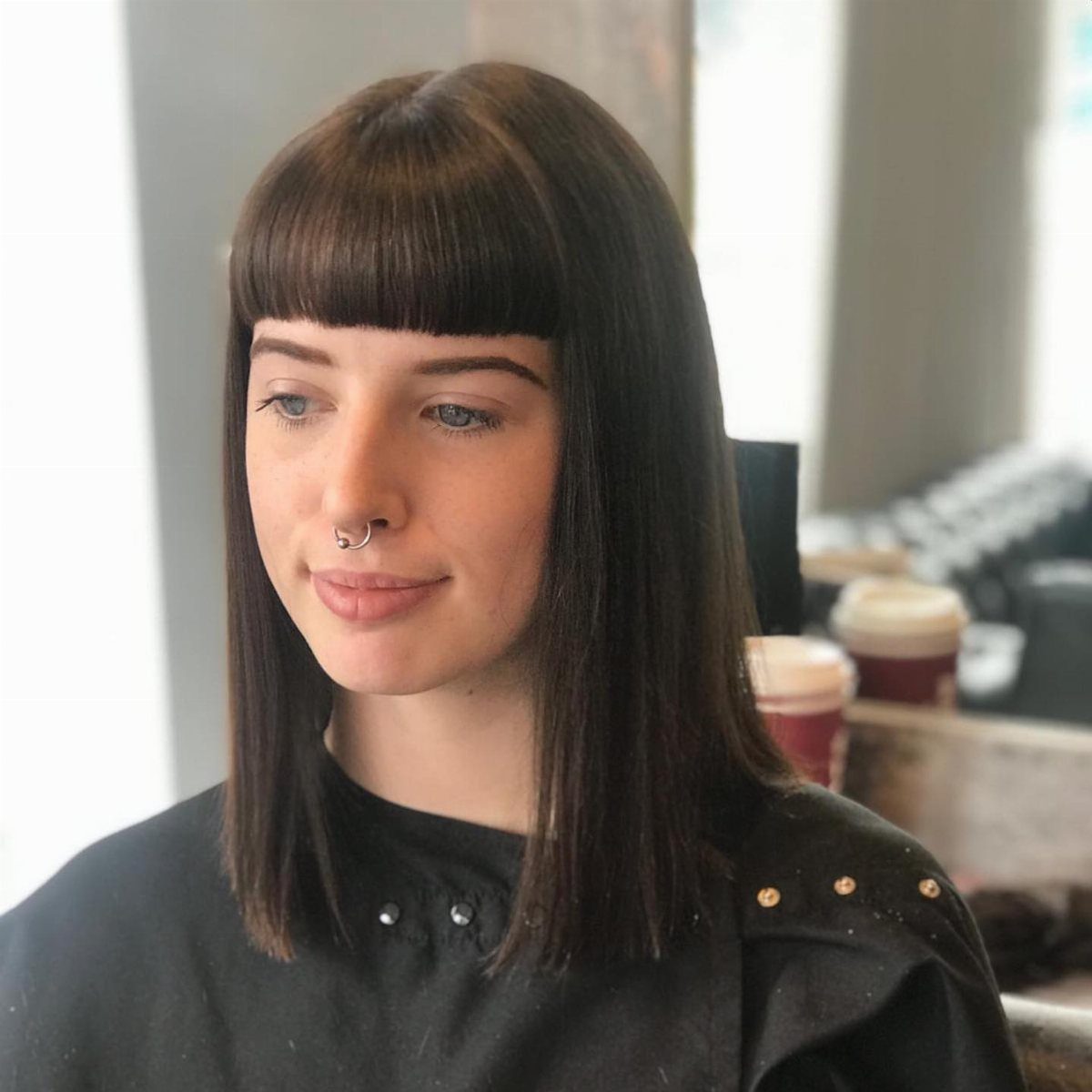
A straight fringe cut across the forehead at one even length, usually landing at the brow or just above. The flat, unbroken line reads graphic on straight hair, and it suits oval and heart-shaped faces best.
Round or square faces can look wider with a full blunt fringe. You trim them to keep the line sharp, and blow them smooth with a paddle brush.
12. Feathered Layers
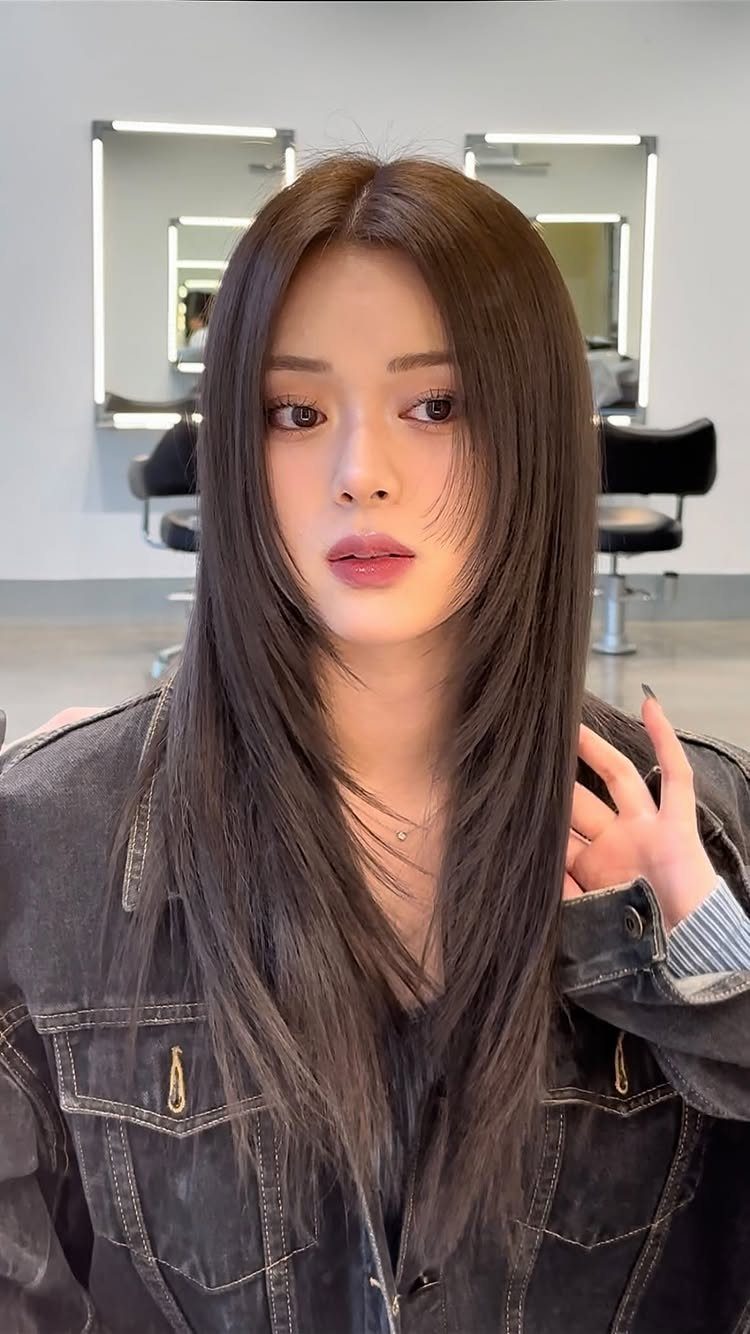
Layers cut with a point-cutting or razoring technique so the ends taper and separate instead of landing at one weight. The feathered texture softens the outline and adds movement without chopping the length into distinct steps.
Straight hair shows the tapered ends clearly, and the cut works well on fine hair because the lighter ends keep the shape from looking heavy.
13. Low Sleek Ponytail
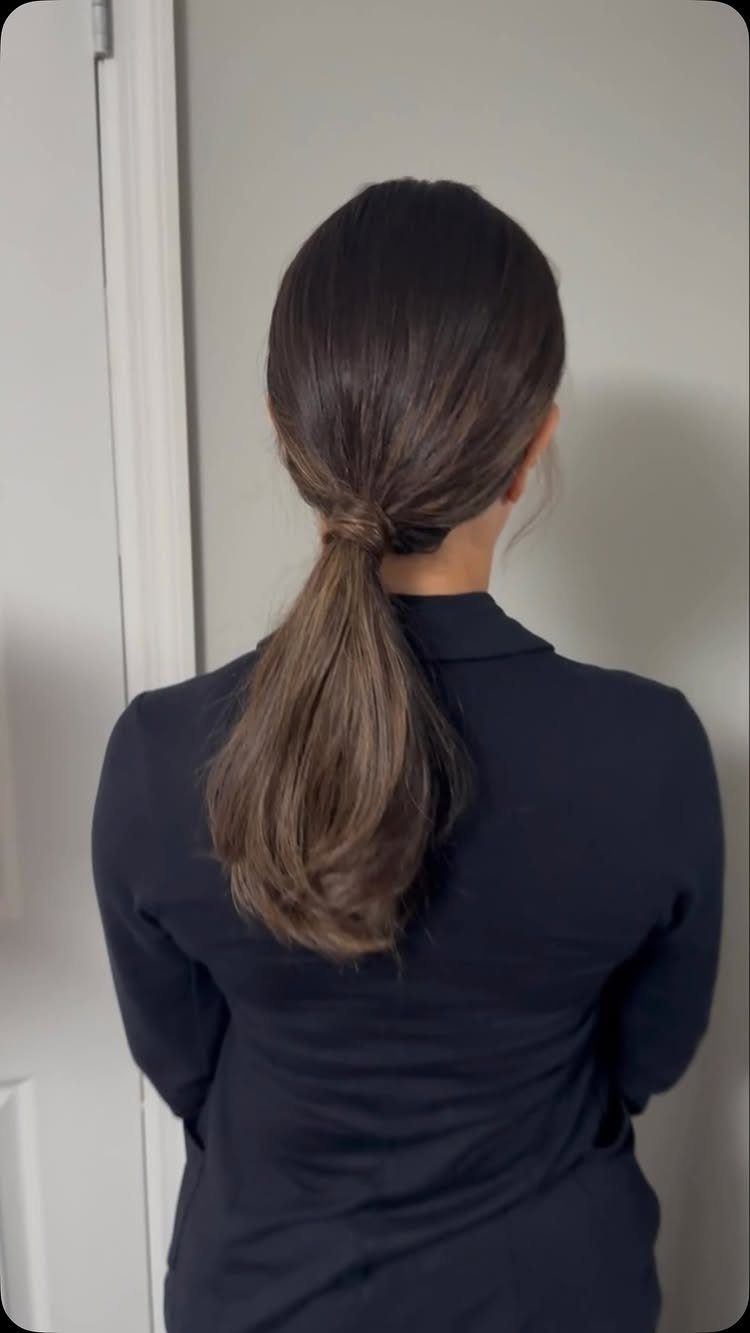
Hair pulled straight back and secured at the nape, with a paddle brush and gel or serum keeping any flyaways down.
Straight hair shows the smooth finish clearly, and a low position suits most face shapes without pulling the scalp tight.
Blow-dry before gathering if you want extra polish, or smooth with a flat iron after tying. The elastic sits at neck level, so the ponytail hangs without lifting the hair away from the head.
14. Straight Brunette with Caramel Highlights
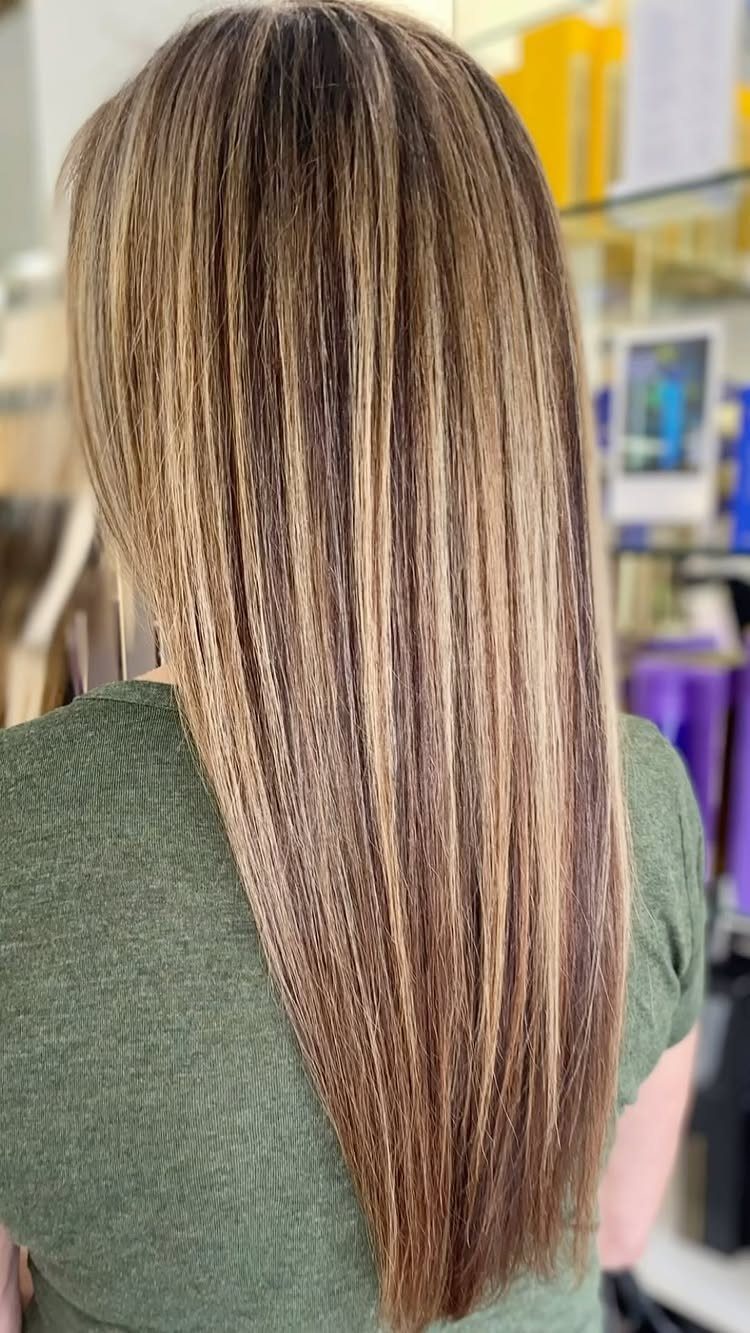
Brown hair with lighter caramel tones painted through in fine pieces, leaving dimension without harsh contrast. The highlights catch light along straight lengths, and the color combination works across skin tones.
Ask for partial or full highlights depending on how much lift you want. Toner keeps the caramel warm rather than brassy, and touch-ups maintain the contrast as roots grow in.
15. Sleek Center-Part Hair
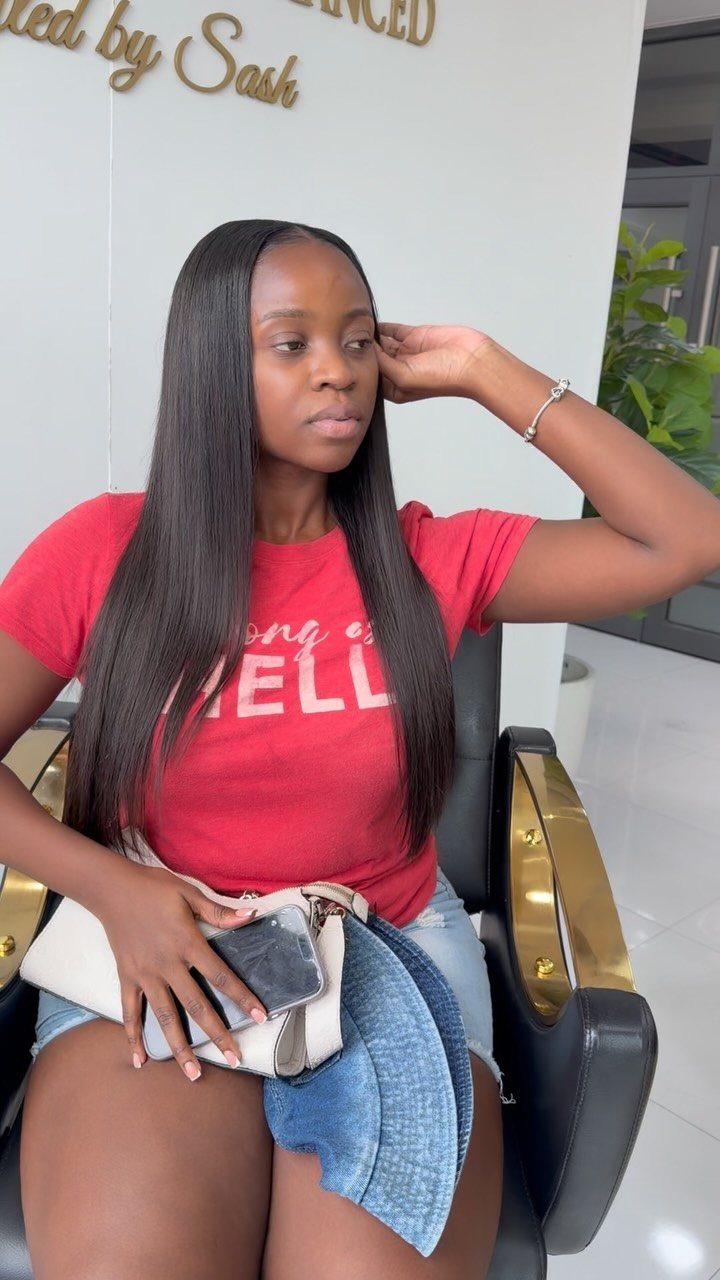
Hair parted in a straight line from forehead to crown, dividing the length evenly on both sides, then smoothed flat.
A center part suits oval and heart-shaped faces best; round or square faces often look better with the part slightly off-center.
Blow-dry with a paddle brush or run a flat iron down each section to keep the surface glossy. The part line stays sharp only if you comb it in the same place each time.
16. Short Straight Bob
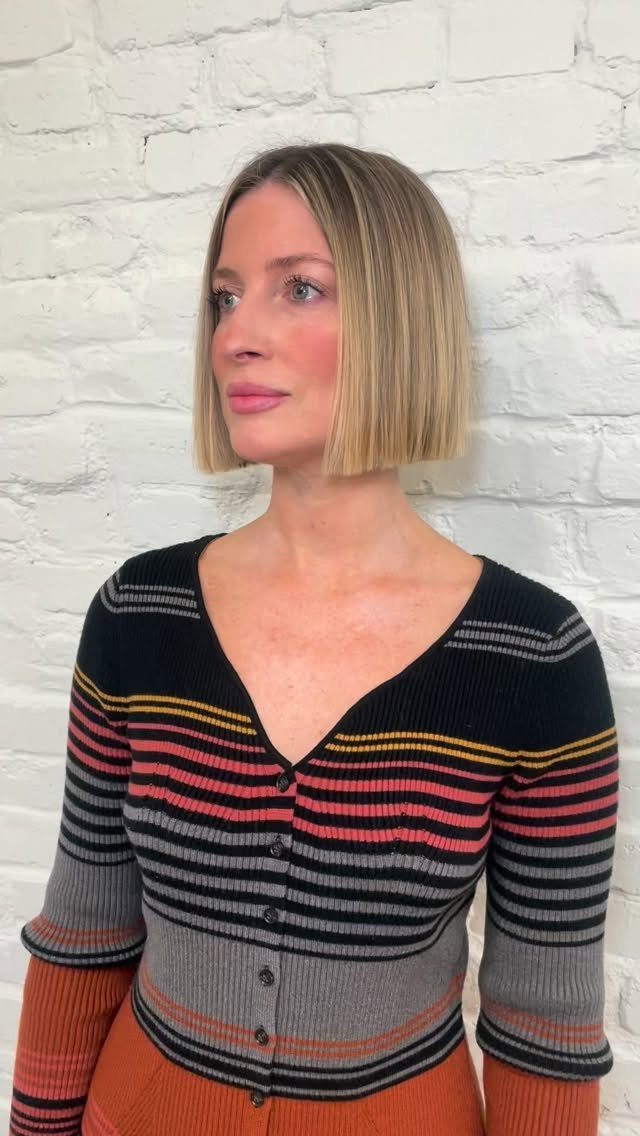
A bob cut at chin length or slightly above, with the ends falling straight across or angled just slightly forward.
The short length keeps styling quick, and straight hair holds the shape without much effort. The chin-length cut opens up the neck and works well on fine hair because the shorter length keeps the ends from looking thin.
17. Long Soft Layers
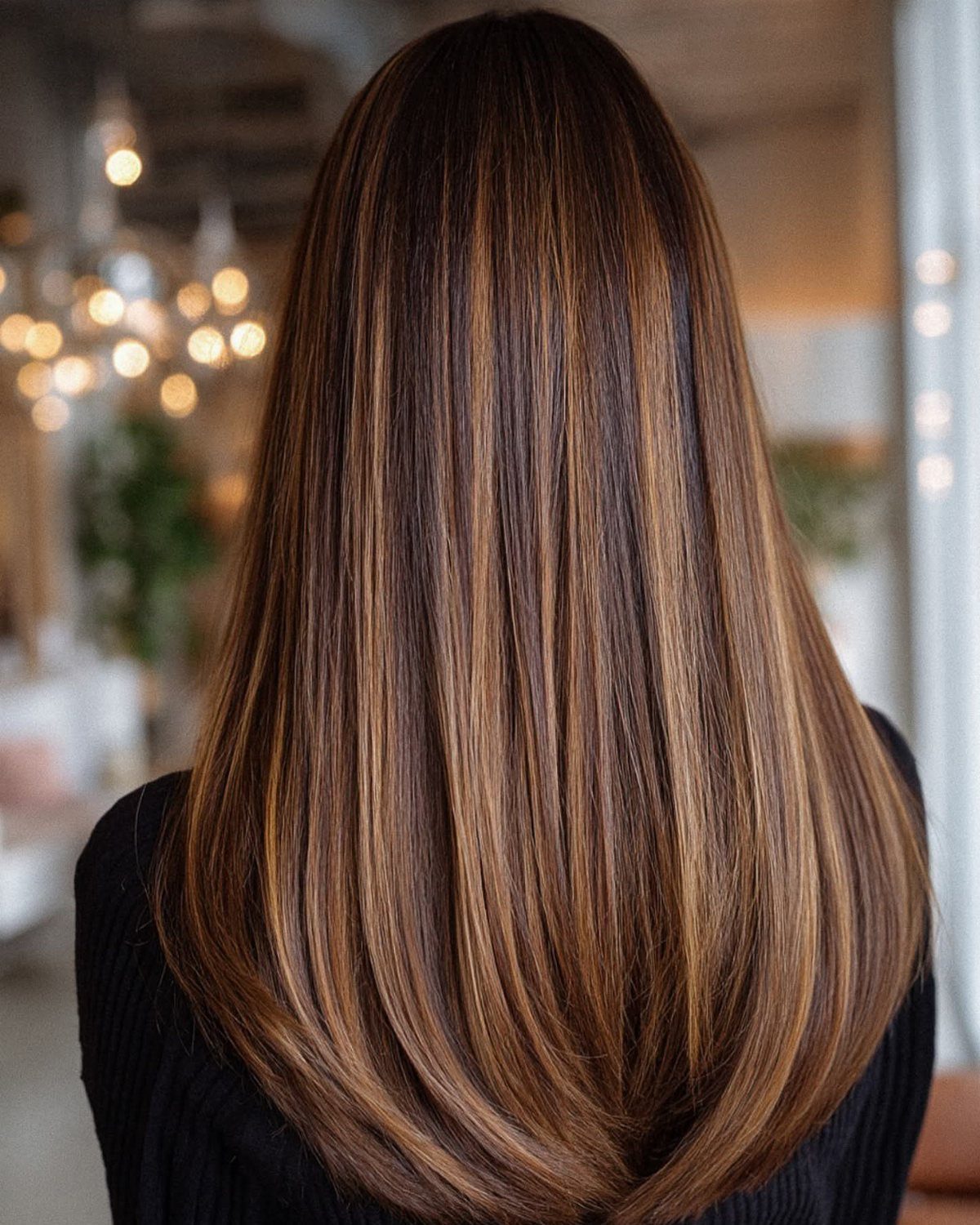
Layers cut starting a few inches from the ends, with the shortest pieces sitting well below the shoulders, so the shape stays long and the layers add just enough movement to keep the hair from sitting flat.
The ends are rounded rather than blunt, softening the outline. Straight hair shows the layering subtly, and the cut works on thick hair because the layers reduce some weight without chopping the length into steps.
18. Very Long Straight Hair
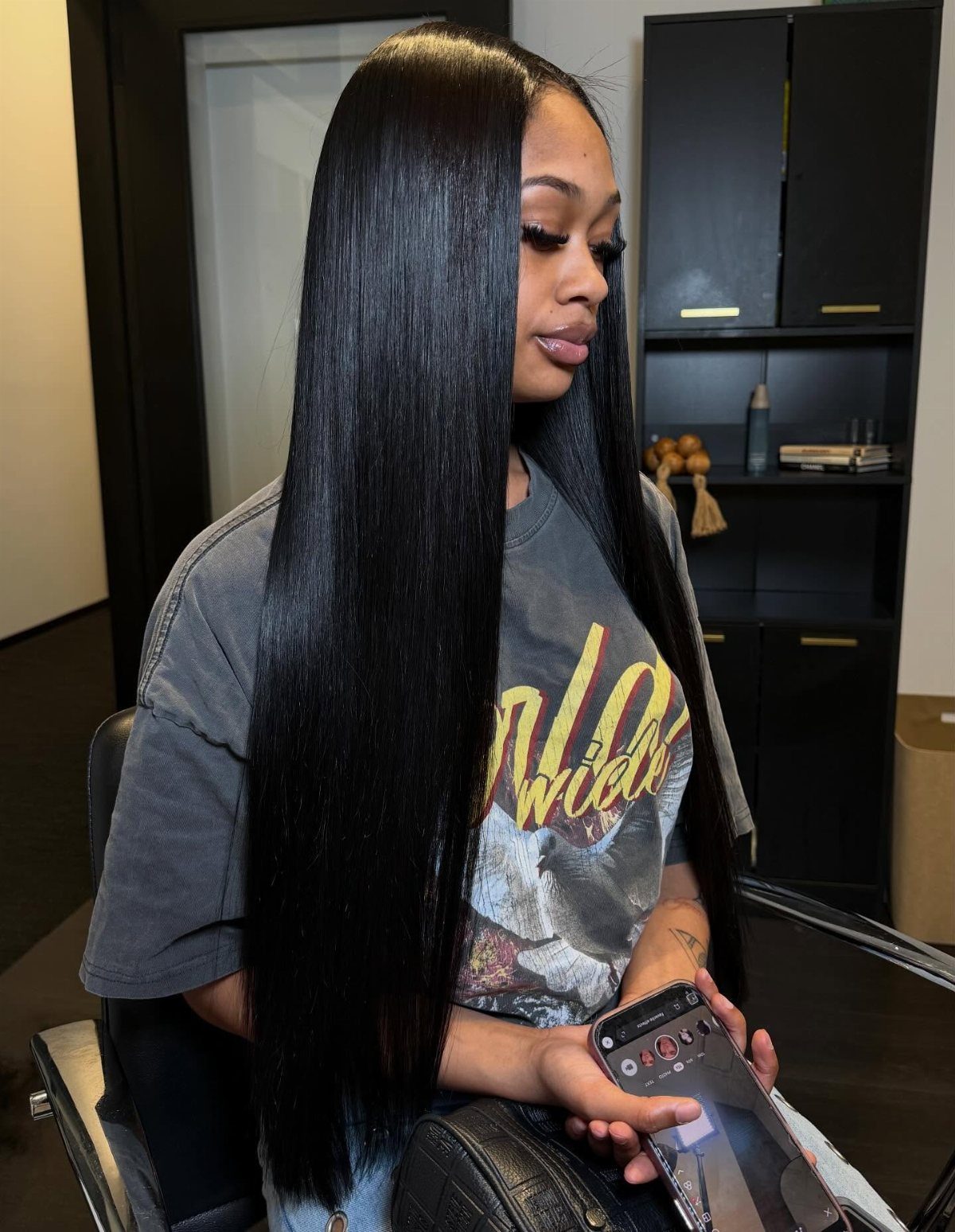
Hair grown past the waist and worn loose, with no layers or shaping inside, just length.
Straight hair makes the full length visible, and the sleek outline reads bold. You trim the ends to keep them from splitting, and the longer the hair gets, the more care it takes to keep the ends healthy.
The weight of very long hair pulls fine hair flat at the roots, but on thick hair the length alone makes a statement.
19. Shoulder-Length Flipped Layers
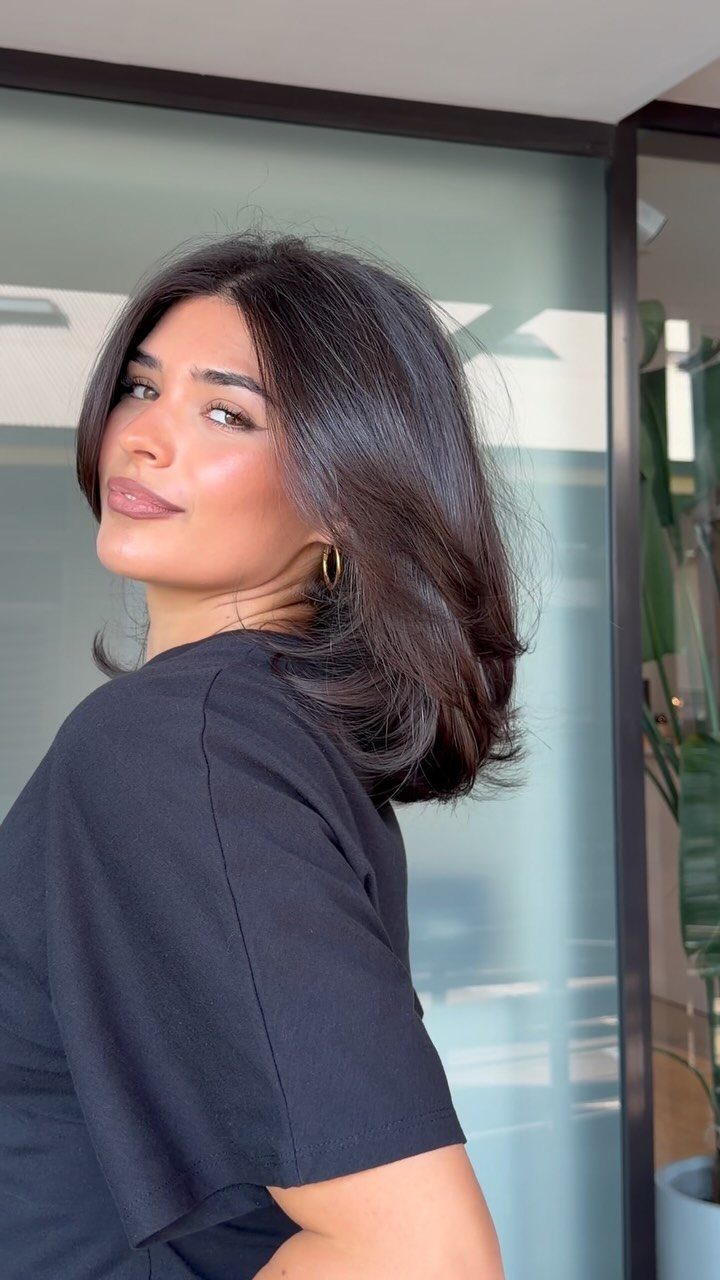
Layers cut through shoulder-length hair with the ends styled to turn outward instead of falling flat or curving under.
The flipped finish shows best when you blow-dry with a round brush, pulling the ends out and away from the face as you work through each section. Straight hair holds the flip cleanly without needing much product.
The outward turn adds width at the ends and reads retro, recalling styles from the 60s and 70s. The shape softens as the hair grows, and the flip needs to be reset with heat each time you wash.
20. Short Layered Bob with Side Bangs
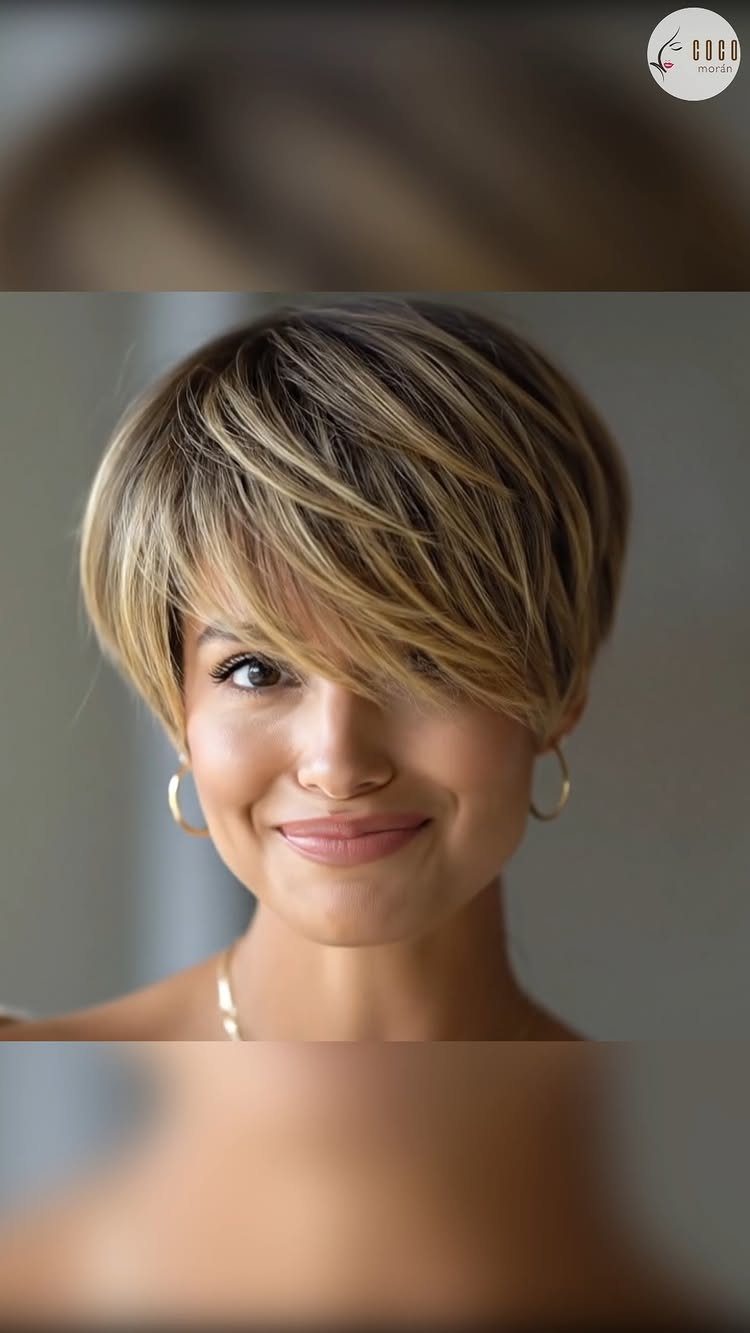
Layers are cut through a short bob, with side-swept bangs opening the forehead and subtle highlights adding dimension. The layered interior keeps the bob from sitting too heavy, and the bangs break up the bluntness of a one-length cut.
Straight hair shows the layers as separated texture rather than a solid mass. A round brush while blow-drying turns the bangs sideways and lifts the crown enough to balance the cut.
21. Long Face-Framing Layers with Bangs
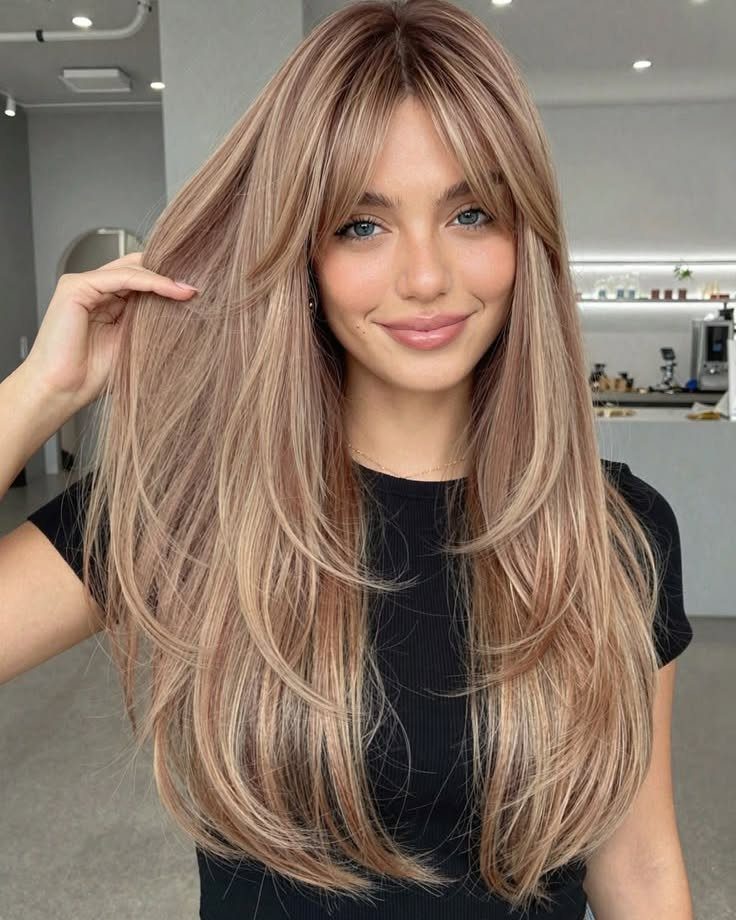
Shorter pieces frame the face while the hair stays long, with bangs swept to the sides rather than sitting straight across.
The face-framing layers start around cheekbone or chin level and angle back into the length, and the bangs part slightly off-center or blend into the layers.
The combination softens the forehead and draws attention to the eyes, and the bangs grow out without a hard line because they taper into the rest.
22. Hime Cut
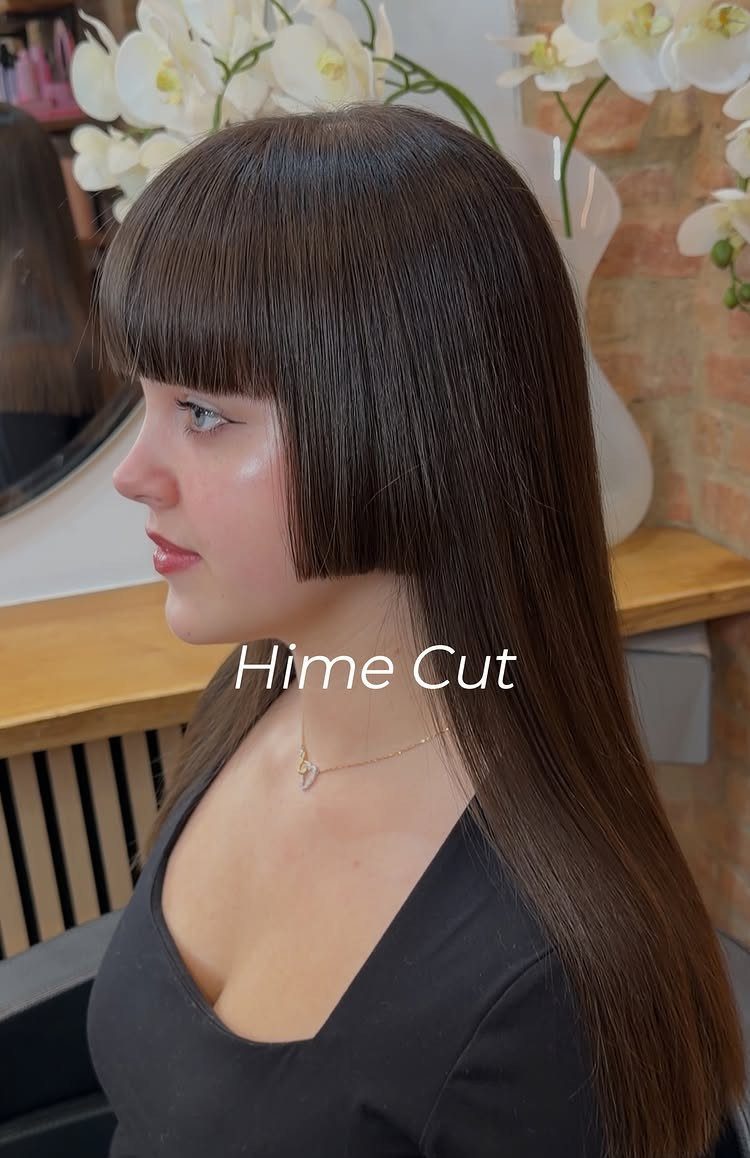
Long hair cut with blunt bangs and 2 distinct sections on either side of the face, usually falling straight down in front of the ears and ending around cheekbone or chin level.
The side sections are cut sharply, creating a frame that contrasts with the rest of the length.
Straight hair shows the geometric shape cleanly, and the cut reads bold because the sections stay separate from the hair behind them. The cut comes from Japan and reads best on oval or heart-shaped faces.
23. Straight Hair with Blonde Highlights
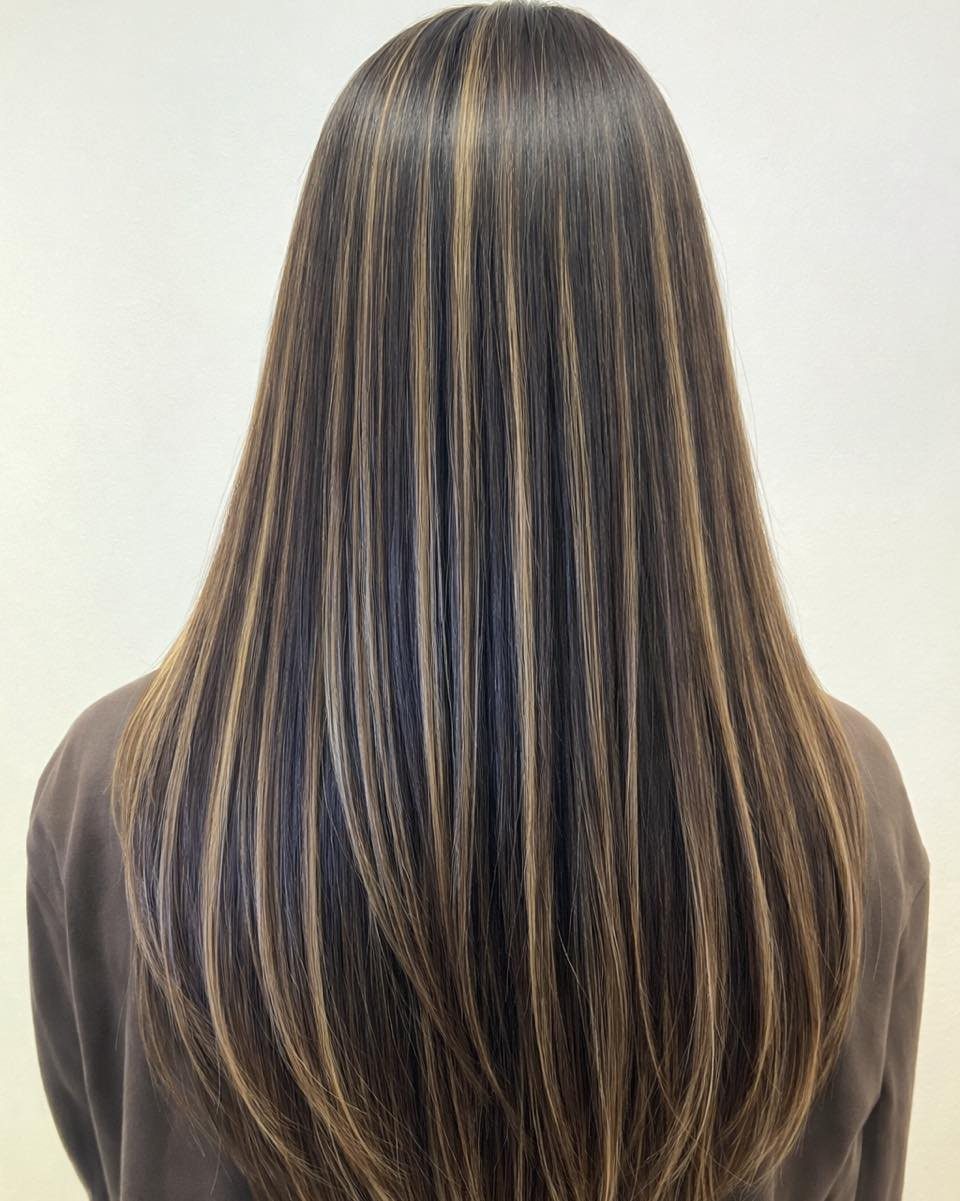
Fine, light blonde pieces are painted through long, straight, dark hair, adding contrast without covering the base color.
The highlights sit as narrow streaks rather than thick sections, and straight hair shows the color difference clearly as the light catches each strand.
Ask for babylights or fine foils if you want the subtle placement. The contrast reads dimensional, and the narrow highlights blend well as roots grow in.
Heat Protection and Straightening
A flat iron below 350°F handles most straight hair without burning through the cuticle. Very thick hair can take more heat, but fine hair scorches fast, and once the damage shows it takes months to grow out.
Heat protectant goes on damp or dry hair before the blow-dryer or iron touches it, and you comb it through so every section gets covered.
Modern flat irons with ceramic plates and heat sensors hold temperature steady instead of spiking, and ionic models close the cuticle as they pass over it, which keeps the smooth finish from fading by midday.
Skip the iron some days. Hair that gets straightened daily dries out faster, and the ends split sooner no matter what protectant you use.
Hair Care and Trim Upkeep
Book one every 8 weeks if you want the line to stay sharp, or stretch it to 10 or 12 weeks if the hair is healthy and you can stand the softening shape.
Between trims, a sulfate-free shampoo holds moisture better than formulas that strip oil with every wash.
Deep conditioning once a week keeps very long hair from hanging limp, and a smoothing cream or argan oil on damp ends tames frizz without weighing fine hair down.
Shine comes from a closed cuticle, and heat, chlorine, and hard water all rough it up.
Frequently Asked Questions
What is the perfect haircut for straight hair?
A blunt bob or angled bob works well because straight hair shows the clean perimeter line without frizz or curl disrupting the shape.
Long face-framing layers also suit straight hair since the shorter pieces fall flat and frame cleanly, and you can style them with minimal effort.
The best cut depends on your face shape and how much time you want to spend styling.
What is a waterfall haircut?
A waterfall cut layers hair in cascading sections that fall at different lengths, creating a flowing, stepped effect down the back.
Straight hair shows each layer distinctly rather than blending them together. The shape adds movement without removing much length, though it needs regular trims to keep the layers from growing out into one flat line.