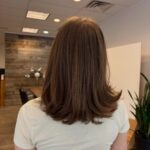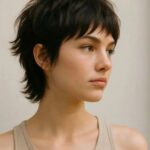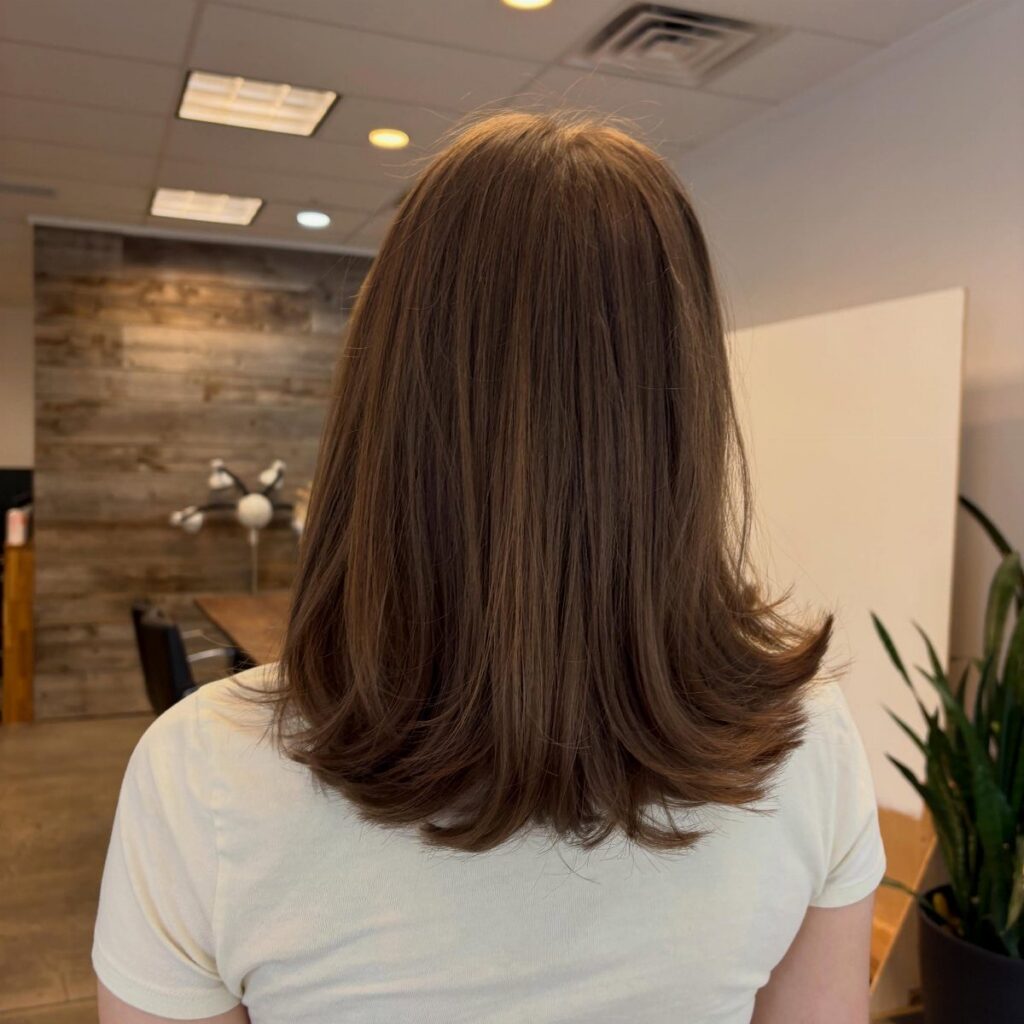
The blunt bob and the angled lob hold a clean perimeter that shows the cut line clearly as it grows, while the soft shag and curly shag scatter layers through the length to build volume and reduce weight.
If your hair is straight or slightly wavy and you want a polished, low-maintenance look that needs minimal styling each morning, a one-length or textured lob works.
Type 2C to 3C hair holds the shag structure especially well, and the cut keeps its movement even as it grows past the original length.
1. Blunt Bob
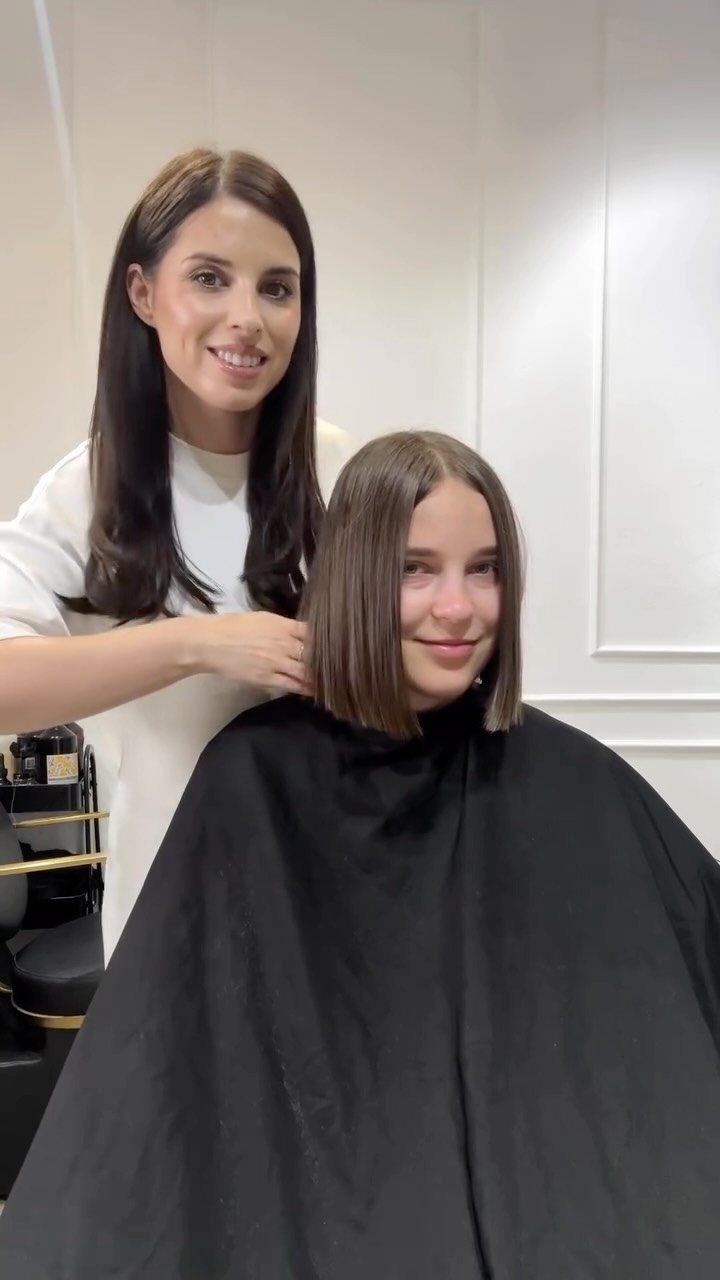
A chin-length bob cut to a single, even line all the way around. The blunt perimeter makes hair look fuller and holds the shape clearly as it grows, though split ends show faster than they would on a layered cut.
Ask for a one-length bob at your preferred length and specify whether you want it to sit above, at, or just below the chin.
It works on straight and wavy textures; curly hair will bounce shorter than the cutting line suggests, so go longer than you think you need.
2. Sleek Straight
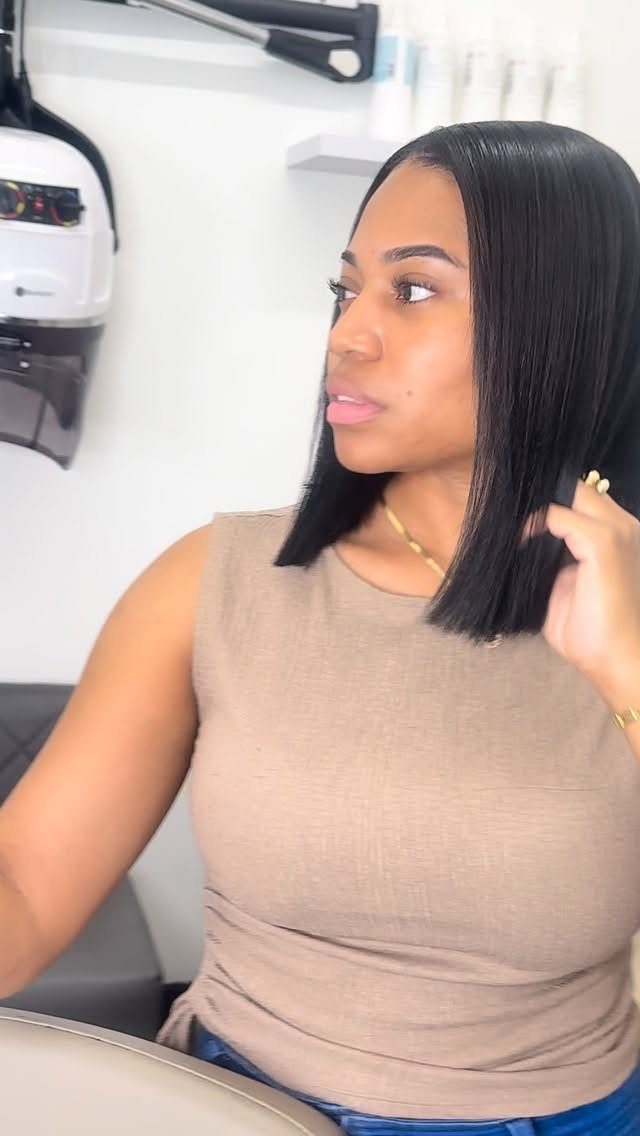
This is hair brought perfectly flat with heat, parted down the middle or just to one side.
The polished surface catches light and shows the cut line clearly, so this look depends on fresh ends and works best on hair without much natural texture fighting the straightener.
A paddle brush and a dryer with a concentrator nozzle will get most of the way there.
For the glass-smooth finish you see in salons, add a flat iron on low heat after the blowout and finish with a lightweight serum on the lengths only.
3. Soft Bends
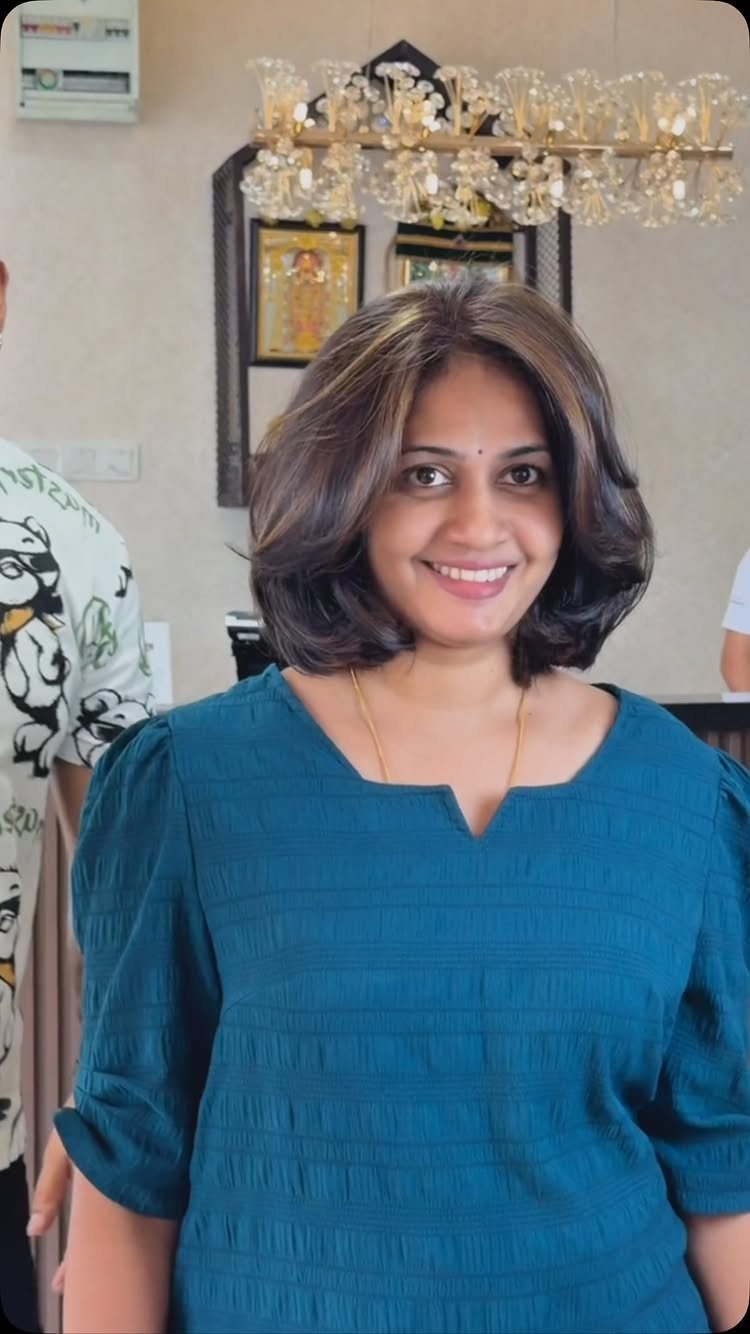
Loose, irregular curves through shoulder-length hair, softer than waves and less structured than curls. The bends form from a large-barrel curling iron or a round brush during the blowout, then brushed through once to break them up.
This style suits straight or slightly wavy hair that needs a little movement without committing to a full wave pattern.
It air-dries without frizz and stays soft through the day, but the shape fades faster than tighter curls, so plan to redo it often if you want the bends to last.
4. Wavy Lob
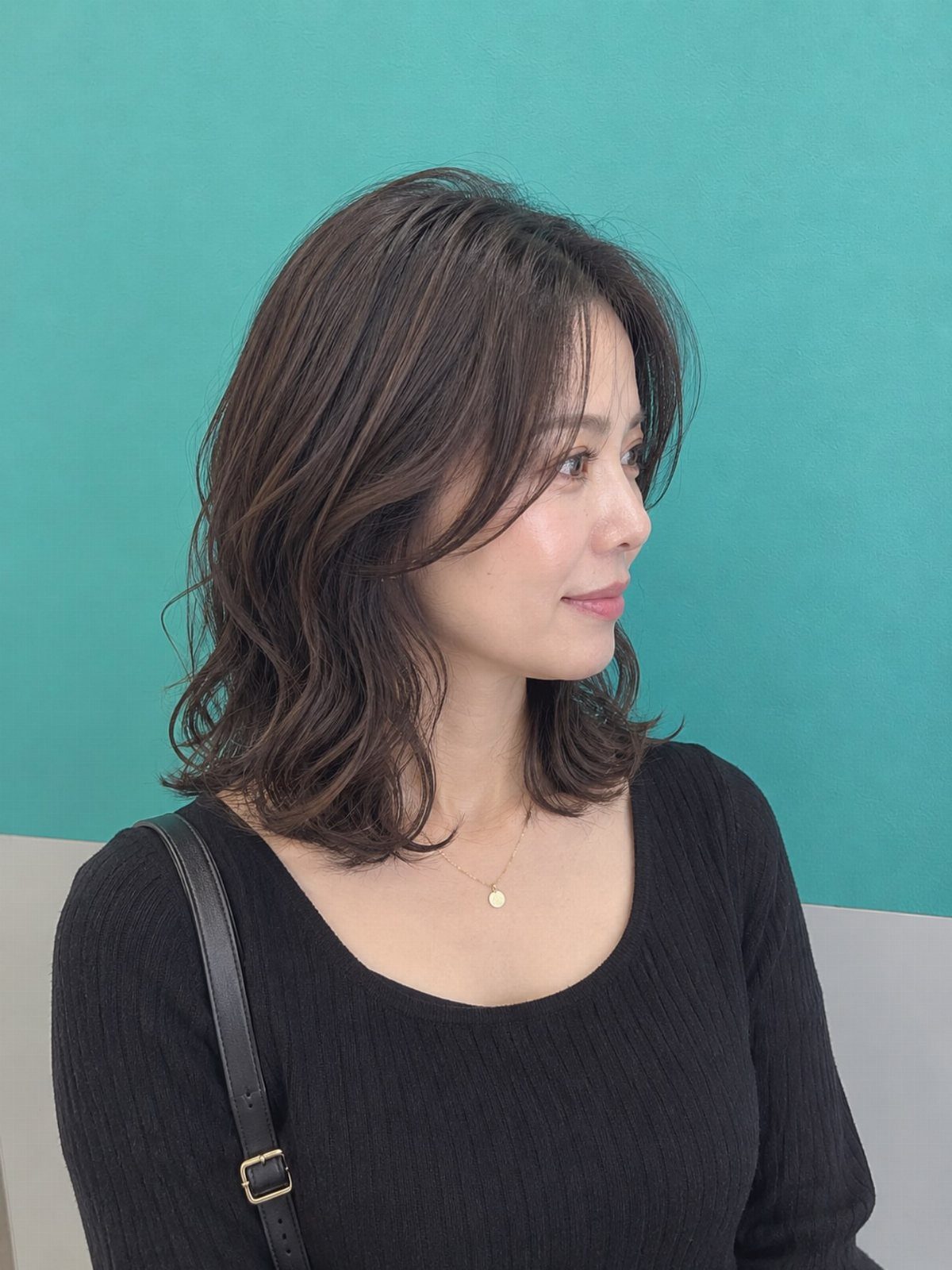
A long bob styled with loose, relaxed waves that give texture and volume without looking overdone.
The waves sit best on hair cut between the collarbone and shoulders, long enough to show the movement but short enough that the ends still hold their shape.
Use a 1- to 1.25-inch curling iron or wand, wrap sections loosely, and skip the last inch of hair so the ends stay straight.
Shake it out with your fingers instead of brushing, and finish with a light texturizing spray if the waves need grip.
5. Natural Waves
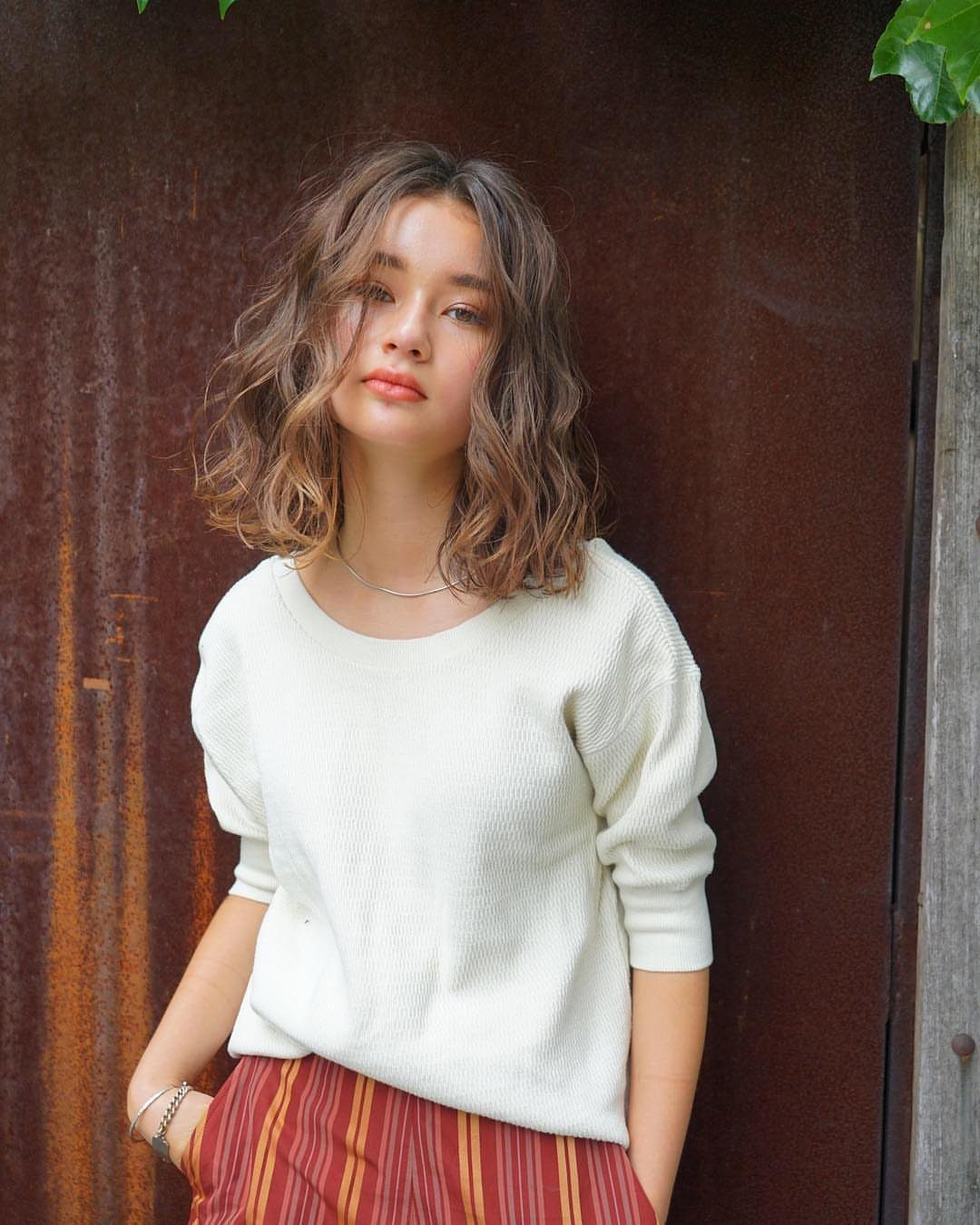
Shoulder-length hair cut to let naturally wavy texture do most of the work. Layers are minimal or absent, so the waves form their own pattern without needing heat tools or much product.
This cut suits type 2A to 2C hair that already holds a wave when left alone.
Wash, apply a light leave-in or curl cream to damp hair, scrunch once, and let it air-dry. The low effort is the point, and it grows out without losing its shape or turning into a project.
6. Side-Swept Layers
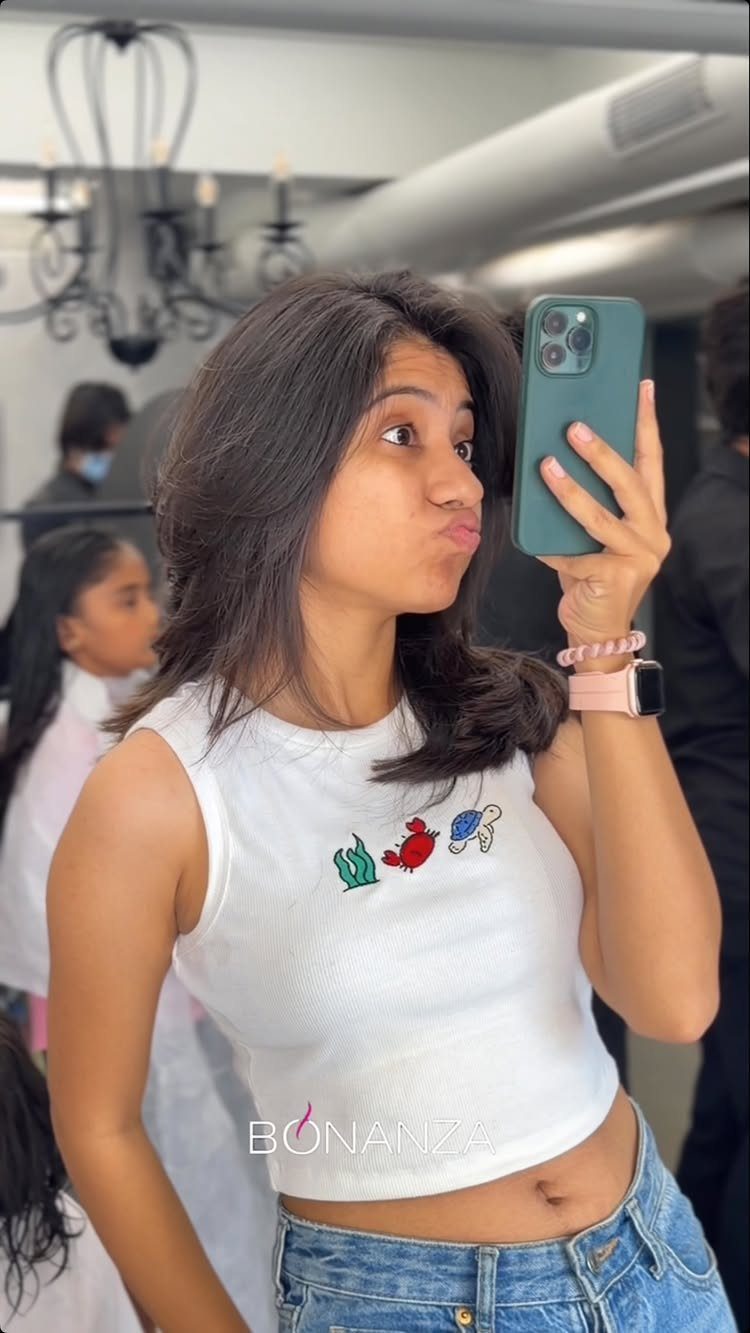
Long layers that start around the cheekbone or jawline and fall across one side of the face from a deep side part.
The layers frame the face without shortening the overall length, and the side part keeps the weight visibly asymmetric.
Part hair on the side that feels natural, usually following your cowlick if you have one.
Blow-dry the front sections forward and across your face with a round brush to build volume at the root, then let the rest fall where it wants to. This look suits oblong and square face shapes by softening angles.
7. Curtain Bangs
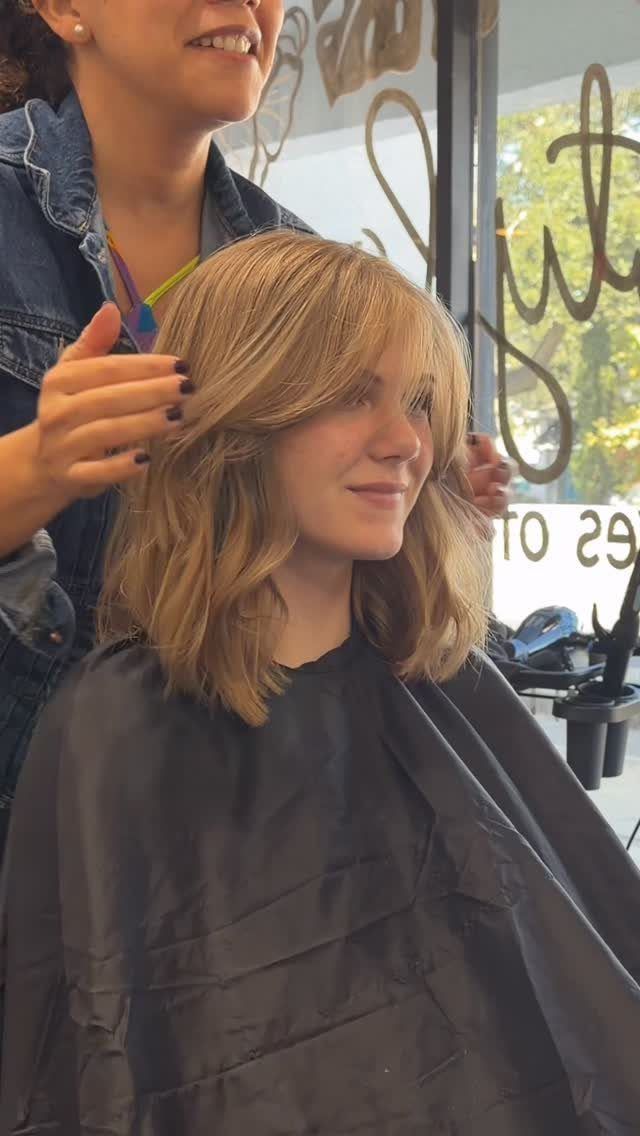
A center-parted fringe that splits and sweeps to either side, framing the face from the cheekbones down.
The bangs sit longest at the outer edges and shortest at the part, creating a soft curtain effect that grows out without an awkward stage.
Ask for curtain bangs cut to cheekbone or jaw length, depending on how much coverage you want. They suit most face shapes and work on straight or wavy hair.
Style with a round brush, rolling the bangs away from your face as you dry them, or use a curling iron to add a slight bend that keeps them off your forehead.
8. Soft Shag
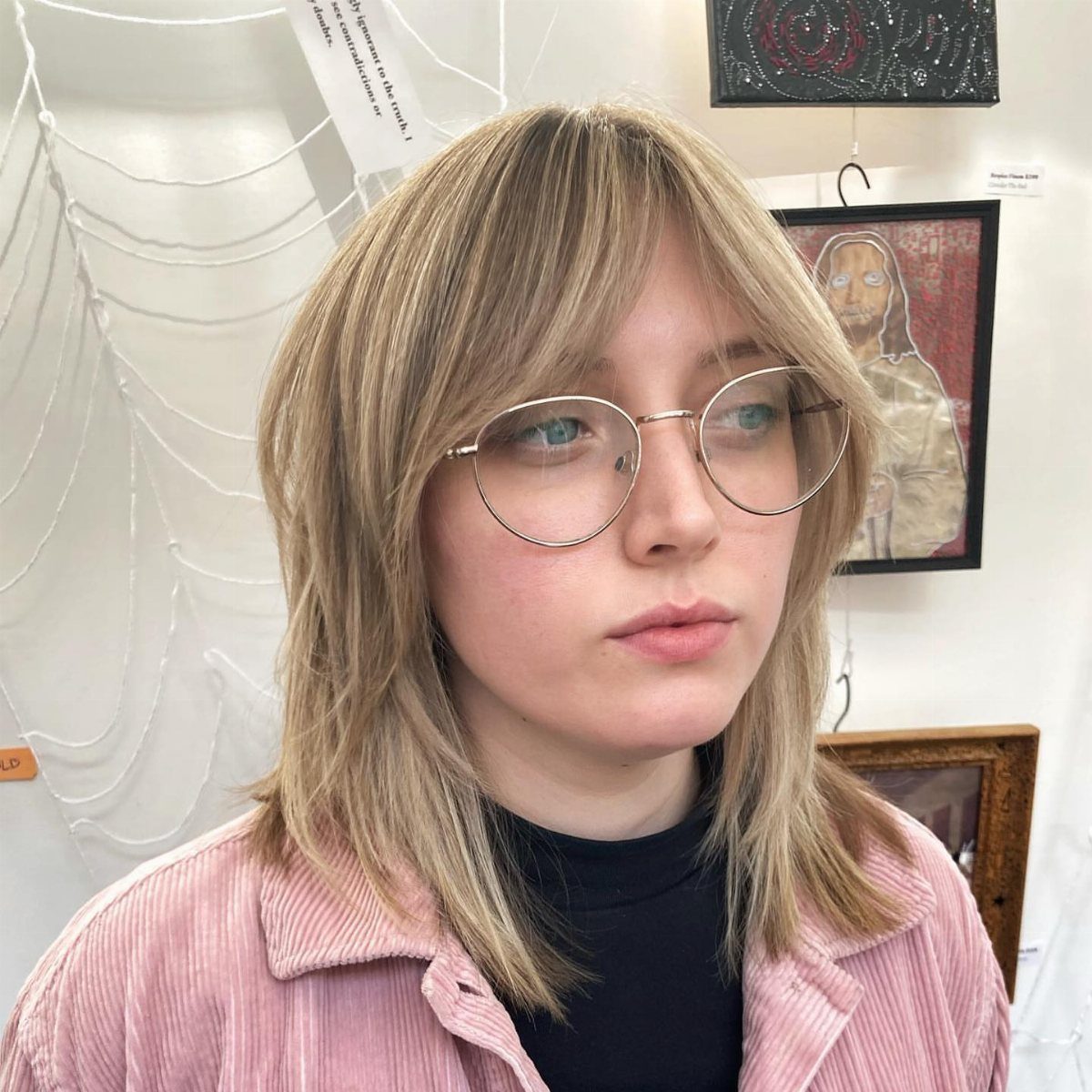
Layers scattered through shoulder-length hair to create texture and movement without the choppy, high-contrast look of a traditional shag. The layers are softer, the ends less jagged, and the overall effect reads as lived-in rather than deliberate.
This cut suits fine to medium hair that needs volume and works on straight or wavy textures.
The layers mean less weight, so hair dries faster and holds a style longer. It grows out gently, but the lighter ends also show damage sooner, so regular trims keep it looking soft instead of stringy.
9. Angled Lob
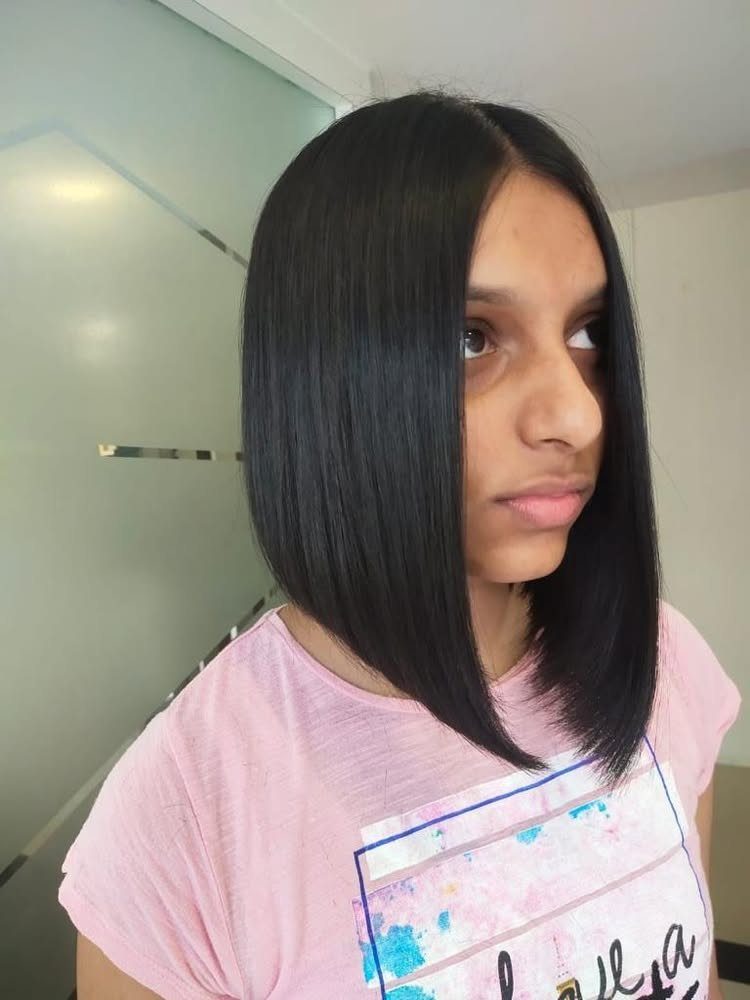
A long bob cut shorter in the back and longer toward the front, creating a visible diagonal line when viewed from the side.
The angle draws attention forward and elongates the neck, making it a flattering option for round or square face shapes.
The difference between the shortest and longest point is enough to see the angle but not so much that the back looks disconnected from the front.
It works on straight hair, where the line stays sharp, and on wavy hair, where the graduation adds softness. Style it sleek to show the angle or add texture to keep it casual.
10. Deep Side Bangs
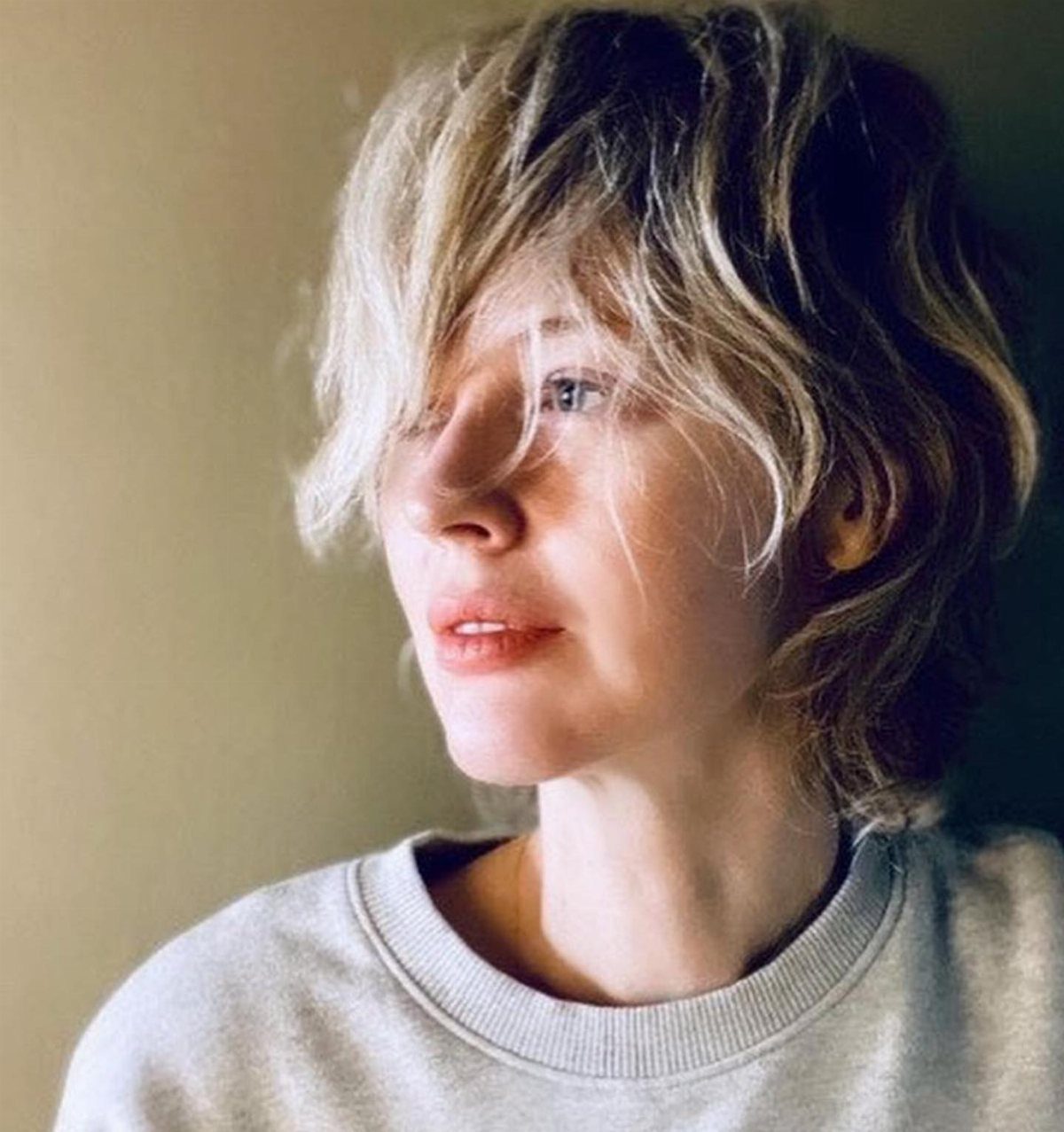
A heavy side part paired with long bangs swept across the forehead and tucked behind one ear. The asymmetry adds drama and suits oval or heart-shaped faces by balancing a narrower chin.
Part hair as far to one side as it will comfortably sit. The bangs should reach past your eyebrow on the heavy side and taper to cheekbone length as they sweep across.
Blow-dry them in the direction they’ll fall, using a round brush to lift at the root, and finish with a light hold spray to keep the part in place.
11. Face-Framing Layers
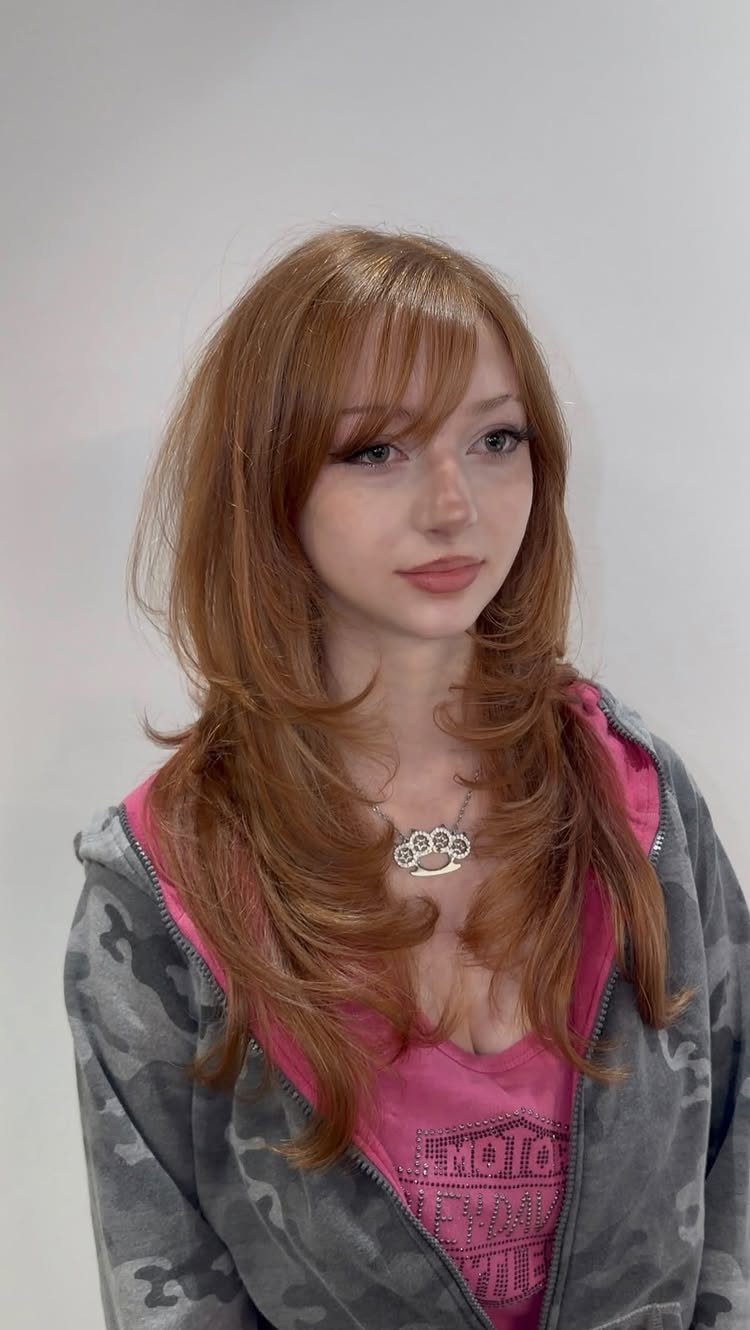
Layers cut to fall around the face, starting anywhere from the cheekbone to the collarbone, while the back stays longer and more uniform. The shorter front pieces draw the eye inward and add dimension without requiring a full layered cut.
This technique suits women who want movement near the face but prefer to keep length and weight in the back.
Face-framing layers work on all textures and can be styled smooth, wavy, or curly depending on what the rest of your hair is doing.
12. Rounded Layers
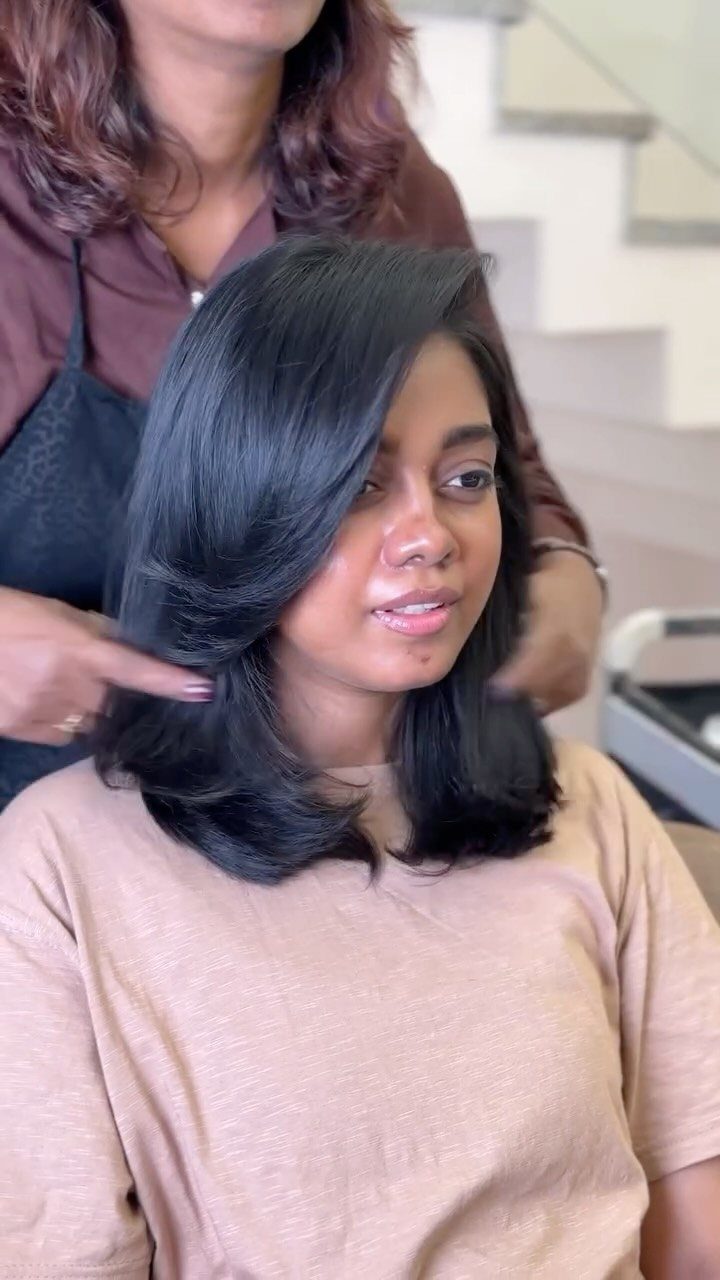
Graduated layers cut to create a rounded, voluminous shape rather than a flat or angular silhouette. The layers are stacked or beveled through the interior, lifting the hair away from the head and adding fullness at the crown and sides.
The rounded shape holds even as hair grows, though regular trims maintain the lift. Style with a round brush and blow-dryer, rolling sections up and away from the scalp to emphasize the curve.
13. Feathered Ends
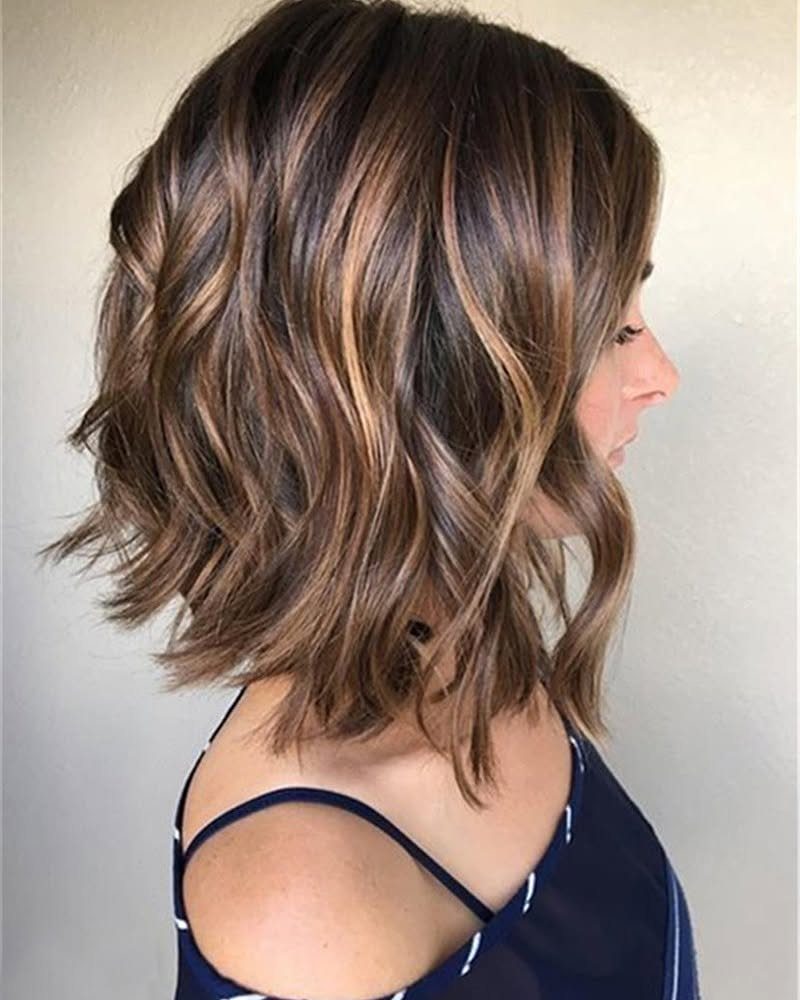
The ends are point-cut or razored to thin gradually rather than stopping at a blunt line, creating soft, textured tips that move easily and catch light without looking choppy.
Feathering works on straight or wavy hair and suits anyone who wants a lighter perimeter without committing to full layers.
Ask for feathered or textured ends when you book the trim.
The technique removes weight and makes hair feel less heavy at the bottom, but the tapered tips can look wispy if they’re dry or damaged, so condition the ends and keep up with regular trims.
14. Curly Haircut
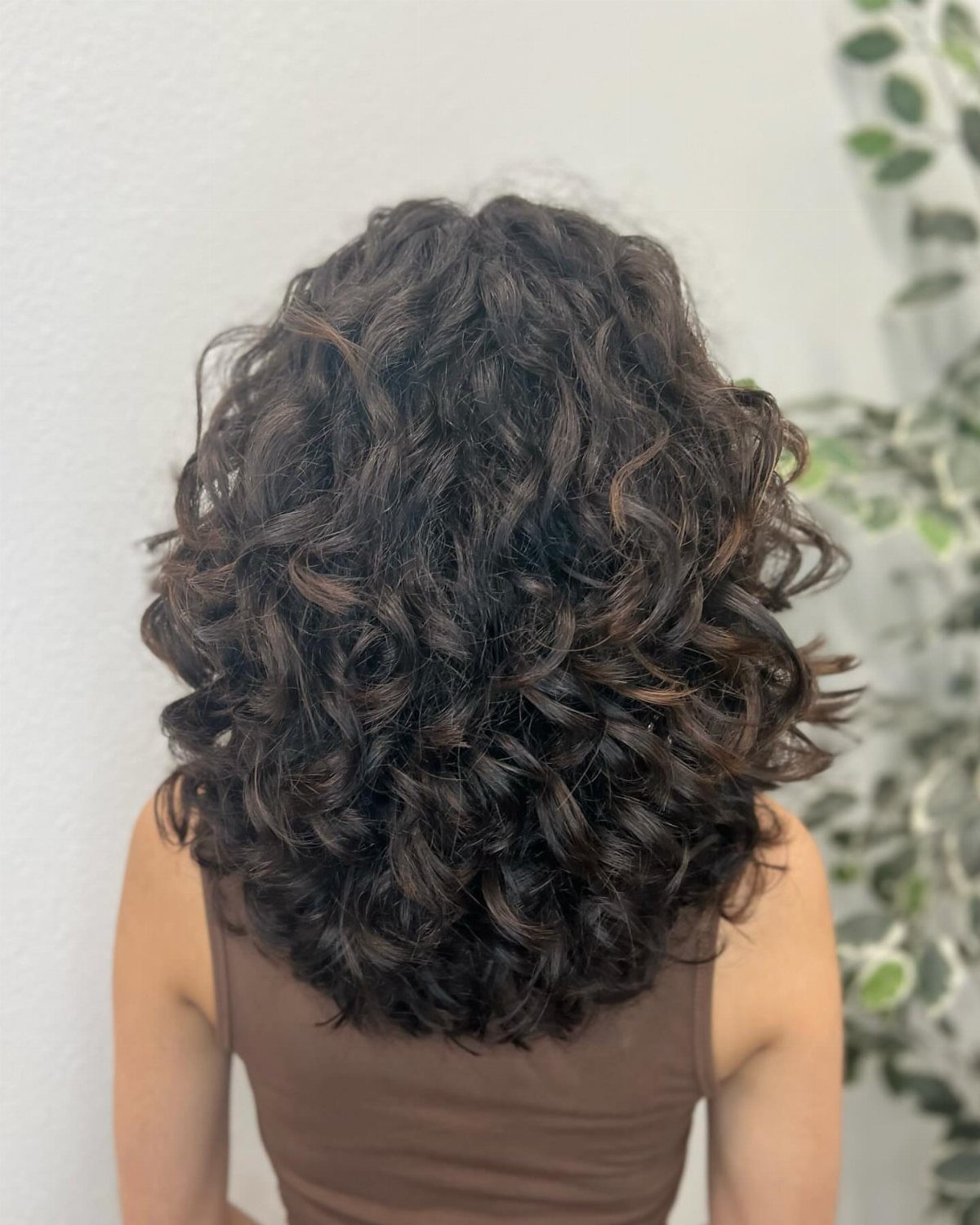
Layers cut to follow the natural curl pattern, removing bulk where curls stack and adding shape without stretching the hair straight first.
The cut is done on dry hair so the stylist can see where each curl sits and how much it will spring when released.
This approach suits type 3A to 4C hair and prevents the triangle shape that happens when curly hair is cut wet and shrinks unevenly.
The layers make curls lighter and more defined, and the style holds its shape as it grows without needing frequent trims.
15. French Curl Lob
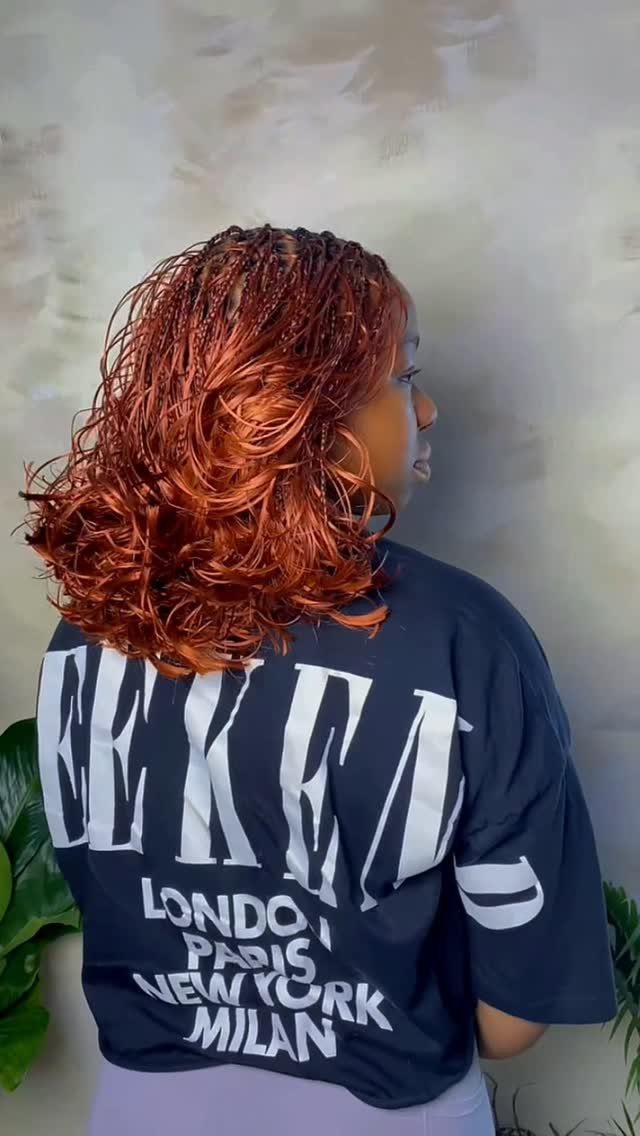
Individual braids wrapped close to the scalp and finished with curled synthetic hair that falls to shoulder length.
The curls add texture and volume at the ends while the braided base keeps tension off the scalp and protects natural hair underneath.
Wrap the curls at night to preserve the shape and apply a light oil to the scalp every few days. Removal is gentle and leaves natural hair intact, making it a low-manipulation option during growth phases or seasonal transitions.
16. Layered Lob
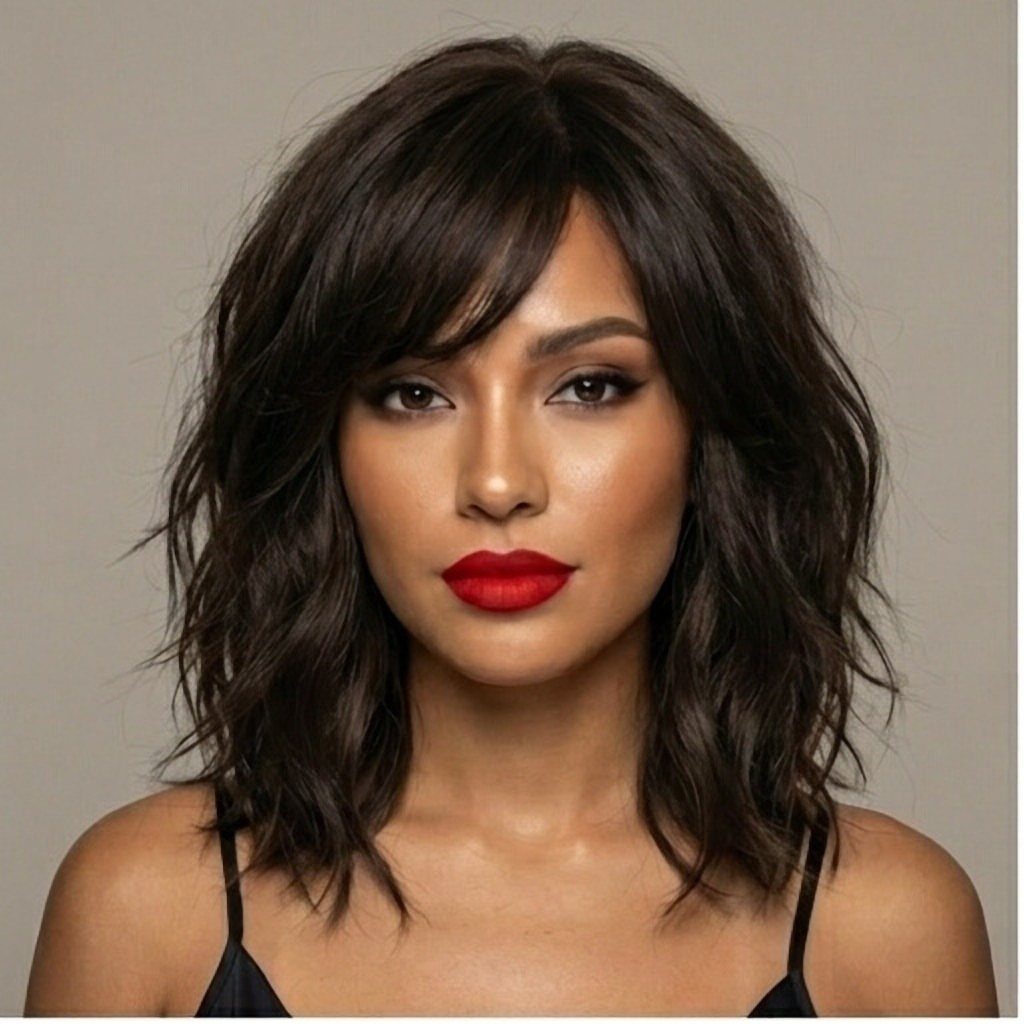
Layers cut through a long bob to add movement without losing the clean perimeter that defines the style.
The layers can be subtle, adding just enough texture to keep hair from sitting flat, or more pronounced to create volume around the face and crown.
The layers dry faster than a one-length lob and hold a style longer, but they also mean more frequent trims to keep the ends from looking thin or disconnected.
17. Long Layers
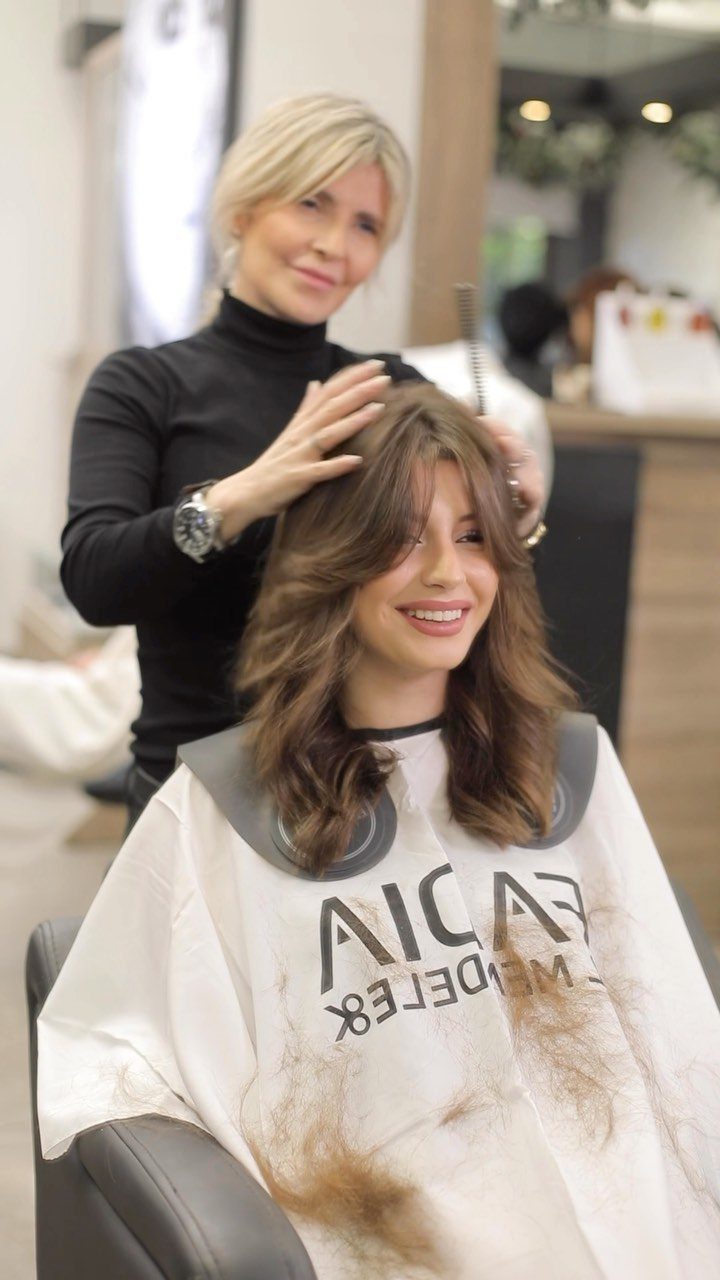
Layers that start several inches below the chin and graduate gently through the length, adding movement and reducing weight without creating visible steps or gaps.
The longest layer sits close to the overall length, so the cut still reads as long hair from the back.
This technique suits thick or heavy hair that needs to feel lighter and move more freely.
The subtle graduation makes styling easier and prevents the bottom from looking bulky, but the layers are spaced far enough apart that the cut doesn’t require constant maintenance to stay blended.
18. Curly Shag
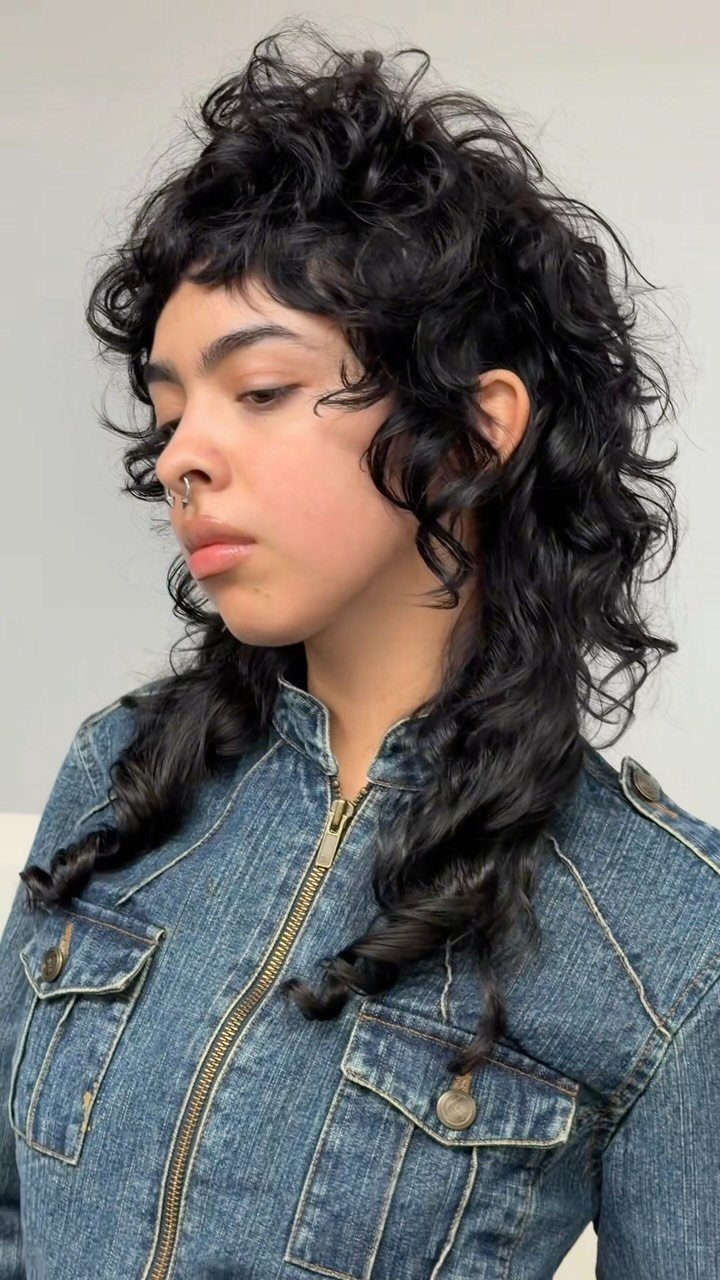
Short, textured layers cut through curly hair to create a shaggy, voluminous shape with fringe at the forehead and longer pieces around the face.
The layers are cut dry and shaped to follow the curl pattern, so each section springs into place without needing heat or product to hold it.
This cut suits type 2C to 3C hair and works best on women who want a high-volume, low-effort style that air-dries into shape.
The fringe adds coverage and the layers reduce weight, but the shorter pieces around the face need regular trimming to keep the shape from growing out unevenly.
19. Rounded Cut
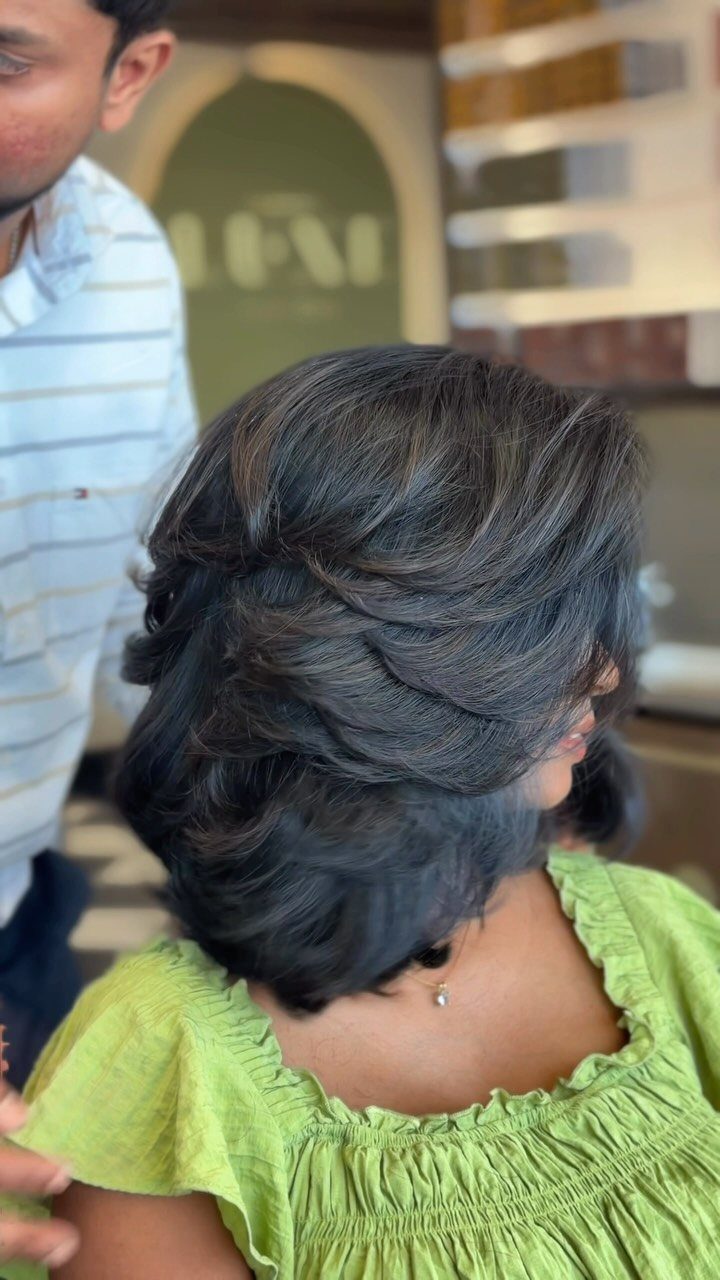
The hair is cut and styled to form a curved silhouette, with fullness concentrated through the mid-lengths and ends that turn under rather than flipping out or hanging straight. The shape adds volume without stacking layers high on the crown.
Blow-dry with a large round brush, rolling sections under as you work from roots to ends.
The curve holds best on straight to slightly wavy hair and suits women who want a polished look that feels fuller than a blunt cut without visible layering.
20. Half-Up Style
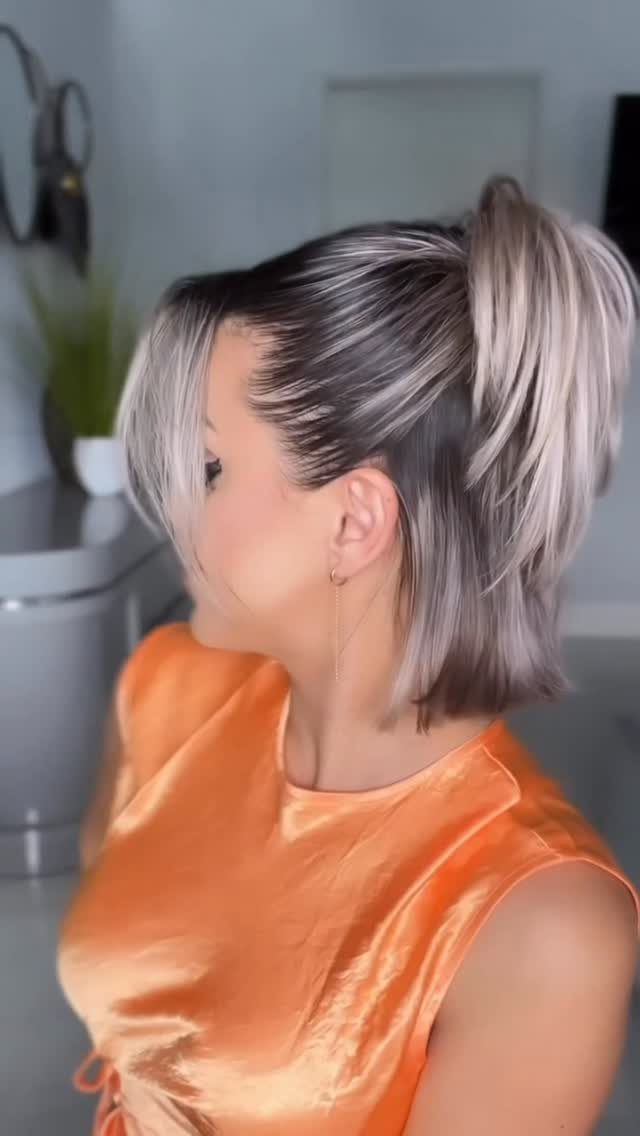
The top section of hair is gathered and secured at the crown or higher, leaving the rest down around the shoulders.
The style keeps hair off the face while showing the full length and works on straight, wavy, or curly textures.
Pull the upper half back with your fingers or a comb, secure it with a tie or clip, and leave the rest loose.
The placement of the tie changes the look: higher for more lift, lower for something casual. Takes under a minute and suits days when you want hair out of your face but still visible.
21. Flipped Ends
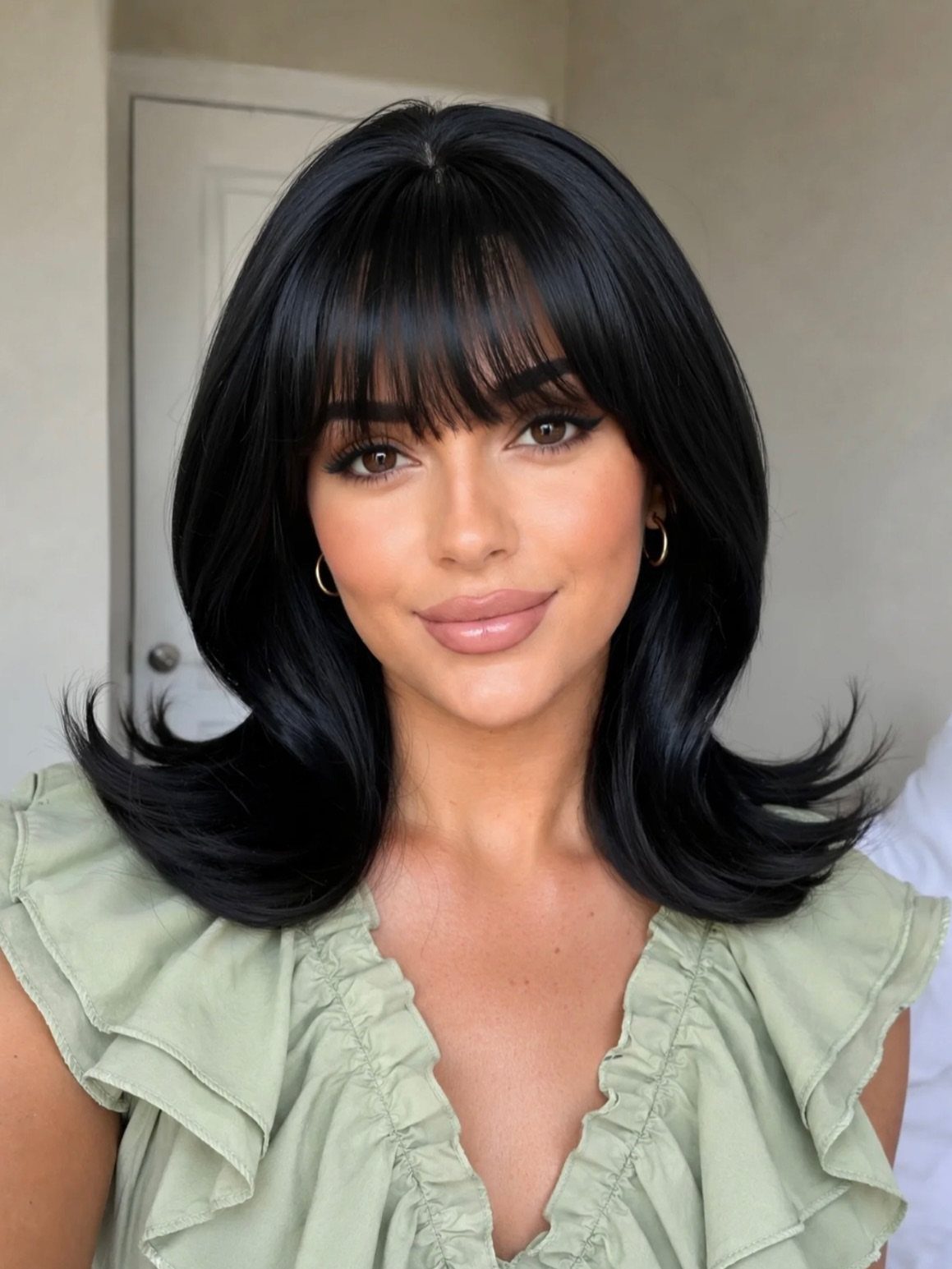
The ends are curled or blown outward, away from the face and neck, creating a retro finish that adds width and movement.
A round brush or curling iron rolled outward at the tips gives the flip, and the style holds longer on straight or slightly wavy hair that takes and keeps a curl.
Blow-dry the ends with the brush rolling away from your head, or wrap them around a curling iron in the opposite direction you’d normally curl.
The flip sits best on hair cut to one length or with minimal layers, where the ends are thick enough to hold the shape without looking thin or stringy.
22. Old Hollywood Waves
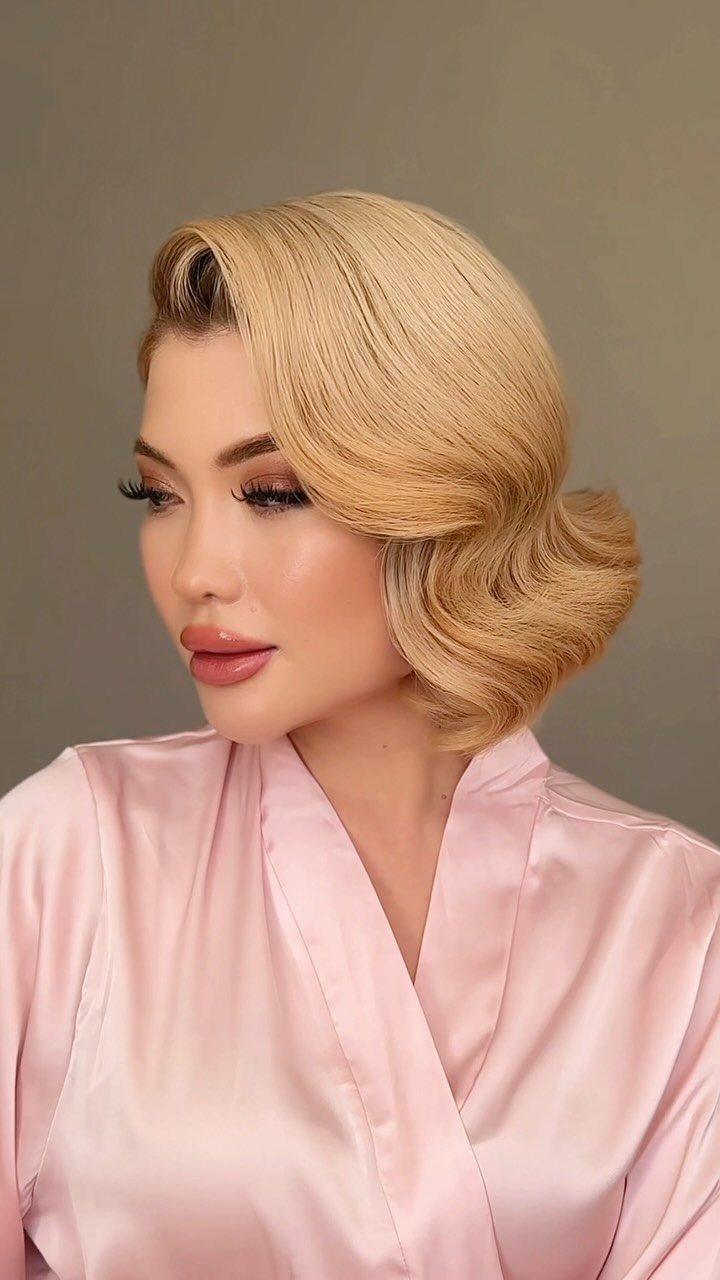
Smooth, glossy curls that sweep across the forehead from a side part, each wave pressed close and deliberate. The waves sit smooth and close to the head, creating a glamorous, formal look that references early Hollywood film.
Set damp hair on large rollers or use a wide-barrel curling iron, then brush through the curls to soften them into waves.
Pin each wave in place with a clip while it cools, then remove the clips and finish with a shine spray or serum. The style takes time and holds best on straight or slightly wavy hair.
23. Voluminous Afro
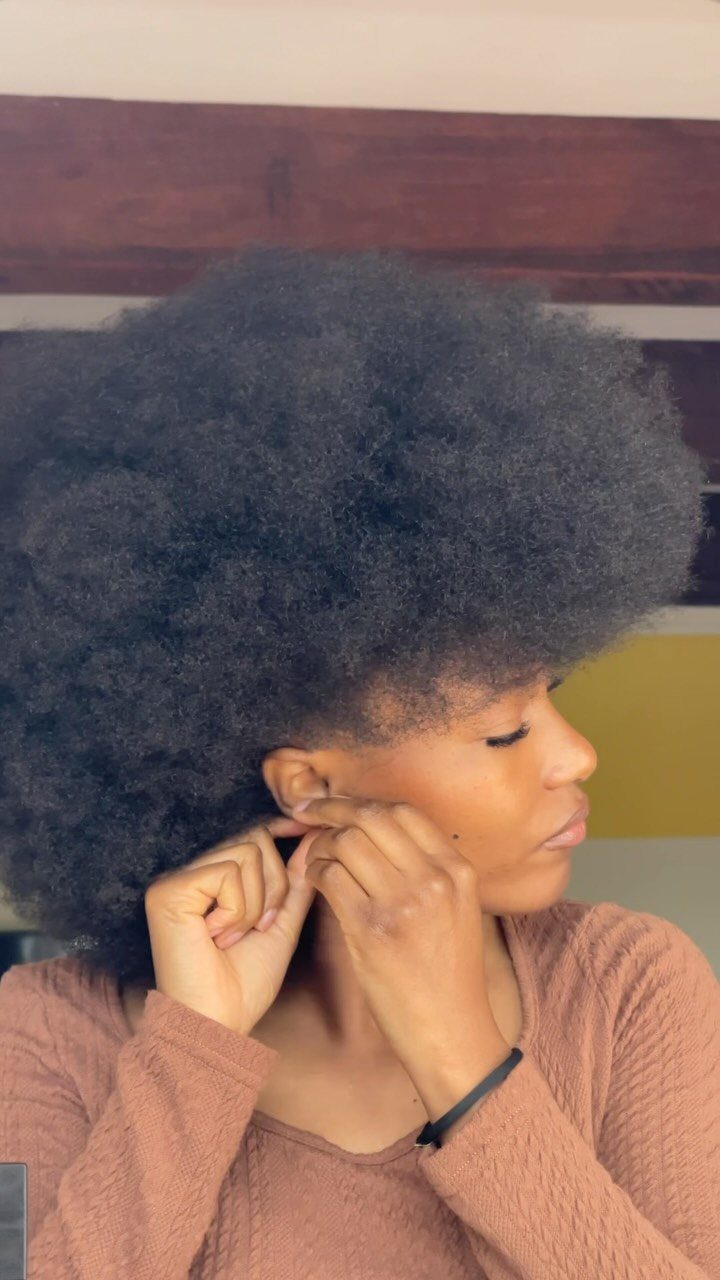
Natural coily or kinky hair worn out in a full, rounded shape that extends to shoulder width or beyond. The volume comes from the hair’s natural texture, stretched or picked out to maximize size and create a symmetrical silhouette.
Wash and condition, then stretch the hair by banding, twisting, or blow-drying on low heat with a comb attachment.
Pick the hair out from the roots to build volume and shape the outline. Maintain the shape by moisturizing regularly and sleeping with a satin bonnet or pillowcase to prevent flattening.
24. Textured Lob
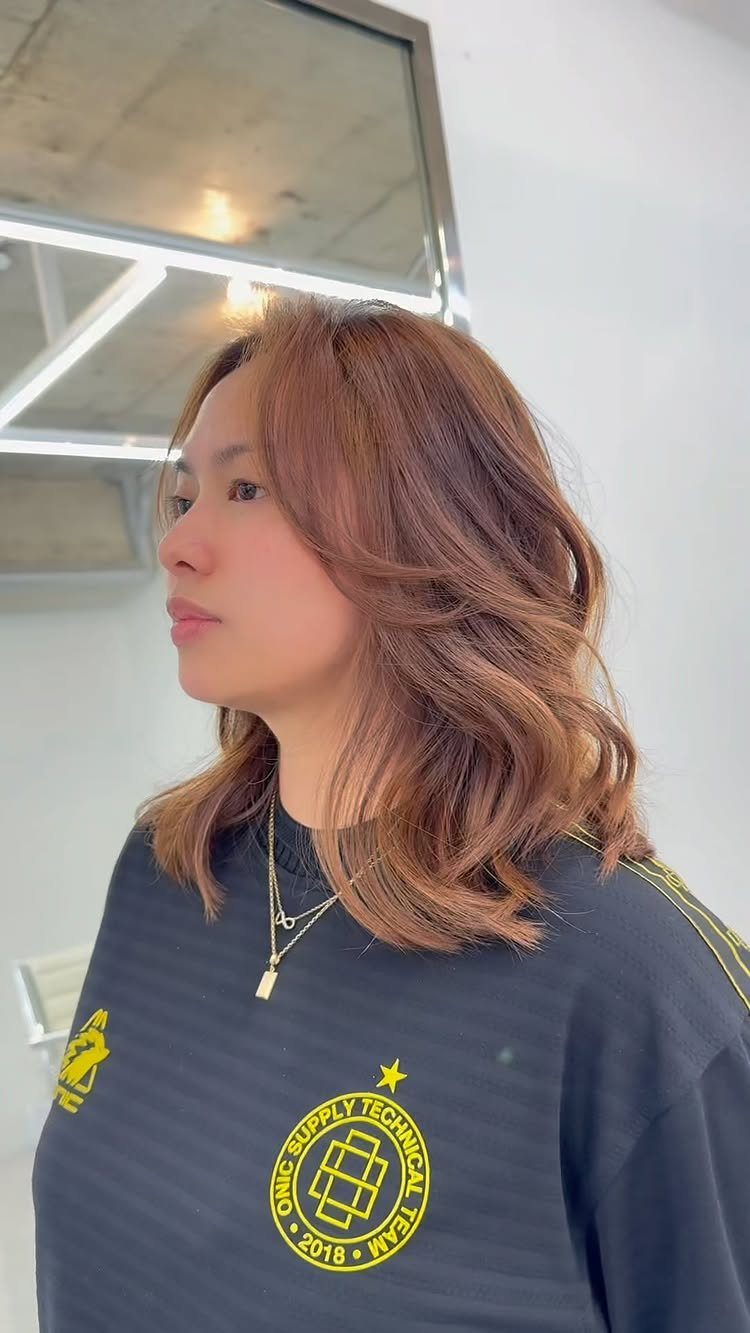
Choppy, irregular ends and internal layering cut with a razor or point-cutting technique to add movement and separation through a long bob. The texture keeps the hair from sitting flat and gives it a casual, piece-y finish.
The cut works on straight or wavy hair and dries with visible texture even without styling. The textured ends mean less weight and faster drying, but they also show damage sooner, so keep up with trims.
25. Wispy Bangs
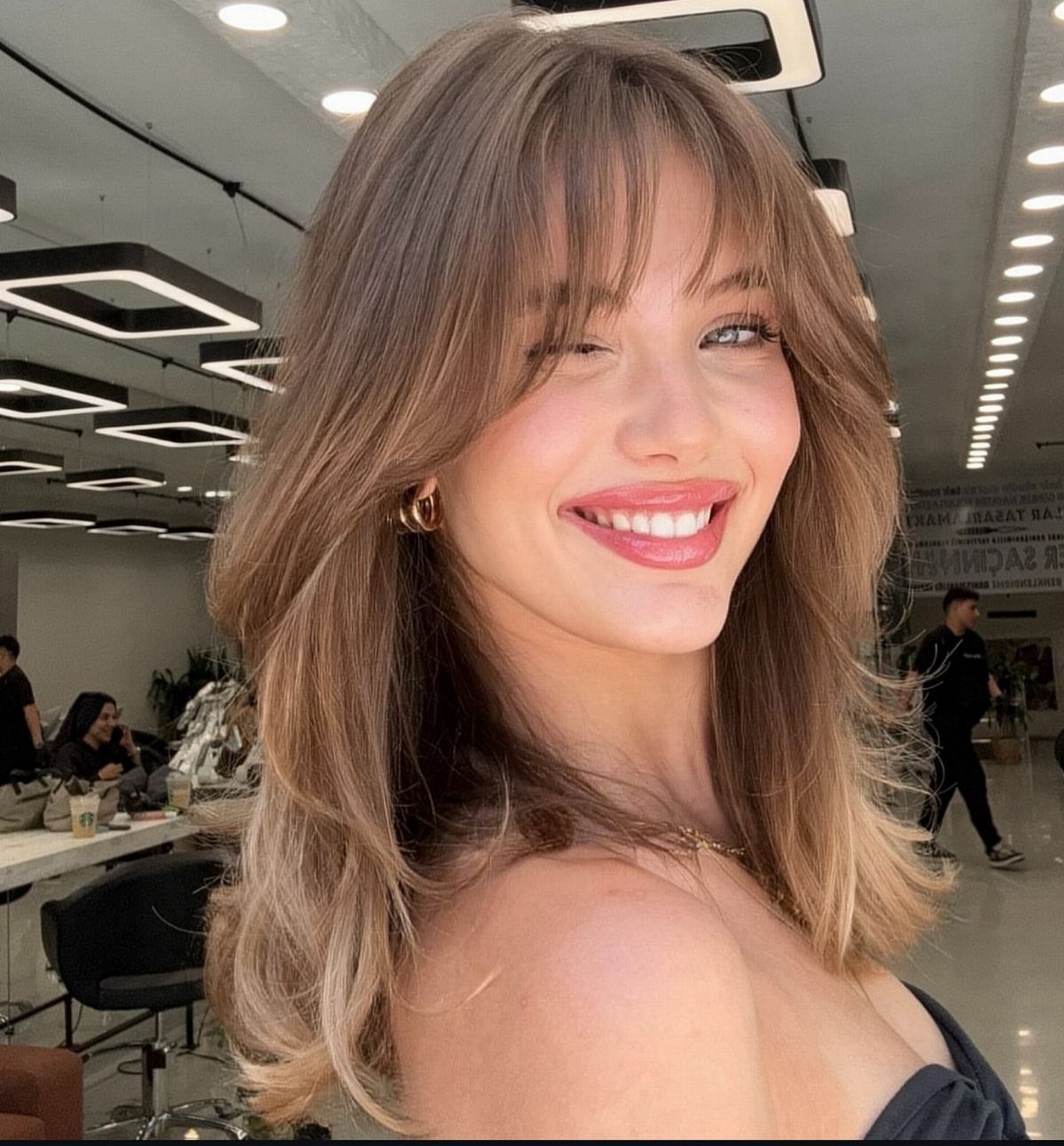
Thin, feathered bangs that sit lightly across the forehead, cut with texture and separation rather than blunt density. The airiness keeps the fringe from feeling heavy and suits women who want bangs without full coverage or a defined line.
Cut them slightly longer than your target length, then point-cut or razor the ends to thin them out.
The wispy texture dries fast and blends easily into longer layers at the sides, but the fine ends show oil and need washing more often than the rest of your hair.
26. Hi-Shine Lob
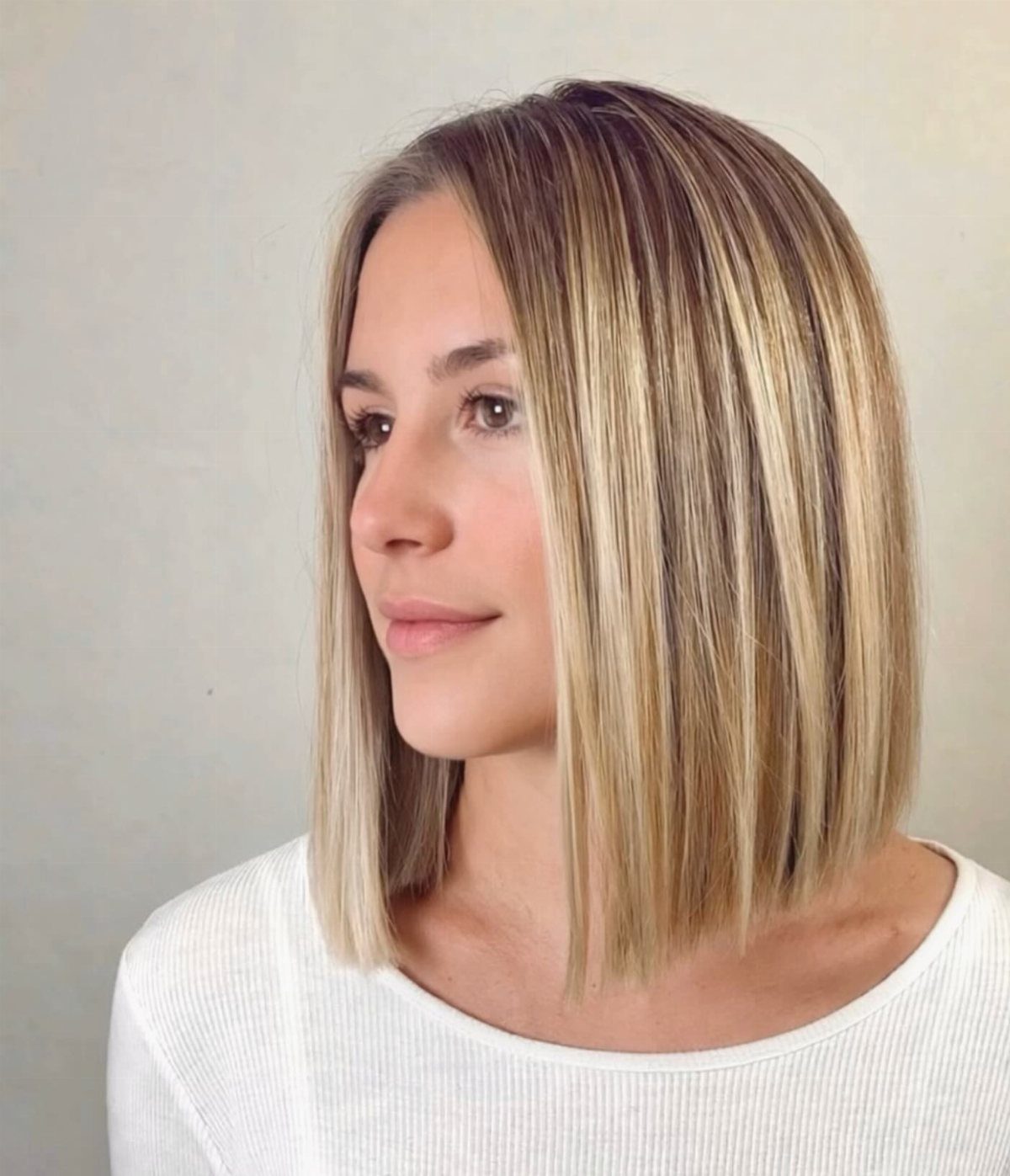
A one-length or blunt lob finished with high-gloss serum or spray to create a reflective, polished surface. The shine emphasizes the clean line and makes the cut look sharp and deliberate.
Blow-dry smooth with a paddle brush, then apply a shine serum from mid-lengths to ends while the hair is still warm.
The finish holds best on straight hair and shows every frizzy piece, so flat-iron any sections that dried with texture and avoid touching the hair once it’s set.
27. The Flip
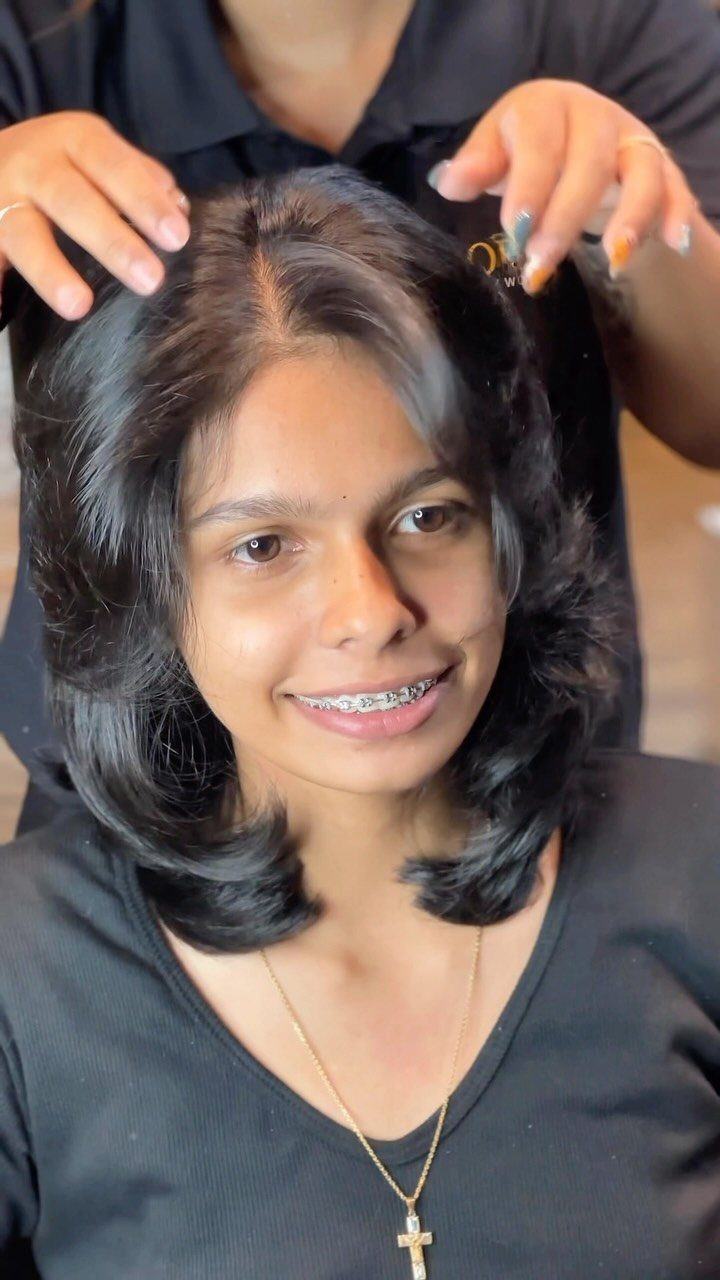
Ends rolled outward with a round brush or curling iron, lifting away from the neck and face to add width and movement.
The flip gives a retro, upbeat look and works on straight or slightly wavy hair that holds a curl.
28. Beachy Waves
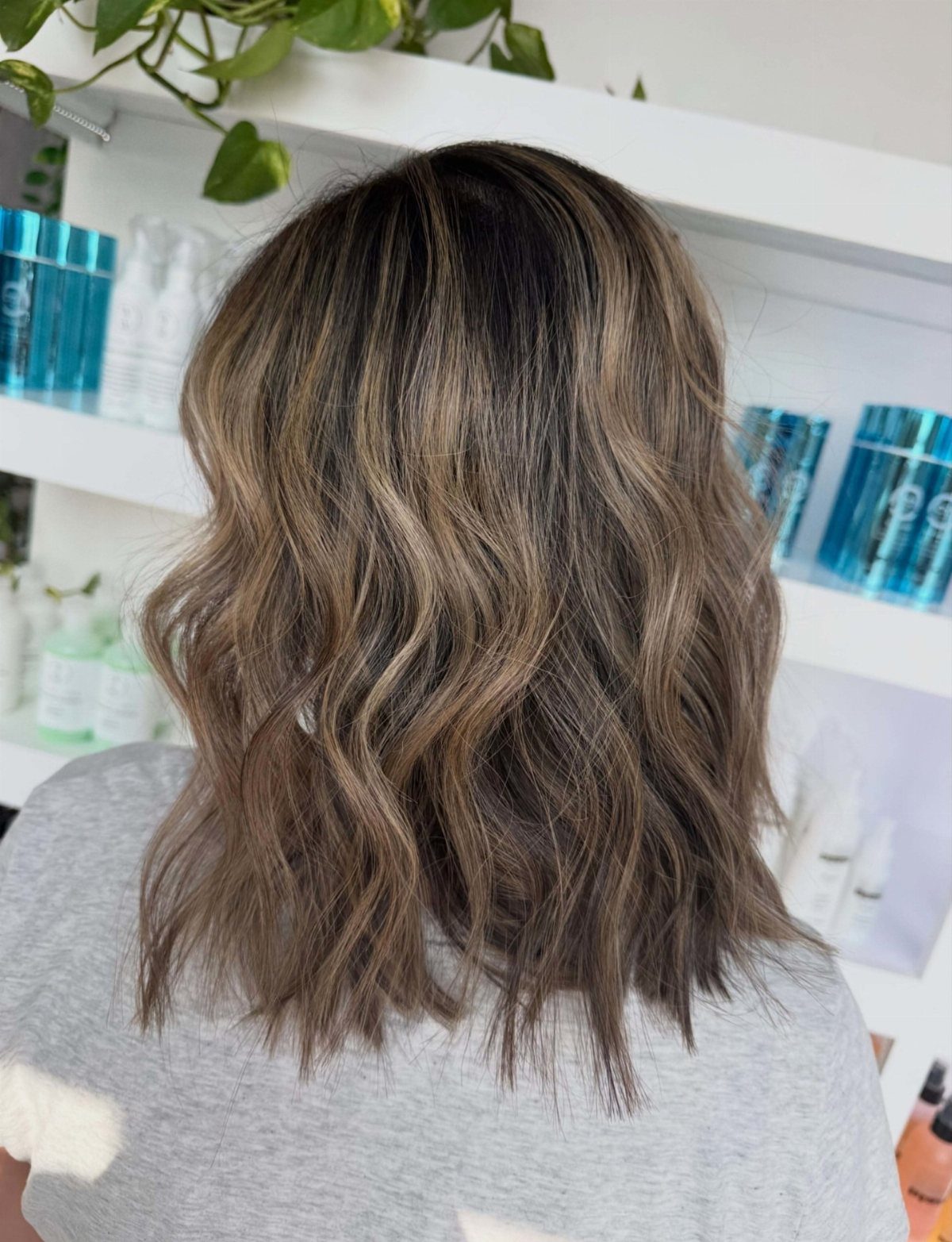
Tousled, slightly messy waves that look casual and undone, as if styled by saltwater and air rather than heat tools. The texture adds movement without polish and suits women who want their hair to look lived-in rather than freshly styled.
Spray damp hair with sea salt spray, scrunch it with your hands, and let it air-dry.
For more control, wrap random sections around a curling iron, skip a few pieces, and finish by breaking up the curls with your fingers. The waves loosen through the day and look better slightly imperfect.
29. Blowout
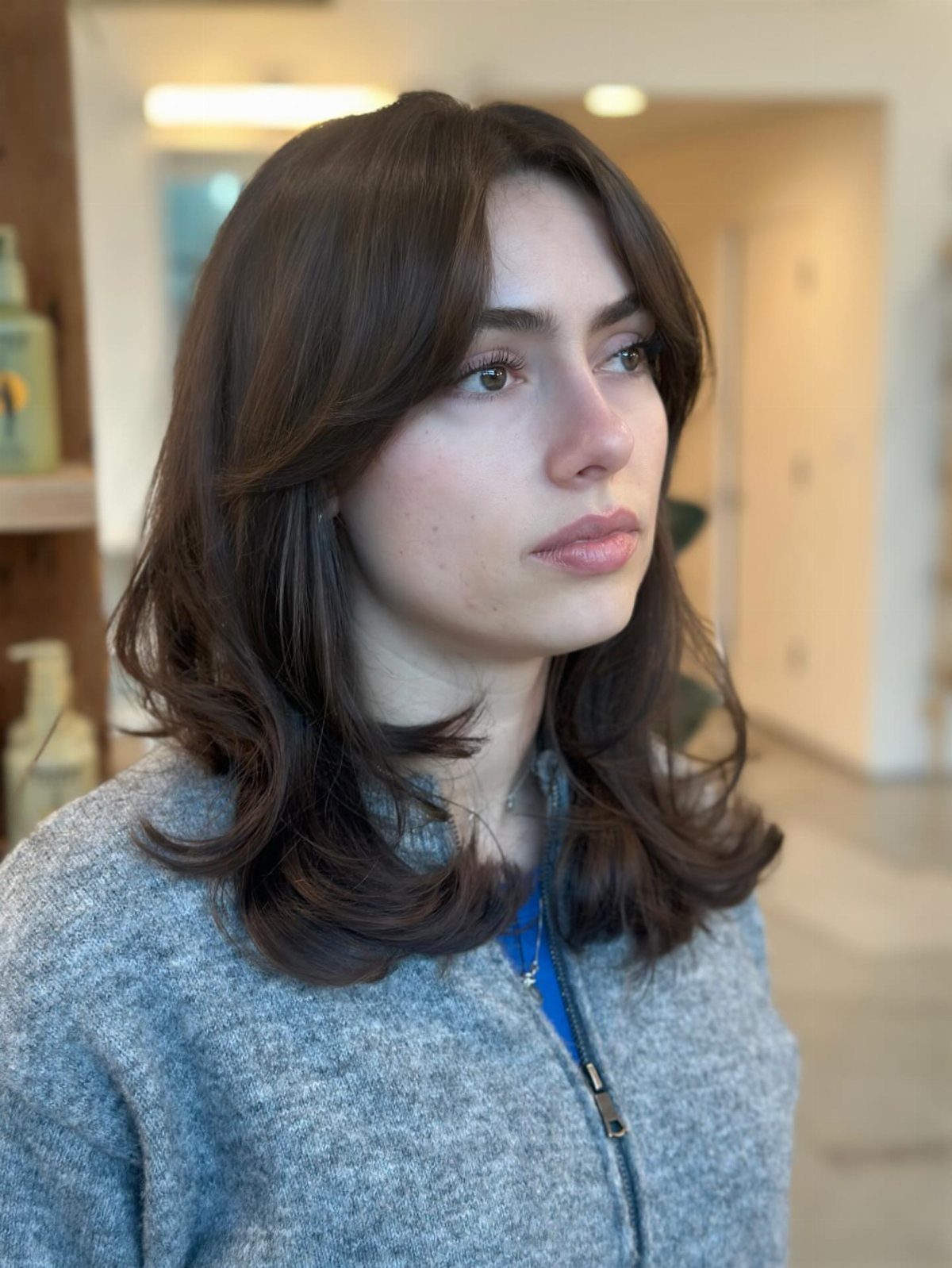
Hair dried smooth with a round brush to add volume at the roots and a polished curve at the ends. The style feels fuller and bouncier than air-dried hair and sits sleek without looking flat.
The lift holds longer if you let each section cool before releasing it, and a finishing spray keeps the shape from falling through the day.
30. Defined Coils
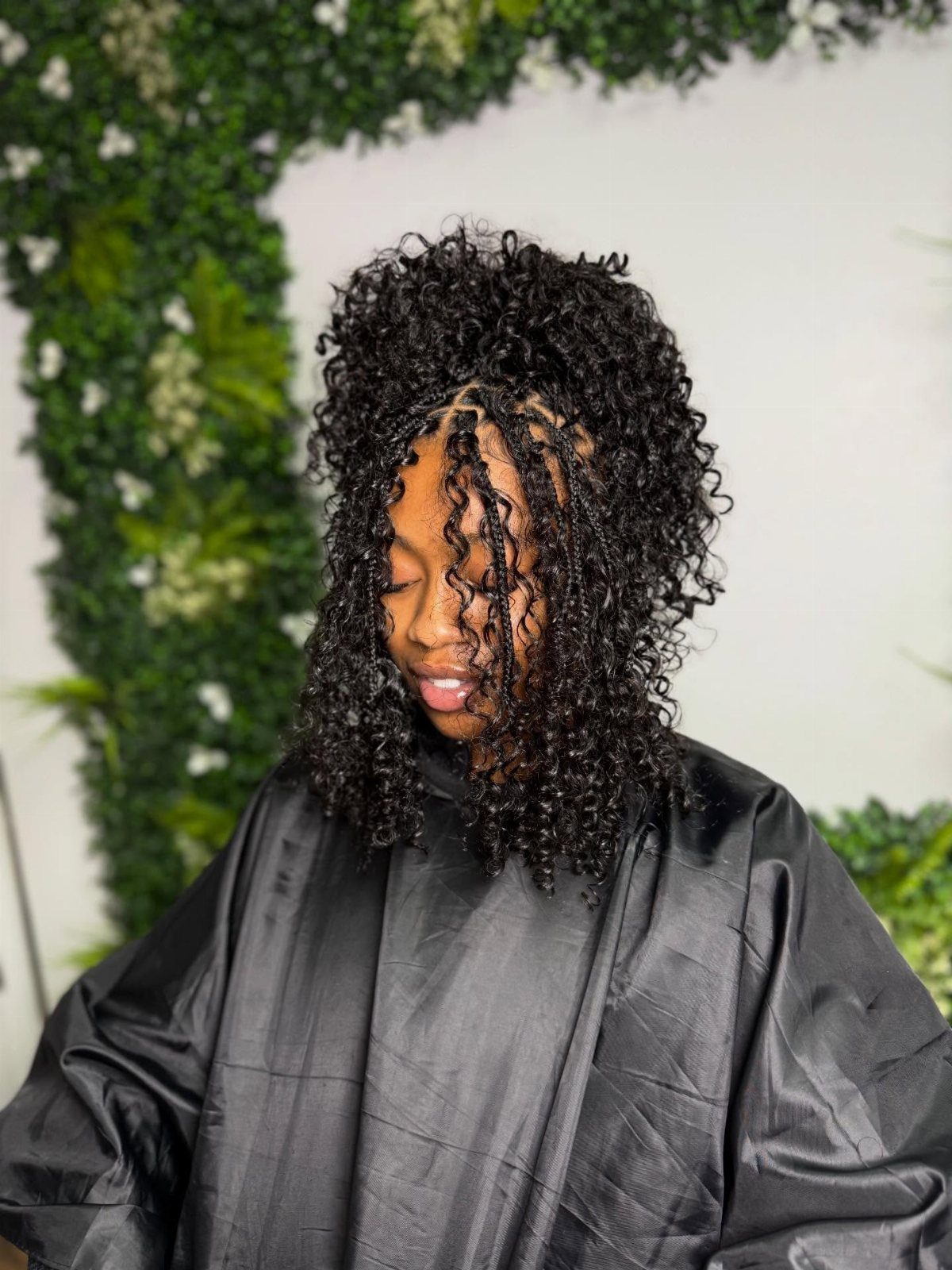
Shoulder-length coils shaped and separated with styling cream or gel to form a full, even silhouette with each curl visible and springy. The curls keep their shape, look fuller, and stay smooth instead of fuzzy.
Apply a curl-defining cream or gel to damp hair in sections, then finger-coil or rake through each section to encourage the coils to form.
Let it air-dry or use a diffuser on low heat. The style holds for several days and can be refreshed with water and a light product between washes.
31. Wet Hair Effect
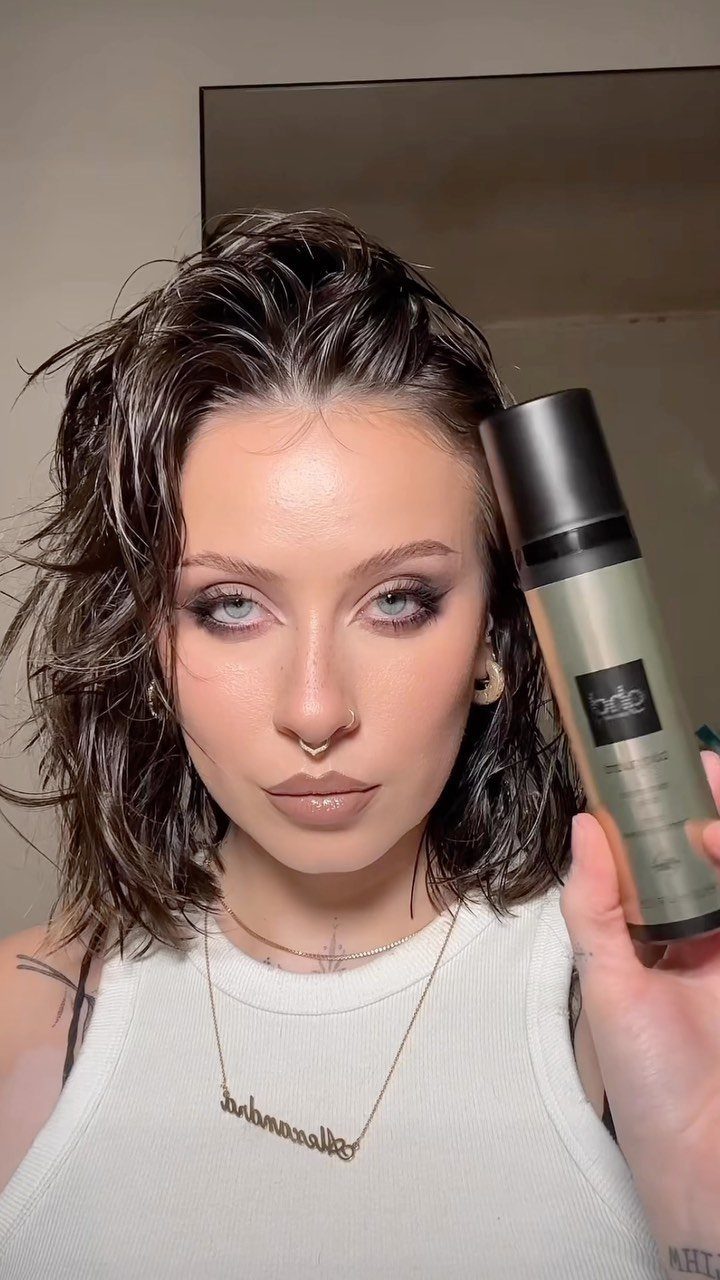
Hair slicked back at the roots with gel or styling cream, then left to wave naturally through the mid-lengths and ends. The contrast between the glossy, controlled top section and the loose texture below gives the look its shape.
Apply gel or a wet-look serum to damp hair at the crown and temples, combing it back smooth, then let the rest air-dry or blow-dry without smoothing out the waves.
The slicked portion needs enough product to stay shiny through the day, but too much makes it look greasy rather than styled.
32. Braided Side Part
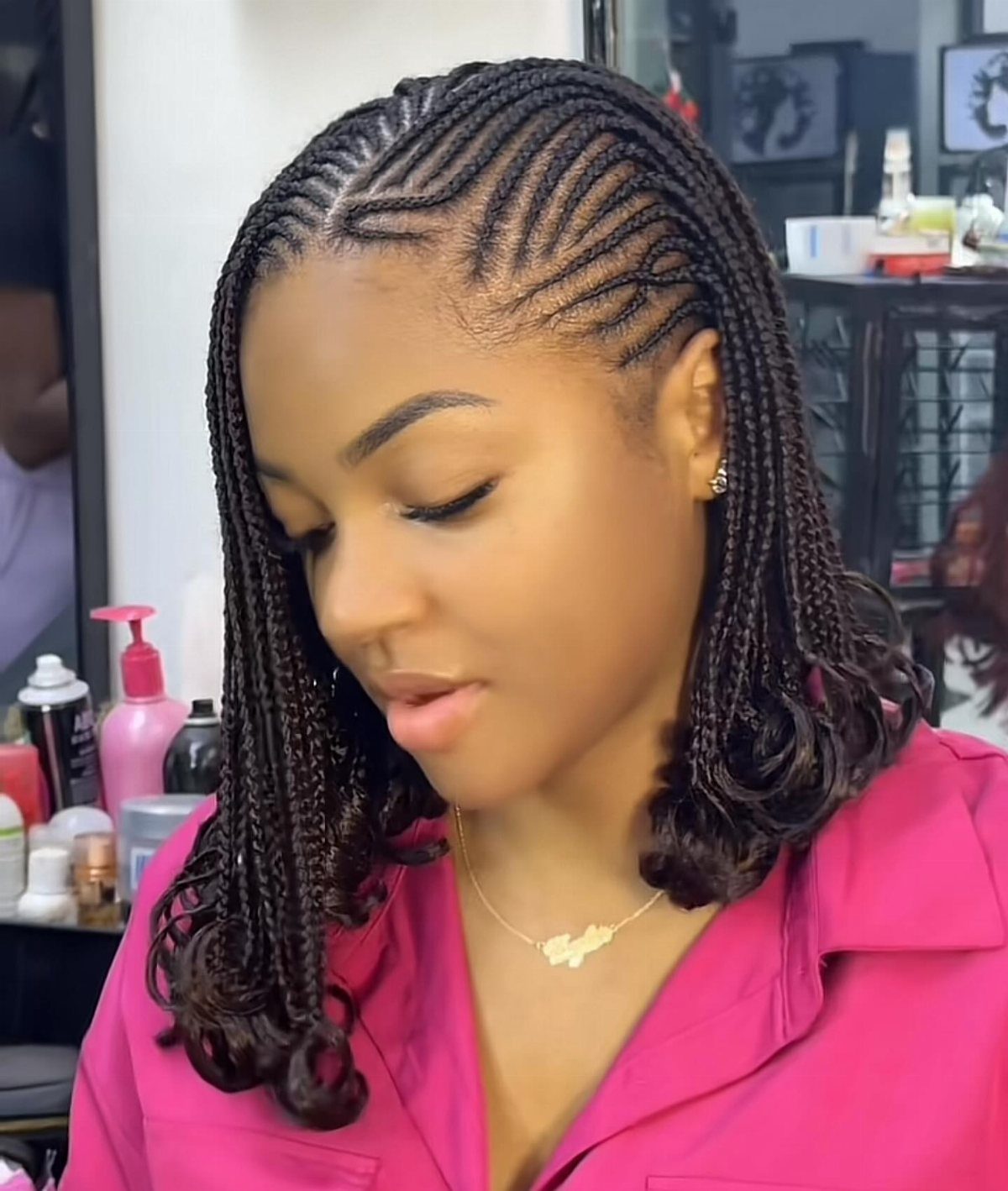
A single cornrow braided along the part line, keeping the side section flat and defined while the rest of the hair falls loose or is styled separately.
The braid adds detail without changing the overall shape and works on straight or textured hair.
Part your hair deeply to one side, braid a thin cornrow along the part from the front hairline back several inches, and secure it with a small elastic or pin.
The braid holds the part in place and prevents flyaways, and it takes about 5 minutes once you’ve practiced the technique.
Low-Maintenance Upkeep
Shoulder length grows out forgivingly enough that you can stretch trims longer without the shape collapsing.
The length sits in a range where most styles read as intentional even when they’ve moved a little, and blunt perimeters hold their line longer than layered ends that can start to look wispy between appointments.
Air-drying works at this length, especially if your hair has any natural wave or curl. Straight hair can air-dry with a middle part and a pass-through with your fingers while it’s still wet.
For texture without heat, salt spray or a light texturing spray on dry hair adds grip and makes fine hair look fuller. A small amount of cream smooths frizz on the ends without weighing down the rest.
As celebrity hairstylist David von Cannon explains, a medium-length just means that hair will typically fall from the shoulders to mid-back. But as far as cuts and styling is concerned, anything goes.
— Vogue
Texture and Density
Fine hair looks thicker with a blunt or nearly blunt perimeter and light layering through the interior.
The solid line at the bottom makes the ends look denser, and keeping internal texture light prevents the cut from collapsing or looking thin through the mid-lengths.
A subtle face frame adds dimension without removing enough hair to sacrifice the appearance of fullness.
Choosing Length Precisely
Shoulder length covers a span from just below the jaw to an inch or two past the collarbone, and stylists interpret it differently depending on where they trained and what the client shows them.
Bring a photo and point to exactly where the ends fall, not just the cut’s general shape.
If you have curly hair, the wet cutting line will shrink as it dries, sometimes by as much as 2 or 3 inches depending on your curl type.
Collarbone length and true shoulder length sit about an inch apart, but that inch changes how the hair moves and whether it tucks behind your ear or falls forward across your neck.
Frequently Asked Questions
Should fine thin hair be layered or one length?
Light layers add volume and movement to fine hair by breaking up the ends so they don’t look sparse.
Layers cut shorter through the top add lift where fine hair falls flat, and textured ends break up the blunt line that shows every gap. A one-length cut can look flat, but subtle layering risks making thin spots more visible.
What are the best haircuts for women with medium-length hair?
Blunt bobs, layered lobs, and soft shags all work at shoulder length, each offering different levels of texture and maintenance.
A blunt bob makes hair look fuller with a clean line, while layers reduce weight and add movement. Natural waves and face-framing layers suit women who want easy styling without heat tools.
What exactly are medium-length haircuts with bangs?
They pair shoulder-length hair with fringe that frames the face and adds dimension near the eyes. Wispy bangs stay light and textured, blending into longer layers without full coverage.
Which shoulder-length haircut will suit you best?
Start with your texture and density: thick hair benefits from long layers to reduce weight, while fine hair looks fuller with a blunt perimeter or light layering.
Face shape matters for bangs and angles, with rounded cuts softening square faces and angled lobs elongating round ones.
Curly hair cut wet looks different dry, so find someone who cuts it in its natural state and shapes each curl instead of fighting the texture.